Why You’ll Love This Folded Kimbap
If you’ve ever wanted to enjoy homemade Korean kimbap but felt intimidated by the rolling technique, folded kimbap is about to become your new favorite kitchen hack. This trendy Korean food innovation has taken social media by storm, and for excellent reasons that go far beyond its photogenic appeal.
- Ease of preparation: Unlike traditional kimbap that requires a bamboo mat and practiced rolling technique, folded kimbap eliminates the rolling entirely. With just a simple fold-and-press method, you can create a beautiful handheld snack in under 15 minutes total. The preparation time of just 10 minutes and cook time of 5 minutes makes this perfect for busy weeknight dinners or quick lunch assemblies. Even kitchen beginners can achieve professional-looking results on their first attempt.
- Health benefits: This recipe delivers a well-balanced nutritional profile featuring seasoned rice for carbohydrates, seaweed rich in minerals, quality proteins from eggs, tuna, or tofu, and fresh vegetables like lettuce, cucumber, and carrot. According to health experts, seaweed offers numerous health benefits including essential minerals and antioxidants. The combination creates a satisfying meal that fuels your body without the heaviness of fried foods.
- Versatility: The beauty of folded kimbap lies in its adaptability. Whether you follow a vegetarian, gluten-free, or low-calorie diet, you can customize the fillings to match your preferences. Swap luncheon meat for tofu, add extra vegetables, or experiment with different seasonings the possibilities are nearly endless.
- Distinctive flavor: Each bite delivers a harmonious blend of nutty sesame oil-infused rice, savory protein, crisp fresh vegetables, and the subtle oceanic note from the roasted seaweed. The contrast of textures and flavors creates an eating experience that feels both comforting and exciting.
Jump to:
- Why You’ll Love This Folded Kimbap
- Essential Ingredients for Folded Kimbap
- Main Ingredients for One Serving
- Protein Options (Choose One or Mix)
- Vegetable Options
- Special Dietary Options
- How to Prepare the Perfect Folded Kimbap: Step-by-Step Guide
- Step 1: Prepare the Seasoned Rice
- Step 2: Prepare Your Protein
- Step 3: Prepare the Vegetables
- Step 4: Set Up Your Assembly Station
- Step 5: Fill Each Quadrant
- Step 6: Master the Fold
- Step 7: Final Touches and Serving
- Dietary Substitutions to Customize Your Folded Kimbap
- Protein and Main Component Alternatives
- Vegetable, Sauce, and Seasoning Modifications
- Mastering Folded Kimbap: Advanced Tips and Variations
- Pro Cooking Techniques for Better Results
- Creative Flavor Variations
- Presentation Tips
- Make-Ahead and Meal Prep Strategies
- How to Store Folded Kimbap: Best Practices
- Refrigeration Guidelines
- Freezing Options
- Reheating Recommendations
- Meal Prep Considerations
- FAQs: Frequently Asked Questions About Folded Kimbap
- What is folded kimbap?
- How do you make folded kimbap step by step?
- What rice is best for folded kimbap?
- What fillings go in folded kimbap?
- What are tips for perfect folded kimbap?
- Folded Kimbap
- Ingredients
- Instructions
- Last Step:
- Notes
- Nutrition
- Did you make this recipe?
Essential Ingredients for Folded Kimbap
Creating the perfect folded kimbap starts with gathering the right ingredients. The beauty of this recipe is that most items can be found in a well-stocked grocery store, and you can easily substitute based on what you have available.
Main Ingredients for One Serving
- 1/4 cup cooked rice – Short-grain white rice or sushi rice works best for its sticky texture that holds everything together. The rice acts as the foundation and glue for your folded creation.
- 1/4 teaspoon sesame oil – This adds a rich, nutty flavor to the rice and helps season it perfectly. Toasted sesame oil provides the most authentic Korean flavor profile.
- Salt to taste – Enhances the overall flavor of the seasoned rice and brings out the natural taste of other ingredients.
- 1/4 teaspoon sesame seeds (optional) – These add a lovely crunch and visual appeal while contributing additional nutty flavor notes.
- 1 seaweed sheet (gim/nori) – Roasted seaweed sheets provide the wrapper for your kimbap and deliver that distinctive umami flavor. Use full-size sheets for the best results.
Protein Options (Choose One or Mix)
- 2 thin slices canned luncheon meat – A classic Korean kimbap addition that brings salty, savory flavor. Pan-fry until lightly crispy for best results.
- 2 tablespoons canned tuna (liquid pressed out) – An affordable, convenient protein option. Remove excess liquid to prevent soggy kimbap.
- 1 fried egg (no runny yolk) – Cook until the yolk is fully set. The egg adds richness and protein while being budget-friendly.
- Cheese slice – Adds creamy texture and savory flavor. Korean or American cheese slices work wonderfully.
- Fish cake (eomuk) – A traditional Korean ingredient with a mild, slightly sweet flavor and chewy texture.
- Fried tofu – Perfect for vegetarians. Use firm tofu, pressed and pan-fried until golden.
Vegetable Options
- 1 lettuce leaf – Adds fresh crunch and acts as a barrier between wet ingredients and rice. Can be doubled with perilla leaf for more authentic flavor.
- 1/2 small cucumber, carrot, or other vegetables – Thinly slice, shave, or julienne for easy folding. These add color, crunch, and nutritional value.
Special Dietary Options
| Dietary Preference | Substitution Options |
|---|---|
| Vegan | Replace luncheon meat and egg with fried tofu, tempeh, or seasoned beans. Use plant-based cheese alternatives or omit cheese entirely. |
| Gluten-free | Verify that luncheon meat is gluten-free or substitute with fresh proteins. Check that fish cake is gluten-free as some contain wheat. |
| Low-calorie | Increase vegetables, reduce rice amount, and choose lean proteins like tuna or egg. Omit or reduce sesame oil. |
How to Prepare the Perfect Folded Kimbap: Step-by-Step Guide
Making folded kimbap is surprisingly straightforward once you understand the folding technique. This detailed guide will walk you through each step to ensure success every single time.
Step 1: Prepare the Seasoned Rice
Start by preparing your rice foundation. Take 1/4 cup of warm cooked rice and transfer it to a small bowl. Add 1/4 teaspoon of sesame oil and salt to taste. If you’re using sesame seeds, add 1/4 teaspoon now. Gently mix everything together using a folding motion rather than mashing this keeps the rice grains intact and creates a better texture.
The rice should be warm but not hot when you season it. Warm rice absorbs the sesame oil more evenly and is easier to spread. If you’re using leftover refrigerated rice, microwave it for 15-20 seconds with a sprinkle of water to soften it before seasoning.
Step 2: Prepare Your Protein
While the rice cools slightly, prepare your chosen protein. Each option requires different handling:
- Canned luncheon meat: Cut 2 thin slices and pan-fry them over medium heat for 1-2 minutes per side until lightly browned and crispy on the edges. Set aside on paper towels to drain excess oil.
- Canned tuna: Place 2 tablespoons of tuna in a fine-mesh strainer or between paper towels. Press firmly to remove all liquid. Dry tuna is essential to prevent soggy kimbap.
- Fried egg: Crack an egg into a lightly oiled pan over medium-low heat. Cook until the whites are set and the yolk is fully cooked through no runny yolks for this recipe. For a neat fit, you can use a square mold or trim the egg after cooking.
- Fried tofu: Press firm tofu to remove excess water, slice into thin pieces, and pan-fry in a little oil until golden brown on both sides.
Step 3: Prepare the Vegetables
Vegetable preparation is crucial for the structural integrity of your folded kimbap. Clean, pat dry, and slice your vegetables carefully. For the best results:
- Wash 1 lettuce leaf and pat it completely dry with paper towels. Excess moisture is the enemy of crispy kimbap.
- Take 1/2 small cucumber or carrot and thinly slice, shave, or julienne. The thinner your cuts, the easier the kimbap will fold.
- If you’re using perilla leaves, wash and dry them thoroughly.
- For added flavor, you can lightly sauté carrots or other hard vegetables, but this isn’t necessary.
- If including kimchi, squeeze out all liquid and optionally sauté it briefly to intensify the flavor.
Step 4: Set Up Your Assembly Station
Clear a clean, flat workspace. Lay your seaweed sheet shiny side down with the shorter side facing you. This orientation is important for the proper fold. Using clean scissors or a sharp knife, cut a slit halfway from the center of one short side toward the middle. The cut should go from the edge to the center point, creating four distinct quadrants that will allow you to fold the kimbap into its signature triangle shape.
Think of the seaweed sheet as a clock face. The slit runs from the 6 o’clock position to the center point. This single cut is what makes the folding technique possible.
Step 5: Fill Each Quadrant
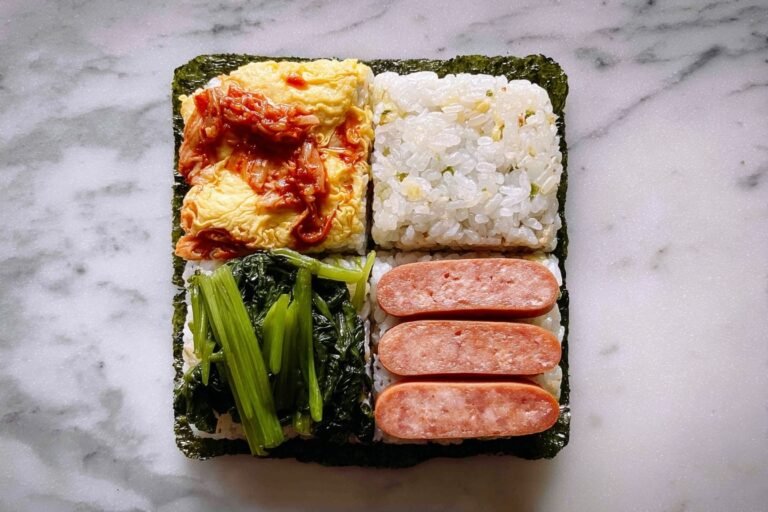
Now comes the fun part assembling your kimbap. You’ll place different ingredients on each of the four quadrants created by your slit:
- Bottom left quadrant: Spread your seasoned rice evenly across this section. The rice should be in a thin layer, not a thick mound. Press it gently to help it adhere to the seaweed.
- Top left quadrant: Place your protein of choice here. Whether it’s luncheon meat, tuna, egg, or tofu, arrange it neatly without overloading.
- Top right quadrant: Add your vegetables here. Layer the lettuce leaf first, then add cucumber or carrot on top. Keep portions reasonable.
- Bottom right quadrant: This can hold cheese, additional vegetables, or a second protein. Get creative with this section!
Pro tip: When arranging ingredients, think about how the flavors will combine when folded. The rice will end up in the center, surrounded by all other ingredients, creating a perfect bite every time.
Step 6: Master the Fold
The folding sequence is where the magic happens. Follow these steps carefully:
- Fold the bottom left quadrant (rice) onto the top left quadrant (protein). Lift the corner of the seaweed and fold it upward, bringing the rice on top of your protein. Press gently to help the rice act as glue.
- Fold this combined section onto the top right quadrant (vegetables). Continue the folding motion to the right, bringing the rice and protein stack onto the vegetables. Press again to seal.
- Complete the fold by bringing everything onto the bottom right quadrant. Make the final fold downward, creating a compact triangle or square package. Press firmly but gently, tucking in any ingredients that might escape.
The rice should now be in the center, with all other ingredients layered around it. The seaweed edges should seal together, held by the moisture from the rice.
Step 7: Final Touches and Serving
Your folded kimbap is now complete! For the best eating experience:
- Let it rest for 1-2 minutes before eating. This allows the seaweed to soften slightly and the flavors to meld.
- Cut it in half diagonally to show off the beautiful layers inside perfect for photos!
- Serve immediately for the crispiest seaweed texture.
- If packing for later, wrap individually in plastic wrap or foil to maintain freshness.
The entire process from start to finish takes approximately 15 minutes, making this an ideal option for meal prep, quick lunches, or satisfying snacks.

Dietary Substitutions to Customize Your Folded Kimbap
One of the greatest strengths of folded kimbap is its incredible adaptability. Whether you’re working with dietary restrictions, ingredient availability, or personal preferences, there’s a delicious version waiting for you to discover.
Protein and Main Component Alternatives
The protein component of your folded kimbap can be transformed to suit any dietary need or ingredient availability:
For Vegetarians: Replace traditional proteins with pan-fried tofu slices, seasoned tempeh, or even a well-seasoned bean mash. If you enjoy eggs, the fried egg option provides complete protein. For more flavor, marinate tofu in soy sauce and sesame oil before frying.
For Pescatarians: Canned tuna is just the beginning. Try flaked cooked salmon, imitation crab sticks, or even small shrimp. Our salmon recipes can provide inspiration for cooked salmon preparations that work beautifully in kimbap.
For Meat Lovers: Beyond luncheon meat, consider thinly sliced cooked beef bulgogi, leftover grilled chicken, or even crispy bacon. The key is to slice or portion proteins thinly so they fold easily. Speaking of grilled proteins, our blackened chicken recipe creates flavorful meat that could be thinly sliced for kimbap filling.
For Budget-Conscious Cooks: Eggs and canned tuna offer the most affordable protein options. A single egg costs pennies and provides satisfying protein. Seasoned vegetables with just a small amount of protein stretched across multiple kimbap pieces keeps costs down while still delivering flavor.
Vegetable, Sauce, and Seasoning Modifications
The vegetable quadrant offers endless possibilities for customization based on seasons, preferences, and availability:
Seasonal Vegetables: In summer, try adding fresh avocado slices, bell pepper strips, or zucchini ribbons. Fall and winter call for roasted vegetables like sweet potato or pumpkin slices. Spring brings tender asparagus tips and fresh peas. Always remember to remove excess moisture from watery vegetables.
Sauce Additions: While traditional kimbap keeps sauces minimal, folded kimbap welcomes flavor enhancements. Try adding a thin layer of gochujang (Korean red pepper paste), a drizzle of sriracha mayo, or a dab of your favorite sandwich spread. Place sauces near the rice to help contain them during folding.
Seasoning Variations: Beyond the basic sesame oil and salt, consider mixing furikake (Japanese rice seasoning), everything bagel seasoning, or dried herbs into your rice. A tiny pinch of sugar in the rice brings out subtle sweetness in the Korean style.
Pickled Elements: Adding pickled vegetables like danmuji (yellow pickled radish), pickled carrots, or quick-pickled cucumbers introduces bright acidity that cuts through richer proteins. Pat these dry before adding to prevent soggy seaweed.
Mastering Folded Kimbap: Advanced Tips and Variations
Once you’ve mastered the basic technique, you can elevate your folded kimbap game with these professional tips and creative variations.
Pro Cooking Techniques for Better Results
- Temperature matters: Work with rice that’s warm but not hot around room temperature is ideal. Cold rice becomes stiff and difficult to spread, while piping hot rice can make the seaweed soggy immediately.
- The moisture management rule: This is the single most important factor for success. Squeeze liquid from wet ingredients like tuna, kimchi, or sautéed vegetables. Pat all vegetables completely dry with paper towels. Consider the moisture content of every ingredient before adding it.
- Strategic ingredient placement: Position small, loose ingredients like sesame seeds, chopped herbs, or sauce near the rice section. This ensures they get secured between rice and seaweed during folding rather than falling out.
- Don’t skip the press: After each fold, press firmly but gently. This helps the rice act as glue and creates a compact package that holds together when eating.
Creative Flavor Variations
Transform your folded kimbap with these inspired flavor combinations:
- Spicy Tuna Melt: Mix canned tuna with a little gochujang and mayonnaise. Add cucumber and a slice of cheese. The result is creamy, spicy, and utterly addictive.
- Breakfast Kimpap: Use scrambled eggs, crispy bacon, avocado, and a tiny drizzle of maple syrup in the rice. Perfect for a hearty morning meal.
- Mediterranean Style: Fill with hummus spread on the rice, roasted red peppers, cucumber, and feta cheese. Drizzle with olive oil.
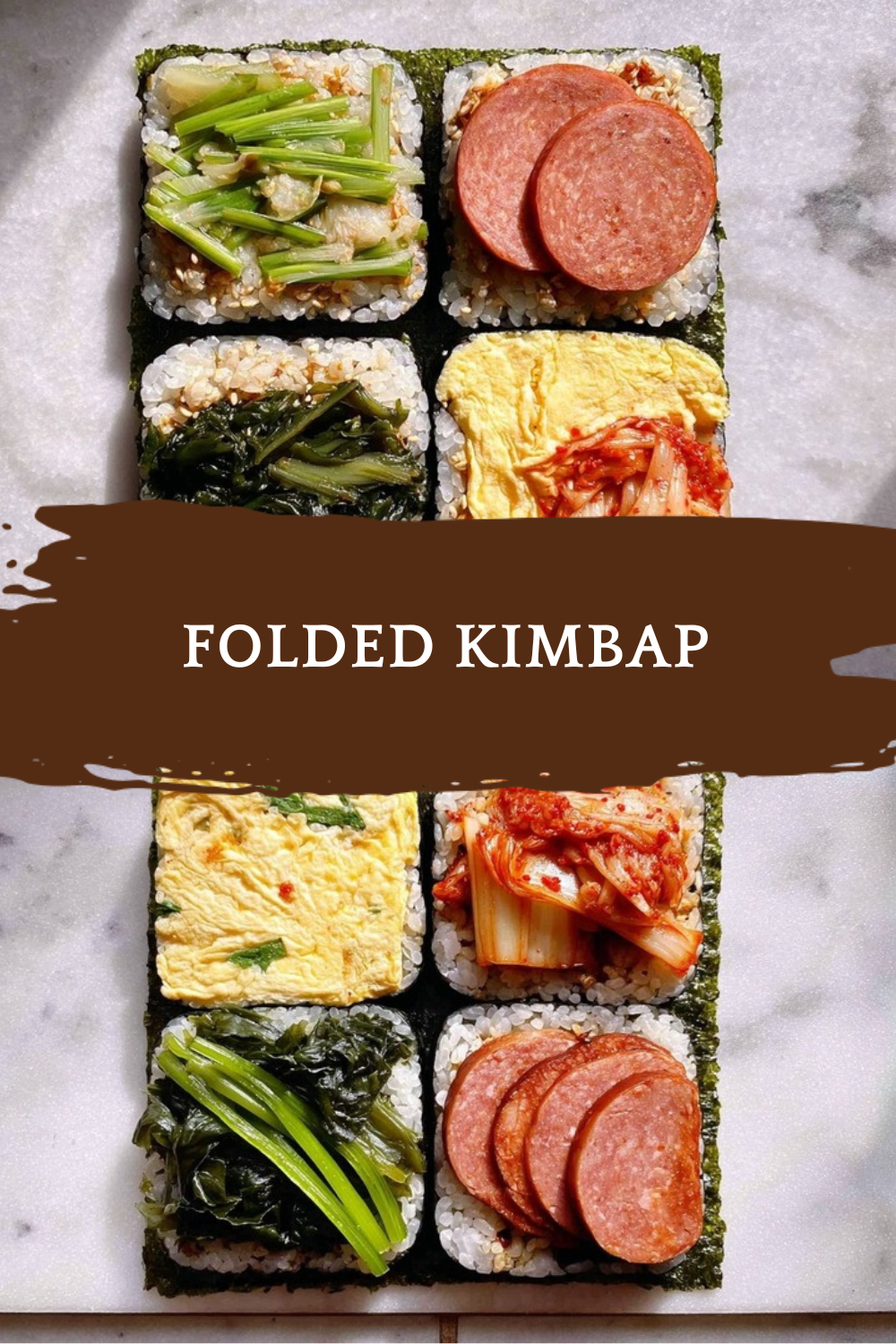
- Vegetable Rainbow: Use different colored vegetables in each quadrant purple cabbage, orange carrots, green spinach, and yellow pickled radish for a visually stunning result.
Presentation Tips
Make your folded kimbap Instagram-worthy with these presentation strategies:
- Wrap finished kimbap individually in plastic wrap or foil for a packaged look
- Cut diagonally to showcase the colorful layers inside
- Serve on a wooden board with small dishes of kimchi and pickled vegetables
- Sprinkle additional sesame seeds on top for visual appeal
Make-Ahead and Meal Prep Strategies
Folded kimbap works wonderfully for meal prep when you follow these guidelines:
- Prep all ingredients the night before and store them in separate airtight containers in the refrigerator
- Assemble kimbap in the morning for the freshest texture
- Wrap each piece individually in plastic wrap to maintain freshness
- Store wrapped kimbap in an airtight container for up to 4 hours at room temperature or 24 hours refrigerated
How to Store Folded Kimbap: Best Practices
Proper storage ensures your folded kimbap stays fresh and delicious. Understanding the best methods helps you plan meals and reduce waste.
Refrigeration Guidelines
For short-term storage, wrap each folded kimbap piece individually in plastic wrap, pressing out as much air as possible. Place wrapped pieces in an airtight container and refrigerate for up to 24 hours. The seaweed will soften over time, changing the texture but remaining perfectly safe to eat.
Freezing Options
Folded kimbap can be frozen, though the texture of the seaweed will change significantly. If you must freeze it, wrap pieces individually in plastic wrap, then place in a freezer-safe bag with air removed. Freeze for up to 1 month. Thaw in the refrigerator overnight before eating.
Reheating Recommendations
While folded kimbap is designed to be eaten cold or at room temperature, you can warm it if desired. Remove plastic wrap and microwave for 10-15 seconds. The seaweed will become chewy rather than crispy. For better results, pan-fry briefly in a lightly oiled pan until the outside is crispy again.
Meal Prep Considerations
For the best meal prep results, consider storing ingredients separately and assembling fresh. Pre-cut vegetables and proteins can be stored in the refrigerator for 2-3 days. Rice can be seasoned and refrigerated for up to 24 hours just bring it to room temperature before assembling. This approach ensures crispy seaweed texture every time.
FAQs: Frequently Asked Questions About Folded Kimbap
What is folded kimbap?
Folded kimbap, also known as gapao bap or triangle kimbap, is a popular Korean snack made by filling quadrants of a seaweed sheet (nori) with rice and various toppings, then folding it into a compact triangle or rose shape that’s easy to eat by hand—no knife needed. Start with a square nori sheet, make a diagonal slit from the center to the edge, and add fillings like seasoned rice, veggies, protein, and cheese to each section. Fold sequentially: bottom over left, that over top, then right over the stack. This viral TikTok trend simplifies traditional kimbap rolls, making it portable and customizable. It’s perfect for lunchboxes or parties, with endless flavor combos from bulgogi to spicy tuna. Prep time is under 10 minutes per piece. (92 words)
How do you make folded kimbap step by step?
To make folded kimbap: 1) Lay a nori sheet shiny-side down. 2) Cut a slit from center to one edge corner. 3) Divide into four quadrants. 4) Fill each with 1-2 tbsp seasoned short-grain rice (mixed with salt and sesame oil), then add toppings like cucumber slices, carrot matchsticks, spam, egg, or kimchi—keep portions small. 5) Fold bottom quadrant over left, that over top, then right over the pile to form a triangle. 6) Press gently to seal. For best results, use room-temperature rice, dry wet ingredients, and avoid overfilling to prevent breakage. Yields 1 handheld snack in 5 minutes. Serve fresh or wrap in foil for later. (112 words)
What rice is best for folded kimbap?
Short-grain sushi rice works best for folded kimbap due to its sticky texture that holds fillings together. Season 1 cup cooked rice with ½ tsp salt and 1 tsp sesame oil for authentic flavor. Use leftover rice? Microwave with a splash of water to soften it first. Freshly cooked rice should be drier—cook with slightly less water (1:1 ratio) and cool for 10 minutes. Avoid long-grain rice as it crumbles easily. Pro tip: Mix in a pinch of sugar for subtle sweetness matching Korean style. This ensures neat folds and mess-free eating. One batch seasons enough rice for 8-10 pieces. (98 words)
What fillings go in folded kimbap?
Folded kimbap shines with mix-and-match fillings across four quadrants for variety in every bite. Base each with rice, then add: Protein—grilled bulgogi beef, canned tuna mayo, spam slices, fried egg, tofu, or fish cake. Veggies—cucumber strips, carrot julienne, spinach, avocado, pickled radish (danmuji), or kimchi. Cheese like mozzarella melts nicely. Keep it balanced: one savory, one crunchy, one fresh, one spicy. Examples: tuna + cucumber + egg + cheese. Pat dry wet items and chop small to fit. This creates 100+ combos—experiment for vegan (tofu + veggies) or keto (skip rice, use cauliflower). (104 words)
What are tips for perfect folded kimbap?
For foolproof folded kimbap: Squeeze excess moisture from kimchi or tuna to avoid sogginess. Pat veggies dry with paper towels. Don’t overload—max 1 tbsp filling per quadrant plus rice. Leave ½-inch gaps between sections for smooth folding. Place loose items like crab sticks next to rice for stability. Use thicker kimbap nori from Asian markets (not thin sushi sheets). If it won’t stick, dab edges with water or rice grains. Eat immediately or store wrapped in plastic for up to 4 hours. Common fix: If rice is too sticky, add a tsp oil when seasoning. These steps make it portable and Instagram-worthy every time. (102 words)
Folded Kimbap
🍙 Quick no-roll folded kimbap packs customizable proteins-veggies in chewy seaweed—effortless Korean lunch.
🌿 Trendy viral hack skips rolling; balanced bites ready in 15 minutes for busy days.
- Total Time: 15 minutes
- Yield: 4 kimbap
Ingredients
– 1/4 cup cooked rice
– 1/4 teaspoon sesame oil
– Salt to taste
– 1/4 teaspoon sesame seeds (optional)
– 1 seaweed sheet (gim/nori)
– 2 thin slices canned luncheon meat
– 2 tablespoons canned tuna (liquid pressed out)
– 1 fried egg (no runny yolk)
– Cheese slice
– Fish cake (eomuk)
– Fried tofu
– 1 lettuce leaf
– 1/2 small cucumber, carrot, or other vegetables
Instructions
1-Step 1: Prepare the Seasoned Rice Start by preparing your rice foundation. Take 1/4 cup of warm cooked rice and transfer it to a small bowl. Add 1/4 teaspoon of sesame oil and salt to taste. If you’re using sesame seeds, add 1/4 teaspoon now. Gently mix everything together using a folding motion rather than mashing this keeps the rice grains intact and creates a better texture. The rice should be warm but not hot when you season it. Warm rice absorbs the sesame oil more evenly and is easier to spread. If you’re using leftover refrigerated rice, microwave it for 15-20 seconds with a sprinkle of water to soften it before seasoning.
2-Step 2: Prepare Your Protein While the rice cools slightly, prepare your chosen protein. Each option requires different handling:* Canned luncheon meat: Cut 2 thin slices and pan-fry them over medium heat for 1-2 minutes per side until lightly browned and crispy on the edges. Set aside on paper towels to drain excess oil.* Canned tuna: Place 2 tablespoons of tuna in a fine-mesh strainer or between paper towels. Press firmly to remove all liquid. Dry tuna is essential to prevent soggy kimbap.* Fried egg: Crack an egg into a lightly oiled pan over medium-low heat. Cook until the whites are set and the yolk is fully cooked through no runny yolks for this recipe. For a neat fit, you can use a square mold or trim the egg after cooking.* Fried tofu: Press firm tofu to remove excess water, slice into thin pieces, and pan-fry in a little oil until golden brown on both sides.
3-Step 3: Prepare the Vegetables Vegetable preparation is crucial for the structural integrity of your folded kimbap. Clean, pat dry, and slice your vegetables carefully. For the best results:* Wash 1 lettuce leaf and pat it completely dry with paper towels. Excess moisture is the enemy of crispy kimbap.* Take 1/2 small cucumber or carrot and thinly slice, shave, or julienne. The thinner your cuts, the easier the kimbap will fold.* If you’re using perilla leaves, wash and dry them thoroughly.* For added flavor, you can lightly sauté carrots or other hard vegetables, but this isn’t necessary.* If including kimchi, squeeze out all liquid and optionally sauté it briefly to intensify the flavor.
4-Step 4: Set Up Your Assembly Station Clear a clean, flat workspace. Lay your seaweed sheet shiny side down with the shorter side facing you. This orientation is important for the proper fold. Using clean scissors or a sharp knife, cut a slit halfway from the center of one short side toward the middle. The cut should go from the edge to the center point, creating four distinct quadrants that will allow you to fold the kimbap into its signature triangle shape. Think of the seaweed sheet as a clock face. The slit runs from the 6 o’clock position to the center point. This single cut is what makes the folding technique possible.
5-Step 5: Fill Each Quadrant Now comes the fun part assembling your kimbap. You’ll place different ingredients on each of the four quadrants created by your slit:* Bottom left quadrant: Spread your seasoned rice evenly across this section. The rice should be in a thin layer, not a thick mound. Press it gently to help it adhere to the seaweed.* Top left quadrant: Place your protein of choice here. Whether it’s luncheon meat, tuna, egg, or tofu, arrange it neatly without overloading.* Top right quadrant: Add your vegetables here. Layer the lettuce leaf first, then add cucumber or carrot on top. Keep portions reasonable.* Bottom right quadrant: This can hold cheese, additional vegetables, or a second protein. Get creative with this section!
6-Step 6: Master the Fold The folding sequence is where the magic happens. Follow these steps carefully:1. Fold the bottom left quadrant (rice) onto the top left quadrant (protein). Lift the corner of the seaweed and fold it upward, bringing the rice on top of your protein. Press gently to help the rice act as glue.2. Fold this combined section onto the top right quadrant (vegetables). Continue the folding motion to the right, bringing the rice and protein stack onto the vegetables. Press again to seal.3. Complete the fold by bringing everything onto the bottom right quadrant. Make the final fold downward, creating a compact triangle or square package. Press firmly but gently, tucking in any ingredients that might escape. The rice should now be in the center, with all other ingredients layered around it. The seaweed edges should seal together, held by the moisture from the rice.
7-Step 7: Final Touches and Serving Your folded kimbap is now complete! For the best eating experience:* Let it rest for 1-2 minutes before eating. This allows the seaweed to soften slightly and the flavors to meld.* Cut it in half diagonally to show off the beautiful layers inside perfect for photos!* Serve immediately for the crispiest seaweed texture.* If packing for later, wrap individually in plastic wrap or foil to maintain freshness.
Last Step:
Please leave a rating and comment letting us know how you liked this recipe! This helps our business to thrive and continue providing free, high-quality recipes for you.Notes
💧 Squeeze liquids from tuna/kimchi, pat veggies dry to avoid sogginess.
📏 Avoid overloading quarters; position small items near rice.
🔪 Cut seaweed precisely for perfect origami folds.
- Prep Time: 10 minutes
- Cook Time: 5 minutes
- Category: Lunch
- Method: Assembly
- Cuisine: Korean
Nutrition
- Serving Size: 1 kimbap
- Calories: 350 kcal
- Sugar: 3 g
- Sodium: 900 mg
- Fat: 15 g
- Saturated Fat: 4 g
- Unsaturated Fat: 10 g
- Trans Fat: 0 g
- Carbohydrates: 45 g
- Fiber: 3 g
- Protein: 15 g
- Cholesterol: 200 mg