Why You’ll Love This Yu Choy
Yu choy is one of those delightful vegetables that makes you wonder why you haven’t been cooking it all along. This sweet-tasting Chinese leafy green brings a wonderful tenderness to your table, especially when you catch it young and fresh. If you’ve been looking for a simple side dish that delivers on both flavor and nutrition, this recipe is about to become your go-to favorite.
What makes this yu choy recipe truly special is how it transforms a humble vegetable into something restaurant-worthy with minimal effort. The natural sweetness of young yu choy shines through when lightly blanched, and that savory oyster sauce drizzle adds just the right amount of richness without overpowering the vegetable’s delicate character.
Here are the main reasons this recipe deserves a spot in your weekly rotation:
- Ease of preparation: This dish comes together in under 10 minutes of active cooking time. The blanching method is straightforward enough for beginners, yet the results look and taste like something from a proper Chinese restaurant. You can have this on the table faster than ordering takeout.
- Health benefits: Yu choy packs an impressive nutritional punch with high levels of vitamins A and C, plus calcium and iron. At only 98 calories per serving, this vegetable supports your wellness goals while satisfying your craving for something savory and satisfying.
- Versatility: Whether you’re cooking for vegetarians, gluten-sensitive guests, or picky eaters, this recipe adapts beautifully. The vegetarian oyster sauce option makes it plant-based friendly, and you can adjust seasonings to suit any palate.
- Distinctive flavor: The fresher, sweeter taste of yu choy compared to Chinese broccoli makes this vegetable stand out. When young and tender, it offers a mild sweetness that pairs perfectly with the umami-rich sauce.
Jump to:
- Why You’ll Love This Yu Choy
- Essential Ingredients for Yu Choy
- Main Ingredients List
- Special Dietary Options
- How to Prepare the Perfect Yu Choy: Step-by-Step Guide
- Step 1: Thorough Washing
- Step 2: Boiling the Water
- Step 3: Making the Savory Sauce
- Step 4: Blanching the Yu Choy
- Step 5: Removing and Arranging
- Step 6: Finishing Touches
- Protein and Main Component Alternatives
- Vegetable, Sauce, and Seasoning Modifications
- Sauce Variations
- Seasonal Adaptations
- Mastering Yu Choy: Advanced Tips and Variations
- Pro Cooking Techniques
- Flavor Variations
- Presentation Tips
- Make-Ahead Options
- How to Store Yu Choy: Best Practices
- Refrigeration Guidelines
- Freezing Options
- Reheating Recommendations
- FAQs: Frequently Asked Questions About Yu Choy
- What is yu choy sum?
- How do you prepare yu choy sum before cooking?
- How long do you blanch yu choy sum?
- What’s the best sauce recipe for blanched yu choy sum?
- How do you store yu choy sum and serve it after cooking?
- Yu Choy
- Ingredients
- Instructions
- Last Step:
- Notes
- Nutrition
- Did you make this recipe?
Essential Ingredients for Yu Choy
Gathering the right ingredients makes all the difference when preparing yu choy. This recipe keeps things simple while delivering authentic flavor that rivals your favorite Chinese restaurant. Each component plays a specific role in creating that perfect balance of sweet, savory, and aromatic notes.
Main Ingredients List
- 1 pound yu choy (about 450 grams) – The star of the dish, providing tender leaves and crisp stems with a naturally sweet flavor that’s milder than Chinese broccoli
- 2 tablespoons oil (divided) – One tablespoon for the sauce and one tablespoon for the blanching water; the oil helps the sauce coat the vegetables evenly and keeps them glossy
- 1 tablespoon oyster sauce (or vegetarian oyster sauce) – Creates that signature savory umami flavor; vegetarian mushroom-based alternatives work beautifully for plant-based diets
- 1 tablespoon soy sauce – Adds depth and saltiness to round out the sauce profile
- 1/2 teaspoon sesame oil – Provides a fragrant, nutty aroma that makes the dish smell as good as it tastes
- 1/8 teaspoon white pepper – Offers a gentle warmth without the harshness of black pepper, keeping the flavor profile authentically Chinese
Special Dietary Options
For those with dietary restrictions, this recipe offers simple substitutions:
- Vegan: Replace regular oyster sauce with vegetarian oyster sauce made from mushrooms. The flavor remains rich and savory without any animal products.
- Gluten-free: Use tamari instead of soy sauce, and verify your oyster sauce is gluten-free. Many brands now offer gluten-free versions of these condiments.
- Low-calorie: Reduce the oil to 1.5 tablespoons total and use a low-sodium soy sauce to cut back on both calories and sodium while maintaining good flavor.
How to Prepare the Perfect Yu Choy: Step-by-Step Guide
Making yu choy at home is surprisingly simple when you follow these clear steps. The process involves two main parts: blanching the vegetables to achieve that perfect tender-crisp texture, and preparing the savory sauce that brings everything together.
Step 1: Thorough Washing
Start by washing your yu choy thoroughly three times to remove all dirt and sand. Leafy greens grown close to the ground often trap grit between the leaves and stems, so this step is essential for a pleasant eating experience. Fill a large bowl or your clean sink with cold water, submerge the vegetables, and swish them around vigorously. Lift them out and repeat this process two more times with fresh water each time.
Washing leafy greens thoroughly multiple times removes hidden dirt and sand that can ruin an otherwise perfect dish.
After the third wash, drain the yu choy in a colander. Give it a few good shakes to remove excess water, but don’t worry about drying it completely at this point since it will go directly into boiling water.
Step 2: Boiling the Water
Bring a large pot of water to a rolling boil while your vegetables drain. You want plenty of water in the pot so the temperature doesn’t drop dramatically when you add the yu choy. A large pot ensures even cooking and helps maintain that bright green color everyone loves seeing in properly cooked vegetables.
Step 3: Making the Savory Sauce
While waiting for the water to boil, heat 1 tablespoon of oil in a small saucepan over low heat for about 30 seconds. This gentle heating allows the oil to come to temperature without smoking. Then stir in your oyster sauce, soy sauce, sesame oil, and white pepper. Whisk everything together until smooth and bring the mixture to a gentle simmer.
Once you see small bubbles forming around the edges, turn off the heat and set the sauce aside. The residual heat will keep it warm while you blanch the vegetables. This sauce comes together quickly, so stay close and watch for that simmer.
Step 4: Blanching the Yu Choy
When your water reaches a full boil, add 1 tablespoon of oil to the water. This might seem unusual, but the oil helps coat the vegetables and gives them a beautiful glossy appearance. Gently lower the yu choy into the boiling water and stir once to ensure all the leaves and stems get submerged.
Blanch the yu choy for about 30 seconds for thin stems, or up to 1 minute if the stems are particularly thick or if you prefer a more tender texture. The best way to check doneness is to taste a stem after 30 seconds. It should be tender but still offer a slight bite, similar to perfectly cooked pasta.
Blanching time can be adjusted depending on stem thickness and your preferred tenderness, so trust your taste buds over any timer.
Step 5: Removing and Arranging
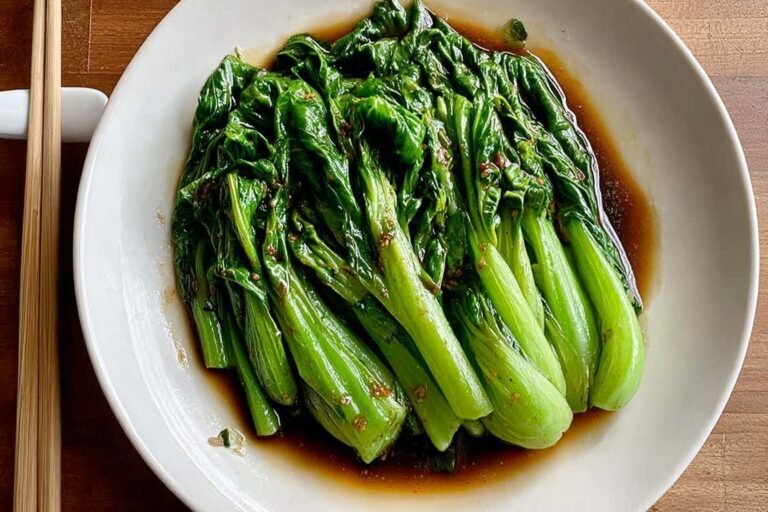
Use tongs or chopsticks to lift the yu choy out of the water. Arrange the vegetables lengthwise on your serving dish. This presentation style is traditional and makes the dish look elegant on the table.
Carefully pour off any water that accumulated on the platter. This step is crucial because excess water will dilute your sauce and make the final dish watery and bland. Tilt the plate over the sink if needed, just be careful not to lose any vegetables in the process.
Step 6: Finishing Touches
If your yu choy stems are particularly long, you can cut them in half with kitchen scissors for easier serving. This step is optional but makes the dish more manageable for guests to serve themselves.
Pour the warm sauce evenly over the arranged yu choy. The heat from the sauce will release the aromatic sesame oil fragrance, making your kitchen smell wonderful. Serve immediately while hot for the best flavor and texture experience.
Protein and Main Component Alternatives
While yu choy works beautifully as a standalone side dish, you can easily transform it into a more substantial meal by adding protein. These additions make the dish more filling while maintaining its authentic Chinese character.
For a quick weeknight dinner, consider adding sliced chicken breast or thigh meat to the blanching water during the last minute of cooking. The chicken cooks through quickly and absorbs some of the vegetable’s sweet flavor. Alternatively, stir-fry your protein separately and serve the blanched yu choy alongside or on top.
Shrimp pairs exceptionally well with yu choy’s delicate sweetness. Add medium shrimp to the boiling water about 2 minutes before the vegetables, then add the yu choy and finish cooking everything together. The shrimp turns pink and tender while the vegetable maintains its crisp texture.
Firm tofu offers an excellent plant-based protein option. Press the tofu to remove excess moisture, cut into cubes, and either add to the boiling water for the last minute or pan-fry separately for a crispy texture contrast. Season the tofu with a splash of soy sauce before serving.
For those seeking more family-friendly meal ideas, combining yu choy with your favorite protein creates a balanced plate that satisfies everyone at the table.
Vegetable, Sauce, and Seasoning Modifications
The classic oyster sauce preparation represents just one way to enjoy yu choy. This versatile vegetable welcomes all sorts of flavor variations and seasonal adaptations.
Sauce Variations
For a garlic-forward version, mince 2-3 cloves of garlic and sauté them in the oil before adding your sauce ingredients. The garlic infuses the entire dish with aromatic depth that pairs beautifully with the vegetable’s natural sweetness.
A ginger twist works wonders too. Add a teaspoon of freshly grated ginger to your sauce mixture for a warming note that cuts through the richness. This variation is particularly comforting during colder months.
Those who enjoy a bit of heat can add a teaspoon of chili garlic sauce or a drizzle of chili oil to the finished dish. The spice plays nicely against the mild, sweet vegetable without overwhelming its delicate flavor.
Seasonal Adaptations
Yu choy shines year-round, but you can adjust your preparation based on what’s available. In spring, look for young, tender plants with small leaves and thin stems. These require only 30 seconds of blanching and offer the sweetest flavor.
Summer and fall harvests often yield larger, more mature plants. These benefit from the full minute of blanching time and still deliver wonderful flavor and nutrition. The stems become more substantial, offering a satisfying crunch that holds up well to bolder sauce variations.
Winter yu choy may have slightly thicker stems, so consider splitting thick stems lengthwise before blanching for even cooking. The cooler growing temperatures often concentrate the sweetness in the leaves, making winter harvests particularly flavorful.
Mastering Yu Choy: Advanced Tips and Variations
Taking your yu choy from good to exceptional requires attention to a few key details. These pro techniques help you achieve restaurant-quality results every time.
Pro Cooking Techniques
The secret to bright green, perfectly cooked yu choy lies in timing and temperature control. Always start with rapidly boiling water before adding the vegetables. The high temperature sets the color quickly and prevents the leaves from becoming dull or olive-toned.
Another technique involves cooking stems and leaves separately when dealing with mature plants. Blanch the stems for 30 seconds first, then add the leaves for the final 15-20 seconds. This ensures both parts reach optimal tenderness simultaneously.
For stir-fry preparations instead of blanching, heat your wok until smoking hot, add oil, and cook the stems for 1 minute before adding the leaves. Stir constantly for another 30-45 seconds until just wilted. This method produces a different texture with slightly more bite.
Flavor Variations
Beyond the classic oyster sauce preparation, consider these creative alternatives:
| Sauce Style | Key Ingredients | Flavor Profile |
|---|---|---|
| Classic Cantonese | Oyster sauce, soy sauce, sesame oil | Savory, umami-rich |
| Garlic Ginger | Fried garlic, ginger, light soy sauce | Aromatic, warming |
| Spicy Szechuan | Chili oil, Szechuan peppercorns, garlic | Hot, numbing, complex |
| Simple Drizzle | Soy sauce, sesame oil, sugar | Light, sweet, nutty |
Presentation Tips
Restaurant-style presentation starts with arranging your yu choy lengthwise on the plate rather than piling it haphazardly. The stems should all point in the same direction, creating neat lines across the serving dish. Pour the sauce in a line down the center rather than drowning the entire plate.
Garnish options include toasted sesame seeds, crispy fried garlic bits, or thinly sliced scallions. These additions add visual appeal and complementary flavors without overwhelming the main ingredient.
Make-Ahead Options
For busy weeknight dinners, wash and drain your yu choy up to a day ahead. Store the prepared vegetables in a container lined with paper towels in the refrigerator. The paper towels absorb excess moisture and keep the leaves crisp.
You can also prepare the sauce mixture ahead of time and store it in an airtight container. When ready to serve, simply reheat the sauce gently while your water comes to a boil. This approach shaves valuable minutes off your dinner preparation.
For meal prep purposes, blanch extra yu choy and store it undressed in the refrigerator for up to two days. When ready to eat, briefly reheat by steaming or microwaving, then add freshly made sauce.
How to Store Yu Choy: Best Practices
Proper storage keeps your yu choy fresh and flavorful whether you’re storing the raw vegetable or leftover cooked dishes.
Refrigeration Guidelines
Store fresh yu choy in a perforated plastic bag or loosely wrapped in damp paper towels inside a plastic bag. Place it in the crisper drawer of your refrigerator where temperatures remain consistent. Properly stored fresh yu choy stays fresh for 3-5 days.
Avoid sealing the bag tightly because trapped moisture accelerates spoilage and causes the leaves to become slimy. Check stored vegetables every day or two and remove any yellowing leaves to prevent them from affecting the rest.
Cooked yu choy should be stored in an airtight container in the refrigerator and consumed within 2 days. The texture softens slightly upon storage, but the flavor remains good.
Freezing Options
While yu choy is best enjoyed fresh, you can freeze blanched vegetables for longer storage. Blanch the yu choy as directed, then immediately transfer to an ice bath to stop the cooking process. Drain thoroughly, pat dry, and freeze in a single layer on a baking sheet before transferring to freezer bags.
Frozen yu choy works best in stir-fries or soups rather than as a standalone side dish, as freezing affects the texture. Use frozen yu choy within one month for best quality.
Reheating Recommendations
To reheat leftover cooked yu choy, avoid the microwave if possible. Instead, place the vegetables in a steamer basket over boiling water for 1-2 minutes until heated through. This method preserves more of the original texture than microwaving.
If using a microwave, cover the dish and heat in 30-second intervals to avoid overcooking. Add a splash of water if the vegetables seem dry, and consider adding a fresh drizzle of sauce to refresh the flavors.

FAQs: Frequently Asked Questions About Yu Choy
What is yu choy sum?
Yu choy sum, also known as Chinese flowering cabbage or choi sum, is a tender leafy green vegetable from the Brassica family, similar to bok choy but with thinner stems and small yellow flowers when mature. It’s prized for its sweet, fresh flavor, milder and sweeter than Chinese broccoli (gai lan), especially when young. The leaves are crisp and slightly bitter, while the stems offer a juicy crunch. Nutritionally, it’s packed with vitamins A, C, and K, plus iron and calcium, making it a healthy addition to stir-fries or salads. Look for vibrant green leaves and firm stems at Asian markets; avoid wilted or yellowing bunches. One bunch (about 1 pound) serves 2-4 people as a side dish.
How do you prepare yu choy sum before cooking?
Start by trimming the tough bottom inch of the stems from your yu choy sum bunch. Separate the stalks if needed, but keep them whole for even cooking. Wash thoroughly three times in cold water to remove dirt, sand, and grit—swirl in a large bowl, lift out, and repeat. Drain well in a colander for 5-10 minutes, shaking occasionally to remove excess water. Pat dry with a clean towel if stir-frying later. This prevents a gritty texture and watery dishes. For blanching, have a bowl of ice water ready to shock the greens after cooking, preserving their bright color and crispness. Prep time takes about 10 minutes for a standard bunch.
How long do you blanch yu choy sum?
Blanch yu choy sum in boiling salted water for 30 seconds to 1 minute, depending on stem thickness and desired tenderness. Thinner stems need just 30 seconds for a crisp-tender bite; thicker ones may take up to 1 minute. Use 4-6 quarts of water per pound of greens, adding 1 teaspoon salt. Drop in the washed bunches, stir once, and test doneness by pinching a stem—it should be tender but not mushy. Immediately transfer to ice water for 30 seconds to stop cooking and lock in color. Drain and squeeze gently to remove excess moisture. This quick step, totaling under 5 minutes, preps it perfectly for sauces or stir-fries while retaining nutrients like vitamin C.
What’s the best sauce recipe for blanched yu choy sum?
For a classic sauce, heat 1 tablespoon neutral oil (like vegetable or canola) in a small pan over low heat. Stir in 2 tablespoons oyster sauce (or vegetarian mushroom-based alternative), 1 tablespoon soy sauce, ½ teaspoon sesame oil, and a pinch of white pepper. Simmer for 30 seconds until fragrant, then remove from heat. This makes enough for 1 pound of blanched yu choy sum. Pour warm over arranged greens for glossy shine and savory depth. Adjust soy for saltiness or add sugar for extra sweetness. Prep the sauce while blanching to serve hot. Stores in fridge up to 3 days; reheat gently. Pairs well with steamed rice or fish for an authentic Chinese restaurant-style dish.
How do you store yu choy sum and serve it after cooking?
Store fresh yu choy sum in a perforated plastic bag in the fridge crisper drawer, loosely wrapped to allow airflow—it lasts 3-5 days. Avoid sealing tightly to prevent moisture buildup and spoilage. After blanching, use tongs to lift onto a platter lengthwise, discarding ice water. Tilt the dish to drain any pooled liquid, preventing a soggy sauce. Pour warm sauce over top. For longer stalks, cut in half with kitchen scissors before serving for easier eating. Garnish with toasted garlic or sesame seeds. Serves hot as a side; reheat by steaming briefly. Leftovers keep 2 days in an airtight container. Freezing blanched, chopped greens works for up to 1 month—thaw and stir-fry.
Yu Choy
🥬 Sweet, tender yu choy sum blanched to crisp perfection with umami oyster sauce—packed with vitamins A & C for a healthy boost!
🍲 Simple Chinese side dish ready in 40 minutes, fresher and sweeter than broccoli—elevates any meal effortlessly!
- Total Time: 40 minutes
- Yield: 4 servings
Ingredients
– 1 pound yu choy (about 450 grams)
– 2 tablespoons oil (divided)
– 1 tablespoon oyster sauce (or vegetarian oyster sauce)
– 1 tablespoon soy sauce
– 1/2 teaspoon sesame oil
– 1/8 teaspoon white pepper
Instructions
1-Step 1: Thorough Washing Start by washing your yu choy thoroughly three times to remove all dirt and sand. Leafy greens grown close to the ground often trap grit between the leaves and stems, so this step is essential for a pleasant eating experience. Fill a large bowl or your clean sink with cold water, submerge the vegetables, and swish them around vigorously. Lift them out and repeat this process two more times with fresh water each time. Washing leafy greens thoroughly multiple times removes hidden dirt and sand that can ruin an otherwise perfect dish. After the third wash, drain the yu choy in a colander. Give it a few good shakes to remove excess water, but don’t worry about drying it completely at this point since it will go directly into boiling water.
2-Step 2: Boiling the Water Bring a large pot of water to a rolling boil while your vegetables drain. You want plenty of water in the pot so the temperature doesn’t drop dramatically when you add the yu choy. A large pot ensures even cooking and helps maintain that bright green color everyone loves seeing in properly cooked vegetables.
3-Step 3: Making the Savory Sauce While waiting for the water to boil, heat 1 tablespoon of oil in a small saucepan over low heat for about 30 seconds. This gentle heating allows the oil to come to temperature without smoking. Then stir in your oyster sauce, soy sauce, sesame oil, and white pepper. Whisk everything together until smooth and bring the mixture to a gentle simmer. Once you see small bubbles forming around the edges, turn off the heat and set the sauce aside. The residual heat will keep it warm while you blanch the vegetables. This sauce comes together quickly, so stay close and watch for that simmer.
4-Step 4: Blanching the Yu Choy When your water reaches a full boil, add 1 tablespoon of oil to the water. This might seem unusual, but the oil helps coat the vegetables and gives them a beautiful glossy appearance. Gently lower the yu choy into the boiling water and stir once to ensure all the leaves and stems get submerged. Blanch the yu choy for about 30 seconds for thin stems, or up to 1 minute if the stems are particularly thick or if you prefer a more tender texture. The best way to check doneness is to taste a stem after 30 seconds. It should be tender but still offer a slight bite, similar to perfectly cooked pasta. Blanching time can be adjusted depending on stem thickness and your preferred tenderness, so trust your taste buds over any timer.
5-Step 5: Removing and Arranging Use tongs or chopsticks to lift the yu choy out of the water. Arrange the vegetables lengthwise on your serving dish. This presentation style is traditional and makes the dish look elegant on the table. Carefully pour off any water that accumulated on the platter. This step is crucial because excess water will dilute your sauce and make the final dish watery and bland. Tilt the plate over the sink if needed, just be careful not to lose any vegetables in the process.
6-Step 6: Finishing Touches If your yu choy stems are particularly long, you can cut them in half with kitchen scissors for easier serving. This step is optional but makes the dish more manageable for guests to serve themselves. Pour the warm sauce evenly over the arranged yu choy. The heat from the sauce will release the aromatic sesame oil fragrance, making your kitchen smell wonderful. Serve immediately while hot for the best flavor and texture experience.
Last Step:
Please leave a rating and comment letting us know how you liked this recipe! This helps our business to thrive and continue providing free, high-quality recipes for you.Notes
🧼 Wash leafy greens multiple times to remove hidden dirt and sand completely.
⏲️ Adjust blanching time: 30 seconds for crisp, up to 1 minute for more tender stems.
💧 Drain excess water from the plate before adding sauce to keep flavors concentrated.
- Prep Time: 30 minutes
- Cook Time: 10 minutes
- Category: Side Dish
- Method: Blanch
- Cuisine: Chinese
- Diet: Vegetarian
Nutrition
- Serving Size: ¼ pound
- Calories: 98 kcal
- Sugar: 1g
- Sodium: 401mg
- Fat: 8g
- Saturated Fat: 1g
- Unsaturated Fat: 7g
- Trans Fat: 0g
- Carbohydrates: 5g
- Fiber: 2g
- Protein: 3g
- Cholesterol: 0mg