Why You’ll Love This Romaine Lettuce
Romaine lettuce, known for its tall head of sturdy, dark green leaves and firm central ribs, serves as a versatile base in many dishes due to its heat tolerance and availability as whole heads or hearts. This vegetable is rich in vitamins A, K, and folate, making it a low-calorie option that supports overall wellness, including digestion and immune function. Its bitter, herbal flavor from the milky fluid in the ribs adds a unique taste, often enjoyed raw in salads like Caesar salad or even cooked, grilled, or added to soups. With preparation times ranging from 5 to 15 minutes, it fits easily into daily routines for home cooks, busy parents, and food enthusiasts alike. The adaptability of romaine lettuce allows it to complement various meals, enhancing nutritional value without overwhelming other flavors.
One key reason to appreciate romaine lettuce is its ease of preparation. This romaine lettuce recipe requires minimal chopping and no complex techniques, making it ideal for beginners or those with packed schedules. Additionally, the health benefits are substantial, as it provides antioxidants and fiber that promote skin health and boost immunity. Its distinctive flavor and crunch make it a refreshing choice that can be customized to fit vegan, gluten-free, or low-calorie diets, appealing to a wide audience from students to seniors.
For more insights into nutritional aspects, consider reading Healthline’s guide to romaine lettuce nutrition. Furthermore, romaine lettuce’s versatility extends to pairing with proteins for balanced meals. For instance, you can enhance your salad by incorporating elements from simple recipes likeblackened chicken preparation, which adds a flavorful twist while keeping things straightforward.
Health and Nutritional Highlights
Nutritionally, romaine lettuce stands out as a low-calorie vegetable packed with essential vitamins. The dark green leaves contribute to its high content of vitamin A, which supports eye health, and vitamin K, important for blood clotting. Folate in romaine aids in cell growth and metabolism, making it a smart choice for diet-conscious individuals. Despite its bitter taste from the milky sap, these attributes make it a staple for those seeking nutritious, everyday greens. Handling tips include selecting fresh, crisp leaves with a dark green color and rinsing well to remove any potential contaminants, ensuring safety and quality.
Practical Uses in Daily Life
Busy professionals and newlyweds will find romaine lettuce convenient for quick meals. Its firm texture holds up well in wraps or as a base for grilled dishes, adding substance to light lunches. For travelers and students, it serves as a portable option that requires only basic storage to maintain freshness. By following simple preparation directions like washing leaves under running water and removing damaged outer leaves, anyone can create satisfying meals with minimal effort.
To expand your options, explore how romaine lettuce integrates into various culinary traditions. For example, it can be used in summer dishes, as seen in salmon and summer veggies recipes, providing a crisp contrast to richer ingredients. This adaptability ensures that romaine lettuce remains a favorite across different lifestyles.
Jump to:
- Why You’ll Love This Romaine Lettuce
- Health and Nutritional Highlights
- Practical Uses in Daily Life
- Essential Ingredients for Romaine Lettuce
- Special Dietary Options
- How to Prepare the Perfect Romaine Lettuce: Step-by-Step Guide
- Tips for Safe Handling
- Dietary Substitutions to Customize Your Romaine Lettuce
- Mastering Romaine Lettuce: Advanced Tips and Variations
- Flavor and Presentation Enhancements
- How to Store Romaine Lettuce: Best Practices
- Long-Term Considerations
- FAQs: Frequently Asked Questions About Romaine Lettuce
- What exactly is romaine lettuce and how does it differ from other types of lettuce?
- Why do health officials sometimes issue warnings about eating romaine lettuce?
- Where is romaine lettuce grown in North America throughout the year?
- How can romaine lettuce be used aside from eating it raw in salads?
- Are there any historical or cultural significances tied to romaine lettuce?
- Romaine Lettuce
- Ingredients
- Instructions
- Last Step:
- Notes
- Nutrition
- Did you make this recipe?
Essential Ingredients for Romaine Lettuce
Romaine lettuce forms the foundation of many recipes, paired with vegetables, dressings, proteins, and seasonings to create balanced dishes. These ingredients enhance the lettuce’s natural crispness and bitter flavor, making meals both nutritious and enjoyable. Below is a comprehensive, structured list of the key ingredients based on the provided recipe, ensuring precise measurements for easy replication.
- 2 heads Romaine Lettuce – Provides a crisp and fresh base for the salad with essential vitamins.
- 1 cup Cherry Tomatoes – Adds vibrant color and a juicy sweetness that complements the lettuce.
- 1/4 cup Red Onion, thinly sliced – Offers a sharp, tangy contrast that balances flavors.
- 1/2 cup Croutons – Adds texture and a crunchy bite.
- 1/4 cup Parmesan Cheese, shaved – Enhances flavor with a salty, nutty touch.
Special Dietary Options
For those with specific dietary needs, modifications can maintain the dish’s appeal. Vegan adaptations include using plant-based cheese alternatives and opting for gluten-free croutons. Gluten-free versions might substitute croutons with toasted nuts or gluten-free bread cubes, while low-calorie adjustments involve skipping cheese and using a light vinaigrette, all while preserving the core ingredients like the 2 heads of romaine lettuce.
| Ingredient Category | Suggested Substitution | Benefits |
|---|---|---|
| Proteins | Chickpeas or tofu | Provides plant-based protein for vegan diets |
| Dressings | Tahini-based options | Offers creamy texture without dairy |
| Vegetables | Roasted bell peppers | Adds variety and seasonal flavor |
This structured approach ensures readers can easily follow exact quantities, making preparation straightforward and tailored to individual preferences.
How to Prepare the Perfect Romaine Lettuce: Step-by-Step Guide
Preparation of romaine lettuce begins with thorough washing to remove any soil or contaminants, a crucial step given potential risks like E. coli from irrigation water. Start by rinsing the leaves under cold running water and patting them dry to maintain crispness, which is essential for its firm texture and dark green appearance. This process, typically taking 5 to 15 minutes, sets the stage for either raw salads or cooked applications like grilling. Follow the steps below for optimal results, incorporating the lettuce’s heat tolerance for versatile uses.
- Rinse 2 heads of Romaine Lettuce under cold running water to remove dirt and impurities. Pat dry thoroughly using paper towels or a salad spinner to keep leaves crisp.
- Chop the Romaine Lettuce into bite-sized pieces and place them in a large mixing bowl.
- Thinly slice 1/4 cup of red onion and halve 1 cup of cherry tomatoes; add them to the bowl with the lettuce.
- Add 1/2 cup of croutons for crunchy texture and 1/4 cup of shaved Parmesan cheese for a savory touch.
- Drizzle your choice of dressing over the salad, such as balsamic vinaigrette or lemon dressing, to enhance the bitter, herbal flavor of the ribs.
- Toss all ingredients gently but thoroughly to ensure even coating and distribution.
- Serve immediately to enjoy the fresh, crisp flavors of the Romaine Lettuce salad. For cooking, consider cutting into larger pieces for grilling, which brings out a smoky taste while preserving nutritional benefits.
Tips for Safe Handling
When preparing, always select fresh, crisp leaves and store them in a cool, moist environment to preserve freshness. Heed public health advisories regarding outbreaks, as romaine lettuce’s exposure to contaminated sources can pose risks. This attention to detail ensures not only safety but also maximizes the vegetable’s vitamin-rich profile.

Dietary Substitutions to Customize Your Romaine Lettuce
Romaine lettuce’s adaptability allows for numerous substitutions, making it suitable for various diets while retaining its core nutritional value. Proteins can be swapped to meet preferences, such as using grilled chicken for omnivores or chickpeas for vegan options, ensuring the dish remains balanced. Vegetable and seasoning changes, like replacing cherry tomatoes with cucumbers, add seasonal variety without altering the preparation time of 5 to 15 minutes. These adjustments highlight the lettuce’s role in promoting health through vitamins A, K, and folate.
- Protein and Main Component Alternatives: Grilled chicken or turkey for lean protein; Chickpeas or tofu for vegan diets; Hard-boiled eggs for added richness.
- Vegetable, Sauce, and Seasoning Modifications: Swap cherry tomatoes for roasted bell peppers; Use tahini-based dressings for dairy-free creaminess; Season with fresh herbs like basil to enhance flavor.
By incorporating these changes, individuals can tailor recipes to their needs, emphasizing the lettuce’s bitter flavor from its milky ribs as a flavorful base.
Mastering Romaine Lettuce: Advanced Tips and Variations
Advanced techniques for romaine lettuce involve enhancing its texture and flavor through methods like massaging leaves with olive oil and lemon juice. This process softens the sturdy leaves, making them more palatable while preserving their dark green color and nutritional content. Variations include adding nuts or dried fruits to create new taste experiences, building on the lettuce’s natural bitterness for a more complex dish. Presentation and make-ahead options further elevate its use, with preparation times still fitting within 5 to 15 minutes.
Romaine lettuce’s heat tolerance makes it ideal for grilling, where it develops a smoky flavor that complements its inherent herbal notes.
Flavor and Presentation Enhancements
Experiment with ingredients like walnuts or feta cheese to diversify flavors, ensuring the dish aligns with dietary goals. Arranging leaves on a platter with garnishes adds visual appeal, while preparing components separately maintains freshness. Tips for handling, such as rinsing well to avoid contaminants, remain essential for safety.
How to Store Romaine Lettuce: Best Practices
Proper storage of romaine lettuce is key to preserving its crisp texture and dark green leaves for up to a week. Keep it unwashed in the refrigerator’s crisper drawer, using a perforated plastic bag or paper towels to maintain moisture without excess buildup. Avoid freezing, as it damages the firm ribs and alters the vegetable’s bitter flavor, and serve it fresh to enjoy its full nutritional benefits. For meal prep, store dressing separately to prevent wilting, aligning with general handling tips for safety and quality.
Long-Term Considerations
Rinsing thoroughly before use reduces E. coli risks, and consuming within a few days ensures optimal vitamin content. These practices support the lettuce’s role in quick, healthy meals for all audiences.
FAQs: Frequently Asked Questions About Romaine Lettuce
What exactly is romaine lettuce and how does it differ from other types of lettuce?
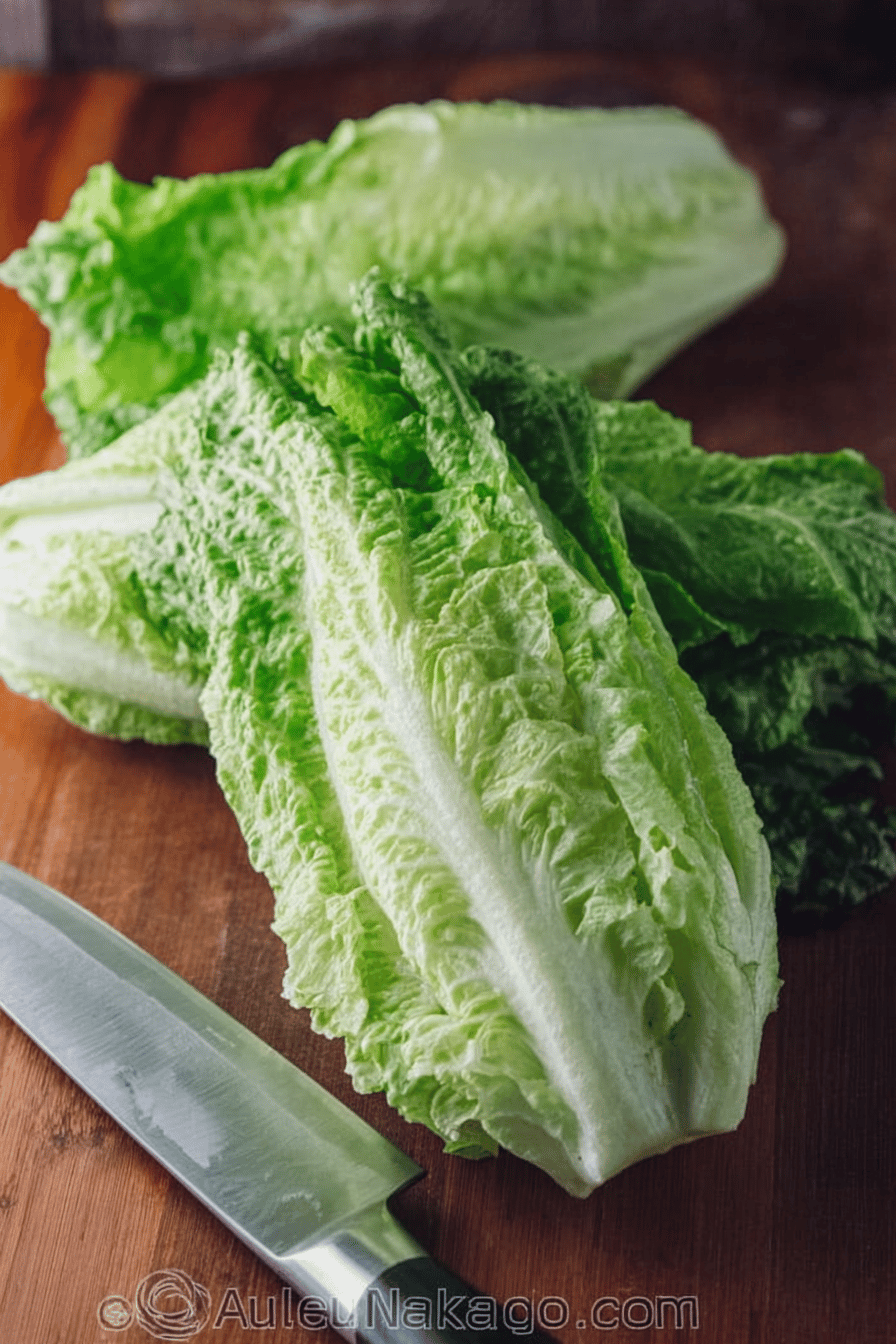
Romaine lettuce, also called cos lettuce, is a type of leafy green known for its elongated head with crisp, dark green leaves and sturdy white ribs. Unlike softer lettuces like butterhead or iceberg, romaine has a firmer texture and a slightly bitter flavor. It is popular for salads and sandwiches, especially Caesar salad, due to its crunch and ability to hold dressing well.
Why do health officials sometimes issue warnings about eating romaine lettuce?
Romaine lettuce has been linked to foodborne illness outbreaks, particularly E. coli contamination. This usually happens when water or soil contaminated with cattle manure is used for irrigation or fertilizing. To reduce risk, it is important to buy romaine from trusted sources, wash it thoroughly, or follow any recalls issued by health authorities.
Where is romaine lettuce grown in North America throughout the year?
In North America, romaine lettuce is typically grown in California during the warm months of late spring through fall. In winter, production shifts to Arizona and Mexico, where the warmer climate allows year-round harvesting. This rotation helps provide fresh romaine lettuce to markets across the United States and Canada through all seasons.
How can romaine lettuce be used aside from eating it raw in salads?
Besides raw consumption, romaine lettuce is versatile in cooking. It can be grilled to bring a smoky flavor and slightly wilted texture, added to soups near the end of cooking, or used as a wrap substitute for sandwiches and tacos. Lightly sautéed or stir-fried romaine also works well as a warm side dish.
Are there any historical or cultural significances tied to romaine lettuce?
Romaine lettuce has a rich history; ancient Egyptians associated lettuce with fertility and used it in religious rituals. It also symbolizes bitterness and hardship in some cultures, reflecting its ancient use as a food during times of struggle. This cultural background adds depth to its culinary importance today.
Romaine Lettuce
🥬 Discover the nutritional benefits of romaine lettuce, packed with vitamins A, K, and folate to support overall health.
🥗 This versatile leafy green can be enjoyed raw in salads or cooked for a variety of delicious meals throughout the day.
- Total Time: 5 to 15 minutes
- Yield: Varies by recipe
Ingredients
– 2 heads Romaine Lettuce Provides a crisp and fresh base for the salad with essential vitamins.
– 1 cup Cherry Tomatoes Adds vibrant color and a juicy sweetness that complements the lettuce.
– 1/4 cup Red Onion, thinly sliced Offers a sharp, tangy contrast that balances flavors.
– 1/2 cup Croutons Adds texture and a crunchy bite.
– 1/4 cup Parmesan Cheese, shaved Enhances flavor with a salty, nutty touch.
– Chickpeas or tofu Provides plant-based protein for vegan diets
– Tahini-based options Offers creamy texture without dairy
– Roasted bell peppers Adds variety and seasonal flavor
Instructions
1-Rinse: Rinse 2 heads of Romaine Lettuce under cold running water to remove dirt and impurities. Pat dry thoroughly using paper towels or a salad spinner to keep leaves crisp.
2-Chop: Chop the Romaine Lettuce into bite-sized pieces and place them in a large mixing bowl.
3-Slice and halve: Thinly slice 1/4 cup of red onion and halve 1 cup of cherry tomatoes; add them to the bowl with the lettuce.
4-Add: Add 1/2 cup of croutons for crunchy texture and 1/4 cup of shaved Parmesan cheese for a savory touch.
5-Drizzle: Drizzle your choice of dressing over the salad, such as balsamic vinaigrette or lemon dressing, to enhance the bitter, herbal flavor of the ribs.
6-Toss: Toss all ingredients gently but thoroughly to ensure even coating and distribution.
7-Serve: Serve immediately to enjoy the fresh, crisp flavors of the Romaine Lettuce salad. For cooking, consider cutting into larger pieces for grilling, which brings out a smoky taste while preserving nutritional benefits.
Last Step:
Please leave a rating and comment letting us know how you liked this recipe! This helps our business to thrive and continue providing free, high-quality recipes for you.Notes
🌿 Always wash romaine lettuce thoroughly to reduce risk of contamination.
🥗 Store lettuce in a cool, moist environment to maintain freshness.
🍴 Use romaine in both raw and cooked dishes to enjoy its versatile flavor and texture.
- Prep Time: 5 to 15 minutes
- Category: Vegetable
- Method: Raw, Grilling, Cooking
- Cuisine: Various
- Diet: Vegetarian, Vegan, Gluten-Free
Nutrition
- Serving Size: Varies