Why You’ll Love This Dried Beans
Dried beans offer a simple yet nutritious option for everyday meals. They serve as a key ingredient in many recipes, providing essential nutrients that support overall health. This section highlights how dried beans can fit into your routine.
Various types of dried beans, such as black beans, kidney beans, pinto beans, navy beans, and garbanzo beans, form the base of these recipes. Water for soaking and cooking helps reduce cooking time and improve digestibility, making preparation straightforward. Optional additions like onions, garlic, bay leaves, salt, pepper, and other spices enhance flavor while keeping things versatile for different tastes.
One of the main draws is the ease of preparation, as these beans require minimal ingredients and straightforward steps perfect for busy schedules. They are highly adaptable, allowing for vegan, gluten-free, or low-calorie versions to meet various needs. Plus, dried beans bring a rich, savory flavor through simple seasoning and cooking methods.
Dried beans stand out for their health benefits, packed with protein, fiber, and nutrients like iron, magnesium, potassium, and folate. These elements help promote heart health, aid digestion, and provide sustained energy from complex carbohydrates. For more on the advantages, check out this guide on Dried Beans Health Benefits.
Benefits in Daily Life
Busy parents and working professionals appreciate how quickly these beans cook after soaking, turning into hearty meals with little fuss. Students and seniors can enjoy the low-fat, high-fiber content that supports energy and digestive health. Food enthusiasts might love experimenting with flavors, while travelers find them easy to pack and prepare on the go.
- They boost meal prep with their long shelf life and simple storage.
- Options like adding vegetables make them ideal for diet-conscious individuals.
- For a fun twist, try pairing with desserts from our site, like our easy strawberry milkshake recipe for a balanced treat.
This approach aligns with general recipe guidelines that emphasize rinsing beans thoroughly and soaking them overnight. Such methods not only cut down active cooking time but also minimize compounds that cause digestive discomfort.
Jump to:
- Why You’ll Love This Dried Beans
- Benefits in Daily Life
- Essential Ingredients for Dried Beans
- Main Ingredients List
- Special Dietary Options
- How to Prepare the Perfect Dried Beans: Step-by-Step Guide
- Initial Preparation
- Cooking Steps
- Dietary Substitutions to Customize Your Dried Beans
- Protein Alternatives
- Flavor Modifications
- Mastering Dried Beans: Advanced Tips and Variations
- Cooking Techniques
- Presentation and Storage
- How to Store Dried Beans: Best Practices
- FAQs: Frequently Asked Questions About Dried Beans
- How long do dried beans last if stored properly?
- What is the best way to soak dried beans before cooking?
- Can I cook dried beans without soaking them first?
- How do I know when dried beans are fully cooked?
- Are dried beans more nutritious than canned beans?
- Dried Beans
- Ingredients
- Instructions
- Last Step:
- Notes
- Did you make this recipe?
Essential Ingredients for Dried Beans
Gathering the right ingredients is key to making the perfect dried beans dish. This section lists everything you need in a clear format to ensure you get the quantities right. Focus on fresh, quality items for the best results.
Main Ingredients List
- 2 cups dried beans (such as black beans or kidney beans) – provide the base and rich protein source
- 1 medium onion, diced – adds sweetness and depth of flavor
- 3 cloves garlic, minced – enhances aroma and savory notes
- 4 cups vegetable broth – cooks the beans while infusing additional flavor
- 1 tsp ground cumin – brings warm, earthy spice
- 1 tsp smoked paprika – adds subtle smokiness
- Salt and pepper to taste – seasoning to enhance all flavors
Special Dietary Options
Various types of dried beans, such as black beans, kidney beans, pinto beans, navy beans, and garbanzo beans, can be used here. You might also include water for soaking and cooking, along with optional additions like onions, garlic, bay leaves, salt, pepper, and other spices.
For vegan options, stick with vegetable broth and skip any animal products. If gluten-free is your goal, check that the broth and seasonings have no hidden additives. To keep it low-calorie, add more veggies like tomatoes or peppers while using less oil.
| Ingredient Category | Example Items | Dietary Fit |
|---|---|---|
| Base Beans | 2 cups black beans or kidney beans | Vegan, Gluten-Free |
| Flavor Boosters | 1 medium onion, 3 cloves garlic | Low-Calorie Adaptable |
| Seasonings | 1 tsp cumin, salt to taste | All Diets with Adjustments |
This structured list ensures you have every item needed, making it easy to shop and cook.
How to Prepare the Perfect Dried Beans: Step-by-Step Guide
Preparing dried beans starts with basic steps that lead to tender, flavorful results. Follow this guide to make the process smooth and efficient. Rinse and soak the beans to begin, as this reduces cooking time and improves texture.
Initial Preparation
First, rinse the dried beans under cold water to remove any debris. Soak them in water for several hours or overnight, which helps with digestibility and cuts down on active cooking time.
After soaking, drain and rinse the beans before placing them in a pot with fresh water or vegetable broth. This step aligns with general guidelines that emphasize thorough rinsing and proper soaking.
Cooking Steps
- Rinse the dried beans under cold water, removing any debris or damaged beans, and soak them for at least 6-8 hours.
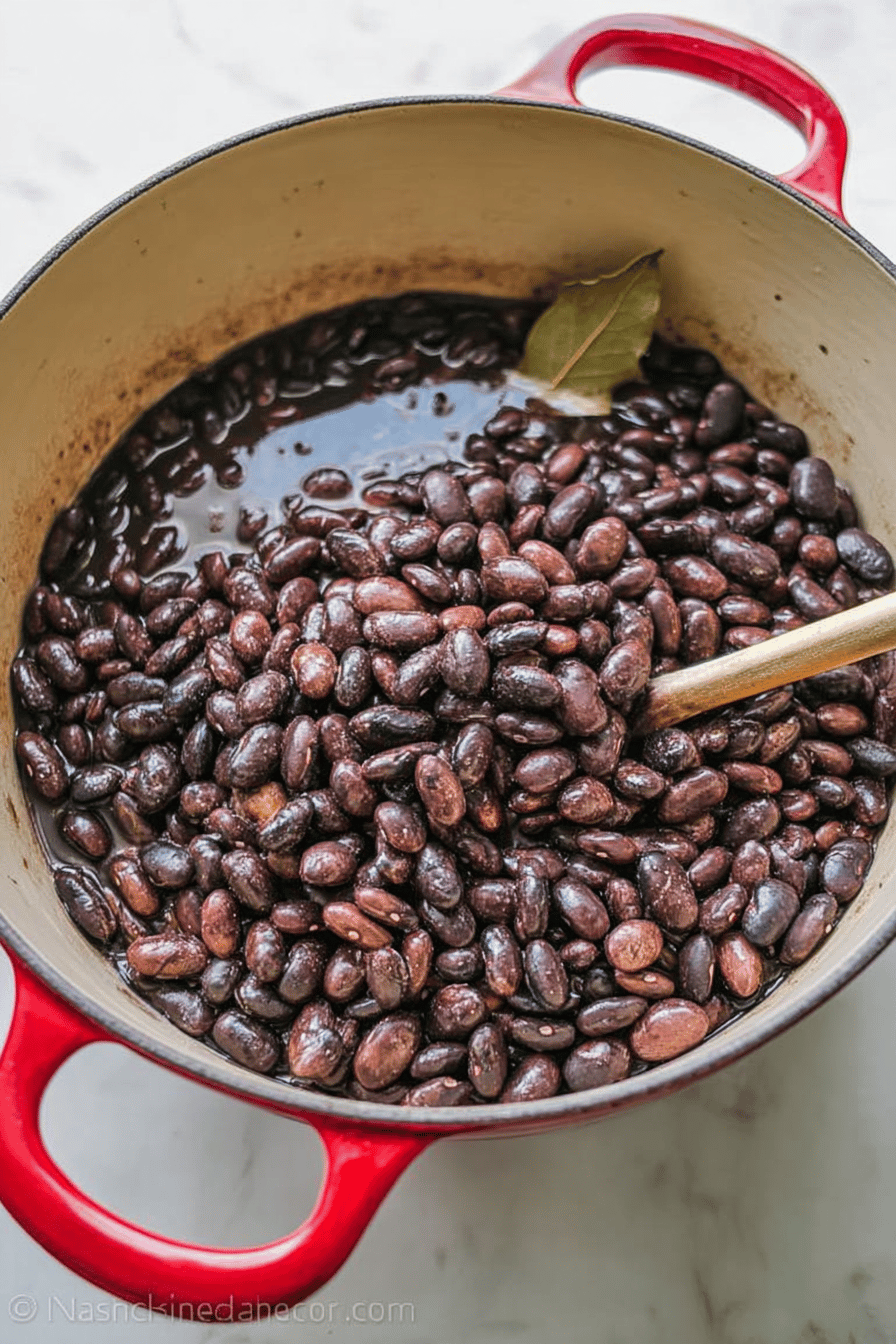
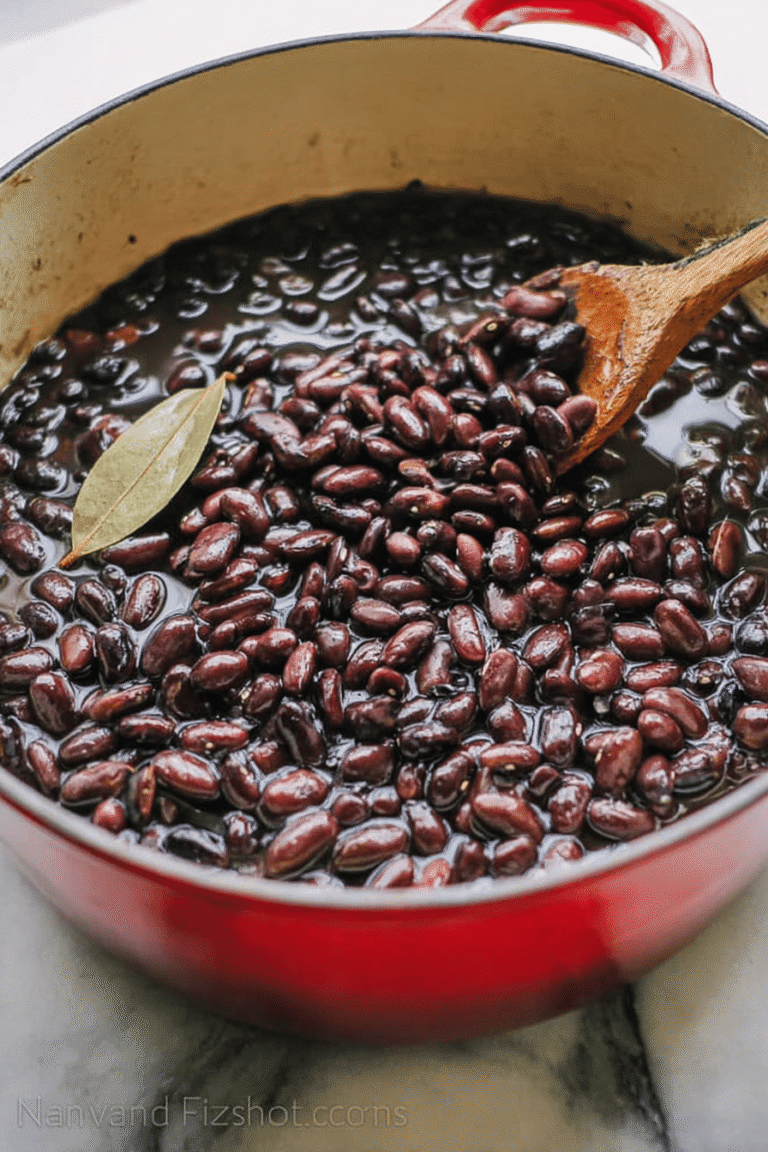
- Drain the soaked beans and place them in a large pot, then cover with fresh vegetable broth.
- Bring the pot to a boil over high heat, then reduce to a gentle simmer and skim off any foam.
- Add diced onion, minced garlic, cumin, smoked paprika, salt, and pepper, stirring to mix evenly.
- Cover and cook for 1 to 1.5 hours, stirring occasionally, until the beans are tender.
- Taste and adjust seasoning, ensuring it fits dietary needs like vegan or gluten-free options.
- For a low-calorie version, add vegetables such as diced tomatoes in the last 15 minutes.
- Serve hot, perhaps with rice or as a side, for a complete meal.
Bring to a boil and reduce heat to simmer, cooking until tender, which typically takes 45 minutes to 2 hours depending on the bean type. For enhancements, sauté onions and garlic before adding to the pot.
Adding salt toward the end of cooking improves flavor without toughening the beans.
Soaking typically takes 6 to 12 hours, with active cooking from 45 minutes to 2 hours, making overall prep manageable with quick methods like pressure cooking.

Dietary Substitutions to Customize Your Dried Beans
Customizing dried beans lets you adapt recipes to your preferences or restrictions. Swap ingredients based on what you have on hand or your dietary goals.
Protein Alternatives
- Substitute black beans with chickpeas or lentils for variety.
- Use tempeh or tofu instead for a different plant-based option.
- Add diced chicken or ground turkey for meat-based versions.
Various types of dried beans offer flexibility, and tips like adding baking soda during soaking can help with texture. Adjust based on needs, such as reducing salt for low-sodium diets.
Flavor Modifications
- Swap onions for leeks or shallots.
- Use fresh or canned tomatoes to vary acidity.
- Replace smoked paprika with chipotle powder for heat.
This keeps the dish versatile and aligns with general preparation guidelines.
Mastering Dried Beans: Advanced Tips and Variations
Take your dried beans to the next level with pro techniques and creative ideas. These tips build on basic methods to enhance flavor and efficiency.
Cooking Techniques
Soak beans with a pinch of baking soda to soften them faster and improve texture. Use a pressure cooker to cut cooking time while keeping flavors intact.
- Experiment with Mediterranean spices like oregano for a new twist.
- Add coconut milk for a creamy variation.
Presentation and Storage
Serve in bowls topped with herbs or yogurt for appeal. For make-ahead options, prepare batches and freeze portions, as this maintains quality over time.
Prepare beans in batches and freeze for convenience, reducing overall prep time. This supports efficient meal planning and ties into general tips for better results.
How to Store Dried Beans: Best Practices
Proper storage keeps dried beans fresh and ready for use. Follow these steps to maintain quality and extend shelf life.
- Store cooked beans in airtight containers in the refrigerator for up to 5 days.
- Freeze them in bags and use within 3 months.
- Reheat gently with a bit of water to keep moisture.
This method helps with meal prep and ensures nutrition stays intact. Soaking and cooking tips can further enhance storage success.
FAQs: Frequently Asked Questions About Dried Beans
How long do dried beans last if stored properly?
Dried beans can last indefinitely if stored in a cool, dry place away from moisture and direct sunlight. However, for best quality, it’s recommended to use them within 1 to 2 years. Over time, older beans may take longer to cook and might not soften as well. Using airtight containers, such as glass jars or vacuum-sealed bags, helps maintain freshness and prevents pests.
What is the best way to soak dried beans before cooking?
To soak dried beans, place them in a large bowl and cover with at least 3 inches of cold water. Let them soak for 8 to 12 hours or overnight. This process reduces cooking time and helps remove some indigestible sugars that cause gas. After soaking, drain and rinse the beans before cooking. For a quicker method, use the hot soak: boil beans for 2 minutes, then cover and soak for 1 hour before cooking.
Can I cook dried beans without soaking them first?
Yes, dried beans can be cooked without soaking, but it will take longer—usually 1.5 to 3 hours compared to 45 minutes to 1 hour when pre-soaked. Cooking unsoaked beans requires more water and frequent checking to ensure they don’t dry out or stick. Using a pressure cooker can reduce cooking time even without soaking, making it a convenient option for quicker meal prep.
How do I know when dried beans are fully cooked?
Dried beans are fully cooked when they are tender all the way through and can be easily mashed with a fork. The cooking time varies by bean type and freshness, but it usually takes 45 minutes to 2 hours on the stovetop. Taste-testing a few beans during cooking helps determine doneness. Avoid overcooking to prevent mushiness unless making a soup or puree.
Are dried beans more nutritious than canned beans?
Dried beans and canned beans have similar basic nutrition, including protein, fiber, and minerals. However, dried beans are free from added sodium and preservatives often found in canned versions. Cooking dried beans yourself allows control over added salt and flavorings. Additionally, dried beans tend to be less expensive and environmentally friendly due to minimal packaging.
Dried Beans
🫘 Learn how to select and prepare dry beans of excellent quality for versatile and nutritious meals.
🍲 This guide helps you pick the right bean variety and offers tips to reduce cooking time and improve flavor for everyday cooking.
- Total Time: 7 to 14 hours (including soaking)
Ingredients
– 2 cups dried beans (such as black beans or kidney beans) provide the base and rich protein source
– 1 medium onion, diced adds sweetness and depth of flavor
– 3 cloves garlic, minced enhances aroma and savory notes
– 4 cups vegetable broth cooks the beans while infusing additional flavor
– 1 tsp ground cumin brings warm, earthy spice
– 1 tsp smoked paprika adds subtle smokiness
– Salt and pepper to taste seasoning to enhance all flavors
Instructions
1-Rinse the dried beans under cold water, removing any debris or damaged beans, and soak them for at least 6-8 hours.
2-Drain the soaked beans and place them in a large pot, then cover with fresh vegetable broth.
3-Bring the pot to a boil over high heat, then reduce to a gentle simmer and skim off any foam.
4-Add diced onion, minced garlic, cumin, smoked paprika, salt, and pepper, stirring to mix evenly.
5-Cover and cook for 1 to 1.5 hours, stirring occasionally, until the beans are tender.
6-Taste and adjust seasoning, ensuring it fits dietary needs like vegan or gluten-free options.
7-For a low-calorie version, add vegetables such as diced tomatoes in the last 15 minutes.
8-Serve hot, perhaps with rice or as a side, for a complete meal.
Last Step:
Please leave a rating and comment letting us know how you liked this recipe! This helps our business to thrive and continue providing free, high-quality recipes for you.Notes
⌛ Soaking beans overnight shortens cooking time and reduces digestive discomfort.
💧 Adding a little baking soda during soaking softens beans, use sparingly.
🍅 Avoid adding acidic ingredients like tomatoes or vinegar until beans are fully cooked to prevent tough skins.
- Prep Time: 6 to 12 hours (soaking)
- Active Cooking Time: 45 minutes to 2 hours
- Cook Time: 45 minutes to 2 hours
- Category: Cooking Guide
- Method: Soaking and Simmering
- Cuisine: Universal