Why You Will Love Cuban Sandwiches
Cuban Sandwiches are a classic pressed sandwich known for bold flavor, crisp bread, and simple assembly. They fit well into busy schedules because the preparation time is only about 10 to 15 minutes when the ingredients are ready. They also work for many kinds of meals, from a quick lunch to a hearty dinner.
- Easy preparation: The sandwich uses a short ingredient list and a clear layering method. Once the bread is sliced and the fillings are ready, the sandwich comes together quickly.
- Rich protein content: Ham, roasted pork, Swiss cheese, and bread make this a filling meal with a strong protein and fat profile. Nutritional values vary, but it is generally substantial.
- Distinctive flavor: The blend of mustard, dill pickles, pork, and melted cheese creates a sharp, savory taste that stands out from many other sandwiches.
- Flexible serving style: Cuban Sandwiches can be made in a sandwich press, plancha, or heavy skillet, which makes them practical for many home kitchens.
For readers who like comforting meals with a crisp crust and melted center, Cuban Sandwiches offer dependable results with very little fuss.
If you enjoy quick savory meals, you may also like our blackened chicken recipe for another fast and satisfying option.
Jump to:
- Why You Will Love Cuban Sandwiches
- Essential Ingredients for Cuban Sandwiches
- Ingredient notes and useful swaps
- How to Prepare the Perfect Cuban Sandwiches: Step-by-Step Guide
- First Step: Prepare the bread and fillings
- Second Step: Brush the outside of the bread
- Third Step: Spread the mustard
- Fourth Step: Layer the fillings in the correct order
- Fifth Step: Close, press, and cook
- Final Step: Slice and serve
- Helpful timing and temperature guide
- Dietary Substitutions to Customize Your Cuban Sandwiches
- Protein and main component alternatives
- Vegetable, sauce, and seasoning modifications
- Mastering Cuban Sandwiches: Advanced Tips and Variations
- Pro cooking techniques
- Flavor variations
- Presentation tips
- Make-ahead options
- How to Store Cuban Sandwiches: Best Practices
- FAQs: Frequently Asked Questions About Cuban Sandwiches
- What is a Cuban sandwich?
- What’s the difference between Tampa and Miami Cuban sandwiches?
- How do you make a Cuban sandwich at home?
- What kind of bread is best for a Cuban sandwich?
- Where can I find the best Cuban sandwiches in the US?
- Cuban Sandwiches
- Ingredients
- Instructions
- Last Step:
- Notes
- Nutrition
- Did you make this recipe?
Essential Ingredients for Cuban Sandwiches
For one sandwich, use the ingredients below in the exact style commonly associated with Cuban Sandwiches. The list includes the traditional components, plus the Tampa-style salami option.
- 1 piece Cuban bread, sliced into 8 to 12 inch lengths: This bread provides the soft interior and crisp exterior needed for pressing.
- 1 portion ham: Ham adds saltiness and a smooth savory layer.
- 1 portion roasted pork: Roasted pork is the main meat and gives the sandwich its classic depth.
- 1 portion Swiss cheese: Swiss cheese melts well and adds mild creaminess.
- 1 to 2 tablespoons mustard: Mustard gives the sandwich its tangy, traditional flavor.
- Several dill pickle slices: Dill pickles add brightness and balance the richness of the meats and cheese.
- 1 portion salami, optional: Use this for Tampa-style Cuban Sandwiches. Leave it out for the South Florida version.
- 1 to 2 teaspoons butter or olive oil: Brushing the outside helps the bread turn crisp and golden when pressed.
Ingredient notes and useful swaps
| Ingredient | Purpose | Swap idea |
|---|---|---|
| Cuban bread | Creates the proper texture and shape | French bread or Italian bread if needed |
| Ham and roasted pork | Build the savory core of the sandwich | Use turkey or chicken for a lighter version |
| Swiss cheese | Melts smoothly | Use provolone for a milder substitute |
| Dill pickles and mustard | Add tang and contrast | Use a small amount of pickle relish if whole slices are unavailable |
Special dietary options are possible, though they move away from the classic version. For a vegan sandwich, use seasoned plant-based deli slices, vegan cheese, and a mustard-heavy spread. For a gluten-free version, use sturdy gluten-free bread that can hold up to pressing. For a lower-calorie version, reduce the cheese and use leaner meats in smaller amounts.
How to Prepare the Perfect Cuban Sandwiches: Step-by-Step Guide
First Step: Prepare the bread and fillings
Start by gathering all ingredients before you begin. Slice the Cuban bread into 8 to 12 inch lengths, then cut each piece horizontally in half. This gives you a top and bottom half that are ready for layering. If the bread is very soft, handle it gently so it keeps its shape.
Lay out the ham, roasted pork, Swiss cheese, dill pickles, mustard, and optional salami. Keeping everything close by helps the sandwich move quickly from assembly to pressing. Since Cuban Sandwiches are best served warm and crisp, having every component ready saves time and keeps the bread from becoming soggy.
Second Step: Brush the outside of the bread
Brush the outer sides of the bread with a light coating of butter or olive oil. This small step helps the sandwich develop a golden crust during pressing. Butter gives a richer flavor, while olive oil creates a slightly lighter finish. Use only a thin layer, since too much fat can make the bread greasy instead of crisp.
Light brushing is best. The goal is a crisp shell, not a heavy, oily coating.
Third Step: Spread the mustard
Open the bread halves and spread mustard on the inside surfaces. Cuban Sandwiches traditionally use yellow mustard, which gives the sandwich its sharp, tangy profile. Spread it evenly, but do not overdo it. A thin, balanced layer supports the meats and cheese without overpowering them.
At this stage, avoid adding lettuce or tomatoes. Traditional Cuban Sandwiches do not include them, and their moisture can weaken the crust during pressing. The classic flavor depends on the contrast between meat, cheese, pickle, and mustard.
Fourth Step: Layer the fillings in the correct order
Place the ham on the bottom half of the bread. Add the roasted pork next, then the salami if you are making the Tampa-style variation. Follow with the Swiss cheese and finish with dill pickle slices. This order helps the cheese melt around the meats and keeps the pickles from slipping out too easily.
If you are making a South Florida style sandwich, omit the salami. That version keeps the filling simpler and focuses on the pork, ham, cheese, mustard, and pickles. Both styles are authentic within their regional traditions, so the choice depends on the flavor you want.
Fifth Step: Close, press, and cook
Close the sandwich and place it in a preheated plancha or sandwich press. Press firmly so the bread flattens slightly and the filling heats evenly. If you do not have a press, use a heavy skillet on top of the sandwich in another pan. Cook over medium heat until the outside is crisp and the cheese has melted, usually a few minutes per side depending on the equipment.
The target is a sandwich that feels compact, warm, and evenly toasted. Too much heat can burn the bread before the cheese melts, while too little heat can leave the sandwich soft and pale. A steady medium setting gives the most reliable result.
Final Step: Slice and serve
Remove the sandwich from the press and let it rest for a minute. Then cut it into diagonal halves. This cut gives the sandwich a classic presentation and makes it easier to handle. Serve Cuban Sandwiches while they are still hot, since the texture and flavor are best right after pressing.
The preparation time is approximately 10 to 15 minutes, not counting any time needed to cook the pork ahead of schedule. The sandwich is high in calories, protein, and fats because of the meats, cheese, and bread, so it works well as a filling meal.
Helpful timing and temperature guide
| Step | Approximate time | Notes |
|---|---|---|
| Assembly | 5 minutes | Work with all fillings ready |
| Pressing | 5 to 7 minutes | Cook until golden and melted |
| Resting and slicing | 1 to 2 minutes | Helps keep the layers in place |
For another easy meal idea with simple preparation, you may also like our salmon and summer veggies in foil recipe.

Dietary Substitutions to Customize Your Cuban Sandwiches
Protein and main component alternatives
Cuban Sandwiches are traditional dishes, but some readers need substitutes for health, availability, or preference. If roasted pork is unavailable, use sliced roast turkey or seasoned chicken. Ham can also be replaced with turkey ham or a plant-based deli slice for a lighter or meat-free approach. Salami is optional already, so leaving it out is the easiest way to keep the sandwich closer to the South Florida style.
For cheese, Swiss is the classic choice, but provolone or a plant-based slice can work if needed. When bread choices are limited, sturdy French bread or Italian bread can stand in for Cuban bread, although the texture will not be identical. If you want a gluten-free meal, choose a gluten-free sandwich roll with enough structure to hold the pressing step.
Vegetable, sauce, and seasoning modifications
Traditional Cuban Sandwiches rely on mustard and pickles for their balanced flavor. If you want a milder sandwich, use less mustard or choose a smoother yellow mustard. If you prefer a more tangy bite, add extra pickle slices, but keep the amount moderate so the sandwich does not become too wet.
Avoid lettuce and tomatoes if you want the traditional style. If you are making a personalized version, however, thin tomato slices or leafy greens can be added after pressing, though they are not part of the classic recipe. For a lower-calorie version, use a lighter hand with butter or olive oil and reduce the cheese.
Mastering Cuban Sandwiches: Advanced Tips and Variations
Pro cooking techniques
Use a firm, even press so the sandwich cooks at the same rate across its surface. If you are using a skillet, place a heavy pan on top and press down gently. This method helps the bread turn crisp while the cheese melts thoroughly. A light coating of butter or olive oil on the outside gives the best crust without soaking the bread.
If possible, warm the roasted pork before assembling. Warm fillings help the cheese melt faster and shorten the pressing time. Keep the heat at medium rather than high, since Cuban Sandwiches can burn quickly if the bread is thin or the press runs hot.
Flavor variations
Tampa-style Cuban Sandwiches include salami, which adds a deeper savory note and reflects the region’s Italian influence. South Florida versions usually skip it and focus on ham, roasted pork, Swiss cheese, mustard, and pickles. You can also adjust the flavor by changing the amount of mustard or by using a more assertive pickle slice.
For a slightly richer finish, use butter instead of olive oil. For a lighter version, olive oil is a practical choice. The sandwich is flexible in small ways, even though the core formula should stay intact for the best result.
Presentation tips
Serve the sandwich on a cutting board or warm plate and slice it diagonally for a neat look. If serving guests, arrange the halves with the cut sides facing up so the layers are visible. A side of plantain chips, simple fries, or a small pickle spear works well with the sandwich. For drinks, a cold malt beverage or Cuban coffee fits the style nicely.
Make-ahead options
To save time on a busy day, cook the pork in advance and store it in the refrigerator. You can also slice the bread and portion the cheese and pickles ahead of time. When ready to eat, assemble and press the sandwich fresh. That approach gives the best texture and prevents sogginess.
How to Store Cuban Sandwiches: Best Practices
Cuban Sandwiches are best eaten fresh, but leftovers can still be handled with care. Because they contain meat, cheese, and bread, storage should be prompt and proper.
- Refrigeration: Wrap leftovers tightly and refrigerate for up to 2 days. The bread will soften, but the sandwich is still safe if chilled promptly.
- Freezing: Freezing the fully assembled sandwich is possible, but the texture may suffer. For better results, freeze the cooked pork separately and assemble later.
- Reheating: Reheat in a skillet or sandwich press over medium heat until warmed through and crisp again. Avoid the microwave if possible, since it makes the bread soggy.
- Meal prep: Cook the pork, slice the cheese, and prepare the pickles ahead of time. Store each item separately, then assemble fresh when needed.
If you want the best texture, avoid long storage of an already pressed sandwich. The crust and melt are at their peak right after cooking.
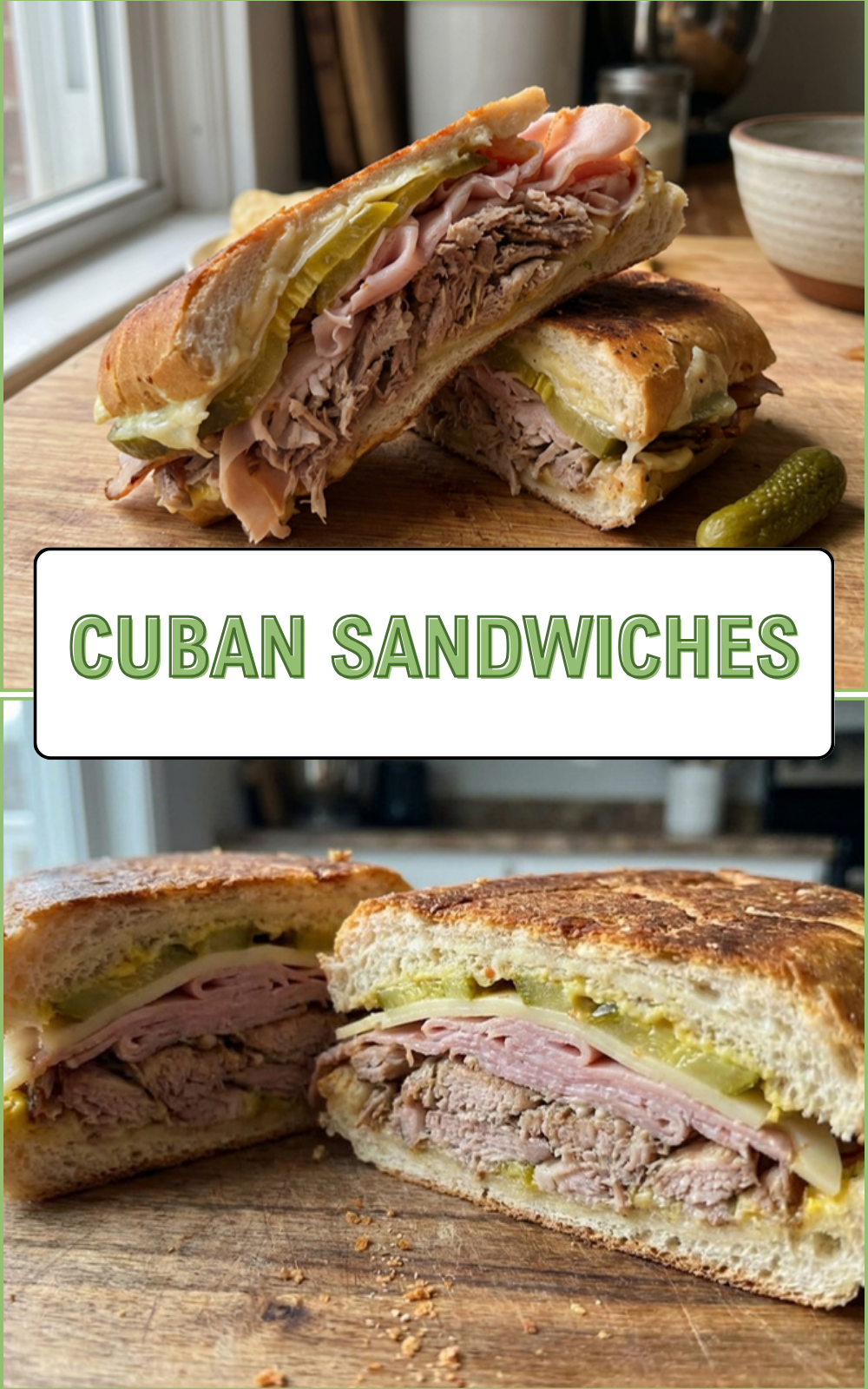
FAQs: Frequently Asked Questions About Cuban Sandwiches
What is a Cuban sandwich?
A Cuban sandwich, also known as a Cubano, is a pressed grilled sandwich originating from Cuban-American communities in Florida. It features Cuban bread layered with roasted pork (lechón asado), smoked ham, Swiss cheese, dill pickles, and yellow mustard. The sandwich is pressed on a plancha (flat griddle) until crispy and melty, creating a signature buttery crust. Key to its flavor is the mojo-marinated pork and tangy mustard-pickle combo. Tampa-style versions sometimes add salami, while Miami sticks to the basics. At about 800-1000 calories, it’s a hearty meal best enjoyed fresh. Pair it with plantain chips or a cold malt beer for an authentic experience. (92 words)
What’s the difference between Tampa and Miami Cuban sandwiches?
Tampa and Miami Cuban sandwiches differ mainly in ingredients and style due to their histories. Tampa’s version, from Ybor City’s cigar workers, includes Genoa salami for extra savoriness, reflecting Italian influence, and uses a sweeter bread. Miami’s, from Cuban exile communities, skips salami, focusing on roast pork, ham, Swiss cheese, pickles, and mustard for a purer taste. Both are pressed, but Tampa might be drier and crispier. Taste both on a Florida road trip—Tampa at Columbia Restaurant, Miami at Versailles. This debate fuels friendly rivalries among sandwich fans. (98 words)
How do you make a Cuban sandwich at home?
To make a Cuban sandwich at home, start with Cuban bread (or French/Italian substitute). Layer sliced roast pork, ham, Swiss cheese, dill pickles, and yellow mustard. Butter the outsides. Use a panini press or skillet with a heavy pan on top; cook 5-7 minutes per side over medium heat until golden and cheese melts. Aim for 350-400°F. Marinate pork in mojo sauce (garlic, citrus, oregano) overnight for best results. Slice into triangles. Serves 4; total time 20 minutes plus pork prep. Pro tip: Wrap in foil and press for even crispness. Perfect for game day. (102 words)
What kind of bread is best for a Cuban sandwich?
Authentic Cuban sandwich bread is a soft, slightly sweet white bread with a crispy crust, made from lard, baked fresh daily. It avoids eggs or milk to stay light and absorbent. Find it at Latin bakeries or make it: flour, yeast, sugar, lard, salt—bake at 400°F for 20 minutes. Substitutes like French or ciabatta work but lack the tenderness; avoid sourdough. The bread must hold fillings without sogginess during pressing. In Florida, La Segunda Bakery supplies most spots. Test by pressing: it should flatten to half its size without tearing. (96 words)
Where can I find the best Cuban sandwiches in the US?
Top US spots for Cuban sandwiches include Tampa’s Columbia Restaurant (since 1905, salami-style classic) and The Columbia Cafe. In Miami, try La Cosina del Pie or Ball & Chain for Miami purity. Outside Florida, Chicago’s Al’s Beef or New York’s Home Foods Deli excel. Los Angeles’ Porto’s Bakery offers great versions with fresh bread. Look for pressed-to-order, high-quality pork. Check Yelp ratings over 4.5 stars. For home cooks, these inspire recipes linking to our mojo pork guide. Travel tip: Pair with Cuban coffee for full immersion. (94 words)
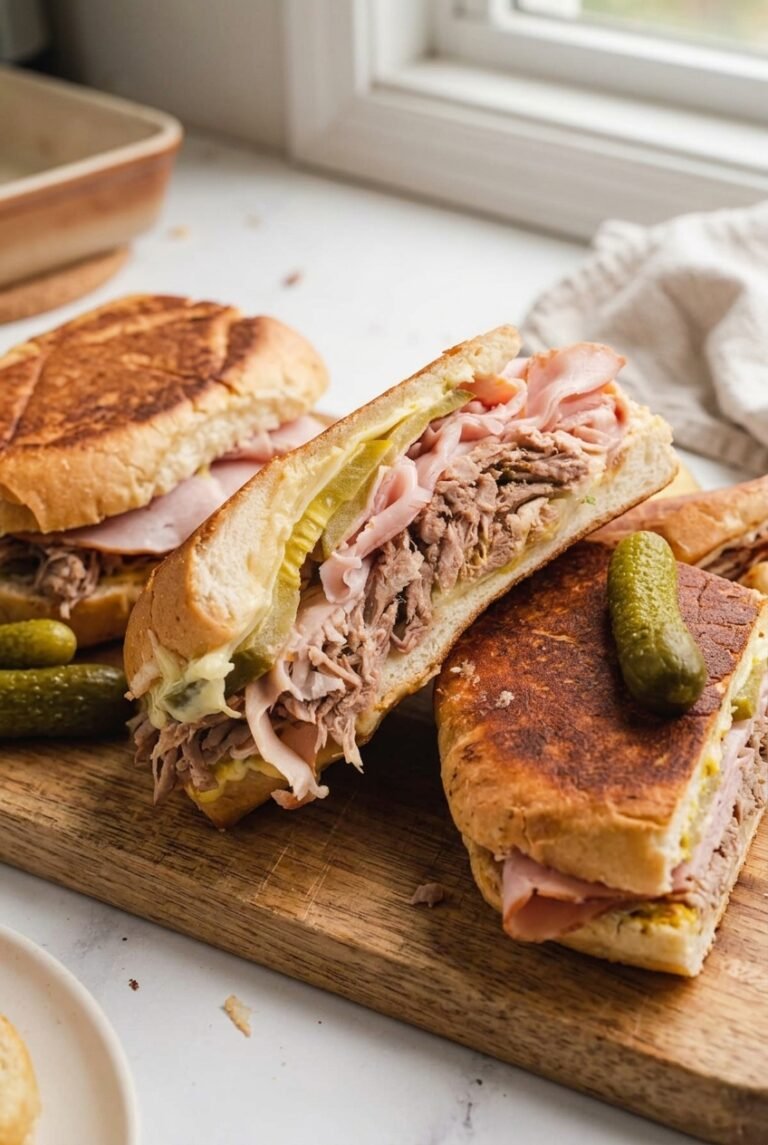
Cuban Sandwiches
🥪 Crispy pressed Cuban sandwich stacks roasted pork, ham, melty Swiss, tangy mustard & pickles on buttery bread – iconic flavor explosion!
🔥 15-min handheld heaven; Tampa or Miami style, perfect lunch that beats delis every time.
- Total Time: 25 minutes
- Yield: 4 sandwiches
Ingredients
– 1 piece Cuban bread, sliced into 8 to 12 inch lengths
– 1 portion ham
– 1 portion roasted pork
– 1 portion Swiss cheese
– 1 to 2 tablespoons mustard
– Several dill pickle slices
– 1 portion salami, optional
– 1 to 2 teaspoons butter or olive oil
Instructions
1-First Step: Prepare the bread and fillings Start by gathering all ingredients before you begin. Slice the Cuban bread into 8 to 12 inch lengths, then cut each piece horizontally in half. This gives you a top and bottom half that are ready for layering. If the bread is very soft, handle it gently so it keeps its shape. Lay out the ham, roasted pork, Swiss cheese, dill pickles, mustard, and optional salami. Keeping everything close by helps the sandwich move quickly from assembly to pressing. Since Cuban Sandwiches are best served warm and crisp, having every component ready saves time and keeps the bread from becoming soggy.
2-Second Step: Brush the outside of the bread Brush the outer sides of the bread with a light coating of butter or olive oil. This small step helps the sandwich develop a golden crust during pressing. Butter gives a richer flavor, while olive oil creates a slightly lighter finish. Use only a thin layer, since too much fat can make the bread greasy instead of crisp. Light brushing is best. The goal is a crisp shell, not a heavy, oily coating.
3-Third Step: Spread the mustard Open the bread halves and spread mustard on the inside surfaces. Cuban Sandwiches traditionally use yellow mustard, which gives the sandwich its sharp, tangy profile. Spread it evenly, but do not overdo it. A thin, balanced layer supports the meats and cheese without overpowering them. At this stage, avoid adding lettuce or tomatoes. Traditional Cuban Sandwiches do not include them, and their moisture can weaken the crust during pressing. The classic flavor depends on the contrast between meat, cheese, pickle, and mustard.
4-Fourth Step: Layer the fillings in the correct order Place the ham on the bottom half of the bread. Add the roasted pork next, then the salami if you are making the Tampa-style variation. Follow with the Swiss cheese and finish with dill pickle slices. This order helps the cheese melt around the meats and keeps the pickles from slipping out too easily. If you are making a South Florida style sandwich, omit the salami. That version keeps the filling simpler and focuses on the pork, ham, cheese, mustard, and pickles. Both styles are authentic within their regional traditions, so the choice depends on the flavor you want.
5-Fifth Step: Close, press, and cook Close the sandwich and place it in a preheated plancha or sandwich press. Press firmly so the bread flattens slightly and the filling heats evenly. If you do not have a press, use a heavy skillet on top of the sandwich in another pan. Cook over medium heat until the outside is crisp and the cheese has melted, usually a few minutes per side depending on the equipment. The target is a sandwich that feels compact, warm, and evenly toasted. Too much heat can burn the bread before the cheese melts, while too little heat can leave the sandwich soft and pale. A steady medium setting gives the most reliable result.
6-Final Step: Slice and serve Remove the sandwich from the press and let it rest for a minute. Then cut it into diagonal halves. This cut gives the sandwich a classic presentation and makes it easier to handle. Serve Cuban Sandwiches while they are still hot, since the texture and flavor are best right after pressing. The preparation time is approximately 10 to 15 minutes, not counting any time needed to cook the pork ahead of schedule. The sandwich is high in calories, protein, and fats because of the meats, cheese, and bread, so it works well as a filling meal.
Last Step:
Please leave a rating and comment letting us know how you liked this recipe! This helps our business to thrive and continue providing free, high-quality recipes for you.Notes
🥪 Add Genoa salami slices for authentic Tampa-style variation.
🧈 Lightly butter exteriors only for shatteringly crisp crust.
🔥 Use heavy press/skillet weight for flattened, even melt.
- Prep Time: 15 minutes
- Cook Time: 10 minutes
- Category: Sandwiches
- Method: Panini Press
- Cuisine: Cuban-American
- Diet: Omnivore
Nutrition
- Serving Size: 1 sandwich
- Calories: 700 kcal
- Sugar: 4g
- Sodium: 2200mg
- Fat: 40g
- Saturated Fat: 15g
- Unsaturated Fat: 22g
- Trans Fat: 0g
- Carbohydrates: 50g
- Fiber: 3g
- Protein: 40g
- Cholesterol: 120mg