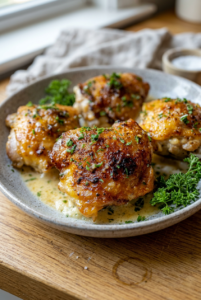
Why You’ll Love This Cod Fish
Cod fish, primarily Atlantic cod (Gadus morhua) and Pacific cod (Gadus macrocephalus), represents a versatile and nutritious staple in worldwide cuisine that appeals to a wide range of home cooks, busy parents, and food enthusiasts. Atlantic cod thrives in the colder, deeper waters of the North Atlantic, while Pacific cod inhabits northern Pacific regions, making it accessible for various recipes. This fish stands out due to its mild flavor and dense, flaky white flesh, which pairs well with simple seasonings and cooking methods, ideal for creating memorable meals with minimal effort. Its ecological and historical importance, including challenges like overfishing in the 20th century, adds depth to its appeal as a sustainable choice for mindful eaters. Beyond ease of preparation, cod fish offers health benefits and adaptability that make it a favorite for many.
This cod fish recipe is remarkably simple and quick to cook, making it perfect for busy weeknights. The steps are straightforward, requiring minimal ingredients and utensils, which saves time without sacrificing flavor. Cod fish provides excellent nutritional advantages, being rich in lean protein, omega-3 fatty acids, and essential vitamins and minerals. It supports heart health, boosts brain function, and promotes overall wellness, fitting well into balanced diets. The recipe adapts easily to various dietary needs, including gluten-free, low-calorie, and even vegan options with substitutes, and pairs well with a wide range of side dishes and flavor profiles.
Cod fish excels in its mild, slightly sweet flavor that enhances with simple seasoning and cooking techniques, creating a delicate yet memorable taste experience. This versatility allows it to shine in dishes like fish and chips or poached fillets, appealing to diet-conscious individuals and seniors alike. Preparation time generally ranges from 15 to 30 minutes, covering seasoning, cooking, and resting, which suits working professionals and students. While cod is low in fat and high in nutrients like vitamin B12, phosphorus, and selenium, it also contributes to cod liver oil, rich in vitamins A and D and essential fatty acids, underscoring its role in a healthy lifestyle. Cooking tips such as avoiding overcooking help maintain its moist and flaky texture, ensuring every bite is enjoyable.
Jump to:
- Why You’ll Love This Cod Fish
- Essential Ingredients for Cod Fish
- Main Ingredients
- Special Dietary Options
- How to Prepare the Perfect Cod Fish: Step-by-Step Guide
- First Step: Preparation
- Second and Third Steps: Marinating and Heating
- Fourth and Fifth Steps: Cooking and Finishing
- Dietary Substitutions to Customize Your Cod Fish
- Protein and Main Component Alternatives
- Vegetable, Sauce, and Seasoning Modifications
- Mastering Cod Fish: Advanced Tips and Variations
- How to Store Cod Fish: Best Practices
- FAQs: Frequently Asked Questions About Cod Fish
- What does cod fish taste like and how is it commonly cooked?
- Is cod fish healthy to eat?
- How can I tell if cod fish is fresh when buying?
- What are sustainable options for buying cod fish?
- Can cod fish be frozen and how should it be stored?
- Cod Fish
- Ingredients
- Instructions
- Last Step:
- Notes
- Did you make this recipe?
Essential Ingredients for Cod Fish
Cod fish recipes feature straightforward ingredients that highlight the fish’s natural qualities, making them easy for home cooks and beginners to handle. Typically, you will need fresh or frozen cod fillets as the base, along with basic seasonings to enhance flavor and texture. These components ensure the dish remains accessible while allowing for dietary modifications, as outlined in the provided options. To keep things organized, below is a comprehensive structured list of the main ingredients based on the recipe details, including precise measurements where specified. This list covers every item needed, making it simple for readers to gather exactly what is required.
Main Ingredients
- 500g fresh cod fillets – The main protein providing lean meat and texture.
- 2 tablespoons olive oil – For cooking and adding healthy fats.
- 1 lemon, juiced – Adds acidity and brightness to enhance flavor.
- 2 garlic cloves, minced – Infuses aroma and depth.
- Salt and black pepper to taste – Seasoning to enhance natural flavors.
- Fresh parsley, chopped (optional) – For garnish and freshness.
Special Dietary Options
- For vegan options: Use firm tofu or cauliflower steaks as plant-based substitutes for cod.
- For gluten-free diets: Ensure all seasonings and cooking aids are gluten-free; avoid breading unless using gluten-free options.
- For low-calorie versions: Use minimal oil and substitute high-calorie accompaniments with steamed vegetables or salads.
These ingredients align with the general descriptions for cod recipes, which often include herbs, flour, or breadcrumbs for coating, though specific quantities for those were not detailed. Using fresh cod ensures the best results, but frozen fillets work well if thawed properly, contributing to the dish’s overall versatility and appeal to travelers and newlyweds exploring new flavors.
How to Prepare the Perfect Cod Fish: Step-by-Step Guide
Preparing cod fish involves straightforward steps that yield a flavorful and nutritious meal, typically ready in 10 to 20 minutes depending on the method. Directions generally include seasoning the fillets and cooking them through baking, frying, grilling, or poaching until the flesh becomes opaque and flakes easily. Pat the fillets dry for better browning and use acidic ingredients like lemon juice to enhance taste, as these techniques help maintain the fish’s moist and flaky texture. This guide focuses on a simple pan-searing method, perfect for busy parents and working professionals, while incorporating tips to avoid overcooking and ensure even results.
First Step: Preparation
Start by rinsing the cod fillets under cold water and pat them dry with paper towels. This ensures the fish cooks evenly and helps seasoning adhere better, reducing the risk of sticking. Once dry, proceed to marinating for optimal flavor absorption.
Second and Third Steps: Marinating and Heating
Marinate the cod with lemon juice, minced garlic, salt, and black pepper, letting it sit for 10 minutes to absorb the flavors. This step enhances the mild, slightly sweet taste of cod fish, making it more enjoyable. Heat olive oil in a non-stick skillet over medium heat, ensuring the pan is hot enough so the fish doesn’t stick, which is crucial for delicate fillets.
Fourth and Fifth Steps: Cooking and Finishing
Place the cod fillets gently in the pan and cook for 3-4 minutes on each side, depending on thickness; cod is done when it flakes easily with a fork. Optionally sprinkle chopped fresh parsley on top for a burst of color and fresh taste before serving. Serve immediately with your choice of side dishes, adapting for dietary preferences by pairing with gluten-free grains or steamed vegetables for a low-calorie option.
Cod’s ecological importance, such as its role in global fisheries, reminds us to choose sustainable sources, which can be integrated into your shopping routine for this recipe.

Dietary Substitutions to Customize Your Cod Fish
Customizing cod fish recipes allows for flexibility to meet various dietary needs, building on its naturally mild flavor and dense texture. For protein alternatives, options like grilled tofu or roasted cauliflower can replace cod, while seasonings such as smoked paprika or fresh dill add variety. Atlantic and Pacific cod species offer similar profiles, so substitutions maintain the dish’s essence without compromising nutrition, which includes high protein and omega-3 fatty acids. This section explores modifications that make cod accessible to baking enthusiasts and diet-conscious individuals alike.
Protein and Main Component Alternatives
- For vegan options, replace cod with grilled tofu or roasted cauliflower steaks.
- For pescatarians seeking variety, try haddock or pollock as alternatives, which have similar texture and taste.
Vegetable, Sauce, and Seasoning Modifications
- Use seasonal vegetables like asparagus, zucchini, or bell peppers to complement the dish.
- Substitute lemon garlic sauce with a coconut curry or tomato-based sauce to change flavor profiles.
- For low-sodium diets, reduce salt and enhance flavor with fresh herbs and citrus zest.
As a healthy seafood choice, these adaptations preserve cod’s benefits, such as supporting heart health through its low-fat, nutrient-rich profile.
Mastering Cod Fish: Advanced Tips and Variations
| Technique | Benefit | Variation |
|---|---|---|
| Use a cast-iron skillet | Ensures even heat distribution for a crispier crust | Basting with butter near the end adds richness |
| Experiment with spices | Creates different taste dimensions | Try smoked paprika or cumin for a new twist |
| Presentation tips | Enhances visual appeal | Plate on sautéed greens with lemon wedges |
Advanced techniques for cod fish build on its suitability for dishes like fish and chips, leveraging its flaky flesh and mild taste. Pro cooking methods, such as using a cast-iron skillet, achieve better browning, while flavor variations with herbs like dill introduce complexity. Overfishing challenges highlight the need for sustainable practices, so sourcing from well-managed fisheries enhances the meal’s ethical value. For breaded cod, lightly flouring the fillets before coating ensures a crisp crust, and marinating up to 24 hours in advance preserves texture for meal prep.
Experimenting with these tips, such as pairing cod with colorful sides, can inspire creative beverage pairings for a full dining experience. This approach suits food enthusiasts and newlyweds looking to elevate their home cooking.
How to Store Cod Fish: Best Practices
Proper storage of cod fish maintains its freshness and nutritional value, including its high protein and omega-3 content, which are essential for brain and heart health. Fresh cod, whether Atlantic or Pacific species, should be handled carefully to prevent spoilage, especially given historical issues like stock collapses from overfishing. Refrigeration and freezing methods ensure that cod remains a staple for busy families and seniors, with preparation times of 15 to 30 minutes making it convenient.
- Refrigerate fresh cod in an airtight container or tightly wrapped in plastic wrap on a plate in the coldest part of the refrigerator, and consume within 1-2 days.
- Freeze cod in a moisture-proof freezer bag or vacuum-sealed package, labeling with the date and using within 3 months.
- Reheat gently in a covered pan over low heat or in a microwave with short intervals to avoid drying out.
- For meal prep, portion cooked cod into individual servings before storing to simplify reheating and preserve texture.
Cod’s dense flesh makes it ideal for freezing, but always thaw in the refrigerator to maintain quality and safety.
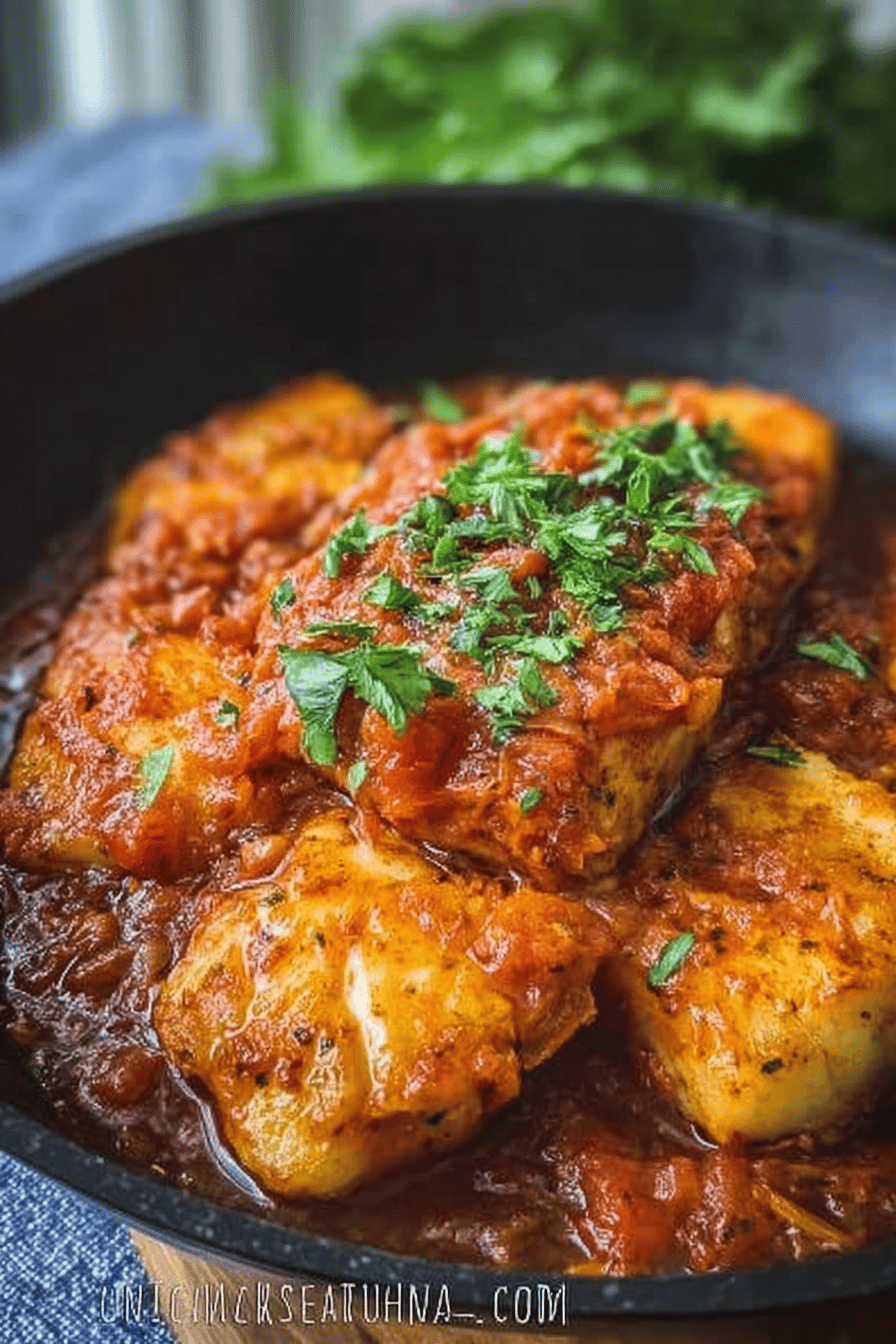
FAQs: Frequently Asked Questions About Cod Fish
What does cod fish taste like and how is it commonly cooked?
Cod fish has a mild, slightly sweet flavor with a firm and flaky white flesh. It is popular for its delicate taste, making it versatile for various recipes. Common cooking methods include baking, frying, grilling, and poaching. Cod is often used in fish and chips and pairs well with light seasonings such as lemon, garlic, and herbs.
Is cod fish healthy to eat?
Yes, cod fish is a healthy seafood choice. It is low in fat and calories while providing high-quality protein, vitamin B12, and important minerals like phosphorus and selenium. Cod also contains omega-3 fatty acids, which support heart and brain health. Including cod in a balanced diet can contribute to overall wellness.
How can I tell if cod fish is fresh when buying?
Fresh cod fish should have clear, shiny eyes and moist, firm flesh with a mild ocean scent—not a strong fishy odor. The skin should look bright, and the gills should be bright red. When touched, the flesh should spring back and not leave an indentation. Buying from reputable sources helps ensure quality.
What are sustainable options for buying cod fish?
To buy cod sustainably, look for certifications like MSC (Marine Stewardship Council) which indicate responsible fishing practices. Atlantic cod stocks have been overfished in some areas, so choosing Pacific cod or cod from well-managed fisheries can reduce environmental impact. Asking your seafood supplier about sourcing is also helpful.
Can cod fish be frozen and how should it be stored?
Yes, cod fish freezes well. To store fresh cod, wrap it tightly in plastic wrap or foil and place it in an airtight container or freezer bag. It’s best to use it within 3 months for optimal taste and texture. Thaw frozen cod overnight in the refrigerator before cooking, avoiding room temperature thawing to prevent bacterial growth.
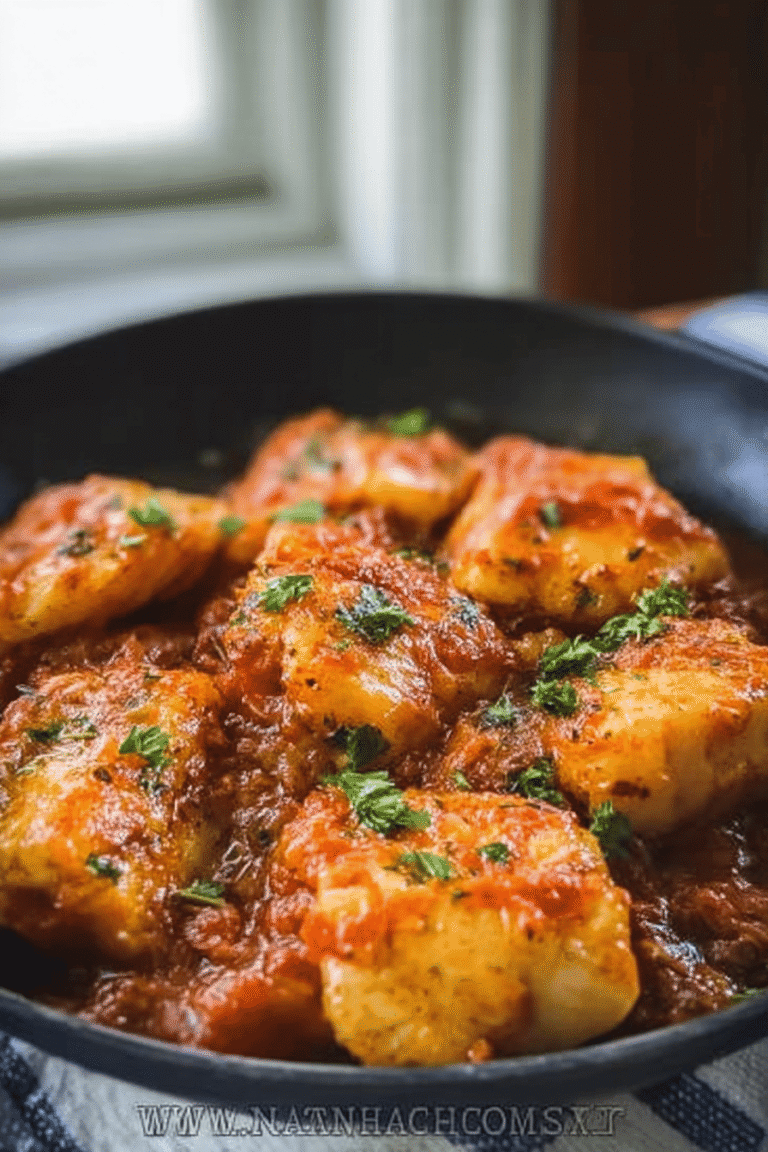
Cod Fish
🐟 Discover versatile Cod Recipes that highlight the fresh, mild flavor and flaky texture of cod fish for delicious meals.
🍋 Learn practical cooking tips to prepare moist, flavorful cod using various methods such as baking, frying, grilling, or poaching.
- Total Time: 25 to 30 minutes
- Yield: Varies based on fillet count and serving size
Ingredients
500g fresh cod fillets for main protein providing lean meat and texture
2 tablespoons olive oil for cooking and adding healthy fats
1 lemon, juiced adds acidity and brightness to enhance flavor
2 garlic cloves, minced infuses aroma and depth
Salt and black pepper to taste seasoning to enhance natural flavors
Fresh parsley, chopped (optional) for garnish and freshness
Instructions
1-First Step: Preparation Start by rinsing the cod fillets under cold water and pat them dry with paper towels. This ensures the fish cooks evenly and helps seasoning adhere better, reducing the risk of sticking. Once dry, proceed to marinating for optimal flavor absorption.
2-Second and Third Steps: Marinating and Heating Marinate the cod with lemon juice, minced garlic, salt, and black pepper, letting it sit for 10 minutes to absorb the flavors. This step enhances the mild, slightly sweet taste of cod fish, making it more enjoyable. Heat olive oil in a non-stick skillet over medium heat, ensuring the pan is hot enough so the fish doesn’t stick, which is crucial for delicate fillets.
3-Fourth and Fifth Steps: Cooking and Finishing Place the cod fillets gently in the pan and cook for 3-4 minutes on each side, depending on thickness; cod is done when it flakes easily with a fork. Optionally sprinkle chopped fresh parsley on top for a burst of color and fresh taste before serving. Serve immediately with your choice of side dishes, adapting for dietary preferences by pairing with gluten-free grains or steamed vegetables for a low-calorie option.
Last Step:
Please leave a rating and comment letting us know how you liked this recipe! This helps our business to thrive and continue providing free, high-quality recipes for you.Notes
🔥 Avoid overcooking cod to maintain moist and flaky texture.
🔪 Pat fillets dry before seasoning for better searing and crust.
🍋 Use acidic ingredients like lemon juice to brighten and complement the mild flavor.
- Prep Time: 15 minutes
- Cook Time: 10 to 20 minutes
- Category: Main Course
- Method: Baking,Frying,Grilling,Poaching
- Cuisine: International