Why You’ll Love This Spicy Peanut Butter Noodles Recipe
Spicy Peanut Butter Noodles are one of those meals that feel like a little kitchen win every single time. They are ready in about 15 minutes, use simple pantry ingredients, and bring together chewy noodles with a rich peanut sauce that is spicy, slightly sweet, and full of savory flavor. If you need a fast dinner after work, a budget-friendly student meal, or a family lunch that does not take much effort, this one fits the bill.
- Quick and easy: This Spicy Peanut Butter Noodles recipe comes together fast with just a few easy steps. You can boil the noodles, whisk the sauce, and have dinner on the table in about 15 minutes.
- Flexible for many diets: It works well as a vegan and gluten-free noodle dish when you use brown rice fettuccine or another rice noodle. You can also swap in your favorite pasta or add protein if needed.
- Bold, balanced flavor: The sauce brings together peanut butter, soy sauce, rice wine vinegar, sriracha, ginger, garlic, and a touch of maple syrup or honey. That mix gives you savory, sweet, spicy, and tangy all in one bite.
- Great for meal prep: Spicy Peanut Butter Noodles taste good hot or cold, so leftovers are actually something to look forward to. They pack well for work lunches, school lunches, or quick meals later in the week.
When you want a fast noodle dish with real personality, this spicy peanut butter sauce does all the heavy lifting.
If you enjoy quick and cozy meals like this one, you may also like this easy peach cobbler recipe for a sweet finish after dinner.
For readers who like fun snack ideas too, this recipe pairs nicely with a playful treat like pink popcorn for parties.
Jump to:
- Why You’ll Love This Spicy Peanut Butter Noodles Recipe
- Essential Ingredients for Spicy Peanut Butter Noodles
- Main ingredients
- Special dietary options
- How to Prepare the Perfect Spicy Peanut Butter Noodles: Step-by-Step Guide
- First step: cook the noodles
- Second step: cook the garlic and ginger
- Third step: make the peanut sauce
- Fourth step: taste and adjust
- Fifth step: toss with the noodles
- Final step: garnish and serve
- Protein and Main Component Alternatives
- Change the noodles
- Add protein
- Vegetable, Sauce, and Seasoning Modifications
- Vegetable ideas
- Sauce and seasoning ideas
- Mastering Spicy Peanut Butter Noodles: Advanced Tips and Variations
- Pro cooking techniques
- Flavor variations
- Presentation tips
- Make-ahead options
- How to Store Spicy Peanut Butter Noodles: Best Practices
- Refrigeration
- Freezing
- Reheating
- Meal prep considerations
- FAQs: Frequently Asked Questions About Spicy Peanut Butter Noodles
- What kind of noodles work best for spicy peanut butter noodles?
- Can you eat spicy peanut butter noodles cold or hot?
- How do you store leftover spicy peanut butter noodles?
- How can I adjust the spice level in spicy peanut butter noodles?
- What can I add to spicy peanut butter noodles for protein or veggies?
- Spicy Peanut Butter Noodles
- Ingredients
- Instructions
- Last Step:
- Notes
- Nutrition
- Did you make this recipe?
Essential Ingredients for Spicy Peanut Butter Noodles
This ingredient list keeps the recipe simple while still giving you a sauce with a lot of flavor. The measurements below make about 4 servings, and each item plays a key role in the final taste and texture.
Main ingredients
- 16 ounces noodles such as brown rice fettuccine or any noodle or pasta – gives the dish its chewy base and makes the sauce cling well.
- 3 large cloves garlic or 4 to 5 small cloves, finely minced – adds a warm, savory bite to the sauce.
- 1 tablespoon fresh grated ginger – brings brightness and a little zing that balances the peanut butter.
- 1 tablespoon oil such as olive, coconut, or avocado oil – helps soften the garlic and ginger without burning them.
- 2 thirds cup low or no salt peanut butter, unsalted preferred – creates the creamy base of the spicy peanut butter sauce.
- 4 tablespoons soy sauce, low sodium recommended – adds salty umami flavor.
- 1 third to 1 cup hot water – loosens the sauce to the texture you want.
- 1 tablespoon rice wine vinegar – adds a light tang that keeps the sauce from tasting too heavy.
- 1 tablespoon sriracha – brings heat and a little garlicky kick.
- 1 to 2 tablespoons maple syrup or honey – adds sweetness to balance the spice and salt.
- 1 half teaspoon cayenne pepper, optional – boosts the heat if you want a spicier noodle dish.
- 2 teaspoons sesame oil, optional – adds a nutty aroma and deeper flavor.
Special dietary options
- Vegan: Use maple syrup instead of honey and choose a vegan-friendly noodle if needed. The base recipe is already vegan when made this way.
- Gluten-free: Use brown rice fettuccine, rice noodles, or another certified gluten-free noodle. Also choose gluten-free soy sauce or tamari.
- Low-calorie: Use a little less peanut butter, skip the sesame oil, and load up the bowl with steamed broccoli, cabbage, carrots, or bell peppers.
| Ingredient | Role in the Dish | Easy Swap |
|---|---|---|
| Peanut butter | Makes the sauce creamy and rich | Use sunflower seed butter for a peanut-free version |
| Sriracha | Adds heat | Use chili flakes or a mild chili sauce |
| Rice noodles | Provide the chewy base | Use spaghetti, soba, or ramen |
| Maple syrup or honey | Balances salt and spice | Use agave syrup |
How to Prepare the Perfect Spicy Peanut Butter Noodles: Step-by-Step Guide
First step: cook the noodles
Bring a large pot of water to a boil and cook the noodles according to the package instructions. For brown rice fettuccine or rice noodles, this usually takes about 8 to 10 minutes, but always check the package so the noodles stay tender with a pleasant bite. Stir them a couple of times while they cook to keep them from clumping together.
When the noodles are done, drain them well and rinse them after cooking. This is especially helpful for rice noodles because it prevents sticking. If you are using wheat pasta instead of rice noodles, a quick rinse can still help if you plan to toss them with the sauce later rather than serve them right away. Set the noodles aside while you make the sauce.
Second step: cook the garlic and ginger
In a sauté pan, heat 1 tablespoon of oil over low heat. Add the minced garlic and cook it for 2 to 3 minutes, stirring often, until it turns golden and smells fragrant. Keep the heat low so the garlic softens instead of burning.
Add the grated ginger and cook for another minute. This short step helps wake up the flavor and gives the sauce a warm, fresh base. If you want a stronger ginger flavor, you can add a little extra, but the measured amount already gives the dish a nice lift.
Third step: make the peanut sauce
Remove the pan from the heat before adding the sauce ingredients. This keeps the peanut butter from separating and helps everything whisk together smoothly. Add the peanut butter, soy sauce, rice wine vinegar, sriracha, maple syrup or honey, cayenne pepper if you want extra heat, sesame oil if you are using it, and 1 third cup of hot water to start.
Whisk until the sauce looks smooth and glossy. If it seems too thick, add more hot water a little at a time until it reaches a pourable texture. If you like a thicker sauce that clings heavily to the noodles, stop early. If you want a looser sauce for a lighter bowl, keep adding water until it feels just right.
Taste the sauce before mixing it with the noodles. A small adjustment now can make the whole bowl taste better.
Fourth step: taste and adjust
Take a quick taste and decide if the flavor needs a little more soy sauce for saltiness or more sriracha for heat. You can also add a touch more maple syrup or honey if you want a sweeter balance. This is the part that makes the dish feel personalized, since peanut sauce can be tuned in so many ways.
If you are making this for kids or anyone sensitive to spice, start mild and keep extra sriracha on the side. For spice lovers, a little extra cayenne or a larger spoonful of sriracha can make the flavor pop. The recipe is very forgiving, so small changes are welcome.
Fifth step: toss with the noodles
Add half of the sauce to the cooked noodles and toss until the noodles are nicely coated. Add more sauce as needed, depending on how saucy you like your bowl. Some people prefer a light coating, while others want every strand drenched in peanut goodness.
If the sauce thickens as it sits, just stir in a splash of warm water to loosen it. This is useful if you are making the noodles ahead of time or serving them after a short wait. The final texture should be silky, with enough body to cling to the noodles without feeling heavy.
Final step: garnish and serve
Serve the noodles right away with optional garnishes such as crushed peanuts, scallions, red pepper flakes, or fresh cilantro. These toppings add crunch, freshness, and color, which makes the bowl feel more complete. If you want a more filling meal, add steamed broccoli, cabbage, carrots, bell peppers, chicken, or tofu.
These Spicy Peanut Butter Noodles can be enjoyed warm for dinner or chilled for lunch the next day. Either way, the sauce stays tasty and the noodles keep that satisfying chewy bite. That makes this a great recipe for busy nights, meal prep, or anytime you want a fast bowl with big flavor.
Protein and Main Component Alternatives
Change the noodles
One of the nicest things about Spicy Peanut Butter Noodles is how flexible the base can be. Brown rice fettuccine works well if you want a gluten-free option, but you can also use spaghetti, linguine, soba, ramen, or even standard wheat pasta. The key is to choose a shape that holds onto the sauce, since the peanut mixture likes to cling to ridges and curves.
If you want a chewier bite, udon is a good choice. If you want a more classic pantry dinner, regular spaghetti works just fine. Just cook the noodles until al dente so they stay springy and do not turn mushy once tossed with sauce.
Add protein
This noodle dish can stay simple, or you can turn it into a fuller meal with protein. Tofu is a natural fit for a vegan version, and pan-fried tofu soaks up the sauce very well. Tempeh also works nicely if you want a firmer texture and a nutty taste.
For non-vegan eaters, shredded chicken, grilled chicken, shrimp, or even sliced beef can be added. Cook the protein separately, then toss it in at the end so it stays tender. Edamame is another easy option that adds plant-based protein without much extra work.
If you want a fast weeknight meal, this sauce pairs well with almost any protein you already have in the fridge.
Vegetable, Sauce, and Seasoning Modifications
Vegetable ideas
Spicy Peanut Butter Noodles are great on their own, but vegetables make the bowl brighter and more filling. Steamed broccoli, shredded cabbage, carrots, and bell peppers all work well. Snap peas, cucumber, bean sprouts, and baby spinach are also good choices if you want extra crunch or freshness.
If you are using cooked vegetables, keep them crisp-tender so they do not disappear into the sauce. If you prefer a cold noodle bowl, raw shredded vegetables can add a salad-like bite. This makes the recipe a smart way to clean out the vegetable drawer and still end up with something delicious.
Sauce and seasoning ideas
There are lots of easy ways to shift the sauce without changing the structure of the dish. If you want more tang, add a little extra rice wine vinegar or a squeeze of lime. If you want more depth, a splash of sesame oil can bring a toasty aroma. If you like a sweeter sauce, add a bit more maple syrup or honey.
For milder flavor, cut back the sriracha and cayenne. For extra heat, add chili flakes, chili crisp, or a few drops of hot sauce. You can also make the dish feel fresher by topping it with cilantro, basil, green onions, or toasted sesame seeds. These small changes let you tailor the meal to the season or your mood.
Mastering Spicy Peanut Butter Noodles: Advanced Tips and Variations
Pro cooking techniques
Keep the garlic on low heat so it turns fragrant instead of bitter. That little bit of care makes a big difference in the final flavor. Also, whisk the sauce off the heat, since peanut butter blends more smoothly when the pan is not too hot.
If you want the noodles to coat evenly, toss them with the sauce while both are still warm. Warm noodles absorb flavor better than cold ones. For meal prep, keep the noodles and sauce in separate containers until serving, then mix them just before eating.
Flavor variations
You can change the personality of the dish with just a few small moves. Add lime juice for a brighter, sharper taste. Stir in a spoonful of chili crisp for a deeper spicy note. Use honey instead of maple syrup if you are not keeping the dish vegan and want a softer sweetness.
For a more savory bowl, increase the soy sauce slightly and reduce the sweetener. For a creamier bowl, add a little more peanut butter and a touch more hot water. If you want a stronger nutty aroma, the optional sesame oil is a great addition.
Presentation tips
Serve the noodles in a shallow bowl so the sauce is visible on top of the noodles. Add a sprinkle of crushed peanuts for crunch, then finish with scallions and red pepper flakes for color. Fresh cilantro adds a bright, fresh note that looks nice and tastes even better.
If you are serving guests, twirl the noodles into a small nest for a more polished look. A few extra vegetables on the side make the bowl feel colorful and balanced. It is a simple dish, but a thoughtful garnish can make it feel special.
Make-ahead options
This recipe is great for busy schedules because the sauce can be whisked together ahead of time. Keep it in the fridge, then thin it with a little water or broth when you are ready to use it. Cooked noodles also hold well for a short time, especially if you rinse them and toss them lightly before chilling.
For the best meal prep results, portion the noodles into containers and keep toppings separate. That way the texture stays good and the garnishes stay fresh. If you are planning lunches for the week, this is one of those meals that still tastes nice on day three.
How to Store Spicy Peanut Butter Noodles: Best Practices
Refrigeration
Store leftover Spicy Peanut Butter Noodles in an airtight container in the refrigerator for up to 5 days. The sauce may thicken as it chills, which is completely normal. If you used rice noodles, rinsing them after cooking helps reduce sticking in the fridge later.
Freezing
Freezing is not the best option for this dish because the sauce can turn grainy and the noodles can become soft after thawing. If you need to prep ahead, it is better to refrigerate the noodles and sauce separately for a couple of days rather than freezing the finished bowl.
Reheating
To reheat, warm the noodles in the microwave or on the stovetop. Add a splash of water, broth, or soy sauce to bring the sauce back to a smooth texture. Stir well so the noodles heat evenly. A quick reheat of 1 to 2 minutes is usually enough.
Meal prep considerations
For meal prep, cool the noodles before packing them into containers. Portion them into single servings so they are easy to grab during the week. If you are adding vegetables or protein, keep them in separate sections or containers so everything stays fresh longer.

FAQs: Frequently Asked Questions About Spicy Peanut Butter Noodles
What kind of noodles work best for spicy peanut butter noodles?
You can use almost any type of noodles or pasta for spicy peanut butter noodles, including rice noodles, spaghetti, fettuccine, soba, or even ramen. The recipe in this article calls for brown rice fettuccine for a gluten-free option, but wheat-based pasta holds the sauce well too. Cook them al dente to avoid sogginess—about 8-10 minutes in boiling water. After draining, rinse rice noodles immediately with cold water to prevent sticking; toss wheat noodles with a bit of oil. This flexibility makes the dish easy to adapt to what you have on hand. Experiment with shapes like linguine for better sauce cling or udon for a chewier bite. Total prep stays under 20 minutes regardless. (92 words)
Can you eat spicy peanut butter noodles cold or hot?
Yes, spicy peanut butter noodles taste great both hot and cold, perfect for meal prep or quick lunches. Serve them warm straight from the stove for a comforting dinner, or chill in the fridge for a noodle salad vibe. Cold versions shine as picnic food or packed lunches since the peanut sauce thickens nicely. If reheating, add a splash of water or broth to loosen the sauce. This versatility means one batch covers multiple meals—store in portions for up to 5 days. Pair cold noodles with fresh cucumber or herbs for extra crunch. Users love the no-reheat option on busy days. (98 words)
How do you store leftover spicy peanut butter noodles?
Store spicy peanut butter noodles in an airtight container in the refrigerator for up to 5 days. The peanut sauce might thicken or separate slightly, but that’s normal—just stir in 1-2 tablespoons of water, soy sauce, or coconut milk when reheating on the stovetop or microwave for 1-2 minutes. Avoid freezing, as the sauce can become grainy and noodles mushy upon thawing. For best flavor, consume within 3 days. Label containers with dates for easy tracking. This method keeps them fresh and saucier, saving time for weekly meal preps. Pro tip: Portion into single servings right after cooling. (102 words)
How can I adjust the spice level in spicy peanut butter noodles?
Tailor the heat in spicy peanut butter noodles by starting with less chili sauce or flakes—use 1 teaspoon instead of 2 for mild, or add sriracha to taste for extra kick. Fresh chilies like Thai bird’s eye work for bold spice; remove seeds for less burn. Taste the sauce before mixing with noodles and adjust gradually. For no-spice versions, skip heat entirely and add ginger for zing. Cooling the dish tempers heat, so cold servings feel milder. Common tweaks include honey to balance fire or lime for brightness. This keeps it family-friendly while satisfying spice lovers. Prep time unaffected. (104 words)
What can I add to spicy peanut butter noodles for protein or veggies?
Boost spicy peanut butter noodles with proteins like grilled chicken, shrimp, tofu, or edamame for 20-25g extra protein per serving. Veggies such as bell peppers, shredded carrots, broccoli, or snap peas add crunch—sauté 2-3 minutes before tossing. Turn it into a stir-fry by adding everything to the sauce, or keep it salad-style cold with cabbage slaw. Top with crushed peanuts, sesame seeds, or green onions for texture. These additions make it a complete meal under 30 minutes. Vegan-friendly base pairs perfectly with tempeh. Link to our tofu stir-fry recipe for more ideas. Nutrition perks: doubles fiber and satiety. (108 words)
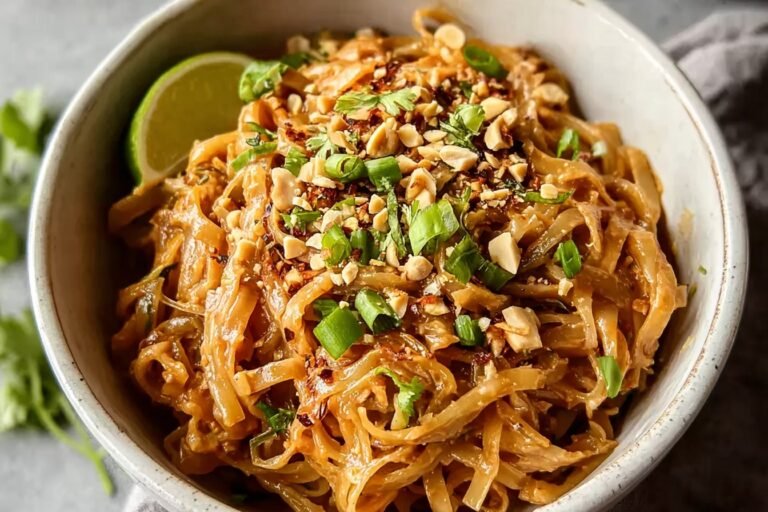
Spicy Peanut Butter Noodles
🍜 Dive into chewy noodles smothered in a rich, spicy peanut sauce – ready in just 15 minutes for busy weeknights!
🥜 Vegan and gluten-free delight with perfect savory-sweet-spicy balance that satisfies cravings instantly!
- Total Time: 15 minutes
- Yield: 4 servings
Ingredients
– 16 ounces noodles for chewy base
– 3 large cloves garlic or 4 to 5 small cloves, finely minced for savory bite
– 1 tablespoon fresh grated ginger for brightness and zing
– 1 tablespoon oil for softening garlic and ginger
– 2/3 cup low or no salt peanut butter for creamy base
– 4 tablespoons soy sauce for salty umami flavor
– 1/3 to 1 cup hot water for loosening the sauce
– 1 tablespoon rice wine vinegar for light tang
– 1 tablespoon sriracha for heat
– 1 to 2 tablespoons maple syrup or honey for sweetness
– 1/2 teaspoon cayenne pepper, optional for boosting heat
– 2 teaspoons sesame oil, optional for nutty aroma
Instructions
1-First step: cook the noodles Bring a large pot of water to a boil and cook the noodles according to the package instructions. For brown rice fettuccine or rice noodles, this usually takes about 8 to 10 minutes, but always check the package so the noodles stay tender with a pleasant bite. Stir them a couple of times while they cook to keep them from clumping together. When the noodles are done, drain them well and rinse them after cooking. This is especially helpful for rice noodles because it prevents sticking. If you are using wheat pasta instead of rice noodles, a quick rinse can still help if you plan to toss them with the sauce later rather than serve them right away. Set the noodles aside while you make the sauce.
2-Second step: cook the garlic and ginger In a sauté pan, heat 1 tablespoon of oil over low heat. Add the minced garlic and cook it for 2 to 3 minutes, stirring often, until it turns golden and smells fragrant. Keep the heat low so the garlic softens instead of burning. Add the grated ginger and cook for another minute. This short step helps wake up the flavor and gives the sauce a warm, fresh base. If you want a stronger ginger flavor, you can add a little extra, but the measured amount already gives the dish a nice lift.
3-Third step: make the peanut sauce Remove the pan from the heat before adding the sauce ingredients. This keeps the peanut butter from separating and helps everything whisk together smoothly. Add the peanut butter, soy sauce, rice wine vinegar, sriracha, maple syrup or honey, cayenne pepper if you want extra heat, sesame oil if you are using it, and 1 third cup of hot water to start. Whisk until the sauce looks smooth and glossy. If it seems too thick, add more hot water a little at a time until it reaches a pourable texture. If you like a thicker sauce that clings heavily to the noodles, stop early. If you want a looser sauce for a lighter bowl, keep adding water until it feels just right. Taste the sauce before mixing it with the noodles. A small adjustment now can make the whole bowl taste better.
4-Fourth step: taste and adjust Take a quick taste and decide if the flavor needs a little more soy sauce for saltiness or more sriracha for heat. You can also add a touch more maple syrup or honey if you want a sweeter balance. This is the part that makes the dish feel personalized, since peanut sauce can be tuned in so many ways. If you are making this for kids or anyone sensitive to spice, start mild and keep extra sriracha on the side. For spice lovers, a little extra cayenne or a larger spoonful of sriracha can make the flavor pop. The recipe is very forgiving, so small changes are welcome.
5-Fifth step: toss with the noodles Add half of the sauce to the cooked noodles and toss until the noodles are nicely coated. Add more sauce as needed, depending on how saucy you like your bowl. Some people prefer a light coating, while others want every strand drenched in peanut goodness. If the sauce thickens as it sits, just stir in a splash of warm water to loosen it. This is useful if you are making the noodles ahead of time or serving them after a short wait. The final texture should be silky, with enough body to cling to the noodles without feeling heavy.
6-Final step: garnish and serve Serve the noodles right away with optional garnishes such as crushed peanuts, scallions, red pepper flakes, or fresh cilantro. These toppings add crunch, freshness, and color, which makes the bowl feel more complete. If you want a more filling meal, add steamed broccoli, cabbage, carrots, bell peppers, chicken, or tofu. These Spicy Peanut Butter Noodles can be enjoyed warm for dinner or chilled for lunch the next day. Either way, the sauce stays tasty and the noodles keep that satisfying chewy bite. That makes this a great recipe for busy nights, meal prep, or anytime you want a fast bowl with big flavor.
Last Step:
Please leave a rating and comment letting us know how you liked this recipe! This helps our business to thrive and continue providing free, high-quality recipes for you.Notes
🧂 Use unsalted peanut butter and low-sodium soy sauce to keep salt in check.
🍱 Great for meal prep – delicious hot or cold!
🥦 Add steamed veggies like broccoli or carrots, or protein like tofu for extra nutrition.
- Prep Time: 5 minutes
- Cook Time: 10 minutes
- Category: Main Dishes
- Method: Stovetop
- Cuisine: Asian
- Diet: Vegan, Gluten-Free
Nutrition
- Serving Size: 1 serving
- Calories: 465 kcal
- Sugar: 4 g
- Fat: 16.5 g
- Carbohydrates: 59 g
- Fiber: 3 g
- Protein: 8.6 g
- Cholesterol: 0 mg