Why You’ll Love This Sous Vide Teriyaki Chicken
If you’re looking for a foolproof way to make juicy, flavorful chicken every single time, this Sous Vide Teriyaki Chicken recipe is about to become your new favorite. The sous vide cooking method takes all the guesswork out of the equation, giving you perfectly cooked meat that’s practically impossible to overcook. Whether you’re a busy parent juggling weeknight dinners or a cooking enthusiast wanting to try something new, you’ll appreciate how hands-off this recipe is once it’s in the water bath.
- Ease of preparation: With just 15 minutes of active prep time, you can set up this teriyaki chicken in the morning and come home to a ready-to-serve meal. The sous vide method handles the cooking for you, so you can focus on other things while dinner practically makes itself.
- Health benefits: Each 6-ounce serving packs 25g of protein with just 274 calories, making it an excellent option for anyone watching their intake. You get all the savory satisfaction of takeout teriyaki without the excess oils and unknown ingredients.
- Versatility: This recipe adapts easily to different dietary needs and preferences. Serve it over rice, cauliflower rice, or zucchini noodles. The sauce works beautifully as a glaze for meal prep bowls, and leftovers transform into amazing stir-fries or wraps.
- Distinctive flavor: The marinade infuses deep into the chicken during the sous vide process, creating layers of umami from the soy sauce, warmth from ginger and garlic, and a subtle sweetness from brown sugar that caramelizes when you finish it with a quick sear.
Jump to:
- Why You’ll Love This Sous Vide Teriyaki Chicken
- Essential Ingredients for Sous Vide Teriyaki Chicken
- Main Ingredients
- Special Dietary Options
- How to Prepare the Perfect Sous Vide Teriyaki Chicken: Step-by-Step Guide
- Step One: Prepare the Marinade
- Step Two: Marinate the Chicken
- Step Three: Set Up Your Sous Vide
- Step Four: Cook the Chicken
- Step Five: Finish the Sauce
- Step Six: Serve
- Dietary Substitutions to Customize Your Sous Vide Teriyaki Chicken
- Protein and Main Component Alternatives
- Vegetable, Sauce, and Seasoning Modifications
- Mastering Sous Vide Teriyaki Chicken: Advanced Tips and Variations
- Pro Cooking Techniques
- Flavor Variations
- Presentation Tips
- Make-Ahead Options
- How to Store Sous Vide Teriyaki Chicken: Best Practices
- Refrigeration Guidelines
- Freezing Options
- Reheating Best Practices
- Meal Prep Considerations
- FAQs: Frequently Asked Questions About Sous Vide Teriyaki Chicken
- What temperature and time should I use to sous vide teriyaki chicken?
- Is it safe to eat sous vide chicken cooked at 155°F?
- Can I use chicken breasts or frozen chicken for sous vide teriyaki?
- How do I finish sous vide teriyaki chicken for the best texture?
- How do I store and reheat sous vide teriyaki chicken leftovers?
- Sous Vide Teriyaki Chicken
- Ingredients
- Instructions
- Last Step:
- Notes
- Nutrition
- Did you make this recipe?
Essential Ingredients for Sous Vide Teriyaki Chicken
Gathering the right ingredients makes all the difference when preparing Sous Vide Teriyaki Chicken. Here’s everything you’ll need with precise measurements to ensure consistent results every time.
Main Ingredients
- 4 boneless, skinless chicken thighs – Thighs stay juicy and tender during sous vide cooking, offering more flavor and moisture than breasts
- ½ cup chicken stock – Forms the base of your teriyaki sauce and adds depth without extra sodium
- ½ cup soy sauce – Provides the classic salty, umami flavor that makes teriyaki so irresistible
- 2 minced garlic cloves – Fresh garlic adds aromatic punch; you can also use 1 teaspoon garlic powder
- 1 teaspoon ginger powder – Brings warm, slightly spicy notes that complement the sweet and salty elements
- 1 teaspoon onion powder – Rounds out the savory profile without overpowering the other flavors
- 1 teaspoon brown sugar – Adds just enough sweetness to balance the soy sauce and help with browning
- ¼ cup sesame oil – Contributes a nutty richness and healthy fats; toast varieties add extra flavor
- 1 tablespoon cornstarch – Thickens the sauce to a glossy, restaurant-style glaze
- 1 tablespoon water – Combined with cornstarch to create a slurry for thickening
- ¼ cup chopped green onions – Fresh garnish that adds color and a mild onion crunch
Special Dietary Options
You can easily adapt this Sous Vide Teriyaki Chicken for various dietary needs:
- Gluten-free: Substitute tamari or coconut aminos for the soy sauce
- Lower sodium: Use reduced-sodium soy sauce and low-sodium chicken stock
- Lower sugar: Replace brown sugar with a sugar-free alternative like monk fruit sweetener
How to Prepare the Perfect Sous Vide Teriyaki Chicken: Step-by-Step Guide
Making Sous Vide Teriyaki Chicken is surprisingly straightforward once you understand the process. The method breaks down into simple steps anyone can master, even if you’ve never used a sous vide machine before.
Step One: Prepare the Marinade
Start by creating the flavorful sauce that will infuse your chicken with classic teriyaki taste. In a medium bowl, whisk together ½ cup chicken stock, ½ cup soy sauce, ¼ cup sesame oil, 2 minced garlic cloves, 1 teaspoon ginger powder, 1 teaspoon onion powder, and 1 teaspoon brown sugar. Mix until the brown sugar dissolves completely. This marinade does double duty, flavoring the chicken during cooking and becoming the glaze you’ll reduce later.
Step Two: Marinate the Chicken
Place your 4 boneless, skinless chicken thighs in a vacuum seal bag or a high-quality freezer bag. Pour the marinade over the chicken, making sure each piece gets coated. Seal the bag using a vacuum sealer, or if using a freezer bag, use the water displacement method by slowly lowering the sealed bag into water to push out air before sealing completely.
Pro tip: Marinate the chicken in the refrigerator overnight for the deepest flavor penetration. This extended marinating time allows the soy sauce, ginger, and garlic to work their way into every fiber of the meat.
Step Three: Set Up Your Sous Vide
Fill a large pot or container with water and attach your sous vide precision cooker. Set the temperature to 155°F (68°C) and allow the water bath to reach temperature before adding your chicken. This temperature is ideal for chicken thighs, giving you tender, juicy results that hold together beautifully. For more information about sous vide cooking safety, food scientist Douglas Baldwin offers excellent resources on proper temperatures.
Step Four: Cook the Chicken
Once your water bath reaches 155°F, submerge the sealed bag containing the chicken and marinade. Make sure the bag stays fully submerged, using a heavy spoon or clip if needed. Cook for 2 hours. The chicken will become incredibly tender as it slowly cooks in the temperature-controlled water.
| Chicken Cut | Temperature | Cooking Time |
|---|---|---|
| Boneless Thighs | 155°F | 2 hours |
| Chicken Breasts | 160°F | 1.5-2 hours |
| Bone-in Thighs | 155°F | 2.5-3 hours |
According to the National Chicken Council, chicken is a fantastic source of lean protein, making this a nutritious choice for family meals.
Step Five: Finish the Sauce
When the cooking time is complete, remove the bag from the water bath. Take the chicken out and transfer it to a plate. Pour the cooking liquid from the bag into a small saucepan. Bring the liquid to a simmer over medium heat. In a small bowl, mix 1 tablespoon cornstarch with 1 tablespoon water to create a slurry. Whisk this mixture into the simmering sauce and cook for 1-2 minutes until thickened into a glossy glaze.
Step Six: Serve
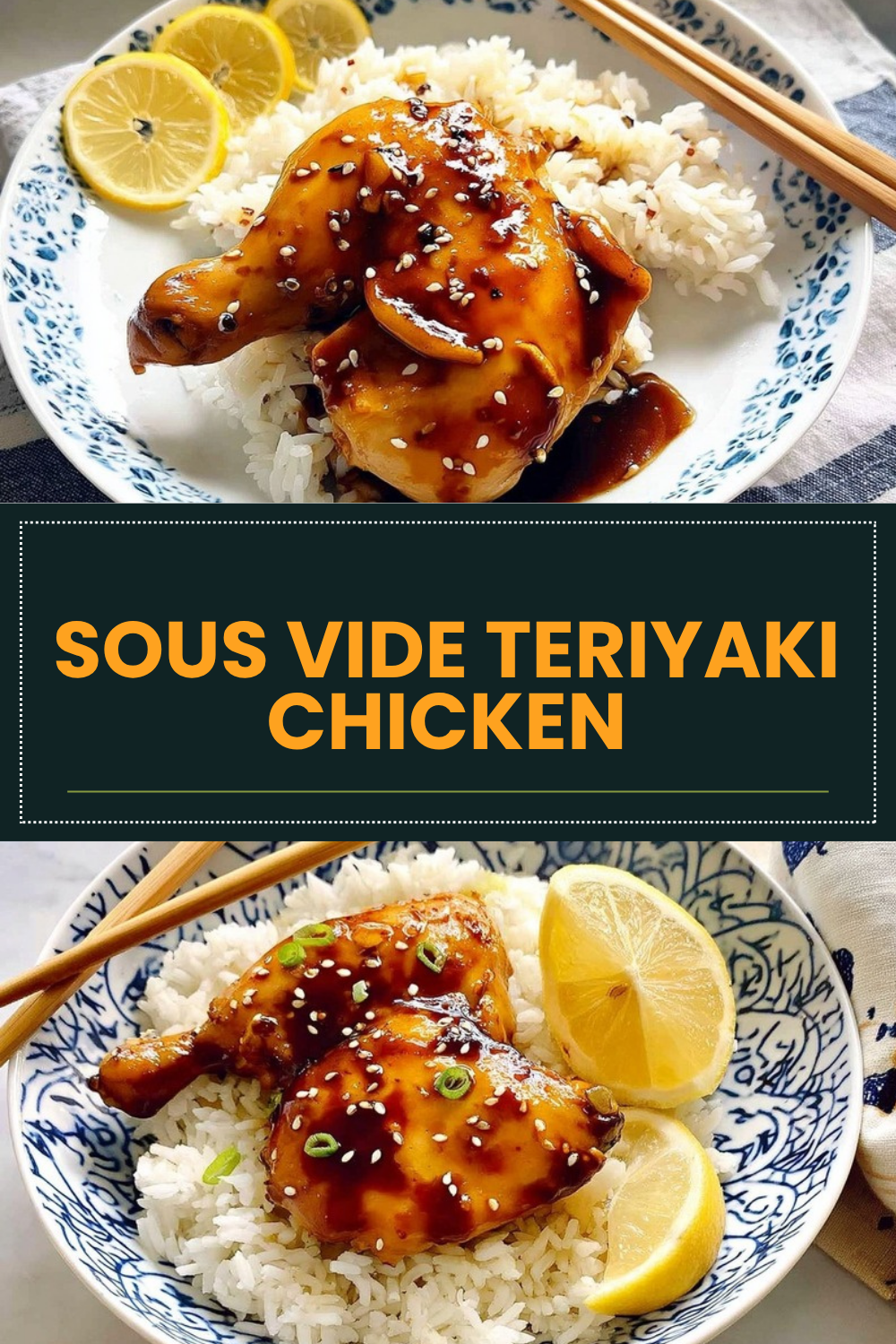
Slice the chicken if you prefer, or serve the thighs whole. Arrange over steamed rice, drizzle generously with the thickened teriyaki glaze, and top with ¼ cup chopped green onions. You’ll love how the sauce coats each piece of chicken and creates a beautiful presentation with minimal effort. For a complete meal, try pairing this with one of our favorite desserts like peach cobbler for a satisfying finish.

Dietary Substitutions to Customize Your Sous Vide Teriyaki Chicken
One of the best things about this recipe is how easily it adapts to different dietary preferences and ingredient availability. You can make it your own without sacrificing any of that signature teriyaki flavor.
Protein and Main Component Alternatives
While chicken thighs deliver the juiciest results, you have options depending on what you have on hand or your personal preferences. Boneless, skinless chicken breasts work well, though you’ll want to adjust the temperature to 160°F and cook for 1.5-2 hours to keep them from drying out. If you prefer dark meat with more richness, bone-in chicken thighs are excellent but require removing the skin and extending the cook time by about 30 minutes.
For those who don’t eat chicken, this teriyaki sauce works beautifully with salmon (cook at 125°F for 45 minutes for medium-rare or 140°F for 1 hour for medium). Firm tofu cut into thick slabs also soaks up the marinade wonderfully, needing just 1 hour at 155°F. Pork tenderloin sliced into medallions is another fantastic option, cooking at 140°F for 2-3 hours.
Vegetable, Sauce, and Seasoning Modifications
The beauty of Sous Vide Teriyaki Chicken lies in how flexible the flavor profile can be. For a spicier kick, add ½ teaspoon of red pepper flakes or a tablespoon of sriracha to your marinade. If you prefer a brighter, more citrusy teriyaki, include 1 tablespoon of fresh lemon juice or rice vinegar in the sauce mixture.
For a deeper, more complex flavor, try substituting half the soy sauce with mirin or adding a tablespoon of oyster sauce. Fresh ginger can replace ginger powder at a 1:1 ratio by volume for a more vibrant taste. If you want a kid-friendly version with less sodium, dilute the soy sauce with additional chicken stock and reduce the total amount to ¼ cup.
Mastering Sous Vide Teriyaki Chicken: Advanced Tips and Variations
Once you’ve mastered the basic technique, these expert tips will help you take your Sous Vide Teriyaki Chicken from great to extraordinary.
Pro Cooking Techniques
Arranging chicken thighs in a single layer inside your vacuum bag ensures even cooking throughout. Overlapping pieces cook unevenly, leaving some portions underdone. If you’re cooking a large batch, use multiple bags to maintain that single-layer arrangement.
Removing excess air from the bag keeps it submerged in the water bath. Air pockets cause the bag to float, which leads to inconsistent cooking. If your bag keeps floating even after removing air, place a heavy spoon or ceramic pie weights on top as a weight.
Flavor Variations
Transform this classic teriyaki into something new with simple additions. Create a honey garlic version by swapping brown sugar for 2 tablespoons of honey and adding an extra clove of garlic. For an island twist, mix in ¼ cup pineapple juice and top with grilled pineapple rings when serving.
A Korean-inspired variation emerges when you add 1 tablespoon of gochujang (Korean chili paste) to the marinade and garnish with toasted sesame seeds alongside the green onions. The subtle heat and fermented depth create an entirely different experience from the same cooking method.
Presentation Tips
The way you finish your chicken dramatically affects the final dish. After sous vide cooking, pat the chicken completely dry with paper towels. Heat a cast iron skillet over high heat with a thin layer of oil until smoking. Sear each thigh for 45-60 seconds per side to create a caramelized exterior that adds texture and visual appeal.
For an impressive weeknight presentation, slice the chicken into strips and fan them over a bed of rice. Drizzle the thickened sauce in an artistic pattern and finish with a shower of green onions and toasted sesame seeds. Your family will think you ordered takeout from a high-end restaurant.
Make-Ahead Options
This recipe is perfect for meal prep. You can prepare multiple bags of chicken in marinade and freeze them for up to 3 months before cooking. When you’re ready, simply pull a bag from the freezer, thaw it overnight in the refrigerator, and cook as directed. The flavor actually improves after sitting in the marinade longer.
For busy weeknight dinners, consider using our quick dessert recipes like strawberry milkshake to round out your meal without adding extra prep time.
How to Store Sous Vide Teriyaki Chicken: Best Practices
Proper storage ensures your Sous Vide Teriyaki Chicken stays fresh and delicious for future meals. The sous vide cooking process naturally extends shelf life because the vacuum sealing and pasteurization create an environment less prone to bacterial growth.
Refrigeration Guidelines
After cooking, let the chicken cool slightly before transferring it to an airtight container. Store the chicken and sauce together for maximum flavor retention. The cooked chicken stays fresh in the refrigerator for up to 4 days. For best results, slice the chicken only when you’re ready to serve, not before storing, as whole pieces retain moisture better than cut portions.
Freezing Options
For longer storage, Sous Vide Teriyaki Chicken freezes beautifully for up to 3 months. Portion the cooked chicken with sauce into freezer-safe bags, press out as much air as possible, and lay flat in your freezer for efficient stacking. Label each bag with the contents and date so you can easily track freshness.
Reheating Best Practices
The gentlest way to reheat sous vide chicken is to place the sealed bag back in a 140°F water bath for 30-45 minutes until warmed through. This method preserves the juicy texture you worked to achieve. Alternatively, warm the chicken gently in a skillet over medium-low heat with the sauce, turning occasionally until heated to 165°F internally.
Avoid using high heat or extended microwave reheating, which can make the chicken tough and dry out the sauce. Low and slow preserves the tenderness.
Meal Prep Considerations
This recipe works wonderfully for weekly meal prep. Cook a double batch on Sunday and portion into containers with rice and steamed vegetables for grab-and-go lunches. The chicken reheats evenly and the sauce actually improves after sitting overnight as flavors continue to meld.
FAQs: Frequently Asked Questions About Sous Vide Teriyaki Chicken
What temperature and time should I use to sous vide teriyaki chicken?
For tender, juicy teriyaki chicken, set your sous vide water bath to 155°F (68°C). This temperature keeps the meat moist while allowing flavors to infuse. Cook boneless chicken thighs for 2 hours at this temp. If using chicken breasts, increase to 160°F for 1.5-2 hours to prevent dryness. Vacuum-seal the chicken in marinade bags before submerging. After cooking, pat dry and sear in a hot skillet for 1-2 minutes per side to develop a caramelized crust. This method ensures even cooking without overcooking. Always preheat your water bath fully for best results. Total hands-on time is minimal, making it ideal for weeknight meals. (92 words)
Is it safe to eat sous vide chicken cooked at 155°F?
Yes, chicken cooked sous vide at 155°F is safe when held for the right duration. Pasteurization occurs in about 50 seconds at this temperature, effectively killing salmonella and other pathogens. The USDA’s 165°F guideline applies to instant-read cooking methods like grilling, but sous vide’s precise, low-temp control allows lower temps with extended time for equivalent safety. Studies from food scientists confirm this: 155°F for 2 hours pasteurizes chicken thoroughly. Use fresh, high-quality chicken, seal properly to avoid air pockets, and chill immediately after cooking if not eating right away. This approach delivers restaurant-quality results at home without risk. (104 words)
Can I use chicken breasts or frozen chicken for sous vide teriyaki?
Yes, boneless skinless chicken breasts work, though thighs are ideal for their higher fat content and juiciness. For breasts, sous vide at 160°F for 1.5-2 hours to stay tender. Frozen thighs are fine—add 1 extra hour to the 155°F cook time, totaling 3 hours. Thaw and marinate in teriyaki sauce (soy sauce, ginger, garlic, brown sugar, mirin) overnight in the fridge for best flavor absorption. Portion into single bags to speed thawing if needed. This flexibility makes the recipe forgiving for busy cooks using what’s on hand. Avoid overcrowding bags for even cooking. (98 words)
How do I finish sous vide teriyaki chicken for the best texture?
After sous vide cooking, remove chicken from bags, pat thoroughly dry with paper towels—this is key for browning. Heat a cast-iron skillet or grill pan over high heat with a thin layer of oil until smoking. Sear each side for 45-60 seconds to create a crispy, caramelized exterior that locks in juices and intensifies teriyaki flavors. Baste with reserved marinade reduced into a glaze for extra shine. Alternatively, use a kitchen torch for precision. This quick step (under 2 minutes total) transforms tender sous vide chicken into a glossy, restaurant-style dish. Serve over rice with veggies. (96 words)
How do I store and reheat sous vide teriyaki chicken leftovers?
Cool cooked chicken quickly, then store in an airtight container in the fridge for up to 4 days. For longer storage, portion into freezer bags and freeze for 3 months—sous vide extends shelf life due to pasteurization. To reheat, submerge sealed bags in a 140°F water bath for 30-45 minutes to gently warm without drying out. On the stovetop, sear lightly in a pan with a splash of water or broth. Microwave in short bursts, covered, stirring sauce midway. Always reheat to at least 165°F internally. Leftovers make great salads, stir-fries, or wraps. Label bags with dates for safety. (102 words)
Sous Vide Teriyaki Chicken
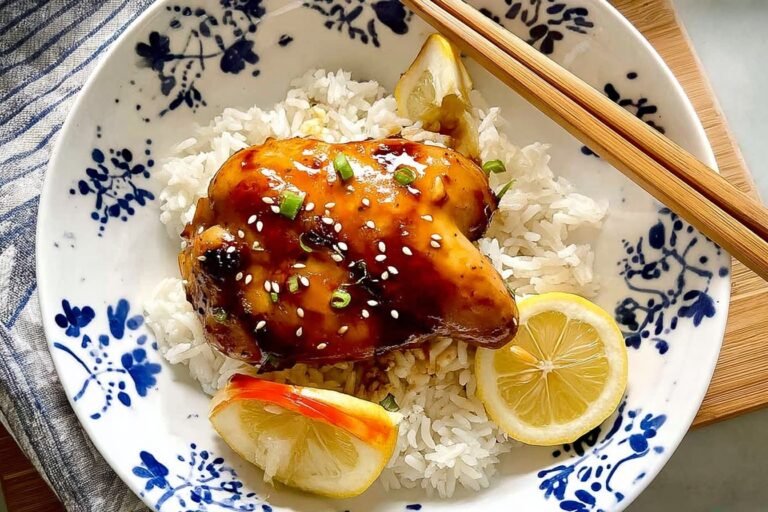
🍗 Savor ultra-juicy, tender chicken thighs with a glossy teriyaki glaze, thanks to precise sous vide cooking.
🥢 Effortless prep yields restaurant-quality results—ideal for busy weeknights or meal prep.
- Total Time: 10 hours 15 minutes
- Yield: 4 servings
Ingredients
– 4 boneless, skinless chicken thighs
– ½ cup chicken stock
– ½ cup soy sauce
– 2 minced garlic cloves
– 1 teaspoon ginger powder
– 1 teaspoon onion powder
– 1 teaspoon brown sugar
– ¼ cup sesame oil
– 1 tablespoon cornstarch
– 1 tablespoon water
– ¼ cup chopped green onions
Instructions
1-Step One: Prepare the Marinade Start by creating the flavorful sauce that will infuse your chicken with classic teriyaki taste. In a medium bowl, whisk together ½ cup chicken stock, ½ cup soy sauce, ¼ cup sesame oil, 2 minced garlic cloves, 1 teaspoon ginger powder, 1 teaspoon onion powder, and 1 teaspoon brown sugar. Mix until the brown sugar dissolves completely. This marinade does double duty, flavoring the chicken during cooking and becoming the glaze you’ll reduce later.
2-Step Two: Marinate the Chicken Place your 4 boneless, skinless chicken thighs in a vacuum seal bag or a high-quality freezer bag. Pour the marinade over the chicken, making sure each piece gets coated. Seal the bag using a vacuum sealer, or if using a freezer bag, use the water displacement method by slowly lowering the sealed bag into water to push out air before sealing completely.
3-Step Three: Set Up Your Sous Vide Fill a large pot or container with water and attach your sous vide precision cooker. Set the temperature to 155°F (68°C) and allow the water bath to reach temperature before adding your chicken. This temperature is ideal for chicken thighs, giving you tender, juicy results that hold together beautifully. For more information about sous vide cooking safety, food scientist Douglas Baldwin offers excellent resources on proper temperatures.
4-Step Four: Cook the Chicken Once your water bath reaches 155°F, submerge the sealed bag containing the chicken and marinade. Make sure the bag stays fully submerged, using a heavy spoon or clip if needed. Cook for 2 hours. The chicken will become incredibly tender as it slowly cooks in the temperature-controlled water.
5-Step Five: Finish the Sauce When the cooking time is complete, remove the bag from the water bath. Take the chicken out and transfer it to a plate. Pour the cooking liquid from the bag into a small saucepan. Bring the liquid to a simmer over medium heat. In a small bowl, mix 1 tablespoon cornstarch with 1 tablespoon water to create a slurry. Whisk this mixture into the simmering sauce and cook for 1-2 minutes until thickened into a glossy glaze.
6-Step Six: Serve Slice the chicken if you prefer, or serve the thighs whole. Arrange over steamed rice, drizzle generously with the thickened teriyaki glaze, and top with ¼ cup chopped green onions. You’ll love how the sauce coats each piece of chicken and creates a beautiful presentation with minimal effort. For a complete meal, try pairing this with one of our favorite desserts like peach cobbler for a satisfying finish.
Last Step:
Please leave a rating and comment letting us know how you liked this recipe! This helps our business to thrive and continue providing free, high-quality recipes for you.Notes
🍗 Arrange chicken thighs in a single layer in the bag for even cooking.
🔥 Adjust sauce thickness by simmering longer or adding more slurry if needed.
❄️ Marinate overnight in the fridge for maximum flavor infusion.
- Prep Time: 15 minutes
- Marinate: 8 hours
- Cook Time: 2 hours
- Category: Poultry
- Method: Sous Vide
- Cuisine: Japanese
Nutrition
- Serving Size: 6 oz
- Calories: 274 kcal
- Sugar: 27 g
- Sodium: 1735 mg
- Fat: 6 g
- Saturated Fat: 1 g
- Unsaturated Fat: 3 g
- Trans Fat: 1 g
- Carbohydrates: 30 g
- Fiber: 1 g
- Protein: 25 g
- Cholesterol: 107 mg