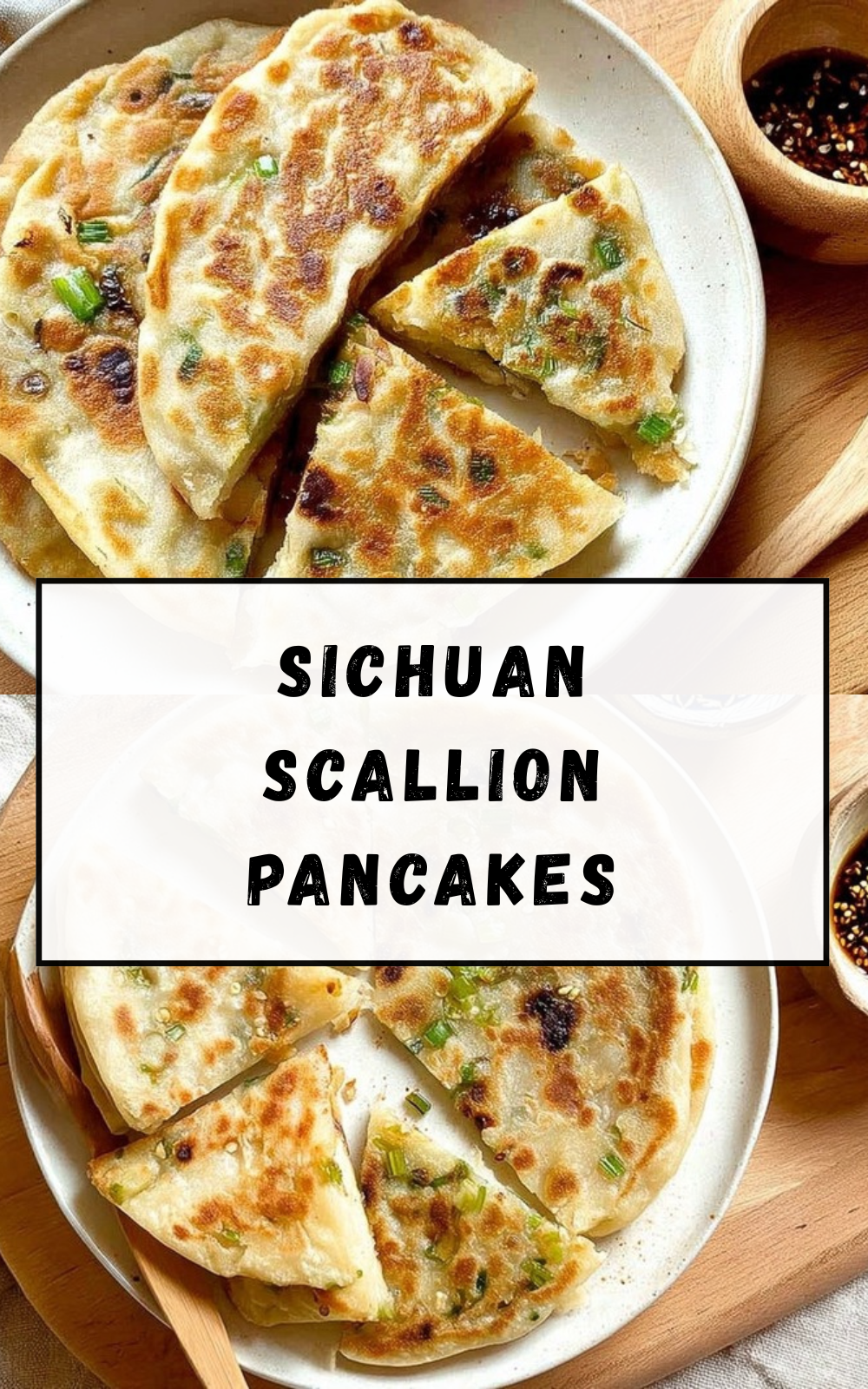
Why You’ll Love This Sichuan Scallion Pancakes
There’s something truly special about Sichuan scallion pancakes that keeps home cooks coming back to this recipe time and again. Whether you’re a seasoned cook or just starting your culinary journey, this recipe offers the perfect balance of simplicity and authentic flavor that makes it a standout choice for any meal.
- Ease of preparation: Despite their impressive layered appearance, these pancakes come together with basic ingredients and straightforward techniques. The active preparation time is just 20 minutes, with resting periods that allow you to multitask in the kitchen. No fancy equipment is needed just a mixing bowl, rolling pin, and a standard skillet.
- Health benefits: These pancakes pack a nutritional punch with 16g of protein and 7g of fiber per serving. The generous amount of scallions provides essential vitamins including Vitamin A (995 IU) and Vitamin C (20.4mg). Using vegetable oil keeps the recipe plant-based and lower in saturated fats compared to butter-based alternatives.
- Versatility: Serve these pancakes as a breakfast staple, lunch side dish, afternoon snack, or dinner accompaniment. They pair beautifully with soups, stir-fries, or stand alone with a simple dipping sauce. The recipe easily adapts to include additional spices or fillings based on your preferences.
- Distinctive flavor: The combination of crispy exterior and chewy interior creates a textural experience unlike any other bread. The aromatic scallions infuse every layer with savory goodness, while the optional Chinese five-spice powder adds that authentic Sichuan flair that makes these pancakes memorable.
Jump to:
- Why You’ll Love This Sichuan Scallion Pancakes
- Essential Ingredients for Sichuan Scallion Pancakes
- Main Ingredients
- Special Dietary Options
- How to Prepare the Perfect Sichuan Scallion Pancakes: Step-by-Step Guide
- Step 1: Prepare the Dough
- Step 2: Knead and Divide the Dough
- Step 3: Roll and Fill with Scallions
- Step 4: Shape the Pancakes
- Step 5: Roll the Final Pancakes
- Step 6: Pan-Fry to Golden Perfection
- Dietary Substitutions to Customize Your Sichuan Scallion Pancakes
- Protein and Main Component Alternatives
- Vegetable, Sauce, and Seasoning Modifications
- Mastering Sichuan Scallion Pancakes: Advanced Tips and Variations
- Pro Cooking Techniques
- Flavor Variations
- Presentation Tips
- Make-Ahead Options
- How to Store Sichuan Scallion Pancakes: Best Practices
- Refrigeration Guidelines
- Freezing for Long-Term Storage
- Reheating Methods
- FAQs: Frequently Asked Questions About Sichuan Scallion Pancakes
- What are Sichuan scallion pancakes?
- Why use both hot and cold water in scallion pancake dough?
- Which part of the scallion should I use for scallion pancakes?
- How do I store and reheat leftover scallion pancakes?
- What dipping sauce pairs with Sichuan scallion pancakes?
- Sichuan Scallion Pancakes
- Ingredients
- Instructions
- Last Step:
- Notes
- Nutrition
- Did you make this recipe?
Essential Ingredients for Sichuan Scallion Pancakes
Gathering the right ingredients is the first step toward creating authentic Sichuan scallion pancakes at home. Each component plays a crucial role in achieving the perfect texture and flavor profile.
Main Ingredients
- 2 cups (about 300g) unshifted all-purpose flour Forms the foundation of the dough, providing structure and the characteristic chewy texture. Unshifted flour contains more bran, adding subtle nuttiness and better absorption.
- 3/4 cup water (1/2 cup hot boiling water + 1/3 cup cold water), plus 10ml extra for adjustment The combination of hot and cold water creates the ideal dough consistency. Hot water partially cooks the flour for tenderness, while cold water adds structure and chewiness.
- Vegetable cooking oil (for dough, brushing, and pan-frying) Creates flaky layers within the pancake and ensures crispy exteriors when frying. Use neutral oil like canola or sunflower for best results.
- 2 cups chopped scallions (green parts only) The star ingredient that gives these pancakes their name and distinctive flavor. Green parts are tender and won’t puncture the dough layers.
- 1/2 teaspoon salt Enhances the overall flavor and strengthens the gluten network in the dough for better texture.
- 1 tablespoon Chinese five-spice powder (optional, for garnishing) Adds authentic Sichuan character with its blend of star anise, Sichuan peppercorns, fennel, cinnamon, and cloves. According to culinary experts at Serious Eats, this spice blend is fundamental to Sichuan cuisine’s distinctive flavor profile.
Special Dietary Options
For those with dietary restrictions, here are some simple modifications:
- Vegan: This recipe is naturally vegan when using vegetable oil. No substitutions needed!
- Gluten-free: Substitute the all-purpose flour with a 1:1 gluten-free flour blend. Note that the texture may be slightly less chewy and more crumbly.
- Low-calorie: Reduce the oil used for brushing and pan-frying by using a non-stick spray. You can also make smaller pancakes for portion control.
How to Prepare the Perfect Sichuan Scallion Pancakes: Step-by-Step Guide
Creating authentic Sichuan scallion pancakes at home is easier than you might think. Follow these detailed steps to achieve restaurant-quality results in your own kitchen.
Step 1: Prepare the Dough
Begin by mixing 1/2 teaspoon of salt into 2 cups (300g) of unshifted all-purpose flour in a large mixing bowl. The salt should be evenly distributed throughout the flour before adding any liquid. Create a well in the center of the flour mixture this depression will hold your water and prevent it from spilling over the sides.
Pour 1/2 cup of hot boiling water into the well and stir briefly with chopsticks or a wooden spoon. You’ll notice the flour starting to clump together as the hot water partially cooks the starches. This technique, known as “scalding” the flour, is essential for achieving that tender, chewy texture characteristic of authentic Chinese scallion pancakes.
Next, add 1/3 cup of room-temperature water along with a small drizzle of vegetable cooking oil. The oil helps create flaky layers and prevents the dough from becoming too sticky. Begin kneading the mixture with your hands, bringing all the flour into the dough. If the mixture feels too dry or floury, add the extra 10ml of water gradually until you achieve a cohesive dough ball.
Knead the dough for about 2-3 minutes until it comes together into a smooth ball. Cover the bowl with a damp cloth or plastic wrap and let it rest for 10 minutes. This resting period allows the gluten to relax, making the dough easier to work with in the next steps.
Step 2: Knead and Divide the Dough
After the initial rest, knead the dough for another 3-5 minutes on a lightly floured surface. The dough should become smooth and elastic, passing the “windowpane test” when stretched thin, it should be translucent without tearing easily. Proper kneading develops the gluten network that gives authentic Sichuan scallion pancakes their signature chewiness.
Divide the dough into 4 equal portions using a bench scraper or knife. Shape each portion into a smooth round ball by tucking the edges underneath and rolling between your palms. Cover these portions with a damp cloth or plastic wrap to prevent drying, and let them rest for 20-30 minutes. This second rest is crucial for relaxed, easily rollable dough.
Step 3: Roll and Fill with Scallions
Working with one portion at a time (keep the others covered), roll the dough into a rectangle approximately 10cm x 8cm. The dough should be thin but not transparent about 2-3mm thick is ideal. Rolling on a lightly oiled surface rather than a floured one helps with the layering process.
Brush the center of the rectangle generously with vegetable oil. This oil creates the steam pockets that result in flaky layers. If using the optional Chinese five-spice powder, sprinkle about 1/4 tablespoon evenly over the oiled surface. This spice blend adds the distinctive Sichuan flavor profile that sets these pancakes apart from regular scallion pancakes.
Spread 1/2 cup of chopped scallions (green parts only) evenly over the rectangle. Be generous with the scallions they’re the star of the show! Using only the green parts ensures the dough won’t tear during rolling, as the white parts are too fibrous.
Step 4: Shape the Pancakes
Fold the rectangle into a cylinder by rolling it up from one long edge to the other, enclosing the scallions inside. Seal the edges by gently pressing along the seam. The scallions should be completely enclosed within the dough cylinder.
Gently stretch the cylinder to lengthen it this creates more layers when coiled. Stretching to about 12-14 inches will give you excellent flakiness. Be careful not to stretch so much that the dough tears or the scallions poke through.
Coil the stretched cylinder into a snail shape, tucking the end underneath to secure it. Think of it like making a cinnamon roll or a bee’s honeycomb pattern. This coiling technique is what creates the beautiful spiral pattern and numerous flaky layers in the finished Sichuan scallion pancakes recipe.
Repeat this process for the remaining three dough portions, keeping completed coils covered while you work.
Step 5: Roll the Final Pancakes
Take each coiled dough spiral and gently press it down with your palm to flatten slightly. Then, using a rolling pin, roll it into a flat round pancake about 1/4 inch thick and 6-7 inches in diameter. Roll from the center outward, rotating the dough frequently to maintain an even circular shape.
A helpful tip: Use a small pan as a guide by placing the rolled pancake on the pan bottom to check the size. This ensures all your pancakes will fit perfectly in your cooking pan and cook evenly. If some scallions peek through the dough, don’t worry that’s perfectly normal and adds to the rustic charm.
Step 6: Pan-Fry to Golden Perfection
Heat a skillet or frying pan over medium heat and add enough vegetable cooking oil to coat the bottom generously you want the pancakes to fry, not just dry-cook. The oil should shimmer but not smoke when the pan is ready.
Carefully place one pancake in the pan and fry for 2-3 minutes on the first side until golden brown and crispy. Flip using a spatula and cook the second side for another 2-3 minutes until equally golden. Press down gently on the pancake with your spatula while cooking to ensure even contact with the pan.
Turn the pancake occasionally for even browning, especially if your pan has hot spots. The finished pancake should be golden brown with crispy edges and a slightly puffed appearance from the steam created inside the layers.
Transfer to a paper towel-lined plate to drain excess oil, then repeat with remaining pancakes. Serve immediately while hot and crispy with your favorite dipping sauce. For those who love experimenting with different flatbreads, you might also enjoy our homemade corn tortillas recipe, which uses similar rolling and cooking techniques.

Dietary Substitutions to Customize Your Sichuan Scallion Pancakes
One of the wonderful things about this Chinese scallion pancakes recipe is its adaptability to various dietary needs and ingredient availability. Here are some thoughtful substitutions that maintain the essence of the dish while accommodating different preferences.
Protein and Main Component Alternatives
While traditional Sichuan scallion pancakes are naturally vegetarian and can be made vegan by using vegetable oil, you can easily add protein to make them more substantial:
- Egg wash: Brush beaten egg on the outside before frying for extra richness and a beautiful golden color (not vegan).
- Meat fillings: Add cooked, seasoned ground pork or shredded chicken along with the scallions for a heartier version. Season the meat with soy sauce, ginger, and garlic.
- Plant-based proteins: Mix in crumbled tofu or tempeh seasoned with soy sauce and five-spice powder for added protein without meat.
- Flour alternatives: For a gluten-free version, use a high-quality 1:1 gluten-free flour blend. Add 1 teaspoon of xanthan gum if your blend doesn’t already include it. The texture will be slightly different more tender and less chewy but still delicious.
Vegetable, Sauce, and Seasoning Modifications
The flavor profile of these pancakes can be easily customized based on seasonal availability or personal preferences:
- Herb variations: Mix chopped cilantro, Chinese chives, or flat-leaf parsley with the scallions for different flavor dimensions. Cilantro pairs particularly well with the five-spice powder.
- Spice additions: Add red pepper flakes or a dash of cayenne to the scallion filling for a spicier kick. Sichuan cuisine is known for its bold, numbing heat.
- Sesame seeds: Sprinkle toasted sesame seeds along with the scallions for extra nutty flavor and subtle crunch.
- Garlic and ginger: Minced fresh garlic and ginger can be added to the oil brush for aromatic depth.
- Seasoning blends: Replace the five-spice powder with curry powder for an Indian twist, or za’atar for a Middle Eastern variation.
Pro Tip: If you’re looking to increase the nutritional value of your pancakes, consider adding finely grated vegetables like carrots or zucchini to the filling. Just be sure to squeeze out excess moisture before adding to prevent soggy layers.
For the oil component, while vegetable oil is traditional and keeps the recipe accessible, you can experiment with other options:
- Toasted sesame oil: Use a mixture of neutral oil and sesame oil for brushing inside the pancake for more intense nutty flavor.
- Coconut oil: Works well for pan-frying and adds a subtle sweetness that complements the scallions.
- Olive oil: Not traditional but creates an interesting fusion flavor profile.
Mastering Sichuan Scallion Pancakes: Advanced Tips and Variations
Once you’ve mastered the basic Sichuan scallion pancakes recipe, you can take your skills to the next level with these professional techniques and creative variations that will impress family and friends.
Pro Cooking Techniques
The secret to achieving restaurant-quality authentic Sichuan scallion pancakes lies in understanding the science behind each step:
- Temperature control: Maintain medium heat throughout cooking. Too high, and the exterior burns before the inside cooks; too low, and the pancake absorbs excess oil and becomes greasy.
- The double-fry method: For extra crispiness, fry all pancakes once, then quickly refry them for 30 seconds per side just before serving. This technique ensures they’re hot and crispy when eaten.
- Resting matters: Never skip the resting periods. The initial 10-minute rest after mixing allows gluten strands to relax, while the 20-30 minute rest after shaping makes rolling significantly easier.
- Oil temperature test: Drop a small piece of dough into the pan if it sizzles immediately but doesn’t brown within 10 seconds, the oil is at the perfect temperature.
Flavor Variations
While traditional recipes are delicious, these variations add exciting new dimensions to your pancake repertoire:
| Variation | Key Additions | Flavor Profile |
|---|---|---|
| Spicy Sichuan | Chili oil, Sichuan peppercorns | Numbing, bold, aromatic heat |
| Garlic Herb | Minced garlic, cilantro | Savory, fresh, aromatic |
| Cheese | Shredded mozzarella or cheddar | Rich, melty, kid-friendly |
| Sweet | Sugar, cinnamon, sesame paste | Dessert-like, warm spices |
| Curry | Curry powder, turmeric | Warm, earthy, aromatic |
Presentation Tips
The visual appeal of your scallion pancakes is just as important as their taste. Here are presentation ideas that elevate the dining experience:
- Cutting technique: Cut each pancake into 4-6 wedges for easy sharing, or serve whole for a rustic, street-food style presentation.
- Garnishes: Top with additional chopped scallions, a drizzle of chili oil, or a sprinkle of toasted sesame seeds for color contrast and visual appeal.
- Serving vessels: Present on wooden boards for casual gatherings, or on ceramic plates with small dipping sauce bowls for formal occasions.
- Color contrast: Pair with brightly colored sides like pickled vegetables or a fresh salad to make the golden pancakes pop visually.
Make-Ahead Options
For busy home cooks, preparing components in advance saves time without sacrificing quality:
- Dough preparation: Make the dough up to 24 hours ahead and store wrapped in the refrigerator. Bring to room temperature before rolling.
- Shaped pancakes: Roll and shape the pancakes, then separate with parchment paper and store refrigerated for up to 12 hours before frying.
- Fully cooked: Cook all pancakes, cool completely, and freeze for quick reheating later (see storage section for details).
- Scallion prep: Chop scallions up to 2 days ahead and store in an airtight container in the refrigerator.
How to Store Sichuan Scallion Pancakes: Best Practices
Proper storage ensures your homemade Sichuan scallion pancakes maintain their quality and can be enjoyed long after cooking. Here are the best methods for preserving their texture and flavor.
Refrigeration Guidelines
For short-term storage, refrigeration works well:
- Allow pancakes to cool completely on a wire rack before storing warm pancakes create condensation that leads to sogginess.
- Place in an airtight container with parchment paper between layers to prevent sticking.
- Store in the refrigerator for up to 2-3 days maximum.
- Refrigerated pancakes will soften but can be restored to crispiness with proper reheating.
Freezing for Long-Term Storage
Freezing is an excellent option for batch cooking and meal preparation:
- Fully cooked pancakes: Cool completely, then wrap each individually in plastic wrap or place parchment paper between them. Store in a freezer-safe bag or container for up to 1 month.
- Uncooked shaped pancakes: Freeze on a baking sheet until solid, then transfer to a freezer bag. Fry directly from frozen, adding 1-2 extra minutes to cooking time.
Reheating Methods
The key to restoring that fresh-from-the-pan quality lies in proper reheating:
- Skillet method (recommended): Heat a dry or lightly oiled skillet over medium heat. Cook the pancake for 1-2 minutes per side until heated through and crispy again.
- Oven method: Preheat to 350°F (175°C). Place pancakes on a baking sheet and heat for 8-10 minutes until warm and crispy.
- Microwave (not recommended): If using, heat for 20-30 seconds. Note that this method results in a softer, chewier texture rather than crispy.
- Air fryer: Cook at 350°F for 3-4 minutes, flipping halfway through. This method works exceptionally well for restoring crispiness.
Storage Tip: Always freeze pancakes in single portions so you can reheat only what you need. This prevents waste and ensures the best quality for each serving.
FAQs: Frequently Asked Questions About Sichuan Scallion Pancakes
What are Sichuan scallion pancakes?
Sichuan scallion pancakes, known as Cong You Bing, are a beloved Chinese street food and breakfast staple featuring a crispy outer layer and tender, chewy interior. Made primarily from dough with flour, oil, and finely chopped green onions, they originate from northern China but have regional twists in Sichuan, often paired with spicy elements. To make them at home, mix dough with hot and cold water for balanced texture, roll thin, layer with scallions and oil, coil, and pan-fry until golden. They’re quick to prepare in under 30 minutes and serve as a versatile side or snack. In Sichuan style, add chili oil for heat. Enjoy fresh for the best flakiness—perfect for dipping in soy-based sauces. (92 words)
Why use both hot and cold water in scallion pancake dough?
Using both hot boiling water and cold water in scallion pancake dough creates the ideal texture: soft, chewy, and easy to roll without tearing. Hot water cooks the flour slightly, making the dough pliable and tender inside after frying. Cold water adds structure for chewiness and prevents the dough from becoming too sticky. For a standard recipe, scald 1 cup flour with ½ cup boiling water, stir until smooth, then mix in ½ cup cold water and 1 cup more flour. Knead 5-10 minutes, rest 30 minutes, then proceed to layering. This method works for Sichuan versions too—results in pancakes that stay fluffy without sogginess. Skip it, and your pancakes may crack or toughen. (112 words)
Which part of the scallion should I use for scallion pancakes?
Use only the green tops of scallions (green onions) for scallion pancakes to avoid puncturing the delicate dough layers. The white bulb ends are too fibrous and hard, which can tear the wrapper during rolling and coiling. Chop 1-2 bunches of green parts finely (about 1 cup per batch), mix with 2-3 tbsp oil, and spread evenly. For Sichuan flair, toss in chopped cilantro or chili flakes. Wash and dry scallions thoroughly first to prevent excess moisture. This keeps pancakes intact, flaky, and flavorful—yielding 4-6 pancakes from one recipe. Pro tip: Save white parts for stocks or stir-fries. (98 words)
How do I store and reheat leftover scallion pancakes?
Cool Sichuan scallion pancakes completely to avoid sogginess, then store in an airtight container or zip-top bag in the fridge for 2-3 days. For longer storage, freeze by wrapping each individually in plastic wrap or parchment, then place in a freezer bag for up to 1 month. Reheat refrigerated ones in a hot skillet over medium heat for 1-2 minutes per side to restore crispiness, or microwave 20-30 seconds (they’ll soften more). Frozen pancakes fry directly from frozen, adding 1-2 extra minutes. Avoid overcrowding the pan. They’ll be chewier post-reheat but still delicious—great for quick meals. (102 words)
What dipping sauce pairs with Sichuan scallion pancakes?
A simple, spicy Asian dipping sauce elevates Sichuan scallion pancakes perfectly. Mix 3 tbsp soy sauce, 1 tbsp black rice vinegar (or rice vinegar), 1 tsp sesame oil, ½ tsp salt, 1 tbsp hot chili oil (Sichuan-style for heat), and chopped green onions plus cilantro. Stir well and serve immediately. This tangy, savory blend cuts through the richness—adjust spice to taste. Alternatives: plain soy with ginger or hoisin. Prep in 2 minutes; makes enough for 4-6 pancakes. Pairs best with hot-off-the-pan pancakes for contrast. For vegan, skip any non-vegan oils. Store leftovers in fridge up to 3 days. (104 words)
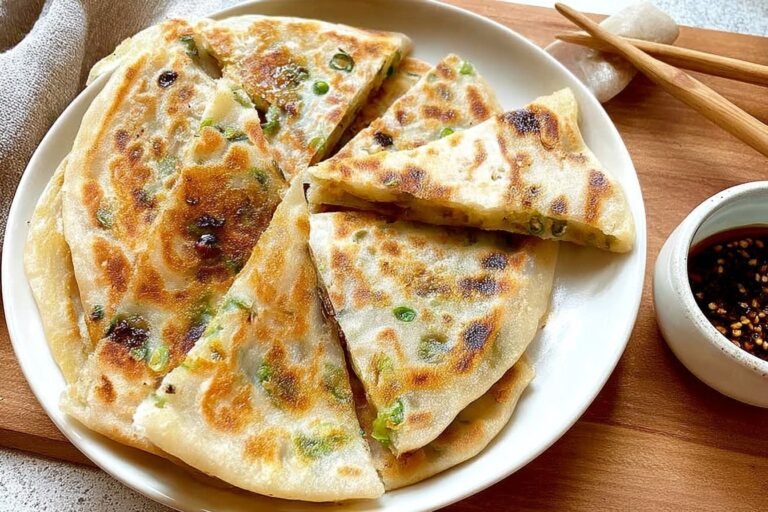
Sichuan Scallion Pancakes
🥞 Crispy, flaky layers burst with fresh scallion aroma in these authentic Chinese pancakes—irresistible snack or side.
🌿 Quick dough technique yields chewy perfection; vegan, customizable, and better than takeout.
- Total Time: 1 hour
- Yield: 4 servings
Ingredients
– 2 cups (about 300g) unshifted all-purpose flour
– 3/4 cup water (1/2 cup hot boiling water + 1/3 cup cold water), plus 10ml extra for adjustment
– Vegetable cooking oil (for dough, brushing, and pan-frying)
– 2 cups chopped scallions (green parts only)
– 1/2 teaspoon salt
– 1 tablespoon Chinese five-spice powder (optional, for garnishing)
Instructions
1-Step 1: Prepare the Dough Begin by mixing 1/2 teaspoon of salt into 2 cups (300g) of unshifted all-purpose flour in a large mixing bowl. The salt should be evenly distributed throughout the flour before adding any liquid. Create a well in the center of the flour mixture this depression will hold your water and prevent it from spilling over the sides. Pour 1/2 cup of hot boiling water into the well and stir briefly with chopsticks or a wooden spoon. You’ll notice the flour starting to clump together as the hot water partially cooks the starches. This technique, known as “scalding” the flour, is essential for achieving that tender, chewy texture characteristic of authentic Chinese scallion pancakes. Next, add 1/3 cup of room-temperature water along with a small drizzle of vegetable cooking oil. The oil helps create flaky layers and prevents the dough from becoming too sticky. Begin kneading the mixture with your hands, bringing all the flour into the dough. If the mixture feels too dry or floury, add the extra 10ml of water gradually until you achieve a cohesive dough ball. Knead the dough for about 2-3 minutes until it comes together into a smooth ball. Cover the bowl with a damp cloth or plastic wrap and let it rest for 10 minutes. This resting period allows the gluten to relax, making the dough easier to work with in the next steps.
2-Step 2: Knead and Divide the Dough After the initial rest, knead the dough for another 3-5 minutes on a lightly floured surface. The dough should become smooth and elastic, passing the “windowpane test” when stretched thin, it should be translucent without tearing easily. Proper kneading develops the gluten network that gives authentic Sichuan scallion pancakes their signature chewiness. Divide the dough into 4 equal portions using a bench scraper or knife. Shape each portion into a smooth round ball by tucking the edges underneath and rolling between your palms. Cover these portions with a damp cloth or plastic wrap to prevent drying, and let them rest for 20-30 minutes. This second rest is crucial for relaxed, easily rollable dough.
3-Step 3: Roll and Fill with Scallions Working with one portion at a time (keep the others covered), roll the dough into a rectangle approximately 10cm x 8cm. The dough should be thin but not transparent about 2-3mm thick is ideal. Rolling on a lightly oiled surface rather than a floured one helps with the layering process. Brush the center of the rectangle generously with vegetable oil. This oil creates the steam pockets that result in flaky layers. If using the optional Chinese five-spice powder, sprinkle about 1/4 tablespoon evenly over the oiled surface. This spice blend adds the distinctive Sichuan flavor profile that sets these pancakes apart from regular scallion pancakes. Spread 1/2 cup of chopped scallions (green parts only) evenly over the rectangle. Be generous with the scallions they’re the star of the show! Using only the green parts ensures the dough won’t tear during rolling, as the white parts are too fibrous.
4-Step 4: Shape the Pancakes Fold the rectangle into a cylinder by rolling it up from one long edge to the other, enclosing the scallions inside. Seal the edges by gently pressing along the seam. The scallions should be completely enclosed within the dough cylinder. Gently stretch the cylinder to lengthen it this creates more layers when coiled. Stretching to about 12-14 inches will give you excellent flakiness. Be careful not to stretch so much that the dough tears or the scallions poke through. Coil the stretched cylinder into a snail shape, tucking the end underneath to secure it. Think of it like making a cinnamon roll or a bee’s honeycomb pattern. This coiling technique is what creates the beautiful spiral pattern and numerous flaky layers in the finished Sichuan scallion pancakes recipe. Repeat this process for the remaining three dough portions, keeping completed coils covered while you work.
5-Step 5: Roll the Final Pancakes Take each coiled dough spiral and gently press it down with your palm to flatten slightly. Then, using a rolling pin, roll it into a flat round pancake about 1/4 inch thick and 6-7 inches in diameter. Roll from the center outward, rotating the dough frequently to maintain an even circular shape. A helpful tip: Use a small pan as a guide by placing the rolled pancake on the pan bottom to check the size. This ensures all your pancakes will fit perfectly in your cooking pan and cook evenly. If some scallions peek through the dough, don’t worry that’s perfectly normal and adds to the rustic charm.
6-Step 6: Pan-Fry to Golden Perfection Heat a skillet or frying pan over medium heat and add enough vegetable cooking oil to coat the bottom generously you want the pancakes to fry, not just dry-cook. The oil should shimmer but not smoke when the pan is ready. Carefully place one pancake in the pan and fry for 2-3 minutes on the first side until golden brown and crispy. Flip using a spatula and cook the second side for another 2-3 minutes until equally golden. Press down gently on the pancake with your spatula while cooking to ensure even contact with the pan. Turn the pancake occasionally for even browning, especially if your pan has hot spots. The finished pancake should be golden brown with crispy edges and a slightly puffed appearance from the steam created inside the layers. Transfer to a paper towel-lined plate to drain excess oil, then repeat with remaining pancakes. Serve immediately while hot and crispy with your favorite dipping sauce. For those who love experimenting with different flatbreads, you might also enjoy our homemade corn tortillas recipe, which uses similar rolling and cooking techniques.
Last Step:
Please leave a rating and comment letting us know how you liked this recipe! This helps our business to thrive and continue providing free, high-quality recipes for you.Notes
💧 Mix hot and cold water for the perfect soft, chewy texture.
🟢 Use only green scallion parts to avoid tearing the dough.
😴 Rest dough twice for maximum flaky layers.
- Prep Time: 20 minutes
- Rest: 30-40 minutes
- Cook Time: 10 minutes
- Category: Breads
- Method: Pan-Frying
- Cuisine: Chinese
- Diet: Vegan
Nutrition
- Serving Size: 1 pancake
- Calories: 577 kcal
- Sugar: 2 g
- Sodium: 501 mg
- Fat: 9 g
- Saturated Fat: 1 g
- Unsaturated Fat: 8 g
- Trans Fat: 0 g
- Carbohydrates: 106 g
- Fiber: 7 g
- Protein: 16 g
- Cholesterol: 0 mg