Why You’ll Love This Sichuan Chili Oil
If you’ve ever wanted to bring the bold, fiery flavors of Chinese cuisine into your own kitchen, this Sichuan Chili Oil recipe is your golden ticket. Making homemade chili oil might sound intimidating at first, but I promise you it’s surprisingly simple and so rewarding. Once you taste the difference between store-bought and freshly made, there’s no going back!
Here’s why this recipe deserves a permanent spot in your cooking routine:
- Ease of Preparation: With just 5 minutes of prep time and about 30 minutes of hands-off infusion, you’ll have a jar of vibrant, aromatic chili oil ready to go. The process is straightforward and doesn’t require any fancy equipment just a saucepan, a thermometer, and a heat-safe bowl. Even if you’re new to cooking, you can master this!
- Health Benefits: This homemade version contains no preservatives or artificial additives. The capsaicin in chili peppers has been linked to various health benefits, and by making it yourself, you control exactly what goes in. Plus, with just 80 calories per serving and minimal sodium (only 0.3mg), you can enjoy it guilt-free.
- Versatility: Drizzle it over dumplings, noodles, stir-fries, or even scrambled eggs. A spoonful adds instant depth to soups, marinades, and dipping sauces. It’s naturally vegan, gluten-free, and can be adapted to suit different spice preferences making it perfect for households with varied dietary needs.
- Distinctive Flavor: The combination of aromatic spices like star anise, cinnamon, and Sichuan peppercorns creates layers of complex flavor you simply can’t find in bottled versions. That signature ma la (numbing-heat) sensation is what makes Sichuan cuisine so addictive!
Jump to:
- Why You’ll Love This Sichuan Chili Oil
- Essential Ingredients for Sichuan Chili Oil
- Main Ingredients
- Special Dietary Options
- How to Prepare the Perfect Sichuan Chili Oil: Step-by-Step Guide
- Step 1: Gather and Prepare Your Ingredients
- Step 2: Infuse the Oil with Aromatics
- Step 3: Prepare the Chili Flake Bowl
- Step 4: Strain and Reheat the Oil
- Step 5: Pour Hot Oil Over Chili Flakes
- Step 6: Season and Cool
- Step 7: Store Your Finished Chili Oil
- Dietary Substitutions to Customize Your Sichuan Chili Oil
- Oil and Spice Alternatives
- Chili Flake and Seasoning Modifications
- Mastering Sichuan Chili Oil: Advanced Tips and Variations
- Professional Cooking Techniques
- Flavor Variations
- Make-Ahead and Batch Cooking
- How to Store Sichuan Chili Oil: Best Practices
- Refrigeration Guidelines
- Freezing for Long-Term Storage
- Safe Handling Practices
- FAQs: Frequently Asked Questions About Sichuan Chili Oil
- What is the best oil for making Sichuan chili oil?
- What kind of chili flakes for authentic Sichuan chili oil?
- Can I substitute or skip Sichuan peppercorns in chili oil?
- Is it safe to pour hot oil over chili flakes for Sichuan chili oil?
- How do I store homemade Sichuan chili oil?
- Sichuan Chili Oil
- Ingredients
- Instructions
- Last Step:
- Notes
- Nutrition
- Did you make this recipe?
Essential Ingredients for Sichuan Chili Oil
Gathering the right ingredients is key to achieving that authentic, restaurant-quality flavor. Here’s everything you’ll need, along with why each component matters:
Main Ingredients
- 3 cups neutral oil (such as avocado oil) This serves as the base carrier for all the flavors. Neutral oils with high smoke points (avocado, vegetable, canola, peanut, or grapeseed) work best because they won’t overpower the spices. Avoid olive oil or sesame oil, which have distinct flavors that compete with the chili.
- 2 tablespoons Sichuan peppercorns The star ingredient that gives Sichuan cuisine its signature numbing sensation. These tiny reddish-brown peppercorns deliver a citrusy, slightly floral flavor with that famous tongue-tingling effect.
- 4 cloves garlic (smashed) Smashed cloves release their aromatic oils into the infusion, adding a subtle savory depth without overpowering the other spices.
- 1 shallot (halved) Shallots are milder and sweeter than regular onions, contributing a gentle aromatic quality that rounds out the flavor profile.
- 1 cinnamon stick Adds warm, sweet-spicy notes that complement the heat from the chilies beautifully.
- 2 bay leaves These bring an earthy, slightly floral aroma to the infused oil.
- 8 star anise The licorice-like flavor of star anise is essential for that authentic Chinese cooking taste.
- 1 tablespoon cloves Intensely aromatic, cloves add depth and a warm, slightly sweet spice note.
- 1 ½ cups Sichuan chili flakes The heart and soul of this recipe! Authentic Sichuan chili flakes from China deliver a deep red color, complex flavor, and the perfect level of heat. They’re different from regular crushed red pepper flakes found at the grocery store.
- 1 tablespoon sesame seeds (optional) Add a nutty crunch and visual appeal to your finished chili oil.
- 1 tablespoon sugar A small amount of sugar balances the heat and enhances the overall flavor.
- 1 tablespoon salt or to taste Seasoning helps bring out all the flavors and acts as a mild preservative.
Special Dietary Options
- Vegan: This recipe is naturally vegan no modifications needed!
- Gluten-free: All ingredients are naturally gluten-free, making this suitable for those with gluten sensitivities.
- Low-calorie: Use sparingly as a finishing oil. The flavor is so concentrated that a little goes a long way.
Pro Tip: For authentic results, source your Sichuan chili flakes and Sichuan peppercorns from Asian markets or reputable online specialty shops. The quality of these two ingredients makes all the difference!
How to Prepare the Perfect Sichuan Chili Oil: Step-by-Step Guide
Making Sichuan Chili Oil at home is easier than you might think. Follow these detailed steps, and you’ll have a jar of vibrant, flavorful chili oil that rivals any restaurant version.
Step 1: Gather and Prepare Your Ingredients
Before you begin, measure out all your ingredients and have them within reach. This is your mise en place a French term meaning “everything in its place.” Having everything ready makes the process smooth and stress-free.
Grab a heavy-bottomed saucepan, a cooking thermometer, a large ceramic or heavy metal bowl (never glass!), a fine-mesh strainer, and a heatproof spatula for stirring. Make sure your bowl has plenty of clearance from the rim you’ll need that space when the hot oil meets the chili flakes!
Step 2: Infuse the Oil with Aromatics
Pour the 3 cups of neutral oil into your heavy-bottomed saucepan. Add the Sichuan peppercorns, smashed garlic cloves, halved shallot, cinnamon stick, bay leaves, star anise, and cloves all at once.
Heat the mixture over medium-low heat. You want the oil temperature to reach 225-250°F. This is where your thermometer becomes essential maintaining this temperature range is crucial for extracting maximum flavor without burning the spices.
Let the spices infuse for a full 30 minutes. Stir occasionally and adjust the heat as needed to keep the temperature steady. You’ll notice the garlic and shallot becoming golden and fragrant, and the spices releasing their wonderful aromas into the oil.
Step 3: Prepare the Chili Flake Bowl
While the oil is infusing, place your 1 ½ cups of Sichuan chili flakes into a large ceramic or heavy metal bowl. Make sure there’s plenty of space between the chili flakes and the rim of the bowl this is important because the oil will bubble up significantly when poured!
Add the sesame seeds (if using), sugar, and salt to the bowl with the chili flakes. Give everything a gentle mix so the seasonings are distributed throughout.
Step 4: Strain and Reheat the Oil
After 30 minutes of infusion, turn off the heat. Using a fine-mesh strainer, carefully strain the infused oil to remove all the whole spices. Discard the used spices they’ve given their all!
Now, heat the strained oil back up to 350°F. This higher temperature is what activates the chili flakes and creates that gorgeous deep red color. Watch the thermometer carefully you want the oil hot enough to sizzle but not smoking.
Step 5: Pour Hot Oil Over Chili Flakes
Here comes the exciting (and slightly dramatic) part! Once your oil reaches 350°F, carefully pour it in a slow, steady stream over the chili flakes in the bowl.
Safety Note: Stand back slightly and wear oven mitts. The oil will bubble vigorously upon contact with the chili flakes that’s why we left all that headroom in the bowl! Pour slowly to maintain control over the bubbling.
You’ll hear a satisfying sizzle and watch the chili flakes bloom into a beautiful, deep red color. The aroma at this moment is absolutely incredible.
Step 6: Season and Cool
After all the oil has been poured, give everything a good stir with your heatproof spatula. Mix in the sesame seeds, sugar, and salt if you haven’t already added them to the chili flakes.
Now, patience is key let the mixture cool completely at room temperature. This cooling period allows the flavors to meld and develop. The oil will continue to darken as it sits, developing even more depth of flavor.
Step 7: Store Your Finished Chili Oil
Once completely cool, transfer your homemade Sichuan Chili Oil into a clean, sterilized airtight container. Glass jars with tight-fitting lids work wonderfully. Store it in the refrigerator, where it will keep for up to 3 months.
| Preparation Stage | Time Required | Key Temperature |
|---|---|---|
| Prep work (measuring ingredients) | 5 minutes | N/A |
| Infusing aromatics in oil | 30 minutes | 225-250°F |
| Heating oil for chili flakes | 5 minutes | 350°F |
| Cooling completely | 1-2 hours | Room temperature |
| Total Time | 35 minutes active + cooling |

Dietary Substitutions to Customize Your Sichuan Chili Oil
While this Sichuan Chili Oil recipe is naturally vegan and gluten-free, you might want to make adjustments based on ingredient availability or personal preferences. Here are some helpful modifications:
Oil and Spice Alternatives
If you don’t have avocado oil on hand, other neutral oils work just as well. Grapeseed oil is an excellent alternative with its clean taste and high smoke point. Peanut oil adds a subtle nuttiness that complements the Sichuan flavors nicely, though be mindful of allergies. Canola or vegetable oil will work too, though they lack the same health benefits as avocado oil.
For those who find the numbing sensation of Sichuan peppercorns too intense, you can reduce the amount to 1 tablespoon or skip them entirely. If you still want some complexity, a pinch of ground allspice or black pepper can provide a milder tingle without the full numbing effect.
Chili Flake and Seasoning Modifications
Authentic Sichuan chili flakes are ideal, but if you can’t source them, you can use Korean gochugaru for a milder, slightly sweeter result. Keep in mind the flavor profile will be different less smoky and complex. For a spicier kick, add a teaspoon of cayenne pepper to the chili flake mixture.
Salt preferences vary widely. Start with the full tablespoon called for in the recipe, but feel free to adjust to your taste. Some cooks like to add a pinch of MSG after the oil has cooled for that savory umami boost it’s entirely optional but does enhance the depth of flavor.
For a sugar-free version, you can omit the sugar entirely or substitute with a few drops of stevia. The small amount of sugar in the original recipe helps balance the heat, so your oil will be slightly spicier without it.
Mastering Sichuan Chili Oil: Advanced Tips and Variations
Once you’ve mastered the basic recipe, here are some pro techniques and creative variations to help you take your Sichuan Chili Oil to the next level.
Professional Cooking Techniques
The secret to restaurant-quality chili oil lies in temperature control. Maintaining the 225-250°F range during the infusion phase extracts the maximum flavor from your aromatics without scorching them. If the temperature creeps too high, the spices can become bitter and unpleasant. Use a reliable instant-read or clip-on thermometer, and don’t rush this step!
Another pro tip: toast your Sichuan peppercorns and chili flakes in a dry wok over low heat for 2-3 minutes before using. This awakens their essential oils and intensifies the flavor. Just be careful not to burn them keep the heat low and keep everything moving in the pan.
Flavor Variations
For a Black Bean Chili Oil variation, add 2 tablespoons of fermented black beans (douchi) to the chili flakes before pouring the hot oil. This adds a wonderful savory, funky depth that’s amazing with stir-fries.
Try a Garlic-Forward Version by adding an extra 4-6 cloves of smashed garlic to the infusion, then adding 2 tablespoons of fried garlic bits to the finished oil. It’s incredible on noodles and dumplings!
For Crispy Chili Oil, increase the sesame seeds to 2 tablespoons and add 1 tablespoon of crushed peanuts or soy nuts to the chili flake mixture. The hot oil will crisp them up beautifully.
Make-Ahead and Batch Cooking
This recipe makes a generous batch, but if you find yourself using it constantly (which you probably will!), consider doubling it. The process is the same just use a larger saucepan and bowl. Homemade chili oil also makes a wonderful gift for food-loving friends and family.
You can prepare the spice blend (everything except the oil) up to a week in advance. Store the measured aromatics in an airtight container until you’re ready to make the oil. This is great for meal prep or when you want to save time.
Did you know? Chili peppers contain capsaicin, which has been linked to various health benefits including metabolism boosting and pain relief. For more information, check out Healthline’s guide to chili pepper benefits.
How to Store Sichuan Chili Oil: Best Practices
Proper storage ensures your homemade Sichuan Chili Oil stays fresh, flavorful, and safe to enjoy for months. Here’s everything you need to know:
Refrigeration Guidelines
Always store your finished chili oil in a sterilized airtight container in the refrigerator. The cold temperature prevents the growth of any bacteria and keeps the flavors stable. Your chili oil will keep for up to 3 months when refrigerated properly.
You might notice the oil becoming cloudy or solidifying slightly in the fridge this is completely normal! Simply let it sit at room temperature for 15-20 minutes before using, or scoop out what you need and it will quickly liquefy.
Freezing for Long-Term Storage
For longer storage, you can freeze your chili oil for up to 6 months. An easy method is to pour the cooled oil into ice cube trays, freeze until solid, then transfer the cubes to a freezer bag. Each cube is perfectly portioned for a single serving great for quick weeknight meals!
Safe Handling Practices
Always use a clean, dry spoon to scoop out your chili oil. Introducing moisture or food particles can lead to bacterial growth and spoilage. If you notice any off smells, mold, or sliminess, discard the entire batch immediately.
Label your container with the date made so you can track freshness. A simple piece of masking tape and a permanent marker work perfectly for this.
FAQs: Frequently Asked Questions About Sichuan Chili Oil
What is the best oil for making Sichuan chili oil?
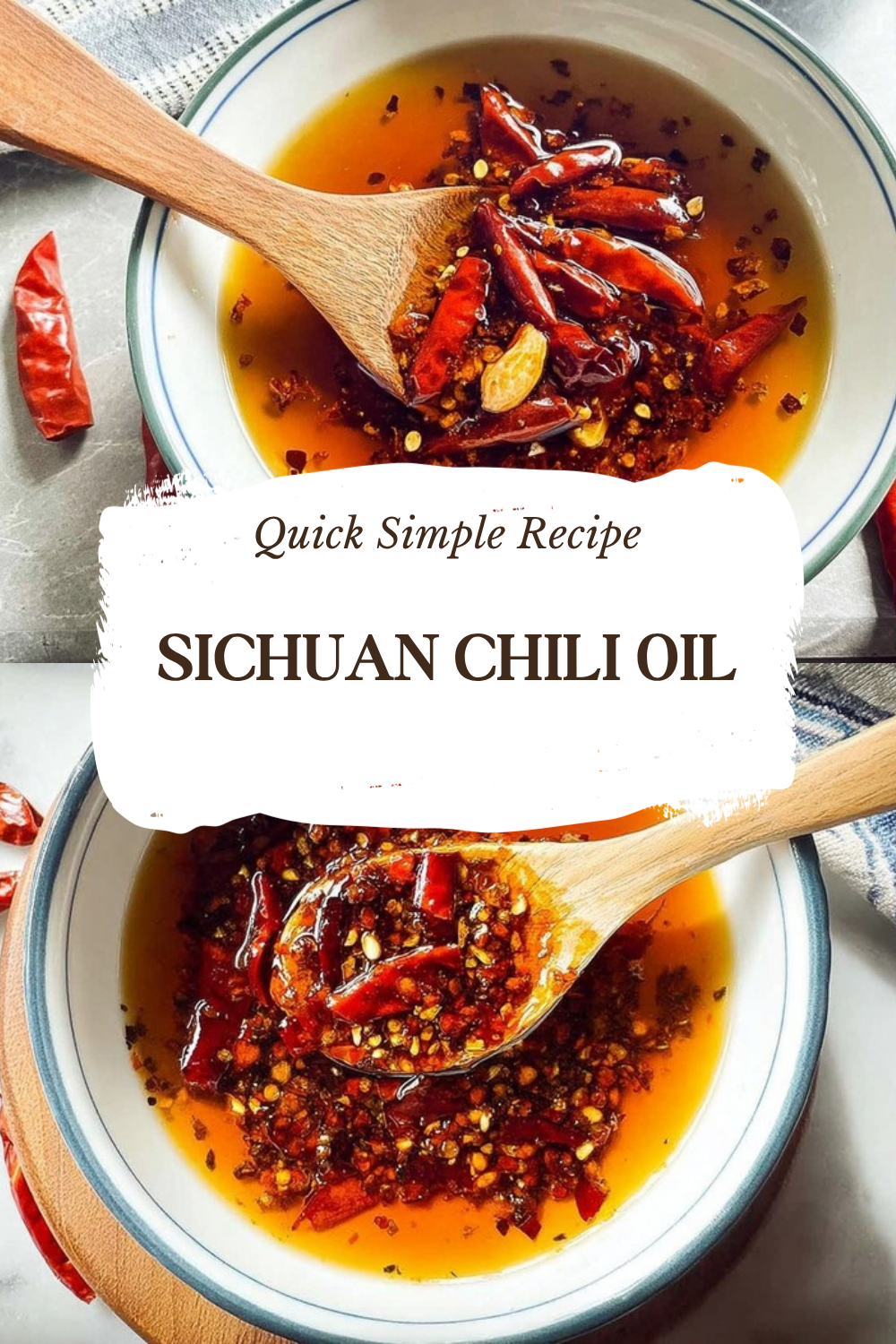
For Sichuan chili oil, choose a high-quality neutral oil with a high smoke point like avocado, grapeseed, canola, peanut, or vegetable oil. These hold up to heating without adding unwanted flavors. Avoid olive oil, which can taste bitter when heated, or sesame oil, better saved for finishing drizzles. Start with 2 cups of oil in a small saucepan over medium heat until it reaches 250-300°F (120-150°C). This temperature infuses aromatics like garlic, ginger, and star anise without burning. Test by dropping a chopstick in the chili flakes—if small bubbles form steadily, it’s ready. Neutral oils ensure the bold, numbing heat from Sichuan peppercorns and chili flakes shines through. This simple choice yields about 2 cups of vibrant red oil perfect for drizzling on noodles, dumplings, or stir-fries. (98 words)
What kind of chili flakes for authentic Sichuan chili oil?
Use genuine Sichuan chili flakes from China, such as those from provinces like Guizhou or Hubei, for the most authentic nutty, fermented flavor and bright red color. Aim for a mix of coarse and fine flakes—about 1 cup total—for texture. Skip American crushed red pepper or flakes from India or Mexico, which lack the same depth and smokiness. Source from Asian markets or online specialty shops. Toast 1 cup flakes in a dry wok over low heat for 2-3 minutes until fragrant, then mix with salt and Sichuan peppercorns. Pour hot oil slowly over them in a heat-safe metal or ceramic bowl. This method captures the essence of street-style lajiao you, lasting up to 3 months refrigerated. Pro tip: Adjust flake-to-oil ratio for milder or spicier batches. (112 words)
Can I substitute or skip Sichuan peppercorns in chili oil?
Sichuan peppercorns give chili oil its signature numbing “ma” sensation alongside heat—omit them if you prefer pure spice, or substitute with ground allspice or black pepper for a milder tingle. Toast 2 tablespoons peppercorns lightly before crushing to release citrusy oils. Without them, the oil still packs punch from chili flakes, garlic, and ginger, but loses that addictive buzz loved in dishes like dan dan noodles. For beginners, start with half the amount and taste-test. Full recipe: Crush toasted peppercorns with 1 cup chili flakes and 1 tsp salt in a bowl. Infuse oil with bay leaves, cinnamon, and scallions at 250°F, strain aromatics, then pour over flakes. Store airtight in fridge. Experimenting keeps it versatile for salads, eggs, or soups. (108 words)
Is it safe to pour hot oil over chili flakes for Sichuan chili oil?
Yes, but take precautions to avoid splatters or burns: Use a heavy metal or ceramic bowl (never glass, which can shatter from thermal shock), with at least 2 inches headspace for bubbling. Heat oil to 250-300°F in a small saucepan for control—too hot burns flavors. Wear oven mitts, stand back, and pour in a thin, steady stream while stirring gently with a heatproof spatula. Have a fire extinguisher nearby, though rare if temps are right. Test readiness: Oil should sizzle mildly on flakes without smoking. This “pouring technique” from Chinese street vendors activates oils for deep flavor. Yields glossy, aromatic chili oil ready in 30 minutes, safe for home kitchens. Cool fully before storing. (104 words)
How do I store homemade Sichuan chili oil?
Transfer cooled Sichuan chili oil to a sterilized glass jar with an airtight lid. Store in the fridge for up to 3 months—solid fats may separate but remelt at room temp. Always use a clean spoon to scoop, preventing bacterial growth. For longer life (up to 6 months), top with a thin oil layer. Freezing in ice cube trays works for portioned uses, like one cube per stir-fry. Signs of spoilage: off smells, mold, or sliminess—discard if noticed. A 2-cup batch covers countless meals: 1 tbsp perks up congee, ramen, or roasted veggies. Label with date for freshness. This keeps the spicy, numbing magic potent without waste. (96 words)
Sichuan Chili Oil
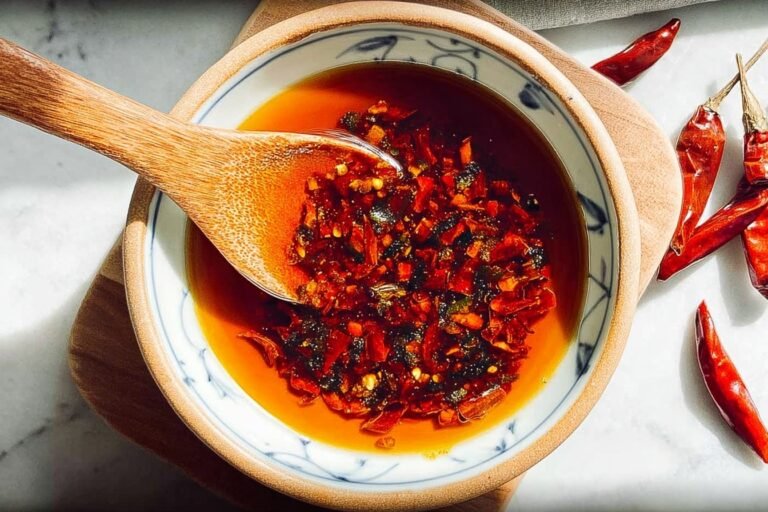
🌶️ Discover the fiery essence of Sichuan cuisine with homemade chili oil that adds authentic heat and aroma to any dish.
🔥 Simple to prepare, endlessly versatile, and stores for months—perfect for elevating noodles, dumplings, and stir-fries.
- Total Time: 35 minutes
- Yield: About 3-4 cups
Ingredients
– 3 cups neutral oil (such as avocado oil)
– 2 tablespoons Sichuan peppercorns
– 4 cloves garlic (smashed)
– 1 shallot (halved)
– 1 cinnamon stick
– 2 bay leaves
– 8 star anise
– 1 tablespoon cloves
– 1 ½ cups Sichuan chili flakes
– 1 tablespoon sesame seeds (optional)
– 1 tablespoon sugar
– 1 tablespoon salt or to taste
Instructions
1-Step 1: Gather and Prepare Your Ingredients Before you begin, measure out all your ingredients and have them within reach. This is your mise en place a French term meaning “everything in its place.” Having everything ready makes the process smooth and stress-free. Grab a heavy-bottomed saucepan, a cooking thermometer, a large ceramic or heavy metal bowl (never glass!), a fine-mesh strainer, and a heatproof spatula for stirring. Make sure your bowl has plenty of clearance from the rim you’ll need that space when the hot oil meets the chili flakes!
2-Step 2: Infuse the Oil with Aromatics Pour the 3 cups of neutral oil into your heavy-bottomed saucepan. Add the Sichuan peppercorns, smashed garlic cloves, halved shallot, cinnamon stick, bay leaves, star anise, and cloves all at once. Heat the mixture over medium-low heat. You want the oil temperature to reach 225-250°F. This is where your thermometer becomes essential maintaining this temperature range is crucial for extracting maximum flavor without burning the spices. Let the spices infuse for a full 30 minutes. Stir occasionally and adjust the heat as needed to keep the temperature steady. You’ll notice the garlic and shallot becoming golden and fragrant, and the spices releasing their wonderful aromas into the oil.
3-Step 3: Prepare the Chili Flake Bowl While the oil is infusing, place your 1 ½ cups of Sichuan chili flakes into a large ceramic or heavy metal bowl. Make sure there’s plenty of space between the chili flakes and the rim of the bowl this is important because the oil will bubble up significantly when poured! Add the sesame seeds (if using), sugar, and salt to the bowl with the chili flakes. Give everything a gentle mix so the seasonings are distributed throughout.
4-Step 4: Strain and Reheat the Oil After 30 minutes of infusion, turn off the heat. Using a fine-mesh strainer, carefully strain the infused oil to remove all the whole spices. Discard the used spices they’ve given their all! Now, heat the strained oil back up to 350°F. This higher temperature is what activates the chili flakes and creates that gorgeous deep red color. Watch the thermometer carefully you want the oil hot enough to sizzle but not smoking.
5-Step 5: Pour Hot Oil Over Chili Flakes Here comes the exciting (and slightly dramatic) part! Once your oil reaches 350°F, carefully pour it in a slow, steady stream over the chili flakes in the bowl. Safety Note: Stand back slightly and wear oven mitts. The oil will bubble vigorously upon contact with the chili flakes that’s why we left all that headroom in the bowl! Pour slowly to maintain control over the bubbling. You’ll hear a satisfying sizzle and watch the chili flakes bloom into a beautiful, deep red color. The aroma at this moment is absolutely incredible.
6-Step 6: Season and Cool After all the oil has been poured, give everything a good stir with your heatproof spatula. Mix in the sesame seeds, sugar, and salt if you haven’t already added them to the chili flakes. Now, patience is key let the mixture cool completely at room temperature. This cooling period allows the flavors to meld and develop. The oil will continue to darken as it sits, developing even more depth of flavor.
7-Step 7: Store Your Finished Chili Oil Once completely cool, transfer your homemade Sichuan Chili Oil into a clean, sterilized airtight container. Glass jars with tight-fitting lids work wonderfully. Store it in the refrigerator, where it will keep for up to 3 months.
Last Step:
Please leave a rating and comment letting us know how you liked this recipe! This helps our business to thrive and continue providing free, high-quality recipes for you.Notes
🥑 Use high-quality neutral oil like avocado, vegetable, or grapeseed—avoid olive or sesame oil.
🌶️ Opt for authentic Sichuan chili flakes from China for the best flavor; skip regular red pepper flakes.
🔥 Always use a ceramic or metal bowl for hot oil to prevent shattering.
- Prep Time: 5 minutes
- Cook Time: 30 minutes
- Category: Condiments & Sauces
- Method: Infusion
- Cuisine: Chinese
Nutrition
- Serving Size: 1 tablespoon
- Calories: 80 kcal
- Sugar: 0.3 g
- Sodium: 0.3 mg
- Fat: 0.1 g
- Saturated Fat: 0.02 g
- Unsaturated Fat: 0.1 g
- Trans Fat: 0 g
- Carbohydrates: 1 g
- Fiber: 0.1 g
- Protein: 0.1 g
- Cholesterol: 0 mg