Why You’ll Love This Shrimp Pasta
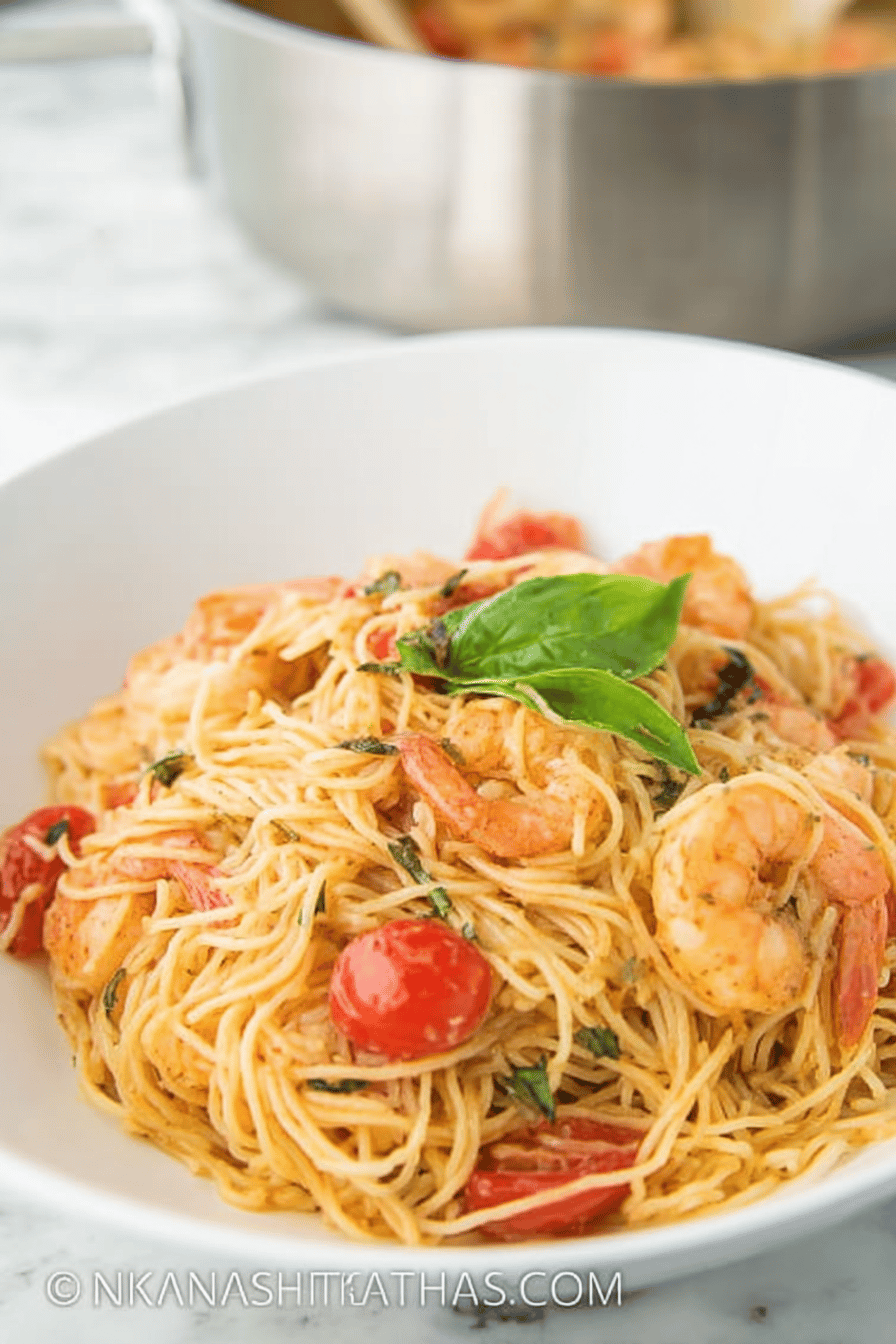
Shrimp pasta is a go-to meal for many home cooks because it’s simple and satisfying. This recipe comes together quickly, making it ideal for busy nights when you want something tasty without fuss. You’ll find that the flavors of fresh shrimp and garlic blend perfectly for a dish that’s both comforting and exciting.
Beyond its ease, shrimp pasta offers great health benefits. It’s loaded with lean protein from the shrimp, which supports muscle health and keeps you full longer. Plus, ingredients like olive oil and fresh herbs add heart-healthy fats and vitamins, making it a smart choice for those watching their diet.
One of the best parts is its versatility. You can tweak this shrimp pasta to fit different tastes or needs, like using gluten-free pasta or swapping in veggies. Whether you’re a student grabbing a quick bite or a family cooking together, this recipe inspires everyone to enjoy good food without stress. For more on how seafood boosts your health, check out this guide on the health benefits of shrimp.
Jump to:
- Why You’ll Love This Shrimp Pasta
- Essential Ingredients for Shrimp Pasta
- How to Prepare the Perfect Shrimp Pasta: Step-by-Step Guide
- Dietary Substitutions to Customize Your Shrimp Pasta
- Mastering Shrimp Pasta: Advanced Tips and Variations
- Flavor Boosts and Creative Twists
- Presentation and Storage Ideas
- How to Store Shrimp Pasta: Best Practices
- FAQs: Frequently Asked Questions About Shrimp Pasta
- What type of pasta works best for shrimp pasta dishes?
- Can I use frozen shrimp when making shrimp pasta?
- How long should I cook shrimp for shrimp pasta to avoid overcooking?
- What can I use instead of white wine in shrimp pasta sauce?
- How should I store and reheat leftover shrimp pasta?
- Shrimp Pasta
- Ingredients
- Instructions
- Last Step:
- Notes
- Nutrition
- Did you make this recipe?
Essential Ingredients for Shrimp Pasta
To make this shrimp pasta recipe shine, you’ll need a few key items that create its bold flavor. Let’s break down the ingredients into a clear list so you can shop and prepare with ease. Remember, using fresh ingredients makes all the difference.
- 1 pound dry spaghetti pasta – the base that holds everything together
- 5 tablespoons olive oil – for sautéing and adding richness
- 2 pounds peeled and deveined 16/20 shrimp – the star protein for a succulent bite
- 6 thinly sliced garlic cloves – provides aromatic depth and flavor
- 1 small diced shallot – adds a subtle onion-like tang
- 1 seeded small diced Fresno pepper (or 1 to 2 teaspoons red pepper flakes) – brings a mild heat to wake up your taste buds
- Juice of 1 lemon – offers bright acidity to balance the dish
- 1 cup dry white wine (such as Sauvignon Blanc or Pinot Grigio) – helps deglaze and enhance the sauce
- 4 tablespoons unsalted butter – creates a creamy finish
- 1 cup grated Parmigiano Reggiano – adds cheesy goodness and texture
- 1/4 cup finely minced fresh parsley – for fresh, herby notes
- Zest of 1/2 lemon – gives a zesty garnish
- Coarse salt and freshly cracked pepper to taste – essential for seasoning
This list covers everything you need for a full recipe. For special diets, you can swap shrimp for plant-based options, but keep the measurements exact to maintain the balance.
How to Prepare the Perfect Shrimp Pasta: Step-by-Step Guide
Getting shrimp pasta right is all about following simple steps that build flavor layer by layer. Start by gathering your ingredients to make cooking smooth and fun. This method ensures your meal turns out delicious every time.
- Boil the spaghetti in salted water as the package says, which takes about 8 to 10 minutes; stir now and then to keep it from sticking.
- Heat 4 tablespoons of olive oil in a medium to large saucepan over medium heat, add the seasoned shrimp, and cook for no more than 90 seconds; then set the shrimp aside.
- Add the remaining 1 tablespoon of olive oil to the pan and sauté the garlic, shallots, Fresno pepper, and a pinch of salt for 45 to 60 seconds until they lightly brown.
- Squeeze the juice of half a lemon into the pan, pour in 1 cup of dry white wine, and let it cook down to about 3/4 cup of liquid, around 2 to 3 minutes.
- Stir in 1 to 1.5 cups of reserved pasta water and 4 tablespoons of unsalted butter until the butter melts completely.
- Drain the pasta and mix it into the pan with 1 cup of grated Parmigiano Reggiano; toss everything until it’s well coated.
- Fold in the cooked shrimp and 1/4 cup of finely minced fresh parsley; stir to combine and heat through.
- Serve right away, topped with extra parsley, the zest of 1/2 lemon, and the juice from the other half of the lemon.
This process takes just about 30 minutes total, with 20 minutes for prep and 10 for cooking. If you’re new to pasta, check out tips on perfect techniques from experts, like in this ultimate guide for cooking pasta.

Dietary Substitutions to Customize Your Shrimp Pasta
Making shrimp pasta work for your needs is easy with a few smart swaps. You can keep the core recipe but adjust for preferences like vegan or gluten-free options. These changes let you enjoy the dish without losing its charm.
For protein, swap the shrimp with plant-based alternatives or marinated tofu to make it vegan-friendly. If you’re avoiding gluten, grab gluten-free pasta to keep the texture light and fun.
- Instead of cherry tomatoes, try sun-dried tomatoes for a deeper flavor.
- Switch up the sauce with pesto or a lemon-butter mix for variety.
- Add seasonings like basil or oregano to match what you have on hand.
These tweaks help tailor the recipe to seasonal finds or dietary goals, keeping meals fresh and exciting for everyone from busy parents to food enthusiasts.
Mastering Shrimp Pasta: Advanced Tips and Variations
Taking your shrimp pasta to the next level involves a few pro techniques that make a big difference. Always pat the shrimp dry before cooking to get a nice sear and avoid sogginess. Cook them in a single layer on high heat for even color and the best taste.
Flavor Boosts and Creative Twists
Try adding a splash of white wine or lemon juice to brighten the flavors. You can also mix in veggies like cherry tomatoes or mushrooms for extra crunch and nutrition. For seafood lovers, swap shrimp with scallops for a new twist.
A richer version might include heavy cream at the end for creaminess. If you’re exploring more easy recipes, such as a refreshing dessert, visit our page on strawberry milkshake for a sweet follow-up.
Presentation and Storage Ideas
Garnish your plate with fresh herbs and a sprinkle of cheese for a polished look. For make-ahead meals, prepare the sauce and shrimp separately, then combine with fresh pasta later. This keeps everything tasty and ready for quick dinners.
| Tips | Benefits |
|---|---|
| Pat shrimp dry | Achieves better sear |
| Cook in batches | Prevents overcrowding |
| Add veggies | Boosts nutrition |
These ideas help you perfect the recipe over time, making it a staple for working professionals and baking enthusiasts alike.
How to Store Shrimp Pasta: Best Practices
Proper storage keeps your shrimp pasta fresh and safe to eat later. Put leftovers in an airtight container and chill them in the fridge for 2-3 days. Freezing works too, especially if you separate the pasta and sauce to hold their texture.
When reheating, go slow on the stovetop with a bit of water to keep things moist and flavorful.
For meal prep, cook components separately and label them with dates. This way, you can rotate meals easily without any waste.
FAQs: Frequently Asked Questions About Shrimp Pasta
What type of pasta works best for shrimp pasta dishes?
Long, thin pastas like spaghetti, linguine, or fettuccine pair well with shrimp pasta because they hold the sauce and complement the size and texture of the shrimp. Angel hair pasta is also a good option for lighter sauces. Choose a pasta shape that allows the sauce to coat each strand, enhancing every bite.
Can I use frozen shrimp when making shrimp pasta?
Yes, frozen shrimp can be used effectively. For best results, thaw the shrimp slowly in the refrigerator overnight, then pat them dry with paper towels before cooking. This helps prevent excess moisture and allows the shrimp to sear properly, maintaining a firm, juicy texture.
How long should I cook shrimp for shrimp pasta to avoid overcooking?
Shrimp should be cooked briefly, usually 90 seconds to 2 minutes per side, until they turn pink and curl into a loose “C” shape. Cooking shrimp too long makes them tough and rubbery. Remove them from heat as soon as they’re opaque for the best texture.
What can I use instead of white wine in shrimp pasta sauce?
If you prefer not to use white wine, chicken or vegetable broth combined with a squeeze of fresh lemon juice can provide a similar depth and acidity in the sauce. This substitution keeps the flavor bright without alcohol and works well in most shrimp pasta recipes.
How should I store and reheat leftover shrimp pasta?
Store leftover shrimp pasta in an airtight container in the refrigerator for up to 2 days. To reheat, warm it gently in a skillet over medium heat with a splash of water or broth to loosen the sauce and prevent drying out. Avoid microwaving at high power, as this can overcook the shrimp and make them rubbery.
Shrimp Pasta
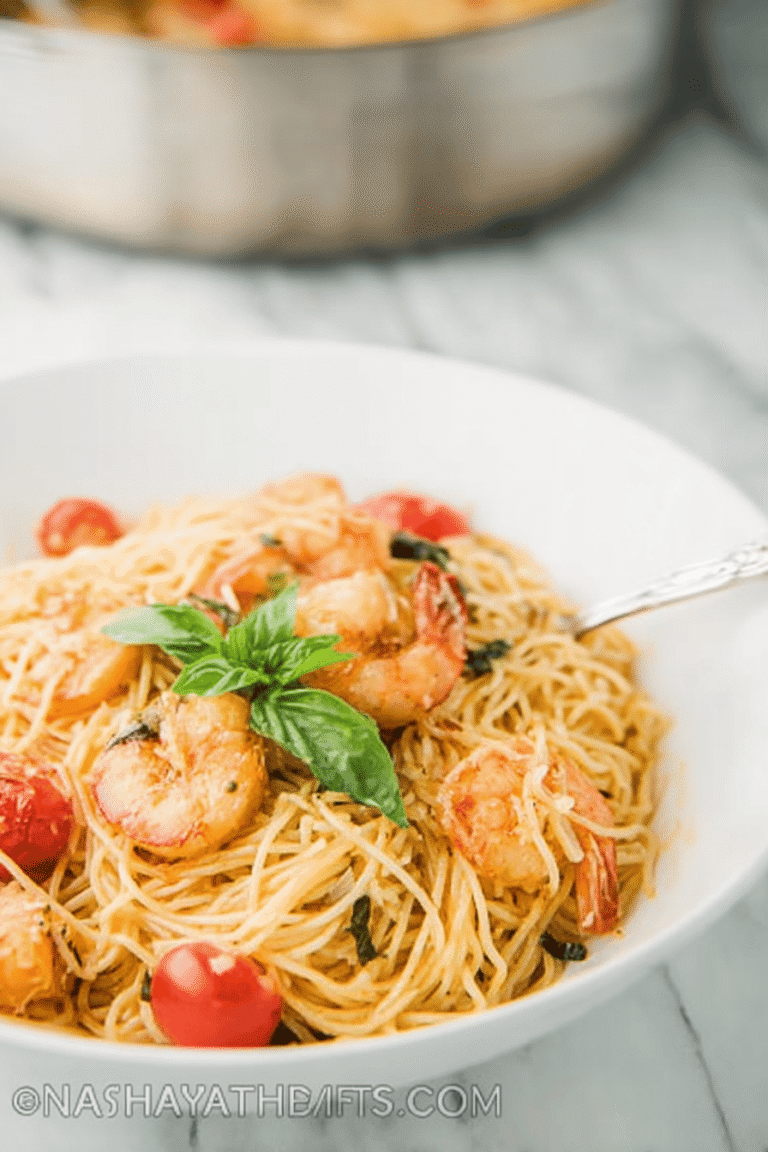
🦐 Indulge in a creamy garlic shrimp pasta that’s rich in flavor and quick to prepare, perfect for a satisfying weeknight dinner.
🌿 Fresh herbs and lemon zest brighten this dish, offering a delicious balance of savory and tangy notes.
- Total Time: 30 minutes
- Yield: 4 servings
Ingredients
– 1 pound dry spaghetti pasta the base that holds everything together
– 5 tablespoons olive oil for sautéing and adding richness
– 2 pounds peeled and deveined 16/20 shrimp the star protein for a succulent bite
– 6 thinly sliced garlic cloves provides aromatic depth and flavor
– 1 small diced shallot adds a subtle onion-like tang
– 1 seeded small diced Fresno pepper (or 1 to 2 teaspoons red pepper flakes) brings a mild heat to wake up your taste buds
– Juice of 1 lemon offers bright acidity to balance the dish
– 1 cup dry white wine (such as Sauvignon Blanc or Pinot Grigio) helps deglaze and enhance the sauce
– 4 tablespoons unsalted butter creates a creamy finish
– 1 cup grated Parmigiano Reggiano adds cheesy goodness and texture
– 1/4 cup finely minced fresh parsley for fresh, herby notes
– Zest of 1/2 lemon gives a zesty garnish
– Coarse salt and freshly cracked pepper to taste essential for seasoning
Instructions
1-Boil the spaghetti in salted water as the package says, which takes about 8 to 10 minutes; stir now and then to keep it from sticking.
2-Heat 4 tablespoons of olive oil in a medium to large saucepan over medium heat, add the seasoned shrimp, and cook for no more than 90 seconds; then set the shrimp aside.
3-Add the remaining 1 tablespoon of olive oil to the pan and sauté the garlic, shallots, Fresno pepper, and a pinch of salt for 45 to 60 seconds until they lightly brown.
4-Squeeze the juice of half a lemon into the pan, pour in 1 cup of dry white wine, and let it cook down to about 3/4 cup of liquid, around 2 to 3 minutes.
5-Stir in 1 to 1.5 cups of reserved pasta water and 4 tablespoons of unsalted butter until the butter melts completely.
6-Drain the pasta and mix it into the pan with 1 cup of grated Parmigiano Reggiano; toss everything until it’s well coated.
7-Fold in the cooked shrimp and 1/4 cup of finely minced fresh parsley; stir to combine and heat through.
8-Serve right away, topped with extra parsley, the zest of 1/2 lemon, and the juice from the other half of the lemon.
Last Step:
Please leave a rating and comment letting us know how you liked this recipe! This helps our business to thrive and continue providing free, high-quality recipes for you.Notes
🍤 Pat shrimp dry before cooking for a good sear and to prevent steaming.
🔥 Sear shrimp in a single layer to achieve even golden color and avoid overcrowding.
🍝 Do not rinse cooked pasta to retain starch, helping the sauce cling better.
- Prep Time: 20 minutes
- Cook Time: 10 minutes
- Category: Main Dish
- Method: Sautéing, Boiling
- Cuisine: Italian
Nutrition
- Serving Size: 1 serving
- Calories: 1029
- Sugar: 5 g
- Sodium: 686 mg
- Fat: 38 g
- Saturated Fat: 14 g
- Unsaturated Fat: 21 g
- Trans Fat: 0.5 g
- Carbohydrates: 90 g
- Fiber: 4 g
- Protein: 70 g
- Cholesterol: 412 mg