Why You’ll Love This Salted Egg Pasta
Salted Egg Pasta brings together the best of Asian and Italian cuisine in one incredible dish that will quickly become a family favorite. This fusion recipe offers something truly special for home cooks seeking a restaurant-quality meal without the fuss.
- Ease of preparation: With just 15 minutes of prep time and 8 minutes of cooking, this salted egg pasta recipe comes together quickly for busy weeknights. The straightforward steps make it approachable for cooks of all skill levels, and you likely have most ingredients already in your pantry.
- Health benefits: Each serving contains just 192 calories while delivering 6 grams of protein and essential nutrients like Vitamin A (412 IU), calcium (94 mg), and iron. The dish provides balanced nutrition without sacrificing flavor, making it suitable for health-conscious individuals looking for satisfying meals.
- Versatility: This recipe adapts beautifully to different dietary preferences and ingredient availability. You can swap shrimp for vegetables like asparagus, mushrooms, or spinach for a vegetarian version, or experiment with different pasta shapes including spaghetti, linguine, or fettuccine depending on what you have on hand.
- Distinctive flavor: The rich, creamy salted egg sauce delivers savory, salty, and slightly sweet notes that create an unforgettable taste experience. The vibrant golden hue adds visual appeal that makes this dish worthy of special occasions yet simple enough for everyday cooking.
Jump to:
- Why You’ll Love This Salted Egg Pasta
- Essential Ingredients for Salted Egg Pasta
- Main Pasta Ingredients
- Salted Egg Pasta Sauce Ingredients
- Special Dietary Options
- How to Prepare the Perfect Salted Egg Pasta: Step-by-Step Guide
- Step 1: Prepare and Cook the Pasta
- Step 2: Cook the Shrimp
- Step 3: Build the Aromatic Base
- Step 4: Create the Sauce Base
- Step 5: Add the Cream and Seasonings
- Step 6: Incorporate the Salted Egg
- Step 7: Combine Everything
- Step 8: Serve and Enjoy
- Dietary Substitutions to Customize Your Salted Egg Pasta
- Protein and Main Component Alternatives
- Vegetable, Sauce, and Seasoning Modifications
- Mastering Salted Egg Pasta: Advanced Tips and Variations
- Pro Cooking Techniques
- Flavor Variations
- Presentation Tips
- Make-Ahead Options
- How to Store Salted Egg Pasta: Best Practices
- Refrigeration Guidelines
- Reheating Recommendations
- FAQs: Frequently Asked Questions About Salted Egg Pasta
- What is salted egg pasta?
- What type of pasta is best for salted egg pasta?
- Can I use chicken eggs instead of duck eggs for salted egg pasta?
- How do I make a vegetarian salted egg pasta?
- How can I adjust the sauce consistency in salted egg pasta?
- Salted Egg Pasta
- Ingredients
- Instructions
- Last Step:
- Notes
- Nutrition
- Did you make this recipe?
Essential Ingredients for Salted Egg Pasta
Having the right ingredients on hand ensures your salted egg pasta turns out perfectly every time. Here is a complete list with precise measurements:
Main Pasta Ingredients
- 6 ounces bow tie pasta (or spaghetti, linguine, fettuccine) – choose your favorite pasta shape based on preference
- 5 cups water (more if needed) – for boiling the pasta
Salted Egg Pasta Sauce Ingredients
- 1/4 cup unsalted butter – creates the rich, creamy base for the sauce
- 6 ounces jumbo shrimp, shelled and seasoned with 1/2 teaspoon salt and pepper – adds protein and savory depth
- 1/4 cup chopped red onion – provides aromatic sweetness
- 5 cloves finely chopped garlic – essential for the aromatic foundation
- 1/4 cup flour – thickens the sauce to the perfect consistency
- 1 cup evaporated milk or heavy cream – creates the creamy texture
- 1 teaspoon onion powder – boosts the savory flavor profile
- 1 teaspoon garlic powder – enhances the garlic notes
- 1 teaspoon ground black pepper – adds mild heat and depth
- 1 teaspoon granulated sugar – balances the saltiness from the salted eggs
- 1 large salted duck egg, shelled and roughly chopped – the star ingredient that defines this dish
- 1/4 cup chopped parsley – adds freshness and color (cilantro or scallions work as alternatives)
Special Dietary Options
- Vegetarian: Omit shrimp and add vegetables such as asparagus, mushrooms, or spinach
- Gluten-free: Substitute with gluten-free pasta varieties like rice noodles or chickpea-based pasta
- Lower calorie: Use evaporated milk instead of heavy cream and reduce butter slightly
How to Prepare the Perfect Salted Egg Pasta: Step-by-Step Guide
Follow these detailed instructions to create a restaurant-quality salted egg pasta dish in your own kitchen. Each step builds upon the previous one for flawless results.
Step 1: Prepare and Cook the Pasta
Begin by cooking the bow tie pasta according to package instructions until it reaches the al dente stage. Al dente means the pasta should be tender but still have a slight firmness when bitten. Fill a large pot with 5 cups of water (add more if needed to fully submerge the pasta) and bring it to a rolling boil over high heat. Add a generous pinch of salt to season the pasta as it cooks.
Important: Reserve 1 cup of pasta water before draining. This starchy water is essential for adjusting the sauce consistency later and helps the sauce cling to the pasta beautifully.
Once the pasta is cooked to al dente perfection, drain it thoroughly and set it aside in a colander or bowl. Toss it with a small drizzle of olive oil to prevent sticking if you plan to let it sit for more than a few minutes.
Step 2: Cook the Shrimp
While the pasta cooks, prepare your protein. Take 6 ounces of jumbo shrimp that have been shelled and seasoned with 1/2 teaspoon each of salt and pepper. Place a large pan over low heat and melt 1/4 cup of unsalted butter. The low heat prevents the butter from browning too quickly.
Add the seasoned shrimp to the melted butter in a single layer. Cook the shrimp until they change color from grayish-translucent to pink and opaque, which typically takes about 2-3 minutes per side depending on their size. Avoid overcooking, as shrimp become rubbery when left on heat too long.
Once the shrimp are perfectly cooked, remove them from the pan and set them aside on a plate. They will be returned to the dish later, so keep them warm if possible.
Step 3: Build the Aromatic Base
In the same pan with the remaining butter and flavorful shrimp juices, add the aromatics. Sauté 1/4 cup of chopped red onion and 5 cloves of finely chopped garlic for about 3 minutes over medium-low heat. Stir frequently to prevent the garlic from burning, which would create a bitter taste.
The onions should become translucent and soft, while the garlic turns fragrant and lightly golden. This aromatic foundation is crucial for building the deep, savory flavor profile that makes salted egg pasta so memorable.
Step 4: Create the Sauce Base
Once the aromatics are perfectly sautéed, sprinkle 1/4 cup of flour over the mixture. Stir continuously to combine the flour with the butter and create a smooth paste. This mixture, called a roux, will thicken the sauce and give it a velvety texture.
Cook the flour mixture for about 1 minute to remove any raw flour taste. The paste should be smooth and free of lumps before proceeding to the next step.
Step 5: Add the Cream and Seasonings
Gradually pour in 1 cup of evaporated milk or heavy cream while whisking constantly. Adding the liquid slowly while stirring prevents lumps from forming and ensures a silky smooth sauce. Continue stirring until the mixture is completely smooth and begins to thicken slightly.
Now add the seasonings: 1 teaspoon onion powder, 1 teaspoon garlic powder, 1 teaspoon ground black pepper, and 1 teaspoon granulated sugar. Stir well to incorporate all the flavors. The sugar is particularly important as it balances the natural saltiness from the salted duck egg, creating a more rounded flavor profile. Taste the sauce and adjust the seasonings as needed to achieve your preferred balance.
Step 6: Incorporate the Salted Egg
Add 1 large salted duck egg that has been shelled and roughly chopped to the sauce. The chopped egg yolk will break down and melt into the creamy sauce, infusing it with its distinctive savory, salty character. Simmer the sauce on low heat for about 3 minutes, stirring occasionally to help the egg yolk dissolve completely.
The sauce should turn a beautiful golden yellow color from the salted egg yolk, creating the signature appearance of this dish. According to research published in scientific studies on egg yolk properties, the unique composition of egg yolks contributes to both the rich texture and nutritional benefits of creamy pasta dishes.
Step 7: Combine Everything
Return the cooked shrimp to the pan along with 1/4 cup of chopped parsley. Add the cooked pasta and toss everything gently so the sauce coats each piece of pasta evenly. Use tongs or two large spoons to lift and turn the pasta, ensuring every strand or piece gets coated in the luscious salted egg sauce.
Continue cooking for an additional 3 minutes on low heat to let the flavors meld together and warm everything through. If the sauce seems too thick, add small amounts of the reserved pasta water until you reach your desired consistency.
Step 8: Serve and Enjoy
Your salted egg pasta is now ready to serve! Transfer the pasta to individual plates or a large serving platter. For an extra pop of color and freshness, garnish with additional chopped parsley, cilantro, or scallions. Serve immediately while hot, as this dish is best enjoyed fresh when the sauce is at its creamiest.
If you’re looking for more delicious recipes to add to your weekly rotation, check out our popular peach cobbler recipe for a sweet dessert to follow this savory main course.

Dietary Substitutions to Customize Your Salted Egg Pasta
One of the best qualities of this salted egg pasta recipe is its adaptability. Whether you have dietary restrictions, ingredient limitations, or simply want to try something different, there are plenty of ways to make this dish your own.
Protein and Main Component Alternatives
The recipe calls for jumbo shrimp, but you can easily substitute other proteins based on your preferences or what’s available. Cubed chicken breast works wonderfully and should be cooked for about 5-6 minutes until fully cooked through. For seafood lovers, try using crab meat, scallops, or even bite-sized pieces of white fish like cod or halibut.
For those avoiding seafood due to allergies, consider using diced cooked ham, crispy bacon pieces, or even sliced Chinese sausage for a different flavor profile. Each protein brings its own character to the dish while allowing the salted egg sauce to remain the star.
If you prefer a lighter version, simply reduce the amount of protein or eliminate it entirely and load up on vegetables instead. The sauce is flavorful enough to carry the dish even without added protein.
Vegetable, Sauce, and Seasoning Modifications
Vegetables add color, texture, and nutrition to your salted egg pasta. Excellent options include asparagus (blanched briefly before adding), sliced shiitake or button mushrooms, fresh spinach leaves (added at the very end to wilt slightly), or charred corn kernels for sweetness.
For the sauce, if you cannot find salted duck eggs, you can make your own using regular eggs or purchase pre-salted chicken eggs at many Asian markets. For step-by-step guidance on preparing salted eggs at home, this comprehensive guide on making salted eggs offers helpful instructions.
When it comes to seasonings, feel free to experiment. Add curry leaves for an authentic Singaporean touch, or incorporate a pinch of turmeric for extra color. If you enjoy spicy food, stir in some chili flakes or sliced bird’s eye chilies to give your salted egg pasta a pleasant kick that contrasts beautifully with the creamy sauce.
Mastering Salted Egg Pasta: Advanced Tips and Variations
Once you’ve mastered the basic recipe, these advanced tips will help you take your salted egg pasta to the next level and create exciting variations to keep your meals interesting.
Pro Cooking Techniques
Success with this recipe comes down to a few key techniques. First, always reserve at least 1 cup of pasta water before draining your noodles. This starchy liquid is your secret weapon for achieving the perfect sauce consistency. If your sauce becomes too thick, add pasta water one tablespoon at a time while stirring over low heat. Conversely, if the sauce seems too thin, simply simmer it uncovered for a few extra minutes to reduce and thicken.
Temperature control is equally important. Keep the heat low when making the sauce to prevent the dairy from curdling and the salted egg from separating. Patient, gentle cooking yields the smoothest, most luxurious results.
Flavor Variations
While the classic recipe is delicious as written, consider these creative variations:
- Spicy Salted Egg Pasta: Add 1-2 teaspoons of chili flakes or a diced bird’s eye chili when sautéing the garlic for a warming heat
- Truffle Salted Egg Pasta: Finish the dish with a drizzle of truffle oil for an indulgent, aromatic twist
- Herbed Salted Egg Pasta: Mix in fresh basil, tarragon, or Thai basil along with the parsley for complex herbal notes
- Seafood Medley: Combine shrimp with scallops, mussels, or crab meat for a luxurious surf-and-turf experience
Presentation Tips
We eat with our eyes first, so take a moment to present your salted egg pasta beautifully. Use a large, shallow bowl or plate with a rim. Twirl long pasta into neat nests using a carving fork and ladle, or arrange shorter pasta shapes in a mound. Top with the shrimp and any reserved sauce, then finish with a sprinkle of fresh herbs and perhaps a light dusting of paprika for color contrast.
Make-Ahead Options
For busy schedules, you can prepare components in advance. The salted egg sauce can be made up to 2 days ahead and stored in an airtight container in the refrigerator. When ready to serve, gently reheat the sauce with a splash of cream or milk, then toss with freshly cooked pasta. Cook the shrimp fresh for best results, or cook and refrigerate them, then add them to the hot pasta and sauce to warm through.
How to Store Salted Egg Pasta: Best Practices
Proper storage ensures you can enjoy leftover salted egg pasta while maintaining its quality and safety. Follow these guidelines for the best results.
Refrigeration Guidelines
Allow the salted egg pasta to cool to room temperature before storing, but do not leave it out for more than 2 hours. Transfer the cooled pasta to an airtight container and refrigerate promptly. Properly stored, the dish will remain fresh for 3-4 days in the refrigerator.
Label the container with the date prepared so you can easily track freshness. Store the pasta in portion-sized containers for convenient reheating, or keep it all together in one large container if you prefer to reheat the entire batch at once.
Reheating Recommendations
The key to reheating salted egg pasta without drying it out is gentle heat and added moisture. Transfer the desired portion to a pan and add a splash of milk, cream, or water. Warm over low heat while stirring gently until heated through. Avoid high heat, as it can cause the sauce to separate or the pasta to become mushy.
For smaller portions, the microwave works adequately. Place the pasta in a microwave-safe bowl, add a tablespoon of liquid, cover loosely, and heat in 30-second intervals, stirring between each, until warm. Let it rest for a minute before serving for even heat distribution.
If you enjoyed this recipe, you might also like our refreshing strawberry milkshake recipe for a delightful beverage to pair with your pasta dishes.
FAQs: Frequently Asked Questions About Salted Egg Pasta
What is salted egg pasta?
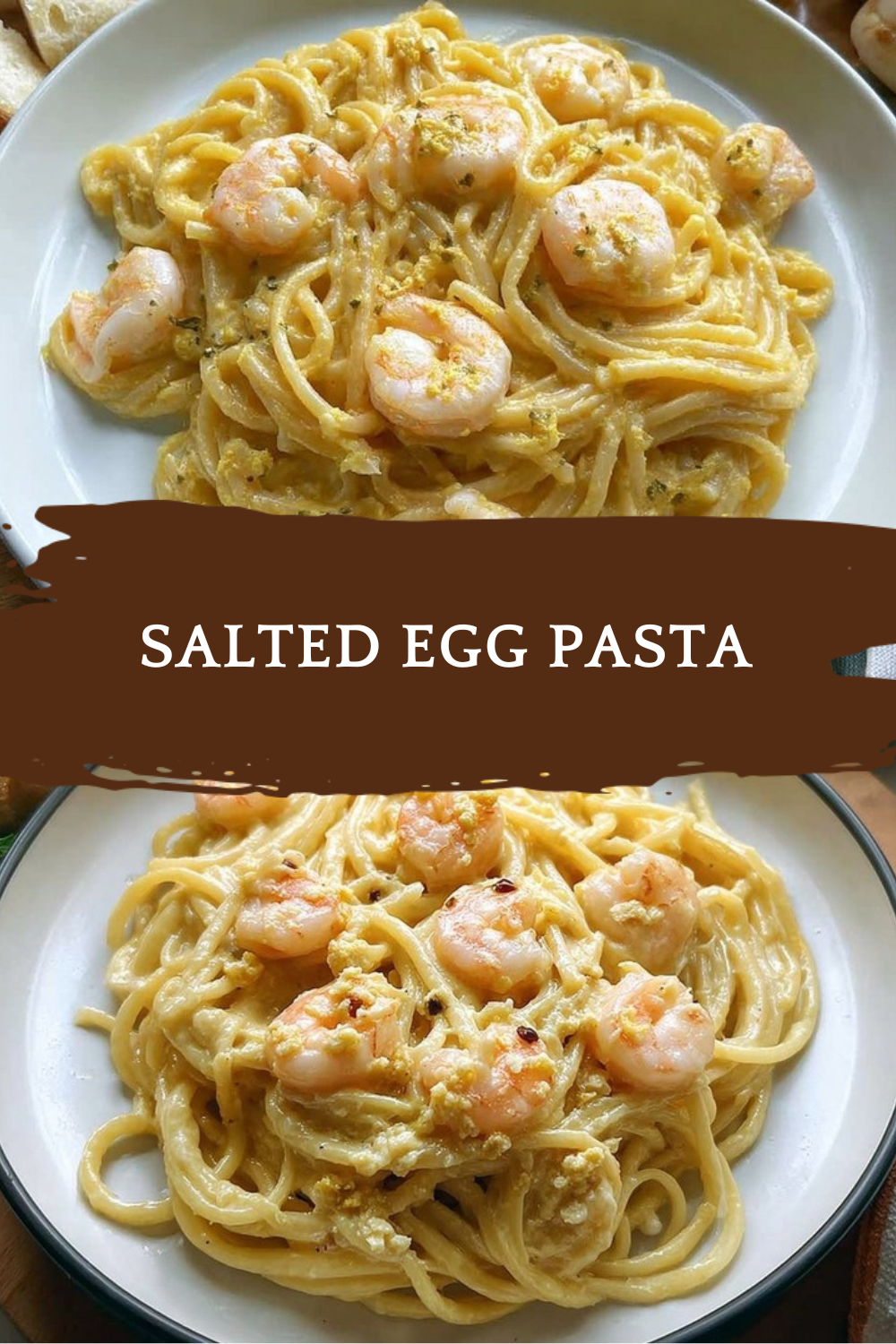
Salted egg pasta is a popular Asian fusion dish originating from Singapore and Malaysia, featuring creamy sauce made from mashed salted duck egg yolks blended with butter, heavy cream, garlic, and curry leaves. The rich, savory yolks coat long pasta like spaghetti or linguine, often topped with prawns, crab, or vegetables for added texture. It’s known for its umami-packed flavor with a subtle salty tang, without being overly heavy. To make it at home, boil salted duck eggs, mash the cooked yolks smooth, then sauté with butter and aromatics before tossing with cooked pasta and pasta water for silkiness. This 20-30 minute recipe serves 2-4 and pairs well with a crisp white wine. Popularized on social media, it has surged in popularity, with variations now found in restaurants worldwide. (98 words)
What type of pasta is best for salted egg pasta?
Long, flat pasta shapes like spaghetti, linguine, fettuccine, or pappardelle are ideal for salted egg pasta because their surface allows the thick, creamy yolk-based sauce to cling evenly without sliding off. Avoid short pasta like penne or fusilli, as the sauce may pool at the bottom of the plate. Cook pasta al dente—about 1-2 minutes less than package instructions—then reserve ½-1 cup of starchy pasta water to emulsify the sauce for a glossy finish. For gluten-free options, use wide rice noodles or chickpea-based linguine. Test with 400g pasta for 4 servings; this ensures every bite is coated in the signature buttery, savory salted egg flavor. Pro tip: Fresh pasta absorbs the sauce even better if you can source it. (112 words)
Can I use chicken eggs instead of duck eggs for salted egg pasta?
Yes, you can substitute chicken eggs for duck eggs in salted egg pasta, but first prepare them similarly by salt-curing or buying pre-salted versions. Duck eggs are preferred for their larger yolks, higher fat content, and naturally saltier, richer taste that defines the dish’s signature creaminess. Chicken egg yolks will yield a milder flavor and thinner sauce, so use 2-3 extra yolks to compensate, and add a pinch of salt. Boil and mash them the same way: cook for 10 minutes, scoop yolks, and blend with softened butter (about 100g per 4 yolks). Taste-test before tossing with pasta; adjust seasoning if needed. This swap works well for beginners or when duck eggs are unavailable, keeping the dish indulgent yet accessible. (118 words)
How do I make a vegetarian salted egg pasta?
Creating a vegetarian salted egg pasta is simple—omit meat or seafood and load up on fresh vegetables for balance. Start with the classic sauce: mash 4-6 salted duck egg yolks with 100g butter, ½ cup cream, minced garlic, and curry leaves. Sauté veggies like asparagus (200g sliced), shiitake mushrooms (150g), spinach (2 cups), or charred corn for 3-5 minutes, then toss with al dente spaghetti and pasta water. Add cheese like parmesan for extra creaminess if desired. This version clocks in at around 600 calories per serving, high in protein from eggs and fiber from veggies. It’s ready in 25 minutes, serves 4, and satisfies cravings without compromising the dish’s bold, buttery profile. Season with black pepper for depth. (114 words)
How can I adjust the sauce consistency in salted egg pasta?
If your salted egg pasta sauce is too thick, stir in 2-4 tablespoons of reserved pasta water gradually while tossing over low heat—this starch helps emulsify and loosen it to a silky coating. For a sauce that’s too thin, simmer uncovered for 2-3 minutes to reduce, or add 1-2 teaspoons cornstarch slurry (mixed with cold water). Start with 4 mashed yolks, 100g butter, and ⅓ cup cream as base; balance ratios prevent issues. Common pitfalls include overcooking eggs (mash smoother next time) or cold butter (soften first). Aim for a consistency that clings to pasta without pooling. Test by coating a fork— it should drape like velvet. This tweak ensures perfect results every time, even for first-timers. Leftovers reheat well with a splash of milk. (121 words)
Salted Egg Pasta
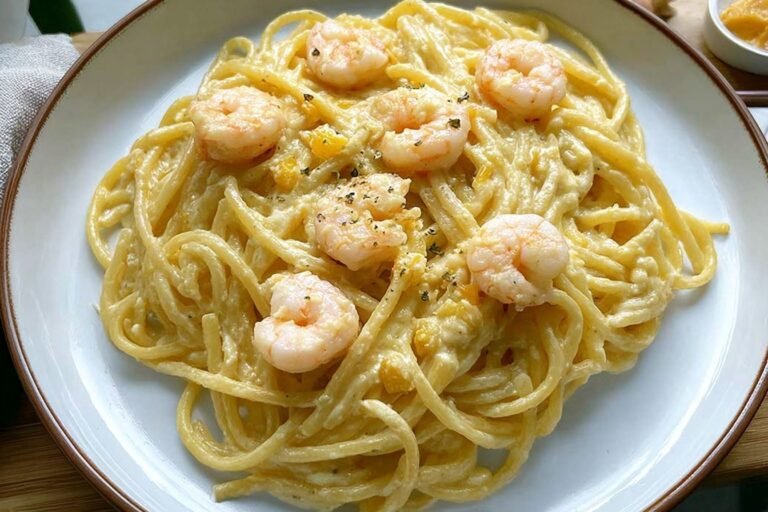
🍝 Indulge in the luxurious, golden Salted Egg Pasta where creamy, umami-packed sauce from salted duck egg clings to every noodle – a crave-worthy fusion of Asian and Italian comforts!
🥚 Quick to make with shrimp and bold flavors, it’s perfect for date nights or weeknight wow, delivering restaurant-quality richness without the wait.
- Total Time: 30 minutes
- Yield: 8 servings
Ingredients
– 6 ounces bow tie pasta (or spaghetti, linguine, fettuccine)
– 5 cups water (more if needed) for boiling the pasta
– 1/4 cup unsalted butter creates the rich, creamy base for the sauce
– 6 ounces jumbo shrimp, shelled and seasoned with 1/2 teaspoon salt and pepper adds protein and savory depth
– 1/4 cup chopped red onion provides aromatic sweetness
– 5 cloves finely chopped garlic essential for the aromatic foundation
– 1/4 cup flour thickens the sauce to the perfect consistency
– 1 cup evaporated milk or heavy cream creates the creamy texture
– 1 teaspoon onion powder boosts the savory flavor profile
– 1 teaspoon garlic powder enhances the garlic notes
– 1 teaspoon ground black pepper adds mild heat and depth
– 1 teaspoon granulated sugar balances the saltiness from the salted eggs
– 1 large salted duck egg, shelled and roughly chopped the star ingredient that defines this dish
– 1/4 cup chopped parsley adds freshness and color
Instructions
1-Step 1: Prepare and Cook the Pasta Begin by cooking the bow tie pasta according to package instructions until it reaches the al dente stage. Al dente means the pasta should be tender but still have a slight firmness when bitten. Fill a large pot with 5 cups of water (add more if needed to fully submerge the pasta) and bring it to a rolling boil over high heat. Add a generous pinch of salt to season the pasta as it cooks. Important: Reserve 1 cup of pasta water before draining. This starchy water is essential for adjusting the sauce consistency later and helps the sauce cling to the pasta beautifully. Once the pasta is cooked to al dente perfection, drain it thoroughly and set it aside in a colander or bowl. Toss it with a small drizzle of olive oil to prevent sticking if you plan to let it sit for more than a few minutes.
2-Step 2: Cook the Shrimp While the pasta cooks, prepare your protein. Take 6 ounces of jumbo shrimp that have been shelled and seasoned with 1/2 teaspoon each of salt and pepper. Place a large pan over low heat and melt 1/4 cup of unsalted butter. The low heat prevents the butter from browning too quickly. Add the seasoned shrimp to the melted butter in a single layer. Cook the shrimp until they change color from grayish-translucent to pink and opaque, which typically takes about 2-3 minutes per side depending on their size. Avoid overcooking, as shrimp become rubbery when left on heat too long. Once the shrimp are perfectly cooked, remove them from the pan and set them aside on a plate. They will be returned to the dish later, so keep them warm if possible.
3-Step 3: Build the Aromatic Base In the same pan with the remaining butter and flavorful shrimp juices, add the aromatics. Sauté 1/4 cup of chopped red onion and 5 cloves of finely chopped garlic for about 3 minutes over medium-low heat. Stir frequently to prevent the garlic from burning, which would create a bitter taste. The onions should become translucent and soft, while the garlic turns fragrant and lightly golden. This aromatic foundation is crucial for building the deep, savory flavor profile that makes salted egg pasta so memorable.
4-Step 4: Create the Sauce Base Once the aromatics are perfectly sautéed, sprinkle 1/4 cup of flour over the mixture. Stir continuously to combine the flour with the butter and create a smooth paste. This mixture, called a roux, will thicken the sauce and give it a velvety texture. Cook the flour mixture for about 1 minute to remove any raw flour taste. The paste should be smooth and free of lumps before proceeding to the next step.
5-Step 5: Add the Cream and Seasonings Gradually pour in 1 cup of evaporated milk or heavy cream while whisking constantly. Adding the liquid slowly while stirring prevents lumps from forming and ensures a silky smooth sauce. Continue stirring until the mixture is completely smooth and begins to thicken slightly. Now add the seasonings: 1 teaspoon onion powder, 1 teaspoon garlic powder, 1 teaspoon ground black pepper, and 1 teaspoon granulated sugar. Stir well to incorporate all the flavors. The sugar is particularly important as it balances the natural saltiness from the salted duck egg, creating a more rounded flavor profile. Taste the sauce and adjust the seasonings as needed to achieve your preferred balance.
6-Step 6: Incorporate the Salted Egg Add 1 large salted duck egg that has been shelled and roughly chopped to the sauce. The chopped egg yolk will break down and melt into the creamy sauce, infusing it with its distinctive savory, salty character. Simmer the sauce on low heat for about 3 minutes, stirring occasionally to help the egg yolk dissolve completely. The sauce should turn a beautiful golden yellow color from the salted egg yolk, creating the signature appearance of this dish. According to research published in scientific studies on egg yolk properties, the unique composition of egg yolks contributes to both the rich texture and nutritional benefits of creamy pasta dishes.
7-Step 7: Combine Everything Return the cooked shrimp to the pan along with 1/4 cup of chopped parsley. Add the cooked pasta and toss everything gently so the sauce coats each piece of pasta evenly. Use tongs or two large spoons to lift and turn the pasta, ensuring every strand or piece gets coated in the luscious salted egg sauce. Continue cooking for an additional 3 minutes on low heat to let the flavors meld together and warm everything through. If the sauce seems too thick, add small amounts of the reserved pasta water until you reach your desired consistency.
8-Step 8: Serve and Enjoy Your salted egg pasta is now ready to serve! Transfer the pasta to individual plates or a large serving platter. For an extra pop of color and freshness, garnish with additional chopped parsley, cilantro, or scallions. Serve immediately while hot, as this dish is best enjoyed fresh when the sauce is at its creamiest.
Last Step:
Please leave a rating and comment letting us know how you liked this recipe! This helps our business to thrive and continue providing free, high-quality recipes for you.Notes
💧 Reserve pasta water to perfectly adjust the sauce consistency – thin it out or let it thicken as preferred.
🥚 Opt for salted duck eggs for the richest, most authentic salty-umami flavor; chicken egg salted versions work but differ in taste.
🍜 Choose long flat pastas like linguine or fettuccine to help the creamy sauce cling beautifully.
- Prep Time: 15 minutes
- Cook Time: 15 minutes
- Category: Main Dish
- Method: Stovetop
- Cuisine: Asian Fusion
- Diet: Pescatarian
Nutrition
- Serving Size: 1/8 recipe
- Calories: 192 kcal
- Sugar: 4 g
- Sodium: 37 mg
- Fat: 9 g
- Saturated Fat: 5 g
- Unsaturated Fat: 2.4 g
- Trans Fat: 0.2 g
- Carbohydrates: 23 g
- Fiber: 1 g
- Protein: 6 g
- Cholesterol: 24 mg