Why You’ll Love This Roasted Tomato Sauce Pasta
There’s something truly magical about roasting tomatoes until they’re caramelized and sweet. This roasted tomato sauce pasta brings that magic right to your dinner table with minimal effort and maximum flavor. I’ve been making versions of this recipe for years, and it never fails to bring comfort and joy to my family gatherings.
Ease of Preparation
One of the best things about this recipe is how simple it comes together. With just 10 minutes of prep time and about 30 minutes in the oven, you’ll have a homemade sauce that tastes like it came from an Italian grandmother’s kitchen. The oven does most of the work for you, roasting the tomatoes and garlic until they’re perfectly soft and flavorful. While the sauce roasts, you simply cook your pasta and everything comes together beautifully.
Health Benefits
This dish isn’t just delicious but also nutritious. Each serving contains only 468 calories with just 2 grams of saturated fat. Tomatoes are packed with lycopene, a powerful antioxidant that becomes even more bioavailable when cooked. Plus, you’re getting 13 grams of protein per serving and a good dose of healthy fats from the olive oil. According to Healthline’s nutrition experts, pasta can absolutely be part of a healthy diet when paired with wholesome ingredients like this roasted tomato sauce.
Versatility
Whether you’re cooking for vegetarians, need a gluten-free option, or want to keep things low-calorie, this recipe adapts beautifully. Use gluten-free pasta for those with dietary restrictions, or add protein like grilled chicken or shrimp for a heartier meal. The sauce works wonderfully with any pasta shape you have on hand.
Distinctive Flavor
The roasting process transforms ordinary tomatoes into something extraordinary. The high heat concentrates their natural sugars while adding subtle caramelized notes you simply cannot get from a stovetop sauce. Combined with roasted garlic, oregano, and a hint of chili, every bite delivers layers of sweet, savory, and slightly smoky flavors.
Jump to:
- Why You’ll Love This Roasted Tomato Sauce Pasta
- Ease of Preparation
- Health Benefits
- Versatility
- Distinctive Flavor
- Essential Ingredients for Roasted Tomato Sauce Pasta
- Main Ingredients
- Optional Extras for Garnish
- Special Dietary Options
- How to Prepare the Perfect Roasted Tomato Sauce Pasta: Step-by-Step Guide
- Step 1: Preheat and Prepare
- Step 2: Season the Tomatoes
- Step 3: Roast to Perfection
- Step 4: Cook Your Pasta
- Step 5: Blend the Sauce
- Step 6: Combine and Serve
- Dietary Substitutions to Customize Your Roasted Tomato Sauce Pasta
- Protein and Main Component Alternatives
- Vegetable, Sauce, and Seasoning Modifications
- Mastering Roasted Tomato Sauce Pasta: Advanced Tips and Variations
- Pro Cooking Techniques
- Flavor Variations
- Presentation Tips
- Make-Ahead Options
- How to Store Roasted Tomato Sauce Pasta: Best Practices
- Refrigeration
- Freezing
- Reheating
- Meal Prep Considerations
- FAQs: Frequently Asked Questions About Roasted Tomato Sauce Pasta
- Can you make roasted tomato sauce pasta ahead of time?
- Can you freeze roasted tomato pasta sauce?
- How do you store roasted tomato sauce in jars?
- How long does homemade roasted tomato sauce last in the fridge?
- What pasta shapes work best with roasted tomato sauce?
- Roasted Tomato Sauce Pasta
- Ingredients
- Instructions
- Last Step:
- Notes
- Nutrition
- Did you make this recipe?
Essential Ingredients for Roasted Tomato Sauce Pasta
Gathering the right ingredients makes all the difference in creating this flavorful dish. Here’s everything you’ll need:
Main Ingredients
- 1 kg / 34 oz small tomatoes – Cherry and small-medium tomatoes work best for their natural sweetness and lower water content, which means more concentrated flavor after roasting.
- 8 cloves garlic (unpeeled, crushed) – Roasting garlic mellows its sharp bite into something sweet and buttery. Keeping skins on protects the cloves during roasting.
- 45 ml / 3 tbsp olive oil – Good quality olive oil carries flavors beautifully and helps the tomatoes roast evenly. It also adds healthy monounsaturated fats.
- 1½ tsp dried oregano – This classic herb brings that familiar Italian flavor profile. Dried oregano actually holds up better during roasting than fresh.
- Salt and pepper (to taste) – Essential seasonings that bring out the natural flavors of all the ingredients.
- Pinch of chili (optional) – Adds a gentle warmth without overwhelming the dish. Adjust to your preference.
- Pinch of sugar (optional) – Helps balance acidity if your tomatoes aren’t perfectly sweet.
- 1 sprig fresh basil (optional) – Infuses subtle herbal notes during roasting.
- 300 g / 10½ oz pasta – Smooth shapes like linguine, spaghetti, or penne work wonderfully. Use gluten-free pasta if needed.
Optional Extras for Garnish
- 2 tbsp toasted coarse breadcrumbs – Adds delightful crunch and texture contrast.
- 2 tbsp toasted pine nuts or almonds – Brings nutty richness and extra protein.
- 2 tbsp capers or sliced olives – Adds briny depth and complexity.
- Fresh herbs (basil or parsley) – Brightens the finished dish with fresh flavor.
Special Dietary Options
- Vegan: This recipe is naturally vegan as written, containing no animal products.
- Gluten-free: Simply substitute regular pasta with your favorite gluten-free variety.
- Low-calorie: The recipe is already relatively light at 468 calories per serving. Reduce oil slightly if desired.
How to Prepare the Perfect Roasted Tomato Sauce Pasta: Step-by-Step Guide
Let me walk you through creating this wonderful dish. Don’t worry if you’re new to cooking, each step is straightforward and forgiving.
Step 1: Preheat and Prepare
Start by preheating your oven to 220°C (425°F). This high temperature is crucial for getting those lovely caramelized edges on your tomatoes. While the oven heats up, wash your tomatoes thoroughly and pat them dry. Cut each tomato in half and place them in a large baking dish. The dish should be large enough to hold all the tomatoes in a single layer, as crowding them will cause steaming rather than roasting.
Step 2: Season the Tomatoes
Take your 8 cloves of garlic and give them a gentle crush with the flat side of your knife. Don’t peel them, as the skins will protect the garlic during roasting and make it easy to remove later. Add the crushed garlic cloves to the baking dish with your tomatoes.
Now pour in 45 ml (3 tablespoons) of olive oil, sprinkle with 1½ teaspoons of dried oregano, and season generously with salt and pepper. If you enjoy a bit of warmth, add a pinch of chili flakes. If your tomatoes taste particularly tart, add a small pinch of sugar to balance the acidity. Toss everything together with your hands, making sure each tomato piece is coated with oil and seasonings. If you have fresh basil, tuck a sprig among the tomatoes.
Step 3: Roast to Perfection
Place the baking dish in your preheated oven and roast for 25-30 minutes. About halfway through cooking, around the 15-minute mark, give the tomatoes a gentle stir. This ensures even roasting and prevents any pieces from burning. You’ll know they’re done when the tomatoes are soft, juicy, and slightly charred around the edges. The garlic should be golden and soft when pressed.
Step 4: Cook Your Pasta
While the tomatoes are roasting, bring a large pot of salted water to boil. Add 300 g (10½ oz) of your chosen pasta and cook until just short of al dente. This usually means cooking for 1-2 minutes less than the package instructions suggest. The pasta will finish cooking when tossed with the warm sauce. Before draining, reserve about ½ cup of the starchy pasta water, as this liquid gold helps create a silky sauce that clings beautifully to the pasta.
Step 5: Blend the Sauce
Once your tomatoes are beautifully roasted, remove them from the oven and let them cool slightly. Transfer the tomatoes and all their delicious juices to a blender. If you added basil during roasting, discard the wilted sprig. Now for a satisfying step: squeeze the roasted garlic from their skins directly into the blender. Those soft, golden cloves will blend seamlessly into your sauce.
Blend until smooth, or leave some tomato pieces whole if you prefer a chunkier sauce. This is entirely up to your personal preference. Some people love a completely silky sauce, while others enjoy bits of tomato for texture.
Step 6: Combine and Serve
Pour your blended sauce into a large pan and warm it gently over low heat. Taste and adjust the seasoning if needed. Maybe it needs a little more salt, or perhaps a grind of fresh pepper. Add your cooked pasta to the pan and toss everything together until the pasta is well coated. If the sauce seems too thick, add a splash of that reserved pasta water to loosen it.
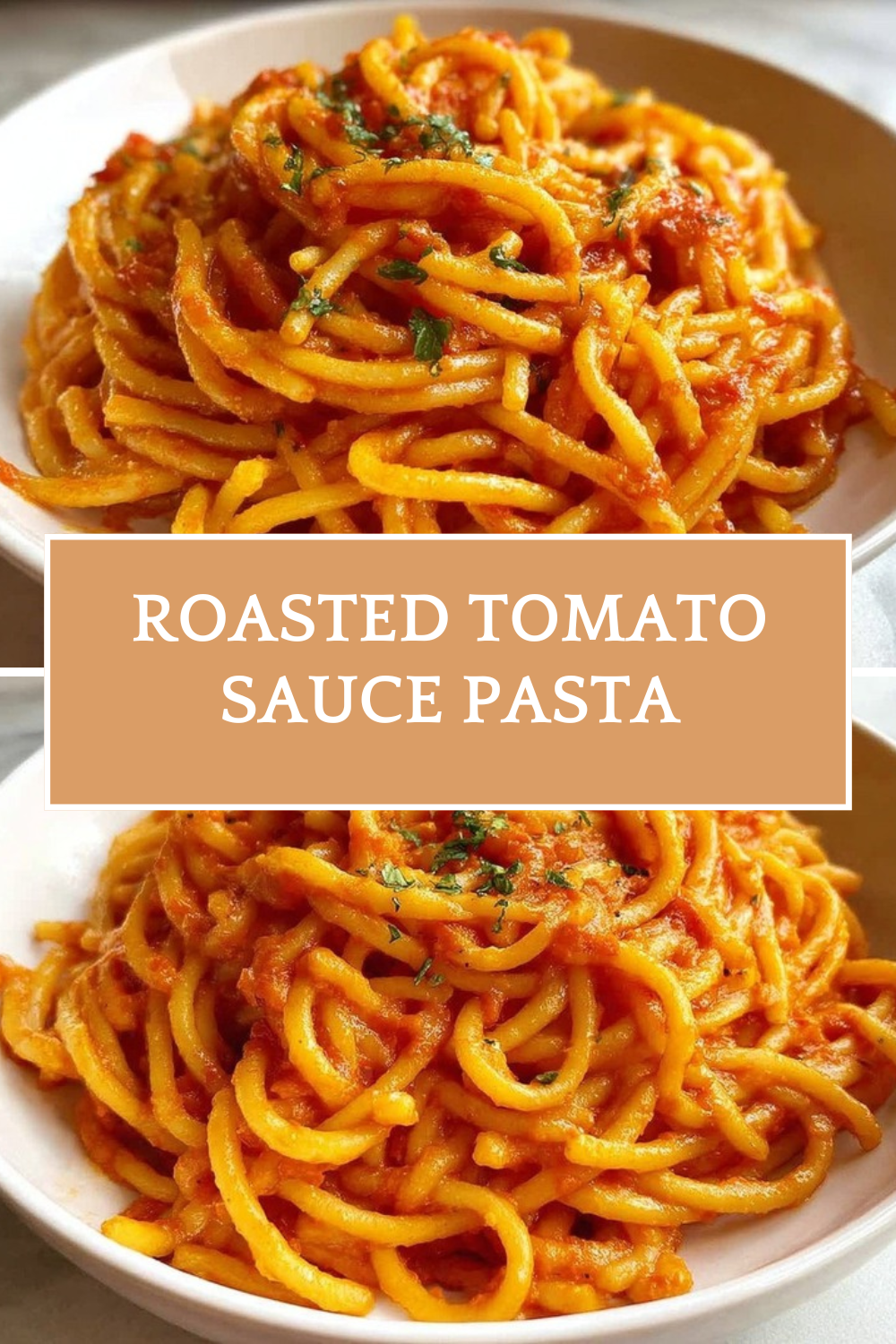
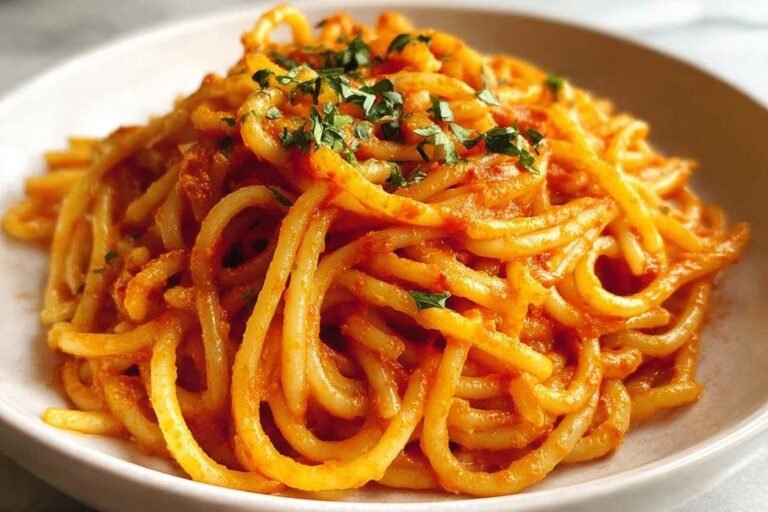
Divide among four plates and finish with your chosen garnishes. Toasted breadcrumbs add a lovely crunch, while pine nuts bring buttery richness. Capers or olives add briny pops of flavor. Finish with fresh herbs for a bright, aromatic touch.
| Nutritional Information | Per Serving | Daily Value |
|---|---|---|
| Calories | 468 | – |
| Sugars | 9 g | 10% |
| Fats | 15 g | 22% |
| Saturated Fats | 2 g | 10% |
| Protein | 13 g | 27% |
| Carbohydrates | 71 g | 27% |

Dietary Substitutions to Customize Your Roasted Tomato Sauce Pasta
One of the things I love most about this recipe is how easily it adapts to different dietary needs and preferences. Let me share some wonderful substitutions that work beautifully.
Protein and Main Component Alternatives
While this recipe is satisfying on its own, you might want to add protein for a more substantial meal. Grilled chicken breast pairs wonderfully with the sweet, roasted tomato flavors. Simply season chicken with salt, pepper, and a drizzle of olive oil, then grill until cooked through and slice over your finished pasta.
For seafood lovers, sautéed shrimp adds an elegant touch. Toss peeled shrimp with garlic and olive oil, cook until pink, and fold into the finished dish. Cannellini beans are another fantastic option for adding plant-based protein. Rinse and drain a can, then warm them in the sauce before adding pasta.
Vegetable, Sauce, and Seasoning Modifications
The beauty of this roasted tomato sauce lies in its flexibility. Feel free to add other vegetables to the roasting pan. Bell peppers roast beautifully alongside tomatoes and add sweetness. Zucchini chunks bring additional texture, while red onion adds lovely savory depth.
If you want to change up the seasoning profile, try different herbs. Fresh thyme or rosemary can replace oregano for a different flavor direction. A pinch of smoked paprika adds another layer of smokiness that complements the roasted tomatoes. For cheese lovers, a sprinkle of grated parmesan or pecorino romano over the finished dish adds salty, umami richness.
Looking for something sweet to follow this savory meal? Try this wonderful peach cobbler recipe for a perfect ending to your dinner.
Mastering Roasted Tomato Sauce Pasta: Advanced Tips and Variations
Ready to take your roasted tomato sauce pasta to the next level? Here are some pro techniques I’ve picked up over years of making this dish.
Pro Cooking Techniques
The key to exceptional roasted tomato sauce lies in the tomatoes themselves. Choose small tomatoes like cherry or grape varieties for the sweetest results. Their natural sugars concentrate beautifully during roasting, creating deep, complex flavors. A mix of colors, red, yellow, and orange cherry tomatoes, not only looks beautiful but also brings slightly different flavor notes to your sauce.
When roasting, don’t be afraid of those slightly charred edges. A bit of caramelization adds wonderful depth. However, if you notice tomatoes burning rather than roasting, your oven might run hot. Reduce the temperature slightly and check more frequently.
Another technique I love is adding a splash of balsamic vinegar to the finished sauce. Just a teaspoon or two brings out the natural sweetness of the tomatoes while adding subtle complexity.
Flavor Variations
Want to switch things up? Try adding sun-dried tomatoes to the roasting pan for an extra punch of concentrated tomato flavor. A spoonful of tomato paste blended into the sauce adds richness and body.
For a creamy variation, stir in a few tablespoons of mascarpone or ricotta cheese at the end. The sauce becomes luxuriously smooth and coats pasta beautifully. Just be careful not to boil the sauce after adding dairy.
Presentation Tips
We eat with our eyes first, and a beautiful presentation makes any meal feel special. Serve your pasta in warmed shallow bowls. Twirl long pasta like spaghetti or linguine using tongs and a ladle for restaurant-worthy nests. Finish with a drizzle of your best olive oil and a few fresh basil leaves.
The optional extras really shine here. Toasted breadcrumbs add textural contrast and visual appeal. Pine nuts scattered on top look elegant and taste wonderful. A few whole roasted cherry tomatoes reserved before blending make a beautiful garnish.
Make-Ahead Options
This sauce actually improves with time. Make a double batch on Sunday and refrigerate half for later in the week. The flavors meld and deepen overnight, making Tuesday’s dinner even more delicious. The sauce keeps well for 5-7 days in the refrigerator.
For busy weeknights, roast the tomatoes and garlic ahead of time. Store the roasted mixture in the refrigerator. When ready to serve, simply blend, warm, and toss with freshly cooked pasta. This cuts your active cooking time to about 15 minutes.
How to Store Roasted Tomato Sauce Pasta: Best Practices
Knowing how to properly store your roasted tomato sauce pasta means you can enjoy it throughout the week or save leftovers for a future meal.
Refrigeration
Store leftover sauce in an airtight container in the refrigerator for up to 5-7 days. I prefer glass containers as they don’t absorb flavors or stains. Allow the sauce to cool completely before sealing and refrigerating. Press a piece of plastic wrap directly onto the surface of the sauce to prevent a skin from forming.
If you’ve already tossed the pasta with sauce, store leftovers in a separate container for 3-4 days. The pasta will absorb some sauce overnight, so add a splash of water when reheating.
Freezing
Roasted tomato sauce freezes beautifully for up to 3 months. Portion the cooled sauce into freezer-safe containers or bags, leaving some room for expansion. Flatten bags for quicker thawing and label with the date. Thaw overnight in the refrigerator or run the sealed container under warm water.
Reheating
Warm refrigerated sauce gently in a pan over low heat. Avoid boiling, as this can affect the texture and flavor. If the sauce seems thick, add a splash of pasta water or regular water to loosen it. For pasta that’s already been sauced, reheat in a pan with a tablespoon of water, tossing frequently until warmed through.
Meal Prep Considerations
This sauce is perfect for batch cooking. Make a large batch on weekends and portion into individual containers for quick weekday meals. Cook fresh pasta each time for the best texture, or reheat pre-portioned pasta and sauce together. Some meal preppers find refreshing drinks like smoothies pair well with prepped meals for a complete lunch.
FAQs: Frequently Asked Questions About Roasted Tomato Sauce Pasta
Can you make roasted tomato sauce pasta ahead of time?
Yes, making roasted tomato sauce pasta ahead of time works perfectly and often tastes even better. Prepare the sauce by roasting tomatoes, garlic, and onions at 400°F (200°C) for 30-40 minutes until caramelized. Blend with basil, olive oil, and salt, then store in an airtight container in the fridge for up to 5 days. Cook pasta fresh when ready to serve, reheat the sauce gently on the stove with a splash of pasta water to loosen it, and toss together. Flavors meld overnight, intensifying the sweet, smoky notes. For best results, avoid boiling the sauce after reheating to preserve texture. This method saves time for weeknight dinners and meal prep—simply portion into grab-and-go containers.
Can you freeze roasted tomato pasta sauce?
Absolutely, roasted tomato pasta sauce freezes well for up to 3 months. After roasting tomatoes, garlic, and herbs, cool the blended sauce completely to avoid condensation. Portion into freezer-safe bags or containers, flattening bags for quick thawing. Label with dates. To use, thaw overnight in the fridge or run under warm water. Reheat on the stovetop over low heat, stirring until bubbling, and thin with pasta water if needed. It retains its rich, charred flavor without separating. Tip: Add a drizzle of olive oil before freezing to maintain smoothness. This is ideal for batch cooking—make a double recipe and freeze half for easy future meals with spaghetti or penne.
How do you store roasted tomato sauce in jars?
Store roasted tomato sauce in sterilized jars for fridge or pantry use. Roast tomatoes at 425°F (220°C) for 25-35 minutes, blend smooth, then ladle hot sauce into clean, boiling-water-processed jars (process pints for 35 minutes). Seal with new lids and cool undisturbed. Refrigerate opened jars up to 2 weeks or store unopened in a cool, dark pantry for 6-12 months. For fridge-only, fill hot jars without processing and use within 10 days. Always check for spoilage signs like off odors or mold. This canning method captures peak summer flavor safely—great for gifting or stocking your shelves. Use wide-mouth mason jars for easy filling.
How long does homemade roasted tomato sauce last in the fridge?
Homemade roasted tomato sauce lasts 5-7 days in the fridge when stored properly. After roasting fresh tomatoes, garlic, and olive oil, cool quickly and transfer to glass jars or airtight containers. Keep at 40°F (4°C) or below, and press plastic wrap directly on the surface to minimize air exposure and prevent skin formation. Reheat only what you need to extend usability. For longer storage, freeze portions. Acidic tomatoes naturally preserve it, but add lemon juice if needed for safety. Pro tip: Taste test daily; discard if it smells sour or looks discolored. This shelf life makes it perfect for weekly pasta nights without waste.
What pasta shapes work best with roasted tomato sauce?
Pair roasted tomato sauce with pasta shapes that trap the chunky, flavorful sauce: bucatini, rigatoni, or penne hold the thick, caramelized tomato bits best. For lighter options, spaghetti or linguine twirl nicely with the silky texture. Cook al dente (about 1-2 minutes less than package time), reserving ½ cup pasta water to emulsify the sauce for a glossy finish. Toss hot pasta directly with warm sauce off-heat. Avoid thin angel hair, as it slips off. Experiment with orecchiette for bite-sized pockets. A 1:1 sauce-to-pasta ratio serves 4 generously. This matching elevates simple roasted tomato pasta into restaurant-quality—add burrata or parm for extra creaminess.
Roasted Tomato Sauce Pasta
🍅 Intensely flavorful roasted tomato pasta sauce—sweet, caramelized tomatoes elevate simple pasta.
🍝 40-minute vegan Italian dinner; make-ahead sauce tastes better next day.
- Total Time: 40 minutes
- Yield: 4 servings
Ingredients
– 1 kg / 34 oz small tomatoes
– 8 cloves garlic (unpeeled, crushed)
– 45 ml / 3 tbsp olive oil
– 1½ tsp dried oregano
– Salt and pepper (to taste)
– Pinch of chili (optional)
– Pinch of sugar (optional)
– 1 sprig fresh basil (optional)
– 300 g / 10½ oz pasta
– 2 tbsp toasted coarse breadcrumbs
– 2 tbsp toasted pine nuts or almonds
– 2 tbsp capers or sliced olives
– Fresh herbs (basil or parsley)
Instructions
1-Step 1: Preheat and Prepare Start by preheating your oven to 220°C (425°F). This high temperature is crucial for getting those lovely caramelized edges on your tomatoes. While the oven heats up, wash your tomatoes thoroughly and pat them dry. Cut each tomato in half and place them in a large baking dish. The dish should be large enough to hold all the tomatoes in a single layer, as crowding them will cause steaming rather than roasting.
2-Step 2: Season the Tomatoes Take your 8 cloves of garlic and give them a gentle crush with the flat side of your knife. Don’t peel them, as the skins will protect the garlic during roasting and make it easy to remove later. Add the crushed garlic cloves to the baking dish with your tomatoes. Now pour in 45 ml (3 tablespoons) of olive oil, sprinkle with 1½ teaspoons of dried oregano, and season generously with salt and pepper. If you enjoy a bit of warmth, add a pinch of chili flakes. If your tomatoes taste particularly tart, add a small pinch of sugar to balance the acidity. Toss everything together with your hands, making sure each tomato piece is coated with oil and seasonings. If you have fresh basil, tuck a sprig among the tomatoes.
3-Step 3: Roast to Perfection Place the baking dish in your preheated oven and roast for 25-30 minutes. About halfway through cooking, around the 15-minute mark, give the tomatoes a gentle stir. This ensures even roasting and prevents any pieces from burning. You’ll know they’re done when the tomatoes are soft, juicy, and slightly charred around the edges. The garlic should be golden and soft when pressed.
4-Step 4: Cook Your Pasta While the tomatoes are roasting, bring a large pot of salted water to boil. Add 300 g (10½ oz) of your chosen pasta and cook until just short of al dente. This usually means cooking for 1-2 minutes less than the package instructions suggest. The pasta will finish cooking when tossed with the warm sauce. Before draining, reserve about ½ cup of the starchy pasta water, as this liquid gold helps create a silky sauce that clings beautifully to the pasta.
5-Step 5: Blend the Sauce Once your tomatoes are beautifully roasted, remove them from the oven and let them cool slightly. Transfer the tomatoes and all their delicious juices to a blender. If you added basil during roasting, discard the wilted sprig. Now for a satisfying step: squeeze the roasted garlic from their skins directly into the blender. Those soft, golden cloves will blend seamlessly into your sauce. Blend until smooth, or leave some tomato pieces whole if you prefer a chunkier sauce. This is entirely up to your personal preference. Some people love a completely silky sauce, while others enjoy bits of tomato for texture.
6-Step 6: Combine and Serve Pour your blended sauce into a large pan and warm it gently over low heat. Taste and adjust the seasoning if needed. Maybe it needs a little more salt, or perhaps a grind of fresh pepper. Add your cooked pasta to the pan and toss everything together until the pasta is well coated. If the sauce seems too thick, add a splash of that reserved pasta water to loosen it. Divide among four plates and finish with your chosen garnishes. Toasted breadcrumbs add a lovely crunch, while pine nuts bring buttery richness. Capers or olives add briny pops of flavor. Finish with fresh herbs for a bright, aromatic touch.
Last Step:
Please leave a rating and comment letting us know how you liked this recipe! This helps our business to thrive and continue providing free, high-quality recipes for you.Notes
🍒 Use small cherry tomatoes for max sweetness, less water.
📅 Sauce improves next day; make ahead and reheat.
🥄 Smooth pasta like penne/spaghetti clings best to sauce.
- Prep Time: 10 minutes
- Cook Time: 30 minutes
- Category: Main Dishes
- Method: Roast
- Cuisine: Italian
- Diet: Vegan, Vegetarian, Gluten-free option
Nutrition
- Serving Size: 1/4 recipe
- Calories: 468 kcal
- Sugar: 9 g
- Sodium: 50 mg
- Fat: 15 g
- Saturated Fat: 2 g
- Unsaturated Fat: 13 g
- Trans Fat: 0 g
- Carbohydrates: 71 g
- Fiber: 6 g
- Protein: 13 g
- Cholesterol: 0 mg