Why You’ll Love This Roast Turkey
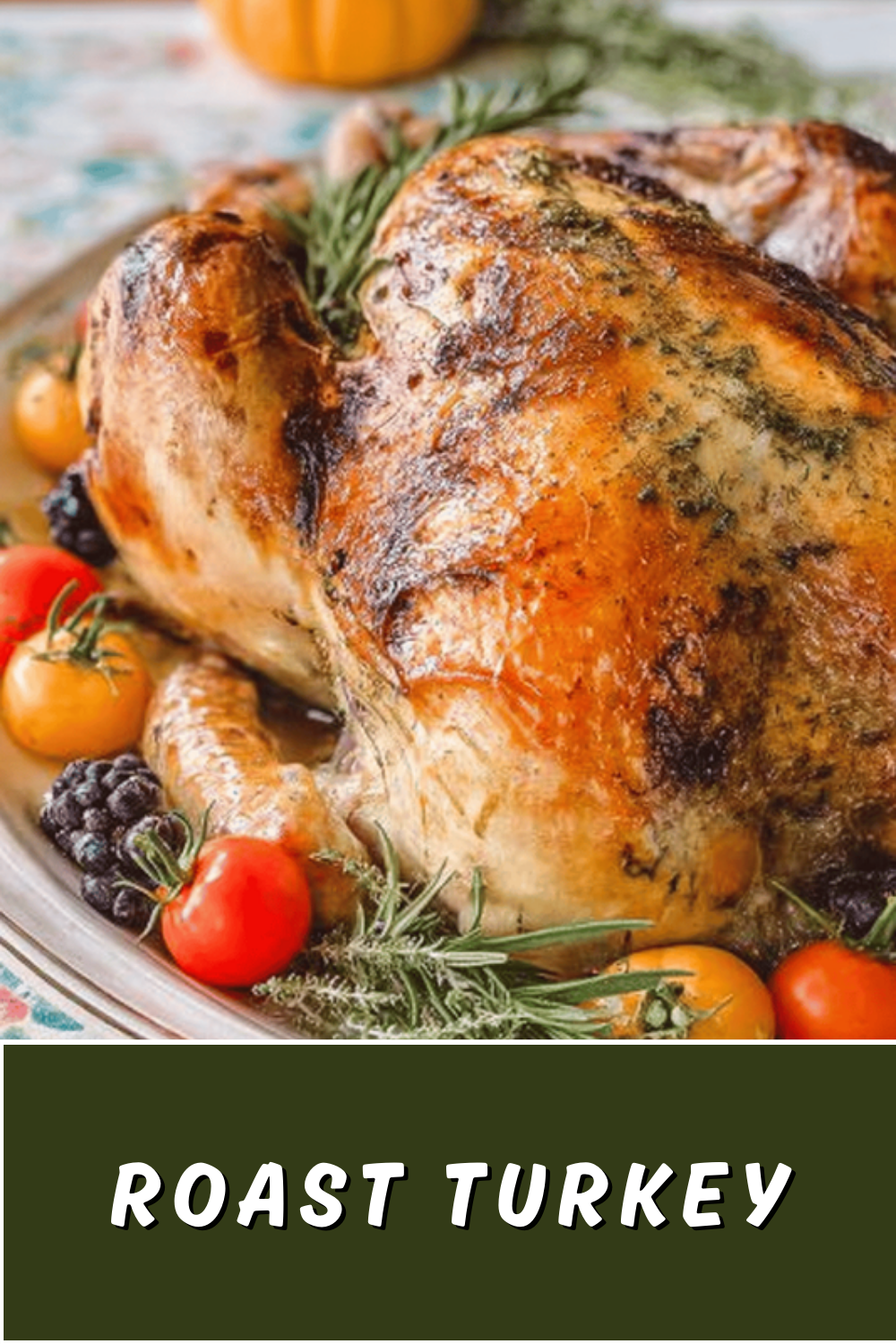
This roast turkey recipe stands out for its straightforward steps that deliver a juicy, flavorful bird every time. It’s perfect for busy parents and home cooks who want a holiday centerpiece without the hassle. With its blend of fresh herbs and butter, you’ll find the turkey has a delicious depth that makes it a hit for family gatherings or special occasions.
One reason this recipe wins over food enthusiasts is its ease of preparation, taking just a bit of effort for incredible results. It supports health-conscious diets with lean protein from the turkey, packed with essential nutrients while keeping things simple and moist. Plus, you can tweak it for different needs, like using plant-based swaps, making it versatile for everyone from students to seniors.
Picture this: just 20 minutes of prep leads to a meal that fills your home with amazing aromas and brings people together. Whether you’re a working professional or a baking enthusiast, this turkey’s savory taste and tender texture make it memorable without overwhelming your schedule. I always find that the special herb-butter mix brings out the best flavors, turning a basic roast into something truly special.
Key Benefits and Adaptations
- Ease of preparation: Minimal steps and quick cooking time mean it’s accessible for cooks of all levels.
- Health benefits: Offers lean protein and nutrients that fit into a balanced diet, with methods that retain moisture without extra fats.
- Versatility: Easily adjusted for dietary preferences, like gluten-free options or vegan swaps.
- Distinctive flavor: The herb-butter rub creates a rich, savory taste that highlights the turkey’s natural qualities.
To explore even more fun recipes for your meals, check out our delicious peach cobbler that pairs perfectly with any roast.
Jump to:
- Why You’ll Love This Roast Turkey
- Key Benefits and Adaptations
- Essential Ingredients for Roast Turkey
- Full List of Ingredients
- How to Prepare the Perfect Roast Turkey: Step-by-Step Guide
- Step-by-Step Directions
- Dietary Substitutions to Customize Your Roast Turkey
- Options for Different Diets
- Mastering Roast Turkey: Advanced Tips and Variations
- Expert Techniques and Ideas
- How to Store Roast Turkey: Best Practices
- FAQs: Frequently Asked Questions About Roast Turkey
- Should I rinse my turkey before cooking it?
- How long should I thaw a frozen turkey safely?
- Can I stuff my turkey before roasting?
- How do I know when my roast turkey is fully cooked?
- Why should I let my turkey rest before carving?
- Roast Turkey
- Ingredients
- Instructions
- Last Step:
- Notes
- Nutrition
- Did you make this recipe?
Essential Ingredients for Roast Turkey
Gathering the right ingredients is key to making a succulent roast turkey. This section lists everything you need for the Herb-Butter Roasted Turkey Recipe, ensuring you have precise measurements for success. Let’s break it down into a structured list to make shopping and prepping a breeze.
Full List of Ingredients
- Whole turkey (fresh or fully thawed if frozen): 10-14 pounds
- Unsalted butter (softened): 3/4 cup
- Lemon zest: 2 teaspoons
- Fresh thyme: 1 tablespoon
- Chopped fresh rosemary: 1 tablespoon
- Medium onion (quartered): 1
- Garlic cloves (smashed): 8
- Fresh parsley: half bunch
- Kosher salt: amount as needed
- Freshly ground black pepper: amount as needed
These ingredients come together to create a moist, flavorful turkey with a crispy skin. For more ideas on flavorful additions, you might enjoy our refreshing strawberry milkshake as a fun side treat after your meal.
How to Prepare the Perfect Roast Turkey: Step-by-Step Guide
Getting started with this roast turkey means following simple, clear steps to achieve juicy results. Begin by preparing your turkey properly to ensure even cooking and great flavor. This guide uses the directions from the Herb-Butter Roasted Turkey Recipe to walk you through each part.
Step-by-Step Directions
- Remove turkey neck, giblets, and pin feathers, then pat dry inside and out with paper towels. Let it rest at room temperature for 1 hour to help the skin dry for better butter adhesion.
- Preheat your oven to 350°F, or 325°F if using a convection oven, to set the stage for even roasting.
- Tuck the wings under the turkey and season the cavity with kosher salt and freshly ground black pepper for a solid flavor base.
- Mix the softened butter with lemon zest, fresh thyme, and chopped fresh rosemary, then gently separate the skin from the turkey breasts without tearing it.
- Place the turkey on a roasting rack in a pan and spread one-third of the butter mixture under the skin over the breasts and sides; rub the remaining butter over the skin, skipping the underside.
- Stuff the cavity with the quartered onion, smashed garlic cloves, and fresh parsley, and optionally tie the legs with kitchen twine for even cooking.
- Roast the turkey until the thickest part of the thigh reaches 175°F and the breast reaches 165°F, which takes about 2 hours 20 minutes to 3 hours 30 minutes; tent with foil if the skin browns too quickly.
- Rest the turkey for 30-60 minutes before carving to let the juices settle and keep the meat tender.
Throughout this process, remember tips like using a food thermometer to check multiple spots, which helps avoid overcooking the breast. For more on safe practices, check out USDA Turkey Safety Guidelines.

Dietary Substitutions to Customize Your Roast Turkey
Making this roast turkey work for your needs is easy with a few tweaks. You can adjust for different diets while keeping the dish tasty and safe. For instance, if you’re avoiding certain proteins, swap them out thoughtfully.
Options for Different Diets
- For vegan diets, substitute the turkey with a whole roasted cauliflower or a plant-based seitan roast to maintain the meal’s heart.
- For poultry allergies, consider roasting a leg of lamb or beef brisket as an alternative main protein.
- Vegetable modifications: Add seasonal veggies like carrots or Brussels sprouts alongside the turkey.
- Sauce and seasoning changes: Use dairy-free gravies and swap herbs for spices like smoked paprika.
These changes help the recipe fit a wide audience, as noted in the tips for brining or avoiding stuffing. Always ensure your tweaks keep the flavors balanced and the cooking even.
Mastering Roast Turkey: Advanced Tips and Variations
Taking your roast turkey to the next level involves some pro techniques that make a big difference. Things like brining overnight can add extra juiciness, while spatchcocking cuts down cooking time for better results. Let’s dive into ways to enhance your turkey game.
Expert Techniques and Ideas
| Technique | Benefit |
|---|---|
| Brining | Enhances moisture and flavor, but rinse and dry thoroughly if used. |
| Spatchcocking | Reduces cooking time and ensures even heat distribution. |
| Flavor Variations | Try citrus marinades or spice rubs for unique tastes. |
For presentation, garnish with fresh herbs and citrus slices to make it visually appealing. Prepare elements like the butter mix ahead to simplify your day. As shared in the tips, resting the turkey improves texture, and Science-Backed Turkey Roasting Tips can offer more insights.
How to Store Roast Turkey: Best Practices
Proper storage keeps your roast turkey safe and tasty for leftovers. Start by cooling it quickly after cooking to maintain quality. Follow these steps to handle your meal like a pro.
- Refrigerate leftovers in airtight containers within two hours and eat within 3-4 days.
- Freeze in meal-sized portions for up to 4 months, wrapped tightly.
- Reheat gently in the oven at 325°F, covered with foil, or use a microwave on low power.
- Store carved meat separately from sides to keep textures fresh.
You can use leftovers in sandwiches or soups, as suggested in the tips, for up to 3 months in the freezer.
FAQs: Frequently Asked Questions About Roast Turkey
Should I rinse my turkey before cooking it?
It’s best not to rinse your turkey before cooking. Rinsing can spread bacteria around your kitchen surfaces, increasing contamination risk. Instead, pat the turkey dry with paper towels to remove excess moisture. This helps the skin crisp up during roasting.
How long should I thaw a frozen turkey safely?
For safe thawing, allow about 24 hours of refrigerator thawing per 5 pounds of turkey. If you need it faster, use the cold water method: submerge the turkey in cold water, changing the water every 30 minutes, and allow about 30 minutes per pound. Always cook immediately after thawing with the cold water method.
Can I stuff my turkey before roasting?
Cooking stuffing separately is safer and more reliable because it ensures the turkey cooks evenly and the stuffing reaches the right temperature. When stuffing inside the bird, the stuffing can stay undercooked while the turkey finishes cooking, raising food safety concerns.
How do I know when my roast turkey is fully cooked?
The most accurate way to check is with a meat thermometer. The thickest part of the thigh should reach 175°F (79°C), and the breast should reach 165°F (74°C). Insert the thermometer into the thickest areas without touching bone to get precise readings.
Why should I let my turkey rest before carving?
Rest your turkey for 30 to 60 minutes after roasting to allow juices to redistribute throughout the meat. This helps the turkey stay moist and makes carving easier without losing flavorful juices. Cover loosely with foil during resting to keep it warm.
Roast Turkey
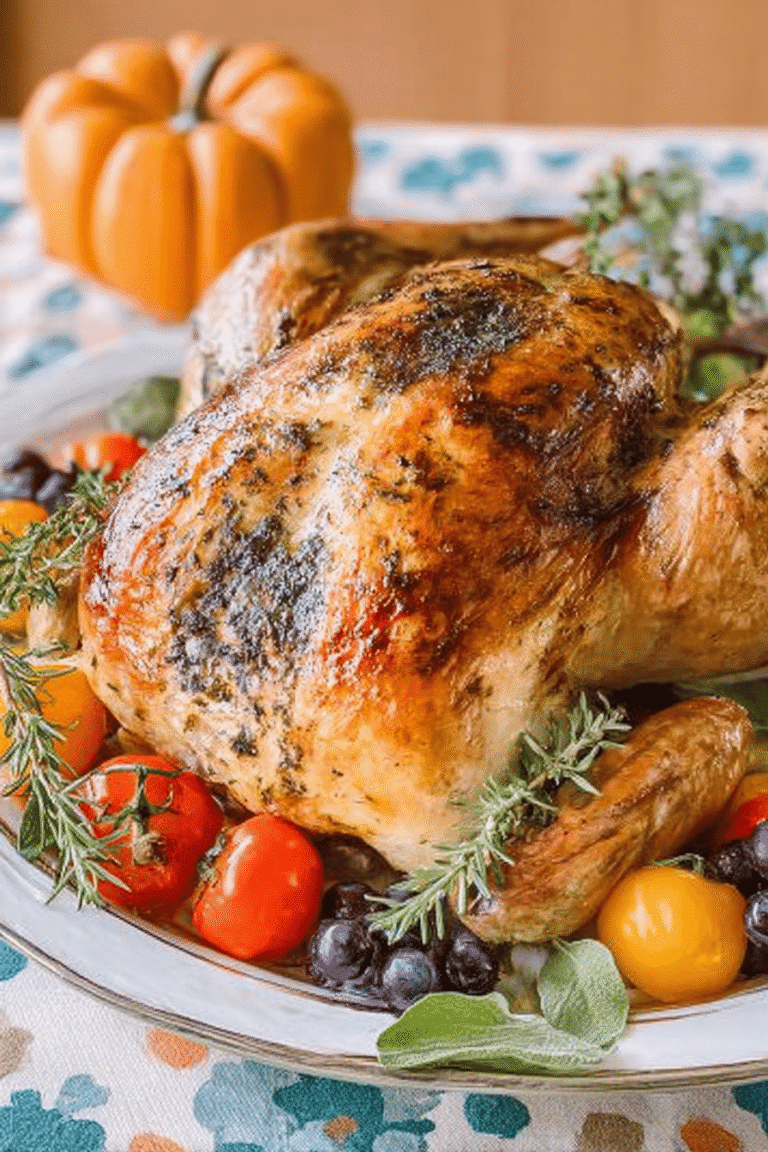
🦃 This roast turkey recipe uses simple steps and herb butter to create juicy, flavorful meat perfect for any occasion.
🍴 Ideal for holiday meals or special dinners, it ensures tender meat and crispy skin with easy-to-follow instructions.
- Total Time: Approximately 4 hours 20 minutes
- Yield: Serves 8 to 12 people
Ingredients
– 10-14 pounds whole turkey (fresh or fully thawed if frozen)
– 3/4 cup unsalted butter (softened)
– 2 teaspoons lemon zest
– 1 tablespoon fresh thyme
– 1 tablespoon chopped fresh rosemary
– 1 medium onion (quartered)
– 8 garlic cloves (smashed)
– half bunch fresh parsley
– kosher salt amount as needed
– freshly ground black pepper amount as needed
Instructions
1-Remove turkey neck, giblets, and pin feathers, then pat dry inside and out with paper towels. Let it rest at room temperature for 1 hour to help the skin dry for better butter adhesion.
2-Preheat your oven to 350°F, or 325°F if using a convection oven, to set the stage for even roasting.
3-Tuck the wings under the turkey and season the cavity with kosher salt and freshly ground black pepper for a solid flavor base.
4-Mix the softened butter with lemon zest, fresh thyme, and chopped fresh rosemary, then gently separate the skin from the turkey breasts without tearing it.
5-Place the turkey on a roasting rack in a pan and spread one-third of the butter mixture under the skin over the breasts and sides; rub the remaining butter over the skin, skipping the underside.
6-Stuff the cavity with the quartered onion, smashed garlic cloves, and fresh parsley, and optionally tie the legs with kitchen twine for even cooking.
7-Roast the turkey until the thickest part of the thigh reaches 175°F and the breast reaches 165°F, which takes about 2 hours 20 minutes to 3 hours 30 minutes; tent with foil if the skin browns too quickly.
8-Rest the turkey for 30-60 minutes before carving to let the juices settle and keep the meat tender.
Last Step:
Please leave a rating and comment letting us know how you liked this recipe! This helps our business to thrive and continue providing free, high-quality recipes for you.Notes
🔪 Do not rinse the turkey; pat dry to avoid spreading bacteria.
🌡️ Use a food thermometer to monitor internal temperature and avoid overcooking, especially the breast meat.
⏲️ Rest the turkey before and after cooking for better flavor and texture.
- Prep Time: 20 minutes
- Resting Time: 1 hour before roasting, 30–60 minutes after roasting
- Cook Time: 2 hours 20 minutes to 3 hours 30 minutes
- Category: Main Dish
- Method: Roasting
- Cuisine: American
- Diet: Gluten-Free
Nutrition
- Serving Size: 1 slice (about 3 ounces)
- Calories: 340 calories
- Sugar: 0 grams
- Sodium: 90 milligrams
- Fat: 18 grams
- Saturated Fat: 10 grams
- Carbohydrates: 1 gram
- Fiber: 0 grams
- Protein: 40 grams
- Cholesterol: 125 milligrams