Why You’ll Love This Pot Roast
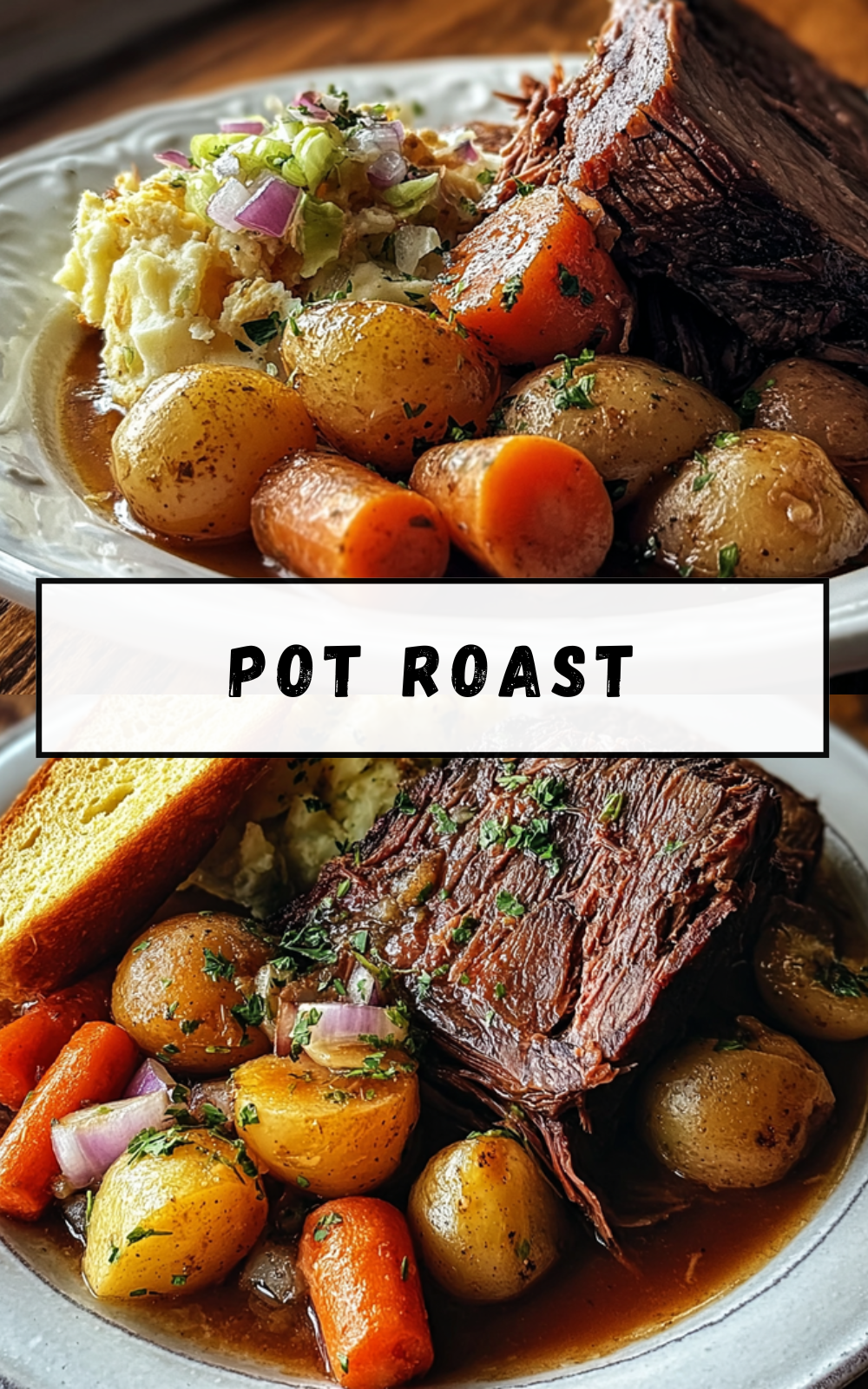
This pot roast recipe brings together simple ingredients to create a hearty meal that focuses on pot roast as the star of the dish. It’s straightforward and rewarding, making it ideal for anyone from busy parents to food enthusiasts who appreciate tender meat and rich flavors. Let’s dive into what makes this recipe a go-to choice for weeknight dinners or family gatherings.
One of the biggest draws is how easy it is to prepare. You’ll find that pot roast requires minimal hands-on time, with most of the work happening in the oven, allowing you to relax while the flavors develop. Beyond that, it’s packed with health benefits like protein and key vitamins that support a balanced diet, appealing to diet-conscious individuals and seniors alike.
Plus, its versatility shines through in how it adapts to different lifestyles, such as gluten-free options or tweaks for busy professionals. The end result is a pot roast recipe that delivers tender meat with rich flavors everyone can enjoy, turning ordinary ingredients into something special.
Key Features That Make It Special
- Ease of preparation: This pot roast recipe is straightforward, requiring minimal prep and a relatively quick cooking time, making it perfect for busy weeknights or special occasions.
- Health benefits: Loaded with protein and essential nutrients, this dish supports a balanced diet, providing vital vitamins and minerals while being nourishing and wholesome.
- Versatility: Easily adaptable to various dietary preferences including gluten-free, low-calorie, and vegan modifications, ensuring everyone can enjoy it.
- Distinctive flavor: The combination of slow-cooked tender meat, rich herbs, and savory seasonings results in a uniquely delicious taste that stands out from typical recipes.
To learn more about the nutritional value of key ingredients like potatoes, check out this guide on nutritional value of potatoes. This adds depth to why this pot roast recipe fits into a healthy eating plan.
Jump to:
- Why You’ll Love This Pot Roast
- Key Features That Make It Special
- Essential Ingredients for Pot Roast
- Main Ingredients List
- Special Dietary Options
- How to Prepare the Perfect Pot Roast: Step-by-Step Guide
- Dietary Substitutions to Customize Your Pot Roast
- Mastering Pot Roast: Advanced Tips and Variations
- How to Store Pot Roast: Best Practices
- Storage Methods
- FAQs: Frequently Asked Questions About Pot Roast
- How do I make a tender pot roast in the oven?
- Can I cook pot roast in a slow cooker, and how long does it take?
- What cut of beef is best for pot roast?
- How do I know when my pot roast is done?
- Can I reheat pot roast without drying it out?
- Pot Roast
- Ingredients
- Instructions
- Last Step:
- Notes
- Nutrition
- Did you make this recipe?
Essential Ingredients for Pot Roast
When it comes to making a classic pot roast, the right ingredients are key to achieving that tender meat and rich flavors. This section breaks down everything you need, drawing from a reliable pot roast recipe that’s easy for home cooks to follow. By selecting quality items, you’ll enhance the overall dish while keeping it accessible for beginners.
Fresh herbs and vegetables play a big role in building depth, and you can swap some based on what’s in your kitchen. For instance, if you’re curious about other dessert ideas that pair well, explore a simple peach cobbler recipe from our site, as it complements the hearty nature of pot roast nicely.
Main Ingredients List
Below is a comprehensive list of all ingredients needed for this pot roast recipe. Each one is listed with precise measurements to ensure your dish turns out perfectly every time. This structured format makes it simple to shop and prepare.
- 3 ½ to 4 pounds beef chuck roast
- 2 tablespoons olive oil
- 1 yellow onion, peeled and julienned
- 2 leeks (white and yellow parts only), thinly sliced and rinsed
- 6 garlic cloves, thinly sliced
- 1 cup red wine
- 3 tablespoons tomato paste
- 6 cups beef stock
- 2 bay leaves
- 8 to 10 sprigs fresh thyme
- 8 to 10 fresh parsley stems with leaves
- 2 pounds baby Yukon potatoes
- 6 peeled regular or 10 baby tri-colored carrots, cut into 2-inch pieces
- 4 ribs celery, cut into 2-inch pieces
- 2 peeled parsnips, cut into 2-inch pieces
- 1 peeled rutabaga, cut into 1-inch cubes
- ½ cup softened unsalted butter
- Worcestershire sauce to taste
- 1 tablespoon red wine vinegar
- Coarse salt and fresh cracked pepper to taste
- Optional: finely minced parsley for garnish
These ingredients come together to create a pot roast that’s full of rich flavors, making it a favorite among food enthusiasts and newlyweds hosting their first dinners.
Special Dietary Options
For those with specific needs, this pot roast recipe offers flexibility. You can make it vegan by using plant-based substitutes, or keep it low-calorie with leaner cuts, which aligns with tips from sources like benefits of beef for understanding protein sources.
- Vegan: Use seitan or jackfruit as plant-based protein substitutes.
- Gluten-free: Ensure broth and tomato paste are certified gluten-free.
- Low-calorie: Substitute chuck roast with leaner cuts or use mushrooms instead.
How to Prepare the Perfect Pot Roast: Step-by-Step Guide
Creating a pot roast that’s tender and full of rich flavors starts with careful steps that build on this classic pot roast recipe. Whether you’re a student or a working professional, this guide makes the process straightforward and enjoyable. We’ll cover everything from prep to serving, ensuring your pot roast turns out just right.
- Generously season the beef with salt on all sides. Refrigerate uncovered on a rack over a sheet tray for 12 to 48 hours.
- Remove from refrigerator and season with pepper all over.
- Heat olive oil in a large Dutch oven over high heat until lightly smoking. Sear beef on all sides, about 3 to 4 minutes per side, until golden brown. Remove and set aside.
- Add onions and leeks to the pot, season with salt, and sauté for 4 to 6 minutes. Reduce heat and cook an additional 10 minutes until well browned.
- Stir in garlic and cook for 30 to 45 seconds until fragrant.
- Deglaze the pot with ¼ cup red wine and cook until absorbed.
- Stir in tomato paste and cook for 2 to 3 minutes.
- Pour in remaining ¾ cup wine, beef stock, bay leaves, thyme, parsley, salt, and pepper; stir to combine.
- Return the beef to the pot, bring to a boil, cover, and place in an oven at 325°F (163°C) on the lower rack. Cook for 3 ½ to 4 hours until fork tender, reaching an internal temperature of 200°F to 210°F (93°C to 99°C).
- About 70 minutes before the end of cooking, add potatoes, carrots, celery, parsnips, and rutabaga to the pot. Continue cooking.
- Carefully remove beef and set aside. Mix softened butter with flour to create a beurre manié.
- Add the beurre manié to the pot and cook over low to medium heat for 3 to 5 minutes until the sauce thickens.
- Stir in red wine vinegar and Worcestershire sauce to taste.
- Return the beef to the pot and serve with the vegetables. Garnish with minced parsley if desired.
This pot roast recipe takes about 30 minutes to prep and around 4 hours 30 minutes to cook, for a total of 5 hours. For more ideas on complementary sides, our strawberry milkshake recipe can add a fun twist to your meal.

Dietary Substitutions to Customize Your Pot Roast
Adapting a pot roast recipe to fit your needs is simple and helps everyone enjoy tender meat with rich flavors. This section explores options for protein and other elements, drawing from the versatility mentioned earlier. Whether you’re catering to baking enthusiasts or travelers with dietary restrictions, these changes keep the dish delicious.
- Protein and Main Component Alternatives: Replace beef chuck roast with seitan or jackfruit for vegan options. Use lean cuts like round roast for a low-calorie version. For gluten-free diets, ensure all spices and broth are certified gluten-free.
- Vegetable, Sauce, and Seasoning Modifications: Substitute carrots and celery with seasonal vegetables like parsnips or turnips. Use coconut aminos instead of soy sauce for a gluten-free sauce alternative. Modify seasoning by adding smoked paprika or rosemary for distinct flavors. Adjust sauces to a tomato-based gravy or a mushroom sauce to suit preferences.
Mastering Pot Roast: Advanced Tips and Variations
Taking your pot roast to the next level involves some pro techniques that enhance tender meat and rich flavors. From searing to flavor tweaks, these tips build on the original pot roast recipe and offer ideas for home cooks of all levels. Remember, fresh herbs like thyme and parsley add a lot, and you can experiment based on what’s available.
This dish not only satisfies but also encourages creativity in the kitchen, making it a staple for food enthusiasts and busy parents alike.
- Pro cooking techniques: Searing meat before slow cooking seals in juices; use a meat thermometer to ensure perfect doneness.
- Flavor variations: Experiment with adding red wine, balsamic vinegar, or fresh herbs like rosemary and sage to create rich flavors.
- Presentation tips: Serve sliced pot roast with a sprinkle of fresh parsley and a side of creamy mashed potatoes for an appealing plate.
- Make-ahead options: Prepare the pot roast a day in advance; flavors deepen overnight, making it ideal for meal prep. You may substitute dry red or white wine, or a dark beer, to add flavor depth. Alternative meat cuts include brisket, top or bottom round, or sirloin. Potatoes may be substituted with baby Yukon gold, red potatoes, fingerlings, or quartered russets. Onions can be yellow, white, red, or sweet varieties. Vegetables do not need to be fully submerged in liquid, and adding them later prevents overcooking.
How to Store Pot Roast: Best Practices
Proper storage keeps your pot roast fresh and maintains its rich flavors for later enjoyment. This is especially useful for working professionals or students who like to meal prep. Follow these guidelines to extend the life of your pot roast recipe without losing quality.
Storage Methods
| Storage Type | Duration | Tips |
|---|---|---|
| Refrigeration | Up to 4 days | Store in an airtight container; can be made up to 1 hour ahead and kept warm covered on low heat. |
| Freezing | Up to 2 months | Wrap tightly in freezer-safe materials; thaw for 1 day before reheating. |
| Reheating | N/A | Reheat gently over low heat, stirring occasionally until hot to retain moisture. |
This approach ensures your pot roast stays tasty and safe.
FAQs: Frequently Asked Questions About Pot Roast
How do I make a tender pot roast in the oven?
To make a tender pot roast in the oven, start by seasoning and searing the meat on all sides in a hot pan. Then, place the roast in a roasting pan with vegetables like carrots, onions, and potatoes. Add broth or beef stock and cover tightly with a lid or foil. Cook at 275°F (135°C) for 3-4 hours until the meat is fork-tender. Low and slow cooking breaks down connective tissues, resulting in a juicy, tender roast.
Can I cook pot roast in a slow cooker, and how long does it take?
Yes, pot roast can be cooked in a slow cooker. Place the seared roast and vegetables in the cooker, add broth or cooking liquid, and cook on low for 8-10 hours or on high for 4-6 hours. This method allows the meat to cook slowly and absorb flavors, yielding tender and flavorful results without needing constant attention.
What cut of beef is best for pot roast?
The best cuts for pot roast are tougher, well-marbled cuts like chuck roast, brisket, or round roast. These cuts have enough fat and connective tissue that break down during slow cooking, making the meat tender and flavorful. Chuck roast is the most popular choice because it remains juicy and has rich flavor when braised or slow-cooked.
How do I know when my pot roast is done?
Your pot roast is done when the internal temperature reaches about 190°F (88°C) and the meat is fork-tender, meaning it easily shreds apart with a fork. Cooking to this temperature breaks down collagen, turning the roast tender. Check doneness by inserting a fork or skewer—if it meets little resistance, your roast is ready to enjoy.
Can I reheat pot roast without drying it out?
Yes, to reheat pot roast without drying it out, warm it gently. Place the roast in a covered dish with some of the cooking juices or broth to keep it moist. Reheat in the oven at 300°F (150°C) for about 20-30 minutes or microwave with a covered lid, stopping to check frequently. Avoid high heat to maintain tenderness and juiciness.
Pot Roast
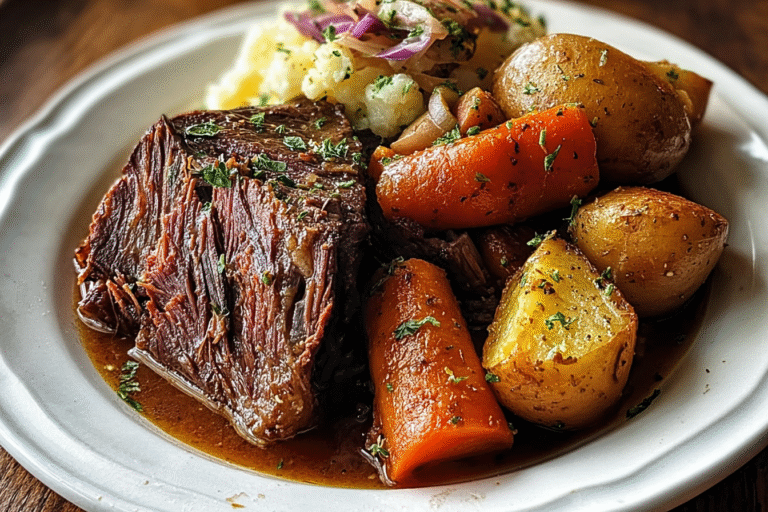
🍖 This Classic Pot Roast recipe features tender meat and rich flavors that create a comforting and hearty meal.
🥔 The slow-cooked vegetables and deeply seasoned beef make it perfect for family dinners or special occasions.
- Total Time: 5 hours
- Yield: 6 servings 1x
Ingredients
3 ½ to 4 pounds beef chuck roast
2 tablespoons olive oil
1 yellow onion, peeled and julienned
2 leeks (white and yellow parts only), thinly sliced and rinsed
6 garlic cloves, thinly sliced
1 cup red wine
3 tablespoons tomato paste
6 cups beef stock
2 bay leaves
8 to 10 sprigs fresh thyme
8 to 10 fresh parsley stems with leaves
2 pounds baby Yukon potatoes
6 peeled regular or 10 baby tri-colored carrots, cut into 2-inch pieces
4 ribs celery, cut into 2-inch pieces
2 peeled parsnips, cut into 2-inch pieces
1 peeled rutabaga, cut into 1-inch cubes
½ cup softened unsalted butter
Worcestershire sauce to taste
1 tablespoon red wine vinegar
Coarse salt and fresh cracked pepper to taste
finely minced parsley for garnish
Instructions
1-Generously season the beef with salt on all sides. Refrigerate uncovered on a rack over a sheet tray for 12 to 48 hours.
2-Remove from refrigerator and season with pepper all over.
3-Heat olive oil in a large Dutch oven over high heat until lightly smoking. Sear beef on all sides, about 3 to 4 minutes per side, until golden brown. Remove and set aside.
4-Add onions and leeks to the pot, season with salt, and sauté for 4 to 6 minutes. Reduce heat and cook an additional 10 minutes until well browned.
5-Stir in garlic and cook for 30 to 45 seconds until fragrant.
6-Deglaze the pot with ¼ cup red wine and cook until absorbed.
7-Stir in tomato paste and cook for 2 to 3 minutes.
8-Pour in remaining ¾ cup wine, beef stock, bay leaves, thyme, parsley, salt, and pepper; stir to combine.
9-Return the beef to the pot, bring to a boil, cover, and place in an oven at 325°F (163°C) on the lower rack. Cook for 3 ½ to 4 hours until fork tender, reaching an internal temperature of 200°F to 210°F (93°C to 99°C).
10-About 70 minutes before the end of cooking, add potatoes, carrots, celery, parsnips, and rutabaga to the pot. Continue cooking.
11-Carefully remove beef and set aside. Mix softened butter with flour to create a beurre manié.
12-Add the beurre manié to the pot and cook over low to medium heat for 3 to 5 minutes until the sauce thickens.
13-Stir in red wine vinegar and Worcestershire sauce to taste.
14-Return the beef to the pot and serve with the vegetables. Garnish with minced parsley if desired.
Last Step:
Please leave a rating and comment letting us know how you liked this recipe! This helps our business to thrive and continue providing free, high-quality recipes for you.Notes
🍲 Use a large Dutch oven or similar pot for best results.
🥔 Vegetables don’t need to be fully submerged in the cooking liquid.
⏰ Add vegetables later to prevent overcooking and keep classic texture.
🧈 The beurre manié thickens the sauce perfectly into a rich gravy.
🍷 Substitute dry red or white wine, or a dark beer, for depth of flavor.
🌿 Fresh herbs like thyme, parsley, and bay leaves enhance aroma and taste.
🥩 Alternative meat cuts include brisket, top or bottom round, or sirloin.
🥔 Choose Yukon gold, red potatoes, fingerlings, or quartered russets as substitutes.
🧅 Onions can be yellow, white, red, or sweet varieties.
- Prep Time: 30 minutes
- Cook Time: 4 hours 30 minutes
- Category: Main Course
- Method: Braising
- Cuisine: American
- Diet: Contains Meat
Nutrition
- Serving Size: 1 serving
- Calories: 821 kcal
- Sugar: 13 g
- Sodium: 828 mg
- Fat: 36 g
- Saturated Fat: 14 g
- Unsaturated Fat: 22 g
- Trans Fat: 2 g
- Carbohydrates: 59 g
- Fiber: 10 g
- Protein: 62 g
- Cholesterol: 183 mg