Why You’ll Love This Pot Roast Dinner
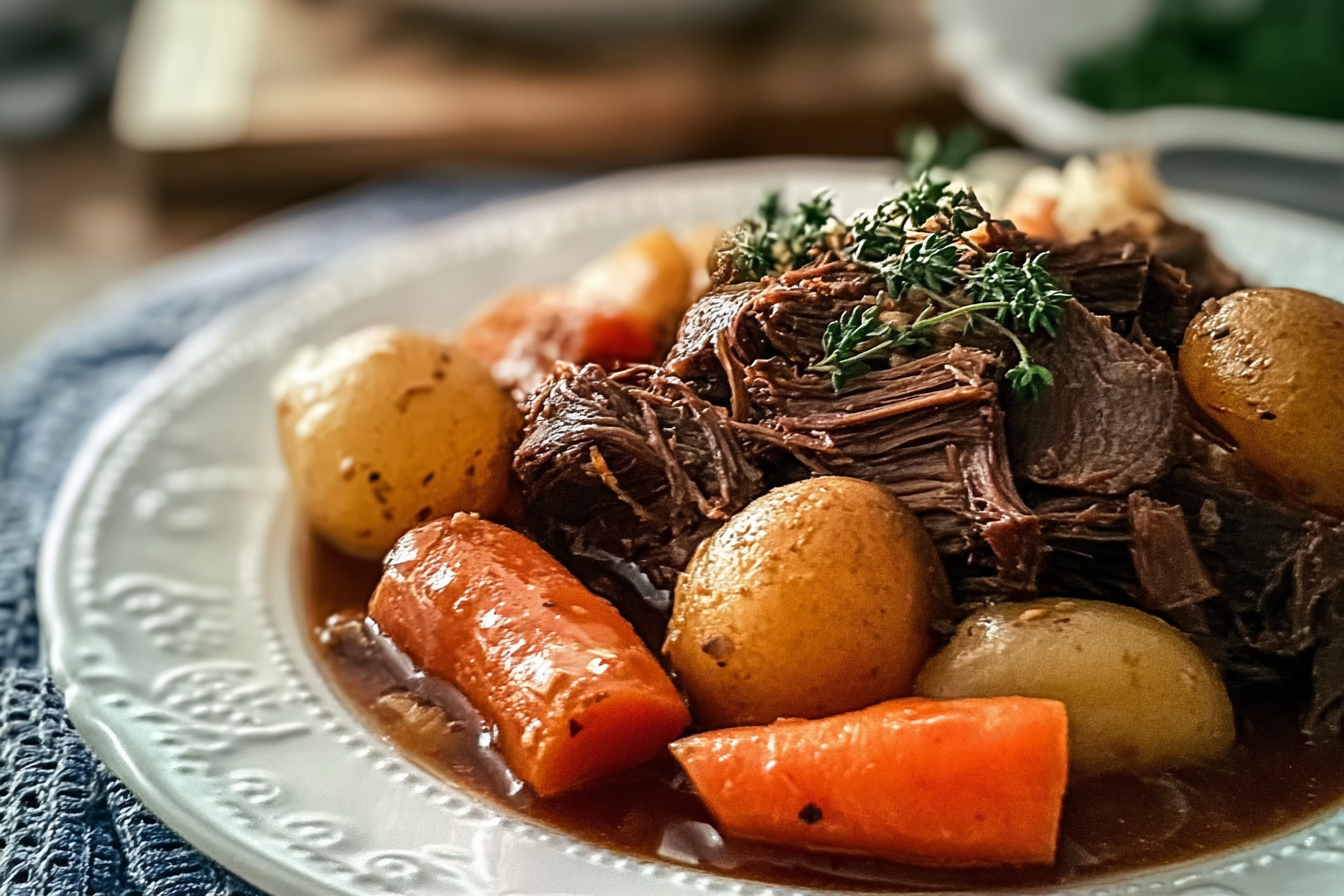
Welcome to a hearty meal that’s as simple as it is satisfying, perfect for those evenings when you want something warm without much fuss. This pot roast dinner brings together tender beef and fresh vegetables in a single pot, making it ideal for home cooks looking for a foolproof dinner option. You’ll appreciate how the rich flavors develop over time, turning everyday ingredients into a comforting feast that everyone at the table will enjoy. Packed with nutrients and easy to adapt, it’s a recipe that fits right into busy routines while delivering that home-cooked goodness.
One of the standout features of this pot roast dinner is its ease of preparation, featuring straightforward steps that let you focus on other things while the oven does the work. The slow-cooking method ensures the meat becomes incredibly tender, soaking up all the savory notes from herbs and vegetables. For busy parents and working professionals, this means a delicious meal with minimal active time in the kitchen. Beyond that, the health benefits make it a smart choice, offering lean protein and a variety of veggies that support energy and wellness throughout the day.
What really sets this recipe apart is its versatility, allowing you to tweak it for different dietary needs without losing any of that mouthwatering taste. Whether you’re adapting for diet-conscious individuals or food enthusiasts exploring new flavors, options like plant-based swaps keep it inclusive. Students and newlyweds will find it practical for quick prep, while seniors might enjoy the nostalgic comfort it provides. Adding to the appeal, the deep, savory flavors from slow-roasted ingredients create an aroma that fills your home, making every bite a memorable experience. For a sweet finish after your pot roast, check out our easy peach cobbler recipe to round out the meal.
To dive deeper into the nutritional side, remember that beef adds essential nutrients like protein and iron, as shared by experts at a reliable source on beef nutrition. This means you’re not just eating for pleasure but also supporting your body’s needs. Additionally, ingredients like garlic bring their own perks, enhancing flavor and offering health advantages explained through garlic’s proven benefits. All in all, this pot roast dinner is more than a recipe it’s a go-to for creating those special moments around the table.
Jump to:
- Why You’ll Love This Pot Roast Dinner
- Essential Ingredients for Pot Roast Dinner
- How to Prepare the Perfect Pot Roast Dinner: Step-by-Step Guide
- Adding Vegetables and Finishing Touches
- Dietary Substitutions to Customize Your Pot Roast Dinner
- Mastering Pot Roast Dinner: Advanced Tips and Variations
- Storage and Reheating Advice
- How to Store Pot Roast Dinner: Best Practices
- FAQs: Frequently Asked Questions About Pot Roast Dinner
- What is the best cut of beef to use for a pot roast?
- Which vegetables work best in a pot roast?
- What liquids can I use to braise a pot roast?
- Can I cook pot roast in a slow cooker, and are there any tips?
- How should I store and reheat leftover pot roast?
- Pot Roast Dinner
- Ingredients
- Instructions
- Last Step:
- Notes
- Nutrition
- Did you make this recipe?
Essential Ingredients for Pot Roast Dinner
Creating the perfect pot roast starts with gathering the right ingredients, each chosen to build layers of flavor and texture. We’ll focus on high-quality items that make the dish both nutritious and delicious, ensuring it’s accessible for all skill levels. From the main beef cut to the fresh veggies, everything works together to deliver a balanced meal that’s hard to resist. Let’s list out what you’ll need, using precise measurements to make shopping and prepping a breeze.
- 3 ½ to 4 pounds beef chuck roast
- 2 tablespoons olive oil
- 1 yellow onion, peeled and julienned
- 2 leeks (white and yellow parts only), thinly sliced and rinsed
- 6 garlic cloves, thinly sliced
- 1 cup red wine (cabernet sauvignon, merlot, or shiraz recommended)
- 3 tablespoons tomato paste
- 6 cups beef stock
- 2 bay leaves
- 8 to 10 sprigs fresh thyme
- 8 to 10 fresh parsley stems with leaves
- 2 pounds baby Yukon potatoes
- 6 regular or 10 baby tri-colored carrots, peeled and cut into 2-inch pieces
- 4 ribs celery, cut into 2-inch pieces
- 2 parsnips, peeled and cut into 2-inch pieces
- 1 rutabaga, peeled and cut into 1-inch cubes
- ½ cup softened unsalted butter
- Worcestershire sauce to taste
- 1 tablespoon red wine vinegar
- Coarse salt and freshly cracked pepper to taste
- Optional: finely minced parsley for garnish
For special dietary options, such as vegan adaptations, consider swapping beef chuck roast with seitan or jackfruit for a meat-free version. If you’re gluten-free, double-check that your beef stock and other ingredients meet the standards. This setup not only keeps the recipe flexible but also ensures it aligns with needs for lower-calorie meals by emphasizing veggies.
How to Prepare the Perfect Pot Roast Dinner: Step-by-Step Guide
Getting started with this pot roast is all about organization, so begin by pulling together your ingredients and tools for a smooth process. The steps are designed to be straightforward, helping even beginners create a standout meal with ease. This method focuses on building flavors gradually, turning simple items into a rich, comforting dinner that’s perfect for any occasion.
First, season the beef chuck roast generously with coarse salt on all sides and let it sit uncovered on a rack in the fridge for 12 to 48 hours this step enhances the flavor and texture. Once ready, take it out, add freshly cracked pepper, and prepare your Dutch oven. Heat 2 tablespoons of olive oil in the pot over high heat until it smokes lightly, then sear the roast on all sides for about 3 to 4 minutes each to lock in those juices.
After searing, set the beef aside and add the julienned yellow onion and sliced leeks to the pot, seasoning with salt as you go. Sauté for 4 to 6 minutes, then lower the heat and cook for another 10 minutes until they brown nicely. Stir in the thinly sliced garlic and cook for 30 to 45 seconds to release its aroma, making sure not to burn it.
Next, deglaze with ¼ cup of red wine, letting it absorb fully before mixing in 3 tablespoons of tomato paste and cooking for 2 to 3 minutes. Pour in the remaining ¾ cup wine, 6 cups beef stock, 2 bay leaves, 8 to 10 sprigs fresh thyme, and fresh parsley stems, along with salt and pepper to taste. Return the beef to the pot, bring everything to a boil, cover, and bake in a 325°F oven for 3 ½ to 4 hours until the meat reaches 200° to 210°F and is fork-tender.
Adding Vegetables and Finishing Touches
About 70 minutes before the roast is done, add 2 pounds baby Yukon potatoes, the prepared carrots, celery, parsnips, and rutabaga to the pot for perfectly tender veggies. Once out of the oven, remove the beef and thicken the sauce by mixing ½ cup softened unsalted butter with flour to make a paste, then stir it in over low heat for 3 to 5 minutes. Finally, add 1 tablespoon red wine vinegar and Worcestershire sauce to taste, return the beef, and serve it up.
This approach ensures everything cooks just right, with vegetables retaining their texture. Remember, prep time is about 30 minutes, cook time is 4 hours and 30 minutes, for a total of 5 hours, making it a great option for weekend meals.

Dietary Substitutions to Customize Your Pot Roast Dinner
Making this pot roast work for your needs is simple with a few smart swaps, keeping the dish just as tasty and satisfying. Whether you’re aiming for lighter options or allergen-free versions, these changes help everyone enjoy the meal. Start by considering protein alternatives to match your preferences or dietary restrictions.
- Substitute beef chuck roast with seitan or jackfruit for a vegan alternative.
- Use lean cuts like top round or brisket for lower-calorie versions.
- For poultry lovers, try slow-cooked turkey breast or chicken thighs instead of beef.
When it comes to veggies and seasonings, you can mix things up easily. Swap carrots for parsnips or sweet potatoes to add variety, and use vegetable broth in place of beef stock for vegetarian diets. For gluten-free adjustments, opt for tamari instead of soy sauce if needed, and experiment with spices like smoked paprika to personalize the flavors.
Mastering Pot Roast Dinner: Advanced Tips and Variations
Taking your pot roast to the next level involves some handy techniques that enhance taste and presentation without much extra effort. Focus on methods that build depth, like browning vegetables separately for richer flavors. For even cooking, consider using a slow cooker, as it maintains low temperatures perfectly over several hours.
Flavor variations can make each batch unique; try adding red wine or balsamic vinegar for a tangy twist, or incorporate fresh rosemary alongside garlic for more aroma. Presentation matters too slice the meat thinly and pair it with vibrant veggies for an appealing plate. If you’re planning ahead, prepare the dish a day early and reheat gently to let flavors meld, which is ideal for busy schedules.
One key tip is to use a large Dutch oven for even heat distribution, and remember that vegetables don’t need to be fully submerged. For alternatives, other beef cuts like brisket or sirloin work well, and you can swap yellow onions for red or sweet ones. Fresh herbs like thyme and parsley shine here, but dried versions at 2 teaspoons each are fine if that’s what you have.
Storage and Reheating Advice
Leftovers store well, lasting up to 4 days in the fridge or 2 months frozen, so thaw and reheat gently to keep everything tasty. This recipe is flexible for make-ahead meals, staying warm for up to an hour on low heat.
How to Store Pot Roast Dinner: Best Practices
Proper storage keeps your pot roast fresh and flavorful, so follow these steps to avoid waste. After cooling, place leftovers in an airtight container and pop them in the fridge right away. For longer keeping, freeze portions tightly wrapped, always labeling with the date.
- Refrigerate within two hours and use within 3-4 days.
- Freeze for up to 3 months in freezer-safe bags.
- Reheat in the oven at 325°F covered, or use the microwave for quick warms.
Meal prep tip: Divide into single servings before storing to make weekdays easier.
FAQs: Frequently Asked Questions About Pot Roast Dinner
What is the best cut of beef to use for a pot roast?
The best cut of beef for pot roast is chuck roast, known for its marbling and tenderness when slow-cooked. Other suitable cuts include brisket, top or bottom round, and sirloin. These cuts become tender and flavorful when braised slowly with vegetables and liquid.
Which vegetables work best in a pot roast?
Classic vegetables for pot roast include carrots, celery, and potatoes. You can also add parsnips, turnips, rutabaga, celeriac root, mushrooms, and different types of potatoes like Yukon gold, red, fingerling, or quartered russet potatoes. These vegetables complement the beef and absorb the rich braising juices.
What liquids can I use to braise a pot roast?
Beef stock is the preferred liquid for braising pot roast, but you can also use water, beef broth, dry red or white wine, or dark beer such as Guinness. These liquids add flavor and help tenderize the meat during cooking.
Can I cook pot roast in a slow cooker, and are there any tips?
Yes, pot roast can be cooked in a slow cooker. For best results, use a recipe designed specifically for slow cooking, add enough liquid to cover the base, and cook on low for 7 to 8 hours or until the meat is fork tender. Adding vegetables halfway through cooking helps prevent over-softening.
How should I store and reheat leftover pot roast?
Store leftover pot roast covered in the refrigerator for up to four days or freeze for up to two months. When reheating, warm portions on low heat in a pot, stirring occasionally until heated through. Thaw frozen portions in the refrigerator overnight before reheating for best results.
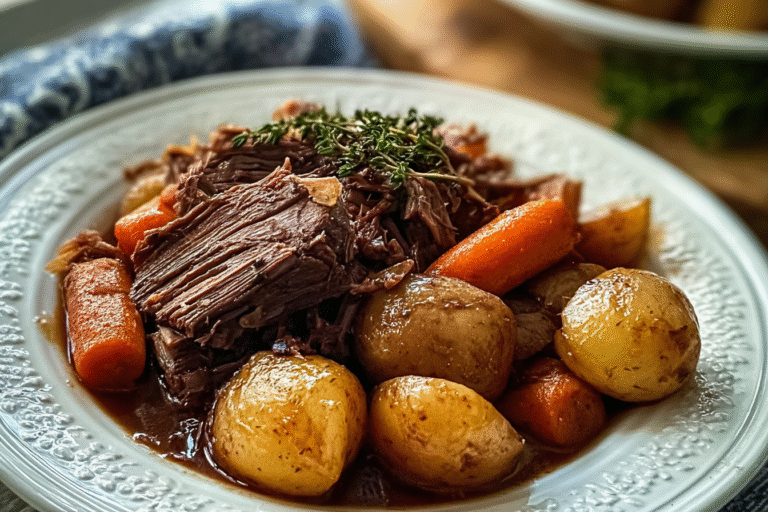
Pot Roast Dinner
🍖 Classic Pot Roast Recipe with Tender Meat and Rich Flavors delivers a comforting, slow-cooked meal that’s perfect for family dinners.
🥔 This recipe combines savory beef with hearty vegetables and a rich sauce, offering deep, satisfying flavors with every bite.
- Total Time: 5 hours
- Yield: 6–8 servings 1x
Ingredients
3 ½ to 4 pounds beef chuck roast
2 tablespoons olive oil
1 yellow onion, peeled and julienned
2 leeks (white and yellow parts only), thinly sliced and rinsed
6 garlic cloves, thinly sliced
1 cup red wine (cabernet sauvignon, merlot, or shiraz recommended)
3 tablespoons tomato paste
6 cups beef stock
2 bay leaves
8 to 10 sprigs fresh thyme
8 to 10 fresh parsley stems with leaves
2 pounds baby Yukon potatoes
6 regular or 10 baby tri-colored carrots, peeled and cut into 2-inch pieces
4 ribs celery, cut into 2-inch pieces
2 parsnips, peeled and cut into 2-inch pieces
1 rutabaga, peeled and cut into 1-inch cubes
½ cup softened unsalted butter
Worcestershire sauce to taste
1 tablespoon red wine vinegar
Coarse salt and freshly cracked pepper to taste
Optional: finely minced parsley for garnish
Instructions
1-First, season the beef chuck roast generously with coarse salt on all sides and let it sit uncovered on a rack in the fridge for 12 to 48 hours this step enhances the flavor and texture. Once ready, take it out, add freshly cracked pepper, and prepare your Dutch oven. Heat 2 tablespoons of olive oil in the pot over high heat until it smokes lightly, then sear the roast on all sides for about 3 to 4 minutes each to lock in those juices.
2-After searing, set the beef aside and add the julienned yellow onion and sliced leeks to the pot, seasoning with salt as you go. Sauté for 4 to 6 minutes, then lower the heat and cook for another 10 minutes until they brown nicely. Stir in the thinly sliced garlic and cook for 30 to 45 seconds to release its aroma, making sure not to burn it.
3-Next, deglaze with ¼ cup of red wine, letting it absorb fully before mixing in 3 tablespoons of tomato paste and cooking for 2 to 3 minutes. Pour in the remaining ¾ cup wine, 6 cups beef stock, 2 bay leaves, 8 to 10 sprigs fresh thyme, and fresh parsley stems, along with salt and pepper to taste. Return the beef to the pot, bring everything to a boil, cover, and bake in a 325°F oven for 3 ½ to 4 hours until the meat reaches 200° to 210°F and is fork-tender.
Adding Vegetables and Finishing Touches: About 70 minutes before the roast is done, add 2 pounds baby Yukon potatoes, the prepared carrots, celery, parsnips, and rutabaga to the pot for perfectly tender veggies. Once out of the oven, remove the beef and thicken the sauce by mixing ½ cup softened unsalted butter with flour to make a paste, then stir it in over low heat for 3 to 5 minutes. Finally, add 1 tablespoon red wine vinegar and Worcestershire sauce to taste, return the beef, and serve it up.
Last Step:
Please leave a rating and comment letting us know how you liked this recipe! This helps our business to thrive and continue providing free, high-quality recipes for you.Notes
🍲 Use a large Dutch oven or similar sizable pot for even cooking.
🥔 Vegetables need not be fully submerged in liquid to cook properly.
⏲️ Add vegetables later in the cooking process to keep them tender but not overcooked.
🥩 Alternative beef cuts like brisket, top or bottom round, or sirloin work well in place of chuck roast.
🧅 Substitute yellow onions with red, white, or sweet onions based on preference.
🍷 Use dry white wine or dark beer as a substitute for red wine if desired.
🌿 Fresh herbs are best but dried thyme and parsley can be used at 2 teaspoons each.
❄️ Store leftovers covered in the refrigerator for up to 4 days or freeze for up to 2 months; thaw in refrigerator before reheating gently.
🔥 Prepare up to an hour ahead and keep warm covered on low heat if needed.
- Prep Time: 30 minutes
- Cook Time: 4 hours 30 minutes
- Cook Time: 4 hours 30 minutes
- Category: Main Course
- Method: Braising and Oven Roasting
- Cuisine: American
Nutrition
- Serving Size: 1 serving
- Calories: 821 kcal
- Sugar: 13 g
- Sodium: 828 mg
- Fat: 36 g
- Saturated Fat: 14 g
- Trans Fat: 2 g
- Carbohydrates: 59 g
- Fiber: 10 g
- Protein: 62 g
- Cholesterol: 183 mg