Why You’ll Love This Parmesan Chicken
I remember the first time I made Parmesan chicken for my family. It was a hit because it’s so simple yet packed with flavor. Let me share why this recipe has become a staple in my kitchen. First, it offers ease of preparation, making it perfect for busy nights when you want something delicious without hours in the kitchen. You’ll appreciate how quickly it comes together, especially if you’re juggling work and dinner plans.
Next, this Parmesan chicken brings health benefits that make me feel good about serving it to my loved ones. With lean chicken breasts providing plenty of protein, it’s a nourishing meal that supports muscle health and keeps you full longer. The recipe uses fresh ingredients like marinara sauce and garlic, which add vitamins and a hearty dose of flavor without overloading on unhealthy fats.
When it comes to versatility, this dish shines by adapting to various dietary needs, which is why busy parents and students love it. You can tweak it for gluten-free options or make it lighter for those watching their calories. Finally, the distinctive flavor comes from the crispy breading and melted cheese, creating a comforting meal that stands out from ordinary chicken dishes. In just under 45 minutes, you get that classic Italian taste right at home.
Parmesan chicken isn’t just food; it’s a way to bring people together. Whether you’re a food enthusiast or a beginner, this recipe makes cooking feel rewarding. I’ve shared it with friends, and they always ask for more because of its perfect balance of crunch and gooey cheese.
Jump to:
- Why You’ll Love This Parmesan Chicken
- Essential Ingredients for Parmesan Chicken
- Main Ingredients
- Special Dietary Options
- How to Prepare the Perfect Parmesan Chicken: Step-by-Step Guide
- Dietary Substitutions to Customize Your Parmesan Chicken
- Protein and Main Component Alternatives
- Vegetable, Sauce, and Seasoning Modifications
- Mastering Parmesan Chicken: Advanced Tips and Variations
- Pro Cooking Techniques
- Flavor Variations
- Presentation Tips
- How to Store Parmesan Chicken: Best Practices
- FAQs: Frequently Asked Questions About Parmesan Chicken
- What is Parmesan chicken and how is it made?
- Can I make Parmesan chicken healthier without losing flavor?
- How do I prevent Parmesan chicken from becoming soggy?
- What side dishes go well with Parmesan chicken?
- Can Parmesan chicken be made ahead and reheated?
- Parmesan Chicken
- Ingredients
- Instructions
- Last Step:
- Notes
- Nutrition
- Did you make this recipe?
Essential Ingredients for Parmesan Chicken
Main Ingredients
- 3 boneless skinless chicken breasts (cut in half horizontally to make 6 halves) – These provide a lean protein base, ensuring the dish is hearty and nutritious.
- ½ cup grated parmesan cheese (divided) – Adds a sharp, salty flavor that melts beautifully, enhancing the cheesy topping.
- 2 eggs – Help bind the breading to the chicken for a crispy exterior.
- 1 cup breadcrumbs or panko – Create the crunchy coating that makes this chicken so irresistible and satisfying.
- 1 teaspoon garlic powder – Infuses a subtle garlicky taste that elevates the overall flavor without overwhelming other ingredients.
- 3 tablespoons oil – Used for browning the chicken, giving it a golden crust while keeping it moist inside.
- 24 ounces marinara sauce or homemade marinara – Forms the classic base, adding tangy tomato flavor that ties the dish together.
- 1 cup shredded mozzarella cheese – Provides a gooey, melty layer that complements the parmesan for that authentic Italian finish.
- Fresh basil for garnish – Adds a fresh, aromatic touch that brightens the dish and makes it feel restaurant-quality.
Special Dietary Options
- Vegan: Swap the chicken for plant-based alternatives like tofu or eggplant slices, and use vegan cheese substitutes for the parmesan and mozzarella to keep it dairy-free.
- Gluten-free: Opt for gluten-free breadcrumbs or panko in place of regular ones to maintain the crispy texture without gluten.
- Low-calorie: Reduce the cheese amounts or choose low-fat versions, and bake instead of frying to cut down on oil for a lighter meal.
Parmesan chicken relies on these ingredients to deliver its signature taste, and each one plays a key role in the final result. I always make sure to have them on hand for quick meals.
How to Prepare the Perfect Parmesan Chicken: Step-by-Step Guide
Getting started with Parmesan chicken is easier than you might think, and I’ll walk you through it step by step. This guide uses the fresh ingredients we discussed to create a meal that’s crispy on the outside and juicy inside. Begin by gathering all your tools and ingredients to make the process smooth.
First Step: Preheat your oven to 450°F (232°C) and prepare your workspace. This step ensures everything is ready for baking, which helps achieve that perfect melt on the cheese later. If you’re adapting for dietary needs, like making it gluten-free, have your substitutes prepared now.
Second Step: Butterfly the chicken breasts by slicing each one horizontally to create thin halves, giving you six pieces total. Pat them dry and season with salt and pepper for better flavor absorption. For those watching calories, this is a good time to trim any excess fat.
Third Step: Beat the 2 eggs in a shallow bowl until well mixed. This creates the base for your breading, helping it stick to the chicken. If going vegan, use a flax egg as a substitute here to keep things simple and effective.
Fourth Step: In another bowl, combine 1 cup breadcrumbs or panko, ¼ cup of the grated parmesan cheese, and 1 teaspoon garlic powder. Mix thoroughly to evenly distribute the flavors. For whole wheat options, swap in whole wheat breadcrumbs to add more fiber without changing the steps much.
Fifth Step: Dip each chicken piece first into the egg mixture, making sure it’s fully coated. Then, press it into the breadcrumb mixture to coat evenly, shaking off any excess. This double-dip method works for various preferences, like using panko for extra crunch in a low-fat version.
Sixth Step: Heat 3 tablespoons of oil in a skillet over medium-high heat. Brown the chicken for about 2 minutes per side until golden, but don’t cook it all the way through. This step is crucial for that crispy texture; adapt by using an air fryer if you’re aiming for a healthier fry.
Seventh Step: Pour a thin layer of the 24 ounces marinara sauce into a 9×13 baking dish. Place the browned chicken on top and spoon more sauce over each piece. For low-sodium diets, choose a low-sodium marinara to adjust the flavors.
Eighth Step: Sprinkle 1 cup shredded mozzarella cheese and the remaining ¼ cup grated parmesan cheese over the chicken. This adds the cheesy goodness that makes the dish special. If you’re reducing dairy, use less cheese or a vegan alternative here.
Ninth Step: Bake in the preheated oven for 10-15 minutes, until the cheese is melted and bubbly, and the chicken reaches 165°F (74°C) internally. Keep an eye on it to avoid overcooking, especially if adapting for quicker meals. Once done, garnish with fresh basil.
Final Step: Serve the Parmesan chicken over hot cooked spaghetti noodles, and offer extra sauce if desired. This completes the meal, and you can pair it with veggies for a balanced plate. The total time is about 45 minutes, making it ideal for busy schedules. Remember, this recipe serves as a great base for variations, like using zucchini noodles for a lighter twist.

Dietary Substitutions to Customize Your Parmesan Chicken
Protein and Main Component Alternatives
If chicken isn’t your thing, try swapping it for turkey or tofu to keep the dish high in protein. For example, use sliced turkey breasts instead, which might need just a minute less browning time to prevent drying out. Tofu is a great plant-based option; press it first to remove excess water and adjust cooking time by a couple of minutes for a firm texture that holds the breading well.
Eggplant can also work as a main component for a vegetarian version, offering a meaty feel without the meat. When using these swaps, press the breading firmly to ensure it sticks, and check the internal temperature to avoid overcooking. These changes make the recipe adaptable for different tastes and dietary restrictions.
Vegetable, Sauce, and Seasoning Modifications
Swap out standard veggies by adding spinach or bell peppers to the marinara for extra nutrition and color. For sauces, opt for a low-fat homemade version with fresh tomatoes to reduce sodium, or choose a vegan sauce base to fit plant-based diets. Seasonings can be modified by using fresh garlic instead of powder for a bolder flavor, or add herbs like oregano for a twist.
If you’re watching salt, use low-sodium herbs and skip extra garlic powder. These adjustments keep the Parmesan chicken exciting and tailored to seasons or preferences, ensuring everyone enjoys it.
Mastering Parmesan Chicken: Advanced Tips and Variations
Pro Cooking Techniques
To get the best results, always pat the chicken dry before breading for maximum crispiness. Use a meat mallet to pound thicker pieces to ½ inch thickness if needed, which ensures even cooking. For flavor variations, experiment with adding Italian seasoning to the breadcrumbs blend.
Flavor Variations
- Try smoked paprika in the breading for a smoky twist that pairs well with the marinara.
- For more heat, add red pepper flakes to the sauce, making it adaptable for spice lovers.
Presentation Tips
Plate the chicken with a sprinkle of fresh basil on top for a pop of color. Serve it with a side of vegetables to balance the plate visually. If you link to other fun recipes, like this easy peach cobbler for dessert, it can inspire a full meal plan. Make-ahead options include prepping the breaded chicken and freezing it for up to 3 months, then thawing and cooking as directed.
How to Store Parmesan Chicken: Best Practices
- Refrigeration: Store leftovers in an airtight container for up to 3 days to keep them fresh and safe.
- Freezing: Prepare up to the breading step and freeze in a greased pan for up to 3 months; thaw fully before cooking.
- Reheating: Use the oven at 375°F to warm it up, preserving the crispy texture without making it soggy.
- Meal prep: Batch cook and portion into containers for easy weeknight meals, adjusting portions for dietary needs.
Following these tips ensures your Parmesan chicken stays delicious and ready to enjoy.
FAQs: Frequently Asked Questions About Parmesan Chicken
What is Parmesan chicken and how is it made?
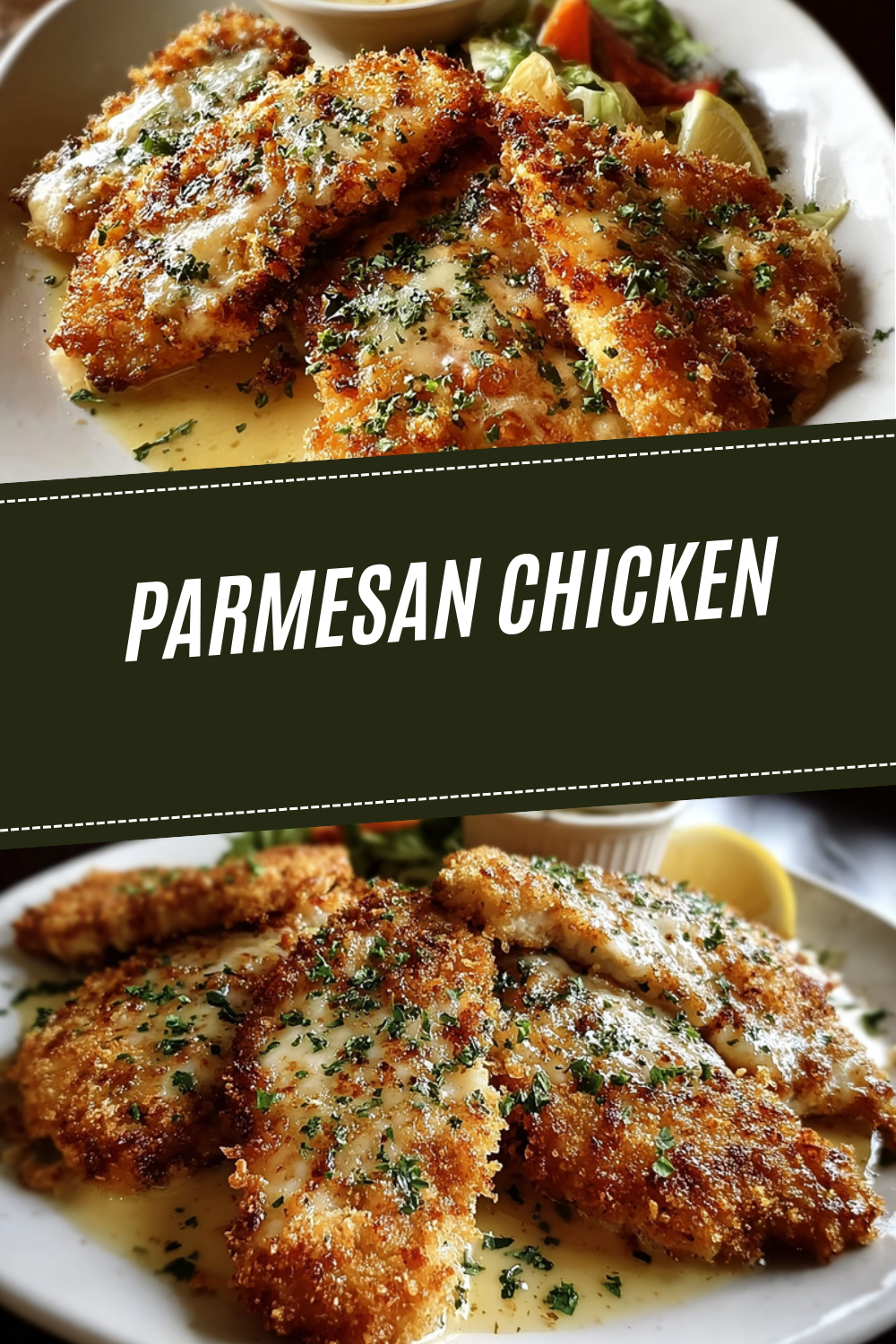
Parmesan chicken is a classic dish featuring breaded chicken breasts topped with marinara sauce and melted Parmesan and mozzarella cheese. To make it, chicken breasts are usually coated in flour, dipped in beaten eggs, then coated with a mixture of breadcrumbs and grated Parmesan cheese. The chicken is pan-fried until golden and crispy, then topped with marinara sauce and shredded cheese before baking briefly to melt the cheese perfectly. This results in a crispy, flavorful chicken dish with a rich tomato and cheesy topping.
Can I make Parmesan chicken healthier without losing flavor?
Yes, you can prepare a healthier version of Parmesan chicken by baking instead of frying the breaded chicken. Use whole wheat breadcrumbs or panko for added fiber, and reduce the amount of cheese if desired. Choosing lean chicken breasts and using a homemade low-sugar marinara sauce with fresh tomatoes and herbs will keep it nutritious while maintaining delicious flavor. Serving it with steamed vegetables or a side salad also balances the meal.
How do I prevent Parmesan chicken from becoming soggy?
To keep Parmesan chicken crispy, make sure to pat the chicken dry before breading and use a hot skillet with enough oil to fry the chicken properly. Avoid overcrowding the pan, which can cause steaming. After frying, place the chicken on a wire rack to drain excess oil before adding sauce and cheese. When baking to melt the cheese, keep the baking time short and the oven temperature high to avoid sogginess from prolonged moisture exposure.
What side dishes go well with Parmesan chicken?
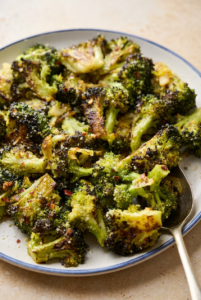
Parmesan chicken pairs well with a variety of sides like spaghetti or other pasta with a light olive oil or garlic sauce, roasted or steamed vegetables such as broccoli, asparagus, or green beans, and simple leafy salads with vinaigrette. Garlic bread or a crusty loaf complements the Italian flavors, while mashed potatoes or rice offer comforting, hearty options.
Can Parmesan chicken be made ahead and reheated?
Parmesan chicken can be made ahead by assembling the dish without baking and storing it covered in the refrigerator for up to 24 hours. When ready to serve, bake it in a preheated oven at 375°F (190°C) until the chicken is heated through and the cheese is fully melted and bubbly, usually about 20 minutes. To maintain crispiness, avoid microwaving as it can make the breading soggy. Reheat leftovers once only for best texture and flavor.
Parmesan Chicken
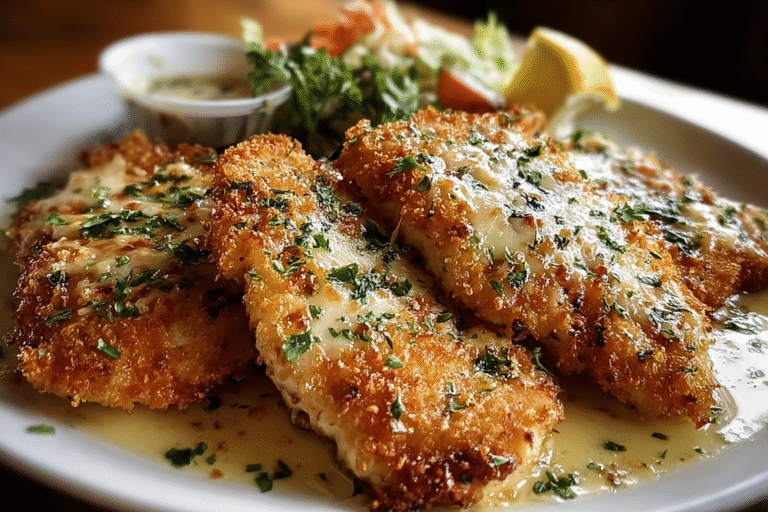
🍗 This Chicken Parmesan recipe features crispy breaded chicken paired with classic marinara sauce for a delicious Italian-inspired meal.
🧀 The melted mozzarella and parmesan cheese add rich, savory flavors that make each bite irresistible.
- Total Time: 45 minutes
- Yield: 6 servings
Ingredients
– 3 boneless skinless chicken breasts (cut in half horizontally to make 6 halves)
– ½ cup grated parmesan cheese (divided) for flavor
– 2 eggs to help bind the breading
– 1 cup breadcrumbs or panko for crunchy coating
– 1 teaspoon garlic powder for subtle garlicky taste
– 3 tablespoons oil for browning the chicken
– 24 ounces marinara sauce or homemade marinara for tangy tomato flavor
– 1 cup shredded mozzarella cheese for melty layer
– Fresh basil for garnish
Instructions
First Step: Preheat your oven to 450°F (232°C) and prepare your workspace. This step ensures everything is ready for baking, which helps achieve that perfect melt on the cheese later. If you’re adapting for dietary needs, like making it gluten-free, have your substitutes prepared now.
Second Step: Butterfly the chicken breasts by slicing each one horizontally to create thin halves, giving you six pieces total. Pat them dry and season with salt and pepper for better flavor absorption. For those watching calories, this is a good time to trim any excess fat.
Third Step: Beat the 2 eggs in a shallow bowl until well mixed. This creates the base for your breading, helping it stick to the chicken. If going vegan, use a flax egg as a substitute here to keep things simple and effective.
Fourth Step: In another bowl, combine 1 cup breadcrumbs or panko, ¼ cup of the grated parmesan cheese, and 1 teaspoon garlic powder. Mix thoroughly to evenly distribute the flavors. For whole wheat options, swap in whole wheat breadcrumbs to add more fiber without changing the steps much.
Fifth Step: Dip each chicken piece first into the egg mixture, making sure it’s fully coated. Then, press it into the breadcrumb mixture to coat evenly, shaking off any excess. This double-dip method works for various preferences, like using panko for extra crunch in a low-fat version.
Sixth Step: Heat 3 tablespoons of oil in a skillet over medium-high heat. Brown the chicken for about 2 minutes per side until golden, but don’t cook it all the way through. This step is crucial for that crispy texture; adapt by using an air fryer if you’re aiming for a healthier fry.
Seventh Step: Pour a thin layer of the 24 ounces marinara sauce into a 9×13 baking dish. Place the browned chicken on top and spoon more sauce over each piece. For low-sodium diets, choose a low-sodium marinara to adjust the flavors.
Eighth Step: Sprinkle 1 cup shredded mozzarella cheese and the remaining ¼ cup grated parmesan cheese over the chicken. This adds the cheesy goodness that makes the dish special. If you’re reducing dairy, use less cheese or a vegan alternative here.
Ninth Step: Bake in the preheated oven for 10-15 minutes, until the cheese is melted and bubbly, and the chicken reaches 165°F (74°C) internally. Keep an eye on it to avoid overcooking, especially if adapting for quicker meals. Once done, garnish with fresh basil.
Final Step: Serve the Parmesan chicken over hot cooked spaghetti noodles, and offer extra sauce if desired. This completes the meal, and you can pair it with veggies for a balanced plate. The total time is about 45 minutes, making it ideal for busy schedules. Remember, this recipe serves as a great base for variations, like using zucchini noodles for a lighter twist.
Last Step:
Please leave a rating and comment letting us know how you liked this recipe! This helps our business to thrive and continue providing free, high-quality recipes for you.Notes
🍖 If chicken breasts are too thick to butterfly, pound them to 1/2 inch thickness using a meat mallet or rolling pin.
🍅 Marinara sauce can be made several days ahead to save time.
❄ To freeze: Prepare chicken up to the breading step. Place in a greased freezer-safe pan, cover tightly, and freeze for up to 3 months. Thaw fully before browning and baking as directed.
- Prep Time: 30 minutes
- Cook Time: 15 minutes
- Category: Main Course
- Method: Baking and frying
- Cuisine: Italian
Nutrition
- Serving Size: 1 chicken piece with sauce
- Calories: 378
- Sugar: 6 grams
- Sodium: 1092 milligrams
- Fat: 18 grams
- Saturated Fat: 5 grams
- Carbohydrates: 28 grams
- Fiber: 3 grams
- Protein: 26 grams
- Cholesterol: 113 milligrams