Mongolian Beef Recipe Made Simple
If you are looking for a fast dinner that feels cozy, bold, and a little bit special, this Mongolian Beef Recipe is a great one to keep in your back pocket. It has tender slices of beef, a glossy sweet-savory sauce, and plenty of flavor from garlic and ginger. Best of all, it comes together in about 40 minutes, which makes it a smart choice for busy weeknights, new cooks, and anyone who wants a reliable homemade takeout-style meal.
For a helpful reference on safe cooking temperatures, you can also check the Food Safety and Inspection basics for meat. And if you enjoy easy comfort food desserts after dinner, you might also like this easy peach cobbler recipe.
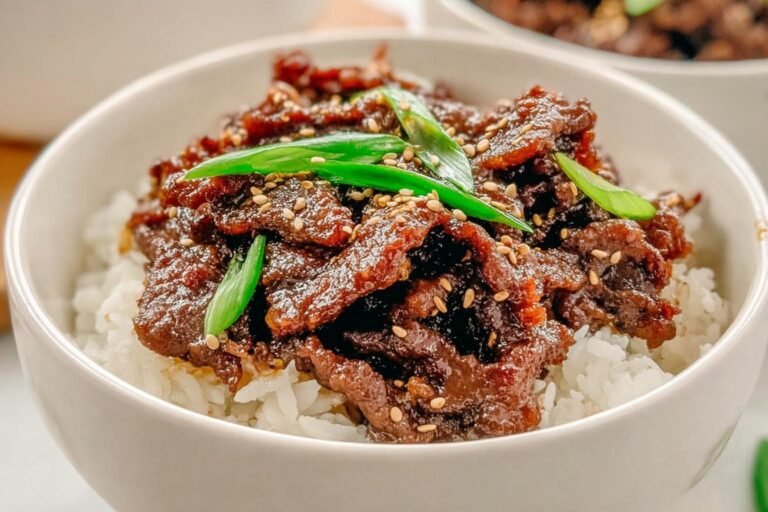
This Mongolian Beef Recipe gives you that restaurant-style flavor at home, but with ingredients you may already have in your kitchen.
Author: Lyra Stone
Jump to:
- Mongolian Beef Recipe Made Simple
- Why You’ll Love This Mongolian Beef Recipe
- Essential Ingredients for Mongolian Beef Recipe
- Main Ingredients
- Special Dietary Options
- How to Prepare the Perfect Mongolian Beef Recipe: Step-by-Step Guide
- First Step: Slice and coat the beef
- Second Step: Cook the ginger and garlic
- Third Step: Make the sauce
- Fourth Step: Brown the beef in batches
- Fifth Step: Bring everything together
- Final Step: Finish with green onions and serve
- Protein and Main Component Alternatives
- Beef alternatives
- Non-beef options
- What to keep in mind
- Vegetable, Sauce, and Seasoning Modifications
- Vegetable ideas
- Sauce changes
- Seasoning ideas
- Mastering Mongolian Beef Recipe: Advanced Tips and Variations
- Pro cooking techniques
- Flavor variations
- Presentation tips
- Make-ahead options
- How to Store Mongolian Beef Recipe: Best Practices
- Refrigeration
- Freezing
- Reheating
- Meal prep considerations
- Nutritional Information for Mongolian Beef Recipe
- FAQs: Frequently Asked Questions About Mongolian Beef Recipe
- What is Mongolian beef?
- How do you make Mongolian beef?
- How can I make Mongolian beef tender?
- What should I serve with Mongolian beef?
- How do you store and reheat Mongolian beef?
- Mongolian Beef Recipe
- Ingredients
- Instructions
- Last Step:
- Notes
- Nutrition
- Did you make this recipe?
Why You’ll Love This Mongolian Beef Recipe
- Easy preparation: The steps are simple, and the cooking time is short. You slice the beef, coat it with cornstarch, make the sauce, and cook everything in just a few quick stages.
- Family-friendly flavor: The sauce is sweet, savory, and rich without being hard to make. Even picky eaters often enjoy the balanced taste.
- Flexible for different meals: Serve it with rice, broccoli, red bell pepper strips, or other vegetables. You can also make small changes for different dietary needs.
- Great for busy schedules: With a prep time of 20 minutes and cook time of 20 minutes, this dish fits neatly into a weeknight routine.
Another reason people love this dish is the texture. Cornstarch helps the beef brown nicely while also thickening the sauce. That gives the whole meal a sticky, glossy finish that feels special without adding much extra work.
If you like planning desserts ahead for the week, you may also enjoy this strawberry milkshake recipe for a quick treat idea.
Essential Ingredients for Mongolian Beef Recipe
Main Ingredients
- 2 teaspoons vegetable oil plus 2 tablespoons, divided – Used in two stages, this oil helps sauté the aromatics and brown the beef.
- 1 pound flank steak or preferred cut of beef, thinly sliced – Flank steak works well because it becomes tender when sliced thin and cooked quickly.
- 1/3 cup cornstarch – This coats the beef, helps form a light crust, and thickens the sauce later.
- 1/2 teaspoon minced fresh ginger – Ginger adds warmth and a fresh, zippy note to the sauce.
- 4 cloves garlic, finely minced – Garlic gives the sauce its savory base and strong aroma.
- 1/2 cup low-sodium soy sauce – This provides salty depth while keeping the flavor balanced.
- 1/4 cup water – Water helps loosen the sauce so it can simmer into the right texture.
- 1/2 cup packed brown sugar – Brown sugar creates the signature sweet glaze and helps the sauce caramelize.
- 2 green onions, sliced – Added at the end for freshness, color, and a mild onion bite.
Special Dietary Options
- Vegan: Use sliced king oyster mushrooms, seitan, or extra-firm tofu instead of beef. Swap soy sauce for a vegan-friendly version if needed, and keep the rest of the sauce the same.
- Gluten-free: Replace regular soy sauce with tamari or a certified gluten-free soy sauce.
- Low-calorie: Use a smaller amount of brown sugar, add more green onions, and serve with extra steamed vegetables instead of a large rice portion.
| Ingredient | What It Does |
|---|---|
| Flank steak | Provides tender, beefy bites when sliced thinly against the grain |
| Cornstarch | Helps the beef crisp lightly and thickens the sauce |
| Soy sauce and brown sugar | Create the classic sweet-savory glaze |
| Ginger and garlic | Add aroma, depth, and freshness |
| Green onions | Bring freshness and color at the end |
How to Prepare the Perfect Mongolian Beef Recipe: Step-by-Step Guide
First Step: Slice and coat the beef
Start by placing the flank steak in the freezer for about 20 minutes. This makes it firmer and much easier to slice thinly. Cut the beef into thin 1/4-inch pieces, going against the grain so the meat stays tender after cooking. Once sliced, toss the beef with the cornstarch until each piece is lightly coated, then shake off any excess. Set it aside while you prepare the sauce.
This step matters because the cornstarch does more than one job. It helps the beef brown better, gives the finished dish a lighter crust, and helps thicken the sauce later. If you rush this part, the texture will not be as good.
Second Step: Cook the ginger and garlic
Heat 2 teaspoons of vegetable oil in a 10-inch skillet over medium-low heat. Add the minced ginger and finely minced garlic, then stir them gently for about 1 minute until fragrant. Keep an eye on the pan because garlic can burn quickly if the heat is too high. You want the aromatics to smell warm and inviting, not bitter.
Using medium-low heat helps build the flavor base slowly. That is one of the reasons this Mongolian Beef Recipe tastes so good even though it uses a short ingredient list.
Third Step: Make the sauce
Add the low-sodium soy sauce, water, and packed brown sugar to the skillet. Stir everything together and bring the mixture to a boil. Then lower the heat and simmer for 3 to 5 minutes, or until the sauce thickens slightly. When it looks glossy and a little syrupy, transfer it to a bowl and set it aside.
If you like a little heat, this is also a good moment to stir in 1/4 teaspoon red pepper flakes. That small amount adds a mild kick without overpowering the sweet-savory flavor. You can also taste the sauce before moving on and adjust the brown sugar or soy sauce if you want it sweeter or saltier.
Fourth Step: Brown the beef in batches
Heat 1 tablespoon of vegetable oil in a separate pan or wok over medium-high heat. Once the oil is hot, add the beef in small batches. Cook each batch for about 2 minutes, just until the pieces are browned but not fully cooked through. Remove the browned beef and repeat with the rest.
Cooking in batches is important. If you crowd the pan, the beef steams instead of browning. That makes the texture softer and can stop the crust from forming. Keeping the heat up and the batches small gives you better color and better flavor.
Fifth Step: Bring everything together
Return the beef and the reserved sauce to the skillet. Heat over medium until everything is hot and bubbly. Stir gently so the sauce coats every piece of beef. This is the moment when the dish really starts to look like takeout-style Mongolian beef, with a glossy finish and rich color.
At this point, the beef finishes cooking in the sauce. Try not to leave it on the heat too long. You want the meat tender, not dry.
Final Step: Finish with green onions and serve
Remove the pan from the heat and stir in the sliced green onions. Serve the Mongolian beef over steamed rice so the sauce has something to soak into. White rice, jasmine rice, or even brown rice all work well depending on what you prefer. If you want a fuller plate, add steamed broccoli, red bell pepper strips, or another simple vegetable on the side.
Quick timing guide:
- Prep time: 20 minutes
- Cook time: 20 minutes
- Total time: 40 minutes
For the best texture, slice the beef thinly against the grain and cook it fast over medium-high heat.
Protein and Main Component Alternatives
While flank steak is the classic choice for this Mongolian Beef Recipe, you have a few good options if you want something different or if that cut is not available. The best substitute depends on the texture you like and how much time you have.
Beef alternatives
- Sirloin: A great swap if you want a slightly more tender bite. Slice it thinly and cook it quickly just like flank steak.
- Skirt steak: This cut has a strong beef flavor and works well when cut against the grain.
- Ribeye: Rich and tender, though a bit more costly. It gives the dish a softer texture and deeper flavor.
- Pre-sliced stir-fry beef: A handy choice for busy nights when you want to save prep time.
Non-beef options
If you do not eat beef, you can still enjoy the same sweet-savory sauce. Thinly sliced chicken breast, chicken thigh, or pork tenderloin can all work in a similar way. For a meat-free version, firm tofu, tempeh, or seared mushrooms can stand in nicely. Just be sure to change the cooking time so the substitute stays tender.
For plant-based versions, mushrooms are especially good because they soak up the sauce well. King oyster mushrooms and portobello strips both give a satisfying bite. Tofu should be pressed first so it can brown instead of turning soggy.
What to keep in mind
No matter which protein you choose, slice it thinly and keep the cooking quick. That is what gives the dish its signature texture. If you are using chicken or pork, cook to a safe internal temperature before adding the sauce. If you are making a vegetarian version, focus on browning the protein or vegetable well before tossing it with the sauce.
Vegetable, Sauce, and Seasoning Modifications
This dish is easy to adjust based on what you have in the kitchen. The base sauce is simple, so small changes can give you a new meal without much extra effort.
Vegetable ideas
- Steamed broccoli: A classic side that adds color and a fresh taste.
- Red bell pepper strips: Add crunch and a bright, sweet flavor.
- Snap peas: Bring a crisp texture that works well with the soft beef.
- Bok choy: A nice choice if you want something mild and tender.
- Green beans: Good for a simple side with a little bite.
Sauce changes
If you want more heat, add red pepper flakes or a small spoonful of chili garlic sauce. For a deeper savory taste, let the sauce simmer a minute longer before adding the beef back in. If you prefer a sweeter glaze, add a little more brown sugar. If you want it less sweet, reduce the sugar slightly and add a splash more water.
Using low-sodium soy sauce is a smart move because it gives you room to adjust the salt level. That is especially helpful if you plan to serve the dish with rice or other salty sides. You can also add a few drops of sesame oil at the end for a nutty note, though it is optional.
Seasoning ideas
Ginger and garlic are the core seasonings here, but you can build on them. A pinch of black pepper adds a little warmth. Red pepper flakes add heat. A sprinkle of sesame seeds on top gives the finished dish a nice look and a light crunch.
Small changes in the sauce can shift the whole flavor of the dish, so start light and taste as you go.
Mastering Mongolian Beef Recipe: Advanced Tips and Variations
Pro cooking techniques
One of the best tips for this recipe is to freeze the beef for about 20 minutes before slicing. That makes it easier to cut thin pieces that cook evenly. Another smart move is to brown the beef in small batches. This helps create a better crust and keeps the meat from steaming in the pan. Also, remember to shake off the extra cornstarch before cooking, since too much can make the coating gummy.
Use medium-high heat for the beef, but keep the garlic and ginger on a lower heat at the start. That balance helps you avoid burning the aromatics while still getting good browning on the meat. If your sauce seems too thin, let it simmer a little longer. If it gets too thick, add a splash of water.
Flavor variations
You can keep the classic version as it is or try a few small changes. Add red pepper flakes for heat, or toss in steamed broccoli right before serving for a full meal in one pan. If you like more garlic, add an extra clove or two. If you enjoy a slightly darker flavor, a touch of toasted sesame oil at the end can be nice.
For a different twist, serve the beef with rice noodles instead of rice. You can also use cauliflower rice if you want a lower-carb base. These changes keep the dish flexible for different eating styles.
Presentation tips
Serve the beef over a mound of steamed rice and spoon extra sauce over the top. Finish with sliced green onions for color. If you want a more polished look, add sesame seeds and a side of bright vegetables like broccoli or red bell pepper strips. A wide shallow bowl works well because it holds the sauce and makes the meal look inviting.
Make-ahead options
You can slice the beef and mix the sauce ingredients earlier in the day to save time at dinner. If you are meal prepping, cook the beef and sauce, then cool and portion them into containers. Keep the rice separate if possible so it stays fluffy. The recipe also reheats well, which makes it handy for lunch the next day.
How to Store Mongolian Beef Recipe: Best Practices
Refrigeration
Store leftover Mongolian beef in an airtight container in the refrigerator for up to 4 days. Let it cool before sealing it up, and keep the rice separate if you can. That helps the beef stay in better shape when you reheat it.
Freezing
For longer storage, freeze the beef in single-serve portions in freezer bags or freezer-safe containers for up to 3 months. Label the container with the date so you know when it was stored. This recipe freezes best without rice because rice can turn dry or grainy after thawing.
Reheating
Reheat the beef on the stovetop over medium heat with a splash of water or broth. Stir until hot and the sauce loosens again. You can also microwave it in short bursts, covered, stirring between each round. If the beef has been frozen, thaw it in the refrigerator overnight when possible.
Food safety note: Reheat leftovers until steaming hot. If you use a thermometer, aim for 165°F.
Meal prep considerations
This recipe works well for batch cooking because the sauce holds up nicely. For the best texture, store the sauce and rice separately if you know you will reheat it later. That way, the beef stays saucy without the rice turning mushy.
Nutritional Information for Mongolian Beef Recipe
Here is the nutrition estimate per serving:
| Nutrient | Amount |
|---|---|
| Calories | 342 |
| Carbohydrates | 40g |
| Protein | 28g |
| Fat | 8g |
| Saturated Fat | 3g |
| Cholesterol | 68mg |
| Sodium | 1691mg |
| Potassium | 513mg |
| Fiber | 1g |
| Sugar | 27g |
| Vitamin A | 60 IU |
| Vitamin C | 2mg |
| Calcium | 62mg |
| Iron | 3mg |
This nutritional profile makes the dish a solid option for a filling dinner. It gives you a good amount of protein, and you can round it out with vegetables if you want a more balanced plate.

FAQs: Frequently Asked Questions About Mongolian Beef Recipe
What is Mongolian beef?
Mongolian beef is a popular Chinese-American stir-fry dish featuring thin slices of flank steak or sirloin coated in a glossy, savory-sweet sauce. The sauce combines soy sauce, brown sugar, fresh garlic, and ginger, which caramelizes during cooking to create a sticky glaze that clings to the tender beef. Despite the name, it’s not from Mongolia—it’s an adaptation from Taiwanese restaurants in the U.S. It’s quick to prepare in about 30 minutes and serves 4 people. Key ingredients include 1.5 lbs beef, 1/2 cup soy sauce, 1/2 cup brown sugar, 4 minced garlic cloves, and 1 tsp grated ginger. Garnish with sliced green onions and sesame seeds for extra flavor. Pair it with rice to soak up the sauce.
How do you make Mongolian beef?
To make Mongolian beef, start by slicing 1.5 lbs flank steak thinly against the grain after chilling it in the freezer for 20 minutes. Toss the slices with 1/4 cup cornstarch. Heat 2 tbsp oil in a wok or skillet over high heat, flash-fry the beef in batches for 1-2 minutes until browned, and set aside. In the same pan, sauté 4 minced garlic cloves and 1 tsp grated ginger for 30 seconds. Add 1/2 cup soy sauce, 1/2 cup brown sugar, and 1/4 cup water; simmer until thickened, about 2-3 minutes. Return beef to the pan, toss to coat, and heat for 1 minute. Total time: 25-30 minutes. Serve over rice. Avoid overcrowding to keep it crispy.
How can I make Mongolian beef tender?
For tender Mongolian beef, select flank steak or sirloin and slice it 1/4-inch thick against the grain—perpendicular to the muscle fibers—to break down toughness. Freeze the beef for 15-20 minutes first for clean cuts. Coat slices evenly with 1/4 cup cornstarch; this velvets the meat, locking in juices and adding crispiness. Cook in small batches over high heat to sear without steaming, which toughens it. Don’t overcook—aim for 1-2 minutes per batch until just browned. Let the sauce simmer separately before tossing in the beef at the end to prevent sogginess. These steps ensure restaurant-quality tenderness in under 30 minutes.
What should I serve with Mongolian beef?
Mongolian beef pairs best with steamed jasmine or white rice to absorb the rich sauce—1 cup uncooked rice serves 4. Add steamed broccoli florets or stir-fried green beans for a fresh contrast to the sweet-savory beef. Bell pepper strips, snap peas, or bok choy add crunch and color. For a complete meal, include egg fried rice or cauliflower rice for low-carb options. A simple cucumber salad with rice vinegar balances the richness. Garnish the beef with chopped green onions and sesame seeds. This combo makes a balanced dinner ready in 40 minutes total, with veggies providing fiber and vitamins alongside the protein-packed beef.
How do you store and reheat Mongolian beef?
Store leftover Mongolian beef in an airtight container in the fridge for up to 4 days; the sauce may thicken, so add a splash of water when reheating. For longer storage, freeze in single-serve portions using freezer bags for up to 3 months—label with the date. Thaw overnight in the fridge or reheat directly from frozen. Reheat on the stovetop over medium heat with a bit of water or broth, stirring until hot (165°F internal temp), about 5 minutes. Microwave in 1-minute bursts, covered, stirring between. Avoid repeated reheating to maintain texture. It freezes better without rice, which you can cook fresh.
Mongolian Beef Recipe
🥩🍲 Crispy tender Mongolian beef in glossy sweet-savory sauce – simple stir-fry rivals takeout flavors!
🌿 40-min weeknight winner: customizable spice, one-pan ease over rice for the family.
- Total Time: 40 minutes
- Yield: 4 servings
Ingredients
– 2 teaspoons vegetable oil plus 2 tablespoons, divided for sautéing aromatics and browning beef
– 1 pound flank steak or preferred cut of beef, thinly sliced for tenderness
– 1/3 cup cornstarch for coating beef and thickening sauce
– 1/2 teaspoon minced fresh ginger for warmth and zippy note
– 4 cloves garlic, finely minced for savory base and aroma
– 1/2 cup low-sodium soy sauce for salty depth
– 1/4 cup water for loosening sauce
– 1/2 cup packed brown sugar for sweet glaze and caramelization
– 2 green onions, sliced for freshness, color and mild onion bite
Instructions
1-First Step: Slice and coat the beef Start by placing the flank steak in the freezer for about 20 minutes. This makes it firmer and much easier to slice thinly. Cut the beef into thin 1/4-inch pieces, going against the grain so the meat stays tender after cooking. Once sliced, toss the beef with the cornstarch until each piece is lightly coated, then shake off any excess. Set it aside while you prepare the sauce.
2-Second Step: Cook the ginger and garlic Heat 2 teaspoons of vegetable oil in a 10-inch skillet over medium-low heat. Add the minced ginger and finely minced garlic, then stir them gently for about 1 minute until fragrant. Keep an eye on the pan because garlic can burn quickly if the heat is too high. You want the aromatics to smell warm and inviting, not bitter.
3-Third Step: Make the sauce Add the low-sodium soy sauce, water, and packed brown sugar to the skillet. Stir everything together and bring the mixture to a boil. Then lower the heat and simmer for 3 to 5 minutes, or until the sauce thickens slightly. When it looks glossy and a little syrupy, transfer it to a bowl and set it aside.
4-Fourth Step: Brown the beef in batches Heat 1 tablespoon of vegetable oil in a separate pan or wok over medium-high heat. Once the oil is hot, add the beef in small batches. Cook each batch for about 2 minutes, just until the pieces are browned but not fully cooked through. Remove the browned beef and repeat with the rest.
5-Fifth Step: Bring everything together Return the beef and the reserved sauce to the skillet. Heat over medium until everything is hot and bubbly. Stir gently so the sauce coats every piece of beef. This is the moment when the dish really starts to look like takeout-style Mongolian beef, with a glossy finish and rich color.
6-Final Step: Finish with green onions and serve Remove the pan from the heat and stir in the sliced green onions. Serve the Mongolian beef over steamed rice so the sauce has something to soak into. White rice, jasmine rice, or even brown rice all work well depending on what you prefer. If you want a fuller plate, add steamed broccoli, red bell pepper strips, or another simple vegetable on the side.
Last Step:
Please leave a rating and comment letting us know how you liked this recipe! This helps our business to thrive and continue providing free, high-quality recipes for you.Notes
🔥 Cook beef batches – avoids steaming, gets crisp sear.
❄️ Freeze beef 20 min pre-slice for thin easy cuts.
🥄 Low-sodium soy balances sauce; add red pepper flakes for heat.
- Prep Time: 20 minutes
- Cook Time: 20 minutes
- Category: Main Dishes
- Method: Stovetop
- Cuisine: Chinese-American
- Diet: Omnivore
Nutrition
- Serving Size: 1/4 recipe
- Calories: 342 kcal
- Sugar: 27 g
- Sodium: 1691 mg
- Fat: 8 g
- Saturated Fat: 3 g
- Unsaturated Fat: 5 g
- Trans Fat: 0 g
- Carbohydrates: 40 g
- Fiber: 1 g
- Protein: 28 g
- Cholesterol: 68 mg