Why You’ll Love This Lemon Meringue Tart
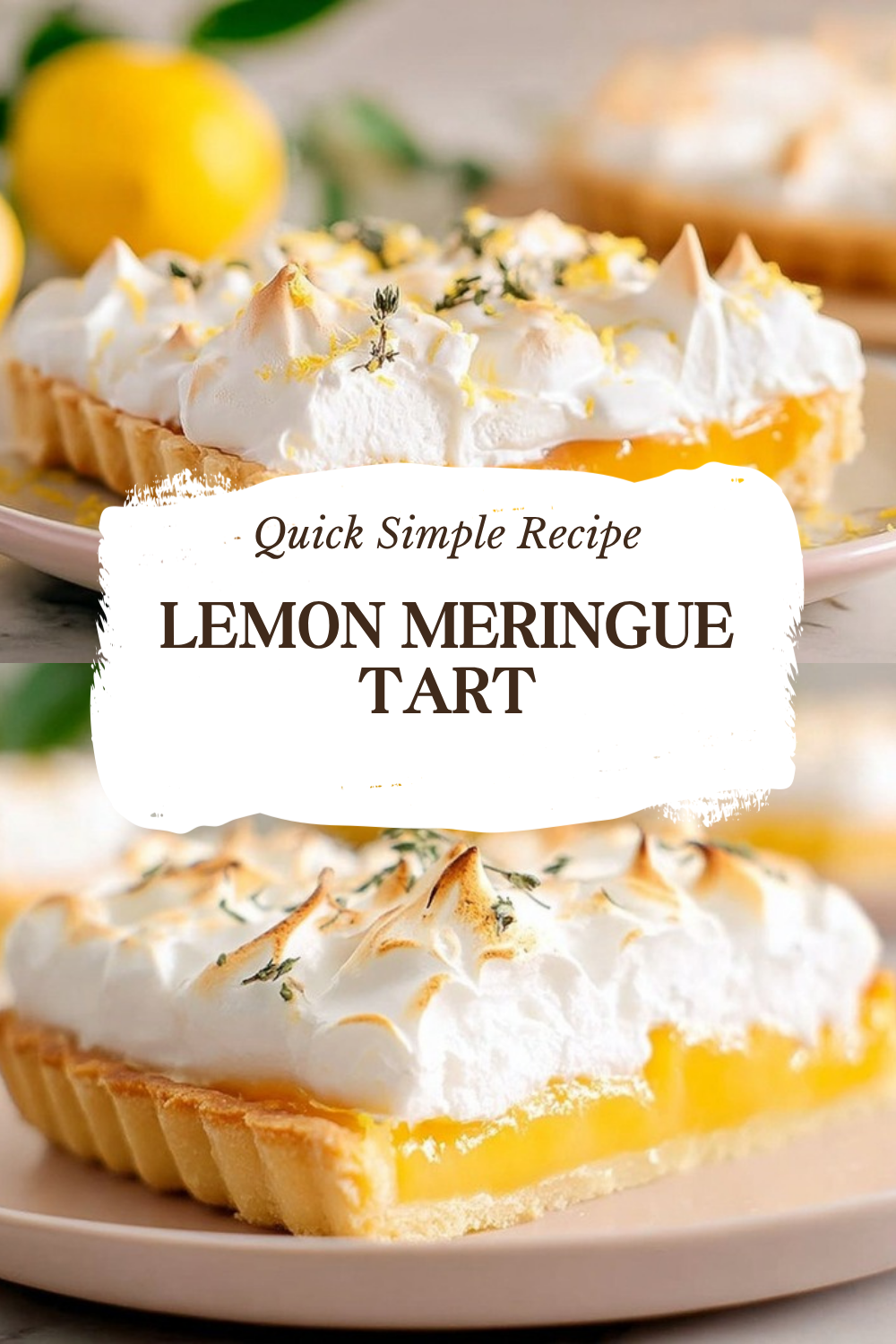
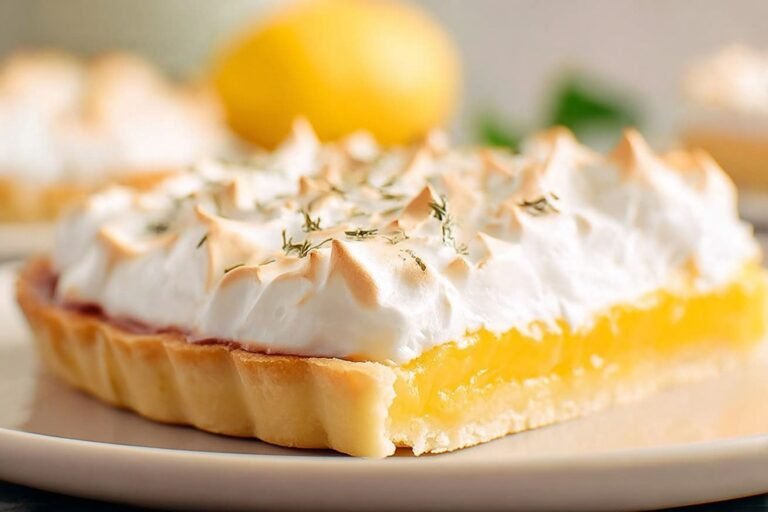
If you have a soft spot for bright citrus desserts, this Lemon Meringue Tart is the kind of recipe that feels special without being fussy. It brings together a crisp nutty crust, silky lemon cream, and a cloud of glossy meringue in one beautiful slice.
- Easy to work in stages: The tart crust and lemon cream filling can be made ahead, which is a big help for busy parents, students, and working professionals. You can do the time-consuming parts early, then finish with the meringue right before serving.
- Fresh, lively flavor: The combination of lemon zest and freshly squeezed lemon juice gives this Lemon Meringue Tart a clean, sunny taste that feels refreshing after a rich meal. Using fresh lemons makes a noticeable difference in both aroma and flavor.
- Flexible crust options: The crust includes slivered almonds, but you can swap in pistachios, walnuts, or pecans if that better suits what you have on hand. That makes the recipe practical for home cooks who like a little flexibility.
- Great texture contrast: You get a crisp crust, smooth lemon cream, and airy meringue all in one bite. That mix of textures is what makes a classic Lemon Meringue Tart so memorable and satisfying.
For the best results, serve this tart chilled so the filling stays firm and the slices cut cleanly.
One more reason this dessert stands out is how it turns simple pantry ingredients into something that looks bakery-worthy. It is a lovely choice for dinner parties, holidays, or any time you want a dessert that makes people pause after the first bite.
If you enjoy desserts like this, you may also like our classic fruit tart recipe for another elegant option that feels approachable at home.
Recipe at a Glance
| Detail | Information |
|---|---|
| Prep Time | About 6 hours and 15 minutes, including chilling |
| Cook Time | About 1 hour and 10 minutes |
| Servings | 8 |
| Best Served | Chilled |
Jump to:
- Why You’ll Love This Lemon Meringue Tart
- Recipe at a Glance
- Ingredients for Lemon Meringue Tart
- For the crust
- For the lemon cream filling
- For the meringue
- How to Prepare the Perfect Lemon Meringue Tart: Step-by-Step Guide
- First step: Make the crust dough
- Second step: Shape and blind bake the crust
- Third step: Cook the lemon cream filling
- Fourth step: Prepare the Swiss meringue
- Fifth step: Assemble the tart
- Final step: Brown, chill, and serve
- Dietary Substitutions to Customize Your Lemon Meringue Tart
- Protein and main component alternatives
- Vegetable, sauce, and seasoning modifications
- Mastering Lemon Meringue Tart: Advanced Tips and Variations
- Pro cooking techniques
- Flavor variations
- Presentation tips
- Make-ahead options
- How to Store Lemon Meringue Tart: Best Practices
- Nutrition Information
- FAQs: Frequently Asked Questions About Lemon Meringue Tart
- How do you make the crust for a lemon meringue tart?
- How do you make lemon curd filling for lemon meringue tart?
- How do you make Swiss meringue for lemon meringue tart topping?
- How can you prevent a soggy crust on lemon meringue tart?
- Can you make lemon meringue tart ahead and how to store it?
- Lemon Meringue Tart
- Ingredients
- Instructions
- Last Step:
- Notes
- Nutrition
- Did you make this recipe?
Ingredients for Lemon Meringue Tart
For the crust
- 1 2/3 cups unbleached, all-purpose flour
- 1/4 cup granulated sugar
- 1/4 cup slivered almonds, or pistachios, walnuts, or pecans
- 10 tablespoons unsalted butter, chilled and cut into 1/2-inch cubes
- 1 large egg, lightly beaten
For the lemon cream filling
- 1 cup granulated sugar
- Zest of 3 lemons, finely grated
- 4 large eggs
- 3/4 cup freshly squeezed lemon juice, about 4 to 5 lemons
- 10.5 ounces unsalted butter, softened and cut into 1-inch pieces
For the meringue
- 4 large egg whites, at room temperature
- 1/8 teaspoon cream of tartar
- 1 cup granulated sugar
- 1 tablespoon confectioners’ sugar for finishing
How to Prepare the Perfect Lemon Meringue Tart: Step-by-Step Guide
First step: Make the crust dough
Start by blending the flour, granulated sugar, and slivered almonds in a food processor until the nuts are finely ground. Add the chilled butter and pulse until the mixture looks like coarse meal. Then blend in the lightly beaten egg just until the dough comes together. The dough should feel soft but manageable, which is why this tart is easier to shape than many traditional pies.
Flatten the dough into a square, wrap it tightly, and chill it for 1 hour. This chilling time helps the crust bake up tender and keeps the butter cold, which is important for texture. If you prefer a different nut flavor, pistachios, walnuts, or pecans can be used instead of almonds.
Second step: Shape and blind bake the crust
Line a 10-inch removable-bottom tart pan with parchment paper. Cut the chilled dough into 1-inch slices, then press the slices into the bottom and up the fluted edges of the pan. This slicing method is especially handy because it avoids rolling out a soft dough, which can be tricky for beginners.
Refrigerate the shaped crust for 1 hour. Then bake it at 375°F for about 17 minutes, or until golden brown. If the crust puffs during baking, gently press it down while it is still warm. Cool it completely, remove the pan ring, and transfer the crust to a serving plate.
Third step: Cook the lemon cream filling
In a heatproof bowl, whisk the granulated sugar and lemon zest together until the mixture smells fragrant. This little step wakes up the citrus oils and gives the filling a brighter flavor. Next, whisk in the eggs and lemon juice until smooth.
Set the bowl over a double boiler and cook the mixture, whisking constantly, until it reaches 180°F and thickens. A thermometer helps a lot here because the filling is delicate. If it gets too hot, the eggs can scramble, so keep the heat gentle and steady.
Strain the filling to remove any bits of cooked egg, then blend in the softened butter a few pieces at a time until the mixture turns light and fluffy. Chill the lemon cream for at least 4 hours or overnight. Before using, whisk it briefly to bring back a smooth, spreadable texture.
Fourth step: Prepare the Swiss meringue
Combine the egg whites, sugar, and cream of tartar in a bowl set over simmering water. Stir gently while heating until the sugar dissolves and the mixture reaches 175°F. This creates the base for a stable Swiss meringue, which is glossy and holds its shape well.
Transfer the mixture to a stand mixer and whip until stiff, shiny peaks form. The meringue should look thick, smooth, and airy. If you prefer, Italian meringue can be used instead, but Swiss meringue is wonderfully simple once you get the temperature right.
Fifth step: Assemble the tart
Spoon or pipe the chilled lemon cream into the cooled crust and smooth the top. Then pile on the meringue, making sure to spread it all the way to the edges so it seals the filling beneath it. This helps keep the meringue from shrinking away from the crust.
For a polished look, use the back of a spoon to create soft swoops and peaks. A tart like this does not need perfect decoration to look lovely. Its natural layers already do most of the work.
Final step: Brown, chill, and serve
Lightly brown the meringue with a kitchen torch, or place the tart in a 350°F oven for a short time until the top is lightly golden. After that, chill the tart for at least 1 hour before serving. This final chill helps the slices hold their shape and keeps the texture balanced.
Just before serving, dust the top with confectioners’ sugar. The tart is best served cold, especially if you want clean slices and the smoothest bite. For a closer look at smart baking methods, you may find our baking basics guide for home cooks helpful when working with custards, crusts, and meringues.
Use a thermometer during both the filling and meringue steps. It is one of the easiest ways to avoid curdling, weeping, or undercooked sugar.

Dietary Substitutions to Customize Your Lemon Meringue Tart
Protein and main component alternatives
This Lemon Meringue Tart relies on eggs and butter for its classic texture, so it is not naturally egg-free or dairy-free. Still, there are a few practical swaps you can make depending on what you have or what your guests need. For the crust, slivered almonds can be replaced with pistachios, walnuts, or pecans. Each nut changes the flavor slightly, and the crust color may bake up a little differently.
If you want a more pronounced nutty note, pistachios bring a lovely color and gentle sweetness. Walnuts add a deeper flavor, while pecans give a buttery finish. These changes work well for home bakers who like to adapt a dessert to the pantry instead of shopping for extra ingredients.
Vegetable, sauce, and seasoning modifications
There are no vegetables in this tart, but the citrus flavor can be adjusted in a few ways. Meyer lemons give a softer, sweeter taste, while key limes can be used for a tangier twist. If you like a stronger lemon aroma, add a little extra zest before the juice goes in.
For the topping, Swiss meringue can be replaced with Italian meringue if that is your preferred method. The filling can also be made a bit more or less tart by adjusting the balance of zest and juice, as long as the overall liquid volume stays close to the original recipe.
Mastering Lemon Meringue Tart: Advanced Tips and Variations
Pro cooking techniques
The biggest secret to a successful Lemon Meringue Tart is temperature control. The lemon cream must thicken without curdling, which means constant whisking and gentle heat matter a lot. The meringue also needs careful heating so the sugar dissolves fully before whipping. A reliable thermometer takes much of the guesswork out of the process.
Another helpful trick is to make the tart in stages. Bake the crust one day, cook the lemon cream another, and add the meringue just before serving. That approach fits neatly into a busy schedule and helps keep the finished tart fresh.
Flavor variations
You can change the crust by swapping the almonds for pistachios, walnuts, or pecans. You can also adjust the citrus profile with Meyer lemons for a softer note or key limes for extra sharpness. If you like a little extra texture, a few finely chopped nuts on the crust edges can add a pleasant crunch.
Presentation tips
Pipe the meringue into tall swirls if you want a dramatic finish, or use a spoon for a more rustic look. A quick pass with a kitchen torch gives beautiful golden spots. Right before serving, a light dusting of confectioners’ sugar adds a pretty touch without overpowering the lemon flavor.
Make-ahead options
The crust and lemon cream can both be prepared ahead of time, which makes this dessert manageable for entertaining. Keep the crust airtight at room temperature once baked, and chill the lemon cream until needed. Add the meringue the same day you plan to serve it, since that gives the best texture and shine.
If you are doubling the recipe, double every ingredient, including the butter, so the texture stays balanced in each layer.
How to Store Lemon Meringue Tart: Best Practices
Because this tart contains a custard-style filling and meringue topping, refrigeration is the best storage method. Keep leftovers in an airtight container in the refrigerator for up to 3 days. The tart tastes best when chilled, and cold storage helps the slices hold together.
Freezing is not a great option for the finished tart, since meringue can weep and lose its texture after thawing. If you want to freeze ahead, freeze only the baked crust, then make the filling and meringue later.
There is no need to reheat this dessert. In fact, serving it cold is part of what makes the texture so pleasant. For meal prep, it helps to bake the crust and prepare the lemon cream in advance, then finish with fresh meringue the day you plan to serve it.
Nutrition Information
| Per serving | Amount |
|---|---|
| Calories | 782 |
| Carbohydrates | 79g |
| Protein | 10g |
| Fat | 50g |
| Saturated Fat | 29g |
| Polyunsaturated Fat | 3g |
| Monounsaturated Fat | 14g |
| Trans Fat | 2g |
| Cholesterol | 234mg |
| Sodium | 79mg |
| Potassium | 168mg |
| Fiber | 1g |
| Sugar | 57g |
| Vitamin A | 1538IU |
| Vitamin C | 9mg |
| Calcium | 47mg |
| Iron | 2mg |
FAQs: Frequently Asked Questions About Lemon Meringue Tart
How do you make the crust for a lemon meringue tart?
Start with a soft pâte sucrée dough that includes slivered almonds for texture. Chill the dough, then slice it into thin pieces and press them evenly into a 10-inch tart pan with a removable bottom. This method avoids rolling, which can be tricky with the soft dough. Prick the base with a fork, line with parchment and pie weights, and blind-bake at 375°F for 20-25 minutes until golden. Cool completely before filling. You can swap almonds for pistachios, walnuts, or pecans—adjust baking time slightly as colors vary. This keeps the crust crisp and prevents sogginess when filled with thick lemon curd. Total prep takes about 30 minutes plus chilling. (92 words)
How do you make lemon curd filling for lemon meringue tart?
For rich lemon cream, whisk egg yolks, sugar, lemon juice, zest, and cornstarch in a double boiler over simmering water. Cook gently, stirring constantly, until it thickens to 180°F (about 10-15 minutes)—use a thermometer for accuracy. Strain to remove lumps, then blend in cold butter cubes off heat until silky. Fresh lemon juice is key for bright flavor; bottled lacks punch. Pour into cooled crust, smooth top, and chill to set. Doubles easily if you scale all ingredients evenly. This yields a tangy, velvety filling that holds up under meringue. Meyer lemons work for milder taste, or try key limes for variation. (104 words)
How do you make Swiss meringue for lemon meringue tart topping?
Swiss meringue offers stability and shine. Combine room-temperature egg whites, sugar, and cream of tartar in a heatproof bowl over simmering water. Whisk constantly until sugar dissolves (160°F, 5-7 minutes) and mixture is warm. Transfer to a stand mixer and whip on high to stiff, glossy peaks (8-10 minutes)—rub a bit between fingers to check sugar melted. Pipe or spread over chilled lemon filling, then torch lightly for color or broil briefly. Make it same day for best height and texture. Italian meringue is a stable alternative if preferred. Whip in a clean, grease-free bowl to avoid deflating. (98 words)
How can you prevent a soggy crust on lemon meringue tart?
Blind-bake the crust fully before adding filling: press dough slices into pan, chill, line with parchment and weights, bake at 375°F for 20-25 minutes, then remove weights and bake 5-10 more until crisp and golden. Cool completely. The thick, chilled lemon curd acts as a barrier against moisture. Avoid skipping weights—they prevent puffing and shrinkage. Pressing dough slices instead of rolling keeps it sturdy. Store assembled tart chilled to maintain snap. If doubling recipes, ensure curd hits 180°F to set firmly without weeping. This simple step keeps every bite crunchy. (96 words)
Can you make lemon meringue tart ahead and how to store it?
Yes, prep crust dough and lemon curd up to 2 days ahead: bake and store crust airtight at room temp; refrigerate curd covered. Assemble with fresh meringue on serving day for peak fluffiness. Store whole tart in fridge, tightly wrapped or in an airtight container, up to 3 days—it cuts cleaner cold. Avoid freezing as meringue weeps. Serve chilled for best flavor and texture. Leftovers stay fresh this way without sogginess. For parties, chill assembled tart 4-6 hours max before topping to wow guests. (85 words)
Lemon Meringue Tart
🍋🌪️ Silky lemon cream in crisp nutty crust crowned with fluffy meringue – bright, tangy elegance for any occasion!
🥧 Make-ahead showstopper: stable Swiss meringue torches perfectly, chills for flawless slices every time.
- Total Time: 8 hours
- Yield: 8 servings
Ingredients
Instructions
1-First step: Make the crust dough Start by blending the flour, granulated sugar, and slivered almonds in a food processor until the nuts are finely ground. Add the chilled butter and pulse until the mixture looks like coarse meal. Then blend in the lightly beaten egg just until the dough comes together. The dough should feel soft but manageable, which is why this tart is easier to shape than many traditional pies. Flatten the dough into a square, wrap it tightly, and chill it for 1 hour. This chilling time helps the crust bake up tender and keeps the butter cold, which is important for texture. If you prefer a different nut flavor, pistachios, walnuts, or pecans can be used instead of almonds.
2-Second step: Shape and blind bake the crust Line a 10-inch removable-bottom tart pan with parchment paper. Cut the chilled dough into 1-inch slices, then press the slices into the bottom and up the fluted edges of the pan. This slicing method is especially handy because it avoids rolling out a soft dough, which can be tricky for beginners. Refrigerate the shaped crust for 1 hour. Then bake it at 375°F for about 17 minutes, or until golden brown. If the crust puffs during baking, gently press it down while it is still warm. Cool it completely, remove the pan ring, and transfer the crust to a serving plate.
3-Third step: Cook the lemon cream filling In a heatproof bowl, whisk the granulated sugar and lemon zest together until the mixture smells fragrant. This little step wakes up the citrus oils and gives the filling a brighter flavor. Next, whisk in the eggs and lemon juice until smooth. Set the bowl over a double boiler and cook the mixture, whisking constantly, until it reaches 180°F and thickens. A thermometer helps a lot here because the filling is delicate. If it gets too hot, the eggs can scramble, so keep the heat gentle and steady. Strain the filling to remove any bits of cooked egg, then blend in the softened butter a few pieces at a time until the mixture turns light and fluffy. Chill the lemon cream for at least 4 hours or overnight. Before using, whisk it briefly to bring back a smooth, spreadable texture.
4-Fourth step: Prepare the Swiss meringue Combine the egg whites, sugar, and cream of tartar in a bowl set over simmering water. Stir gently while heating until the sugar dissolves and the mixture reaches 175°F. This creates the base for a stable Swiss meringue, which is glossy and holds its shape well. Transfer the mixture to a stand mixer and whip until stiff, shiny peaks form. The meringue should look thick, smooth, and airy. If you prefer, Italian meringue can be used instead, but Swiss meringue is wonderfully simple once you get the temperature right.
5-Fifth step: Assemble the tart Spoon or pipe the chilled lemon cream into the cooled crust and smooth the top. Then pile on the meringue, making sure to spread it all the way to the edges so it seals the filling beneath it. This helps keep the meringue from shrinking away from the crust. For a polished look, use the back of a spoon to create soft swoops and peaks. A tart like this does not need perfect decoration to look lovely. Its natural layers already do most of the work.
6-Final step: Brown, chill, and serve Lightly brown the meringue with a kitchen torch, or place the tart in a 350°F oven for a short time until the top is lightly golden. After that, chill the tart for at least 1 hour before serving. This final chill helps the slices hold their shape and keeps the texture balanced. Just before serving, dust the top with confectioners’ sugar. The tart is best served cold, especially if you want clean slices and the smoothest bite. For a closer look at smart baking methods, you may find our baking basics guide for home cooks helpful when working with custards, crusts, and meringues.
Last Step:
Please leave a rating and comment letting us know how you liked this recipe! This helps our business to thrive and continue providing free, high-quality recipes for you.Notes
🍋 Zest lemons first for max bright flavor – avoid pith!
🌡️ Thermometer essential: 180°F filling, 175°F meringue prevents issues.
🔥 Torch meringue day-of for freshest, glossy peaks.
- Prep Time: 45 minutes
- Chilling: 6 hours
- Cook Time: 1 hour 10 minutes
- Category: Desserts
- Method: Baked
- Cuisine: French
- Diet: Vegetarian
Nutrition
- Serving Size: 1/8 tart
- Calories: 782 kcal
- Sugar: 57 g
- Sodium: 79 mg
- Fat: 50 g
- Saturated Fat: 29 g
- Unsaturated Fat: 17 g
- Trans Fat: 2 g
- Carbohydrates: 79 g
- Fiber: 1 g
- Protein: 10 g
- Cholesterol: 234 mg