Why You’ll Love This Homemade Sushi Rolls
Hey there, fellow food lovers! If you’re craving that fresh, ocean-inspired taste without the restaurant price tag, homemade sushi rolls are where it’s at. This recipe is super simple and quick, letting you whip up a delicious meal in under 30 minutes, which makes it perfect for busy nights or fun gatherings with friends. Let me share why diving into making your own sushi will become your new favorite kitchen adventure.
First off, the ease of preparation is a game-changer for beginners and pros alike. With straightforward steps and everyday ingredients, you’ll feel like a sushi master in no time, saving you time and money while enjoying fresh flavors right at home. Plus, these rolls pack a punch in the health department, featuring lean proteins, fresh veggies, and wholesome rice that deliver omega-3 fatty acids, vitamins, and antioxidants for a balanced, feel-good meal. Imagine impressing your family with something healthy that tastes amazing!
What really seals the deal is the versatility of this recipe. You can tweak it for vegan, gluten-free, or low-calorie diets, making it adaptable to everyone’s needs without losing that tasty edge. And let’s not forget the distinctive flavor the mix of seasoned rice, fresh fillings, and a hint of tang creates a bite that’s full of umami and fun. If you’re like me, always experimenting in the kitchen, you’ll love how easy it is to personalize these rolls and create memorable meals. For more inspiration on simple recipes, check out our guide to making a quick peach cobbler at home.
Beyond that, whipping up homemade sushi rolls at home means you control the quality of ingredients, avoiding mystery additives and focusing on what’s fresh and real. It’s a budget-friendly way to eat well, and the satisfaction of rolling your own is priceless. Whether you’re a busy parent juggling schedules or a student looking for quick meals, this recipe fits right in. Trust me, once you try it, you’ll be hooked on the fresh taste and the joy of creating something special.
Health Benefits in Detail
Talking about health, ingredients like salmon bring a ton of goodness to the table. According to experts, eating salmon regularly can boost your heart health and brain function, as highlighted in this article on the health benefits of salmon. That makes these rolls not just tasty but a smart choice for your daily diet. So, roll up some sushi and feel great about what you’re eating!
Jump to:
- Why You’ll Love This Homemade Sushi Rolls
- Health Benefits in Detail
- Essential Ingredients for Homemade Sushi Rolls
- Tips for Sourcing Fresh Ingredients
- How to Prepare the Perfect Homemade Sushi Rolls: Step-by-Step Guide
- Common Mistakes to Avoid
- Dietary Substitutions to Customize Your Homemade Sushi Rolls
- Why Customization Matters
- Mastering Homemade Sushi Rolls: Advanced Tips and Variations
- Creative Variations to Try
- How to Store Homemade Sushi Rolls: Best Practices
- Why Freshness Matters
- FAQs: Frequently Asked Questions About Homemade Sushi Rolls
- How long can homemade sushi rolls be safely stored in the refrigerator?
- What are some popular vegetarian ingredients to use in homemade sushi rolls without fish?
- How do I make sushi rice at home using a rice cooker?
- Can I use frozen fish for homemade sushi rolls?
- What tools do I need to make homemade sushi rolls easily?
- Homemade Sushi Rolls
- Ingredients
- Instructions
- Last Step:
- Notes
- Nutrition
- Did you make this recipe?
Essential Ingredients for Homemade Sushi Rolls
Alright, let’s get to the heart of the matter the ingredients that make your homemade sushi rolls shine. Using the right components ensures your rolls turn out fresh, flavorful, and just like the ones from a high-end spot. I’ll break it down into a clear list so you can shop easily and avoid any kitchen surprises. Remember, fresh is key here, so pick the best you can find!
- 6 sheets sushi seaweed (nori)
- 1 batch prepared sushi rice
- 1/2 lb (approx. 225g) sashimi-grade raw salmon or preferred raw fish
- 4 oz (approx. 113g) cream cheese, sliced into strips
- 1 avocado, sliced
- Soy sauce for serving
This list covers everything you need for a basic roll, and it’s all about precision to get that perfect balance. For instance, that half-pound of salmon adds just the right amount of protein without overwhelming the other flavors. If you’re new to this, start with these measurements and adjust as you go it’s all about making it your own!
Tips for Sourcing Fresh Ingredients
When shopping, always go for thick, sushi-specific nori for that authentic wrap, and make sure your sushi rice is short-grain and seasoned properly. Avocados should be ripe but firm, and that cream cheese? Slice it thin for easy rolling. These tips come from my own mishaps like the time I used regular rice and ended up with a floppy mess! Oh, and don’t forget, avocados aren’t just creamy; they’re packed with nutrients, as you’ll see in this resource on the nutritional benefits of avocados.
How to Prepare the Perfect Homemade Sushi Rolls: Step-by-Step Guide
Okay, friends, now for the fun part actually making those rolls! This step-by-step guide will walk you through it like we’re in the kitchen together. It’s easier than you think, and I’ll sprinkle in some personal stories to keep things light. Trust me, once you nail this, you’ll be rolling sushi like a pro in no time.
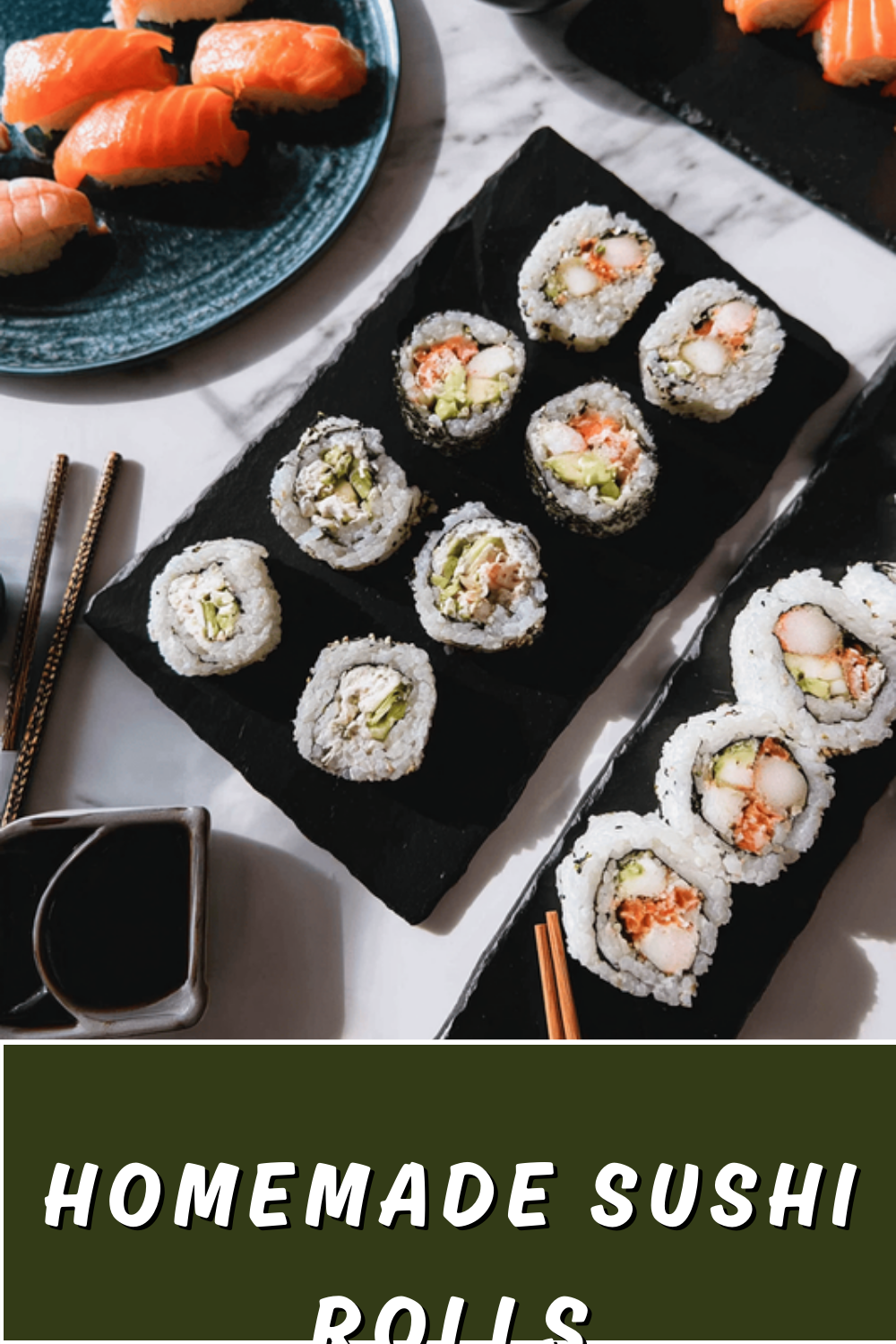
First, place a sheet of nori shiny-side down on a bamboo sushi mat. This sets the stage for everything else, so make sure your mat is clean and ready. Next, cover the nori evenly with the prepared sushi rice, smoothing it gently with a rice paddle without smashing the grains I learned this the hard way after my first lumpy attempt!
Then, layer the sliced salmon, cream cheese strips, and avocado slices on top of the rice near one edge. Avoid overstuffing to keep your roll tight and neat; it’s like packing a suitcase too much and it won’t close! Using the bamboo mat, roll the ingredients up tightly into a cylinder, applying gentle pressure for that perfect shape.
After that, slice the roll into bite-sized pieces using a sharp knife, cleaning it with a damp cloth between cuts for clean edges. Finally, serve immediately with soy sauce to keep that freshness popping. This whole process takes about 15 minutes, making it ideal for a quick dinner. I remember my first time it was messy, but the taste was worth it, and now it’s a weekly staple!
Common Mistakes to Avoid
One thing I’ve noticed is that people often forget to keep their hands damp while handling rice, which leads to sticky fingers and uneven spreading. Also, using a dull knife can turn slicing into a disaster, so sharpen up or grab a new one. These little tweaks make a big difference, just like how adding fresh veggies can elevate the whole dish.

Dietary Substitutions to Customize Your Homemade Sushi Rolls
Everyone’s got their own preferences, right? That’s why customizing your homemade sushi rolls is so awesome. Whether you’re going vegan or watching your carbs, these swaps keep things tasty and inclusive. Let me walk you through some easy options that I’ve tested myself.
For protein alternatives, replace sushi-grade raw fish with cooked shrimp, crab sticks, or marinated tofu to suit vegan and pescatarian diets. If you’re leaning plant-based, try tempeh or grilled vegetables like bell peppers or asparagus for that satisfying bite. And for a fun twist, cooked chicken or beef strips can add a hearty element without straying too far from tradition.
When it comes to veggies and sauces, swap cucumber for julienned carrots, radishes, or zucchini to keep it crunchy and fresh. Use low-sodium tamari instead of soy sauce for gluten-free folks, and experiment with spicy mayo or ponzu for extra flavor. Incorporating fresh herbs like cilantro can brighten things up, making your rolls feel gourmet. I once swapped in mango for a sweet surprise, and it was a hit at my dinner party!
Why Customization Matters
These changes aren’t just about restrictions; they’re about making food fun and personal. As a busy parent, I love how quick adjustments let me cater to the whole family. Plus, it’s a great way to sneak in more veggies for the kids they never suspect a thing in a sushi roll!
Mastering Homemade Sushi Rolls: Advanced Tips and Variations
Once you’ve got the basics down, it’s time to level up your sushi game with some pro tips and creative twists. I’ll share what I’ve picked up from my kitchen experiments to help you create rolls that wow everyone. These ideas add flair without complicating things too much.
Start with key techniques like rinsing and soaking sushi rice for the best texture, then use a rice paddle to fold in seasoning gently. Practice tight rolling with your bamboo mat for uniform shapes, and remember to use a very sharp knife, wiping it frequently for clean cuts. Keeping your hands damp prevents sticking, a trick that saved me from many rice-covered fiascos.
For flavor variations, try adding smoked salmon, mango slices, or tempura flakes for extra texture and taste. Experiment with sauces like spicy sriracha mayo or garlic aioli to mix it up. Presentation is key too slice rolls neatly and arrange them on a platter with pickled ginger and wasabi for that Instagram-worthy look.
If you’re prepping ahead, make rice and fillings in advance, then wrap rolls tightly and refrigerate for up to 24 hours. Just apply sauces right before serving to avoid sogginess. These tips have turned my sushi nights into something special, and you can do the same. Oh, and for more dessert ideas to pair with your meal, check out our strawberry milkshake recipe for a sweet finish.
Creative Variations to Try
One of my favorites is a veggie-packed roll with cucumber, carrot, and avocado as alternatives to fish. It’s not only healthier but also super customizable. With these advancements, your homemade sushi rolls can rival any takeout spot.
How to Store Homemade Sushi Rolls: Best Practices
So, you’ve made a batch of delicious homemade sushi rolls now what? Storing them properly keeps them fresh and safe, especially with raw ingredients involved. I’ll break down the best ways to handle leftovers without losing that just-made taste.
For refrigeration, store rolls in an airtight container, wrapped tightly in plastic wrap to prevent drying out, and eat them within 24 hours. Freezing works for rolls with cooked ingredients; wrap them individually in freezer-safe bags and thaw in the fridge before eating. Avoid microwaving, as it messes with the texture instead, let refrigerated rolls sit at room temperature for a bit.
When meal prepping, keep rice and fillings separate until you’re ready to roll, assembling just before serving for the best quality. I always remind myself that fresh is best, especially for raw fish, to avoid any risks. These practices have helped me enjoy sushi without waste, making it a reliable option for quick meals.
Why Freshness Matters
In my experience, storing sushi too long can make the rice hard and the flavors dull, so aim to serve it right away. It’s all about that perfect bite every time!
FAQs: Frequently Asked Questions About Homemade Sushi Rolls
How long can homemade sushi rolls be safely stored in the refrigerator?
Homemade sushi rolls are best eaten fresh to enjoy optimal taste and texture. If you must store them, keep them in an airtight container and refrigerate for no more than 24 hours. Raw fish can develop harmful bacteria quickly, increasing the risk of foodborne illness. Additionally, the rice tends to harden and lose moisture, diminishing the sushi’s quality. For leftover raw fish, consider consuming it as sashimi within the same day rather than making more rolls.
What are some popular vegetarian ingredients to use in homemade sushi rolls without fish?
There are many tasty options for making sushi rolls without fish. Common vegetarian fillings include avocado, cucumber, carrots, bell peppers, asparagus, and pickled radish (takuan). You can also use cooked ingredients like sweet potato tempura or tamagoyaki (Japanese rolled omelet). Combining these with sushi rice and nori sheets creates delicious, fresh rolls suitable for all tastes.
How do I make sushi rice at home using a rice cooker?
To make sushi rice with a rice cooker, rinse 2 cups of sushi or short-grain rice under cold water until the water runs clear. Add the rice to the cooker with 2 cups of water and let it soak for 30 minutes before cooking. Once cooked, transfer the rice to a large bowl and gently fold in a mixture of 1/4 cup rice vinegar, 2 tablespoons sugar, and 1 teaspoon salt while the rice is still warm. This seasoning gives sushi rice its signature tangy and slightly sweet flavor.
Can I use frozen fish for homemade sushi rolls?
Yes, using frozen fish is safe and often recommended because freezing at a specific temperature kills parasites commonly found in raw fish. Make sure to buy sushi-grade fish labeled safe for raw consumption and thaw it properly in the refrigerator before use. Avoid refreezing thawed fish, and consume it within 24 hours to reduce any health risks.
What tools do I need to make homemade sushi rolls easily?
Essential tools for homemade sushi include a bamboo sushi rolling mat (makisu), a sharp knife for clean cutting, a rice paddle or wooden spoon for mixing rice, and a bowl of water to keep your hands moist when handling sticky rice. Optional tools like plastic wrap (to cover the rolling mat) and a small fan to cool the rice can improve your sushi-making experience. These simple items help create neat, professional-looking rolls at home.
Homemade Sushi Rolls
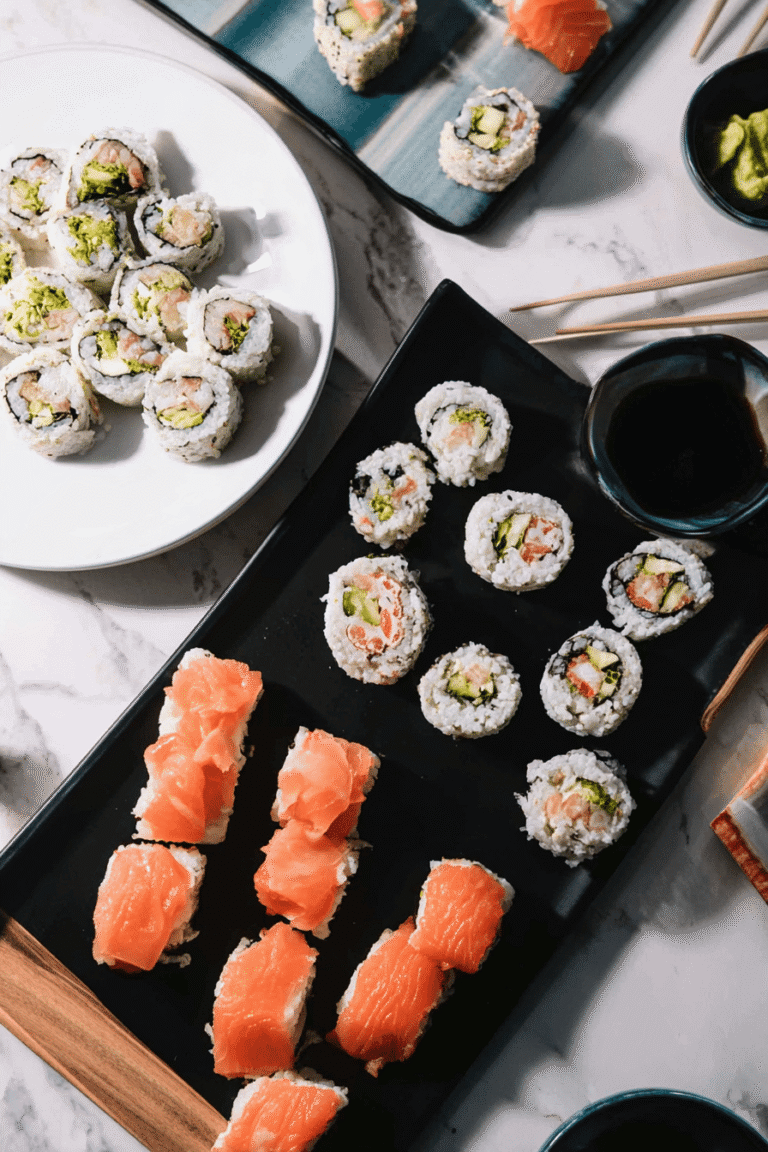
🍣 Make your own fresh and delicious sushi rolls at home with this simple and easy recipe.
🥑 Enjoy the satisfying combination of tender salmon, creamy avocado, and smooth cream cheese for a perfect bite every time.
- Total Time: 15 minutes
- Yield: 6 sushi rolls 1x
Ingredients
6 sheets sushi seaweed (nori)
1 batch prepared sushi rice
1/2 lb (approx. 225g) sashimi-grade raw salmon or preferred raw fish
4 oz (approx. 113g) cream cheese, sliced into strips
1 avocado, sliced
Soy sauce for serving
Instructions
1-First, place a sheet of nori shiny-side down on a bamboo sushi mat. This sets the stage for everything else, so make sure your mat is clean and ready. Next, cover the nori evenly with the prepared sushi rice, smoothing it gently with a rice paddle without smashing the grains I learned this the hard way after my first lumpy attempt!
2-Then, layer the sliced salmon, cream cheese strips, and avocado slices on top of the rice near one edge. Avoid overstuffing to keep your roll tight and neat; it’s like packing a suitcase too much and it won’t close! Using the bamboo mat, roll the ingredients up tightly into a cylinder, applying gentle pressure for that perfect shape.
3-After that, slice the roll into bite-sized pieces using a sharp knife, cleaning it with a damp cloth between cuts for clean edges. Finally, serve immediately with soy sauce to keep that freshness popping. This whole process takes about 15 minutes, making it ideal for a quick dinner. I remember my first time it was messy, but the taste was worth it, and now it’s a weekly staple!
Last Step:
Please leave a rating and comment letting us know how you liked this recipe! This helps our business to thrive and continue providing free, high-quality recipes for you.Notes
🍙 Use thick, sushi-specific nori for best texture and flavor.
🔪 Ensure sushi rice is short-grain, well-seasoned, and spread while slightly warm.
💧 Keep hands damp to prevent rice from sticking during assembly.
- Prep Time: 15 minutes
- Category: Main Course, Appetizer
- Method: Rolling, Slicing
- Cuisine: Japanese
- Diet: Pescatarian
Nutrition
- Serving Size: 1 roll
- Calories: 190 kcal
- Sugar: 1 gram
- Sodium: 92 mg
- Fat: 12 grams
- Saturated Fat: 5 grams
- Carbohydrates: 11 grams
- Fiber: 2 grams
- Protein: 10 grams
- Cholesterol: 40 mg