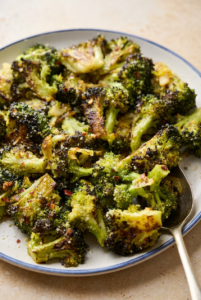
Why You’ll Love This Green Onion
Green onions offer a fresh and versatile addition to your kitchen routines, making them a favorite for home cooks and busy parents alike. With their mild flavor and ease of use, they enhance meals without overwhelming other ingredients. This section highlights key reasons to incorporate green onion into your cooking.
Ease of Preparation
Green onions are straightforward to prepare, taking only a few minutes to wash and chop. They germinate in 7 to 14 days if you decide to grow them at home, adding a fun element to your gardening. Their simplicity makes them ideal for students and working professionals looking for quick meal options.
Health Benefits
Rich in vitamins such as A, C, K, and B6, green onions provide about 32 kcal per 100 grams and support overall wellness. They contain antioxidants that boost immunity and promote digestion, appealing to diet-conscious individuals and seniors. Per 100 grams, they offer 7.34 g of carbohydrates, 2.33 g of fiber, and essential minerals like calcium, iron, and potassium, making them a nutritious choice.
Versatility
Green onions adapt to various dietary needs, including vegan and gluten-free options, without losing their appeal. They work well in salads, soups, and global dishes from Asian to Mexican cuisines, allowing food enthusiasts and newlyweds to experiment. Their long, tender green stems and white roots provide both flavor and texture, enhancing everything from garnishes to main components.
Transitioning to the next part, let’s look at the key ingredients that make green onion dishes so effective. For more ideas on fresh ingredients, check out our strawberry milkshake recipe which uses similar vibrant flavors.
Jump to:
- Why You’ll Love This Green Onion
- Ease of Preparation
- Health Benefits
- Versatility
- Essential Ingredients for Green Onion
- Special Dietary Options
- How to Prepare the Perfect Green Onion: Step-by-Step Guide
- First Step: Washing and Chopping
- Second and Third Steps: Heating and Sautéing
- Fourth Step: Stir-Frying
- Fifth and Sixth Steps: Seasoning
- Final Step: Serving
- Dietary Substitutions to Customize Your Green Onion
- Protein and Main Component Alternatives
- Vegetable, Sauce, and Seasoning Modifications
- Mastering Green Onion: Advanced Tips and Variations
- Pro Cooking Techniques
- Flavor Variations
- Presentation and Make-Ahead Options
- How to Store Green Onion: Best Practices
- FAQs: Frequently Asked Questions About Green Onion
- What are the best ways to grow green onions at home?
- How do I store green onions to keep them fresh longer?
- Are green onions healthy to eat, and what nutrients do they provide?
- Can I eat green onion greens raw, and are they safe for everyone?
- What are some easy recipes that include green onions?
- Green Onion
- Ingredients
- Instructions
- Last Step:
- Notes
- Nutrition
- Did you make this recipe?
Essential Ingredients for Green Onion
- 3 cups chopped green onions
- 1 tablespoon olive oil
- 2 cloves garlic, minced
- 1 teaspoon soy sauce (or tamari for gluten-free)
- Salt and pepper to taste
Special Dietary Options
- Vegan: Use tamari instead of soy sauce to ensure plant-based ingredients.
- Gluten-free: Substitute regular soy sauce with gluten-free tamari.
- Low-calorie: Opt for minimal olive oil and increase vegetables for volume without added calories.
This structured list ensures you have all the precise measurements needed for a successful green onion recipe. Green onions, from the Allium genus, bring a mild, sweet onion flavor that pairs well with these ingredients, especially garlic and soy sauce.
How to Prepare the Perfect Green Onion: Step-by-Step Guide
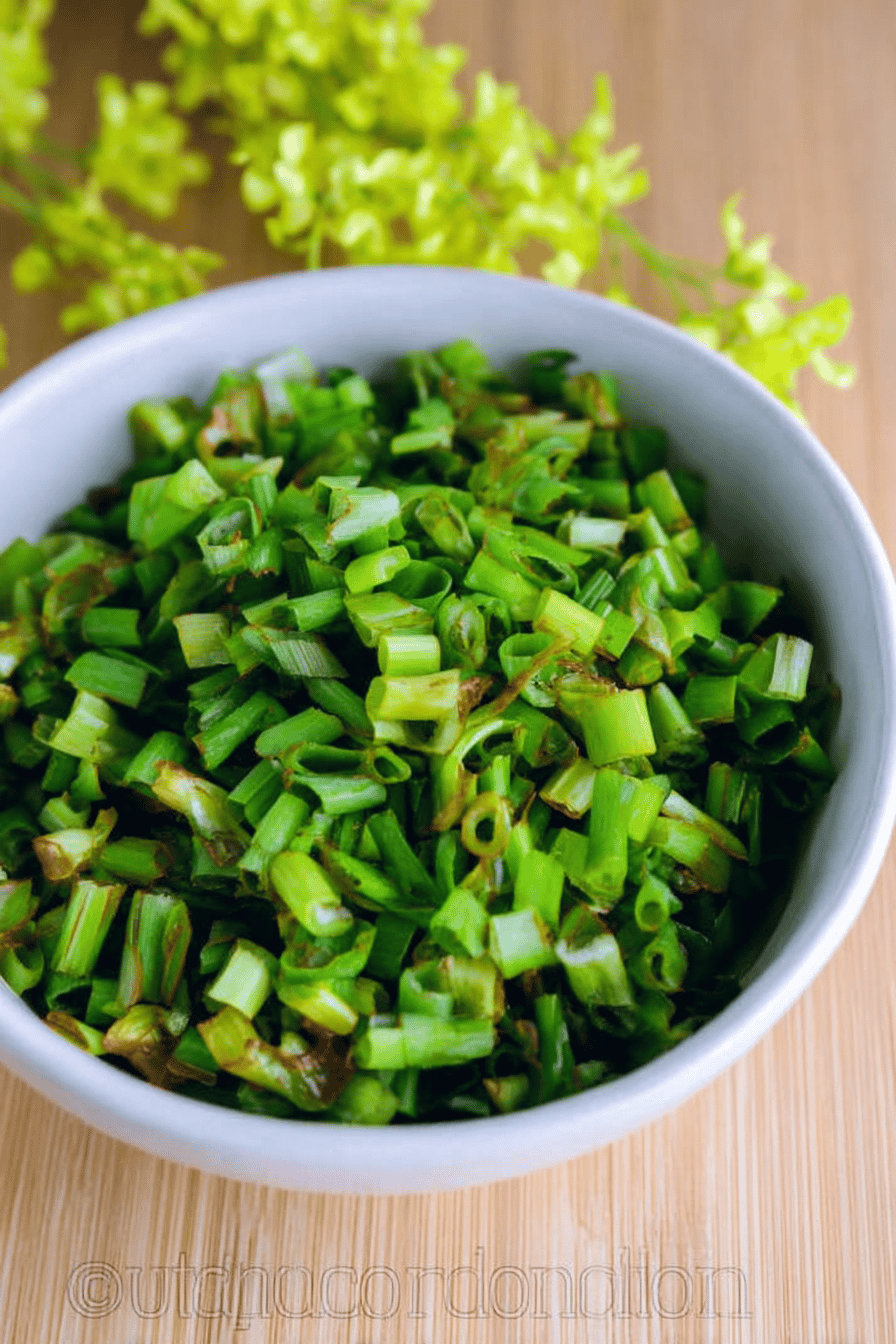
Preparing green onion involves simple steps that yield delicious results, perfect for travelers and baking enthusiasts who enjoy quick meals. Start with fresh green onions, which feature long, tender green stems and white roots, and follow these detailed instructions to create a flavorful dish.
First Step: Washing and Chopping
Wash and chop 3 cups of fresh green onions into small pieces to prepare the main ingredient. Remove the bottom half-centimeter of the root before use to enhance safety and flavor. This step takes just a few minutes and sets the base for your recipe.
Second and Third Steps: Heating and Sautéing
Heat 1 tablespoon of olive oil in a pan over medium heat for about 2 minutes. Add 2 minced garlic cloves and sauté until fragrant, approximately 1 minute, allowing the flavors to blend with the green onions’ mild taste.
Fourth Step: Stir-Frying
Add the chopped green onions and stir-fry for 3-4 minutes until softened but still vibrant. Cooking the white part first enhances its flavor, while the green parts add color and freshness at the end.
Fifth and Sixth Steps: Seasoning
Pour in 1 teaspoon of soy sauce or tamari for gluten-free adaptation, stirring well to combine. Season with salt and pepper to taste, adjusting based on your preferences for a balanced dish.
Final Step: Serving
Serve immediately as a side or incorporate into your main dishes; this can be customized for vegan or low-calorie diets by adjusting oil quantities. Green onions are versatile in various cuisines, from salads and soups to pancakes and grilled dishes, demonstrating their global appeal.
For more on health aspects, visit health benefits of green onions to learn how they support your diet.

Dietary Substitutions to Customize Your Green Onion
Green onions allow for easy modifications, making them suitable for everyone from busy parents to food enthusiasts with specific needs. Their mild flavor works well with various swaps, ensuring your meals remain tasty and adaptable.
Protein and Main Component Alternatives
- Replace green onions with leeks or scallions for subtle flavor changes, maintaining the dish’s essence.
- Use tofu or tempeh to add plant-based protein, ideal for vegan diets.
- Incorporate chicken or shrimp for non-vegetarian options, adding variety to your plate.
Vegetable, Sauce, and Seasoning Modifications
- Swap garlic with shallots or ginger for varied aroma, pairing well with green onions’ sweet taste.
- Use coconut aminos as a gluten-free soy sauce alternative.
- Add chili flakes or lemon zest to enhance spice and brightness, drawing from global uses in Indian and Mexican cuisines.
These changes help based on seasonal availability and personal taste, keeping green onions as a key element.
Mastering Green Onion: Advanced Tips and Variations
Once you’re comfortable with basics, advanced techniques can elevate your green onion dishes, appealing to baking enthusiasts and seniors seeking refined flavors. Green onions, from species like Allium cepa, offer endless possibilities in cooking.
Pro Cooking Techniques
Blanch green onions before sautéing for a milder flavor, reducing any bitterness. Use a high-heat wok for even cooking, ensuring the white parts enhance the dish’s depth.
Flavor Variations
- Add toasted sesame seeds for a nutty twist.
- Incorporate a splash of rice vinegar for tanginess, inspired by Asian preparations.
Presentation and Make-Ahead Options
Garnish with fresh herbs and finely sliced red chilies for color contrast, making your meal visually appealing. Prepare the green onion mix in advance and store refrigerated to save time; sauté just before serving to maintain freshness, as they can be kept wrapped in a moist paper towel.
| Technique | Benefit |
|---|---|
| Blanching | Reduces bitterness and softens texture |
| Grilling whole | Enhances flavor in Latin American styles |
For creative uses, explore our peach cobbler recipe which can incorporate similar fresh elements.
How to Store Green Onion: Best Practices
Proper storage keeps green onions fresh, which is crucial for travelers and working professionals. They can be stored in the refrigerator wrapped in a moist paper towel to maintain their quality for up to a week.
- Refrigeration: Store fresh green onions in a perforated plastic bag in the vegetable drawer.
- Freezing: Chop and blanch them briefly before freezing in airtight containers.
- Reheating: Gently reheat using low heat to preserve texture.
- Meal prep: Portion prepped green onions in individual containers to minimize waste.
This method ensures green onions remain flavorful, supporting their use in various recipes from chutneys to salads.
FAQs: Frequently Asked Questions About Green Onion
What are the best ways to grow green onions at home?
Green onions are easy to grow and require minimal space. Plant green onion seeds or the white root ends of store-bought green onions in well-draining soil with plenty of sunlight. Water them regularly, keeping the soil moist but not waterlogged. Green onions grow quickly and can be harvested in about 3-4 weeks. For continuous supply, plant seeds or roots every two weeks. You can also regrow green onions by placing the white bases in a glass of water until new green shoots appear before transferring them to soil.
How do I store green onions to keep them fresh longer?
To store green onions, wrap them loosely in a damp paper towel and place them inside a plastic bag in the refrigerator’s crisper drawer. Alternatively, stand them upright in a jar with a little water covering the roots, then cover the tops loosely with a plastic bag and refrigerate. This method can keep green onions fresh for up to two weeks. Avoid washing them before storage to prevent moisture buildup, which can cause rot.
Are green onions healthy to eat, and what nutrients do they provide?
Green onions are low in calories and rich in vitamins A, C, and K, which support immune function and bone health. They also contain antioxidants and anti-inflammatory compounds. Additionally, green onions provide dietary fiber and small amounts of minerals like calcium and potassium. Including green onions in your diet can enhance flavor while contributing to overall nutrition.
Can I eat green onion greens raw, and are they safe for everyone?
Yes, green onion greens are safe to eat raw and are commonly used in salads, garnishes, and salsas for their mild onion flavor. However, individuals with allergies to onions or related plants should avoid them. To reduce any digestive discomfort, start with small amounts if you’re new to eating raw onions. Washing the greens thoroughly before consumption is important to remove any dirt or bacteria.
What are some easy recipes that include green onions?
Green onions add fresh flavor to many dishes. Try mixing them into scrambled eggs or omelets, stirring them into fried rice, or sprinkling them over baked potatoes. They’re great in salads, soups, and as a topping for grilled meats and tacos. For a simple snack, combine chopped green onions with cream cheese or hummus for a flavorful dip. Using green onions raw preserves their crisp texture and bright taste.
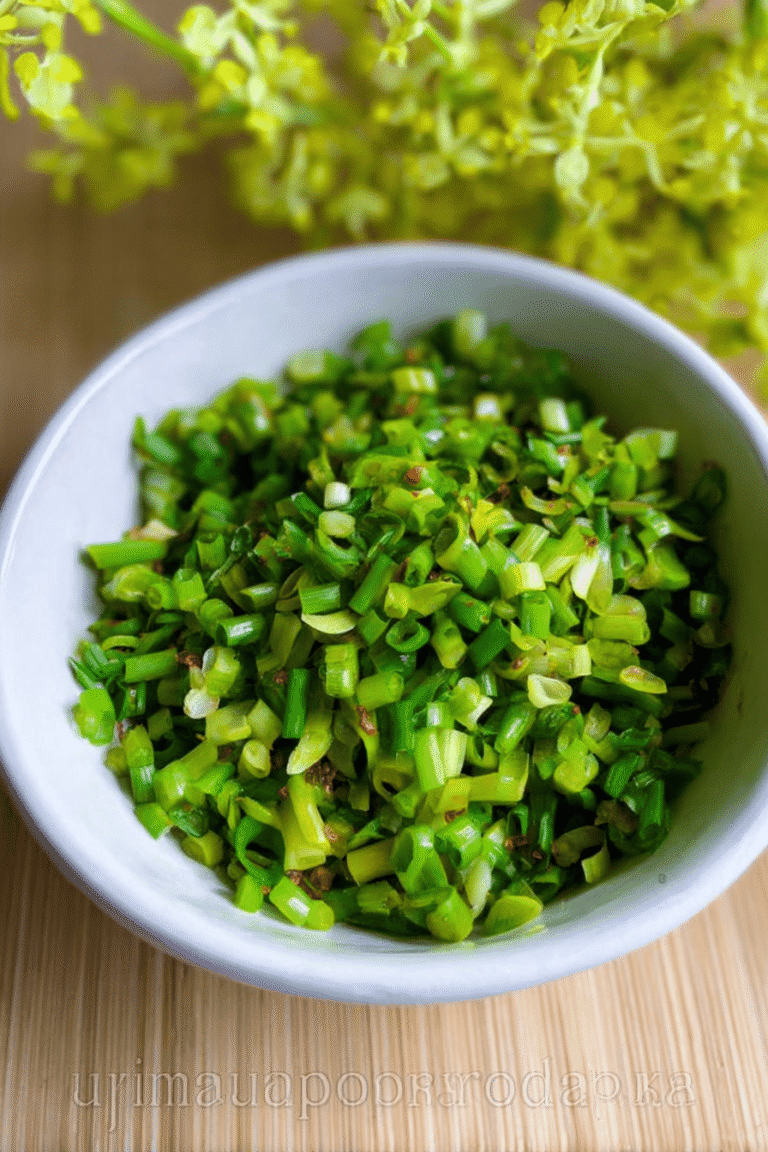
Green Onion
🧅 Discover the versatile benefits of scallions, perfect for adding fresh flavor and nutrition to your meals.
🌿 Learn simple ways to cook with green onions that enhance a wide range of dishes effortlessly.
- Total Time: 10 minutes
- Yield: Varies depending on recipe
Ingredients
3 cups chopped green onions
1 tablespoon olive oil
2 cloves garlic, minced
1 teaspoon soy sauce (or tamari for gluten-free)
Salt and pepper to taste
Instructions
1-First Step: Washing and Chopping Wash and chop 3 cups of fresh green onions into small pieces to prepare the main ingredient. Remove the bottom half-centimeter of the root before use to enhance safety and flavor. This step takes just a few minutes and sets the base for your recipe.
2-Second and Third Steps: Heating and Sautéing Heat 1 tablespoon of olive oil in a pan over medium heat for about 2 minutes. Add 2 minced garlic cloves and sauté until fragrant, approximately 1 minute, allowing the flavors to blend with the green onions’ mild taste.
3-Fourth Step: Stir-Frying Add the chopped green onions and stir-fry for 3-4 minutes until softened but still vibrant. Cooking the white part first enhances its flavor, while the green parts add color and freshness at the end.
4-Fifth and Sixth Steps: Seasoning Pour in 1 teaspoon of soy sauce or tamari for gluten-free adaptation, stirring well to combine. Season with salt and pepper to taste, adjusting based on your preferences for a balanced dish.
5-Final Step: Serving Serve immediately as a side or incorporate into your main dishes; this can be customized for vegan or low-calorie diets by adjusting oil quantities. Green onions are versatile in various cuisines, from salads and soups to pancakes and grilled dishes, demonstrating their global appeal.
Last Step:
Please leave a rating and comment letting us know how you liked this recipe! This helps our business to thrive and continue providing free, high-quality recipes for you.Notes
🌱 Remove only the root ends to keep maximum edible parts.
🔥 Cook white parts longer for sweeter, mellow flavor.
🥗 Add green parts at the end or raw for garnish to maintain color and freshness.
- Prep Time: 5 minutes
- Germination Time: 7 to 14 days
- Cook Time: 5 minutes
- Category: Vegetables
- Method: Chopping, cooking, grilling
- Cuisine: Various international cuisines
- Diet: Vegan, Vegetarian, Gluten-Free
Nutrition
- Serving Size: 1/4 cup chopped scallions (about 25 grams)
- Calories: 8 kcal
- Sugar: 0.65 g
- Sodium: 4 mg
- Fat: 0.04 g
- Saturated Fat: 0.01 g
- Unsaturated Fat: 0.03 g
- Trans Fat: 0 g
- Carbohydrates: 1.83 g
- Fiber: 0.58 g
- Protein: 0.46 g
- Cholesterol: 0 mg