Why You’ll Love This Filipino Spaghetti
Filipino Spaghetti is a beloved dish that brings comfort and joy to any gathering. This sweet-savory pasta has become a staple at birthdays, fiestas, and family reunions across the Philippines, and for good reason. The unique combination of flavors creates an unforgettable taste experience that both children and adults adore.Ease of Preparation
This recipe is incredibly simple to make, requiring just 10 minutes of prep time and 45 minutes of cooking. Even beginners can master this dish without any fancy equipment or advanced cooking skills. The straightforward process involves basic techniques like sautéing, simmering, and boiling, making it accessible to anyone with a stovetop and a few kitchen essentials.Health Benefits
A single serving provides 41 grams of protein, making it a satisfying and filling meal option. The dish also contains essential nutrients like iron (5mg), calcium (141mg), and potassium (1231mg). According to recent studies on pasta consumption, pasta can be part of a balanced diet when paired with protein and vegetables. The tomato-based sauce also offers Vitamin A (816 IU) and Vitamin C (14mg) per serving.Versatility
This Filipino Spaghetti recipe adapts easily to various dietary preferences and ingredient availability. You can swap ground pork for ground beef, use plant-based meat alternatives, or adjust the sweetness level to your liking. The recipe works well for meal prep and can feed a crowd, making it perfect for busy weeknights or special occasions.Distinctive Flavor
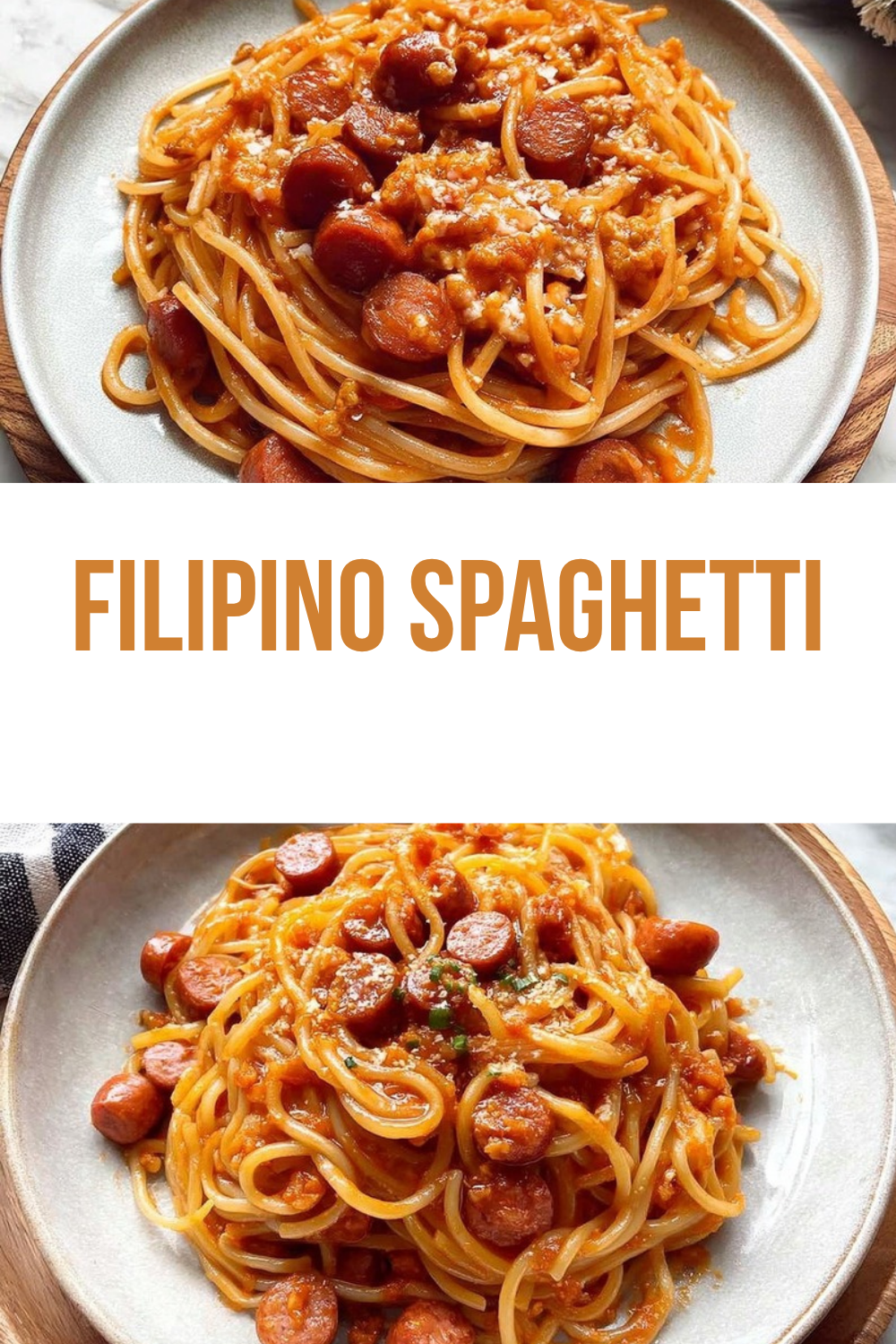
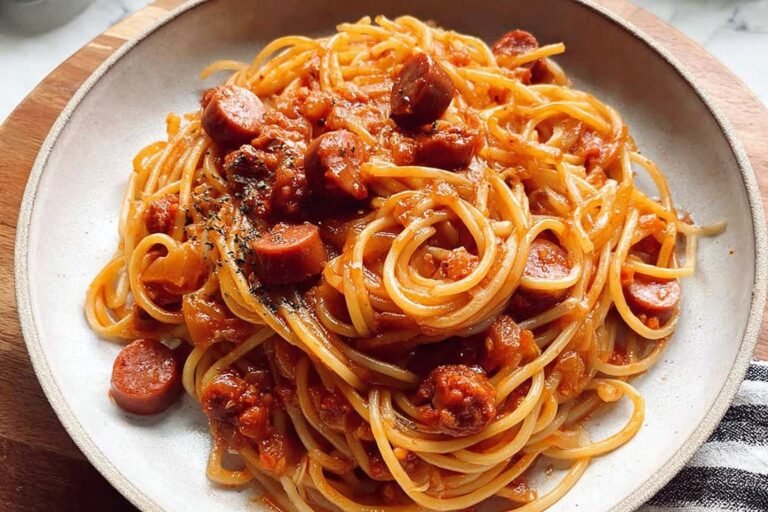
What sets this dish apart is its signature sweet-savory profile. The combination of spaghetti sauce with beef broth creates a rich, meaty base, while hotdogs and luncheon meat add texture and depth. The generous topping of shredded cheddar cheese melts into the warm pasta, creating a creamy finish that makes every bite irresistible.Jump to:
- Why You’ll Love This Filipino Spaghetti
- Ease of Preparation
- Health Benefits
- Versatility
- Distinctive Flavor
- Essential Ingredients for Filipino Spaghetti
- Main Ingredients List
- Special Dietary Options
- How to Prepare the Perfect Filipino Spaghetti: Step-by-Step Guide
- First Step: Prepare and Cook the Noodles
- Second Step: Sauté the Aromatics
- Third Step: Brown the Ground Pork
- Fourth Step: Add Luncheon Meat and Hotdogs
- Fifth Step: Create the Sauce Base
- Final Step: Season and Serve
- Dietary Substitutions to Customize Your Filipino Spaghetti
- Protein and Main Component Alternatives
- Vegetable, Sauce, and Seasoning Modifications
- Mastering Filipino Spaghetti: Advanced Tips and Variations
- Pro Cooking Techniques
- Flavor Variations
- Presentation Tips
- Make-Ahead Options
- How to Store Filipino Spaghetti: Best Practices
- Refrigeration
- Freezing
- Reheating
- Meal Prep Considerations
- FAQs: Frequently Asked Questions About Filipino Spaghetti
- What makes Filipino spaghetti different from Italian spaghetti?
- What are the key ingredients for Filipino spaghetti sauce?
- Can I use ground beef instead of ground pork in Filipino spaghetti?
- What kind of hotdogs or luncheon meat go in Filipino spaghetti?
- What can I substitute for beef broth in Filipino spaghetti?
- Filipino Spaghetti
- Ingredients
- Instructions
- Last Step:
- Notes
- Nutrition
- Did you make this recipe?
Essential Ingredients for Filipino Spaghetti
To create an authentic and delicious Filipino Spaghetti, you will need the following ingredients with precise measurements:Main Ingredients List
- 2 lbs. spaghetti noodles – The foundation of the dish, providing the carbohydrate base that holds all the flavors together
- 1 lb. ground pork – Adds protein and a rich, meaty flavor that forms the heart of the sauce
- 6 ounces minced luncheon meat – Contributes a savory, salty element that enhances the overall taste profile
- 4 pieces hotdogs or beef franks – Provide a classic Filipino touch with their slightly sweet flavor and chewy texture
- 35 ounces spaghetti sauce – Creates the tomato-based foundation with herbs and seasonings already incorporated
- 1/2 cup shredded cheddar cheese – Melts beautifully on top, adding a creamy, tangy finish to each serving
- 1 cup beef broth – Deepens the savory notes and helps achieve the perfect sauce consistency
- 1 medium minced onion – Builds the aromatic base that infuses the sauce with sweetness and depth
- 1 teaspoon minced garlic – Adds a punch of flavor and aromatic quality to the sauce
- Salt and pepper to taste – Essential seasonings that bring all the flavors into balance
- 3 tablespoons cooking oil – Used for sautéing the aromatics and browning the meat
Special Dietary Options
Vegan Option: Replace ground pork with plant-based ground meat (1 lb.), use vegan hotdogs and luncheon meat alternatives, substitute nutritional yeast or vegan cheese shreds instead of cheddar, and opt for vegetable broth instead of beef broth.
Gluten-Free Option: Use gluten-free spaghetti noodles made from rice, corn, or chickpea flour. Double-check that the spaghetti sauce and luncheon meat are certified gluten-free, as some brands contain wheat-based fillers.
Lower-Calorie Option: Use lean ground pork or substitute with ground chicken or turkey. Reduce the amount of luncheon meat and hotdogs by half, and use a reduced-fat cheddar cheese for topping.
How to Prepare the Perfect Filipino Spaghetti: Step-by-Step Guide
Creating the perfect Filipino Spaghetti requires careful attention to each step. Follow this detailed guide to achieve restaurant-quality results in your own kitchen.First Step: Prepare and Cook the Noodles
Fill a large pot with water and bring it to a rolling boil over high heat. Once boiling, add a generous amount of salt to the water to season the pasta from within. Add the 2 lbs. of spaghetti noodles to the boiling water and cook according to the package instructions, typically 8-10 minutes for al dente texture.
Pro Tip: Avoid adding oil to the pasta water, as this creates a slippery coating on the noodles that prevents the sauce from adhering properly.
Stir the noodles occasionally during cooking to prevent them from sticking together. Once cooked to your preferred tenderness, drain the noodles in a colander and set them aside in a large bowl. You can toss them with a small amount of sauce to prevent sticking while you finish preparing the meat sauce.
Second Step: Sauté the Aromatics
While the noodles cook, heat 3 tablespoons of cooking oil in a large, deep pan or Dutch oven over medium heat. Add the minced onion and cook for 2-3 minutes until the pieces become soft and translucent. The onions should release their natural sweetness and create a fragrant foundation for the sauce.
Add the minced garlic and continue sautéing for another 30-60 seconds. Be careful not to burn the garlic, as it can turn bitter quickly. The combination of softened onions and fragrant garlic creates the essential aromatic base that will carry through the entire dish.
Third Step: Brown the Ground Pork
Add the 1 lb. of ground pork to the pan with the sautéed aromatics. Use a wooden spoon or spatula to break up the meat into small pieces as it cooks. Continue browning the pork for 5-7 minutes until it turns light brown and is cooked through.
The rendered fat from the pork will help carry the flavors throughout the sauce. If you prefer a leaner dish, you can drain some of the excess fat before proceeding, but keeping a small amount adds richness to the final result.
Fourth Step: Add Luncheon Meat and Hotdogs
Once the ground pork has browned, add the 6 ounces of minced luncheon meat and the 4 pieces of sliced hotdogs or beef franks to the pan. Stir everything together to combine the meats evenly. Cook this mixture for 2-3 minutes, allowing the hotdogs to heat through and the luncheon meat to develop slightly crispy edges.
The combination of these processed meats is what gives Filipino Spaghetti its signature taste and texture. The hotdogs provide a subtle sweetness and satisfying bite, while the luncheon meat adds depth and saltiness.
Fifth Step: Create the Sauce Base
Pour the 35 ounces of spaghetti sauce into the pan with the meat mixture. Add the 1 cup of beef broth and stir everything together thoroughly. The broth helps thin out the concentrated spaghetti sauce and infuses additional savory flavor into the dish.
Bring the sauce to a boil over medium-high heat, then immediately reduce the heat to low. Cover the pan with a lid to trap moisture and let the sauce simmer gently for 30 minutes. This simmering time allows all the flavors to meld together and the sauce to develop its characteristic richness.
Final Step: Season and Serve
After simmering, taste the sauce and adjust the seasoning with salt and pepper as needed. The sauce should have a balanced flavor profile with savory, slightly sweet notes. Remove the pan from heat and prepare to serve.
Place a generous portion of cooked spaghetti noodles on each plate and ladle the hot meat sauce over the top. Sprinkle shredded cheddar cheese generously over each serving. The residual heat from the sauce will begin melting the cheese, creating a creamy topping. Serve immediately while hot and enjoy the comforting flavors of this classic Filipino dish.

Dietary Substitutions to Customize Your Filipino Spaghetti
Protein and Main Component Alternatives
The beauty of Filipino Spaghetti lies in its adaptability. If ground pork is not available or you prefer a different flavor profile, ground beef works excellently as a substitute. Use the same 1 lb. quantity and follow the same cooking process. Ground beef provides a slightly richer taste and works beautifully with the sweet-savory sauce.
For those seeking a lighter option, ground chicken or ground turkey can replace pork. These leaner meats cook faster, so reduce the browning time by 1-2 minutes. Add an extra tablespoon of cooking oil when using very lean meats to prevent the sauce from becoming dry.
Vegetarians and vegans need not miss out on this delicious dish. Plant-based ground meat products available in most grocery stores can substitute for pork at a 1:1 ratio. Use vegan hotdogs made from soy or wheat protein, and replace luncheon meat with plant-based deli slices or omit entirely for a simpler sauce.
| Original Ingredient | Substitution Option | Quantity |
|---|---|---|
| Ground pork | Ground beef | 1 lb. |
| Ground pork | Ground chicken | 1 lb. |
| Ground pork | Plant-based meat | 1 lb. |
| Hotdogs | Vegan sausages | 4 pieces |
| Beef broth | Vegetable broth | 1 cup |
Vegetable, Sauce, and Seasoning Modifications
While traditional Filipino Spaghetti keeps the sauce simple, you can add vegetables for extra nutrition and texture. Diced bell peppers, carrots, or peas blend well with the sweet sauce and add color. Add these vegetables when you add the luncheon meat and hotdogs, giving them time to soften during the simmering period.
For those watching their sodium intake, use a low-sodium spaghetti sauce and reduce the amount of processed meats. You can boost flavor with additional garlic, onions, and dried herbs like oregano and basil. A pinch of sugar can replace some of the sweetness typically provided by commercial spaghetti sauces.
The cheese topping offers another opportunity for customization. While cheddar is traditional, other options include quick-melt cheese, queso de bola (Edam cheese), or a combination of mozzarella and cheddar for a stretchier melt. Nutritional data shows cheddar cheese provides significant calcium and protein per serving, making it a nutritious finishing touch.
If you enjoy a sweeter sauce, add 1-2 tablespoons of sugar or banana ketchup during the simmering stage. For those who prefer more heat, incorporate a small amount of chili flakes or diced jalapeños when sautéing the aromatics.
Mastering Filipino Spaghetti: Advanced Tips and Variations
Pro Cooking Techniques
The secret to restaurant-quality Filipino Spaghetti lies in the details. When cooking your noodles, always use a large pot with plenty of water. This prevents the pasta from becoming sticky and ensures even cooking throughout. Test the noodles 2 minutes before the recommended cooking time to achieve perfect al dente texture.
For the sauce, allow it to simmer uncovered for the last 10 minutes if you prefer a thicker consistency. This reduction concentrates the flavors and creates a richer coating for the noodles. Conversely, if the sauce becomes too thick, add a splash of pasta water or beef broth to loosen it.
Professional chefs recommend tasting and adjusting seasonings at multiple stages throughout the cooking process, not just at the end.
When browning meat, avoid the temptation to stir constantly. Let the meat develop a slight crust before breaking it up, which creates more complex flavors through the Maillard reaction.
Flavor Variations
For a spicier version, add diced jalapeños or a tablespoon of hot sauce to the sauce during simmering. You can also incorporate diced pineapple for a tropical twist that complements the sweetness. Some families add diced carrots and bell peppers for extra vegetables and color.
Regional variations exist throughout the Philippines. Some versions include liver spread for added richness, while others incorporate evaporated milk for a creamier sauce. Feel free to experiment with these additions to find your family’s preferred style.
Presentation Tips
Presenting Filipino Spaghetti beautifully makes it even more appealing. Serve on white plates to showcase the vibrant red sauce. Create height by twirling noodles using a carving fork before plating. Sprinkle cheese in a decorative pattern and garnish with finely chopped parsley or scallions for a pop of green color.
For parties and gatherings, consider serving family-style in a large, shallow dish. This allows guests to help themselves and keeps the pasta warm longer. Set extra cheese on the side for those who prefer additional toppings.
Make-Ahead Options
You can prepare the meat sauce up to 2 days in advance and store it in an airtight container in the refrigerator. The flavors actually improve overnight as they meld together. When ready to serve, reheat the sauce and cook fresh noodles. This approach is perfect for busy weeknights or when entertaining guests.
Cooked noodles can be stored separately for 3-4 days. Toss them with a small amount of oil to prevent sticking before refrigerating. When reheating, add a splash of water and microwave in 30-second intervals, stirring between each interval.
How to Store Filipino Spaghetti: Best Practices
Refrigeration
Properly stored Filipino Spaghetti maintains its quality for 3-4 days in the refrigerator. Allow the dish to cool completely before transferring to airtight containers. For best results, store the sauce and noodles separately to prevent the pasta from becoming soggy. If already combined, the dish will still keep well, though the noodles may soften slightly.
Label containers with the date of preparation to track freshness. When stored correctly, this dish makes excellent leftovers for quick lunches or dinners throughout the week.
Freezing
For longer storage, Filipino Spaghetti freezes well for up to 1-2 months. Portion the sauce into freezer-safe containers or heavy-duty freezer bags, leaving some space for expansion. Label with the date and contents for easy identification.
Note that the texture of the noodles may change slightly after freezing and thawing. Consider freezing only the sauce and cooking fresh noodles when ready to serve for the best texture.
Reheating
Reheat refrigerated Filipino Spaghetti in the microwave or on the stovetop. For the microwave, place a portion in a microwave-safe bowl, add a tablespoon of water or broth, cover loosely, and heat in 1-minute intervals until warmed through. Stir between intervals for even heating.
On the stovetop, place the pasta and sauce in a pan over medium-low heat. Add a splash of liquid to loosen the sauce, cover, and heat for 5-7 minutes, stirring occasionally until hot throughout. Add fresh cheese topping before serving.
Meal Prep Considerations
This recipe is ideal for meal preparation. The generous yield of 6 servings makes it practical for batch cooking. Consider preparing a double batch of the sauce and freezing half for a future quick meal. The sauce reheats beautifully and tastes even better the second time around.
For weekly meal prep, portion cooled spaghetti into individual containers. These portions reheat quickly and make convenient grab-and-go lunches. The dish travels well and can be enjoyed at room temperature for picnics or potlucks.
FAQs: Frequently Asked Questions About Filipino Spaghetti
What makes Filipino spaghetti different from Italian spaghetti?
Filipino spaghetti stands out with its sweet-savory sauce made from banana ketchup, ground meat, hotdogs or luncheon meat, and a generous topping of grated cheddar cheese. Unlike Italian spaghetti’s tomato-based marinara that’s herb-focused and less sweet, the Filipino version draws from American influences post-WWII, featuring a bold sweetness from sugar and banana ketchup, plus processed meats for texture. It’s a party staple in the Philippines, often served at birthdays with extra cheese melted on top. To replicate, start with 1/2 cup banana ketchup, 1/4 cup sugar, and 300g ground pork or beef. Simmer 20-30 minutes for thick sauce. This twist makes it kid-friendly and uniquely Pinoy. Total prep and cook time: about 45 minutes for 4-6 servings. (92 words)
What are the key ingredients for Filipino spaghetti sauce?
Core ingredients include 300-500g ground pork or beef, 1 onion, 4 garlic cloves, 1/2 cup banana ketchup (essential for authentic sweetness), 1/4 cup tomato sauce, 1/4 cup water or beef broth, 1/4 cup sugar, 2 tbsp soy sauce, sliced hotdogs or luncheon meat (like Purefoods or Spam, about 200g), and salt/pepper. Top with grated quick-melt cheddar cheese. Sauté aromatics first, brown meat, add sauces and meats, simmer 20-25 minutes until thickened. Banana ketchup provides fruity tang—don’t skip it. Adjust sugar for taste. Serves 6; pairs with spaghetti boiled al dente. Pro tip: Add a bay leaf for depth. Store leftovers in fridge up to 3 days; reheat with splash of water. (118 words)
Can I use ground beef instead of ground pork in Filipino spaghetti?
Yes, ground beef works perfectly as a substitute for ground pork in Filipino spaghetti, offering a richer flavor that many prefer. Use the same amount, about 400g for 6 servings. Brown it directly in the pan after sautéing onions and garlic—no pre-boiling needed. Beef pairs well with the sweet banana ketchup sauce and hotdogs. If using lean beef, add 1 tbsp oil to prevent dryness. Taste test midway; beef might need slightly less sugar (start with 3 tbsp). Full steps: Sauté 1 chopped onion + 4 minced garlic, add beef, cook until browned, stir in 1/2 cup banana ketchup, 1/4 cup sugar, 200g sliced luncheon meat, simmer 20 minutes. Top with cheese. Freezes well for 1 month. (112 words)
What kind of hotdogs or luncheon meat go in Filipino spaghetti?
Classic Filipino spaghetti uses beef or chicken hotdogs (like Purefoods Tender Juicy) or canned luncheon meat such as Argentina or Spam—about 200-300g, sliced into rounds or cubes. These add chewy texture and savory bite to the sweet sauce. Spam is a great option for convenience; drain and pan-fry lightly first for crisp edges. Sauté with ground meat after browning onions/garlic. Popular brands in the Philippines include CDO and Holiday for hotdogs. For 6 servings: slice 10-12 hotdogs, add midway through sauce simmer to avoid mushiness. Vegetarian swap: plant-based sausages. This combo makes it a festive dish; sprinkle 1 cup grated cheese on hot pasta before tossing. Keeps sauce cohesive. (108 words)
What can I substitute for beef broth in Filipino spaghetti?
If no beef broth, dissolve 1 beef or pork bouillon cube in 1/4-1/2 cup hot water—matches the savory depth perfectly. Chicken broth or vegetable stock works too, keeping it light. Water alone dilutes flavor, so boost with extra soy sauce (1 tsp) and a pinch of MSG if available. Recipe ratio: for 400g meat sauce, use 1/4 cup liquid total. Simmer longer (25-30 minutes) to concentrate. No broth? Tomato juice (1/4 cup) adds umami. Full tip: After sub, taste and adjust sugar (1/4 cup standard) as broth brings saltiness. Sauce thickens naturally; serves over 500g spaghetti. Refrigerate up to 3 days or freeze portions. Links to our banana ketchup guide for more tweaks. (106 words)
Filipino Spaghetti
🍝 Sweet-savory Filipino spaghetti loaded with ground pork, hotdogs, luncheon meat—irresistible kid favorite.
🥘 Meaty cheesy sauce simmers to perfection in 55 minutes; authentic Pinoy comfort food at home.
- Total Time: 55 minutes
- Yield: 6 servings
Ingredients
– 2 lbs. spaghetti noodles
– 1 lb. ground pork
– 6 ounces minced luncheon meat
– 4 pieces hotdogs or beef franks
– 35 ounces spaghetti sauce
– 1/2 cup shredded cheddar cheese
– 1 cup beef broth
– 1 medium minced onion
– 1 teaspoon minced garlic
– Salt and pepper to taste
– 3 tablespoons cooking oil for sautéing the aromatics and browning the meat
Instructions
1-First Step: Prepare and Cook the Noodles Fill a large pot with water and bring it to a rolling boil over high heat. Once boiling, add a generous amount of salt to the water to season the pasta from within. Add the 2 lbs. of spaghetti noodles to the boiling water and cook according to the package instructions, typically 8-10 minutes for al dente texture. Stir the noodles occasionally during cooking to prevent them from sticking together. Once cooked to your preferred tenderness, drain the noodles in a colander and set them aside in a large bowl. You can toss them with a small amount of sauce to prevent sticking while you finish preparing the meat sauce.
2-Second Step: Sauté the Aromatics While the noodles cook, heat 3 tablespoons of cooking oil in a large, deep pan or Dutch oven over medium heat. Add the minced onion and cook for 2-3 minutes until the pieces become soft and translucent. The onions should release their natural sweetness and create a fragrant foundation for the sauce. Add the minced garlic and continue sautéing for another 30-60 seconds. Be careful not to burn the garlic, as it can turn bitter quickly. The combination of softened onions and fragrant garlic creates the essential aromatic base that will carry through the entire dish.
3-Third Step: Brown the Ground Pork Add the 1 lb. of ground pork to the pan with the sautéed aromatics. Use a wooden spoon or spatula to break up the meat into small pieces as it cooks. Continue browning the pork for 5-7 minutes until it turns light brown and is cooked through. The rendered fat from the pork will help carry the flavors throughout the sauce. If you prefer a leaner dish, you can drain some of the excess fat before proceeding, but keeping a small amount adds richness to the final result.
4-Fourth Step: Add Luncheon Meat and Hotdogs Once the ground pork has browned, add the 6 ounces of minced luncheon meat and the 4 pieces of sliced hotdogs or beef franks to the pan. Stir everything together to combine the meats evenly. Cook this mixture for 2-3 minutes, allowing the hotdogs to heat through and the luncheon meat to develop slightly crispy edges. The combination of these processed meats is what gives Filipino Spaghetti its signature taste and texture. The hotdogs provide a subtle sweetness and satisfying bite, while the luncheon meat adds depth and saltiness.
5-Fifth Step: Create the Sauce Base Pour the 35 ounces of spaghetti sauce into the pan with the meat mixture. Add the 1 cup of beef broth and stir everything together thoroughly. The broth helps thin out the concentrated spaghetti sauce and infuses additional savory flavor into the dish. Bring the sauce to a boil over medium-high heat, then immediately reduce the heat to low. Cover the pan with a lid to trap moisture and let the sauce simmer gently for 30 minutes. This simmering time allows all the flavors to meld together and the sauce to develop its characteristic richness.
6-Final Step: Season and Serve After simmering, taste the sauce and adjust the seasoning with salt and pepper as needed. The sauce should have a balanced flavor profile with savory, slightly sweet notes. Remove the pan from heat and prepare to serve. Place a generous portion of cooked spaghetti noodles on each plate and ladle the hot meat sauce over the top. Sprinkle shredded cheddar cheese generously over each serving. The residual heat from the sauce will begin melting the cheese, creating a creamy topping. Serve immediately while hot and enjoy the comforting flavors of this classic Filipino dish.
Last Step:
Please leave a rating and comment letting us know how you liked this recipe! This helps our business to thrive and continue providing free, high-quality recipes for you.Notes
🧂 Salt pasta water for better flavor; use rolling boil.
🚫 Skip oil in pasta water so sauce clings well.
🧀 Swap cheddar for queso de bola or quickmelt cheese.
- Prep Time: 10 minutes
- Cook Time: 45 minutes
- Category: Main Dishes
- Method: Stovetop
- Cuisine: Filipino
Nutrition
- Serving Size: 1/6 recipe
- Calories: 1003 kcal
- Sugar: 11 g
- Sodium: 1525 mg
- Fat: 37 g
- Saturated Fat: 12 g
- Unsaturated Fat: 22 g
- Trans Fat: 0 g
- Carbohydrates: 125 g
- Fiber: 8 g
- Protein: 41 g
- Cholesterol: 84 mg