Why You’ll Love This Farmers Cheese
Farmers cheese stands out as a simple delight for home cooks wanting to try making their own fresh cheese. This recipe is straightforward, using everyday items to create something tasty in just a short time. You’ll appreciate how it brings a touch of homemade magic to your meals without needing fancy tools.
Not only is farmers cheese easy to whip up, but it also packs health perks that make it a smart choice for your diet. Made from whole milk, it offers protein and calcium that help keep bones strong and support daily energy needs. Plus, it’s versatile enough to fit into various dishes, from snacks to main courses, appealing to busy parents, students, and food enthusiasts alike.
One of the best parts about this farmers cheese is its adaptability for different diets, like vegan or gluten-free options, while keeping that fresh, mild taste. Let me share why this cheese has become a favorite in my kitchen at savoringflavors.com. For more ideas on incorporating cheese into meals, check out our cheese tortellini recipe, which pairs well with homemade cheeses.
Key Benefits and Uses
- Ease of preparation: This farmers cheese recipe is simple and quick to prepare, perfect for busy days. The straightforward steps ensure minimal cooking time, allowing you to enjoy a fresh, homemade cheese with little effort.
- Health benefits: Farmers cheese is rich in protein and calcium, supporting bone health and muscle maintenance. It also contains probiotics that aid digestion and contribute to a balanced diet.
- Versatility: Adaptable for various dietary needs, farmers cheese can be used in vegan, gluten-free, or low-calorie diets by adjusting ingredients, making it a flexible addition to your meal plan.
- Distinctive flavor: This farmers cheese offers a fresh, slightly tangy flavor with a creamy texture that enhances dishes, standing out from other cheeses with its unique homemade appeal.
To expand on its appeal, think about how this cheese can brighten up your table. Whether you’re a working professional looking for quick meals or a baking enthusiast experimenting with new flavors, farmers cheese adds a special touch.
Jump to:
- Why You’ll Love This Farmers Cheese
- Key Benefits and Uses
- Essential Ingredients for Farmers Cheese
- Structured Ingredients List
- Special Dietary Options
- How to Prepare the Perfect Farmers Cheese: Step-by-Step Guide
- Step-by-Step Breakdown
- Dietary Substitutions to Customize Your Farmers Cheese
- Protein and Main Component Alternatives
- Vegetable, Sauce, and Seasoning Modifications
- Mastering Farmers Cheese: Advanced Tips and Variations
- Presentation and Storage Ideas
- How to Store Farmers Cheese: Best Practices
- FAQs: Frequently Asked Questions About Farmers Cheese
- What does farmers cheese taste like compared to other cheeses?
- Can farmers cheese be used in cooking, and does it melt?
- How should I store farmers cheese to keep it fresh?
- Is farmers cheese a healthy option for adding protein to my diet?
- What are some popular recipe ideas using farmers cheese?
- Farmers Cheese
- Ingredients
- Instructions
- Last Step:
- Notes
- Nutrition
- Did you make this recipe?
Essential Ingredients for Farmers Cheese
Gathering the right ingredients is key to making perfect farmers cheese at home. This fresh cheese relies on simple, fresh items that you likely have in your kitchen. Below, you’ll find a detailed list based on the classic recipe, ensuring you get the measurements just right for the best results.
Start with high-quality whole milk for that creamy base, then add acid like white vinegar to help curdle it. Remember, the exact quantities matter, so follow the list closely. For more inspiration on simple recipes, explore our summer squash corn chowder, which uses fresh ingredients in a similar easy way.
Structured Ingredients List
- 1 gallon whole milk
- ⅔ cup white vinegar (white vinegar preferred; lemon juice or apple cider vinegar can be substituted)
- 2 teaspoons salt
This list covers everything needed for the recipe, making it simple to follow. Each item plays a role in creating the firm and dry texture that defines farmers cheese.
Special Dietary Options
If you’re adjusting for dietary needs, consider these swaps. For a vegan version, use plant-based milks like soy or almond milk with the same acid. It’s naturally gluten-free, but always check additives. Using low-fat milk can make it lighter, though it might change the texture slightly.
| Ingredient Type | Standard Option | Dietary Alternative |
|---|---|---|
| Milk Base | 1 gallon whole milk | Soy or almond milk for vegan |
| Acid for Curdling | ⅔ cup white vinegar | Lemon juice as substitute |
| Seasoning | 2 teaspoons salt | Adjust for low-sodium diets |
This table highlights how to customize while staying true to the recipe’s core.
How to Prepare the Perfect Farmers Cheese: Step-by-Step Guide
Making farmers cheese at home is a rewarding process that anyone can master with a few basic steps. Start by heating your milk carefully to avoid any mishaps, then add the acid to create those curds. By the end, you’ll have a fresh cheese ready to enjoy in various ways.
First, pour 1 gallon of whole milk into a large pot and heat it over medium heat, stirring often until it reaches 185 degrees Fahrenheit or begins to boil. Whisk the bottom to prevent scalding, then stir in the ⅔ cup white vinegar and 2 teaspoons salt, whisk, and remove from heat. Let it sit for 15 minutes to allow the curds to form fully.
Next, strain the curds from the whey using a cheesecloth or clean muslin towel over a colander and bowl, saving the whey for other recipes like soups or baking. Once cool enough to handle, twist the cheesecloth to form the curds into a ball, tie it tightly, and place it in the fridge for at least 4 hours or overnight to firm up while draining excess whey.
Step-by-Step Breakdown
- Gather your ingredients and prepare your workspace. Pour 1 gallon of whole milk into a large pot and heat it gently over medium heat until it reaches about 85°C (185°F), stirring occasionally to prevent scorching.
- Remove the pot from heat and slowly add 3 tablespoons of lemon juice or white vinegar while gently stirring. Allow the milk to curdle and separate into curds and whey for 10-15 minutes.
- Line a colander with cheesecloth and carefully pour the curdled milk through to strain the whey.
- Gather the edges of the cloth and gently squeeze out excess liquid. Tie the cloth and hang it to drain for 1-2 hours, depending on desired firmness.
- Once drained, transfer the curds to a bowl, add 2 teaspoons of salt, and mix thoroughly. Optional herbs can be folded in at this stage for added flavor.
- Shape the cheese as desired and refrigerate it for at least 1 hour before serving.
Preparation time includes prep time of 5 minutes, cook time of 20 minutes, and additional time of 4 hours or overnight for straining and chilling, totaling approximately 4 hours 25 minutes. This recipe can be modified for vegan or low-fat diets by substituting ingredients accordingly, as noted earlier.

Dietary Substitutions to Customize Your Farmers Cheese
One of the joys of farmers cheese is how easy it is to tweak for different tastes and needs. Whether you’re avoiding dairy or watching your calories, small changes can make a big difference. Let’s look at some options to keep this cheese fitting your lifestyle.
Protein and Main Component Alternatives
Suggestions include using plant-based milks like soy, almond, or oat milk as vegan substitutes, while maintaining acidity with lemon juice or vinegar. For lactose intolerance, opt for lactose-free milk to preserve the texture and flavor without issues.
Vegetable, Sauce, and Seasoning Modifications
Vegetables such as spinach or sun-dried tomatoes can be added for variety, while sauces like pesto enhance the taste. Seasonings including garlic powder, smoked paprika, or fresh herbs like basil make the cheese adaptable for diverse preferences.
These adjustments ensure farmers cheese remains inclusive. For instance, adding herbs before chilling can boost flavor, as per the tips from the recipe summary.
Mastering Farmers Cheese: Advanced Tips and Variations
Once you’re comfortable with the basics, dive into advanced techniques to elevate your farmers cheese game. Gentle heating of milk prevents scorching and ensures even curd formation, which is crucial for the best texture. Experimenting with flavors can turn your cheese into something truly unique.
Pro cooking techniques include gently heating milk to avoid scorching and precise acid addition to optimize curd formation. Flavor variations can be achieved by incorporating spices such as cumin, black pepper, or mixing in roasted nuts.
Presentation and Storage Ideas
- Presentation tips suggest molding farmers cheese into decorative shapes and garnishing with fresh herbs or drizzles of olive oil for visual appeal.
- Make-ahead options include preparing the cheese in advance and refrigerating it for up to a week, as recommended in the recipe tips.
Use whole milk for the creamiest results; lower fat options create a crumbier texture. Add fresh herbs like basil or dill to the curds for extra variety, making it ideal for crumbling on dishes.
How to Store Farmers Cheese: Best Practices
Proper storage keeps your farmers cheese fresh and flavorful, extending its enjoyment beyond the day you make it. Always use an airtight container to lock in that homemade goodness. Following these steps helps maintain quality for your meals.
Refrigeration: Store farmers cheese in an airtight container to preserve freshness for up to one week. Keep it in the coldest part of the refrigerator to maintain optimal texture and flavor. Freezing: For long-term storage, wrap the cheese tightly in plastic wrap and place it in a freezer-safe bag; it can last up to 3 months but may alter the texture slightly.
Meal prep considerations include dividing cheese into portions before storing to facilitate easy use in recipes. As noted in the tips, freezing changes the texture, so plan accordingly. For more on healthy eating, check out health benefits of cheese.
FAQs: Frequently Asked Questions About Farmers Cheese
What does farmers cheese taste like compared to other cheeses?
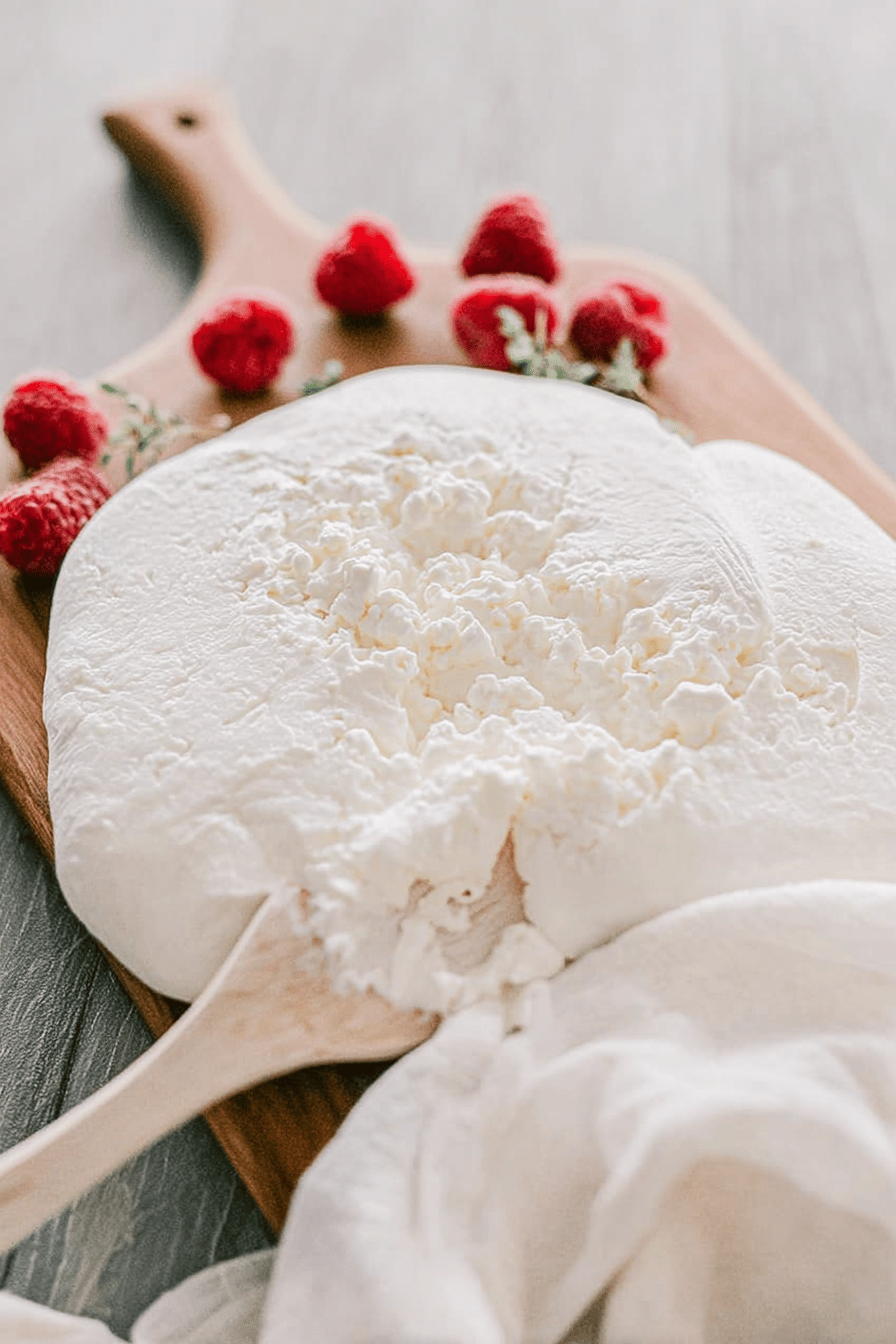
Farmers cheese has a mild, fresh flavor with a slight tanginess, making it similar to ricotta but firmer and drier. It is less creamy than cream cheese and less salty than feta, which gives it a gentle balance of sweetness and acidity, ideal for both savory and sweet dishes.
Can farmers cheese be used in cooking, and does it melt?
Farmers cheese softens when heated but does not fully melt like cheddar or mozzarella. Its crumbly texture holds up well during frying or baking, making it great for dishes like pierogies, blintzes, or stuffed vegetables where you want a creamy yet firm cheese.
How should I store farmers cheese to keep it fresh?
Keep farmers cheese in an airtight container in the refrigerator, where it will stay fresh for about one week. You can also freeze it, but be aware that freezing changes the texture, making it more crumbly and less smooth once thawed.
Is farmers cheese a healthy option for adding protein to my diet?
Yes, farmers cheese is a good source of protein and calcium, especially when made from whole milk or low-fat varieties. It provides essential nutrients with relatively low calories, making it a nutritious choice for snacks, salads, or meals.
What are some popular recipe ideas using farmers cheese?
Farmers cheese works well in a variety of recipes such as spreading on toast, mixing into salads, paired with fresh fruit and honey for a light dessert, or crumbled over roasted vegetables. It also complements charcuterie boards and can be a delicious filling in pastries and dumplings.
Farmers Cheese
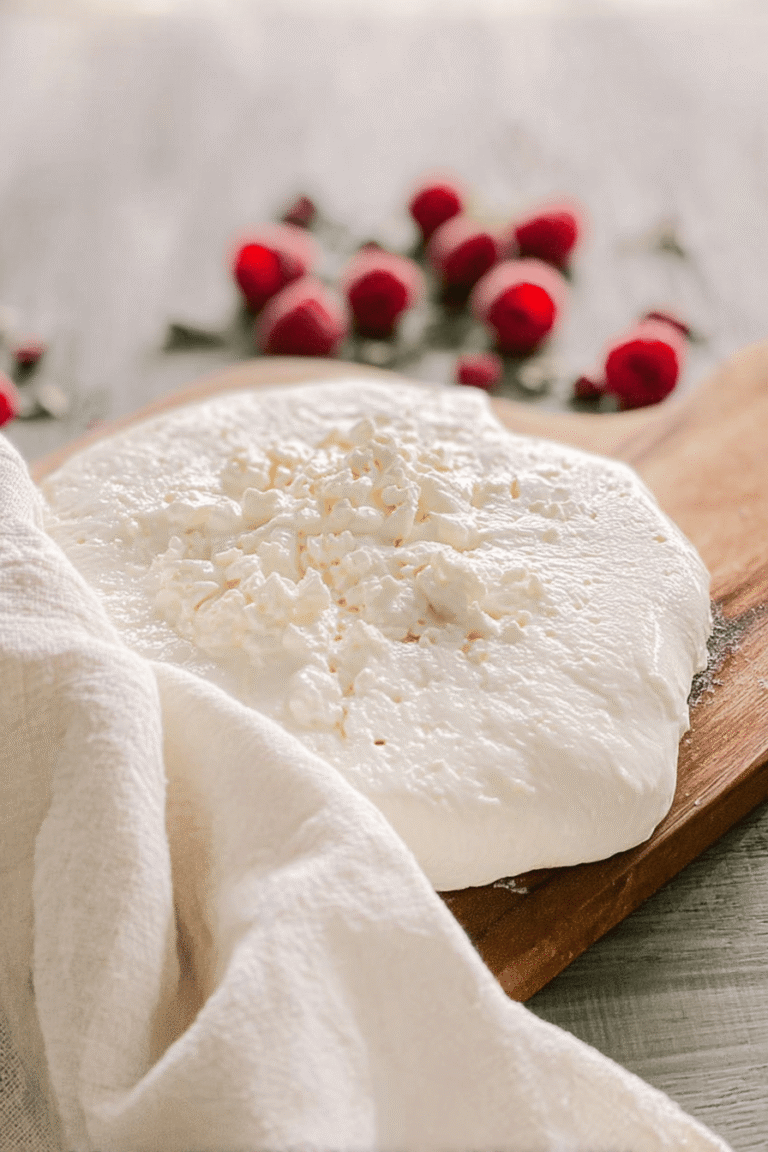
🧀 Discover how to make fresh and versatile Farmers Cheese at home, perfect for a variety of dishes.
🍽️ This mildly flavored cheese offers a firm texture and is excellent for frying, crumbling, or adding herbs for extra taste.
- Total Time: 4 hours 25 minutes
- Yield: About 1 pound cheese
Ingredients
– 1 gallon whole milk
– ⅝ cup white vinegar for curdling (white vinegar preferred; lemon juice or apple cider vinegar can be substituted)
– 2 teaspoons salt
Instructions
1-Gather your ingredients and prepare your workspace. Pour 1 gallon of whole milk into a large pot and heat it gently over medium heat until it reaches about 85°C (185°F), stirring occasionally to prevent scorching.
2-Remove the pot from heat and slowly add 3 tablespoons of lemon juice or white vinegar while gently stirring. Allow the milk to curdle and separate into curds and whey for 10-15 minutes.
3-Line a colander with cheesecloth and carefully pour the curdled milk through to strain the whey.
4-Gather the edges of the cloth and gently squeeze out excess liquid. Tie the cloth and hang it to drain for 1-2 hours, depending on desired firmness.
5-Once drained, transfer the curds to a bowl, add 2 teaspoons of salt, and mix thoroughly. Optional herbs can be folded in at this stage for added flavor.
6-Shape the cheese as desired and refrigerate it for at least 1 hour before serving.
Last Step:
Please leave a rating and comment letting us know how you liked this recipe! This helps our business to thrive and continue providing free, high-quality recipes for you.Notes
🥛 Use whole milk for best texture; low-fat milks create crumbly cheese.
🧂 Add herbs or seasonings before tying curds for extra flavor.
♻️ Save leftover whey for soups, baking, or flavoring other recipes.
- Prep Time: 5 minutes
- Straining and Chilling Time: 4 hours
- Cook Time: 20 minutes
- Category: Cheese
- Method: Curdling and Straining
- Cuisine: Russian
- Diet: Vegetarian
Nutrition
- Serving Size: 1 serving
- Calories: 230
- Sugar: 18g
- Sodium: 609mg
- Fat: 12g
- Saturated Fat: 7g
- Unsaturated Fat: 3.4g
- Carbohydrates: 18g
- Protein: 12g
- Cholesterol: 45mg