Why You’ll Love This Chinese Eggplant
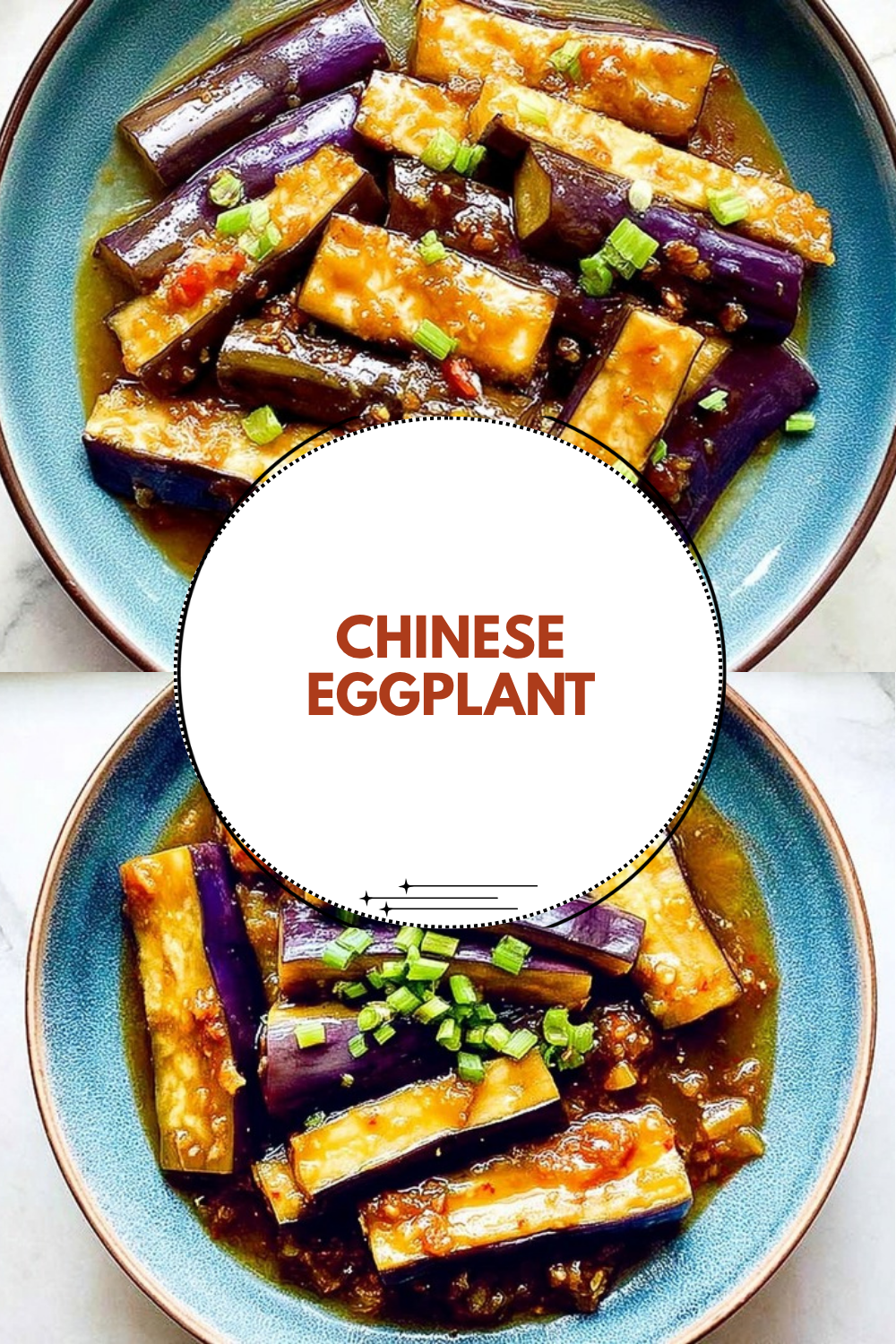
This Chinese Eggplant with Garlic Sauce recipe delivers restaurant-quality flavor right in your home kitchen. The dish combines tender, silky eggplant with a savory garlic sauce that clings perfectly to each piece. Whether you are a seasoned cook or just starting out, this recipe offers something special for every home cook.
- Ease of preparation: With just 40 minutes total time (25 minutes prep and 15 minutes cooking), this dish comes together quickly for busy weeknight dinners. The straightforward technique requires basic kitchen equipment a nonstick skillet and common pantry ingredients make this accessible to everyone.
- Health benefits: Chinese eggplant is naturally low in calories yet rich in fiber, antioxidants, and essential nutrients. Each serving contains just 122 calories while providing 3.7g of fiber and important vitamins and minerals. The minimal oil approach keeps the dish light without sacrificing flavor.
- Versatility: This recipe adapts easily to different dietary needs. It is naturally vegan and can be made gluten-free with simple soy sauce substitutions. Serve it as a main dish over rice or as a flavorful side alongside your favorite proteins. Check out our homemade peach cobbler recipe for a sweet finish to your meal.
- Distinctive flavor: The combination of soy sauce, garlic, and ginger creates an umami-rich sauce that coats the eggplant beautifully. Charred edges add a subtle smokiness while the tender interior melts in your mouth. It strikes the perfect balance between savory, slightly sweet, and aromatic.
Jump to:
- Why You’ll Love This Chinese Eggplant
- Essential Ingredients for Chinese Eggplant
- Main Ingredients
- Special Dietary Options
- How to Prepare the Perfect Chinese Eggplant: Step-by-Step Guide
- Step 1: Prepare the Eggplant
- Step 2: Apply the Cornstarch Coating
- Step 3: Pan-Fry the Eggplant
- Step 4: Prepare the Aromatics and Sauce
- Step 5: Combine and Finish
- Step 6: Serve
- Dietary Substitutions to Customize Your Chinese Eggplant
- Protein and Main Component Alternatives
- Vegetable, Sauce, and Seasoning Modifications
- Mastering Chinese Eggplant: Advanced Tips and Variations
- Pro Cooking Techniques
- Flavor Variations
- Presentation Tips
- Make-Ahead Options
- How to Store Chinese Eggplant: Best Practices
- Refrigeration
- Freezing
- Reheating
- Meal Prep Considerations
- Nutritional Information
- FAQs: Frequently Asked Questions About Chinese Eggplant
- What kind of eggplant works best for Chinese eggplant recipes?
- How do you prepare eggplant to reduce oil absorption in Chinese recipes?
- Why add cornstarch to eggplant before frying in Chinese dishes?
- What ingredients are in the sauce for Chinese eggplant?
- How long does it take to make Chinese eggplant and can it be gluten-free?
- Chinese Eggplant
- Ingredients
- Instructions
- Last Step:
- Notes
- Nutrition
- Did you make this recipe?
Essential Ingredients for Chinese Eggplant
Gathering the right ingredients ensures your Chinese Eggplant with Garlic Sauce turns out perfectly every time. Here is everything you need:
Main Ingredients
- 10 oz Chinese eggplant (about 2 small eggplants) – The star ingredient with thin skin and tender flesh that cooks quickly without bitterness
- 1 teaspoon salt – Used to draw out excess moisture and remove any bitter taste from the eggplant
- 1 tablespoon cornstarch (for coating) – Creates a light, crispy exterior when pan-fried
- 1 tablespoon light soy sauce – Provides the primary salty, umami flavor base for the sauce
- 1 tablespoon water – Helps thin the sauce for even coating
- 1/2 teaspoon dark soy sauce (optional) – Adds rich color and subtle caramel notes to the finished dish
- 2 teaspoons sugar – Balances the savory elements and enhances the natural sweetness of the eggplant
- 1 teaspoon cornstarch (for sauce thickening) – Gives the sauce a glossy, thick consistency that clings to the eggplant
- 2 1/2 tablespoons peanut or vegetable oil – Used for frying; peanut oil adds a subtle nutty flavor while vegetable oil keeps it neutral
- 1 teaspoon minced ginger – Adds warm, aromatic notes that complement the garlic
- 3 cloves chopped garlic – The signature flavor that gives this dish its name and aromatic character
Special Dietary Options
- Vegan: This recipe is naturally vegan as written
- Gluten-free: Substitute both soy sauces with tamari or coconut aminos in the same quantities
- Low-calorie: Reduce oil to 2 tablespoons total and use a nonstick skillet; the recipe already contains just 122 calories per serving
How to Prepare the Perfect Chinese Eggplant: Step-by-Step Guide
Making Chinese Eggplant with Garlic Sauce requires proper technique to achieve that ideal texture: crispy on the outside, silky on the inside, and coated in a glossy, flavorful sauce. Follow these detailed steps for success.
Step 1: Prepare the Eggplant
Start by washing and trimming the ends of your Chinese eggplant. Cut them into 1/2-inch thick rounds or diagonal slices for more surface area. Uniform pieces ensure even cooking throughout.
Now choose one of two effective preparation methods to remove excess moisture:
Method A – Salted Water Soak: Fill a bowl with cold water and add 1 tablespoon of salt. Submerge the eggplant slices completely and let them soak for 15 minutes. This salting process draws out bitter compounds and excess water. Drain thoroughly and pat completely dry with paper towels or a clean kitchen towel.
Method B – Direct Salting: Arrange eggplant slices on a clean kitchen towel or paper towels. Sprinkle the 1 teaspoon of salt evenly over the pieces. Let them sit for 15 minutes as the salt pulls moisture to the surface. Rinse the slices under cold water to remove excess salt, then pat thoroughly dry.
Both methods prevent sogginess and bitterness while helping the eggplant maintain its white color during cooking. Choose whichever fits your schedule and kitchen setup.
Step 2: Apply the Cornstarch Coating
Once your eggplant pieces are completely dry, place them in a large bowl or on a clean surface. Sprinkle the 1 tablespoon of cornstarch evenly over the eggplant. Toss gently with your hands or a spoon to coat each piece lightly and uniformly.
This cornstarch layer serves multiple purposes: it creates a barrier that prevents excessive oil absorption, promotes a crispy golden exterior, and helps the sauce adhere to the eggplant later. Shake off any excess cornstarch before cooking.
Step 3: Pan-Fry the Eggplant
Heat 2 tablespoons of oil in a large nonstick skillet over medium-high heat. The oil should shimmer but not smoke. Working in batches if necessary, arrange the eggplant slices in a single layer without crowding the pan. Overcrowding causes steaming rather than frying.
Cook the eggplant for 8-10 minutes total, flipping once halfway through. The goal is a charred, golden-brown exterior with tender flesh inside. Look for nice browning on both sides. Transfer the cooked eggplant to a plate and set aside.
Step 4: Prepare the Aromatics and Sauce
While the eggplant cooks, mix your sauce ingredients in a small bowl. Combine the 1 tablespoon light soy sauce, 1 tablespoon water, 1/2 teaspoon dark soy sauce (if using), 2 teaspoons sugar, and 1 teaspoon cornstarch. Stir well to dissolve the cornstarch completely. Set aside.
In the same skillet after removing the eggplant, add the remaining 1/2 tablespoon of oil over medium heat. Add the 1 teaspoon minced ginger and 3 cloves of chopped garlic. Sauté for 30-60 seconds until fragrant, stirring constantly to prevent burning. The garlic should be golden and aromatic, not brown or bitter.
Step 5: Combine and Finish
Return the cooked eggplant to the skillet with the aromatics. Give your sauce mixture one final stir to redistribute the cornstarch, then pour it over the eggplant. Work quickly now, tossing everything together for about 1 minute. The sauce will thicken rapidly and coat each piece with a glossy sheen.
Remove from heat immediately once the sauce reaches your desired consistency. Overcooking at this stage can make the sauce too thick or gummy.
Step 6: Serve
Transfer your Chinese Eggplant with Garlic Sauce to a serving dish. Serve hot over steamed rice or alongside noodles for a complete meal. Garnish with sliced green onions or sesame seeds if desired. This dish pairs wonderfully with other Asian-inspired dishes or stands alone as a satisfying vegetarian main. For a refreshing drink pairing, try our creamy strawberry milkshake recipe.

Dietary Substitutions to Customize Your Chinese Eggplant
Protein and Main Component Alternatives
While this Chinese Eggplant recipe shines as a vegetable-forward dish, you can easily add protein or modify the main ingredients based on your preferences and what you have available.
For added protein, consider mixing in cubed tofu (firm or extra firm works best), sliced shiitake mushrooms, or diced tempeh. Add these during the frying stage along with or instead of some eggplant. Ground pork or sliced chicken breast also work beautifully for meat-eaters. Cook proteins separately or add them to the pan before the aromatics.
If Chinese eggplant is unavailable, Japanese eggplant makes an excellent substitute with similar characteristics. Globe eggplant works too but requires slightly longer cooking time and may need additional salting to remove bitterness. Zucchini can substitute for a summer variation, though reduce cooking time to 5-6 minutes to prevent mushiness.
Vegetable, Sauce, and Seasoning Modifications
Customize the sauce to match your taste preferences. For a spicier version, add red pepper flakes, sriracha, or diced fresh chili peppers when sautéing the aromatics. A splash of black vinegar or rice vinegar introduces pleasant acidity.
The sugar can be replaced with honey, maple syrup, or a sugar-free alternative like stevia for those monitoring blood sugar. Adjust quantities to taste, starting with less and adding more as needed.
For a richer sauce, add a tablespoon of hoisin sauce or oyster sauce (not vegetarian). A teaspoon of sesame oil drizzled at the very end adds nutty depth. Chopped green onions, cilantro, or Thai basil make excellent fresh garnishes that brighten the dish.
Mastering Chinese Eggplant: Advanced Tips and Variations
Take your Chinese Eggplant with Garlic Sauce from good to exceptional with these professional techniques and creative variations.
Pro Cooking Techniques
The secret to perfect texture lies in proper preparation and cooking temperature. Always dry eggplant thoroughly after salting, as excess moisture leads to steaming rather than frying. Use a nonstick skillet for best results with minimal oil.
Test your oil temperature by adding a small piece of eggplant. It should sizzle immediately but not violently. If the oil is too cool, the eggplant absorbs grease; too hot, and the exterior burns before the inside cooks. Medium-high heat typically works best for achieving that golden-smoky result.
Work quickly once you add the sauce. Cornstarch thickens fast, and over-stirring breaks down the eggplant. Toss gently but decisively until each piece is coated and the sauce clings properly.
Flavor Variations
Try these delicious twists on the classic recipe:
- Szechuan Style: Add Szechuan peppercorns and doubanjiang (spicy bean paste) for numbing, spicy heat
- Thai-Inspired: Include Thai basil, lime juice, and fish sauce for bright, citrusy notes
- Honey Garlic: Replace sugar with honey and double the garlic for a sweeter, more intense garlic flavor
- Five-Spice: Add a pinch of Chinese five-spice powder to the sauce for warm, aromatic complexity
Presentation Tips
Serve on a platter rather than a deep bowl to showcase the glossy, charred pieces. A sprinkle of toasted sesame seeds adds visual contrast and nutty flavor. Arrange the eggplant in a circular pattern for an elegant presentation. A drizzle of sesame oil just before serving adds shine and aroma.
Make-Ahead Options
Prep the eggplant up to 24 hours in advance by slicing, salting, and storing in the refrigerator. Mix the sauce ingredients ahead and keep in an airtight container. Pre-chop garlic and ginger, storing them separately. On cooking day, simply coat the eggplant with cornstarch and proceed with the recipe. According to Healthline, eggplant contains powerful antioxidants called anthocyanins that may help protect against cellular damage.
How to Store Chinese Eggplant: Best Practices
Proper storage preserves both the quality and safety of your leftover Chinese Eggplant with Garlic Sauce. Follow these guidelines for the best results.
Refrigeration
Store cooled leftovers in an airtight container in the refrigerator for up to 3 days. The eggplant will soften as it sits and absorbs more sauce, but the flavor remains excellent. Allow the dish to cool completely before refrigerating to prevent condensation, which can make the texture soggy.
Freezing
While technically possible, freezing is not recommended for this dish. Eggplant becomes mushy when frozen and thawed due to its high water content. The texture change is significant enough to affect enjoyment. If you must freeze, use within 1 month and understand the texture will be much softer upon reheating.
Reheating
The best reheating method uses a skillet over medium heat. Add a splash of water to create steam and prevent sticking. Heat for 3-4 minutes, stirring occasionally until warmed through. Microwaving works for convenience but results in softer texture. Heat in 30-second intervals, stirring between each, to heat evenly without overcooking.
Meal Prep Considerations
This recipe works well for meal prep when stored properly. Cook a double batch and portion into individual containers for quick lunches throughout the week. The flavor often improves after a day as the eggplant absorbs more of the garlic sauce. Serve over pre-cooked rice for complete grab-and-go meals.
Nutritional Information
Understanding the nutritional profile helps you incorporate this dish into a balanced diet. Here is the breakdown per serving:
| Nutrient | Amount per Serving (119g) |
|---|---|
| Calories | 122 |
| Carbohydrates | 11g |
| Protein | 1.4g |
| Total Fat | 8.7g |
| Saturated Fat | 1.4g |
| Sodium | 375mg |
| Potassium | 252mg |
| Fiber | 3.7g |
| Sugar | 5.1g |
| Vitamin C | 4.1mg |
| Calcium | 10mg |
| Iron | 0.4mg |
This dish provides a good source of fiber and essential minerals while remaining relatively low in calories. As noted by Verywell Fit, garlic offers additional health benefits including potential immune system support and cardiovascular benefits.
FAQs: Frequently Asked Questions About Chinese Eggplant
What kind of eggplant works best for Chinese eggplant recipes?
Asian long eggplants, also called Chinese eggplants, are ideal due to their thin skin, fewer seeds, and tender flesh that cooks quickly without bitterness. They have a mild flavor and hold up well when fried, giving a silky texture. If unavailable, use Japanese eggplant or globe varieties, but prepare them the same way: slice into 1/2-inch pieces, salt to draw out moisture, rinse, dry, and coat lightly with cornstarch. This prevents sogginess and oil absorption. Avoid overripe eggplants with brown seeds. One medium Chinese eggplant (about 1 lb) serves 2-3 people. For best results, select firm, glossy ones weighing 8-12 ounces each. (78 words)
How do you prepare eggplant to reduce oil absorption in Chinese recipes?
To minimize oil soak-up, slice eggplant into bite-sized pieces and sprinkle with kosher salt. Let sit 15 minutes to release moisture, then rinse thoroughly and pat dry with paper towels. Alternatively, soak slices in salted water (1 tbsp salt per quart) for 15 minutes, drain, and dry. Both methods degorge excess water, creating a barrier. Follow by dusting lightly with cornstarch for extra crispiness. This prep takes 20 minutes and ensures tender insides with golden exteriors when pan-fried in 1/4 cup neutral oil like vegetable or peanut over medium-high heat. Fry in batches without crowding. (92 words)
Why add cornstarch to eggplant before frying in Chinese dishes?
Cornstarch forms a thin, protective coating on eggplant pieces, locking in moisture while promoting a crispy, charred exterior during pan-frying. It absorbs surface oil, prevents sticking, and enhances browning via the Maillard reaction for that signature smoky flavor. Sprinkle 1-2 tbsp evenly over dried, salted eggplant slices and toss gently. No batter needed—just a light dusting. Fry in hot oil (350°F) 3-4 minutes per side until golden and tender. This stovetop trick mimics wok hei without a wok or oven, ready in 10 minutes. Result: crisp outside, soft inside, perfect for garlic sauce. (89 words)
What ingredients are in the sauce for Chinese eggplant?
The classic garlic sauce uses 2 tbsp light soy sauce, 1 tsp dark soy sauce for color, 1 tbsp sugar, 1/4 cup water, and 1 tsp cornstarch slurry for thickening. Add minced garlic (4 cloves), ginger (1 tsp), and optional chili flakes or black vinegar for heat and tang. Mix sauce ahead while eggplant fries. After frying, drain excess oil, return eggplant to pan, pour in sauce, and toss 1-2 minutes over medium heat until glossy and coated. This balances savory, sweet, and umami without drowning the crispiness—uses just 1/3 cup total sauce for 1 lb eggplant. (98 words)
How long does it take to make Chinese eggplant and can it be gluten-free?
Total time is 40 minutes: 25 minutes prep (slice, salt, dry, coat eggplant; mix sauce; chop garlic/ginger) and 15 minutes cooking (10 minutes frying, 5 minutes saucing). It’s naturally vegan and can be gluten-free by swapping soy sauces for tamari or coconut aminos (same amounts). Fry in batches to maintain crispiness. Store leftovers in an airtight container up to 3 days in fridge; reheat in skillet to restore texture. Serves 4 as a side. Pro tip: Prep all mise en place first for smooth cooking. Common mistake: overcrowding pan leads to steaming, not crisping. (96 words)
Chinese Eggplant
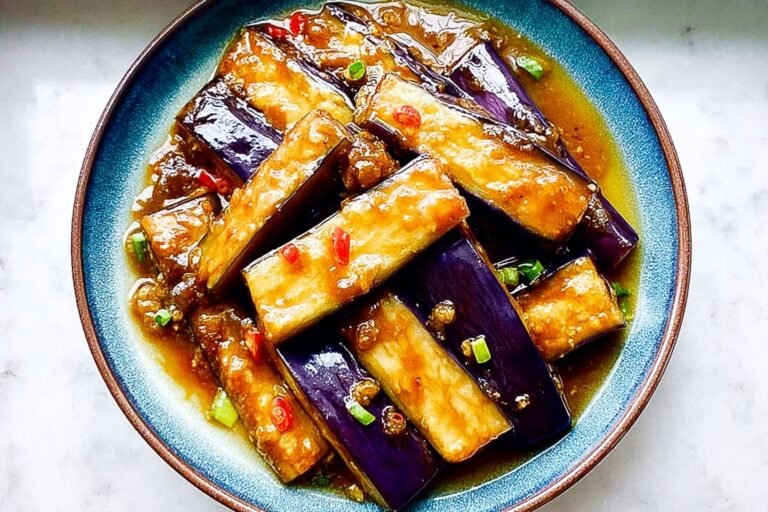
🍆 Smoky charred Chinese eggplant in bold garlic sauce—tender, flavorful vegan delight.
🧄 Quick stir-fry with minimal oil; umami-packed side elevates any rice or noodle meal.
- Total Time: 40 minutes
- Yield: 2 servings
Ingredients
– 10 oz Chinese eggplant (about 2 small eggplants)
– 1 teaspoon salt
– 1 tablespoon cornstarch (for coating)
– 1 tablespoon light soy sauce
– 1 tablespoon water
– 1/2 teaspoon dark soy sauce (optional)
– 2 teaspoons sugar
– 1 teaspoon cornstarch (for sauce thickening)
– 2 1/2 tablespoons peanut or vegetable oil
– 1 teaspoon minced ginger
– 3 cloves chopped garlic
Instructions
1-Step 1: Prepare the Eggplant Start by washing and trimming the ends of your Chinese eggplant. Cut them into 1/2-inch thick rounds or diagonal slices for more surface area. Uniform pieces ensure even cooking throughout. Now choose one of two effective preparation methods to remove excess moisture: Method A – Salted Water Soak: Fill a bowl with cold water and add 1 tablespoon of salt. Submerge the eggplant slices completely and let them soak for 15 minutes. This salting process draws out bitter compounds and excess water. Drain thoroughly and pat completely dry with paper towels or a clean kitchen towel. Method B – Direct Salting: Arrange eggplant slices on a clean kitchen towel or paper towels. Sprinkle the 1 teaspoon of salt evenly over the pieces. Let them sit for 15 minutes as the salt pulls moisture to the surface. Rinse the slices under cold water to remove excess salt, then pat thoroughly dry. Both methods prevent sogginess and bitterness while helping the eggplant maintain its white color during cooking. Choose whichever fits your schedule and kitchen setup.
2-Step 2: Apply the Cornstarch Coating Once your eggplant pieces are completely dry, place them in a large bowl or on a clean surface. Sprinkle the 1 tablespoon of cornstarch evenly over the eggplant. Toss gently with your hands or a spoon to coat each piece lightly and uniformly. This cornstarch layer serves multiple purposes: it creates a barrier that prevents excessive oil absorption, promotes a crispy golden exterior, and helps the sauce adhere to the eggplant later. Shake off any excess cornstarch before cooking.
3-Step 3: Pan-Fry the Eggplant Heat 2 tablespoons of oil in a large nonstick skillet over medium-high heat. The oil should shimmer but not smoke. Working in batches if necessary, arrange the eggplant slices in a single layer without crowding the pan. Overcrowding causes steaming rather than frying. Cook the eggplant for 8-10 minutes total, flipping once halfway through. The goal is a charred, golden-brown exterior with tender flesh inside. Look for nice browning on both sides. Transfer the cooked eggplant to a plate and set aside.
4-Step 4: Prepare the Aromatics and Sauce While the eggplant cooks, mix your sauce ingredients in a small bowl. Combine the 1 tablespoon light soy sauce, 1 tablespoon water, 1/2 teaspoon dark soy sauce (if using), 2 teaspoons sugar, and 1 teaspoon cornstarch. Stir well to dissolve the cornstarch completely. Set aside. In the same skillet after removing the eggplant, add the remaining 1/2 tablespoon of oil over medium heat. Add the 1 teaspoon minced ginger and 3 cloves of chopped garlic. Sauté for 30-60 seconds until fragrant, stirring constantly to prevent burning. The garlic should be golden and aromatic, not brown or bitter.
5-Step 5: Combine and Finish Return the cooked eggplant to the skillet with the aromatics. Give your sauce mixture one final stir to redistribute the cornstarch, then pour it over the eggplant. Work quickly now, tossing everything together for about 1 minute. The sauce will thicken rapidly and coat each piece with a glossy sheen. Remove from heat immediately once the sauce reaches your desired consistency. Overcooking at this stage can make the sauce too thick or gummy.
6-Step 6: Serve Transfer your Chinese Eggplant with Garlic Sauce to a serving dish. Serve hot over steamed rice or alongside noodles for a complete meal. Garnish with sliced green onions or sesame seeds if desired. This dish pairs wonderfully with other Asian-inspired dishes or stands alone as a satisfying vegetarian main. For a refreshing drink pairing, try our creamy strawberry milkshake recipe.
Last Step:
Please leave a rating and comment letting us know how you liked this recipe! This helps our business to thrive and continue providing free, high-quality recipes for you.Notes
💧 Salt-soak eggplant first to remove bitterness and sogginess.
🥄 Cornstarch coat crisps exterior while keeping inside tender.
🔥 High-heat single layer fry chars without excess oil.
- Prep Time: 25 minutes
- Cook Time: 15 minutes
- Category: Side Dishes
- Method: Stir-Fry
- Cuisine: Chinese
- Diet: Vegan
Nutrition
- Serving Size: 1/2 recipe
- Calories: 122 kcal
- Sugar: 5.1 g
- Sodium: 375 mg
- Fat: 8.7 g
- Saturated Fat: 1.4 g
- Unsaturated Fat: 7.3 g
- Trans Fat: 0 g
- Carbohydrates: 11 g
- Fiber: 3.7 g
- Protein: 1.4 g
- Cholesterol: 0 mg