Why You’ll Love This Chinese Braised Soy Sauce Chicken Legs
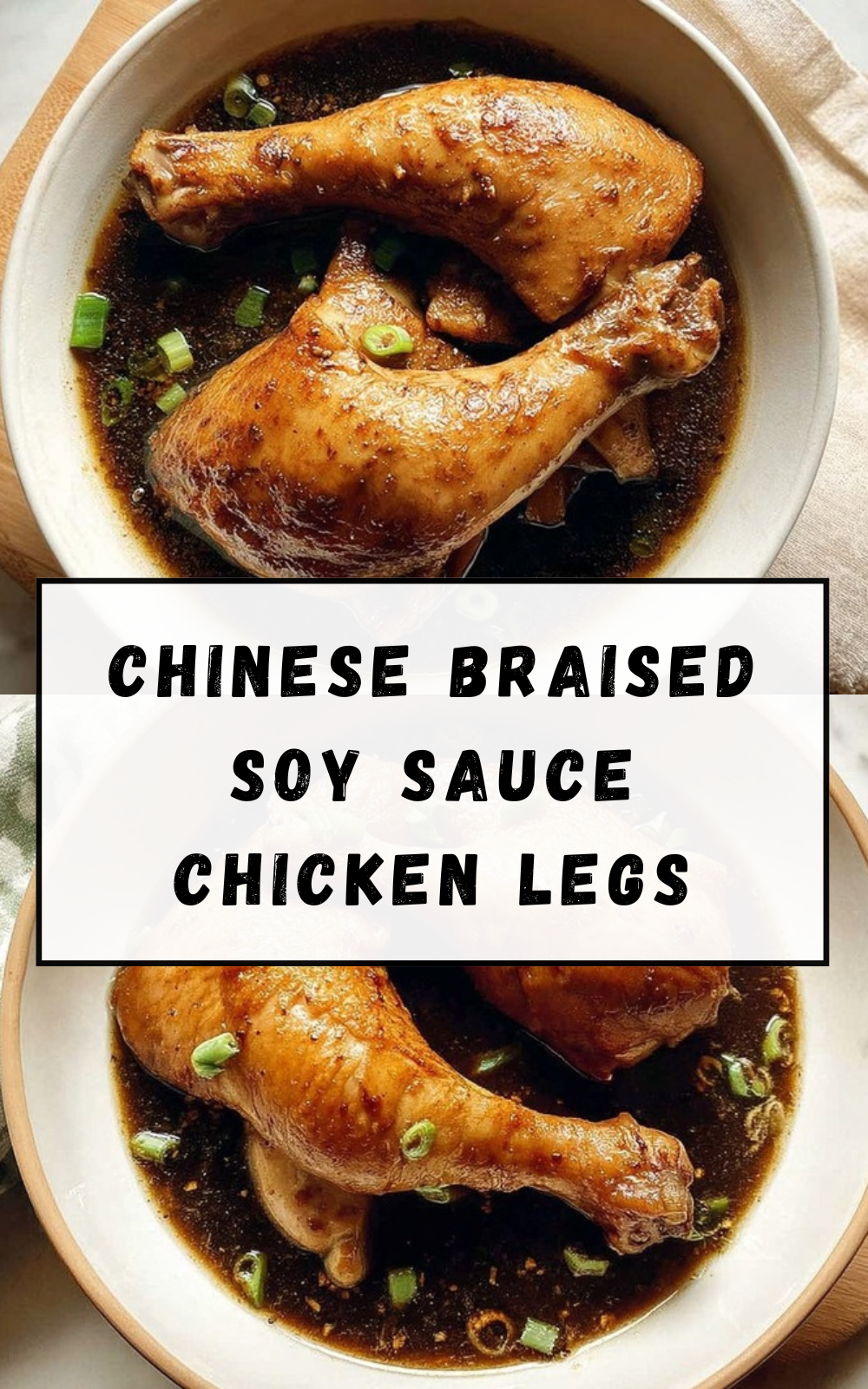
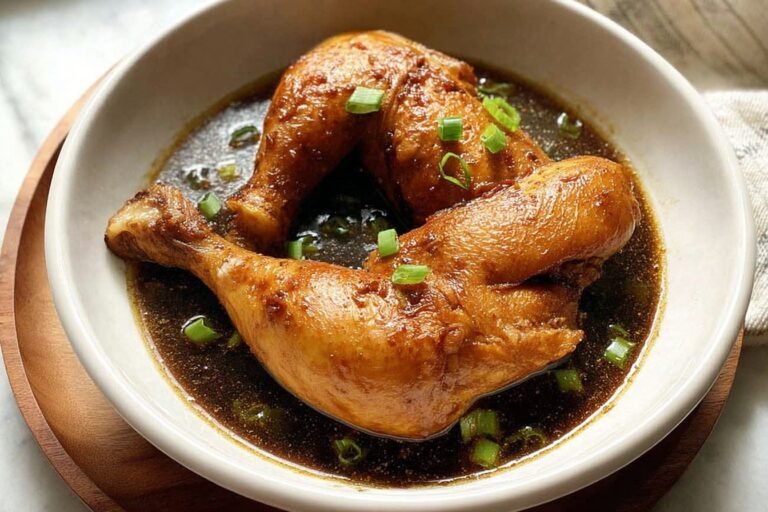
Chinese braised soy sauce chicken legs bring the authentic flavors of a traditional Chinese kitchen right to your home. This recipe delivers tender, juicy chicken with a glossy, savory glaze that soaks perfectly into a bed of steamed rice. Whether you are a busy parent looking for a weeknight dinner solution or a food enthusiast wanting to try something new, this dish checks all the boxes for simplicity and taste.
Here are the top reasons this recipe deserves a spot in your regular rotation:
- Ease of preparation: With just 5 minutes of prep time and around 50 minutes of hands-off cooking, this dish fits easily into busy schedules. The braising method does all the work, transforming simple ingredients into a deeply flavorful meal without constant attention.
- Health benefits: Chicken provides a solid source of lean protein that supports muscle health and keeps you full longer. Using low-sodium soy sauce helps manage salt intake while still delivering bold flavor. Learn more about the health benefits of chicken for your diet.
- Versatility: This recipe adapts to different dietary needs and preferences. You can use drumsticks, thighs, or even plant-based alternatives. Serve it with rice, noodles, or steamed vegetables for a complete meal that satisfies everyone at the table.
- Distinctive flavor: The combination of light and dark soy sauce, Shaoxing wine, star anise, and aromatics creates a rich, umami-packed sauce that coats every bite. The brown sugar adds just enough sweetness to balance the savory notes, making each bite irresistible.
Jump to:
- Why You’ll Love This Chinese Braised Soy Sauce Chicken Legs
- Essential Ingredients for Chinese Braised Soy Sauce Chicken Legs
- Main Ingredients
- Special Dietary Options
- How to Prepare the Perfect Chinese Braised Soy Sauce Chicken Legs: Step-by-Step Guide
- Step 1: Prepare the Chicken
- Step 2: Sauté the Aromatics
- Step 3: Sear the Chicken
- Step 4: Add the Sauce Ingredients
- Step 5: Braise the Chicken
- Step 6: Finish and Serve
- Cooking Time Summary
- Dietary Substitutions to Customize Your Chinese Braised Soy Sauce Chicken Legs
- Protein and Main Component Alternatives
- Vegetable, Sauce, and Seasoning Modifications
- Mastering Chinese Braised Soy Sauce Chicken Legs: Advanced Tips and Variations
- Pro Cooking Techniques
- Flavor Variations
- Presentation Tips
- Make-Ahead Options
- How to Store Chinese Braised Soy Sauce Chicken Legs: Best Practices
- Refrigeration
- Freezing
- Reheating
- Meal Prep Considerations
- FAQs: Frequently Asked Questions About Chinese Braised Soy Sauce Chicken Legs
- Can I use chicken thighs instead of drumsticks for Chinese braised soy sauce chicken legs?
- What type of soy sauce is best for braised soy sauce chicken legs?
- What is Shaoxing wine used for in Chinese braised soy sauce chicken legs?
- Can I substitute brown sugar with other sugars in soy sauce braised chicken legs?
- How do you store leftover Chinese braised soy sauce chicken legs?
- Chinese Braised Soy Sauce Chicken Legs
- Ingredients
- Instructions
- Last Step:
- Notes
- Nutrition
- Did you make this recipe?
Essential Ingredients for Chinese Braised Soy Sauce Chicken Legs
Gathering the right ingredients makes all the difference in achieving that authentic Chinese flavor. Each component plays a specific role in building the depth and complexity of the dish. Here is a complete list of everything you need:
Main Ingredients
- 3 lbs chicken drumsticks or thighs, skin-on and bone-in – The skin renders fat during braising, keeping the meat juicy while the bones add flavor to the sauce.
- 3 stalks scallions – Both the white and green parts are used; whites for aromatics, greens for a fresh finish.
- 4 cloves garlic, lightly smashed – Smashing releases oils and allows the garlic flavor to infuse the braising liquid without overpowering it.
- ½ inch ginger, sliced – Ginger adds warmth and helps neutralize any strong poultry odors.
- ½ cup light soy sauce (preferably low-sodium) – Provides the primary salty, savory base for the sauce.
- ¼ cup dark soy sauce – Adds rich color and a subtle sweetness without extra salt.
- ¼ cup Shaoxing wine – A Chinese rice wine that tenderizes the meat and adds depth. For more information on soy sauce varieties, check out this guide to soy sauce nutrition facts and health benefits.
- 1 tablespoon sesame oil – Contributes a nutty aroma and rounds out the sauce flavors.
- ¼ cup brown sugar – Balances the saltiness and helps create a glossy, sticky glaze.
- ½ cup water – Dilutes the sauce to the right consistency for braising.
- 2 star anise – Imparts a subtle licorice-like aroma that defines Chinese braised dishes.
- 3 bay leaves – Adds an earthy, herbal note that complements the star anise.
Special Dietary Options
| Dietary Need | Substitution |
|---|---|
| Gluten-free | Use tamari or gluten-free soy sauce instead of regular soy sauce. Substitute Shaoxing wine with dry sherry or omit entirely. |
| Low-sodium | Use low-sodium soy sauce and reduce the amount slightly. Add more water or unsalted chicken broth. |
| Low-calorie | Remove chicken skin before cooking, reduce brown sugar to 2 tablespoons, and use chicken breast (adjust cooking time). |
How to Prepare the Perfect Chinese Braised Soy Sauce Chicken Legs: Step-by-Step Guide
Follow these detailed steps to achieve tender, flavorful chicken with a rich, glossy sauce. The process is straightforward, but each step matters for the best results.
Step 1: Prepare the Chicken
Start by patting the chicken pieces dry with paper towels. This step is crucial because moisture on the skin prevents proper browning. Use 3 lbs of chicken drumsticks or thighs with the skin on and bone in for maximum flavor and tenderness. Let the chicken sit at room temperature for about 10 minutes before cooking to promote even cooking throughout.
Pro tip: Drying chicken beforehand promotes crispier skin and helps the sauce cling better during braising.
Step 2: Sauté the Aromatics
In a heavy-bottomed pot like a Dutch oven, heat 1-2 tablespoons of neutral oil over medium heat. Add the ginger slices, smashed garlic cloves, and the white parts of the scallions. Save the green parts for later. Sauté these aromatics for about 1-2 minutes until the garlic begins to turn golden and you can smell the ginger. Do not let the garlic burn, as it will become bitter.
The aromatics create the flavor foundation for the entire dish. Browning them slightly releases their essential oils and caramelizes their natural sugars, which adds complexity to the final sauce.
Step 3: Sear the Chicken
Add the chicken pieces to the pot in a single layer, making sure not to overlap them. Overcrowding the pot will cause the chicken to steam rather than sear. Work in batches if necessary. Sear the chicken for about 3-4 minutes on each side until lightly golden brown.
The goal here is not to cook the chicken through but to develop a flavorful crust. The browning reaction adds depth to the sauce during braising. Once both sides are golden, proceed to the next step.
Step 4: Add the Sauce Ingredients
Pour in the following liquids directly into the pot:
- ½ cup light soy sauce (preferably low-sodium)
- ¼ cup dark soy sauce
- ¼ cup Shaoxing wine
- 1 tablespoon sesame oil
- ¼ cup brown sugar
- ½ cup water
Stir gently to dissolve the brown sugar, scraping up any browned bits from the bottom of the pot. These browned bits are packed with flavor and will dissolve into the sauce. Add the star anise and bay leaves to the pot.
Bring the liquid to a gentle simmer. You should see small bubbles forming around the edges but not a rolling boil.
Step 5: Braise the Chicken
Once the sauce reaches a simmer, reduce the heat to low and cover the pot with a tight-fitting lid. Let the chicken braise for 35 minutes. Halfway through cooking, around the 17-18 minute mark, turn each piece of chicken over to ensure even coating and cooking.
Braising is a gentle cooking method that breaks down connective tissue in the meat, resulting in incredibly tender chicken. The low heat allows the flavors to meld together while keeping the meat moist.
For more delicious recipes perfect for busy weeknights, check out our easy peach cobbler recipe that your family will love.
Step 6: Finish and Serve
Near the end of cooking, stir in the green parts of the scallions. These add a fresh, mild onion flavor and a pop of color. Cook for another 2-3 minutes.
To serve, place the chicken pieces over steamed white rice. Ladle the sauce over the chicken and rice, making sure to spoon some of the garlic and ginger pieces on top. The sauce should be glossy and have a slightly thick consistency that coats the back of a spoon.
Cooking Time Summary
| Stage | Time |
|---|---|
| Prep Time | 5 minutes |
| Cook Time | 50 minutes |
| Total Time | 55 minutes |

Dietary Substitutions to Customize Your Chinese Braised Soy Sauce Chicken Legs
This recipe is highly adaptable. Whether you have dietary restrictions, missing ingredients, or simply want to switch things up, there are plenty of ways to make this dish your own.
Protein and Main Component Alternatives
The star of this dish is the chicken, but you can substitute it with several other options:
- Chicken thighs: Use bone-in, skin-on thighs instead of drumsticks. Thighs have more fat and often more flavor. They cook in roughly the same amount of time.
- Chicken breast: For a leaner option, use bone-in chicken breasts. Reduce cooking time to 25-30 minutes to prevent drying out. Skinless breasts work too but will have less flavor.
- Pork ribs: Cut ribs into individual pieces and braise for 45-50 minutes. The result is tender, flavorful ribs with the same delicious sauce.
- Tofu: For a vegetarian version, use extra-firm tofu cut into thick slabs. Pan-fry first to develop a crust, then braise for only 15-20 minutes.
- Mushrooms: King oyster or shiitake mushrooms make an excellent plant-based alternative. Slice thickly and braise for 15 minutes.
When substituting proteins, adjust the cooking time accordingly. The sauce works beautifully with all these options.
Vegetable, Sauce, and Seasoning Modifications
You can add vegetables directly to the braise or modify the sauce ingredients based on what you have on hand.
Vegetable additions:
- Add halved baby bok choy during the last 5 minutes of cooking.
- Include cubed daikon radish or carrots for sweetness and texture.
- Throw in shiitake mushrooms along with the chicken for extra umami.
Sauce modifications:
- No Shaoxing wine: Substitute with dry sherry, Japanese mirin (reduce sugar slightly), or omit and add more water or chicken broth.
- No dark soy sauce: Use regular soy sauce and add an extra tablespoon of brown sugar or molasses for color and sweetness.
- Sweetener alternatives: Replace brown sugar with rock sugar for a cleaner, traditional sweetness, or use honey for a different flavor profile.
Seasoning adjustments:
- Skip the star anise if you do not have it; the dish will still be delicious.
- Add a cinnamon stick along with the star anise for a warmer flavor profile.
- Increase the ginger for more zest and heat.
Mastering Chinese Braised Soy Sauce Chicken Legs: Advanced Tips and Variations
Once you have mastered the basic recipe, try these advanced techniques and creative variations to take your dish to the next level.
Pro Cooking Techniques
For the best results, consider these professional tips:
- Marinate the chicken: For more intense flavor, marinate the chicken in a mixture of 2 tablespoons each of soy sauce and Shaoxing wine for 30 minutes to overnight before cooking. Pat dry before searing.
- Use a wok: Traditional Chinese cooks use a wok for braising. The wide surface area allows for better evaporation and concentration of flavors.
- Skim the fat: After braising, you may notice fat pooling on the surface. Skim it off for a cleaner sauce, or leave it for richness.
- Reduce the sauce: If the sauce is too thin after braising, remove the chicken and boil the sauce for 2-3 minutes until thickened. Pour over the chicken before serving.
Flavor Variations
Try these delicious variations to keep the recipe fresh:
- Spicy version: Add 1-2 dried red chilies or a teaspoon of chili bean paste (doubanjiang) to the braising liquid for heat.
- Five-spice addition: Add ½ teaspoon of Chinese five-spice powder for more complex aromatics.
- Citrus twist: Add a strip of orange peel during braising for a bright, citrusy note.
- Herbal infusion: Add a small piece of dried tangerine peel (chenpi) for traditional Chinese herbal flavor.
Presentation Tips
Make your dish look as good as it tastes with these plating suggestions:
- Serve on a large platter with rice arranged around the chicken pieces.
- Garnish with sliced scallions and a drizzle of sesame oil just before serving.
- Add a sprinkle of toasted sesame seeds for texture and visual appeal.
- Serve family-style with the sauce in a separate pitcher for diners to add as desired.
Make-Ahead Options
This dish is perfect for meal prep:
- Prep ahead: Assemble all ingredients in the pot up to 24 hours in advance. Store covered in the refrigerator and bring to room temperature before cooking.
- Cook in batches: Double the recipe and freeze half for later. The sauce and chicken freeze beautifully for up to 2 months.
- Sauce base: Make a large batch of the sauce and freeze in ice cube trays. Thaw cubes to braise chicken or other proteins quickly.
How to Store Chinese Braised Soy Sauce Chicken Legs: Best Practices
Proper storage keeps your leftovers fresh and safe to eat. Follow these guidelines for the best results.
Refrigeration
Store leftover chicken and sauce in separate airtight containers in the refrigerator for up to 3 days. The sauce may gel when cold due to the collagen from the chicken skin and bones. This is normal and actually shows a rich, well-made sauce. Thin it with a splash of chicken broth or water when reheating.
Freezing
For longer storage, freeze the chicken and sauce together or separately:
- Portion into freezer-safe bags or containers, removing as much air as possible.
- Label with the date and freeze for up to 2 months.
- Thaw overnight in the refrigerator before reheating.
Reheating
To maintain quality and texture when reheating:
- Stovetop: Place chicken and sauce in a pan with a splash of water or broth. Cover and heat over medium-low for 8-10 minutes until hot throughout.
- Microwave: Cover with a damp paper towel and heat in 30-second intervals, checking frequently to avoid drying out.
- Oven: Cover with foil and bake at 300°F for 15-20 minutes until heated through.
Always check that the chicken reaches an internal temperature of 165°F before serving leftovers.
Meal Prep Considerations
This dish is excellent for batch cooking:
- Cook a double batch at the start of the week for quick dinners.
- Portion into meal prep containers with rice and steamed vegetables.
- The sauce makes a great base for noodles or stir-fries later in the week.
Craving something sweet after dinner? Our creamy strawberry milkshake recipe makes the perfect dessert to follow this savory meal.
FAQs: Frequently Asked Questions About Chinese Braised Soy Sauce Chicken Legs
Can I use chicken thighs instead of drumsticks for Chinese braised soy sauce chicken legs?
Yes, bone-in, skin-on chicken thighs work perfectly as a substitute for drumsticks in this recipe. Thighs tend to be more flavorful and juicy due to higher fat content, and they cook evenly in about 25-30 minutes versus 35-40 minutes for drumsticks. Use the same amount by weight (around 1.5-2 lbs total) to maintain sauce-to-chicken ratios. Pat them dry before searing for crispy skin, then braise in the soy sauce mixture until the meat pulls easily from the bone and reaches 165°F internally. This swap keeps the dish tender and authentic without altering flavors. Thighs are also easier to find and portion for families. (78 words)
What type of soy sauce is best for braised soy sauce chicken legs?
Use a mix of light (regular) low-sodium soy sauce for saltiness and dark soy sauce for rich color and subtle sweetness. Light soy provides the savory base—about 1/2 cup—while 2-3 tablespoons of dark soy adds glossy mahogany hue without extra salt. Avoid regular high-sodium soy to prevent the dish from becoming too salty during braising. Brands like Kikkoman low-sodium or Lee Kum Kee work well. Taste the sauce midway and adjust; if you only have one type, dilute light soy with water. This balance creates the signature glossy, flavorful coating on the chicken. (92 words)
What is Shaoxing wine used for in Chinese braised soy sauce chicken legs?
Shaoxing wine, a Chinese rice wine, tenderizes the chicken, removes any raw poultry odor, and layers umami depth into the braising liquid—use 1/4 cup. It balances the soy sauce’s intensity and enhances ginger, star anise, and sugar notes for authentic taste. If unavailable, substitute dry sherry or Japanese mirin (reduce sugar slightly), or skip it and add extra chicken broth for moisture. Pour it in after searing the chicken to deglaze the pan, simmering briefly before full braise. This step makes the dish aromatic and restaurant-quality without overpowering other flavors. (94 words)
Can I substitute brown sugar with other sugars in soy sauce braised chicken legs?
Yes, replace brown sugar (1/4-1/3 cup) with rock sugar for traditional caramelization and clarity, or white sugar for a cleaner sweetness. Rock sugar (about 1/4 cup broken pieces) dissolves slowly, creating glossy sauce; white sugar works 1:1 but may make it slightly less complex. Both mimic brown sugar’s molasses notes when combined with soy. Add sugar early during braising to melt fully and thicken the sauce naturally—no stirring needed after. This flexibility suits pantry staples while keeping the chicken tender and the glaze sticky. Test sauce doneness by coating a spoon thickly. (89 words)
How do you store leftover Chinese braised soy sauce chicken legs?
Refrigerate leftovers separately: chicken in one airtight container, sauce in another, for up to 3 days. The sauce gels when cold due to fat—reheat gently on stovetop with a splash of water or broth to liquify, simmering 5 minutes. Microwave chicken covered with damp paper towel in 30-second bursts to avoid drying. For freezing, portion into freezer bags (up to 2 months); thaw overnight in fridge before reheating. Serve cold as appetizers or re-braised with noodles. Always check for off smells before eating to ensure safety. This method preserves tenderness and flavor perfectly. (96 words)
Chinese Braised Soy Sauce Chicken Legs
🐔 Glossy, tender chicken legs braised in umami-rich soy sauce—melts in mouth with aromatic spices.
🍚 Effortless one-pot wonder; sauce clings perfectly to rice for ultimate comfort dinner.
- Total Time: 55 minutes
- Yield: 6 servings
Ingredients
– 3 lbs chicken drumsticks or thighs, skin-on and bone-in
– 3 stalks scallions
– 4 cloves garlic, lightly smashed
– ½ inch ginger, sliced
– ½ cup light soy sauce (preferably low-sodium)
– ¼ cup dark soy sauce
– ¼ cup Shaoxing wine
– 1 tablespoon sesame oil
– ¼ cup brown sugar
– ½ cup water
– 2 star anise
– 3 bay leaves
Instructions
1-Step 1: Prepare the Chicken
Start by patting the chicken pieces dry with paper towels. This step is crucial because moisture on the skin prevents proper browning. Use 3 lbs of chicken drumsticks or thighs with the skin on and bone in for maximum flavor and tenderness. Let the chicken sit at room temperature for about 10 minutes before cooking to promote even cooking throughout.
2-Step 2: Sauté the Aromatics
In a heavy-bottomed pot like a Dutch oven, heat 1-2 tablespoons of neutral oil over medium heat. Add the ginger slices, smashed garlic cloves, and the white parts of the scallions. Save the green parts for later. Sauté these aromatics for about 1-2 minutes until the garlic begins to turn golden and you can smell the ginger. Do not let the garlic burn, as it will become bitter.
The aromatics create the flavor foundation for the entire dish. Browning them slightly releases their essential oils and caramelizes their natural sugars, which adds complexity to the final sauce.
3-Step 3: Sear the Chicken
Add the chicken pieces to the pot in a single layer, making sure not to overlap them. Overcrowding the pot will cause the chicken to steam rather than sear. Work in batches if necessary. Sear the chicken for about 3-4 minutes on each side until lightly golden brown.
The goal here is not to cook the chicken through but to develop a flavorful crust. The browning reaction adds depth to the sauce during braising. Once both sides are golden, proceed to the next step.
4-Step 4: Add the Sauce Ingredients
Pour in the following liquids directly into the pot:
* ½ cup light soy sauce (preferably low-sodium)
* ¼ cup dark soy sauce
* ¼ cup Shaoxing wine
* 1 tablespoon sesame oil
* ¼ cup brown sugar
* ½ cup water
Stir gently to dissolve the brown sugar, scraping up any browned bits from the bottom of the pot. These browned bits are packed with flavor and will dissolve into the sauce. Add the star anise and bay leaves to the pot.
Bring the liquid to a gentle simmer. You should see small bubbles forming around the edges but not a rolling boil.
5-Step 5: Braise the Chicken
Once the sauce reaches a simmer, reduce the heat to low and cover the pot with a tight-fitting lid. Let the chicken braise for 35 minutes. Halfway through cooking, around the 17-18 minute mark, turn each piece of chicken over to ensure even coating and cooking.
Braising is a gentle cooking method that breaks down connective tissue in the meat, resulting in incredibly tender chicken. The low heat allows the flavors to meld together while keeping the meat moist.
6-Step 6: Finish and Serve
Near the end of cooking, stir in the green parts of the scallions. These add a fresh, mild onion flavor and a pop of color. Cook for another 2-3 minutes.
To serve, place the chicken pieces over steamed white rice. Ladle the sauce over the chicken and rice, making sure to spoon some of the garlic and ginger pieces on top. The sauce should be glossy and have a slightly thick consistency that coats the back of a spoon.
Last Step:
Please leave a rating and comment letting us know how you liked this recipe! This helps our business to thrive and continue providing free, high-quality recipes for you.Notes
🐔 Bone-in skin-on chicken stays juiciest during braise.
🧂 Low-sodium light soy prevents over-saltiness.
💨 Pat chicken dry for crispy sear and better flavor.
- Prep Time: 5 minutes
- Cook Time: 50 minutes
- Category: Main Dishes
- Method: Braising
- Cuisine: Chinese
Nutrition
- Serving Size: 2 pieces
- Calories: 450 kcal
- Sugar: 8 g
- Sodium: 1200 mg
- Fat: 25 g
- Saturated Fat: 6 g
- Unsaturated Fat: 18 g
- Trans Fat: 0 g
- Carbohydrates: 12 g
- Fiber: 1 g
- Protein: 35 g
- Cholesterol: 140 mg