Why You’ll Love This Chinese Black Pepper Sauce
There’s something truly special about a sauce that can transform simple ingredients into a restaurant-quality dish right in your own kitchen. This Chinese Black Pepper Sauce is one of those magical recipes that delivers bold, savory flavors with minimal effort. Whether you’re a seasoned home cook or just starting your culinary journey, this homemade black pepper sauce will become a staple in your recipe collection.
- Ease of preparation: This black pepper sauce recipe comes together in under 15 minutes with basic cooking techniques. You simply mince a few aromatics, sauté them until fragrant, and simmer everything together. No special equipment or advanced skills required, making it perfect for busy weeknight dinners when you want something delicious without spending hours in the kitchen.
- Health benefits: Freshly ground black pepper offers more than just heat. It contains piperine, a compound known for its anti-inflammatory and antioxidant properties. By making your own homemade black pepper sauce, you control the sodium levels and avoid the preservatives often found in store-bought versions. Plus, garlic provides immune-boosting benefits, making this sauce a flavorful way to add wellness to your meals.
- Versatility: This authentic Chinese black pepper sauce recipe adapts beautifully to countless dishes. Drizzle it over steak, toss it with stir-fried shrimp, coat crispy chicken wings, or use it as a dipping sauce for dumplings. It works equally well with beef, chicken, pork, seafood, tofu, and vegetables. You can even adjust the spice level by increasing or decreasing the black pepper to suit your taste preferences.
- Distinctive flavor: What sets this Chinese pepper sauce apart is its perfect balance of savory, slightly sweet, and boldly peppery notes. The combination of oyster sauce, soy sauces, and fresh aromatics creates a depth of flavor that tastes like it came from your favorite Cantonese restaurant. The sauce clings beautifully to proteins and vegetables, coating every bite with its glossy, rich consistency.
Jump to:
- Why You’ll Love This Chinese Black Pepper Sauce
- Essential Ingredients for Chinese Black Pepper Sauce
- Main Ingredients List
- Special Dietary Options
- How to Prepare the Perfect Chinese Black Pepper Sauce: Step-by-Step Guide
- Step 1: Prepare Your Aromatics
- Step 2: Sauté the Aromatics
- Step 3: Add Liquid and Seasonings
- Step 4: Create and Add the Cornstarch Slurry
- Step 5: Simmer and Finish
- Dietary Substitutions to Customize Your Chinese Black Pepper Sauce
- Protein and Main Component Alternatives
- Vegetable, Sauce, and Seasoning Modifications
- Mastering Chinese Black Pepper Sauce: Advanced Tips and Variations
- Pro Cooking Techniques
- Flavor Variations
- Presentation Tips
- Make-Ahead Options
- How to Store Chinese Black Pepper Sauce: Best Practices
- Refrigeration Guidelines
- Freezing for Longer Storage
- Reheating Best Practices
- Signs Your Sauce Has Spoiled
- FAQs: Frequently Asked Questions About Chinese Black Pepper Sauce
- What is Chinese black pepper sauce?
- How do you make Chinese black pepper sauce at home?
- Can I substitute water for beef broth in Chinese black pepper sauce?
- How long does homemade Chinese black pepper sauce last?
- What dishes pair best with Chinese black pepper sauce?
- Chinese Black Pepper Sauce
- Ingredients
- Instructions
- Last Step:
- Notes
- Nutrition
- Did you make this recipe?
Essential Ingredients for Chinese Black Pepper Sauce
Creating the perfect homemade Chinese black pepper sauce requires quality ingredients that work together to build layers of flavor. Each component plays a specific role in achieving that restaurant-quality taste you crave. Here’s everything you’ll need:
Main Ingredients List
- 1 cup beef broth or water – Forms the liquid base of the sauce; beef broth adds richness and depth, while water creates a lighter version suitable for seafood or vegetarian dishes
- 4 garlic cloves, minced – Provides aromatic foundation and pungent flavor; fresh garlic is essential for authentic taste
- 1/4 onion, minced – Adds sweetness and savory depth; finely minced onion melts into the sauce for smooth texture
- 2 tablespoons light soy sauce – Contributes saltiness and umami; light soy sauce seasons without darkening the sauce too much
- 1 teaspoon dark soy sauce – Gives the sauce its rich, appetizing color; a little goes a long way for that glossy appearance
- 1/8 teaspoon salt – Fine-tunes the seasoning; taste before adding as soy sauces already contain sodium
- 2 tablespoons cornstarch – Thickens the sauce to that perfect coating consistency; creates the glossy texture that clings to food
- 2 tablespoons water (for slurry) – Mixed with cornstarch to prevent lumps; always mix fresh before adding to hot liquid
- 2 tablespoons vegetable cooking oil or butter – Carries flavor and prevents sticking; butter adds richness while oil keeps it neutral
- 1/2 tablespoon sugar – Balances the saltiness and pepper heat; creates a more rounded, harmonious flavor profile
- 1 tablespoon oyster sauce – The secret ingredient for umami depth; gives the sauce its signature savory richness
- 1/2 to 1 tablespoon freshly ground black pepper – The star of the show; adjust based on your spice tolerance for the perfect peppery kick
Special Dietary Options
This easy Chinese black pepper sauce recipe can easily accommodate various dietary needs:
| Dietary Need | Substitution |
|---|---|
| Vegan | Replace oyster sauce with mushroom sauce or vegetarian stir-fry sauce; use water instead of beef broth; choose oil over butter |
| Gluten-free | Use tamari instead of soy sauces; verify oyster sauce is gluten-free certified; check all labels for hidden gluten |
| Low-sodium | Reduce soy sauces by half; use low-sodium broth; omit added salt; increase herbs and garlic for flavor |
| Low-calorie | Use water instead of broth; reduce sugar; use less oil for sautéing; consider stevia as a sugar substitute |
How to Prepare the Perfect Chinese Black Pepper Sauce: Step-by-Step Guide
Making this Chinese black pepper sauce for steak, stir-fries, or any dish you love is surprisingly simple. Follow these detailed steps to achieve restaurant-quality results every time.
Step 1: Prepare Your Aromatics
Start by preparing your garlic and onion. Peel 4 garlic cloves and mince them finely with a sharp knife or press them using a garlic press. The smaller and more uniform your mince, the more evenly the garlic will cook. Take 1/4 of a medium onion and mince it to a similar size as your garlic. Having everything cut to comparable sizes ensures even cooking and prevents some pieces from burning while others remain raw.
This preparation step, often called mise en place by professional chefs, sets you up for success. Once you begin cooking, the process moves quickly, so having all your ingredients measured and ready prevents any last-minute scrambling. You’ll thank yourself for taking this extra minute of preparation.
Step 2: Sauté the Aromatics
Place a medium saucepan or wok over medium heat and add 2 tablespoons of vegetable cooking oil or butter. Allow the fat to heat until it shimmers slightly, indicating it’s ready for cooking. Add your minced onion and garlic to the pan, stirring constantly with a wooden spoon or heat-resistant spatula.
Cook the aromatics for 2-3 minutes until they become slightly soft and release their fragrance. You’re looking for translucent onions and garlic that smell wonderfully aromatic, not brown or crispy. Keep the heat moderate to prevent burning, which would make the sauce taste bitter. The gentle sizzling sound and fragrant aroma tell you you’re on the right track.
Pro Tip: If using butter, watch carefully as it can brown quickly. The nutty flavor of browned butter can be delicious, but for this sauce, you want the butter to simply melt and carry the garlic-onion flavor without browning.
Step 3: Add Liquid and Seasonings
Pour 1 cup of beef broth or water into the pan with your sautéed aromatics. The liquid will bubble enthusiastically when it hits the hot pan. Stir gently to incorporate any browned bits from the bottom of the pan, as these contain concentrated flavor that will enrich your sauce.
Now add your seasonings: 1/2 to 1 tablespoon of freshly ground black pepper (depending on your heat preference), 1 tablespoon of oyster sauce, 2 tablespoons of light soy sauce, 1 teaspoon of dark soy sauce, 1/2 tablespoon of sugar, and 1/8 teaspoon of salt. Stir everything together until the sugar dissolves completely.
The mixture will look thin at this stage, but don’t worry. The cornstarch slurry in the next step will transform it into that glossy, coating consistency you’re aiming for. Let the sauce simmer gently for 2-3 minutes to allow the flavors to begin melding together.
Step 4: Create and Add the Cornstarch Slurry
While the sauce simmers, make your slurry. In a small bowl or cup, combine 2 tablespoons of cornstarch with 2 tablespoons of cool water. Stir vigorously with a fork or small whisk until the cornstarch dissolves completely and no lumps remain. This mixture is called a slurry, and it’s the key to thickening your sauce properly.
Reduce the heat under your saucepan to low. Give the cornstarch slurry one final stir, then slowly pour it into the simmering sauce while whisking continuously. The constant motion prevents lumps from forming and ensures even thickening throughout the sauce.
Step 5: Simmer and Finish
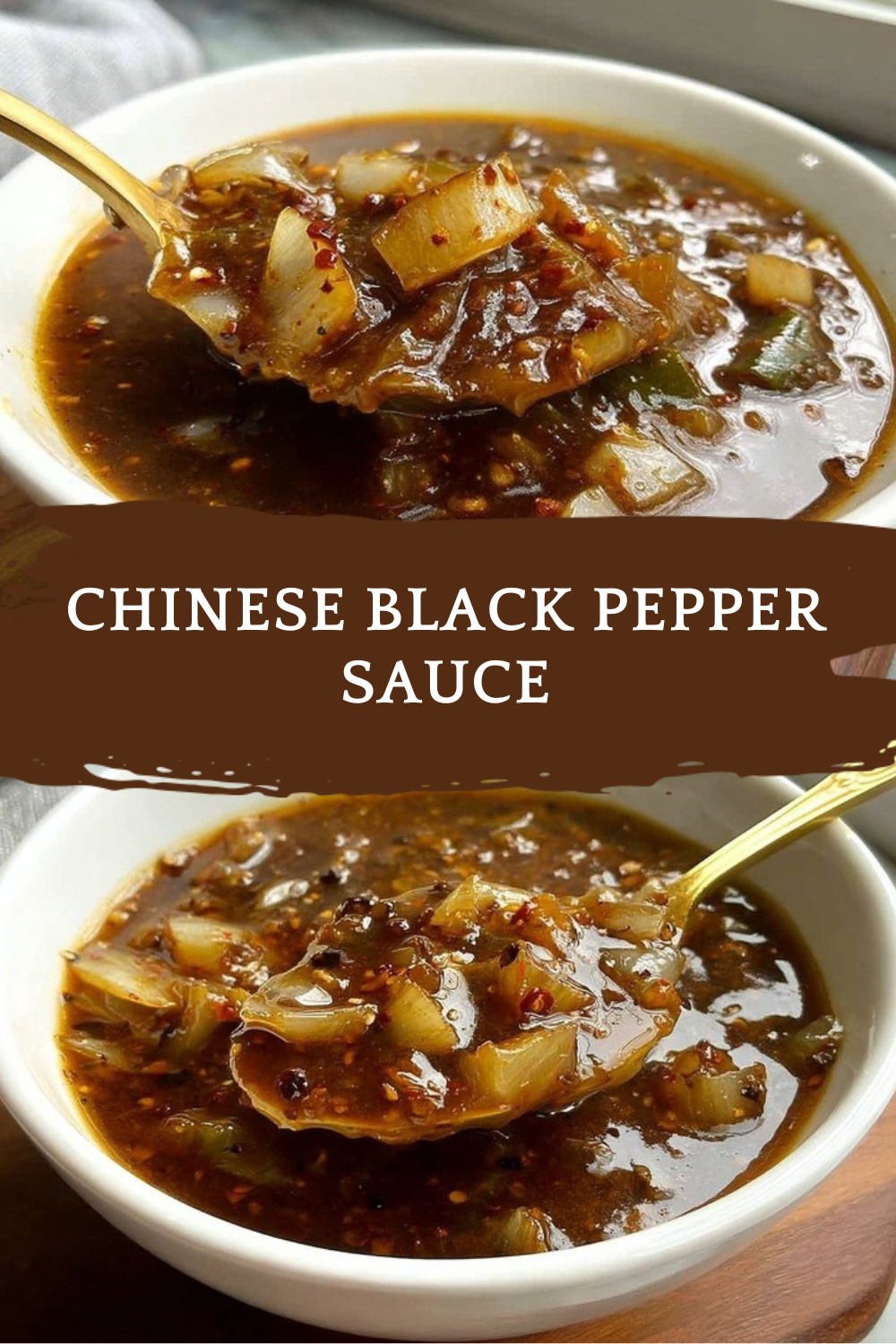
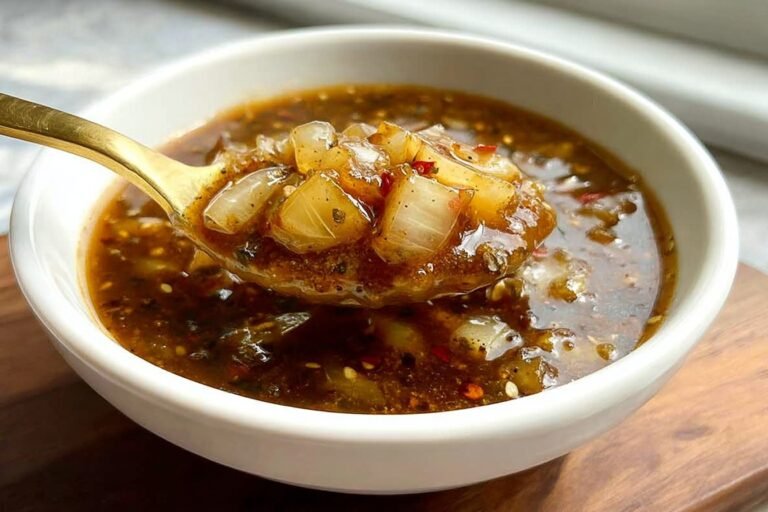
Continue cooking the sauce over low heat for about 1 minute after adding the slurry. You’ll notice it transform from a thin, watery consistency to a glossy, thickened sauce that coats the back of your spoon. The flavors will have melded together into a harmonious blend of savory, sweet, and peppery notes.
Remove the pan from heat and taste your sauce. This is your opportunity to adjust the seasoning. Need more heat? Add more black pepper. Too salty? A tiny pinch more sugar will balance it. Not rich enough? A splash more oyster sauce does wonders. Trust your palate and make it your own.
Your homemade black pepper sauce is now ready to use immediately or store for later. The entire process takes about 10-15 minutes from start to finish, making this one of the most rewarding quick sauces you can make at home.

Dietary Substitutions to Customize Your Chinese Black Pepper Sauce
Protein and Main Component Alternatives
While this Chinese black pepper sauce recipe stands beautifully on its own, you might want to adapt it based on what proteins you have available or dietary preferences. The sauce pairs exceptionally well with various proteins, and knowing which substitutions work best helps you create perfect meals every time.
For beef lovers, flank steak, skirt steak, or ribeye work wonderfully when sliced thin against the grain. The bold pepper flavor complements the richness of beef beautifully. If you prefer chicken, boneless thighs provide more flavor and stay juicier than breast meat. Cut into bite-sized pieces and stir-fry before adding the sauce.
Seafood options like shrimp cook quickly and absorb the sauce’s flavors wonderfully. Large shrimp work best, and you can butterfly them for maximum sauce coverage. For a vegetarian protein, firm tofu pressed to remove excess water holds up well to stir-frying and soaks up the sauce deliciously.
Those seeking a plant-based alternative can use seitan or tempeh, which provide satisfying texture and protein. If you enjoyed learning about versatile recipes, you might also like our pink popcorn recipe for another creative kitchen adventure.
Vegetable, Sauce, and Seasoning Modifications
The beauty of this authentic Chinese black pepper sauce recipe lies in its adaptability. Vegetables add color, nutrition, and texture to your pepper sauce dishes. Bell peppers, snap peas, broccoli, and onions all work wonderfully. Cut vegetables into similar sizes so they cook evenly.
For sauce modifications, those avoiding oyster sauce can substitute mushroom stir-fry sauce for a similar umami profile without shellfish. If you’re out of dark soy sauce, additional light soy sauce plus a drop of caramel coloring or molasses can approximate the color, though the flavor will be slightly different.
Sichuan peppercorns make an interesting variation, adding a numbing, citrusy quality that complements the black pepper. Add them sparingly at first, about 1/4 teaspoon, as their flavor is quite distinctive. According to Chinese cooking experts, the combination creates a more complex heat profile that many find addictive.
Mastering Chinese Black Pepper Sauce: Advanced Tips and Variations
Once you’ve mastered the basic recipe, these advanced techniques and creative variations will take your homemade Chinese black pepper sauce to new heights.
Pro Cooking Techniques
Rest your slurry: Cornstarch settles quickly in water. Always give your slurry a vigorous stir immediately before pouring it into hot liquid, even if you just mixed it a minute ago. This simple habit prevents clumpy, uneven sauce.
Temperature matters: Add the slurry to simmering, not boiling, liquid. High heat can cause the cornstarch to break down rather than thicken. Keep the heat low and be patient for silky results.
Toast your pepper: For deeper flavor, briefly toast whole peppercorns in a dry pan before grinding. The heat releases essential oils and creates a more complex, aromatic pepper flavor that elevates the entire sauce.
Flavor Variations
Experiment with these creative twists on the classic recipe:
- Honey black pepper sauce: Replace half the sugar with honey for floral sweetness that pairs beautifully with chicken
- Spicy black pepper sauce: Add a teaspoon of chili garlic sauce or a pinch of red pepper flakes for extra heat
- Ginger-infused version: Add 1 teaspoon of freshly grated ginger along with the garlic for warming spice notes
- Five-spice variation: A pinch of Chinese five-spice powder adds complexity and anise-like aromatics
Presentation Tips
The way you present your dish makes it more appetizing and impressive. Serve your pepper sauce-coated dishes over steamed white rice to soak up every drop of the glossy sauce. Garnish with sliced green onions, sesame seeds, or fresh cilantro for color contrast and fresh flavor notes.
For dinner parties, serve the sauce in a small pitcher alongside grilled steak or chicken, allowing guests to add their desired amount. This interactive element makes the meal feel special and accommodates different spice preferences.
Make-Ahead Options
Busy weeknights call for smart prep strategies. You can make this sauce up to a week in advance and store it refrigerated. For even more convenience, prepare the aromatics and measure all seasonings the night before. This mise en place approach means dinner comes together in minutes when you’re ready to cook.
How to Store Chinese Black Pepper Sauce: Best Practices
Proper storage keeps your homemade black pepper sauce fresh and flavorful for future meals. Follow these guidelines to maximize shelf life and maintain quality.
Refrigeration Guidelines
Store cooled sauce in an airtight container in the refrigerator for up to 1 week. Glass containers with tight-fitting lids work best, as they don’t absorb odors and clean easily. Label your container with the date made to track freshness. The soy sauce and garlic act as natural preservatives, but the cornstarch can break down over time, so use within 5 days for optimal texture.
Freezing for Longer Storage
For longer storage, freeze your sauce in airtight containers or ice cube trays for up to 2-3 months. The ice cube method is particularly useful, giving you pre-portioned 1-2 tablespoon servings that thaw quickly. Once frozen, transfer the cubes to a freezer bag labeled with the contents and date.
Reheating Best Practices
When ready to use refrigerated or thawed sauce, reheat gently in a small saucepan over low heat. Add a splash of water if the sauce has thickened too much during storage. Stir constantly until warmed through. Avoid microwaving, which can create hot spots and affect the sauce’s smooth texture.
If you enjoy making recipes ahead for busy days, you might also appreciate our peach cobbler recipe, which also freezes beautifully for later enjoyment.
Signs Your Sauce Has Spoiled
Before using stored sauce, check for any off smells, visible mold, or slimy texture. If any of these signs appear, discard the sauce immediately. When in doubt, throw it out. Food safety should never be compromised.
FAQs: Frequently Asked Questions About Chinese Black Pepper Sauce
What is Chinese black pepper sauce?
Chinese black pepper sauce is a savory, aromatic condiment popular in Cantonese cuisine, featuring freshly ground black pepper for bold heat and flavor. It starts with sautéed onions and garlic, then incorporates light soy sauce, dark soy sauce for color, oyster sauce for umami, beef broth or water, sugar, and cornstarch slurry for thickening. This glossy sauce clings perfectly to stir-fries like beef, shrimp, chicken, tofu, or wings. It’s not overly spicy but packs a peppery punch that balances sweet and salty notes. Ready in under 15 minutes, it’s a staple for quick restaurant-style meals at home. For authenticity, use coarse black peppercorns cracked fresh. (78 words)
How do you make Chinese black pepper sauce at home?
To make Chinese black pepper sauce, heat 1 tbsp oil in a pan over medium heat. Sauté ½ minced red onion and 2 minced garlic cloves until soft, about 2 minutes. Add ½ cup beef broth (or water), 1 tsp freshly ground black pepper, 2 tbsp light soy sauce, 1 tbsp dark soy sauce, 1 tbsp oyster sauce, ½ tsp sugar, and a pinch of salt. Simmer 3-5 minutes. Mix 1 tsp cornstarch with 2 tbsp water, stir in, and cook until thickened, 1-2 minutes. Adjust pepper for heat. Yields about ¾ cup sauce—perfect for 1 lb protein. Store leftovers in the fridge. (102 words)
Can I substitute water for beef broth in Chinese black pepper sauce?
Yes, water works as a simple substitute for beef broth in Chinese black pepper sauce, especially for a lighter version or quick prep. Use equal amounts (½ cup per recipe) to maintain the sauce’s volume. It won’t add the same depth, so boost umami by increasing oyster sauce to 1½ tbsp or adding a dash of Maggi seasoning. For vegetarian options, replace oyster sauce with mushroom sauce or extra soy. Taste and adjust salt—water versions may need more seasoning. This swap keeps the sauce glossy and peppery, ideal for veggies or seafood stir-fries. (92 words)
How long does homemade Chinese black pepper sauce last?
Homemade Chinese black pepper sauce lasts up to 1 week in an airtight container in the fridge, but use within 5 days for best flavor and safety. The soy sauces and garlic act as natural preservatives, but cornstarch thickener can break down over time. Check for off smells, mold, or sliminess before using. For longer storage, freeze in ice cube trays for 2-3 months—portion into 1-2 tbsp cubes for easy thawing. Reheat gently on stovetop with a splash of water to restore texture. Always label with dates to track freshness. (94 words)
What dishes pair best with Chinese black pepper sauce?
Chinese black pepper sauce shines in stir-fries: toss with sliced beef and bell peppers for classic black pepper beef; coat shrimp or chicken for quick proteins; or glaze tofu and mushrooms for vegetarian twists. It also elevates grilled wings, fried rice, or udon noodles. For 1 lb protein, use ½-¾ cup sauce. Sear meat first on high heat for color, then add sauce and veggies. Serve over steamed rice to soak up the glossy coating. Experiment with butter chicken or steak tips for fusion. Pairs with 80% of Cantonese takeout favorites—versatile and crowd-pleasing. (96 words)
Chinese Black Pepper Sauce
🌶️ Discover the bold, savory kick of homemade black pepper sauce – fresher and more flavorful than store-bought!
🍲 Versatile condiment that transforms steak, stir-fries, chicken, and veggies into restaurant-worthy meals.
- Total Time: 15 minutes
- Yield: 1 1/2 cups
Ingredients
– 1 cup beef broth or water for liquid base
– 4 garlic cloves, minced for aromatic foundation
– 1/4 onion, minced for sweetness and savory depth
– 2 tablespoons light soy sauce for saltiness and umami
– 1 teaspoon dark soy sauce for rich color
– 1/8 teaspoon salt for seasoning
– 2 tablespoons cornstarch for thickening
– 2 tablespoons water (for slurry) for preventing lumps
– 2 tablespoons vegetable cooking oil or butter for carrying flavor
– 1/2 tablespoon sugar for balancing flavors
– 1 tablespoon oyster sauce for umami depth
– 1/2 to 1 tablespoon freshly ground black pepper for peppery kick
Instructions
1-Step 1: Prepare Your Aromatics Start by preparing your garlic and onion. Peel 4 garlic cloves and mince them finely with a sharp knife or press them using a garlic press. The smaller and more uniform your mince, the more evenly the garlic will cook. Take 1/4 of a medium onion and mince it to a similar size as your garlic. Having everything cut to comparable sizes ensures even cooking and prevents some pieces from burning while others remain raw. This preparation step, often called mise en place by professional chefs, sets you up for success. Once you begin cooking, the process moves quickly, so having all your ingredients measured and ready prevents any last-minute scrambling. You’ll thank yourself for taking this extra minute of preparation.
2-Step 2: Sauté the Aromatics Place a medium saucepan or wok over medium heat and add 2 tablespoons of vegetable cooking oil or butter. Allow the fat to heat until it shimmers slightly, indicating it’s ready for cooking. Add your minced onion and garlic to the pan, stirring constantly with a wooden spoon or heat-resistant spatula. Cook the aromatics for 2-3 minutes until they become slightly soft and release their fragrance. You’re looking for translucent onions and garlic that smell wonderfully aromatic, not brown or crispy. Keep the heat moderate to prevent burning, which would make the sauce taste bitter. The gentle sizzling sound and fragrant aroma tell you you’re on the right track.
3-Step 3: Add Liquid and Seasonings Pour 1 cup of beef broth or water into the pan with your sautéed aromatics. The liquid will bubble enthusiastically when it hits the hot pan. Stir gently to incorporate any browned bits from the bottom of the pan, as these contain concentrated flavor that will enrich your sauce. Now add your seasonings: 1/2 to 1 tablespoon of freshly ground black pepper (depending on your heat preference), 1 tablespoon of oyster sauce, 2 tablespoons of light soy sauce, 1 teaspoon of dark soy sauce, 1/2 tablespoon of sugar, and 1/8 teaspoon of salt. Stir everything together until the sugar dissolves completely. The mixture will look thin at this stage, but don’t worry. The cornstarch slurry in the next step will transform it into that glossy, coating consistency you’re aiming for. Let the sauce simmer gently for 2-3 minutes to allow the flavors to begin melding together.
4-Step 4: Create and Add the Cornstarch Slurry While the sauce simmers, make your slurry. In a small bowl or cup, combine 2 tablespoons of cornstarch with 2 tablespoons of cool water. Stir vigorously with a fork or small whisk until the cornstarch dissolves completely and no lumps remain. This mixture is called a slurry, and it’s the key to thickening your sauce properly. Reduce the heat under your saucepan to low. Give the cornstarch slurry one final stir, then slowly pour it into the simmering sauce while whisking continuously. The constant motion prevents lumps from forming and ensures even thickening throughout the sauce.
5-Step 5: Simmer and Finish Continue cooking the sauce over low heat for about 1 minute after adding the slurry. You’ll notice it transform from a thin, watery consistency to a glossy, thickened sauce that coats the back of your spoon. The flavors will have melded together into a harmonious blend of savory, sweet, and peppery notes. Remove the pan from heat and taste your sauce. This is your opportunity to adjust the seasoning. Need more heat? Add more black pepper. Too salty? A tiny pinch more sugar will balance it. Not rich enough? A splash more oyster sauce does wonders. Trust your palate and make it your own. Your homemade black pepper sauce is now ready to use immediately or store for later. The entire process takes about 10-15 minutes from start to finish, making this one of the most rewarding quick sauces you can make at home.
Last Step:
Please leave a rating and comment letting us know how you liked this recipe! This helps our business to thrive and continue providing free, high-quality recipes for you.Notes
💡 Combine light and dark soy sauce for a richer color and deeper flavor.
🧈 Use butter for frying to enhance richness, or oil for a lighter version suitable for drizzling.
❄️ Store in the refrigerator for up to 1 week or freeze in airtight containers for longer storage.
- Prep Time: 10 minutes
- Cook Time: 5 minutes
- Category: Sauces
- Method: Stovetop
- Cuisine: Chinese
Nutrition
- Serving Size: 2 tablespoons
- Calories: 50
- Sugar: 1g
- Sodium: 450mg
- Fat: 3g
- Saturated Fat: 0.5g
- Unsaturated Fat: 2g
- Trans Fat: 0g
- Carbohydrates: 4g
- Fiber: 0g
- Protein: 1g
- Cholesterol: 0mg