Why You’ll Love This Butternut Squash Risotto
Imagine a cozy dinner that brings warmth to your table with its creamy texture and rich, autumn-inspired flavors I know you’ll fall in love with butternut squash risotto right away. It’s one of those dishes that feels fancy but comes together without much fuss, making it perfect for busy nights or when you’re hosting friends. Let me share a few reasons why this butternut squash risotto recipe has become a favorite in my kitchen.
- Ease of preparation: This creamy butternut risotto is surprisingly simple to whip up, even if you’re new to cooking. With a bit of mise en place like chopping your ingredients ahead you can have everything ready in under an hour. The steps flow smoothly, from sautéing aromatics to stirring in the broth, so you won’t feel overwhelmed, and it’s ideal for home cooks or busy parents looking for quick meals that impress.
- Health benefits: Packed with nutritious elements, squash risotto offers vitamins A and C from the butternut squash, which support your immune system and promote healthy skin. The fiber in the squash and Arborio rice helps keep you full longer, making it a great choice for diet-conscious individuals or anyone watching their weight. Plus, it’s naturally gluten-free and can be adapted for vegans, providing a balanced meal that’s as good for your body as it is for your taste buds.
- Versatility: Whether you’re a vegetarian, following a plant-based diet, or just aiming for a low-calorie option, this pumpkin-style risotto adapts easily to your needs. You can swap in different broths or omit the cheese to make it vegan, and it’s flexible for adding extra veggies or proteins. That adaptability makes it a hit for food enthusiasts, students, or working professionals who want a dish that fits their lifestyle without sacrificing flavor.
- Distinctive flavor: What sets this creamy winter risotto apart is the caramelized sweetness of the butternut squash paired with umami from the vegetable broth and herbs. The fresh rosemary or sage adds a woodsy note that elevates the whole dish, creating a comforting blend that’s rich and satisfying. It’s like wrapping yourself in a warm blanket on a cool evening, and the subtle creaminess from the rice makes every bite memorable for food lovers of all kinds.
This butternut squash risotto isn’t just a meal; it’s a simple joy that brings people together, proving that delicious food doesn’t have to be complicated. With its ease and health perks, it’s no wonder it has a special place in my recipe collection, perfect for anyone from newlyweds to baking enthusiasts exploring new flavors.
Jump to:
- Why You’ll Love This Butternut Squash Risotto
- Essential Ingredients for Butternut Squash Risotto
- Special Dietary Options
- How to Prepare the Perfect Butternut Squash Risotto: Step-by-Step Guide
- Dietary Substitutions to Customize Your Butternut Squash Risotto
- Protein and Main Component Alternatives
- Vegetable, Sauce, and Seasoning Modifications
- Mastering Butternut Squash Risotto: Advanced Tips and Variations
- How to Store Butternut Squash Risotto: Best Practices
- FAQs: Frequently Asked Questions About Butternut Squash Risotto
- How do I make creamy butternut squash risotto from scratch?
- Can I make butternut squash risotto in a rice cooker or Instant Pot?
- What type of rice is best for butternut squash risotto?
- How can I make butternut squash risotto vegan or dairy-free?
- What herbs and spices pair well with butternut squash risotto?
- Butternut Squash Risotto
- Ingredients
- Instructions
- Last Step:
- Notes
- Nutrition
- Did you make this recipe?
Essential Ingredients for Butternut Squash Risotto
Every great butternut squash risotto starts with the right ingredients, and I’m excited to break them down for you. These items build the creamy texture and rich flavor that make this dish so irresistible. I’ll list them out clearly so you can shop and prepare with confidence, including a short explanation for each to show why they matter.
- 1 tablespoon oil: Provides a neutral base for sautéing, helping to develop flavors without overpowering the dish.
- 1 medium yellow onion, chopped: Adds aromatic sweetness and depth as a foundational element for the risotto.
- 1/2 teaspoon sea salt (plus more to taste): Enhances all the flavors and balances the natural sweetness of the squash.
- Freshly ground black pepper (to taste): Brings a subtle heat and complexity to season the risotto perfectly.
- 2 cups cubed butternut squash (cut into quarter-inch cubes): Offers sweet, tender bites and creamy texture, packed with vitamins for a nutritious boost.
- 2 garlic cloves, finely chopped: Infuses a pungent depth that brightens the overall flavor profile.
- 1 teaspoon minced rosemary or sage: Delivers fresh, herbaceous notes that complement the autumnal vibe of squash risotto.
- 1 cup uncooked Arborio rice: The star for creaminess, as its high starch content releases during cooking to create that signature silky finish.
- 1/2 cup dry white wine: Adds acidity to deglaze and enhance the flavors, making the dish more vibrant (skip for alcohol-free versions).
- 4 cups vegetable broth: Serves as the cooking liquid that infuses umami and keeps the risotto moist and flavorful.
- Optional for garnish: Chopped parsley or small sage leaves: Adds a fresh, colorful touch for visual appeal and extra herb flavor.
- Optional for serving: 1/2 cup grated pecorino or Parmesan cheese: Provides a nutty, creamy finish that ties everything together.
Special Dietary Options
One of the best things about creamy butternut risotto is how it adapts to different needs. Here’s how to tweak it for various diets, keeping the essence of squash risotto intact.
- Vegan: Go fully plant-based by using olive oil instead of butter and nutritional yeast in place of Parmesan for that umami punch. These swaps ensure the dish stays creamy and flavorful without any animal products, making it a go-to for vegan home cooks.
- Gluten-free: Arborio rice is naturally gluten-free, so you’re good there just double-check your vegetable broth is certified gluten-free. This keeps the pumpkin-style risotto safe and delicious for those with sensitivities.
- Low-calorie: Cut back on oil or butter amounts, opt for low-sodium stock, and skip the cheese to reduce calories while maintaining the hearty feel of creamy winter risotto.
How to Prepare the Perfect Butternut Squash Risotto: Step-by-Step Guide
Creating the perfect butternut squash risotto is all about patience and technique, and I promise it’s easier than it sounds. This guide walks you through each step, with tips for timing, temperatures, and adaptations to fit dietary preferences. You’ll end up with a creamy, flavorful dish that highlights the best of squash risotto.
First Step: Start by heating 1 tablespoon of oil in a large skillet over medium heat. Add the chopped yellow onion, 1/2 teaspoon sea salt, and freshly ground black pepper to taste; cook for 2-3 minutes until the onion softens and becomes aromatic. For a vegan twist, use olive oil here, and if you’re aiming for low-calorie, keep the heat steady to avoid extra oil. This step builds the flavor base for your butternut squash risotto.
Second Step: Stir in 2 cups of cubed butternut squash and cook for 6-8 minutes, stirring occasionally, until it begins to soften. You can roast the squash at 400°F (200°C) for 20-30 minutes as an alternative for more caramelized flavor, which works well for gluten-free versions. Keep the heat at medium to ensure even cooking without burning, helping achieve that tender texture in your creamy butternut risotto.
Third Step: Add 2 finely chopped garlic cloves, 1 teaspoon minced rosemary or sage, and 1 cup uncooked Arborio rice; stir and cook for about 1 minute to toast the rice lightly. This toasting step releases the rice’s starch for creaminess aim for al dente texture by not overcooking early. For vegan adaptations, stick with herbs for flavor, and use this moment to add low-sodium stock if you’re watching calories in your squash risotto.
Fourth Step: Pour in 1/2 cup dry white wine and stir constantly for 1-3 minutes until it reduces. If you’re making an alcohol-free version, swap this for a splash of vegetable broth to deglaze the pan. Stir frequently to incorporate flavors, which is key for that rich, umami depth in butternut squash risotto.
Fifth Step: Begin adding 4 cups of vegetable broth in increments of 3/4 cup, stirring constantly and allowing each addition to absorb before adding the next this usually takes 30-60 seconds per ladle on medium-low heat. Simmer gently to develop the creamy texture, and for low-calorie options, use less broth or stir less vigorously. Continue until the rice is creamy and the squash is fully tender, about 25-35 minutes total cooking time for the risotto itself.
Sixth Step: Once the rice reaches your desired al dente or creamier consistency, remove from heat and season to taste with additional salt and pepper. For vegan preferences, skip any cheese and finish with a stir of nutritional yeast for creaminess. This is where you can adapt for dietary needs, ensuring your pumpkin-style risotto is just right.
Final Step: Garnish with chopped parsley or small sage leaves if desired, and serve with 1/2 cup grated pecorino or Parmesan cheese on top. For the best presentation, let it rest briefly off the heat. Your butternut squash risotto is now ready, adapted for everything from vegetarian to low-calorie variations, and it pairs wonderfully with a simple salad like the one in our fruit-based dessert recipes for a full meal.

Dietary Substitutions to Customize Your Butternut Squash Risotto
One of the joys of cooking squash risotto is making it your own, and these substitutions help you do just that. Below, I’ll cover practical swaps in two focused areas to fit various diets or tastes.
Protein and Main Component Alternatives
Swapping proteins can add variety to your creamy winter risotto while keeping it hearty. For vegan or vegetarian needs, try roasted chickpeas they add a nutty crunch and can be stirred in during the last few minutes of cooking, adjusting for an extra 5 minutes of simmer time. If you’re pescatarian, seared scallops make a luxurious addition; cook them separately and top the risotto for a 2-minute sear on medium-high heat, which enhances the dish’s texture without overwhelming the butternut flavors. For poultry lovers, shredded rotisserie chicken brings extra protein; incorporate it at the end to avoid overcooking, and tweak seasonings with more herbs for balance. A vegetarian option could include lentils for a meaty texture, simmering them with the rice to absorb flavors and maintain the creamy consistency of squash risotto.
Vegetable, Sauce, and Seasoning Modifications
Playing with veggies and seasonings lets you reinvent creamy risotto for different seasons or restrictions. Swap butternut squash for sweet potato to add a different sweetness; use the same 2 cups quantity and cook for 6-8 minutes to keep the texture optimal. For added greens, incorporate winter kale by stirring in 1 cup during the last broth addition, letting it wilt for about 2 minutes without making the dish too watery. If you’re avoiding wine, replace the 1/2 cup with apple cider vinegar for acidity, adding it in the fourth step to brighten flavors. Experiment with coconut milk instead of broth for a richer vegan finish use 1 cup mixed into the final step to enhance creaminess while adjusting quantities to prevent thinning. For seasonings, try smoked paprika in place of rosemary, adding 1/2 teaspoon early for depth, ensuring it pairs well with the rice in your butternut squash risotto.
Mastering Butternut Squash Risotto: Advanced Tips and Variations
Taking your butternut squash risotto to the next level is fun and rewarding with these expert tips. Focus on pro techniques like whisking in cold butter at the end for a silky finish, which adds richness without dairy if you use a vegan alternative. For better flavor, use a wide shallow pan to evaporate liquid faster and improve rice contact, cutting down on stirring time while keeping that creamy texture intact.
Flavor variations can make your squash risotto exciting; try sage and brown butter for a nutty twist, or go vegan with browned oil infused with herbs. Add miso for umami depth just a teaspoon mixed into the broth and present it in warmed bowls with a swirl of olive oil for contrast. Make-ahead options include roasting the squash ahead and storing it for up to 2 days, then reheating quickly to preserve creaminess, adapting easily for low-calorie needs by reducing oils.
How to Store Butternut Squash Risotto: Best Practices
Proper storage keeps your butternut squash risotto tasting fresh, and it’s simple to do. For refrigeration, cool the dish to room temperature within two hours, then place it in airtight containers; it lasts 3-4 days in the fridge, so label with the date for easy tracking. Freezing works well for preserving creamy butternut risotto portion into meal-sized bags, leave headspace for expansion, and store up to 2-3 months; note that the rice might firm up, but adding a splash of hot stock when reheating restores the texture.
When reheating, use low to medium heat on the stovetop with extra warm stock to gently bring it back to creamy perfection, or microwave in short bursts while stirring. For meal prep, prepare components like roasted squash separately and freeze them individually, making assembly faster and keeping the flavors of store squash risotto vibrant for busy weeks.
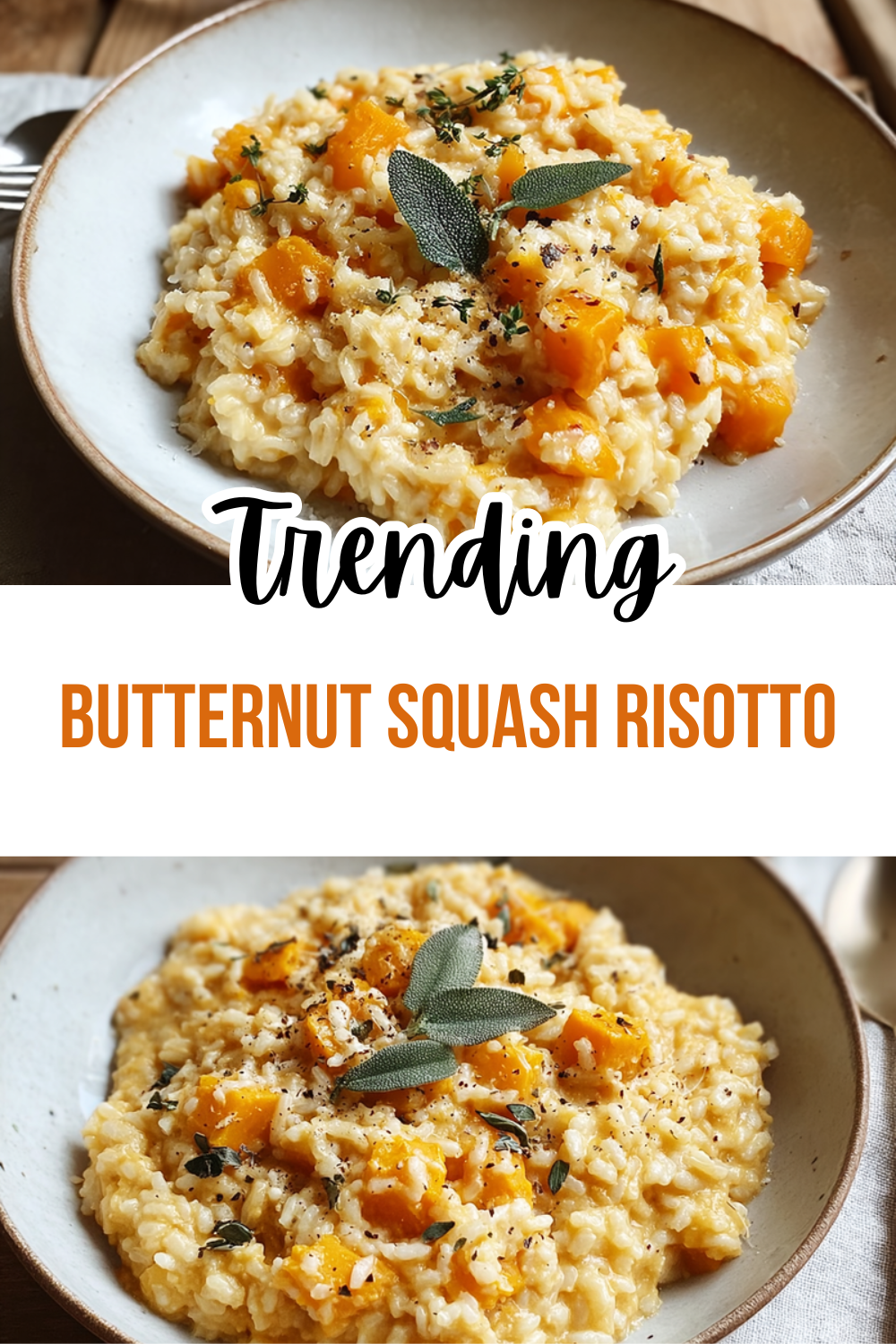
FAQs: Frequently Asked Questions About Butternut Squash Risotto
How do I make creamy butternut squash risotto from scratch?
To make creamy butternut squash risotto, start by sautéing diced onion and garlic in olive oil or butter until soft. Add Arborio rice and stir to coat the grains. Gradually add warm vegetable or chicken broth, one ladle at a time, stirring continuously and letting the liquid absorb before adding more. Meanwhile, roast or sauté cubed butternut squash separately until tender. When the rice is nearly cooked, stir in the cooked squash and finish with grated Parmesan cheese and a small knob of butter for extra creaminess. Season with salt and pepper to taste. This slow cooking and stirring release the rice’s starch, creating the risotto’s signature creamy texture.
Can I make butternut squash risotto in a rice cooker or Instant Pot?
Yes, you can make butternut squash risotto using a rice cooker or Instant Pot for convenience. In an Instant Pot, sauté onions and garlic on the “Sauté” setting, then add rice, stock, and cooked butternut squash. Cook on high pressure for about 6 minutes, then use natural release before stirring in Parmesan and butter. For a rice cooker, add all ingredients except cheese and butter, cook according to your device’s white rice setting, then stir in the finishing ingredients off heat. Both methods save time but may require slight adjustments to broth quantities for desired consistency.
What type of rice is best for butternut squash risotto?
Arborio rice is the best choice for butternut squash risotto due to its high starch content, which produces a creamy texture when cooked. Other suitable varieties include Carnaroli and Vialone Nano, which also yield a rich, velvety risotto. Avoid long-grain rice, which remains separate and doesn’t create the desired creaminess. Using the right rice allows the dish to absorb flavorful broth and meld well with butternut squash for an authentic risotto experience.
How can I make butternut squash risotto vegan or dairy-free?
To make a vegan or dairy-free butternut squash risotto, substitute butter with olive oil or vegan margarine, and replace Parmesan cheese with nutritional yeast or a plant-based cheese alternative. Use vegetable broth to keep it vegetarian. Stir in non-dairy milk, such as almond or oat milk, near the end to add creaminess if desired. These changes maintain the risotto’s rich texture and flavor while accommodating dietary restrictions.
What herbs and spices pair well with butternut squash risotto?
Fresh sage and thyme are classic herbs that complement butternut squash risotto’s natural sweetness and enhance its earthy flavor. A pinch of nutmeg adds warmth and depth, balancing the creamy texture. You can also add a bit of black pepper or crushed red pepper flakes for subtle heat. These seasonings elevate the dish without overpowering the delicate flavors of the squash and cheese.
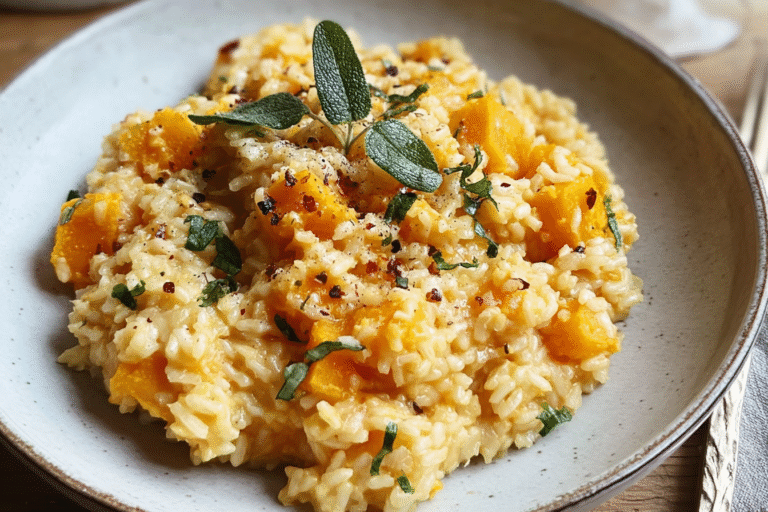
Butternut Squash Risotto
🍲 Enjoy the rich and creamy texture of this Butternut Squash Risotto, perfect for a comforting meal any time of year.
🌿 Bursting with the flavors of fresh herbs and tender squash, this recipe is both satisfying and versatile for various dietary preferences.
- Total Time: 55 minutes
- Yield: 4 servings 1x
Ingredients
1 tablespoon oil Provides a neutral base for sautéing, helping to develop flavors without overpowering the dish
1 medium yellow onion, chopped Adds aromatic sweetness and depth as a foundational element for the risotto
1/2 teaspoon sea salt (plus more to taste) Enhances all the flavors and balances the natural sweetness of the squash
Freshly ground black pepper (to taste) Brings a subtle heat and complexity to season the risotto perfectly
2 cups cubed butternut squash (cut into quarter-inch cubes) Offers sweet, tender bites and creamy texture, packed with vitamins for a nutritious boost
2 garlic cloves, finely chopped Infuses a pungent depth that brightens the overall flavor profile
1 teaspoon minced rosemary or sage Delivers fresh, herbaceous notes that complement the autumnal vibe of squash risotto
1 cup uncooked Arborio rice The star for creaminess, as its high starch content releases during cooking to create that signature silky finish
1/2 cup dry white wine Adds acidity to deglaze and enhance the flavors, making the dish more vibrant (skip for alcohol-free versions)
4 cups vegetable broth Serves as the cooking liquid that infuses umami and keeps the risotto moist and flavorful
Chopped parsley or small sage leaves for garnish Adds a fresh, colorful touch for visual appeal and extra herb flavor
1/2 cup grated pecorino or Parmesan cheese for serving Provides a nutty, creamy finish that ties everything together
Instructions
1-First Step: Start by heating 1 tablespoon of oil in a large skillet over medium heat. Add the chopped yellow onion, 1/2 teaspoon sea salt, and freshly ground black pepper to taste; cook for 2-3 minutes until the onion softens and becomes aromatic. For a vegan twist, use olive oil here, and if you’re aiming for low-calorie, keep the heat steady to avoid extra oil. This step builds the flavor base for your butternut squash risotto.
2-Second Step: Stir in 2 cups of cubed butternut squash and cook for 6-8 minutes, stirring occasionally, until it begins to soften. You can roast the squash at 400°F (200°C) for 20-30 minutes as an alternative for more caramelized flavor, which works well for gluten-free versions. Keep the heat at medium to ensure even cooking without burning, helping achieve that tender texture in your creamy butternut risotto.
3-Third Step: Add 2 finely chopped garlic cloves, 1 teaspoon minced rosemary or sage, and 1 cup uncooked Arborio rice; stir and cook for about 1 minute to toast the rice lightly. This toasting step releases the rice’s starch for creaminess aim for al dente texture by not overcooking early. For vegan adaptations, stick with herbs for flavor, and use this moment to add low-sodium stock if you’re watching calories in your squash risotto.
4-Fourth Step: Pour in 1/2 cup dry white wine and stir constantly for 1-3 minutes until it reduces. If you’re making an alcohol-free version, swap this for a splash of vegetable broth to deglaze the pan. Stir frequently to incorporate flavors, which is key for that rich, umami depth in butternut squash risotto.
5-Fifth Step: Begin adding 4 cups of vegetable broth in increments of 3/4 cup, stirring constantly and allowing each addition to absorb before adding the next this usually takes 30-60 seconds per ladle on medium-low heat. Simmer gently to develop the creamy texture, and for low-calorie options, use less broth or stir less vigorously. Continue until the rice is creamy and the squash is fully tender, about 25-35 minutes total cooking time for the risotto itself.
6-Sixth Step: Once the rice reaches your desired al dente or creamier consistency, remove from heat and season to taste with additional salt and pepper. For vegan preferences, skip any cheese and finish with a stir of nutritional yeast for creaminess. This is where you can adapt for dietary needs, ensuring your pumpkin-style risotto is just right.
7-Final Step: Garnish with chopped parsley or small sage leaves if desired, and serve with 1/2 cup grated pecorino or Parmesan cheese on top. For the best presentation, let it rest briefly off the heat. Your butternut squash risotto is now ready, adapted for everything from vegetarian to low-calorie variations, and it pairs wonderfully with a simple salad like the one in our fruit-based dessert recipes for a full meal.
Last Step:
Please leave a rating and comment letting us know how you liked this recipe! This helps our business to thrive and continue providing free, high-quality recipes for you.Notes
🍴 Cut butternut squash into small quarter-inch cubes for even cooking within the risotto time.
🥄 Stir constantly while adding broth to develop the creamy risotto texture.
🌿 Use fresh rosemary or sage for the best woodsy flavor and aroma.
- Prep Time: 15 minutes
- Cook Time: 40 minutes
- Category: Main Course
- Method: Simmering and stovetop cooking
- Cuisine: Italian
- Diet: Vegetarian; Vegan if cheese is omitted
Nutrition
- Serving Size: 1 serving