Why You’ll Love This Banana Mochi
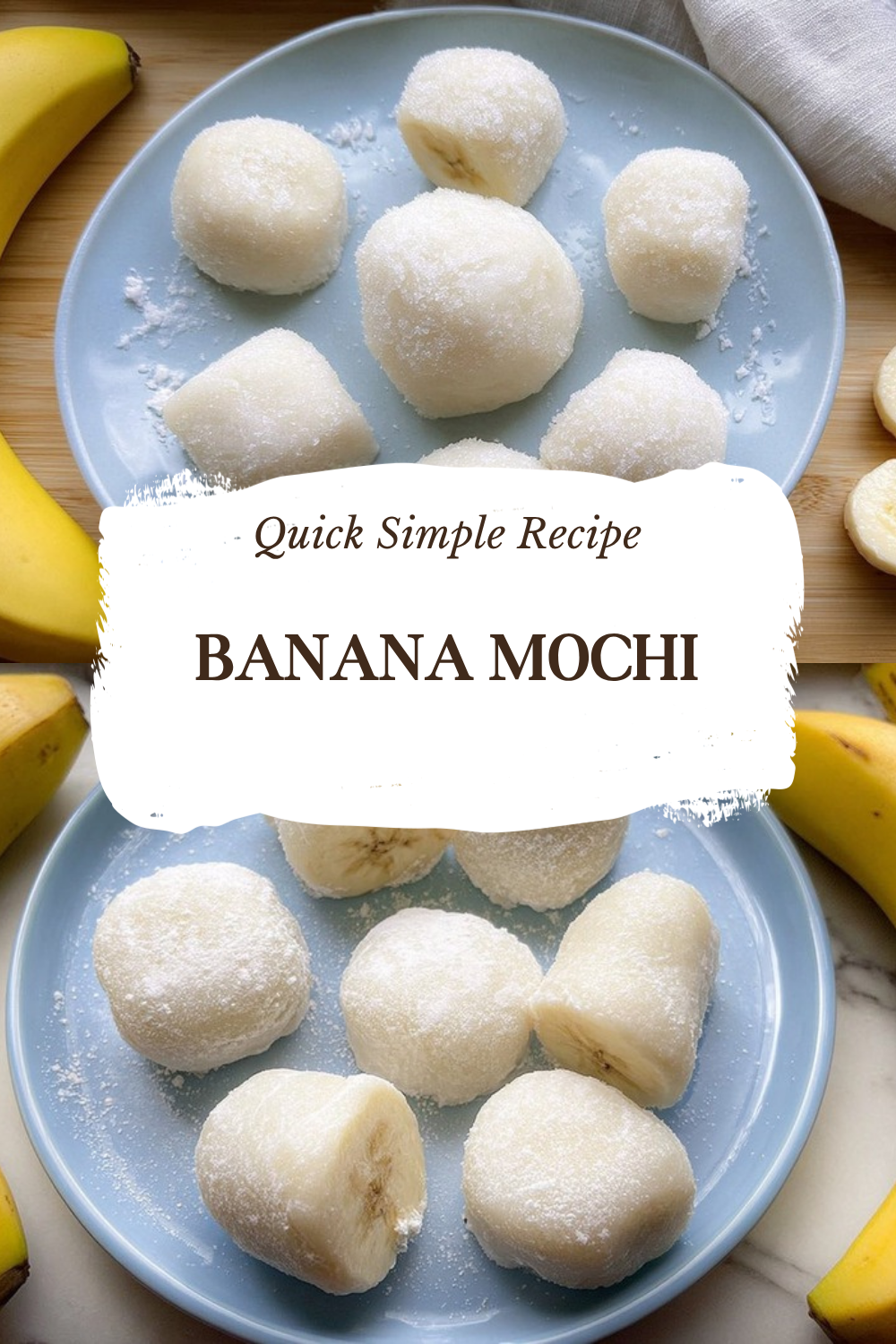
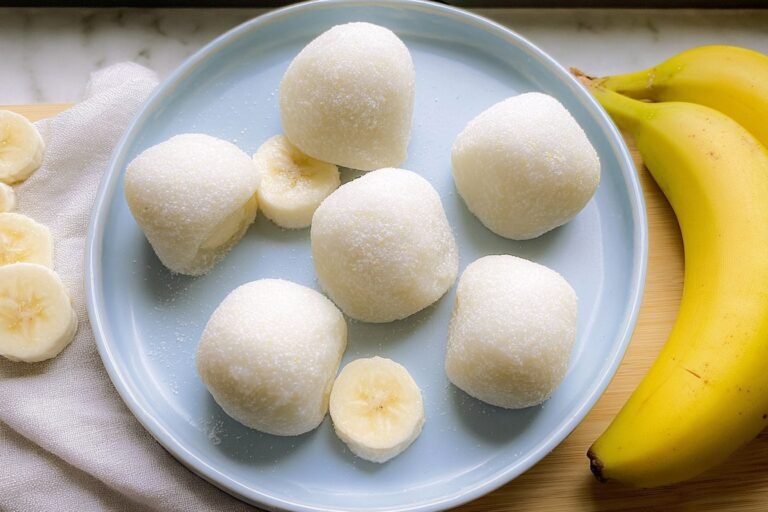
If you’ve been searching for a treat that hits the sweet spot between healthy and indulgent, this banana mochi recipe is about to become your new favorite. These soft, chewy Chinese banana mochi rolls offer a wonderful texture and natural sweetness that will have everyone asking for seconds.
- Ease of preparation: With just 45 minutes total time (25 minutes prep and 20 minutes cooking), this recipe fits perfectly into busy schedules. The steps are straightforward, making it ideal for beginners and experienced cooks alike. No fancy equipment is needed, just a blender and a steamer.
- Health benefits: Made with real bananas, these mochi rolls provide potassium, Vitamin C, and natural sweetness without artificial additives. Bananas offer numerous health benefits of bananas, including heart health support and digestion aid. Each serving contains only 234 calories.
- Versatility: This recipe adapts beautifully to different dietary preferences. It’s naturally gluten-free and can easily be made vegan. You can adjust the sweetness level based on your bananas’ ripeness, making it customizable for every palate.
- Distinctive flavor: The combination of glutinous rice flour and ripe bananas creates a uniquely chewy, elastic texture with authentic Asian dessert flavors. The toasted glutinous rice flour adds a nutty aroma that elevates these rolls from simple snacks to bakery-quality treats.
Jump to:
- Why You’ll Love This Banana Mochi
- Essential Ingredients for Banana Mochi
- Main Ingredients
- Special Dietary Options
- How to Prepare the Perfect Banana Mochi: Step-by-Step Guide
- Step 1: Toast the Glutinous Rice Flour
- Step 2: Prepare Your Steamer
- Step 3: Blend the Batter
- Step 4: Steam the Mochi Batter
- Step 5: Develop the Elasticity
- Step 6: Shape the Rolls
- Step 7: Serve and Enjoy
- Dietary Substitutions to Customize Your Banana Mochi
- Protein and Main Component Alternatives
- Vegetable, Sauce, and Seasoning Modifications
- Mastering Banana Mochi: Advanced Tips and Variations
- Pro Cooking Techniques
- Flavor Variations
- Presentation Tips
- Make-Ahead Options
- How to Store Banana Mochi: Best Practices
- Room Temperature Storage
- Freezing for Long-Term Storage
- Reheating Guidelines
- Meal Prep Considerations
- FAQs: Frequently Asked Questions About Banana Mochi
- What ingredients do I need for Hong Kong-style banana mochi rolls?
- How do I make the batter for banana mochi rolls?
- How do I steam banana mochi rolls at home?
- Can I cook banana mochi rolls in the microwave?
- How do I store homemade banana mochi rolls?
- Banana Mochi
- Ingredients
- Instructions
- Last Step:
- Notes
- Nutrition
- Did you make this recipe?
Essential Ingredients for Banana Mochi
Gathering the right ingredients is key to achieving the perfect chewy texture in your banana mochi rolls recipe. Here’s everything you’ll need:
Main Ingredients
- 300 grams peeled bananas – Use overripe bananas for maximum sweetness and creaminess. The natural sugars reduce the need for added sweeteners.
- 150 grams glutinous rice flour (for batter) – Also known as sweet rice flour or mochiko, this gives the signature chewy, elastic texture to the mochi rolls.
- 50 grams rice flour – Lightens the texture and prevents the mochi from becoming overly sticky. Regular rice flour works perfectly here.
- 100 grams sugar – White granulated sugar works best. You can reduce this amount if your bananas are very ripe and sweet.
- 100 grams water – Helps create the smooth batter consistency needed for even steaming.
- 1 tablespoon oil – Vegetable or coconut oil adds moisture and helps achieve a silky texture in the finished mochi.
- 100 grams glutinous rice flour (for toasting and dusting) – This separate portion gets toasted for dusting, preventing sticking and adding a subtle nutty flavor.
Special Dietary Options
- Vegan: This recipe is already vegan-friendly! Simply use vegetable oil instead of any animal-based alternatives.
- Gluten-free: Naturally gluten-free as written. Glutinous rice flour contains no gluten despite its name. Check out more about glutinous rice flour nutrition for its unique properties.
- Low-calorie: Reduce sugar to 50 grams or substitute with stevia. Use very ripe bananas to maintain sweetness naturally.
How to Prepare the Perfect Banana Mochi: Step-by-Step Guide
Creating authentic Chinese mochi rolls at home is easier than you might think. Follow these detailed steps for foolproof results every time.
Step 1: Toast the Glutinous Rice Flour
Begin by toasting 100 grams of glutinous rice flour in a dry pan over medium-low heat. Stir continuously for about 5 minutes until the flour turns lightly browned and releases a nutty aroma. This toasted flour prevents sticking later and adds a wonderful depth of flavor to your finished banana mochi. Once toasted, transfer to a bowl and let it cool completely before using for dusting.
Step 2: Prepare Your Steamer
Fill your steamer with water and bring it to a boil. You’ll need a good amount of water to maintain steam for 20 minutes. While the water heats, lightly oil an 8 x 10-inch plate or pan with a thin layer of oil. This prevents the batter from sticking during steaming.
Step 3: Blend the Batter
Place 300 grams of peeled bananas in a blender. Add 150 grams glutinous rice flour, 50 grams rice flour, 100 grams sugar, 100 grams water, and 1 tablespoon oil. Blend on high until completely smooth, about 1-2 minutes.
No blender? Mash the bananas thoroughly with a fork until no lumps remain, then whisk in the remaining ingredients until smooth. For an extra silky batter, strain through a fine sieve.
The batter should be pourable, similar to thin pancake batter. If it seems too thick, add 1-2 teaspoons of water.
Step 4: Steam the Mochi Batter
Pour the batter into your prepared plate or pan, spreading it evenly. The layer should not be too thick for even cooking. Cover the plate with aluminum foil or wrap your steamer lid in a clean cloth to prevent condensation drips that could ruin the texture.
Place the plate in your steamer over medium-high heat. Steam for exactly 20 minutes. To test doneness, insert a toothpick into the center. It should come out with sticky dough but no raw liquid batter. The mochi will look slightly translucent when fully cooked.
Step 5: Develop the Elasticity
Carefully remove the hot plate from the steamer using oven mitts. While the dough is still hot, stir and fold it vigorously with an oiled spatula for 2-3 minutes. This crucial step develops the signature elasticity of authentic Chinese banana mochi rolls. Keep folding until the dough becomes smoother and more cohesive.
Step 6: Shape the Rolls
Generously dust your work surface with the toasted glutinous rice flour you prepared earlier. Transfer the hot dough onto the floured surface. Dust the top of the dough with more toasted flour. Using a rolling pin, roll the dough into a rectangle about 1/8-inch thick.
Cut the rectangle in half crosswise. Starting from one long edge, roll each half tightly like a Swiss roll. Trim the ends for a neat presentation. Cut each roll into 3-inch pieces using a sharp knife or bench scraper. Dust each piece with more toasted flour, then brush off any excess.
Step 7: Serve and Enjoy
Your banana mochi rolls are now ready to serve! Enjoy them fresh at room temperature for the best texture and flavor. The natural banana sweetness pairs beautifully with the chewy mochi exterior.
| Preparation Stage | Time Required | Key Action |
|---|---|---|
| Prep (toasting and blending) | 25 minutes | Toast flour, blend batter |
| Cooking (steaming) | 20 minutes | Steam until translucent |
| Shaping | 5-10 minutes | Roll, cut, and dust |
| Total Time | 45 minutes | Ready to serve! |

Dietary Substitutions to Customize Your Banana Mochi
Protein and Main Component Alternatives
While this banana mochi recipe is already vegetarian and naturally gluten-free, you can make several substitutions based on your dietary needs:
Sugar alternatives: Replace the 100 grams of white sugar with coconut sugar for a lower glycemic option. Honey or maple syrup can also work, but reduce the water slightly (by about 15-20 grams) to compensate for the added liquid.
Flour substitutions: If you cannot find glutinous rice flour, regular sticky rice flour works similarly. However, avoid substituting with regular wheat flour or almond flour, as these will not produce the characteristic chewy mochi texture.
Oil options: Coconut oil adds a subtle tropical flavor that complements the bananas beautifully. For a neutral taste, use avocado oil or grapeseed oil.
Vegetable, Sauce, and Seasoning Modifications
Get creative with these flavor variations for your banana mochi rolls:
- Matcha twist: Add 1-2 teaspoons of matcha powder to the batter for a beautiful green color and earthy flavor contrast.
- Cocoa variation: Mix in 1 tablespoon of cocoa powder for chocolate banana mochi rolls that kids absolutely love.
- Coconut addition: Sprinkle toasted coconut flakes into the batter before steaming, or roll the finished mochi in coconut instead of toasted flour.
- Sesame coating: Roll the finished mochi in toasted black or white sesame seeds for added crunch and visual appeal.
- Spiced version: Add 1/2 teaspoon of cinnamon or cardamom to the batter for a warm, spiced flavor profile perfect for fall.
Looking for more Asian-inspired desserts? Try these easy Asian dessert recipes that pair wonderfully with this mochi recipe.
Mastering Banana Mochi: Advanced Tips and Variations
Take your banana mochi from good to extraordinary with these professional techniques and creative ideas.
Pro Cooking Techniques
- Use a digital scale: Precision matters in mochi making. Even small variations in flour amounts can affect the final texture. A kitchen scale ensures consistent results every time.
- Cover during steaming: Condensation drips are the enemy of smooth mochi. Always use aluminum foil or a cloth-wrapped lid to protect your batter.
- Microwave shortcut: In a rush? Oil a microwave-safe bowl, pour in the batter, cover loosely with plastic wrap, and microwave in 1-minute bursts, stirring between each, until the dough pulls from the sides. This takes about 3-5 minutes total depending on wattage.
- Knead while hot: The folding and stirring step develops elasticity. Don’t skip it! Use an oiled spatula and work quickly while the dough is still hot.
Flavor Variations
Transform your banana mochi rolls with these delicious combinations:
- Peanut butter swirl: Drop small spoonfuls of peanut butter into the batter before steaming for a peanut butter banana mochi that tastes like Elvis’s favorite sandwich in dessert form.
- Red bean filling: Roll the steamed dough around sweet red bean paste for an authentic Japanese-inspired treat.
- Fruit additions: Mix in small diced strawberries, blueberries, or mango pieces for a fruity twist.
Presentation Tips
Make your Chinese mochi look as good as it tastes with these simple techniques:
- Trim the ends of each roll for a clean, bakery-style appearance.
- Dust with toasted flour just before serving to maintain the fresh look.
- Serve on a wooden cutting board or pretty plate lined with parchment paper.
- Garnish with thin banana slices or a sprinkle of cinnamon for photos.
Make-Ahead Options
For busy schedules, prepare components in advance:
- Toast the flour: Toast a larger batch of glutinous rice flour and store it airtight for up to 2 weeks. This saves time on future batches.
- Freeze the batter: The blended batter can be frozen for up to 1 month. Thaw completely before steaming.
- Pre-portion rolls: Shape the mochi rolls, then freeze individually wrapped for quick snacks anytime.
How to Store Banana Mochi: Best Practices
Proper storage ensures your homemade banana mochi stays fresh and delicious. Here’s everything you need to know:
Room Temperature Storage
Store your banana mochi rolls in an airtight container at room temperature for 1-2 days. They stay soft and chewy when kept this way. If you need to stack them, dust lightly with toasted glutinous rice flour between layers to prevent sticking.
Important: Never refrigerate mochi! Cold temperatures dry out the glutinous rice flour, making the texture tough and rubbery instead of soft and chewy.
Freezing for Long-Term Storage
For longer storage, freeze your banana mochi rolls:
- Wrap each roll individually in plastic wrap to prevent freezer burn.
- Place wrapped rolls in a freezer bag, removing as much air as possible.
- Label the bag with the date and contents.
- Freeze for up to 1 month.
To enjoy frozen mochi, thaw at room temperature for 30-60 minutes. If you prefer warm mochi, microwave for 10 seconds after thawing.
Reheating Guidelines
If your mochi has become slightly firm at room temperature, microwave individual pieces for 5-10 seconds to restore softness. Be careful not to overheat, as the filling can become extremely hot.
Meal Prep Considerations
These banana mochi rolls work wonderfully for meal prep. Make a double batch on weekends, then portion and freeze for quick snacks throughout the week. Each roll contains about 234 calories, making them satisfying treats that provide energy without being overly heavy.
FAQs: Frequently Asked Questions About Banana Mochi
What ingredients do I need for Hong Kong-style banana mochi rolls?
To make authentic Hong Kong-style banana mochi rolls, gather these key ingredients: 2 ripe bananas (peeled), 50g sugar, 150ml water, 1 tbsp oil (like vegetable or coconut oil), 150g glutinous rice flour, and 50g rice flour. Optional additions include a pinch of salt for flavor balance or toasted glutinous rice flour for dusting later. These create a soft, chewy texture with natural banana sweetness. Measure accurately for best results—glutinous rice flour gives the signature stickiness, while rice flour adds lightness. This simple list yields about 10-12 rolls. Prep time is quick, under 10 minutes before cooking. Source Asian grocery stores for flours if needed. Total calories per roll: around 100-120, depending on size.
How do I make the batter for banana mochi rolls?
Start by peeling 2 ripe bananas and placing them in a blender with 50g sugar, 150ml water, 1 tbsp oil, 150g glutinous rice flour, and 50g rice flour. Blend on high until completely smooth, about 1-2 minutes—this ensures even texture without lumps. No blender? Mash bananas thoroughly with a fork, then whisk in remaining ingredients until no dry spots remain. For extra smoothness, strain through a fine sieve. The batter should be pourable like thin pancake mix; add 1-2 tsp water if too thick. Let it rest 5 minutes for flours to hydrate. This step takes under 10 minutes and is crucial for elastic mochi dough after cooking. Tip: Use overripe bananas for maximum sweetness and creaminess.
How do I steam banana mochi rolls at home?
Lightly oil a wide plate or steaming pan (about 9-inch diameter). Pour in the smooth banana batter, spreading evenly to ¼-inch thick. Cover with aluminum foil or wrap the steamer lid in a clean cloth to trap steam. Place in a wok or steamer with boiling water, steam over medium-high heat for 20 minutes—test doneness by poking; it should spring back. Avoid oversteaming to prevent dryness. Lift out carefully using oven mitts. While hot, stir dough with a spatula to develop elasticity, folding repeatedly for 2-3 minutes. This traditional method mimics street vendor results. Prep steamer ahead for seamless cooking. Yields soft, fragrant rolls ready for shaping.
Can I cook banana mochi rolls in the microwave?
Yes, microwave works great for quick banana mochi rolls. Oil a microwave-safe bowl (8-10 inch wide). Pour batter evenly. Cover loosely with cling wrap, leaving a small vent for steam. Microwave on high for 90 seconds. Stir well, then continue in 1-minute bursts, stirring each time, until dough pulls from sides and looks translucent—total 3-5 minutes depending on wattage (1000W ideal). Let cool slightly, then fold with a spatula for chewiness. This shortcut halves cooking time versus steaming, perfect for small batches. Results are nearly identical in texture. Watch closely to avoid overflow. Dust with toasted glutinous rice flour post-cooking to prevent sticking. Store as usual.
How do I store homemade banana mochi rolls?
Keep Hong Kong-style banana mochi rolls fresh by storing in an airtight container at room temperature for 1-2 days—they stay soft and chewy. For longer, wrap individually in plastic, place in a freezer bag, and freeze up to 1 month. Thaw at room temp for 30-60 minutes before eating; microwave 10 seconds if needed for warmth. Never refrigerate, as cold air dries the glutinous texture, making it tough. If stacking, dust lightly with rice flour to avoid sticking. Enjoy within peak freshness for best banana flavor. Pro tip: Label freezer bags with dates. Each roll reheats well, retaining moisture—perfect for meal prep or snacks.
Banana Mochi
🍌 Chewy, fragrant banana mochi rolls using real ripe bananas—natural sweetness in every elastic bite.
🥮 Steamed perfection with toasted rice flour dust; gluten-free treat that’s fun to make and share.
- Total Time: 45 minutes
- Yield: 12 rolls
Ingredients
– 300 grams peeled bananas
– 150 grams glutinous rice flour for batter
– 50 grams rice flour
– 100 grams sugar
– 100 grams water
– 1 tablespoon oil
– 100 grams glutinous rice flour for toasting and dusting
Instructions
1-Step 1: Toast the Glutinous Rice Flour
Begin by toasting 100 grams of glutinous rice flour in a dry pan over medium-low heat. Stir continuously for about 5 minutes until the flour turns lightly browned and releases a nutty aroma. This toasted flour prevents sticking later and adds a wonderful depth of flavor to your finished banana mochi. Once toasted, transfer to a bowl and let it cool completely before using for dusting.
2-Step 2: Prepare Your Steamer
Fill your steamer with water and bring it to a boil. You’ll need a good amount of water to maintain steam for 20 minutes. While the water heats, lightly oil an 8 x 10-inch plate or pan with a thin layer of oil. This prevents the batter from sticking during steaming.
3-Step 3: Blend the Batter
Place 300 grams of peeled bananas in a blender. Add 150 grams glutinous rice flour, 50 grams rice flour, 100 grams sugar, 100 grams water, and 1 tablespoon oil. Blend on high until completely smooth, about 1-2 minutes.
No blender? Mash the bananas thoroughly with a fork until no lumps remain, then whisk in the remaining ingredients until smooth. For an extra silky batter, strain through a fine sieve.
The batter should be pourable, similar to thin pancake batter. If it seems too thick, add 1-2 teaspoons of water.
4-Step 4: Steam the Mochi Batter
Pour the batter into your prepared plate or pan, spreading it evenly. The layer should not be too thick for even cooking. Cover the plate with aluminum foil or wrap your steamer lid in a clean cloth to prevent condensation drips that could ruin the texture.
Place the plate in your steamer over medium-high heat. Steam for exactly 20 minutes. To test doneness, insert a toothpick into the center. It should come out with sticky dough but no raw liquid batter. The mochi will look slightly translucent when fully cooked.
5-Step 5: Develop the Elasticity
Carefully remove the hot plate from the steamer using oven mitts. While the dough is still hot, stir and fold it vigorously with an oiled spatula for 2-3 minutes. This crucial step develops the signature elasticity of authentic Chinese banana mochi rolls. Keep folding until the dough becomes smoother and more cohesive.
6-Step 6: Shape the Rolls
Generously dust your work surface with the toasted glutinous rice flour you prepared earlier. Transfer the hot dough onto the floured surface. Dust the top of the dough with more toasted flour. Using a rolling pin, roll the dough into a rectangle about 1/8-inch thick.
Cut the rectangle in half crosswise. Starting from one long edge, roll each half tightly like a Swiss roll. Trim the ends for a neat presentation. Cut each roll into 3-inch pieces using a sharp knife or bench scraper. Dust each piece with more toasted flour, then brush off any excess.
7-Step 7: Serve and Enjoy
Your banana mochi rolls are now ready to serve! Enjoy them fresh at room temperature for the best texture and flavor. The natural banana sweetness pairs beautifully with the chewy mochi exterior.
Last Step:
Please leave a rating and comment letting us know how you liked this recipe! This helps our business to thrive and continue providing free, high-quality recipes for you.Notes
⚖️ Use a digital scale for precise flour and banana weights.
🔥 Toast rice flour well for nutty flavor and non-stick dust.
🍌 Choose overripe bananas for intense natural sweetness.
- Prep Time: 25 minutes
- Cook Time: 20 minutes
- Category: Desserts
- Method: Steaming
- Cuisine: Chinese
- Diet: Vegan
Nutrition
- Serving Size: 1 roll
- Calories: 234 kcal
- Sugar: 17 g
- Sodium: 1 mg
- Fat: 2 g
- Saturated Fat: 1 g
- Unsaturated Fat: 1 g
- Trans Fat: 0 g
- Carbohydrates: 51 g
- Fiber: 2 g
- Protein: 3 g
- Cholesterol: 0 mg