Why You’ll Love This Baked Salmon Recipe
If you need a Baked Salmon Recipe that fits into a busy weeknight and still tastes like you actually tried, this one is a keeper. It comes together fast, uses simple pantry ingredients, and gives you tender, flaky salmon with bright lemon and herby flavor. That is a pretty great win for something that takes just 25 minutes from start to finish.
- Easy to make: With just 10 minutes of prep and a short bake time, this baked salmon recipe is perfect for home cooks, students, busy parents, and working professionals who want dinner on the table without a big mess.
- Good for you: Salmon is packed with protein, healthy fats, potassium, and key vitamins. According to Cleveland Clinic’s guide to salmon benefits, it is a smart choice for a balanced meal.
- Flexible for many diets: This dish works well for gluten-free, low-carb, and diet-conscious eaters. You can also change the herbs and seasoning to match what you already have at home.
- Fresh, lively flavor: Olive oil, garlic, lemon, and Italian herbs give the fish a clean, savory taste without making it heavy. The result is simple, fresh, and satisfying.
When you want a dinner that feels special but does not ask for much effort, this baked salmon recipe is a solid go-to.
If you enjoy easy recipes like this, you may also like our easy peach cobbler recipe for dessert after dinner.
Jump to:
- Why You’ll Love This Baked Salmon Recipe
- Essential Ingredients for Baked Salmon Recipe
- Main Ingredients
- Optional Add-Ons
- Special Dietary Options
- How to Prepare the Perfect Baked Salmon Recipe: Step-by-Step Guide
- First Step: Get the oven and pan ready
- Second Step: Place the salmon on the baking sheet
- Third Step: Mix the flavor topping
- Fourth Step: Add lemon slices and bake
- Fifth Step: Broil for color if you want it
- Final Step: Garnish and serve
- Dietary Substitutions to Customize Your Baked Salmon Recipe
- Protein and Main Component Alternatives
- Vegetable, Sauce, and Seasoning Modifications
- Mastering Baked Salmon Recipe: Advanced Tips and Variations
- Pro cooking techniques
- Flavor variations
- Presentation tips
- Make-ahead options
- How to Store Baked Salmon Recipe: Best Practices
- FAQs: Frequently Asked Questions About Baked Salmon Recipe
- What’s the best salmon to buy for baking?
- What temperature do I bake salmon at?
- How long does it take to bake salmon?
- How can I tell when baked salmon is done?
- How do I store and reheat baked salmon leftovers?
- Baked Salmon Recipe
- Ingredients
- Instructions
- Last Step:
- Notes
- Nutrition
- Did you make this recipe?
Essential Ingredients for Baked Salmon Recipe
This recipe uses a short ingredient list, which is part of its charm. Each item plays a specific role in keeping the salmon juicy and flavorful. The measurements below match the recipe exactly, so you can gather everything before you start cooking.
Main Ingredients
- 4 salmon fillets, about 6 ounces each – The star of the dish. Fresh fillets cook evenly and stay tender.
- 2 tablespoons olive oil – Helps keep the salmon moist and carries the flavor of the garlic and herbs.
- 1/2 teaspoon salt, or to taste – Brings out the natural flavor of the fish.
- 1/4 teaspoon cracked black pepper – Adds a little heat and balance. If using finely ground black pepper, use just a pinch.
- 2 teaspoons minced garlic – Gives the salmon a savory, aromatic kick.
- 1 teaspoon Italian herb seasoning blend or herbs de Provence – You can also use a mix of dried thyme, parsley, oregano, and basil, about 1/4 teaspoon each.
- 1 medium lemon – Half goes into the seasoning mix and the other half is sliced for the top of the fish.
Optional Add-Ons
- Fresh thyme or parsley for garnish
- A small splash of broth if reheating leftovers
- Parchment paper for easier cleanup
Special Dietary Options
- Vegan: Swap salmon for thick slices of tofu or cauliflower steaks and use the same olive oil, garlic, herb, and lemon mix.
- Gluten-free: This recipe is naturally gluten-free as written.
- Low-calorie: Use a lighter hand with oil, or reduce the olive oil slightly while still keeping the fish moist.
| Ingredient | Amount | Why It Matters |
|---|---|---|
| Salmon fillets | 4 fillets, about 6 ounces each | Provides protein and a rich, flaky texture |
| Olive oil | 2 tablespoons | Helps lock in moisture |
| Salt | 1/2 teaspoon | Boosts flavor |
| Black pepper | 1/4 teaspoon | Adds gentle warmth |
| Minced garlic | 2 teaspoons | Adds savory depth |
| Herb seasoning | 1 teaspoon | Creates a fragrant finish |
| Lemon | 1 medium | Brightens the whole dish |
How to Prepare the Perfect Baked Salmon Recipe: Step-by-Step Guide
First Step: Get the oven and pan ready
Start by preheating your oven to 400 degrees Fahrenheit. This is the sweet spot for baking salmon because it cooks the fish quickly without drying it out. While the oven heats, grease a large baking pan so the fillets do not stick. If you want even easier cleanup, line the pan with parchment paper first and then lightly grease it.
Before you move on, check your salmon fillets. Fresh, vibrant fillets should look moist and clean, not dull or discolored. They should also have a fresh smell, not a strong fishy odor. If the fish is frozen, thaw it in the fridge overnight for the best texture. This simple prep step helps your baked salmon recipe turn out tender instead of tough.
Second Step: Place the salmon on the baking sheet
Arrange the 4 salmon fillets, about 6 ounces each, on the prepared baking sheet. Give them a little space so the heat can move around each piece. If the salmon has skin, leave it on. The skin helps lock in moisture and gives the fish a better chance of staying juicy in the oven.
Now season the fillets generously with salt and cracked black pepper. Do not worry if the seasoning looks simple at this stage. The olive oil, garlic, herbs, and lemon will bring everything together in the next step. Keep in mind that salmon does not need a heavy hand, just enough seasoning to wake up its natural flavor.
Third Step: Mix the flavor topping
In a small bowl, combine the 2 tablespoons olive oil, 2 teaspoons minced garlic, 1 teaspoon Italian herb seasoning blend or herbs de Provence, and the juice from half of the lemon. Stir until the mixture looks well combined. This little sauce is what gives the salmon its bright, garlicky finish.
Spoon the mixture over the top of each fillet, then gently rub it over the tops and sides. Make sure you cover every part, because dry spots can happen if the seasoning sits only in one place. The goal is a thin, even layer that flavors the fish without drowning it. If you like a stronger lemon taste, you can add a bit more juice from the second half of the lemon later.
Fourth Step: Add lemon slices and bake
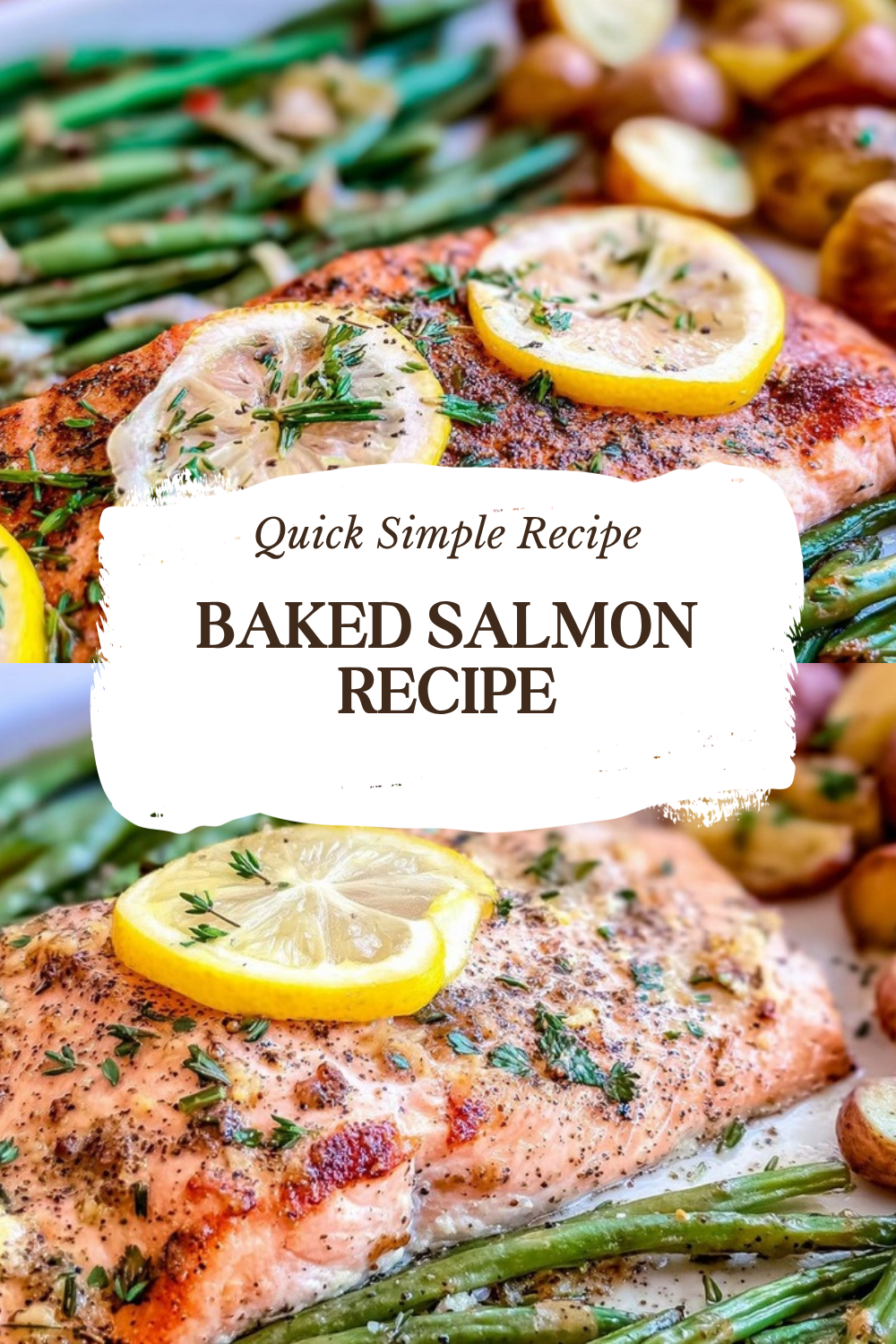
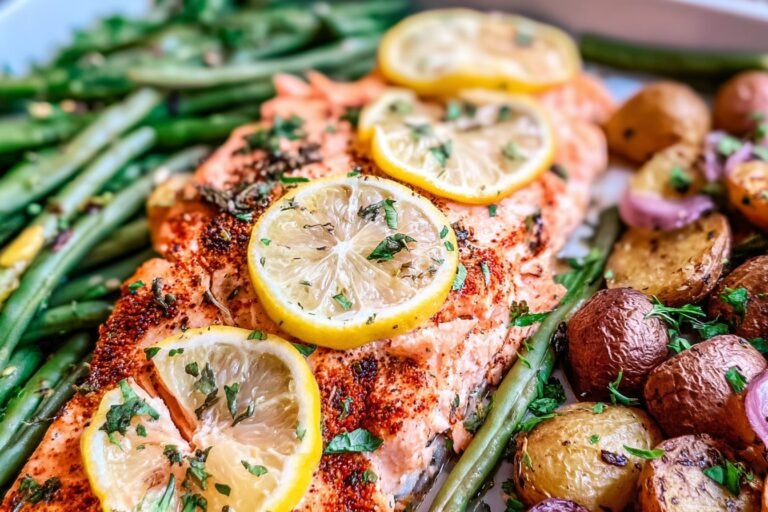
Thinly slice the remaining half of the lemon and place one slice on each fillet. This not only looks nice, it also adds a fresh pop of citrus while the fish bakes. Once the salmon is set up, slide the pan into the oven and bake for 12 to 15 minutes.
For most 1-inch thick fillets, 12 to 15 minutes is enough time. You want the salmon to turn opaque and flake easily with a fork. If your oven runs hot, check it a little early. If your fillets are thicker, they may need a minute or two more. The best internal temperature in the thickest part is usually between 110 and 140 degrees Fahrenheit, depending on how done you like it.
Fifth Step: Broil for color if you want it
If you like a bit of browning on top, switch the oven to broil during the last 1 to 2 minutes. Keep a close eye on it, because broilers can go from golden to burned very fast. This step is optional, but it gives the salmon a pretty finish and a slightly richer flavor.
If your fish seems to be drying out, you can lightly cover it during baking to hold in more moisture. This is especially handy if your fillets are on the thinner side or if you know your oven tends to run strong. A gentle bake is always better than rushing the process.
Final Step: Garnish and serve
Take the salmon out of the oven and let it rest for a minute or two. Then garnish with fresh thyme or parsley before serving. A short rest helps the juices settle back into the fish, which keeps each bite soft and flavorful.
This Baked Salmon Recipe is great with rice, roasted vegetables, salad, potatoes, or even a simple piece of crusty bread. If you want a cozy meal idea for another day, try pairing it with a sweet treat like our homemade strawberry milkshake recipe for a fun family dinner combo.
Quick tip: salmon is done when it flakes with a fork and still looks moist in the center. Dry salmon usually means it stayed in the oven too long.

Dietary Substitutions to Customize Your Baked Salmon Recipe
Protein and Main Component Alternatives
If salmon is not available, you still have a few good options. Thick white fish fillets, like cod or halibut, can work well with the same lemon-garlic-herb mixture. They will cook a little faster, so keep a close eye on them. Trout is another nice choice because it has a mild flavor and a similar flaky texture.
For those who do not eat fish, thick tofu steaks can take on the same flavors nicely. Press the tofu first so it can soak up the oil, lemon, garlic, and herbs better. You can also use cauliflower steaks if you want a lighter plant-based plate. The seasonings in this baked salmon recipe are flexible enough to work with several ingredients.
Vegetable, Sauce, and Seasoning Modifications
You can easily change the sides or seasonings based on what you have. Add sliced zucchini, asparagus, cherry tomatoes, or green beans to the pan so they roast alongside the fish. They will pick up some of the lemon and garlic flavor while cooking. If you want a richer finish, a small drizzle of melted butter can be used instead of some of the olive oil.
For seasoning, swap the Italian herb blend for dill, paprika, or a little smoked paprika if you want more color and warmth. If you like a brighter taste, add extra lemon zest. For a dairy-free meal, keep the recipe exactly as written. And if you want something playful for dessert later, a batch of pink popcorn can be a fun treat for movie night.
Mastering Baked Salmon Recipe: Advanced Tips and Variations
Pro cooking techniques
One of the best ways to improve your baked salmon is to pay attention to thickness. Thicker fillets can handle the full 12 to 15 minutes, while thinner ones may be ready a little sooner. If you are unsure, start checking at the 12-minute mark. An instant-read thermometer is your friend here, especially if you want to avoid overcooking.
Another useful trick is to keep the skin on. It acts like a built-in shield that helps the fish stay moist. Also, do not bake at a very high temperature unless you are watching closely. Too much heat can dry salmon out fast, while too low a temperature can leave it uneven. Gentle heat wins here.
Flavor variations
Once you know the base recipe, you can play around with the flavors. Swap the Italian herbs for dill and a little mustard for a more classic fish flavor. Add red pepper flakes for a little heat. If you like a smoky note, a pinch of paprika works well too. You can also finish with capers for a salty, briny bite.
Presentation tips
Serve the salmon on a warm platter with lemon slices and fresh herbs scattered on top. A few green vegetables on the side make the plate look bright and balanced. If you want a cleaner look, spoon any pan juices over the fish right before serving. That little shine makes the dish feel restaurant-style without any extra work.
Make-ahead options
If your schedule is packed, you can mix the olive oil, garlic, herbs, and lemon juice a few hours ahead of time. Store it covered in the fridge, then spoon it over the salmon right before baking. You can also prep the fish and place it on the baking sheet earlier in the day. Just keep it chilled until you are ready to bake.
How to Store Baked Salmon Recipe: Best Practices
Leftovers from this baked salmon recipe keep well if you store them the right way. Let the fish cool, then place it in an airtight container and refrigerate it for 3 to 4 days. If you want to keep it longer, wrap portions tightly and freeze them for up to 2 months. Label the container with the date so you know when it was stored.
To reheat, use a 275 degrees Fahrenheit oven for about 10 to 15 minutes with a splash of water or broth. This helps bring back moisture and keeps the fish from turning dry. The microwave is usually not the best choice because it can make salmon rubbery. If you want to use the leftovers cold, slice them over a salad or tuck them into a grain bowl.
For the best texture, reheat salmon slowly. A little moisture and low heat go a long way.
FAQs: Frequently Asked Questions About Baked Salmon Recipe
What’s the best salmon to buy for baking?
For baking salmon, choose fresh fillets with vibrant color, moist texture, and no fishy odor or brown spots. Sockeye offers a firm texture and rich red hue, ideal for even cooking. King (Chinook) is fatty and flavorful but pricier. Coho provides a mild taste, while pink or chum works for budget options. Aim for wild-caught if possible for better nutrition, or farmed Atlantic for consistency. Check packaging for minimal additives. At the store, ask the fishmonger for today’s freshest catch. A 6-ounce skinless fillet per person bakes perfectly without drying out. Thaw frozen salmon in the fridge overnight for best results. (78 words)
What temperature do I bake salmon at?
Bake salmon at 375°F to 425°F for optimal results. Preheat your oven to 400°F, a reliable middle ground that cooks evenly without over-drying. Place seasoned fillets on a parchment-lined baking sheet, skin-side down if applicable. This temperature yields juicy, flaky salmon in 12-15 minutes for 1-inch thick fillets. Use an instant-read thermometer: pull it out at 125°F internal for medium-rare or 145°F for fully cooked, per USDA guidelines. Higher heat like 425°F works for quicker cooks but watch closely to avoid toughness. Always let it rest 3-5 minutes post-bake. (92 words)
How long does it take to bake salmon?
Baking time depends on thickness and oven temp, but plan 12-15 minutes at 400°F for 6-ounce, 1-inch thick fillets. Thinner pieces take 10-12 minutes; thicker ones up to 18 minutes. Rule of thumb: 4-6 minutes per ½-inch of thickness. Start checking at 12 minutes—salmon is done at 125°F internal for moist results or 145°F for well-done. Factors like starting cold from fridge add 2-3 minutes. Avoid overcooking; residual heat finishes it. Test by flaking with a fork: it should separate easily but still look slightly translucent in the center. (94 words)
How can I tell when baked salmon is done?
Baked salmon is done when it turns from translucent red to opaque pink, flakes easily with a fork, and reaches 125°F-145°F internally in the thickest part. Cut into the center: it should be slightly moist but not raw. The flesh separates into moist flakes without resistance. Visual cues include edges pulling away from skin and a glossy surface. Use a thermometer for precision—110°F for rare, 140°F max to prevent dryness. If no thermometer, press gently: firm but springs back. Resting 3 minutes allows carryover cooking. Overdone salmon feels dry and chalky. (89 words)
How do I store and reheat baked salmon leftovers?
Store baked salmon in an airtight container or foil-wrapped in the fridge for 3-4 days max. For longer, freeze in single portions up to 2 months. Label with date. To reheat, use a 275°F oven for 10-15 minutes with a splash of water or broth to retain moisture—avoid microwave to prevent toughness. Stovetop steaming over low heat works too: cover in a skillet with liquid, 3-5 minutes. Thaw frozen portions overnight first. Reheated salmon stays safe below 40°F storage temp. Pairs well cold in salads. (85 words)
Baked Salmon Recipe
🐟 Tender baked salmon packed with omega-3s for heart health, brain boost, and lean protein in a flash!
🍋 Easy 25-minute healthy recipe with garlic-herb lemon magic – flaky, flavorful fillets everyone craves.
- Total Time: 25 minutes
- Yield: 4 servings
Ingredients
– 4 salmon fillets, about 6 ounces each for providing protein and a rich, flaky texture
– 2 tablespoons olive oil for locking in moisture
– 1/2 teaspoon salt for boosting flavor
– 1/4 teaspoon black pepper for adding gentle warmth
– 2 teaspoons minced garlic for adding savory depth
– 1 teaspoon herb seasoning for creating a fragrant finish
– 1 medium lemon for brightening the whole dish
Instructions
1-First Step: Get the oven and pan ready Start by preheating your oven to 400 degrees Fahrenheit. This is the sweet spot for baking salmon because it cooks the fish quickly without drying it out. While the oven heats, grease a large baking pan so the fillets do not stick. If you want even easier cleanup, line the pan with parchment paper first and then lightly grease it. Before you move on, check your salmon fillets. Fresh, vibrant fillets should look moist and clean, not dull or discolored. They should also have a fresh smell, not a strong fishy odor. If the fish is frozen, thaw it in the fridge overnight for the best texture. This simple prep step helps your baked salmon recipe turn out tender instead of tough.
2-Second Step: Place the salmon on the baking sheet Arrange the 4 salmon fillets, about 6 ounces each, on the prepared baking sheet. Give them a little space so the heat can move around each piece. If the salmon has skin, leave it on. The skin helps lock in moisture and gives the fish a better chance of staying juicy in the oven. Now season the fillets generously with salt and cracked black pepper. Do not worry if the seasoning looks simple at this stage. The olive oil, garlic, herbs, and lemon will bring everything together in the next step. Keep in mind that salmon does not need a heavy hand, just enough seasoning to wake up its natural flavor.
3-Third Step: Mix the flavor topping In a small bowl, combine the 2 tablespoons olive oil, 2 teaspoons minced garlic, 1 teaspoon Italian herb seasoning blend or herbs de Provence, and the juice from half of the lemon. Stir until the mixture looks well combined. This little sauce is what gives the salmon its bright, garlicky finish. Spoon the mixture over the top of each fillet, then gently rub it over the tops and sides. Make sure you cover every part, because dry spots can happen if the seasoning sits only in one place. The goal is a thin, even layer that flavors the fish without drowning it. If you like a stronger lemon taste, you can add a bit more juice from the second half of the lemon later.
4-Fourth Step: Add lemon slices and bake Thinly slice the remaining half of the lemon and place one slice on each fillet. This not only looks nice, it also adds a fresh pop of citrus while the fish bakes. Once the salmon is set up, slide the pan into the oven and bake for 12 to 15 minutes. For most 1-inch thick fillets, 12 to 15 minutes is enough time. You want the salmon to turn opaque and flake easily with a fork. If your oven runs hot, check it a little early. If your fillets are thicker, they may need a minute or two more. The best internal temperature in the thickest part is usually between 110 and 140 degrees Fahrenheit, depending on how done you like it.
5-Fifth Step: Broil for color if you want it If you like a bit of browning on top, switch the oven to broil during the last 1 to 2 minutes. Keep a close eye on it, because broilers can go from golden to burned very fast. This step is optional, but it gives the salmon a pretty finish and a slightly richer flavor. If your fish seems to be drying out, you can lightly cover it during baking to hold in more moisture. This is especially handy if your fillets are on the thinner side or if you know your oven tends to run strong. A gentle bake is always better than rushing the process.
6-Final Step: Garnish and serve Take the salmon out of the oven and let it rest for a minute or two. Then garnish with fresh thyme or parsley before serving. A short rest helps the juices settle back into the fish, which keeps each bite soft and flavorful. This Baked Salmon Recipe is great with rice, roasted vegetables, salad, potatoes, or even a simple piece of crusty bread. If you want a cozy meal idea for another day, try pairing it with a sweet treat like our homemade strawberry milkshake recipe for a fun family dinner combo.
Last Step:
Please leave a rating and comment letting us know how you liked this recipe! This helps our business to thrive and continue providing free, high-quality recipes for you.Notes
🌡️ Stick to 400°F and 12-15 min to keep salmon moist and tender.
🐟 Leave skin on for extra moisture lock-in during baking.
⏱️ Use thermometer: pull at 140°F, rest to 145°F for perfection.
- Prep Time: 10 minutes
- Cook Time: 15 minutes
- Category: Main Dishes
- Method: Baked
- Cuisine: American
- Diet: Pescatarian
Nutrition
- Serving Size: 6 oz fillet
- Calories: 306 kcal
- Sugar: 1 g
- Sodium: 366 mg
- Fat: 18 g
- Saturated Fat: 3 g
- Unsaturated Fat: 15 g
- Trans Fat: 0 g
- Carbohydrates: 1 g
- Fiber: 1 g
- Protein: 34 g
- Cholesterol: 94 mg