Why You’ll Love This Potato Flatbread
This potato flatbread stands out as a simple yet satisfying option for any home cook. Made with everyday ingredients, it delivers a soft, chewy texture that pairs well with countless meals. Busy parents and students appreciate its quick prep, while food enthusiasts enjoy experimenting with flavors.
- Quick and simple to make: Ready in under 45 minutes with minimal equipment.
- Nutrient-packed and filling: Potatoes provide potassium and fiber for sustained energy.
- Fits any diet: Easily adapts to vegan, gluten-free, or low-carb needs.
- Unique taste and texture: Earthy potato notes with pillowy softness inside and crisp edges.
Ease of Preparation
Whip up this homemade flatbread without fancy tools or long wait times. Boil potatoes for 15 minutes, mash, and mix with flour in under 5 minutes. Roll and cook on a skillet takes just 2-3 minutes per side. Total time clocks in at 45 minutes, perfect for weeknight dinners. No yeast means no rising, so even baking beginners succeed on the first try.
Health Benefits
Potatoes pack vitamin C, potassium, and resistant starch that supports gut health. Each flatbread offers about 120-150 calories with balanced carbs and low fat when dry-cooked. Swap flour for whole grain to boost fiber. Potato health benefits make this a smart choice over processed breads. Diet-conscious eaters get fullness without empty calories.
Versatility
Use it as wraps for sandwiches, bases for pizzas, or sides for soups. Grill for char, stuff with veggies, or top with proteins. Vegan flatbread version skips dairy; gluten free potato flatbread uses alternative flours. Travelers and seniors find it portable and gentle on digestion.
Distinctive Flavor
The mashed potato dough creates a tender interior with golden, crisp outsides unlike dry wheat flatbreads. Subtle earthiness shines through, enhanced by herbs or garlic. This easy potato flatbread recipe beats store-bought with fresh taste every time.
Jump to:
- Why You’ll Love This Potato Flatbread
- Ease of Preparation
- Health Benefits
- Versatility
- Distinctive Flavor
- Essential Ingredients for Potato Flatbread
- How to Prepare the Perfect Potato Flatbread: Step-by-Step Guide
- Cooking Tips Before Skillet
- Dietary Substitutions to Customize Your Potato Flatbread
- Protein and Main Component Alternatives
- Vegetable, Sauce, and Seasoning Modifications
- Mastering Potato Flatbread: Advanced Tips and Variations
- How to Store Potato Flatbread: Best Practices
- FAQs: Frequently Asked Questions About Potato Flatbread
- What is potato flatbread?
- How do you make potato flatbread at home?
- Is potato flatbread gluten-free?
- How many calories are in potato flatbread?
- Can you freeze potato flatbread?
- Potato Flatbread
- Ingredients
- Instructions
- Last Step:
- Notes
- Nutrition
- Did you make this recipe?
Essential Ingredients for Potato Flatbread
Gather these basics for a foolproof potato flatbread. Measurements yield 6-8 pieces, enough for a family meal. Each item plays a key role in texture and taste.
Main Ingredients:
- 2 medium potatoes (about 400g) – boiled and mashed smooth for moisture and binding, creating that signature soft chew.
- 1 cup all-purpose flour – provides structure and easy rolling without cracking.
- ½ teaspoon salt – balances flavors and draws out potato’s natural sweetness.
- 1 teaspoon baking powder – adds lightness and helps dough puff slightly on the pan.
- 2 tablespoons oil or melted butter – keeps dough pliable and prevents sticking during rolling and cooking.
These draw from reliable basics like those in traditional potato bread recipes.
Special Dietary Options:
Vegan: Use oil instead of butter; skip any egg additions or replace with flax egg (1 tbsp ground flax + 3 tbsp water).
Gluten-free: Swap all-purpose flour for ¾ cup 1:1 gluten-free blend; add ½ tsp xanthan gum if needed for binding.
Low-calorie: Reduce oil to 1 tbsp or dry-cook entirely; use whole wheat flour for more fiber and satiety at fewer calories.
| Ingredient | Standard Amount | Calories per Serving | Key Benefit |
|---|---|---|---|
| Potatoes | 400g mashed | ~80 | Potassium boost |
| Flour | 1 cup | ~50 | Structure |
| Oil/Butter | 2 tbsp | ~20 | Richness |
This table shows rough per-flatbread contributions for tracking.
How to Prepare the Perfect Potato Flatbread: Step-by-Step Guide
Follow these clear steps for a potato flatbread no yeast that turns out perfect every time. Prep your workspace with a floured board and hot skillet. Total active time: 30 minutes, plus boiling.
First Step: Prepare the Potatoes (Mise en Place)
Wash and dice 2 medium potatoes into even chunks for quick cooking. Place in a pot with cold water, bring to boil over high heat, then simmer 12-15 minutes until fork-tender. Drain well and mash smooth while hot, skins removed for best texture. Let cool 5 minutes to release steam. This base ensures no lumpy dough. Pro tip: Use leftover mashed potatoes to skip boiling and save 15 minutes.
Second Step: Mix the Dough
In a large bowl, combine mashed potatoes, 1 cup flour, ½ tsp salt, 1 tsp baking powder, and 2 tbsp oil or butter. Stir with a spoon until shaggy, then knead by hand 2-3 minutes on a floured surface. Dough should be soft and slightly sticky; add 1-2 tbsp flour if too wet from potato moisture. Avoid over-kneading to keep tenderness. Cover with a damp cloth and rest 10 minutes. This rest hydrates flour for easier rolling.
Third Step: Divide and Shape
Pinch off 6-8 equal portions, about golf ball size each. Roll into smooth balls on floured hands. Flatten one gently with palm, then use a rolling pin to 6-inch circles, ⅛-inch thick. Dust lightly to prevent sticking. Stack between parchment if not cooking immediately. Keep hands floured; potato dough tears less than wheat.
Cooking Tips Before Skillet
Heat a cast-iron or non-stick skillet over medium-high for 2 minutes. No oil needed for dry cook, or brush lightly for crispier edges. Test heat with water drop; it should sizzle.
Fourth Step: Cook the Flatbreads
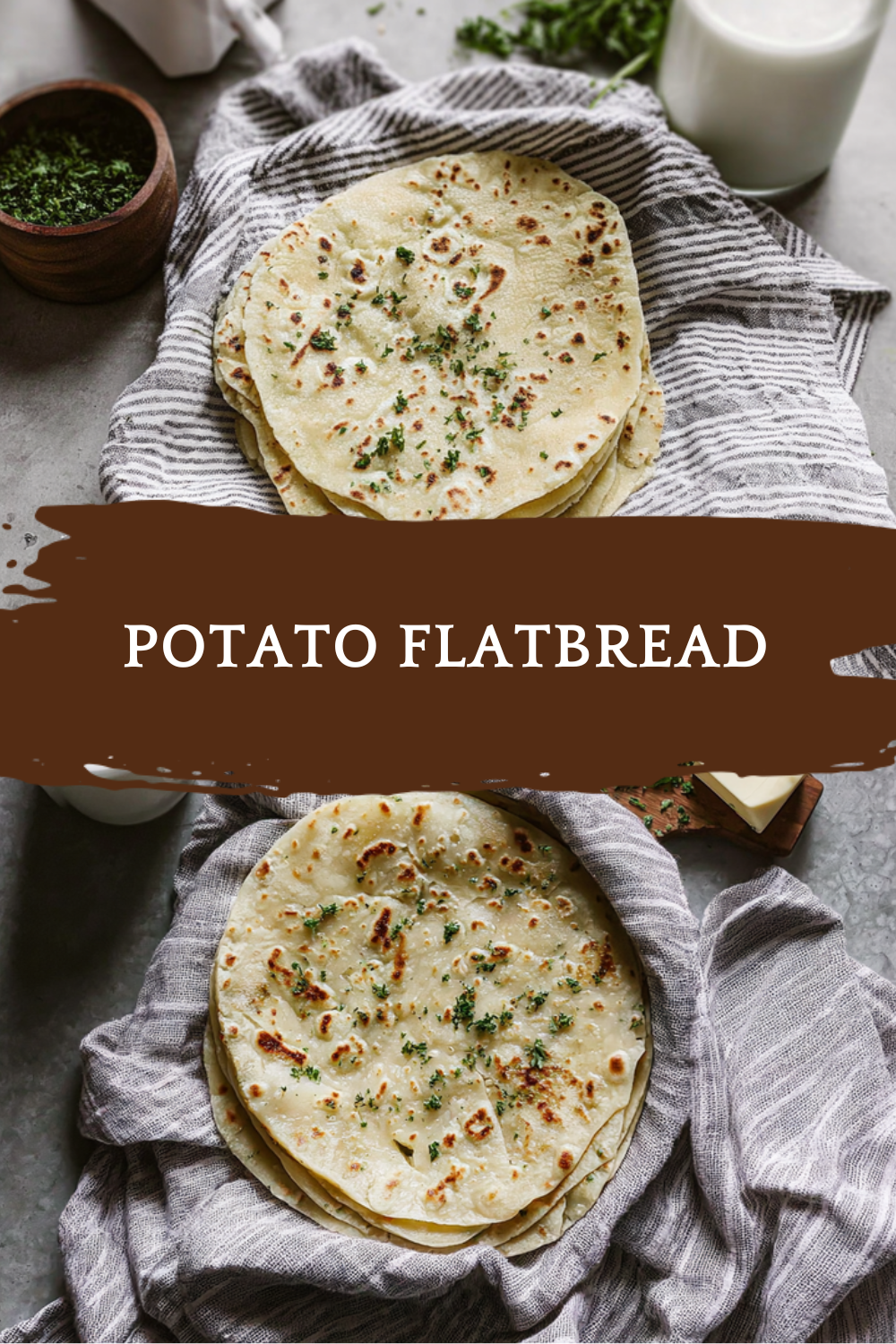
Place one dough circle on hot pan. Cook 2 minutes until bubbles form and bottom goldens. Flip with spatula, cook 1-2 more minutes. Press edges gently for even browning. Repeat, stacking cooked ones under a clean towel to steam soft. Adjust heat if browning too fast. Yields warm, pliable homemade potato flatbread ready to eat.
Final Step: Finishing Touches and Serving
Brush hot flatbreads with butter or oil for shine. Sprinkle sea salt or herbs. Serve immediately with dips, as wraps, or cooled for later. Pair with curries, salads, or proteins for full meals. Store extras as noted below. This simple potato flatbread shines in taste tests over naan.
Common pitfalls: Soggy centers from wet potatoes? Drain extra. Tough texture? Rest dough longer. Experiment with add-ins like chives in dough for flavor.

Dietary Substitutions to Customize Your Potato Flatbread
Protein and Main Component Alternatives
Potatoes form the hearty base, but swap for variety. Use sweet potatoes (2 medium, 400g mashed) for natural sweetness and beta-carotene boost; mash same way. Cauliflower mash (2 cups riced and steamed) lowers carbs for keto diets. Add protein powder (2 tbsp unflavored) or chickpea flour (½ cup replacing some all-purpose) for 5g extra protein per piece. Seniors or low-energy eaters benefit from nutrient-dense quinoa flour mix.
Vegetable, Sauce, and Seasoning Modifications
Incorporate grated zucchini (½ cup, squeezed dry) into dough for moisture and hidden veggies, ideal for kids. Stuff post-cook with spinach, tomatoes, or cheese. Season with cumin for Indian twist, rosemary for Italian, or chili flakes for spice. Sauces: Brush with garlic butter, tahini, or yogurt dip. Seasonal: Pumpkin puree in fall. Vegan flatbread loves coconut oil and curry powder.
Mastering Potato Flatbread: Advanced Tips and Variations
Take your flatbread recipe to the next level with these tweaks.
Pro Cooking Techniques: Use a tawa or griddle for even heat. Score dough lightly before cooking for better puff. High-altitude bakers reduce baking powder to ¾ tsp.
Flavor Variations: Mix cheddar (¼ cup shredded) or garlic into dough. Sweet version: Cinnamon and sugar post-cook. Savory: Top with blackened chicken and slaw for wraps. Try salmon and summer veggies fillings for light meals.
- Herbed: Dill and onion powder.
- Spicy: Jalapeno flecks.
- Sweet potato vegan flatbread: Ginger and maple glaze.
Presentation Tips: Stack pyramid-style on platter, garnish with parsley and lemon wedges. Cut into wedges for apps. Drizzle olive oil swirl.
Make-Ahead Options: Prep dough up to 24 hours ahead, fridge-wrapped. Freeze balls for 1 month. Batch-cook Sundays for grab-and-go lunches.
Small changes yield big flavor wins in this versatile potato dough.
How to Store Potato Flatbread: Best Practices
Keep your homemade flatbread fresh with these methods.
Refrigeration: Cool fully, wrap in foil or airtight container. Lasts 3-4 days. Reheat in toaster or skillet to revive crispness.
Freezing: Layer parchment between stacks in freezer bag. Up to 2 months. Thaw overnight or microwave briefly.
Reheating: Skillet low heat, 1 min per side with butter dab. Oven 350°F for batches, 5 minutes. Microwave ok but softer.
Meal Prep Considerations: Cook double batch, portion with fillings. Great for salads, breakfast tacos. Avoid sogginess by freezing plain.
FAQs: Frequently Asked Questions About Potato Flatbread
What is potato flatbread?
Potato flatbread is a versatile, hearty bread made primarily from mashed potatoes mixed with a small amount of flour, salt, and sometimes herbs or spices. It’s a staple in various cuisines, like Irish boxty or Indian aloo paratha variations, offering a soft, chewy texture with a subtle earthy flavor. Unlike traditional wheat flatbreads, it uses potatoes as the base for moisture and binding, making it naturally tender. A basic recipe starts with 2 cups boiled mashed potatoes, 1 cup all-purpose flour, 1 tsp salt, and optional 1 tbsp butter. Knead into dough, divide into balls, roll thin, and cook on a hot skillet for 2-3 minutes per side until golden. It’s ideal for wraps, sandwiches, or alongside curries. This simple swap reduces gluten reliance while keeping carbs satisfying—perfect for weeknight meals. (98 words)
How do you make potato flatbread at home?
To make potato flatbread, boil 2 medium potatoes (about 400g) until soft, then mash smoothly without skin. Mix in 1 cup flour, ½ tsp salt, 1 tsp baking powder, and 2 tbsp oil or melted butter for dough. Knead 2-3 minutes until smooth—add flour if sticky. Rest 10 minutes. Divide into 6-8 balls, roll each to 6-inch circles on floured surface. Heat a non-stick pan over medium-high, dry-cook or brush with oil for 2 minutes per side until bubbles form and edges brown. Stack under a towel to stay soft. Total time: 45 minutes. Serve warm with butter, cheese, or fillings like veggies and meat. Tip: Use leftover mashed potatoes to cut prep time. Yields soft, pliable breads that store well. (112 words)
Is potato flatbread gluten-free?
Potato flatbread can be fully gluten-free if you swap wheat flour for a 1:1 gluten-free blend like rice or almond flour, or use just potato starch and xanthan gum for binding. Base it on 2 cups mashed potatoes, ¾ cup gluten-free flour, ½ tsp salt, and 1 egg or flax egg for vegan lift. Roll gently to avoid tearing, as the potato moisture acts as natural glue. Cook on medium heat 2-3 minutes per side. One serving (1 flatbread) has about 150 calories, 30g carbs, and 4g protein, lower glycemic than wheat breads. Test for allergies, and it’s a great option for celiac diets—pair with hummus or grilled chicken for balanced meals. Always check labels on flours. (104 words)
How many calories are in potato flatbread?
A standard 6-inch potato flatbread made from 2 mashed potatoes, 1 cup flour, and minimal oil has about 120-150 calories per piece. Breakdown: 25-30g carbs from potatoes, 3-5g protein, 2-4g fat, and 1-2g fiber. Using whole wheat flour bumps fiber to 3g; gluten-free versions with almond flour drop to 100 calories but add healthy fats. Frying adds 20-30 calories—dry pan-sear to keep light. Compared to naan (300 calories), it’s lower-carb at 40% less. Track with apps like MyFitnessPal for custom recipes. Nutrition varies by size and add-ins, but it’s filling due to potato starch—ideal for weight management when topped with lean proteins and veggies. (108 words)
Can you freeze potato flatbread?
Yes, potato flatbread freezes well for up to 2 months. Cool completely after cooking, then layer with parchment paper in a freezer bag to prevent sticking. Thaw at room temp for 30 minutes or microwave 20 seconds. Reheat on a skillet over low heat 1 minute per side with a dab of butter for crisp edges—restores freshness. Uncooked dough balls freeze too: portion, wrap individually, thaw overnight in fridge, then roll and cook. This saves time for batch prepping 20+ flatbreads. Avoid refreezing thawed ones. Pro tip: Add garlic powder before freezing for flavor punch. Perfect for meal prep—use in breakfast burritos or as pizza bases straight from freezer. (102 words)
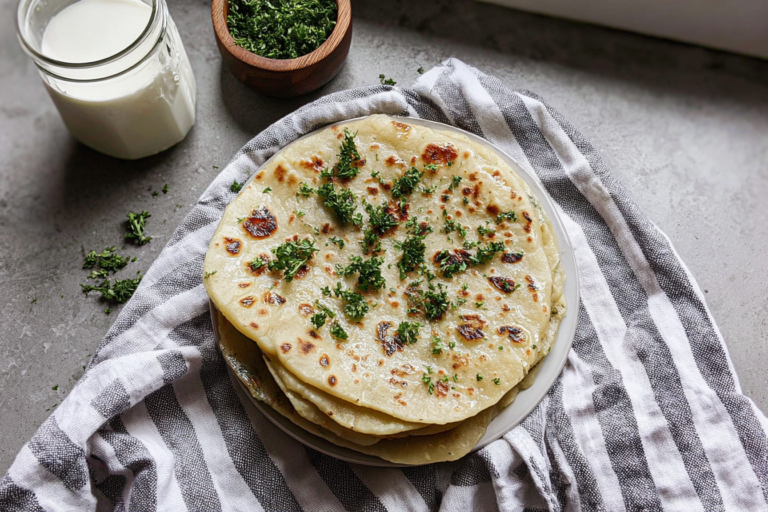
Potato Flatbread
🥔🍞 Crispy exterior chewy potato flatbread delivers comforting homemade freshness no yeast quick bread magic.
🔥 Versatile easy delight pairs curries soups dips weeknight triumph gluten-free adaptable!
- Total Time: 1 hour 5 minutes
- Yield: 8 flatbreads
Ingredients
– 2 medium potatoes (about 400g) for moisture and binding
– 1 cup all-purpose flour for structure
– ½ teaspoon salt for balancing flavors
– 1 teaspoon baking powder for lightness
– 2 tablespoons oil or melted butter for pliability and preventing sticking
Instructions
1-First Step: Prepare the Potatoes (Mise en Place) Wash and dice 2 medium potatoes into even chunks for quick cooking. Place in a pot with cold water, bring to boil over high heat, then simmer 12-15 minutes until fork-tender. Drain well and mash smooth while hot, skins removed for best texture. Let cool 5 minutes to release steam. This base ensures no lumpy dough. Pro tip: Use leftover mashed potatoes to skip boiling and save 15 minutes.
2-Second Step: Mix the Dough In a large bowl, combine mashed potatoes, 1 cup flour, ½ tsp salt, 1 tsp baking powder, and 2 tbsp oil or butter. Stir with a spoon until shaggy, then knead by hand 2-3 minutes on a floured surface. Dough should be soft and slightly sticky; add 1-2 tbsp flour if too wet from potato moisture. Avoid over-kneading to keep tenderness. Cover with a damp cloth and rest 10 minutes. This rest hydrates flour for easier rolling.
3-Third Step: Divide and Shape Pinch off 6-8 equal portions, about golf ball size each. Roll into smooth balls on floured hands. Flatten one gently with palm, then use a rolling pin to 6-inch circles, ⅛-inch thick. Dust lightly to prevent sticking. Stack between parchment if not cooking immediately. Keep hands floured; potato dough tears less than wheat.
4-Fourth Step: Cook the Flatbreads Place one dough circle on hot pan. Cook 2 minutes until bubbles form and bottom goldens. Flip with spatula, cook 1-2 more minutes. Press edges gently for even browning. Repeat, stacking cooked ones under a clean towel to steam soft. Adjust heat if browning too fast. Yields warm, pliable homemade potato flatbread ready to eat.
5-Final Step: Finishing Touches and Serving Brush hot flatbreads with butter or oil for shine. Sprinkle sea salt or herbs. Serve immediately with dips, as wraps, or cooled for later. Pair with curries, salads, or proteins for full meals. Store extras as noted below. This simple potato flatbread shines in taste tests over naan.
Last Step:
Please leave a rating and comment letting us know how you liked this recipe! This helps our business to thrive and continue providing free, high-quality recipes for you.Notes
🥔 Use starchy potatoes like russet – fluffier mash better texture.
👐 Knead minimally – overworking toughens flatbread.
🔥 Hot skillet key – high heat quick cook crispy char.
- Prep Time: 20 minutes
- Potato Boiling Time: 25 minutes
- Cook Time: 20 minutes
- Category: Bread
- Method: Stovetop
- Cuisine: American
- Diet: Vegan
Nutrition
- Serving Size: 1 flatbread
- Calories: 180 kcal
- Sugar: 1g
- Sodium: 300mg
- Fat: 4g
- Saturated Fat: 0.5g
- Unsaturated Fat: 3.2g
- Trans Fat: 0g
- Carbohydrates: 32g
- Fiber: 2g
- Protein: 4g
- Cholesterol: 0mg