Why You’ll Love This Sushi Cups
As a home cook inspired by TikTok trends, you’re always on the lookout for recipes that bring fun and flavor to your kitchen without taking all day. This baked salmon sushi cups recipe fits the bill, blending ease with excitement for a dish that’s both satisfying and shareable. If you enjoy quick meals that don’t skimp on taste, you’ll find these cups a delightful way to explore fresh ingredients and creative twists.
One reason this recipe stands out is its simplicity, perfect for busy parents or students juggling daily routines. It packs in great nutrition, like protein-rich salmon that supports your wellness goals, while being adaptable for anyone watching their diet. Whether you’re feeding a family or just yourself, these sushi cups offer a memorable bite that makes mealtime enjoyable.
Plus, the viral buzz around TikTok sushi cups means you can impress friends and family with a trend that’s easy to recreate at home. Recipes like this keep things light and relatable, helping you build confidence in the kitchen while savoring every moment.
Key Benefits in Detail
This sushi cups recipe is simple to follow and quick to cook, making it ideal for busy days or last-minute meals. It’s rich in essential nutrients and low in unhealthy fats, so it supports wellness and nutritional goals effectively. You can easily adapt it to various dietary needs, including vegan, gluten-free, and low-calorie options, for broad appeal. The combination of ingredients creates a distinctive taste that’s delicious and memorable.
Imagine pulling these golden cups from the oven, their aroma filling your space this is cooking with joy. Whether you’re a food enthusiast or a working professional, these cups turn ordinary ingredients into something special.
Jump to:
- Why You’ll Love This Sushi Cups
- Key Benefits in Detail
- Essential Ingredients for Sushi Cups
- Full Ingredient List
- How to Prepare the Perfect Sushi Cups: Step-by-Step Guide
- First Steps: Prep and Mix
- Assembly and Baking
- Final Touches and Serving
- Dietary Substitutions to Customize Your Sushi Cups
- Mastering Sushi Cups: Advanced Tips and Variations
- How to Store Sushi Cups: Best Practices
- FAQs: Frequently Asked Questions About Sushi Cups
- What type of salmon is best for making baked salmon sushi cups?
- How can I make sushi cups gluten-free?
- Can I make vegetarian sushi cups instead of using salmon?
- What is the best type of rice to use for sushi cups?
- How should I store leftover sushi cups to keep them fresh?
- Sushi Cups
- Ingredients
- Instructions
- Last Step:
- Notes
- Nutrition
- Did you make this recipe?
Essential Ingredients for Sushi Cups
Gathering the right ingredients is key to making perfect sushi cups, and this recipe keeps things straightforward for home cooks everywhere. You’ll need fresh, high-quality items that blend together easily in your kitchen. Let’s break down the list based on the exact recipe, ensuring you have everything measured out for success.
Full Ingredient List
- 1 ½ pounds salmon, skin removed and cubed
- Pinch of sea salt
- 2 tablespoons soy sauce or coconut aminos
- 2 tablespoons mayonnaise
- 1 ½ cups cooked sushi rice
- 1 teaspoon rice vinegar
- 12 nori sheets, cut into squares to fit muffin tin cups
- Additional mayonnaise for garnishes
- 1 tablespoon sesame seeds for garnishes
- ¼ cup chopped green onions or chives for garnishes
This structured list covers all the essentials, making it simple to shop and prepare. Each measurement is precise to help you get the flavors just right without any guesswork.
For special dietary options, you can swap soy sauce with coconut aminos for a gluten-free twist, or replace salmon with cubed tofu. These choices keep the recipe versatile and accessible, no matter your preferences.
How to Prepare the Perfect Sushi Cups: Step-by-Step Guide
Diving into making sushi cups brings the excitement of TikTok trends right to your counter, and this baked salmon version is a fun twist on a classic favorite. Start by preheating your oven and gathering your tools, like a muffin tin, to keep things organized and efficient. Follow these steps closely for the best results, and don’t forget to add your personal flair along the way.
First Steps: Prep and Mix
Begin by rinsing and cooking 1 ½ cups of sushi rice according to package instructions, then mix it with 1 teaspoon of rice vinegar for that perfect sticky texture; let it cool slightly. In a large bowl, combine the cubed salmon, a pinch of sea salt, 2 tablespoons of soy sauce or coconut aminos, and 2 tablespoons of mayonnaise; toss everything until the salmon is evenly coated. This step ensures your salmon is flavorful and ready for baking, taking about 5 minutes total.
While the rice cools, prepare your muffin tin by preheating the oven to 400°F and lightly greasing it. Cut 12 nori sheets into squares that fit the cups, which adds that seaweed structure we love in simple salmon recipes. Tips for adaptations: If you’re going vegan, swap salmon for cubed tofu; for gluten-free, use coconut aminos, and aim for about 10 minutes prep time here to keep things moving smoothly.
Assembly and Baking
Next, place 2-3 tablespoons of the rice mixture into each nori square, fold them gently, and press them firmly into the muffin tin cups to form the base. Top each cup with approximately 2 tablespoons of the salmon mixture, creating layers of texture and taste. Bake for 15 minutes or until the salmon is cooked to your liking, which helps lock in flavors and makes the cups hold their shape.
Once baked, remove from the oven and add garnishes like extra mayonnaise, 1 tablespoon of sesame seeds, and ¼ cup of chopped green onions or chives. This final touch takes just a minute and elevates the presentation. For low-calorie preferences, use less mayonnaise, and remember the whole process, including baking, takes 20-25 minutes a win for busy schedules.
Final Touches and Serving
Serve the cups immediately for the freshest taste, or store them in an airtight container for up to two days if needed. Each step includes timing tips, like allowing 5 minutes for assembly, to help you adapt for dietary needs. Whether you’re a student whipping this up mid-week or a family sharing a meal, these sushi cups offer a customizable, enjoyable experience.
To learn more about the health benefits of salmon, check out this helpful resource. It’s a great way to see how this recipe supports your goals.
| Step Number | Action | Time Estimate |
|---|---|---|
| 1 | Preheat oven and mix salmon | 5 minutes |
| 2 | Prepare and assemble cups | 10 minutes |
| 3 | Bake and garnish | 15 minutes |

Dietary Substitutions to Customize Your Sushi Cups
Tailoring recipes like these sushi cups to your needs makes them even more appealing, especially for diet-conscious individuals or food enthusiasts exploring new options. Start with the base ingredients and swap as needed to fit your lifestyle, keeping the flavors bold and satisfying. This flexibility ensures everyone at your table can enjoy the meal.
For protein, you can use cooked shrimp or crab sticks instead of salmon for a seafood twist, or opt for seasoned tofu if you’re vegetarian. Veggies like cucumber can be swapped with bell peppers or zucchini, while soy sauce gets replaced with gluten-free tamari to maintain that umami kick.
- Use marinated tofu or tempeh for vegan protein
- Switch soy sauce for tamari in gluten-free versions
- Reduce portions for low-calorie adjustments
Mastering Sushi Cups: Advanced Tips and Variations
Once you’re comfortable with the basics, take your sushi cups to the next level with some pro techniques that enhance both flavor and presentation. Using a sushi rice cooker helps achieve the ideal sticky texture, while adding sesame oil or citrus zest brings extra depth. These tips are perfect for baking enthusiasts looking to experiment.
For variations, try spicy mayo for a kick or layer in different veggies for color. Presentation matters too top with sesame seeds or herbs to make them pop. If you want more ideas, check out other flavorful recipes on the site for inspiration.
The key to great sushi cups is in the details, like pressing the rice firmly to avoid sogginess simple tweaks make all the difference.
How to Store Sushi Cups: Best Practices
Keeping your sushi cups fresh ensures they taste as good as when they first came out of the oven, which is important for meal prep or leftovers. Store them in an airtight container in the fridge for up to 24 hours to lock in flavors. Avoid freezing, as it can change the texture of the rice and nori.
When reheating, let them reach room temperature instead of using a microwave to preserve quality. Preparing components separately, like rice and fillings, helps maintain freshness for busy professionals on the go.
FAQs: Frequently Asked Questions About Sushi Cups
What type of salmon is best for making baked salmon sushi cups?
For baked salmon sushi cups, sushi-grade salmon is the best choice because it is fresh and safe for raw or lightly cooked consumption. However, you can also use regular salmon fillets that are suitable for baking. Choose fresh, high-quality salmon with a firm texture and bright color to enhance flavor and ensure food safety.
How can I make sushi cups gluten-free?
To make sushi cups gluten-free, replace soy sauce with gluten-free alternatives such as tamari, coconut aminos, or liquid aminos. These substitutes add a similar salty umami flavor without gluten. Make sure to also check that any other sauces or condiments you use are labeled gluten-free.
Can I make vegetarian sushi cups instead of using salmon?
Yes, vegetarian sushi cups can be made by replacing the salmon with firm tofu, avocado, or cooked vegetables like cucumber and bell peppers. Use marinated tofu or seasoned vegetables to add flavor. This option caters to vegetarian diets while keeping the sushi cup concept intact.
What is the best type of rice to use for sushi cups?
Sushi rice is the best choice for sushi cups because it has a sticky texture that helps the cups hold their shape within the nori sheets. Use short-grain rice cooked with a mixture of rice vinegar, sugar, and salt to replicate the classic sushi rice flavor and texture.
How should I store leftover sushi cups to keep them fresh?
Store leftover sushi cups in an airtight container in the refrigerator for up to two days. To prevent sogginess, keep any sauces or garnishes separate until ready to serve. Avoid freezing sushi cups, as this can affect the texture of the rice and nori.
Sushi Cups
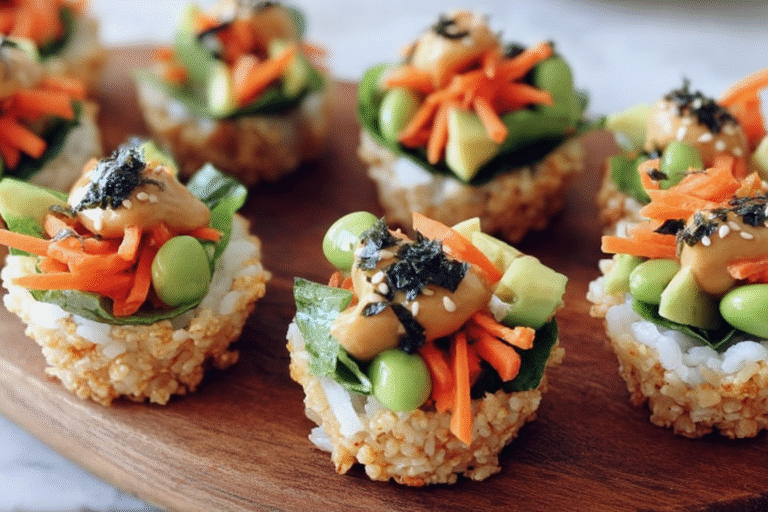
🍣 These Baked Salmon Sushi Cups combine savory salmon and sticky sushi rice in a fun, bite-sized format inspired by popular TikTok trends.
🔥 Perfect for a quick and impressive appetizer or snack, they are easy to make and packed with fresh flavors.
- Total Time: 20 minutes
- Yield: 12 sushi cups
Ingredients
– 1 ½ pounds salmon, skin removed and cubed
– Pinch of sea salt
– 2 tablespoons soy sauce or coconut aminos
– 2 tablespoons mayonnaise
– 1 ½ cups cooked sushi rice
– 1 teaspoon rice vinegar
– 12 nori sheets, cut into squares to fit muffin tin cups
– Additional mayonnaise for garnishes
– 1 tablespoon sesame seeds for garnishes
– ¼ cup chopped green onions or chives for garnishes
Instructions
1-First Steps: Prep and Mix: Begin by rinsing and cooking 1 ½ cups of sushi rice according to package instructions, then mix it with 1 teaspoon of rice vinegar for that perfect sticky texture; let it cool slightly. In a large bowl, combine the cubed salmon, a pinch of sea salt, 2 tablespoons of soy sauce or coconut aminos, and 2 tablespoons of mayonnaise; toss everything until the salmon is evenly coated. This step ensures your salmon is flavorful and ready for baking, taking about 5 minutes total.
2-First Steps: Prep and Mix: While the rice cools, prepare your muffin tin by preheating the oven to 400°F and lightly greasing it. Cut 12 nori sheets into squares that fit the cups, which adds that seaweed structure we love in simple salmon recipes. Tips for adaptations: If you’re going vegan, swap salmon for cubed tofu; for gluten-free, use coconut aminos, and aim for about 10 minutes prep time here to keep things moving smoothly.
3-Assembly and Baking: Next, place 2-3 tablespoons of the rice mixture into each nori square, fold them gently, and press them firmly into the muffin tin cups to form the base. Top each cup with approximately 2 tablespoons of the salmon mixture, creating layers of texture and taste. Bake for 15 minutes or until the salmon is cooked to your liking, which helps lock in flavors and makes the cups hold their shape.
4-Assembly and Baking: Once baked, remove from the oven and add garnishes like extra mayonnaise, 1 tablespoon of sesame seeds, and ¼ cup of chopped green onions or chives. This final touch takes just a minute and elevates the presentation. For low-calorie preferences, use less mayonnaise, and remember the whole process, including baking, takes 20-25 minutes a win for busy schedules.
5-Final Touches and Serving: Serve the cups immediately for the freshest taste, or store them in an airtight container for up to two days if needed. Each step includes timing tips, like allowing 5 minutes for assembly, to help you adapt for dietary needs. Whether you’re a student whipping this up mid-week or a family sharing a meal, these sushi cups offer a customizable, enjoyable experience.
Last Step:
Please leave a rating and comment letting us know how you liked this recipe! This helps our business to thrive and continue providing free, high-quality recipes for you.Notes
🐟 Use sushi-grade salmon for best quality; regular salmon is fine since it will be baked.
🌿 Substitute soy sauce with coconut aminos for a gluten-free option.
🥄 Mayonnaise adds creaminess and flavor; use your preferred type.
🍘 To keep nori crisp, consider using two layers or less filling.
🍱 For a vegetarian version, replace salmon with cubed tofu.
🍚 Sushi rice helps the cups hold shape due to its sticky texture.
- Prep Time: 5 minutes
- Baking Time: 15 minutes
- Cook Time: 15 minutes
- Category: Appetizer
- Method: Baking
- Cuisine: Japanese
- Diet: Pescatarian
Nutrition
- Serving Size: 1 cup
- Calories: 129 kcal
- Sugar: 0.1 g
- Sodium: 214 mg
- Fat: 6 g
- Saturated Fat: 1 g
- Unsaturated Fat: 5 g
- Trans Fat: 0 g
- Carbohydrates: 5 g
- Fiber: 0.4 g
- Protein: 12 g
- Cholesterol: 32 mg