Why You’ll Love These Melting Sweet Potatoes
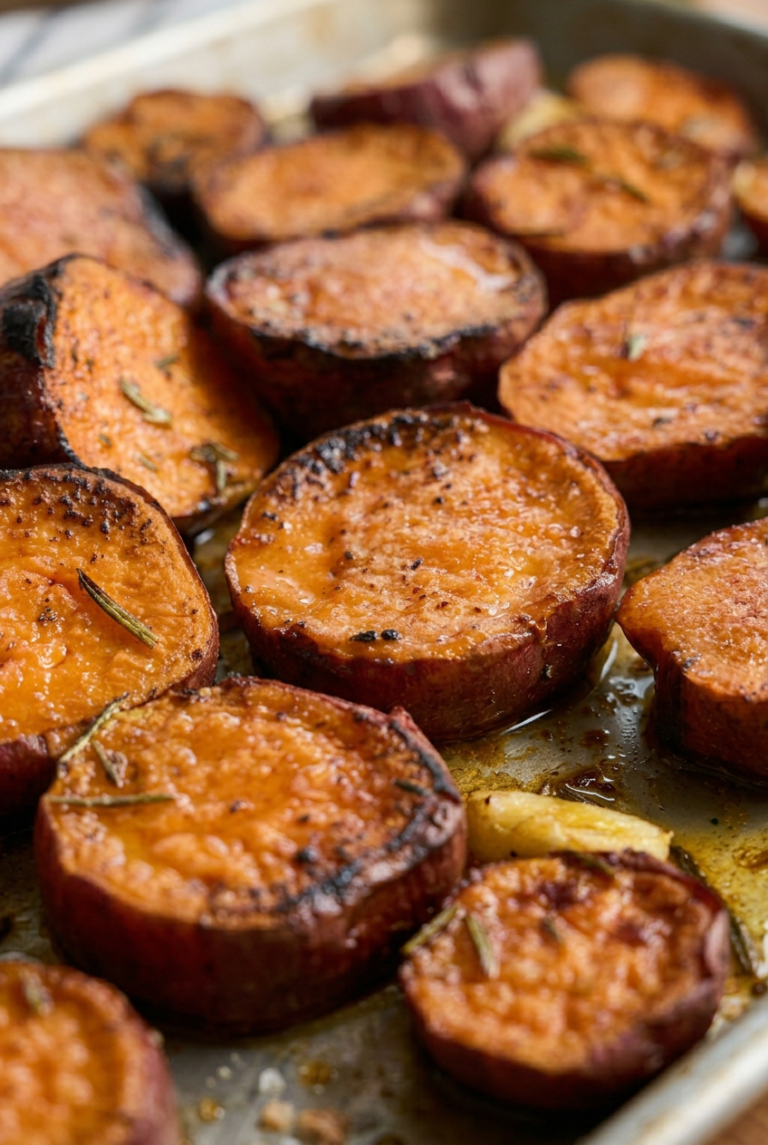
These Melting Sweet Potatoes are the kind of side dish that makes people ask for seconds fast. They come out with crisp edges, buttery flavor, and a soft, creamy center that feels almost rich enough to be a holiday dish, yet they are simple enough for a busy weeknight.
- Easy to make: You only need a few pantry staples, one bowl, and about 10 minutes of prep time. The oven does most of the work, which is great for home cooks, students, and working professionals.
- Good-for-you comfort: Sweet potatoes bring fiber, vitamin A, and natural sweetness. With the right balance of broth, butter, and herbs, you get comfort food that still feels wholesome.
- Flexible for many diets: This recipe is naturally gluten-free and fits many other eating styles. It is also easy to adjust with different herbs, broths, or toppings.
- Big flavor, little effort: High heat roasting helps create those golden edges while the broth steams the potatoes into a soft, almost melt-in-your-mouth texture.
Once you try these melting sweet potatoes, you may never go back to plain roasted sweet potato slices again.
If you like cozy side dishes with big payoff, this recipe fits right into your regular meal rotation. It is also a nice match for holiday tables, family dinners, or simple meals at home. For another cozy dessert-style treat, you might also enjoy this easy peach cobbler.
Jump to:
- Why You’ll Love These Melting Sweet Potatoes
- Essential Ingredients for Melting Sweet Potatoes
- Ingredients
- What each ingredient does
- Special dietary options
- How to Prepare the Perfect Melting Sweet Potatoes: Step-by-Step Guide
- First step: prep the potatoes and heat the oven
- Second step: mix the butter, oil, salt, and pepper
- Third step: coat the sweet potatoes with rosemary
- Fourth step: arrange in the pan for roasting
- Fifth step: roast until the bottoms turn golden
- Sixth step: flip and brown the other side
- Seventh step: add broth and garlic for the melting finish
- Final step: serve warm
- Protein and Main Component Alternatives
- Best protein pairings
- Easy swaps for the main item
- Vegetable, Sauce, and Seasoning Modifications
- Vegetable ideas
- Sauce and seasoning ideas
- Mastering Melting Sweet Potatoes: Advanced Tips and Variations
- Pro cooking techniques
- Flavor variations
- Presentation tips
- Make-ahead options
- How to Store Melting Sweet Potatoes: Best Practices
- Refrigeration
- Freezing
- Reheating
- Meal prep considerations
- FAQs: Frequently Asked Questions About Melting Sweet Potatoes
- What are melting sweet potatoes?
- How do you make melting sweet potatoes?
- What’s the best way to cut sweet potatoes for melting potatoes?
- Can you make melting sweet potatoes ahead of time?
- What can I serve with melting sweet potatoes?
- Melting Sweet Potatoes
- Ingredients
- Instructions
- Last Step:
- Notes
- Nutrition
- Did you make this recipe?
Essential Ingredients for Melting Sweet Potatoes
Below is the full ingredient list for this recipe, written exactly as needed so you can shop and prep with confidence.
Ingredients
- 2 tablespoons unsalted butter, melted
- 2 tablespoons olive oil
- 3/4 teaspoon kosher salt
- 1/2 teaspoon freshly ground black pepper
- 2 pounds uniformly sized medium sweet potatoes, peeled if desired and cut crosswise into 1-inch-thick rounds
- 1 tablespoon coarsely chopped fresh rosemary leaves, from about 3 sprigs
- 1 cup low-sodium vegetable broth or chicken broth
- 4 cloves garlic, peeled and smashed
What each ingredient does
- Unsalted butter: Adds rich flavor and helps the sweet potatoes brown beautifully.
- Olive oil: Helps the edges crisp and keeps the butter from browning too quickly.
- Kosher salt and black pepper: Bring balance and keep the natural sweetness from tasting flat.
- Sweet potatoes: The star of the dish, sliced thick so the outside caramelizes while the inside turns soft.
- Fresh rosemary: Gives a warm, woodsy note that works well with the sweetness.
- Broth: Adds steam in the last stage of roasting, which helps create the soft interior.
- Garlic: Infuses the pan with savory flavor and makes the dish taste deeper and more complete.
Special dietary options
- Vegan: Swap the butter for plant-based butter and use vegetable broth.
- Gluten-free: This dish is naturally gluten-free as written.
- Low-calorie: Reduce the butter slightly and use a light hand with any extra finishing oil.
How to Prepare the Perfect Melting Sweet Potatoes: Step-by-Step Guide
This recipe is all about heat, timing, and a little patience. The method gives you sweet potatoes that are crisp on the outside, tender in the middle, and packed with flavor. The full cook time is about 45 minutes, with just 10 minutes of prep. Set your oven to 500°F and use a 9×13-inch metal baking pan for the best browning.
First step: prep the potatoes and heat the oven
Start by heating the oven to 500°F. This high temperature is what helps the potatoes get that deep golden color. While the oven heats, peel the sweet potatoes if you want a smoother texture, then slice them crosswise into 1-inch-thick rounds. Try to keep the pieces as even as possible so they cook at the same pace. If the potatoes have small, skinny ends, you can save those for another recipe or snack, since the round slices work best here.
Next, gather a large bowl and your seasonings. You want everything ready before the potatoes go into the oven because the roasting moves quickly once it starts. If you are cooking for a bigger meal, this is a nice time to prep any main dish or a simple side salad.
Second step: mix the butter, oil, salt, and pepper
In a large bowl, stir together 2 tablespoons melted unsalted butter, 2 tablespoons olive oil, 3/4 teaspoon kosher salt, and 1/2 teaspoon freshly ground black pepper. Mix until the seasoning looks evenly blended. The combination of butter and olive oil helps the potatoes brown well without burning too fast. It also gives the final dish a fuller flavor than using just one fat alone.
If your butter has cooled too much and started to firm up, warm it briefly until melted again. You want a loose, pourable mixture so it coats the potatoes evenly.
Third step: coat the sweet potatoes with rosemary
Add the 2 pounds of sweet potatoes and 1 tablespoon coarsely chopped fresh rosemary leaves to the bowl. Toss everything well so each slice is lightly coated. The rosemary should cling to the potatoes, not sit in clumps at the bottom of the bowl. If you like a stronger herb flavor, you can gently rub the rosemary between your fingers before adding it, which helps wake up the aroma.
This is also a good moment to check the slices. If some are much thicker than others, separate them now. Even sizing matters because the whole dish depends on every piece reaching that sweet spot between crisp and soft.
Fourth step: arrange in the pan for roasting
Transfer the potatoes to a 9×13-inch metal baking pan in a single layer, with the cut side up. This gives the flat surface room to brown. Drizzle any remaining butter mixture over the top of the potatoes. Do not crowd the pan, or the slices will steam too much and lose their crisp edges. If needed, use two pans instead of piling them up.
Metal pans are best here because they help create better browning than glass dishes. If you only have glass, it will still work, but you may need a little extra time for color.
Fifth step: roast until the bottoms turn golden
Roast the potatoes for 15 minutes. At this point, the bottoms should start to release from the pan, and you should see light golden-brown color forming. If they seem stuck, give them another minute or two before flipping. A thin metal spatula works well for this step because it slides under the slices without tearing them.
The smell at this stage is a good sign. You will notice the butter, rosemary, and sweet potato aroma starting to fill the kitchen.
Sixth step: flip and brown the other side
Flip the rounds carefully, then roast for another 15 minutes. The goal is deep golden-brown color on both the tops and bottoms. This second roast gives the dish its signature texture, with caramelized edges and a soft inside. Do not rush this part, because the color brings a lot of the flavor.
If your oven runs hot, keep an eye on the pan during the second round. The edges can go from golden to too dark quickly at 500°F, so a quick check near the end is smart.
Seventh step: add broth and garlic for the melting finish
Remove the pan from the oven and pour 1 cup low-sodium vegetable or chicken broth into the pan. Add 4 peeled and smashed garlic cloves. The broth creates steam during the final roast, which helps soften the centers and gives the potatoes that melting texture. The garlic gently perfumes the pan and makes the dish taste savory and warm.
Return the pan to the oven and roast for a final 15 minutes. By the end, the potatoes should be very tender and most of the broth should be absorbed. If a little liquid remains, that is fine. It often turns into a tasty glaze at the bottom of the pan.
Final step: serve warm
Let the potatoes rest for a minute or two before serving. This helps the texture settle and makes them easier to lift from the pan. Spoon them onto a platter and, if you want, finish with a little chopped parsley or chives for freshness. These potatoes are wonderful with roasted chicken, pork tenderloin, turkey, grilled salmon, or even a simple salad.
If you love easy side dishes that work for both weeknights and special meals, this one will likely become a repeat favorite. For a sweet treat to serve after dinner, you might also like this creamy strawberry milkshake.
| Prep Time | Cook Time | Total Time | Servings |
|---|---|---|---|
| 10 minutes | 45 minutes | 55 minutes | 4 to 6 |
Protein and Main Component Alternatives
Even though sweet potatoes are the main focus here, it helps to know how this dish can fit different meals and tastes. If you are serving it as part of a larger plate, there are many easy ways to pair it with proteins or swap in a different main item around it.
Best protein pairings
- Roasted chicken: A simple herb-roasted chicken breast or thigh pairs well with the sweet and savory flavor.
- Pork tenderloin: The natural sweetness of the potatoes works nicely with pork.
- Salmon: A flaky fillet gives you a balanced meal with rich flavor and soft texture.
- Tofu: For a meatless plate, crispy tofu or baked tofu makes a solid match.
Easy swaps for the main item
If sweet potatoes are not available, you can use thick slices of butternut squash or carrots, though they may need a slightly different roasting time. Yukon gold potatoes can also work, but they will taste less sweet and more classic and savory. For a mixed vegetable version, add parsnips or turnips to the pan, but keep the slices similar in size so they cook evenly.
Vegetable, Sauce, and Seasoning Modifications
This recipe is already delicious as written, but it is also easy to adapt to the season or to what is in your kitchen. The basic method stays the same, while the flavor can shift in a lot of fun ways.
Vegetable ideas
- Butternut squash: A sweet, smooth alternative that roasts into a soft texture.
- Carrots: Great for extra natural sweetness and pretty color.
- Parsnips: Add a slightly earthy taste that plays well with rosemary.
- Brussels sprouts: Use as a mixed pan addition for more savory flavor.
Sauce and seasoning ideas
- Thyme: Swap for rosemary if you want a softer herbal note.
- Sage: A cozy choice for fall meals and holiday dinners.
- Oregano: Adds a lighter, more savory feel.
- Parsley or chives: Great for a fresh finish after roasting.
- Shallots or onions: Use instead of garlic if you want a sweeter, milder onion flavor.
Low-sodium broth is a smart choice here because the flavors concentrate as the potatoes roast.
For another fun and colorful recipe idea, you can also browse this playful pink popcorn recipe when you want a snack that feels a little special.
Mastering Melting Sweet Potatoes: Advanced Tips and Variations
Once you make this dish once, you will probably start thinking about all the ways to tweak it. A few small details make a big difference in texture and color.
Pro cooking techniques
- Choose similarly sized potatoes: This helps every slice cook at the same speed.
- Use a metal pan: It browns the bottoms better than many glass dishes.
- Keep the slices in a single layer: Crowding can lead to steaming instead of crisping.
- Flip carefully: Wait until the potatoes release naturally from the pan so the bottoms stay intact.
Flavor variations
Try swapping the rosemary for thyme, sage, or oregano. You can also add a pinch of smoked paprika for warmth, or finish the dish with a little flaky salt right before serving. If you want a sweeter note, serve them with a tiny drizzle of maple syrup on the side, though the recipe does not need it.
Presentation tips
For a nice look, pile the potatoes on a warm platter and scatter chopped parsley or chives over the top. If you are serving guests, keep some of the browned garlic cloves in the pan juices and spoon them over the potatoes for extra flavor. A shallow bowl also works well if you want to catch every bit of the broth glaze.
Make-ahead options
You can slice the sweet potatoes ahead of time and keep them in cold water in the fridge for a day. Just dry them very well before seasoning so they still brown nicely. You can also roast the whole dish one or two days in advance and reheat it later, which is very helpful for holidays and busy weeknights.
How to Store Melting Sweet Potatoes: Best Practices
These sweet potatoes store well, which makes them useful for meal prep and leftovers. Let them cool before packing them away so moisture does not build up too fast.
Refrigeration
Place leftovers in an airtight container and keep them in the fridge for up to 5 days. For best texture, store any extra pan liquid with the potatoes so they do not dry out.
Freezing
Freezing is possible, though the texture will be a little softer after thawing. Cool the potatoes fully, place them in freezer-safe containers or bags, and freeze for up to 1 month. Thaw overnight in the fridge before reheating.
Reheating
Reheat in a 350°F oven until warm and lightly crisp again. A small splash of broth can help bring back moisture. The microwave works in a pinch, but the oven gives better texture.
Meal prep considerations
These potatoes are a smart batch-cooking side for holiday prep or weekday lunches. Make a full pan, portion it out, and pair it with simple proteins or greens during the week. They also taste great the next day because the flavors settle and deepen a bit.

FAQs: Frequently Asked Questions About Melting Sweet Potatoes
What are melting sweet potatoes?
Melting sweet potatoes are a roasted dish where thick-cut sweet potato slices transform into crispy-edged, buttery bites with a creamy, almost pudding-like interior. The magic happens from high-heat roasting (425°F) in a mix of butter, broth, and maple syrup, which caramelizes the outside while steaming the inside tender. This method, inspired by chef Dan Barber, takes about 45-50 minutes total. They’re naturally sweet, nutrient-packed with vitamin A and fiber, and make a standout side dish. Slice 3-4 large sweet potatoes into 1-inch thick rounds, toss in 4 tbsp melted butter, 1 cup broth, and seasonings like thyme and salt, then roast until golden and fork-tender. Perfect for holidays or weeknights—far superior to basic baked versions.
How do you make melting sweet potatoes?
Start with 3 large sweet potatoes, peeled and sliced into 1-inch thick rounds or half-moons. Preheat oven to 425°F. Melt 4 tbsp unsalted butter and toss potatoes with it, 1 cup vegetable or chicken broth, 2 tbsp maple syrup, 1 tsp salt, ½ tsp black pepper, and fresh thyme sprigs. Arrange in a single layer in a 9×13-inch baking dish. Roast uncovered for 25 minutes, flip slices, add another ½ cup broth if dry, and roast 20-25 more minutes until edges crisp and centers are meltingly soft. Broil 2-3 minutes for extra char. Total time: 50 minutes. Drain excess liquid before serving. Stores in fridge up to 3 days; reheat at 350°F.
What’s the best way to cut sweet potatoes for melting potatoes?
For perfect melting sweet potatoes, cut into uniform 1-inch thick slices or half-moons—about ¾ to 1 inch exactly—to ensure even cooking. Thinner pieces burn; thicker ones stay raw inside. Use a sharp chef’s knife: peel first, then slice crosswise into rounds (discard skinny ends) or halve lengthwise and cut into half-moons for smaller potatoes. Aim for 12-16 pieces from 3 large sweet potatoes. Pat dry before seasoning to promote crisping. This thickness allows high-heat roasting (425°F) to caramelize exteriors while broth steams interiors soft. Pro tip: Choose long, wide garnet or jewel varieties for bigger, prettier slices that hold shape.
Can you make melting sweet potatoes ahead of time?
Yes, melting sweet potatoes reheat beautifully and can be prepped ahead. Prepare and roast fully up to 2 days in advance; cool, cover tightly, and refrigerate. Reheat in a 350°F oven for 15-20 minutes, adding a splash of broth to revive moisture, until hot and crispy. For make-ahead ease, slice potatoes a day early and store in cold water in the fridge to prevent browning. They’re even better post-rest as flavors meld. Freezing works too: cool, portion in airtight bags, freeze up to 1 month, thaw overnight, and reheat as above. Ideal for Thanksgiving—frees up oven space. Just avoid microwaving to preserve texture.
What can I serve with melting sweet potatoes?
Melting sweet potatoes pair perfectly with roasted meats like pork tenderloin, turkey, or grilled chicken for a balanced plate. Their sweetness complements savory mains—try alongside herb-crusted salmon or steak. For vegetarian meals, serve with garlicky kale, quinoa salad, or creamy mushroom risotto. Holiday sides: green beans almondine or Brussels sprouts. Drizzle with tahini or yogurt sauce for creaminess, or top with pecans and goat cheese for crunch. Nutrition bonus: one serving (about 1 cup) delivers 200 calories, 4g fiber, and 300% daily vitamin A. Simple weeknight idea: plate with rotisserie chicken and a green salad. Links to full recipes: [pork tenderloin](link) or [veggie sides](link).
Melting Sweet Potatoes
🥔 Melting sweet potatoes for crispy gooey perfection – caramelized crispy edges with buttery, tender centers in every bite!
🔥 Nutrient-dense side dish loaded with vitamins A & C, impressive results from simple 55-minute roast.
- Total Time: 55 minutes
- Yield: 4-6 servings
Ingredients
– 2 tablespoons unsalted butter, melted
– 2 tablespoons olive oil
– 3/4 teaspoon kosher salt
– 1/2 teaspoon freshly ground black pepper
– 2 pounds uniformly sized medium sweet potatoes, peeled if desired and cut crosswise into 1-inch-thick rounds
– 1 tablespoon coarsely chopped fresh rosemary leaves, from about 3 sprigs
– 1 cup low-sodium vegetable broth or chicken broth
– 4 cloves garlic, peeled and smashed
Instructions
1-First step: prep the potatoes and heat the oven Start by heating the oven to 500°F. This high temperature is what helps the potatoes get that deep golden color. While the oven heats, peel the sweet potatoes if you want a smoother texture, then slice them crosswise into 1-inch-thick rounds. Try to keep the pieces as even as possible so they cook at the same pace. If the potatoes have small, skinny ends, you can save those for another recipe or snack, since the round slices work best here. Next, gather a large bowl and your seasonings. You want everything ready before the potatoes go into the oven because the roasting moves quickly once it starts. If you are cooking for a bigger meal, this is a nice time to prep any main dish or a simple side salad.
2-Second step: mix the butter, oil, salt, and pepper In a large bowl, stir together 2 tablespoons melted unsalted butter, 2 tablespoons olive oil, 3/4 teaspoon kosher salt, and 1/2 teaspoon freshly ground black pepper. Mix until the seasoning looks evenly blended. The combination of butter and olive oil helps the potatoes brown well without burning too fast. It also gives the final dish a fuller flavor than using just one fat alone. If your butter has cooled too much and started to firm up, warm it briefly until melted again. You want a loose, pourable mixture so it coats the potatoes evenly.
3-Third step: coat the sweet potatoes with rosemary Add the 2 pounds of sweet potatoes and 1 tablespoon coarsely chopped fresh rosemary leaves to the bowl. Toss everything well so each slice is lightly coated. The rosemary should cling to the potatoes, not sit in clumps at the bottom of the bowl. If you like a stronger herb flavor, you can gently rub the rosemary between your fingers before adding it, which helps wake up the aroma. This is also a good moment to check the slices. If some are much thicker than others, separate them now. Even sizing matters because the whole dish depends on every piece reaching that sweet spot between crisp and soft.
4-Fourth step: arrange in the pan for roasting Transfer the potatoes to a 9×13-inch metal baking pan in a single layer, with the cut side up. This gives the flat surface room to brown. Drizzle any remaining butter mixture over the top of the potatoes. Do not crowd the pan, or the slices will steam too much and lose their crisp edges. If needed, use two pans instead of piling them up. Metal pans are best here because they help create better browning than glass dishes. If you only have glass, it will still work, but you may need a little extra time for color.
5-Fifth step: roast until the bottoms turn golden Roast the potatoes for 15 minutes. At this point, the bottoms should start to release from the pan, and you should see light golden-brown color forming. If they seem stuck, give them another minute or two before flipping. A thin metal spatula works well for this step because it slides under the slices without tearing them. The smell at this stage is a good sign. You will notice the butter, rosemary, and sweet potato aroma starting to fill the kitchen.
6-Sixth step: flip and brown the other side Flip the rounds carefully, then roast for another 15 minutes. The goal is deep golden-brown color on both the tops and bottoms. This second roast gives the dish its signature texture, with caramelized edges and a soft inside. Do not rush this part, because the color brings a lot of the flavor. If your oven runs hot, keep an eye on the pan during the second round. The edges can go from golden to too dark quickly at 500°F, so a quick check near the end is smart.
7-Seventh step: add broth and garlic for the melting finish Remove the pan from the oven and pour 1 cup low-sodium vegetable or chicken broth into the pan. Add 4 peeled and smashed garlic cloves. The broth creates steam during the final roast, which helps soften the centers and gives the potatoes that melting texture. The garlic gently perfumes the pan and makes the dish taste savory and warm. Return the pan to the oven and roast for a final 15 minutes. By the end, the potatoes should be very tender and most of the broth should be absorbed. If a little liquid remains, that is fine. It often turns into a tasty glaze at the bottom of the pan.
8-Final step: serve warm Let the potatoes rest for a minute or two before serving. This helps the texture settle and makes them easier to lift from the pan. Spoon them onto a platter and, if you want, finish with a little chopped parsley or chives for freshness. These potatoes are wonderful with roasted chicken, pork tenderloin, turkey, grilled salmon, or even a simple salad. If you love easy side dishes that work for both weeknights and special meals, this one will likely become a repeat favorite. For a sweet treat to serve after dinner, you might also like this creamy strawberry milkshake.
Last Step:
Please leave a rating and comment letting us know how you liked this recipe! This helps our business to thrive and continue providing free, high-quality recipes for you.Notes
🥔 Choose uniform-sized sweet potatoes for even cooking.
🧈 Use butter and oil combo for best browning and flavor.
🌿 Substitute rosemary with thyme, sage, or oregano.
- Prep Time: 10 minutes
- Cook Time: 45 minutes
- Category: Side Dish
- Method: Roasted
- Cuisine: American
- Diet: Gluten-Free
Nutrition
- Serving Size: 1 serving (1/6 recipe)
- Calories: 222 kcal
- Sugar: 7g
- Sodium: 377mg
- Fat: 9g
- Saturated Fat: 3g
- Unsaturated Fat: 6g
- Trans Fat: 0g
- Carbohydrates: 33g
- Fiber: 5g
- Protein: 4g
- Cholesterol: 8mg