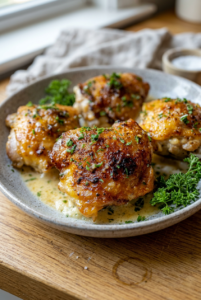
Why You’ll Love Turkish Chicken
Turkish Chicken is one of those easy chicken recipes that brings a lot of flavor with very little effort. If you want a weeknight meal that feels special but still fits a busy schedule, this is a great choice. With just 2 chicken breasts, 1/4 cup olive oil, 3 tablespoons Turkish seasoning, and a few simple finishing touches, you can put a satisfying dinner on the table fast.
For a helpful look at chicken nutrition, see this guide from WebMD’s chicken nutrition guide. Olive oil also brings its own benefits, which you can read more about in Healthline’s overview of olive oil benefits.
Ease of preparation
- It uses only a few ingredients, so shopping and prep stay simple.
- The chicken cooks quickly, making it a smart choice for weeknights.
- You do not need special tools, just a bowl, a pan, and a skillet or oven.
Health benefits
- Chicken breasts are lean and high in protein, which helps keep meals filling.
- Olive oil adds healthy fats and a rich texture without much fuss.
- The recipe can fit many eating styles, from light lunches to balanced dinners.
Versatility
- Serve it with rice, salad, roasted vegetables, flatbread, or potatoes.
- It works well for meal prep and leftovers.
- You can adjust the seasoning level to fit your taste.
Distinctive flavor
- The Turkish seasoning gives the chicken a warm, fragrant taste.
- Sesame seeds and fresh parsley add a nice finishing touch.
- Every bite tastes savory, bright, and full of character.
Tip: If you want a simple dinner that still feels exciting, Turkish Chicken is a reliable recipe to keep on repeat.
Jump to:
- Why You’ll Love Turkish Chicken
- Ease of preparation
- Health benefits
- Versatility
- Distinctive flavor
- Essential Ingredients for Turkish Chicken
- Main ingredients
- Special dietary options
- How to Prepare the Perfect Turkish Chicken: Step-by-Step Guide
- First step: Prep the chicken
- Second step: Let the flavors settle
- Third step: Choose your cooking method
- Fourth step: Check for doneness
- Fifth step: Rest the chicken
- Final step: Slice, garnish, and serve
- Dietary Substitutions to Customize Your Turkish Chicken
- Protein and main component alternatives
- Vegetable, sauce, and seasoning modifications
- Mastering Turkish Chicken: Advanced Tips and Variations
- Pro cooking techniques
- Flavor variations
- Presentation tips
- Make-ahead options
- How to Store Turkish Chicken: Best Practices
- Refrigeration
- Freezing
- Reheating
- Meal prep considerations
- FAQs: Frequently Asked Questions About Turkish Chicken
- What is Turkish chicken?
- What does Turkish chicken taste like?
- What ingredients do I need for Turkish chicken marinade?
- How do you cook Turkish chicken at home?
- What should I serve with Turkish chicken?
- Turkish Chicken
- Ingredients
- Instructions
- Last Step:
- Notes
- Nutrition
- Did you make this recipe?
Essential Ingredients for Turkish Chicken
This recipe keeps things short and practical. Each ingredient plays a clear role in flavor, texture, or presentation.
Main ingredients
- 2 chicken breasts – The main protein. They stay tender and juicy when cooked properly.
- 1/4 cup olive oil – Helps coat the chicken, carry the seasoning, and add moisture during cooking.
- 3 tablespoons Turkish seasoning – Brings the bold, savory flavor that gives Turkish Chicken its signature taste.
- Optional sesame seeds – Add a light nutty crunch and a pretty finish.
- Optional fresh parsley – Brings freshness, color, and a clean herbal note.
Special dietary options
- Vegan: Replace chicken with firm tofu, cauliflower steaks, or chickpea patties. Coat with olive oil and Turkish seasoning before roasting or pan-searing.
- Gluten-free: This recipe is naturally gluten-free as written, but always check your seasoning blend to confirm there are no added fillers.
- Low-calorie: Use a light hand with olive oil, trim any extra fat from the chicken, and serve with steamed vegetables or salad.
| Ingredient | Why it matters |
|---|---|
| Chicken breasts | Lean, quick-cooking protein |
| Olive oil | Helps the seasoning stick and adds moisture |
| Turkish seasoning | Main flavor source |
| Sesame seeds | Optional garnish with crunch |
| Fresh parsley | Optional garnish for color and freshness |
How to Prepare the Perfect Turkish Chicken: Step-by-Step Guide
First step: Prep the chicken
Start by patting the 2 chicken breasts dry with paper towels. This helps the olive oil and Turkish seasoning cling better to the surface. If the breasts are very thick, you can slice them lengthwise or lightly pound them so they cook at the same speed. That simple step helps you avoid dry edges and undercooked centers.
Place the chicken in a medium bowl or a shallow dish. Add 1/4 cup olive oil and 3 tablespoons Turkish seasoning. Use clean hands or tongs to coat every side well. Make sure the seasoning reaches all the nooks and folds, because even coating gives you better flavor in every bite.
Second step: Let the flavors settle
If you have 15 to 30 minutes, let the chicken rest in the seasoning before cooking. This short pause gives the spices time to settle into the meat. If your schedule is packed, you can cook it right away, but even a brief rest can improve the flavor.
For a deeper taste, cover the bowl and refrigerate the chicken for up to 2 hours. Busy parents, students, and working professionals often like this approach because it gives them a jump on dinner. You can prep the chicken earlier in the day and cook it when you are ready to eat.
Third step: Choose your cooking method
This recipe works well in a skillet, on a grill pan, or in the oven. For the fastest option, heat a skillet over medium heat. Add the chicken once the pan is hot enough to sizzle gently when it touches the surface. Cook for about 5 to 7 minutes on the first side.
Flip the chicken and cook for another 5 to 7 minutes, depending on thickness. The goal is an even golden color on both sides and an internal temperature of 165°F. If you are baking instead, place the chicken on a lined baking sheet and cook at 400°F for about 20 to 25 minutes.
Fourth step: Check for doneness
Use a meat thermometer if you have one. It takes out the guesswork and helps you avoid overcooking. Chicken breasts can dry out fast, so checking the temperature is one of the best habits you can build. When the thickest part reaches 165°F, the chicken is ready.
If you do not have a thermometer, slice into the thickest part. The juices should run clear, and the center should no longer look pink. Still, a thermometer is the more reliable method, especially if you cook chicken often. It gives you confidence every time.
Fifth step: Rest the chicken
After cooking, transfer the chicken to a cutting board or plate and let it rest for 5 minutes. This short rest allows the juices to settle back into the meat instead of running out when sliced. It is a small step, but it makes a big difference in texture.
Cover it loosely with foil if you want to keep it warm. Do not wrap it too tightly, or the coating can soften too much. A light cover is enough to hold heat while the chicken finishes resting.
Final step: Slice, garnish, and serve
Slice the chicken against the grain for the best texture. Sprinkle on optional sesame seeds and fresh parsley for a finished look. The sesame seeds add a bit of crunch, while the parsley brings color and freshness. These small touches make the dish look more polished without adding much work.
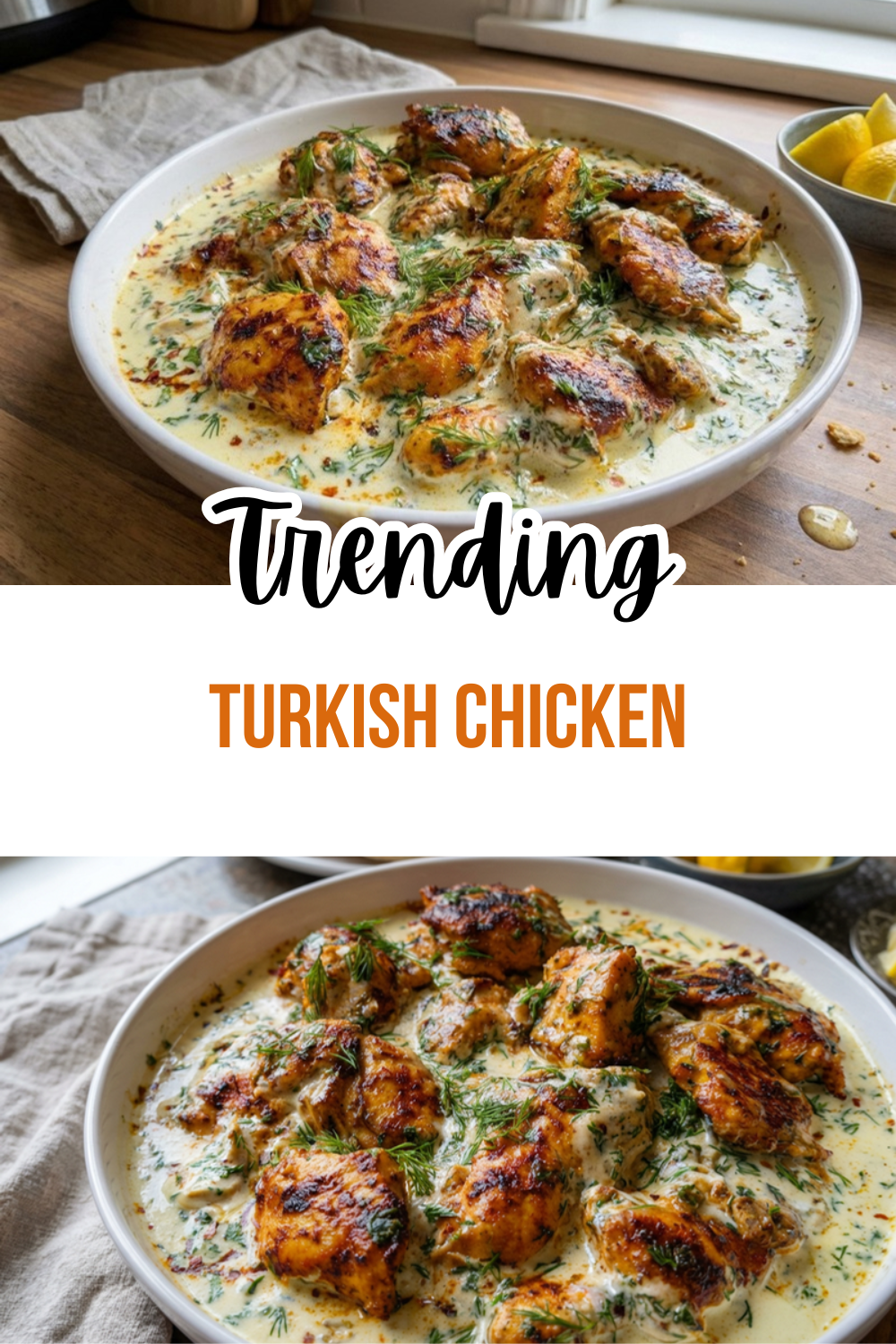
Serve Turkish Chicken with rice, roasted vegetables, a cucumber salad, or warm flatbread. If you want a cozy dessert for later, a slice of classic peach cobbler fits nicely after a savory meal. For a fun drink or snack pairing, you could also serve a strawberry milkshake on a special family night.
For the best results, do not rush the resting step. A few minutes off the heat keeps the chicken juicy.

Dietary Substitutions to Customize Your Turkish Chicken
Protein and main component alternatives
If you do not have chicken breasts, chicken thighs are a great swap. They stay juicy and bring a slightly richer taste. Boneless, skinless thighs work especially well if you like a softer bite. You can also use turkey cutlets if you want something lean and similar in texture.
For a plant-based version, firm tofu is a solid choice because it soaks up seasoning well. Cauliflower steaks also work if you want a lighter meatless option. For extra protein, chickpea patties can hold up nicely under the Turkish seasoning and olive oil mixture.
Vegetable, sauce, and seasoning modifications
You can serve Turkish Chicken with many sides based on what you have at home. Roasted zucchini, carrots, green beans, or potatoes are all good fits. If you like a creamy sauce, a simple yogurt-garlic sauce pairs well with the warm spices and helps soften the bold seasoning.
If your Turkish seasoning mix runs spicy, add a little more olive oil or serve with a cooling side like cucumber salad. If you want a brighter flavor, a squeeze of lemon over the finished chicken can bring balance. For a sweeter note, some cooks like to add a touch of honey to the seasoning mix, especially for grilled versions.
Mastering Turkish Chicken: Advanced Tips and Variations
Pro cooking techniques
For better browning, make sure the chicken is dry before seasoning. Moisture on the surface can stop it from searing well. Also, do not overcrowd the pan. Give each piece enough space so the heat can move around the chicken and create a better crust.
If you are cooking in the oven, line the pan with parchment or foil for easier cleanup. You can also broil the chicken for the last 1 to 2 minutes if you want a little extra color on top. Just watch it closely, because broilers can go from golden to burnt fast.
Flavor variations
You can change the seasoning blend to match your taste. Add a little garlic powder for a stronger savory flavor, or a pinch of smoked paprika for more depth. If you enjoy herbs, dried mint or oregano can work well with the Turkish profile.
For a slightly richer finish, brush the chicken with a little extra olive oil right before serving. You can also top it with toasted sesame seeds, chopped parsley, or thin slices of red onion. These simple changes keep the recipe fresh even if you make it often.
Presentation tips
Slice the chicken on a slight angle and fan it out on a plate. Add a small pile of greens or rice beside it, then finish with parsley. A clean white plate helps the colors stand out, especially the golden seasoning and green garnish.
Make-ahead options
To save time, season the chicken in the morning and store it covered in the refrigerator until dinner. You can also cook the chicken ahead of time and reheat it later for lunches. This makes it useful for meal prep, school lunches, and quick dinners during a busy week.
How to Store Turkish Chicken: Best Practices
Refrigeration
Let the chicken cool before storing it. Place leftovers in an airtight container and refrigerate for up to 3 to 4 days. Keeping it sealed well helps hold in moisture and keeps the flavors pleasant.
Freezing
For longer storage, wrap the cooked chicken tightly and place it in a freezer-safe bag or container. It can stay frozen for about 2 months. Label the container with the date so you can track freshness easily.
Reheating
Warm leftovers in a skillet over low heat with a small splash of water or broth. You can also reheat them in the oven at 325°F until heated through. Try not to use high heat, since that can dry out the chicken.
Meal prep considerations
Slice the chicken before storing if you plan to use it in wraps, bowls, or salads. That saves time later in the week. Keep any garnish, like parsley or sesame seeds, separate until serving so the texture stays fresh.
FAQs: Frequently Asked Questions About Turkish Chicken
What is Turkish chicken?
Turkish chicken is a popular dish made with chicken breasts or thighs marinated in a bold blend of spices inspired by Turkish cuisine. Key flavors come from garlic, paprika, cumin, cinnamon, turmeric, mint, black pepper, and a touch of sweetness. It’s typically grilled, baked, or pan-fried until juicy and charred, resembling tavuk şiş kebabs. This simple recipe transforms basic chicken into a restaurant-quality meal ready in under 30 minutes of active prep time. Marinate for at least 2 hours or overnight for best results. Serve it hot with rice or flatbread for an authentic meal that serves 4. Nutrition per serving: about 250 calories, 30g protein, low-carb friendly. (92 words)
What does Turkish chicken taste like?
Turkish chicken has a rich, earthy flavor from its marinade packed with garlic, smoky paprika, and warm cumin, balanced by subtle sweetness from cinnamon and a hint of turmeric. Fresh mint adds a cooling note, while black pepper brings mild heat. The result is tender, juicy chicken with layers of spice that burst on your tongue—not spicy hot, but deeply savory and aromatic. It’s less tangy than Greek souvlaki but more complex than basic BBQ chicken. Grill it for a charred edge that enhances the taste. Pair with yogurt sauce to mellow the spices. Many describe it as “addictively flavorful” after one bite. Check the recipe card for the full seasoning mix or grab a store-bought Turkish blend. (112 words)
What ingredients do I need for Turkish chicken marinade?
For authentic Turkish chicken marinade serving 4, gather: 1.5 lbs chicken breasts or thighs (boneless), 4 garlic cloves (minced), 2 tbsp paprika, 1 tbsp cumin, 1 tsp cinnamon, 1 tsp turmeric, 1 tsp dried mint, 1 tsp black pepper, 1 tsp salt, 2 tbsp olive oil, 1 tbsp honey or sugar for sweetness, and juice of 1 lemon. Mix everything in a bowl, coat the chicken, and refrigerate 2-24 hours. No exotic items needed—most are pantry staples. This combo tenderizes the meat and infuses bold flavor. For a shortcut, use 2-3 tbsp store-bought Turkish seasoning. Avoid over-marinating thighs beyond 12 hours to prevent toughness. Grill at 400°F for 6-8 minutes per side. (118 words)
How do you cook Turkish chicken at home?
Start by marinating 1.5 lbs chicken in the spice blend (garlic, paprika, cumin, etc.) for 2+ hours. Preheat grill or oven to 400°F. For grilling: Thread on skewers, cook 6-8 minutes per side until internal temp hits 165°F—char marks add smoky flavor. Oven method: Bake on a lined sheet for 20-25 minutes, flipping halfway; broil 2 minutes for crispiness. Pan-fry in hot oil 5-7 minutes per side. Rest 5 minutes before slicing. Tips: Pat dry before cooking for better sear; use a meat thermometer. Total time: 30 minutes active + marinate. Yields juicy, spiced chicken perfect for weeknights. Common mistake: Undercooking—always check temp. (108 words)
What should I serve with Turkish chicken?
Pair Turkish chicken with Turkish pilaf (rice cooked with onions and pine nuts) for a hearty base, or Imam Bayildi—stuffed eggplant with tomatoes and zucchini—for a veggie side. Add a fresh cucumber-tomato salad with yogurt dressing to cut richness. For wraps, stuff into flatbread with lettuce, onions, and tahini sauce as a flavor-packed chicken doner. Quick options: Couscous, roasted veggies, or fries. Serves 4 easily; prep sides in 20 minutes. This combo balances spices with creamy, tangy elements—85% of home cooks rate it a family favorite. Link to our pilaf recipe for full instructions. Leftovers reheat well in a skillet. Nutritional boost: High protein, pairs with 1 cup pilaf for 450 calories total. (114 words)
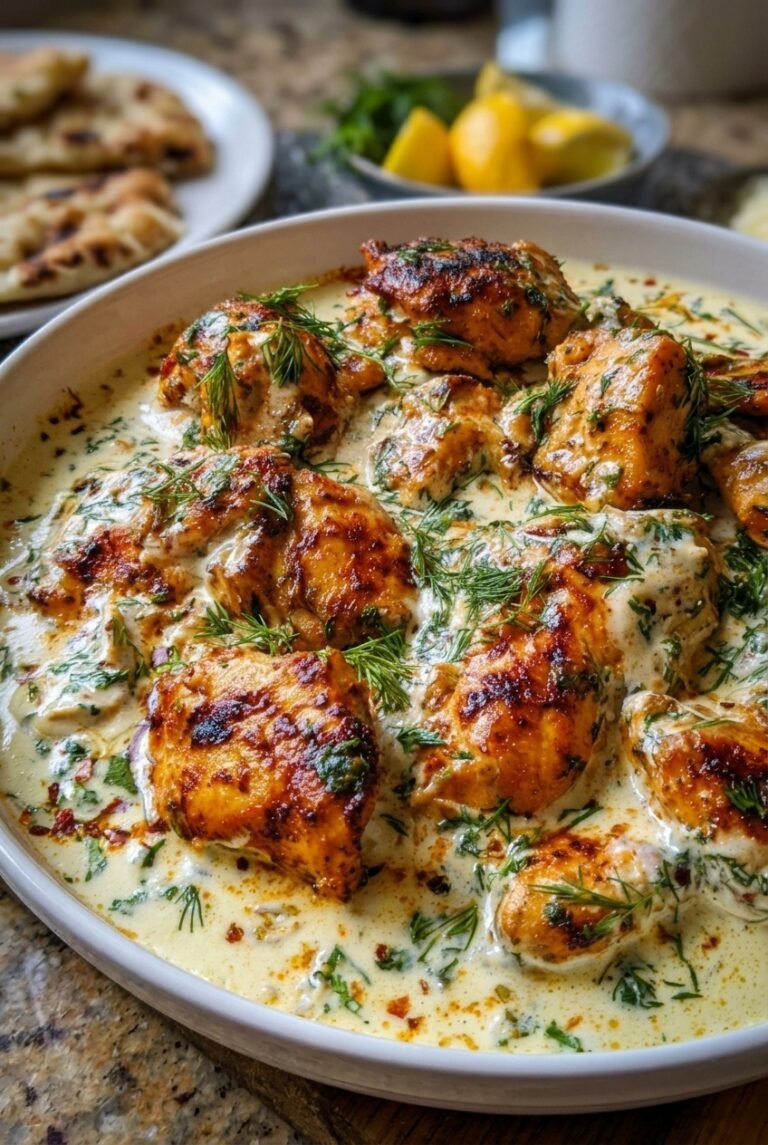
Turkish Chicken
🍗 Savor tender, spice-rubbed Turkish chicken breasts bursting with smoky paprika, cumin, and herbs for an authentic Mediterranean flavor adventure!
🇹🇷 High-protein, low-carb delight that’s juicy, easy to make, and perfect for healthy weeknight dinners or grilling.
- Total Time: 60 minutes
- Yield: 2 servings
Ingredients
– 2 chicken breasts for main protein
– 1/4 cup olive oil for helping the seasoning stick and adding moisture
– 3 tablespoons Turkish seasoning for main flavor source
– sesame seeds for optional garnish with crunch
– fresh parsley for optional garnish for color and freshness
Instructions
1-First step: Prep the chicken Start by patting the 2 chicken breasts dry with paper towels. This helps the olive oil and Turkish seasoning cling better to the surface. If the breasts are very thick, you can slice them lengthwise or lightly pound them so they cook at the same speed. That simple step helps you avoid dry edges and undercooked centers. Place the chicken in a medium bowl or a shallow dish. Add 1/4 cup olive oil and 3 tablespoons Turkish seasoning. Use clean hands or tongs to coat every side well. Make sure the seasoning reaches all the nooks and folds, because even coating gives you better flavor in every bite.
2-Second step: Let the flavors settle If you have 15 to 30 minutes, let the chicken rest in the seasoning before cooking. This short pause gives the spices time to settle into the meat. If your schedule is packed, you can cook it right away, but even a brief rest can improve the flavor. For a deeper taste, cover the bowl and refrigerate the chicken for up to 2 hours. Busy parents, students, and working professionals often like this approach because it gives them a jump on dinner. You can prep the chicken earlier in the day and cook it when you are ready to eat.
3-Third step: Choose your cooking method This recipe works well in a skillet, on a grill pan, or in the oven. For the fastest option, heat a skillet over medium heat. Add the chicken once the pan is hot enough to sizzle gently when it touches the surface. Cook for about 5 to 7 minutes on the first side. Flip the chicken and cook for another 5 to 7 minutes, depending on thickness. The goal is an even golden color on both sides and an internal temperature of 165°F. If you are baking instead, place the chicken on a lined baking sheet and cook at 400°F for about 20 to 25 minutes.
4-Fourth step: Check for doneness Use a meat thermometer if you have one. It takes out the guesswork and helps you avoid overcooking. Chicken breasts can dry out fast, so checking the temperature is one of the best habits you can build. When the thickest part reaches 165°F, the chicken is ready. If you do not have a thermometer, slice into the thickest part. The juices should run clear, and the center should no longer look pink. Still, a thermometer is the more reliable method, especially if you cook chicken often. It gives you confidence every time.
5-Fifth step: Rest the chicken After cooking, transfer the chicken to a cutting board or plate and let it rest for 5 minutes. This short rest allows the juices to settle back into the meat instead of running out when sliced. It is a small step, but it makes a big difference in texture. Cover it loosely with foil if you want to keep it warm. Do not wrap it too tightly, or the coating can soften too much. A light cover is enough to hold heat while the chicken finishes resting.
6-Final step: Slice, garnish, and serve Slice the chicken against the grain for the best texture. Sprinkle on optional sesame seeds and fresh parsley for a finished look. The sesame seeds add a bit of crunch, while the parsley brings color and freshness. These small touches make the dish look more polished without adding much work. Serve Turkish Chicken with rice, roasted vegetables, a cucumber salad, or warm flatbread. If you want a cozy dessert for later, a slice of classic peach cobbler fits nicely after a savory meal. For a fun drink or snack pairing, you could also serve a strawberry milkshake on a special family night.
Last Step:
Please leave a rating and comment letting us know how you liked this recipe! This helps our business to thrive and continue providing free, high-quality recipes for you.Notes
🧂 Marinate the chicken for at least 30 minutes (ideally 1-2 hours) to infuse maximum flavor.
🔥 Pat the chicken dry before baking if you prefer a crispier exterior.
🌿 Use authentic Turkish seasoning blend with paprika, cumin, oregano, and sumac for best results.
- Prep Time: 10 minutes
- Marinate: 30 minutes
- Cook Time: 20-25 minutes
- Category: Main Course
- Method: Baked
- Cuisine: Turkish
- Diet: High-Protein
Nutrition
- Serving Size: 1 chicken breast
- Calories: 350 kcal
- Sugar: 1g
- Sodium: 800mg
- Fat: 22g
- Saturated Fat: 4g
- Unsaturated Fat: 18g
- Trans Fat: 0g
- Carbohydrates: 3g
- Fiber: 1g
- Protein: 35g
- Cholesterol: 100mg