Why You’ll Love This Pumpkin Loaf Recipe
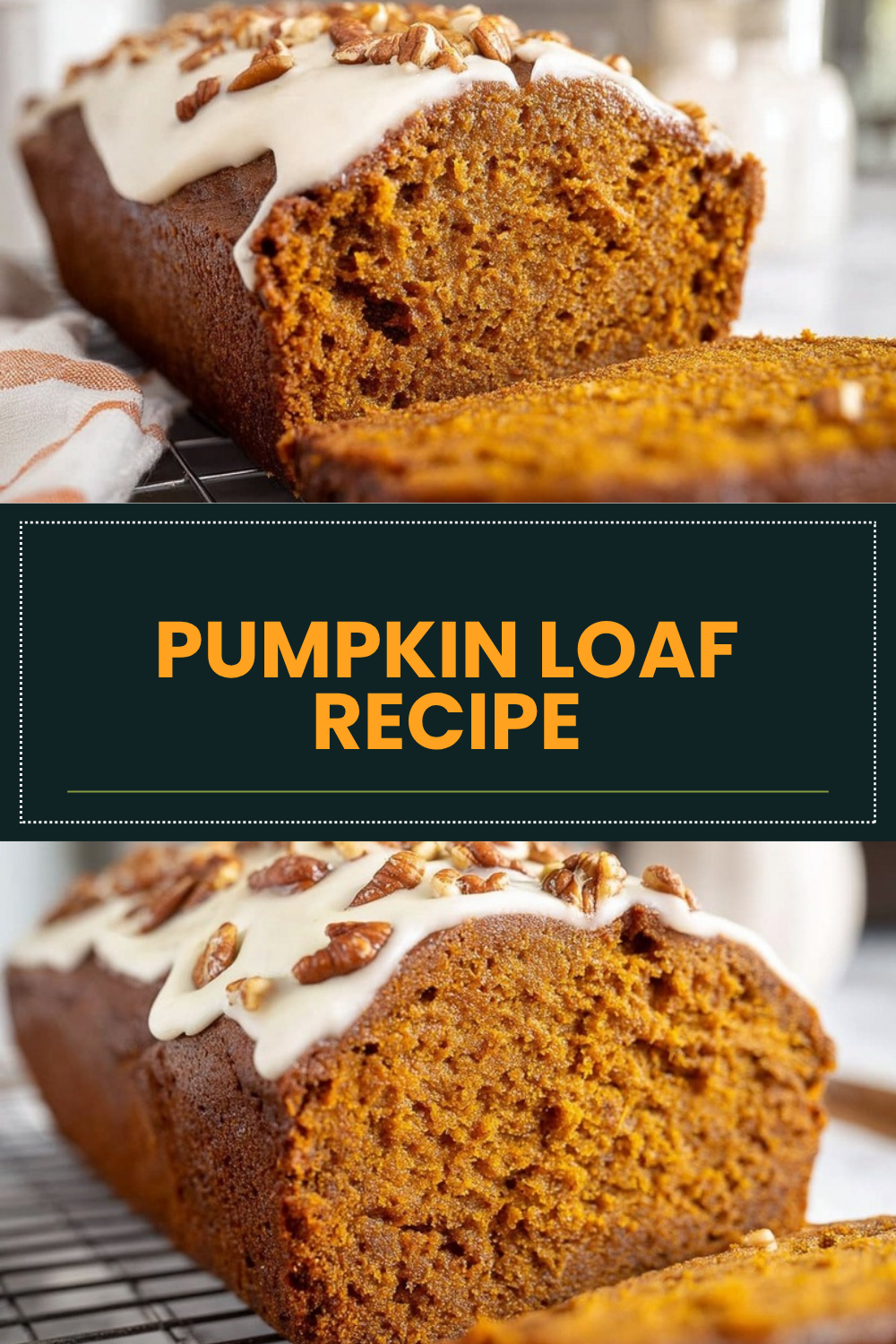
This Pumpkin Loaf Recipe is the kind of bake that feels right at home on a busy weekday afternoon or a slow fall weekend. It comes together with simple pantry staples, fills your kitchen with warm spice, and gives you a soft, tender loaf that tastes like comfort in every bite. If you love easy baking that still feels special, this one belongs in your regular rotation.
- Easy to make: You only need one bowl for the wet ingredients and one bowl for the dry ingredients, so cleanup stays simple. It is a great recipe for home cooks, students, and busy parents who want something homemade without a lot of fuss.
- Warm fall flavor: The mix of cinnamon, cloves, nutmeg, and pumpkin gives this loaf a rich, cozy taste that feels perfect for autumn mornings, snacks, or dessert.
- Moist and tender texture: Butter, eggs, and pure pumpkin work together to create a soft loaf that stays pleasant for days when stored well.
- Flexible for many lifestyles: This loaf can be adjusted for different needs, including lighter ingredient swaps or gluten-free baking with the right flour blend.
For readers who enjoy learning about seasonal ingredients, this loaf pairs nicely with helpful nutrition resources like the health perks of pumpkin. You can also check out our easy fall baking ideas for more cozy treats to make this season.
Pumpkin baking has a way of making an ordinary day feel a little warmer, a little slower, and a lot more delicious.
Jump to:
- Why You’ll Love This Pumpkin Loaf Recipe
- Essential Ingredients for Pumpkin Loaf Recipe
- Main Ingredients
- Helpful ingredient notes
- Special Dietary Options
- How to Prepare the Perfect Pumpkin Loaf Recipe: Step-by-Step Guide
- First Step: Prepare the oven and pan
- Second Step: Mix the dry ingredients
- Third Step: Cream the butter and sugar
- Fourth Step: Add the eggs and pumpkin
- Fifth Step: Combine wet and dry ingredients
- Sixth Step: Fill the pan and smooth the top
- Seventh Step: Bake until the center is set
- Eighth Step: Cool before slicing
- Ninth Step: Slice and serve
- Dietary Substitutions to Customize Your Pumpkin Loaf Recipe
- Protein and Main Component Alternatives
- Vegetable, Sauce, and Seasoning Modifications
- Mastering Pumpkin Loaf Recipe: Advanced Tips and Variations
- Pro cooking techniques
- Flavor variations
- Presentation tips
- Make-ahead options
- How to Store Pumpkin Loaf Recipe: Best Practices
- Refrigeration
- Freezing
- Reheating
- Meal prep considerations
- FAQs: Frequently Asked Questions About Pumpkin Loaf Recipe
- What ingredients are in a classic pumpkin loaf recipe?
- How do you make easy pumpkin loaf at home?
- Can I use fresh pumpkin instead of canned in pumpkin loaf?
- How do I store pumpkin loaf so it stays moist?
- Why is my pumpkin loaf dense and how do I fix it?
- Pumpkin Loaf Recipe
- Ingredients
- Instructions
- Last Step:
- Notes
- Nutrition
- Did you make this recipe?
Essential Ingredients for Pumpkin Loaf Recipe
Before you begin, gather every ingredient so the mixing process feels calm and smooth. This Pumpkin Loaf Recipe uses a classic set of baking ingredients that create a soft crumb, warm spice, and balanced sweetness. Measuring carefully matters here, especially with the flour, since too much can make the loaf heavy.
Main Ingredients
- 2 cups all-purpose flour, spooned and leveled – Gives the loaf structure without making it too dense.
- 1 teaspoon baking soda – Helps the loaf rise and supports a tender crumb.
- 1/2 teaspoon baking powder – Adds a little extra lift for a softer texture.
- 1/2 teaspoon salt – Balances the sweetness and brings out the spice.
- 1 teaspoon ground cloves – Adds deep, warm spice flavor.
- 1 teaspoon ground cinnamon – Brings the classic fall aroma and taste.
- 1 teaspoon ground nutmeg – Adds warmth and a subtle earthy note.
- 1 1/2 sticks unsalted butter, softened, 3/4 cup total – Gives richness and moisture.
- 2 cups sugar – Sweetens the loaf and helps create a tender texture.
- 2 large eggs – Bind the batter and add structure.
- 1 (15-oz) can 100% pure pumpkin – Adds moisture, flavor, and color.
Helpful ingredient notes
- Use pure pumpkin, not pumpkin pie filling. Pie filling already contains sugar and spices, which can throw off the flavor and texture.
- Softened butter mixes more smoothly with sugar, which helps build a lighter batter.
- Spoon and level the flour so you do not pack in too much.
Special Dietary Options
- Vegan: Swap the butter for plant-based baking sticks and use flax eggs in place of the eggs.
- Gluten-free: Use a 1:1 gluten-free flour blend designed for baking.
- Lower sugar: Reduce the sugar slightly and add unsweetened applesauce for a little extra moisture if needed.
| Ingredient | Purpose in the loaf |
|---|---|
| Flour | Builds structure |
| Butter | Adds richness and softness |
| Pumpkin | Brings moisture and fall flavor |
| Spices | Give the loaf its cozy aroma |
How to Prepare the Perfect Pumpkin Loaf Recipe: Step-by-Step Guide
Making this Pumpkin Loaf Recipe is straightforward, and the process feels almost relaxing once you get into the rhythm. The key is to mix gently and keep an eye on the bake time. If you have made quick breads before, this method will feel familiar. If this is your first time, do not worry. The batter is forgiving, and the steps are simple to follow.
First Step: Prepare the oven and pan
Preheat your oven to 350°F. Grease a standard 9×5-inch loaf pan with butter or nonstick spray, then line it with parchment if you want easier lifting after baking. Set the pan aside while you make the batter. Having everything ready before mixing helps the batter stay smooth and gives you better control.
Second Step: Mix the dry ingredients
In a medium bowl, whisk together the flour, baking soda, baking powder, salt, ground cloves, cinnamon, and nutmeg. Whisking blends the spices evenly, so every slice tastes balanced. It also helps break up any small lumps in the flour. A quick whisk at this stage is an easy way to keep the final loaf consistent.
Third Step: Cream the butter and sugar
In a large mixing bowl, beat the softened butter and sugar together until the mixture looks pale and fluffy. This usually takes about 2 to 3 minutes with a hand mixer or stand mixer. Creaming adds air to the batter, which helps the loaf bake up tender instead of heavy. If you are mixing by hand, work a little longer until the texture looks light and smooth.
Fourth Step: Add the eggs and pumpkin
Beat in the eggs one at a time, mixing well after each addition. Then add the pumpkin and mix until the batter looks smooth and thick. The mixture may look slightly curdled at first, but it usually comes together once the pumpkin blends in fully. Use a spatula to scrape down the bowl so nothing gets left behind.
Fifth Step: Combine wet and dry ingredients
Add the dry ingredients to the pumpkin mixture in two or three additions, stirring gently after each one. Mix only until the flour disappears. A few small streaks are fine, because overmixing can make the loaf dense. This is one of the most important parts of the recipe, so slow down here and use a light hand.
The batter should look thick, smooth, and easy to spoon into the pan, not thin or runny.
Sixth Step: Fill the pan and smooth the top
Spoon the batter into the prepared loaf pan and smooth the top with a spatula. Tap the pan lightly on the counter once or twice to release any large air bubbles. This helps the loaf bake more evenly. If you want a prettier top, smooth the batter so it sits level in the pan.
Seventh Step: Bake until the center is set
Bake for about 55 to 65 minutes, or until a toothpick inserted in the center comes out clean or with a few moist crumbs. Ovens can vary, so begin checking around the 55-minute mark. If the top is browning too quickly, you can loosely tent it with foil during the last 15 minutes. The loaf should feel springy in the center when gently pressed.
Eighth Step: Cool before slicing
Let the loaf cool in the pan for about 10 minutes. Then lift it out carefully and place it on a wire rack to cool completely. Cooling matters because it allows the crumb to set, which makes slicing cleaner and helps keep the loaf from falling apart. If you cut too soon, the texture can seem gummy even if the bread is fully baked.
Ninth Step: Slice and serve
Once cool, slice with a serrated knife and serve plain or with a little butter. This loaf tastes lovely with coffee, tea, or a glass of milk. It also works well as a breakfast treat, afternoon snack, or simple dessert. For a full fall spread, serve it alongside other bakes from our pumpkin dessert collection.

Dietary Substitutions to Customize Your Pumpkin Loaf Recipe
Protein and Main Component Alternatives
If you need to make this loaf fit different eating styles, there are a few easy swaps you can try. The eggs help bind the batter, but flax eggs can work in a pinch for a plant-based version. For the butter, use a baking-style plant butter that has a firm texture, not a soft tub spread, since firmer options usually bake better.
For gluten-free baking, choose a 1:1 gluten-free flour blend made for quick breads. These blends usually include starches that help mimic the texture of regular flour. If your blend does not contain xanthan gum, check the package directions, since some batters need it for structure. The loaf may bake a little differently, so start checking for doneness a few minutes early.
Vegetable, Sauce, and Seasoning Modifications
You can also adjust the flavor in small ways. If you want a gentler spice profile, reduce the cloves slightly and add a little more cinnamon. If you like a bolder fall taste, a pinch of ginger or allspice fits in nicely, even though the original version already has a warm spice blend. For a lighter loaf, consider serving it with plain yogurt or a thin spread of cream cheese instead of heavy toppings.
If you are working with fresh pumpkin instead of canned, roast and puree it first, then drain off excess moisture. Fresh pumpkin can taste lovely, but it is often wetter than canned puree. A thicker puree gives you a loaf with a better crumb and less risk of sinking in the middle. For more nutrition context, this pumpkin nutrition review is a helpful read.
Mastering Pumpkin Loaf Recipe: Advanced Tips and Variations
Once you have made this loaf once or twice, you may want to play around with it a little. That is part of the fun of home baking. Small changes can give you new flavors while still keeping the same cozy feel that makes a good pumpkin loaf so satisfying.
Pro cooking techniques
- Use room-temperature eggs and butter for smoother mixing.
- Spoon and level the flour instead of scooping directly from the bag.
- Do not overmix after the flour goes in, or the loaf can turn dense.
- Check doneness with a toothpick in the center, not just by color.
Flavor variations
You can fold in chopped walnuts, pecans, or raisins for extra texture. A handful of chocolate chips also works if you want a sweeter dessert-style loaf. If you enjoy a stronger spice profile, add a little extra cinnamon or a pinch of ginger. For a more fragrant finish, dust the cooled loaf with powdered sugar.
Presentation tips
Slice the loaf only after it has cooled fully so the pieces stay neat. If you are serving guests, arrange the slices on a wooden board with a small bowl of softened butter or maple cream cheese. A light sprinkle of cinnamon on top makes the loaf look welcoming without taking much effort. For a brunch table, pair it with fresh fruit and hot coffee.
Make-ahead options
This loaf is a smart choice for busy weeks because it keeps well and tastes even better the next day. You can mix the dry ingredients the night before and store them in a sealed bowl. You can also bake the loaf a day ahead if you are planning for brunch, school lunches, or a potluck. The flavor often settles nicely overnight.
Many bakers say pumpkin bread tastes even better the next day because the spices have more time to settle in.
How to Store Pumpkin Loaf Recipe: Best Practices
Good storage keeps this Pumpkin Loaf Recipe moist and soft. Once the loaf is completely cool, wrap it well before putting it away. That small step helps protect the crumb and keeps the spices fresh.
Refrigeration
If you plan to eat the loaf within a few days, store it at room temperature in an airtight container for up to 4 days. If your kitchen is warm or humid, refrigeration can help it last up to 1 week, but let slices come to room temperature before serving. Room-temp slices usually taste softer and more flavorful.
Freezing
For longer storage, wrap the whole loaf or individual slices tightly in plastic wrap, then place them in a freezer bag. Freeze for up to 2 to 3 months. Slices are handy for quick breakfasts or snacks because you can thaw only what you need. Label the bag with the date so you remember when you froze it.
Reheating
Warm slices in the microwave for 10 to 15 seconds, or toast them lightly in a toaster oven. If reheating a larger portion, cover it loosely with foil and warm it in a low oven. Gentle heat brings back that just-baked feeling without drying the bread out.
Meal prep considerations
For meal prep, slice the loaf after it cools and wrap pieces separately. This makes grab-and-go breakfasts much easier. You can also tuck a slice into lunchboxes or pack it for road trips. It is one of those recipes that fits neatly into a busy routine.
FAQs: Frequently Asked Questions About Pumpkin Loaf Recipe
What ingredients are in a classic pumpkin loaf recipe?
A classic pumpkin loaf recipe typically includes 1 ½ cups all-purpose flour, 1 teaspoon baking soda, ½ teaspoon baking powder, ½ teaspoon salt, 1 teaspoon cinnamon, ½ teaspoon nutmeg, ¼ teaspoon ginger, 1 cup granulated sugar, ½ cup brown sugar, ½ cup vegetable oil or melted butter, 2 large eggs, 1 cup canned pumpkin puree (not pie filling), and ¼ cup water or milk. Optional add-ins like ½ cup chopped walnuts or pecans and ½ cup raisins boost texture. These measurements yield one 9×5-inch loaf. Measure flour by spooning into the cup and leveling off to avoid density issues. Use room-temperature eggs for better emulsion. This simple list ensures a moist, spiced bread perfect for fall baking. Prep time is about 15 minutes, bake at 350°F for 60-70 minutes. (92 words)
How do you make easy pumpkin loaf at home?
Preheat oven to 350°F and grease a 9×5-inch loaf pan. Whisk dry ingredients: 1 ½ cups flour, 1 tsp baking soda, ½ tsp baking powder, ½ tsp salt, 1 tsp cinnamon, ½ tsp nutmeg, ¼ tsp ginger. In another bowl, beat 1 cup sugar, ½ cup brown sugar, ½ cup oil, 2 eggs, 1 cup pumpkin puree, and ¼ cup water until smooth. Fold wet into dry until just combined—avoid overmixing for tenderness. Pour into pan, bake 60-70 minutes until a toothpick comes out clean. Cool in pan 10 minutes, then on rack. This no-mixer method takes 15 minutes prep. Test doneness at 55 minutes to prevent overbaking. Slice after full cooling for best texture. Stores well for 3-4 days. (118 words)
Can I use fresh pumpkin instead of canned in pumpkin loaf?
Yes, fresh pumpkin works but requires extra steps for best results. Roast or steam 1-1.5 pounds sugar pie pumpkin (not carving type) at 400°F for 45 minutes until soft, then puree and drain excess moisture by pressing through cheesecloth or a sieve for 30 minutes—this prevents a soggy loaf. Use 1 cup of this thick puree to replace canned. Fresh offers brighter flavor but less consistency than Libby’s canned, which is pre-sweetened and cooked. Taste and add 1-2 tbsp sugar if needed. Bake as usual; fresh may need 5 extra minutes. For convenience, canned is foolproof, but fresh shines in season. Always strain to match canned density. (102 words)
How do I store pumpkin loaf so it stays moist?
Cool pumpkin loaf completely on a wire rack before storing to avoid condensation. Wrap tightly in plastic wrap or foil, then place in an airtight container at room temperature for up to 4 days—keeps it moist without drying out. For longer storage, refrigerate up to 1 week; bring to room temp before eating. Freeze slices or whole loaf in freezer bags for 2-3 months; thaw overnight in fridge or at room temp. Avoid fridge for short-term as it can stale faster. Pro tip: Add a slice of bread to the container to maintain softness via humidity. Reheat slices in toaster oven for fresh-baked taste. Proper storage preserves spices and tenderness. (98 words)
Why is my pumpkin loaf dense and how do I fix it?
Dense pumpkin loaf often results from overmixing (develops gluten), too much flour, underbaked center, or excess pumpkin moisture. Fixes: Mix wet and dry just until combined—lumps are okay. Spoon and level flour accurately (1 ½ cups max). Use room-temp ingredients for even rising. Bake until toothpick is clean, tenting with foil if top browns too fast. Drain canned pumpkin if watery. Next time, add ¼ tsp extra baking powder. Test oven temp with thermometer. If still dense, reduce pumpkin to ¾ cup or sub ¼ cup applesauce. These tweaks yield light, fluffy results. Cool fully before slicing to set structure. (94 words)
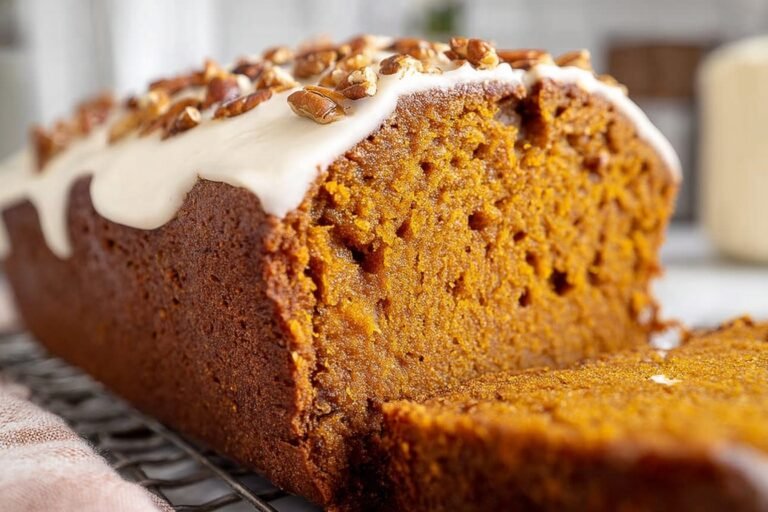
Pumpkin Loaf Recipe
🎃🍞 Ultra-moist spiced pumpkin bread: pure pumpkin magic for tender crumb – fall breakfast delight!
🥧 Easy 1.5-hr loaf: cloves-cinnamon-nutmeg cozy, slices fresh weeks airtight.
- Total Time: 1 hour 20 minutes
- Yield: 12 slices
Ingredients
– 2 cups all-purpose flour, spooned and leveled for structure
– 1 teaspoon baking soda for rising
– 1/2 teaspoon baking powder for lift
– 1/2 teaspoon salt for balancing sweetness
– 1 teaspoon ground cloves for warm spice flavor
– 1 teaspoon ground cinnamon for fall aroma
– 1 teaspoon ground nutmeg for warmth
– 1 1/2 sticks unsalted butter, softened, 3/4 cup total for richness and moisture
– 2 cups sugar for sweetness and tender texture
– 2 large eggs for binding and structure
– 1 (15-oz) can 100% pure pumpkin for moisture, flavor, and color
Instructions
1-First Step: Prepare the oven and pan Preheat your oven to 350°F. Grease a standard 9×5-inch loaf pan with butter or nonstick spray, then line it with parchment if you want easier lifting after baking. Set the pan aside while you make the batter. Having everything ready before mixing helps the batter stay smooth and gives you better control.
2-Second Step: Mix the dry ingredients In a medium bowl, whisk together the flour, baking soda, baking powder, salt, ground cloves, cinnamon, and nutmeg. Whisking blends the spices evenly, so every slice tastes balanced. It also helps break up any small lumps in the flour. A quick whisk at this stage is an easy way to keep the final loaf consistent.
3-Third Step: Cream the butter and sugar In a large mixing bowl, beat the softened butter and sugar together until the mixture looks pale and fluffy. This usually takes about 2 to 3 minutes with a hand mixer or stand mixer. Creaming adds air to the batter, which helps the loaf bake up tender instead of heavy. If you are mixing by hand, work a little longer until the texture looks light and smooth.
4-Fourth Step: Add the eggs and pumpkin Beat in the eggs one at a time, mixing well after each addition. Then add the pumpkin and mix until the batter looks smooth and thick. The mixture may look slightly curdled at first, but it usually comes together once the pumpkin blends in fully. Use a spatula to scrape down the bowl so nothing gets left behind.
5-Fifth Step: Combine wet and dry ingredients Add the dry ingredients to the pumpkin mixture in two or three additions, stirring gently after each one. Mix only until the flour disappears. A few small streaks are fine, because overmixing can make the loaf dense. This is one of the most important parts of the recipe, so slow down here and use a light hand. The batter should look thick, smooth, and easy to spoon into the pan, not thin or runny.
6-Sixth Step: Fill the pan and smooth the top Spoon the batter into the prepared loaf pan and smooth the top with a spatula. Tap the pan lightly on the counter once or twice to release any large air bubbles. This helps the loaf bake more evenly. If you want a prettier top, smooth the batter so it sits level in the pan.
7-Seventh Step: Bake until the center is set Bake for about 55 to 65 minutes, or until a toothpick inserted in the center comes out clean or with a few moist crumbs. Ovens can vary, so begin checking around the 55-minute mark. If the top is browning too quickly, you can loosely tent it with foil during the last 15 minutes. The loaf should feel springy in the center when gently pressed.
8-Eighth Step: Cool before slicing Let the loaf cool in the pan for about 10 minutes. Then lift it out carefully and place it on a wire rack to cool completely. Cooling matters because it allows the crumb to set, which makes slicing cleaner and helps keep the loaf from falling apart. If you cut too soon, the texture can seem gummy even if the bread is fully baked.
9-Ninth Step: Slice and serve Once cool, slice with a serrated knife and serve plain or with a little butter. This loaf tastes lovely with coffee, tea, or a glass of milk. It also works well as a breakfast treat, afternoon snack, or simple dessert. For a full fall spread, serve it alongside other bakes from our pumpkin dessert collection.
Last Step:
Please leave a rating and comment letting us know how you liked this recipe! This helps our business to thrive and continue providing free, high-quality recipes for you.Notes
📏 Spoon/level flour – avoids dense bread.
🎃 Pure pumpkin canned – moisture flavor key.
❄️ Wrap cooled loaf – stays moist 1 week room temp.
- Prep Time: 15 minutes
- Cook Time: 65 minutes
- Category: Breads
- Method: Baked
- Cuisine: American
- Diet: Vegetarian
Nutrition
- Serving Size: 1 slice
- Calories: 290 kcal
- Sugar: 25 g
- Sodium: 220 mg
- Fat: 12 g
- Saturated Fat: 7 g
- Unsaturated Fat: 5 g
- Trans Fat: 0 g
- Carbohydrates: 42 g
- Fiber: 2 g
- Protein: 3 g
- Cholesterol: 50 mg