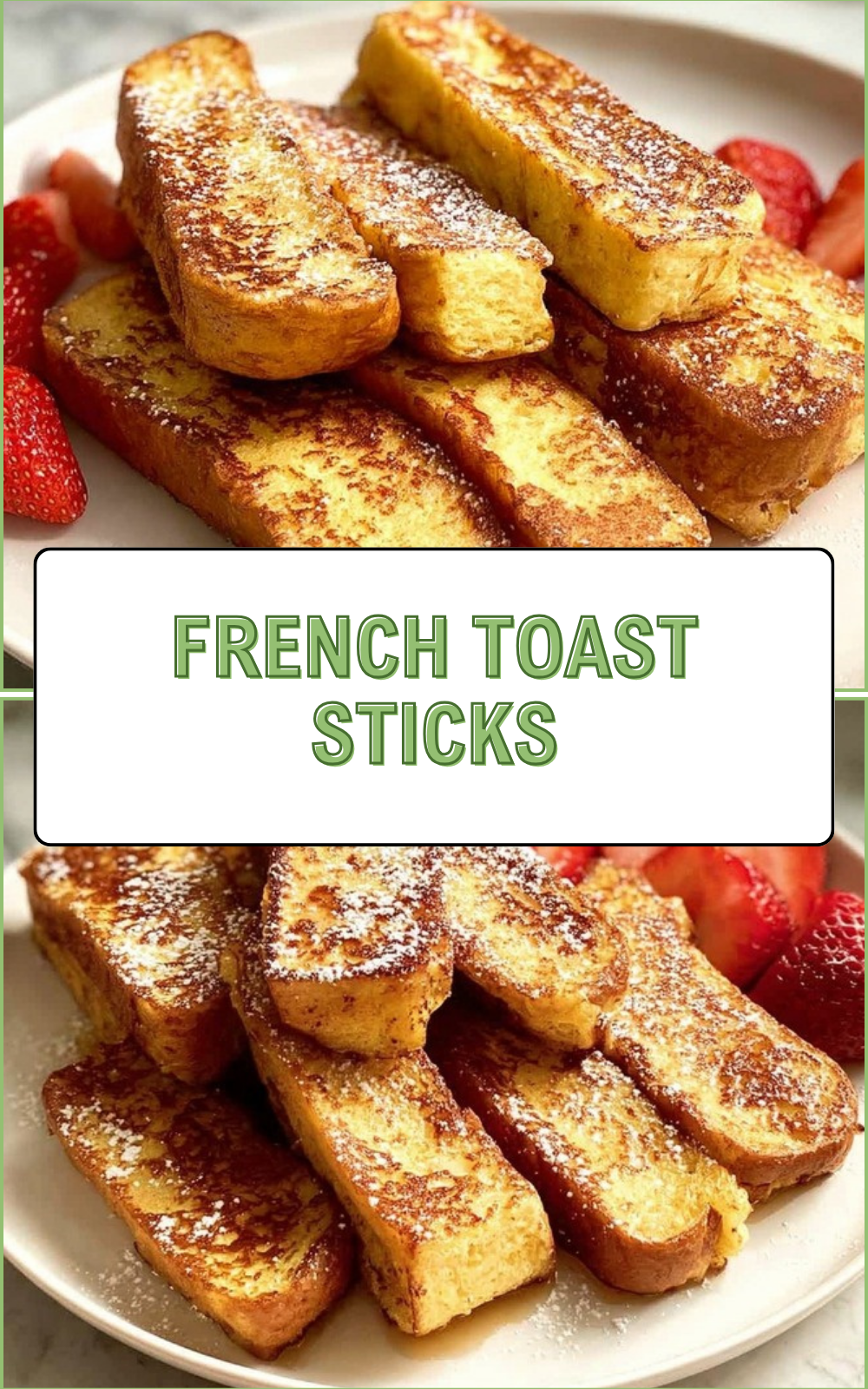
Why You’ll Love This French Toast Sticks
French toast sticks are an absolute crowd-pleaser easy enough to make in just 15 minutes, and who can resist dipping something crispy and cinnamon-sweet into warm maple syrup? Whether you’re cooking for sleepy kids on a school morning or treating yourself to a weekend brunch, this recipe hits all the right notes. It’s the kind of breakfast that feels a little indulgent but comes together with pantry staples you probably already have on hand.
Ease of Preparation
One of the best things about this recipe is how simple it is to pull off. With just 5 minutes of prep and 10 minutes of cooking, you can have a warm, satisfying breakfast on the table in no time. There’s no need for fancy equipment or hard-to-find ingredients just a bowl, a plate, a pan, and everyday staples like bread, eggs, milk, and cinnamon. It’s beginner-friendly too, so even if you’re new to cooking, you’ll feel like a pro after your first batch.
Health Benefits
These French toast sticks offer a decent protein boost thanks to the eggs, which also provide essential vitamins and minerals like vitamin B12, riboflavin, and selenium. The milk adds a bit of calcium, and while this recipe is definitely on the sweeter side, it’s easy to adjust the sugar to your liking. Plus, making them at home means you control exactly what goes in no mystery ingredients or preservatives like you’d find in frozen store-bought versions.
Versatility
This recipe adapts well to different dietary needs and preferences. You can easily swap in gluten-free bread, use plant-based milk and egg substitutes for a vegan version, or reduce the sugar for a lighter option. The cinnamon-sugar coating is optional too skip it if you prefer a less sweet breakfast, or swap it for a savory herb blend if you want something different. Serve them with maple syrup, fresh fruit, or even a dollop of yogurt for variety.
Distinctive Flavor
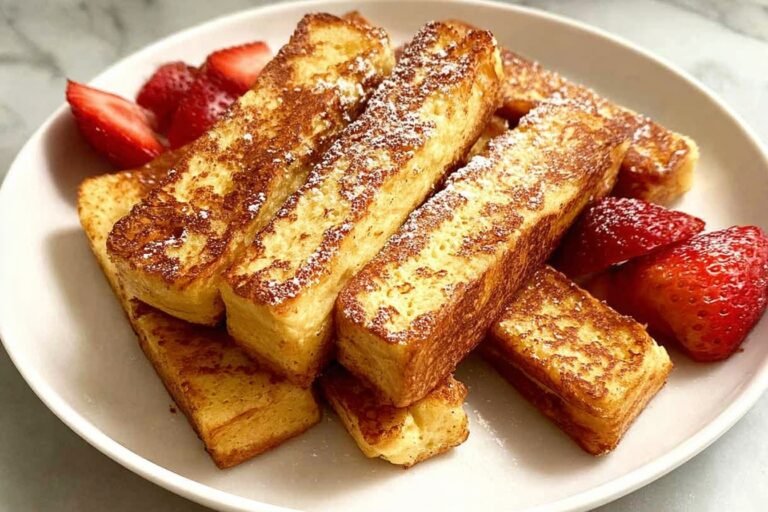
What sets these French toast sticks apart is the irresistible combination of crispy, buttery edges and a soft, tender center, all wrapped up in a warm blanket of cinnamon sugar. The sugar coating caramelizes slightly when it hits the hot pan, creating a subtle crunch that pairs perfectly with the fluffy interior. It’s basically a churro met a French toast, and they decided to become best friends. Trust me, once you try them, they’ll become a regular in your breakfast rotation.
Jump to:
- Why You’ll Love This French Toast Sticks
- Ease of Preparation
- Health Benefits
- Versatility
- Distinctive Flavor
- Essential Ingredients for French Toast Sticks
- Main Ingredients
- Special Dietary Options
- How to Prepare the Perfect French Toast Sticks: Step-by-Step Guide
- Step 1: Prepare the Bread
- Step 2: Mix the Egg Mixture
- Step 3: Prepare the Cinnamon Sugar Coating
- Step 4: Heat the Pan and Melt the Butter
- Step 5: Dip and Cook the First Batch
- Step 6: Roll in Cinnamon Sugar
- Step 7: Cook the Second Batch
- Step 8: Serve and Enjoy
- Dietary Substitutions to Customize Your French Toast Sticks
- Protein and Main Component Alternatives
- Vegetable, Sauce, and Seasoning Modifications
- Mastering French Toast Sticks: Advanced Tips and Variations
- Pro Cooking Techniques
- Flavor Variations
- Presentation Tips
- Make-Ahead Options
- How to Store French Toast Sticks: Best Practices
- Refrigeration
- Freezing
- Reheating
- Meal Prep Considerations
- FAQs: Frequently Asked Questions About French Toast Sticks
- What bread is best for French toast sticks?
- Can I use fresh bread for French toast sticks?
- How do I keep French toast sticks from getting soggy?
- How long does it take to make French toast sticks?
- Can you freeze French toast sticks?
- French Toast Sticks
- Ingredients
- Instructions
- Last Step:
- Notes
- Nutrition
- Did you make this recipe?
Essential Ingredients for French Toast Sticks
Gathering your ingredients ahead of time makes the whole process smoother. Here’s everything you’ll need to make these delicious French toast sticks, along with why each item matters:
Main Ingredients
- 4 thick slices white bread, preferably stale – Stale bread holds its shape better and absorbs just the right amount of egg mixture without turning mushy. Thick slices make sturdy sticks that won’t flop when you pick them up. Bread provides the structure and carbohydrates that make this dish satisfying.
- 2 eggs – Eggs are the binding agent that gives French toast its signature custard-like coating. They add richness, protein, and help the cinnamon sugar stick to the bread.
- 1/4 cup milk – Milk thins out the egg mixture so it coats the bread evenly without being too heavy. It also adds a touch of creaminess to the final product.
- Salt (a pinch) – Just a small amount of salt balances the sweetness and enhances the other flavors. It’s a small detail that makes a big difference.
- 1/3 cup white sugar – Mixed with cinnamon, this creates the sweet, crunchy coating that makes these sticks so addictive. The sugar caramelizes slightly when it hits the hot bread.
- 1 teaspoon cinnamon powder – Cinnamon adds warmth and that classic French toast aroma. It pairs beautifully with the sugar to create a churro-like flavor profile.
- 3 tablespoons butter – Butter is used for frying and adds a rich, golden flavor that oil just can’t match. It helps achieve that beautiful golden-brown color on all sides.
- Maple syrup to serve (optional) – While technically optional, maple syrup is the perfect dunking companion. The combination of warm maple syrup and cinnamon-sugar-coated sticks is hard to beat.
Special Dietary Options
For those with dietary restrictions, here are some easy swaps you can make:
- Vegan: Replace the eggs with a flax egg (1 tablespoon ground flaxseed mixed with 3 tablespoons water per egg), use plant-based milk like almond or oat milk, and swap the butter for vegan butter or coconut oil.
- Gluten-free: Use your favorite gluten-free bread. Just keep in mind that gluten-free bread can be more delicate, so handle the sticks gently and make sure they’re well-toasted or slightly stale before dipping.
- Low-calorie: Reduce the sugar in the coating or skip it entirely. You can also use a sugar substitute like stevia or monk fruit, and swap the butter for a light cooking spray.
How to Prepare the Perfect French Toast Sticks: Step-by-Step Guide
Now for the fun part actually making these delicious French toast sticks! Follow these simple steps, and you’ll have a warm, cinnamon-sweet breakfast ready in no time.
Step 1: Prepare the Bread
Start by removing the crust from each slice of bread. A sharp serrated knife works best for clean cuts. Once the crusts are off, cut each slice into 3 equal thick batons. You want them to be sturdy enough to pick up with your fingers think about the size of a chicken tender or a thick fry. If you’re using a block loaf, cut slices that are about 2/3 inch (1.7 cm) thick before slicing into batons.
Pro tip: Stale bread is your best friend here. If your bread is fresh, leave it out on the counter overnight or pop it in a 200°F oven for about 10 minutes to dry it out slightly. This prevents sogginess and helps the sticks hold their shape.
Step 2: Mix the Egg Mixture
In a bowl large enough to roll the bread sticks in, combine 2 eggs, 1/4 cup milk, and a pinch of salt. Whisk everything together until the eggs are fully beaten and the mixture is smooth. The bowl should be wide enough that you can easily roll the sticks around without making a mess.
Step 3: Prepare the Cinnamon Sugar Coating
On a large plate or shallow dish, combine 1/3 cup white sugar and 1 teaspoon cinnamon powder. Mix well so the cinnamon is evenly distributed throughout the sugar. Having this ready before you start cooking is key you’ll need to roll the hot sticks in it immediately after they come out of the pan.
Step 4: Heat the Pan and Melt the Butter
Place a large skillet or frying pan over medium-high heat. Add 2 tablespoons of butter and let it melt, swirling the pan to coat the bottom evenly. The butter should sizzle slightly when it’s hot enough, but don’t let it brown or burn. If your butter starts to brown too quickly, reduce the heat a bit.
Step 5: Dip and Cook the First Batch
Now here’s where technique matters. Take one bread stick and quickly roll it in the egg mixture don’t let it soak! You want a light coating, not a saturated sponge. Shake off any excess egg mixture and place the stick in the hot pan. Repeat with more sticks, but don’t overcrowd the pan. Cook in 2 batches, using half the sticks for the first round.
Cook each side until golden brown, about 2-3 minutes per side. You’re looking for a nice golden color on all surfaces. Use tongs or a spatula to flip the sticks so all sides get evenly cooked. The butter should be sizzling gently the whole time if it’s not, turn up the heat a touch.
Step 6: Roll in Cinnamon Sugar
This step is crucial and requires speed. As soon as the French toast sticks come out of the pan, transfer them immediately to the plate with cinnamon sugar. Roll them around while they’re still hot the residual heat and butter on the surface help the sugar stick beautifully. If you wait too long, the sugar won’t adhere as well.
Step 7: Cook the Second Batch
Add the remaining tablespoon of butter to the pan and let it melt. Repeat the dipping, cooking, and sugar-coating process with the remaining bread sticks. If you find the pan is getting too hot or the butter is browning, reduce the heat slightly.
Step 8: Serve and Enjoy
Transfer your beautifully coated French toast sticks to a serving plate. Serve immediately while they’re still warm, with maple syrup on the side for dipping if desired. They’re best enjoyed fresh, when the exterior is still slightly crispy and the interior is soft and tender.
Here’s a quick reference table for cooking times:
| Step | Time | Heat |
|---|---|---|
| Prep bread sticks | 2 minutes | N/A |
| Mix egg mixture and cinnamon sugar | 1 minute | N/A |
| Melt butter | 1 minute | Medium-high |
| Cook first batch | 4-5 minutes | Medium-high |
| Cook second batch | 4-5 minutes | Medium-high |
| Total cook time | 10 minutes |

Dietary Substitutions to Customize Your French Toast Sticks
Not everyone eats the same way, and that’s totally fine! This recipe is flexible enough to accommodate various dietary needs without sacrificing flavor. Here are some smart substitutions to try.
Protein and Main Component Alternatives
If you’re looking to change up the protein source or make the recipe suitable for different diets, you’ve got options:
For a vegan version: Swap the eggs for a commercial egg replacer or make your own flax egg by combining 1 tablespoon of ground flaxseed with 3 tablespoons of water for each egg. Let it sit for about 5 minutes until it thickens up. The result won’t be quite as rich, but it still works well for coating the bread. Use oat milk or almond milk instead of dairy milk, and choose a vegan butter or coconut oil for frying.
For added protein: If you want to boost the protein content, try using protein-enriched bread or adding a scoop of unflavored protein powder to the egg mixture. You can also serve these sticks with a side of Greek yogurt for dipping mix in a little vanilla and cinnamon for a protein-packed dunking sauce.
Gluten-free option: Gluten-free bread works, but it tends to be more delicate and can fall apart easily when dipped. For best results, use slightly stale gluten-free bread and handle the sticks very gently when coating with egg. Some brands hold up better than others, so you might need to experiment to find one that works for you.
Vegetable, Sauce, and Seasoning Modifications
The cinnamon-sugar coating is classic, but there are plenty of other ways to flavor these sticks:
Savory variation: Skip the cinnamon sugar altogether and try a savory coating instead. Mix grated parmesan, garlic powder, and dried herbs like oregano or thyme, then roll the hot sticks in that mixture. Serve with warm marinara sauce for a breakfast that tastes like fancy garlic bread.
Different spices: Not a fan of cinnamon? Try cardamom, nutmeg, or a pumpkin pie spice blend for a different flavor profile. You could also add a pinch of cayenne to the cinnamon sugar for a subtle heat.
Sauce alternatives: Maple syrup is traditional, but you can also serve these with honey, agave nectar, or even a fruit compote. For something really indulgent, try a chocolate hazelnut spread or sweetened condensed milk.
If you’re looking for more breakfast inspiration that pairs well with these sticks, check out this grilled chicken salad for a protein-packed brunch spread, or try something sweet and savory like these sweet potato tacos for a creative twist.
Mastering French Toast Sticks: Advanced Tips and Variations
Ready to take your French toast stick game to the next level? Here are some pro tips and creative variations that will make this breakfast even better.
Pro Cooking Techniques
Getting the perfect texture comes down to a few key techniques. First, always start with the right bread. A block loaf that you slice yourself gives you control over thickness aim for slices about 2/3 inch thick after removing the crust. Thicker slices mean sturdier sticks that won’t flop when you pick them up.
Second, timing your dip matters. Roll the sticks quickly in the egg mixture about 5-10 seconds max and shake off the excess before putting them in the pan. Over-soaking leads to soggy centers, which nobody wants.
Third, don’t crowd the pan. Give the sticks room to breathe so they fry properly rather than steam. Cooking in batches takes a little longer but yields much better results.
Flavor Variations
Once you’ve mastered the basic recipe, try these fun variations:
- Churro style: Double the cinnamon sugar coating for extra crunch. You can even add a splash of vanilla extract to the egg mixture for more depth of flavor.
- Stuffed sticks: Cut a slit down the center of each baton and stuff with cream cheese, Nutella, or peanut butter before dipping in egg. Seal the opening by pinching the bread before cooking.
- Orange-glazed: Add orange zest to the cinnamon sugar and serve with an orange juice and powdered sugar glaze for a bright, citrusy breakfast.
- Seasonal spices: In fall, swap the cinnamon for pumpkin pie spice. In winter, try a gingerbread spice blend with ginger, cloves, and molasses in the egg mixture.
Presentation Tips
We eat with our eyes first, so make these sticks look as good as they taste:
Serve them in a small basket lined with parchment paper or a cloth napkin for a diner-style presentation. A small mason jar or shot glass filled with maple syrup makes a cute individual dipping container. Dust the serving plate with a little extra cinnamon sugar, or add a sprig of fresh mint for a pop of color. Fresh berries on the side add color and a juicy contrast to the crispy sticks.
Make-Ahead Options
Busy mornings call for prep-ahead solutions:
You can mix the egg mixture and cinnamon sugar the night before and store them separately in the fridge. In the morning, just dip and cook. For even more convenience, prep the bread sticks (slice and remove crusts) and keep them in an airtight container overnight. The bread will dry out slightly, which is actually perfect for this recipe.
If you want to fully cook them ahead of time, see the storage section below for reheating instructions they reheat surprisingly well in the oven or air fryer.
How to Store French Toast Sticks: Best Practices
Made too many? No problem these French toast sticks store well and make excellent leftovers.
Refrigeration
Cooked French toast sticks can be stored in an airtight container in the refrigerator for up to 3 days. Let them cool completely before storing to prevent condensation, which can make them soggy. Place a paper towel in the bottom of the container to absorb any excess moisture.
Freezing
For longer storage, freeze them! Cook the sticks and let them cool completely. Arrange them in a single layer on a baking sheet lined with parchment paper and freeze until solid, about 1-2 hours. Once frozen, transfer to a freezer bag or airtight container with the date labeled. They’ll keep for up to 3 months. You can also freeze uncooked, egg-dipped sticks the same way cook them from frozen when you’re ready.
Reheating
The best way to reheat these sticks and maintain their crispy exterior is in the oven or air fryer. For the oven, place them on a baking sheet in a single layer and bake at 350°F for 8-10 minutes, or until heated through and crispy. For an air fryer, cook at 375°F for about 4 minutes. A skillet over medium heat with a small pat of butter also works just keep the sticks moving so they don’t burn.
Avoid the microwave if possible, as it tends to make the coating soggy rather than crispy. But if you’re in a hurry and don’t mind softer sticks, 30 seconds in the microwave will warm them up quickly.
Meal Prep Considerations
If you like to batch cook for the week, you can make a double or triple batch of these sticks and freeze them. On busy mornings, just pull out what you need and reheat. They’re perfect for school mornings quick, portable, and kid-friendly. You can even pack them in lunchboxes as a fun alternative to sandwiches. Just add a small container of maple syrup for dipping.
FAQs: Frequently Asked Questions About French Toast Sticks
What bread is best for French toast sticks?
Stale bread from a block loaf that you cut into thick slices (about 2/3 inch or 1.7 cm) works best for French toast sticks. Stale bread absorbs less egg mixture, keeping the sticks firm and easy to pick up without falling apart. Opt for basic white sandwich or toast bread like Wonder White or any grocery store brand. Cut the loaf into 1-inch wide sticks for the ideal size. If your bread isn’t stale, leave slices out overnight or toast them lightly first. This simple step ensures crispy exteriors and sturdy interiors perfect for dipping or finger-eating. Avoid super soft artisan breads, as they get too mushy.
Can I use fresh bread for French toast sticks?
Yes, you can use fresh pre-sliced sandwich bread for French toast sticks, but expect softer results since it soaks up more egg mixture and may sag when picked up. For firmer sticks with fresh bread, slice thicker pieces, dip quickly, and shake off excess egg before cooking. Pat the bread dry first or lightly toast slices to mimic staleness. Cook on medium heat in butter or oil until golden on all sides. This works for quick mornings, though stale bread yields better finger-food texture. Pair with cinnamon sugar coating right after frying for extra crunch to offset softness.
How do I keep French toast sticks from getting soggy?
Prevent soggy French toast sticks by starting with stale, thick-sliced bread, which absorbs less egg. Dip sticks quickly—about 5-10 seconds—then shake off excess to avoid saturation. Cook in a hot skillet with butter over medium heat, turning every 1-2 minutes until crisp outside. Don’t overcrowd the pan, as this drops the temperature and steams the bread. After cooking, roll hot sticks immediately in cinnamon sugar for a crunchy seal. Let them rest on a wire rack briefly to firm up. These steps keep them pick-up-ready and dippable in maple syrup without mushiness.
How long does it take to make French toast sticks?
French toast sticks take about 15 minutes total: 5 minutes prep and 10 minutes cooking. Slice stale bread into 1-inch sticks (10-15 sticks per loaf end). Whisk egg mixture (eggs, milk, vanilla, cinnamon) in a shallow dish. Dip sticks quickly, cook in batches in a buttered skillet over medium heat for 2-3 minutes per side until golden. Toss hot sticks in cinnamon sugar right away. Scale for crowds by prepping ahead. Serve warm with maple syrup or fruit. This fast recipe suits busy breakfasts, yielding 4 servings with minimal cleanup—perfect for kids or brunch.
Can you freeze French toast sticks?
Yes, freeze uncooked or cooked French toast sticks for easy meals. For uncooked: dip, place on a parchment-lined tray to freeze solid (1-2 hours), then bag for up to 3 months. Thaw slightly, cook from frozen in a skillet 3-4 minutes per side. For cooked: cool completely, freeze on tray then bag. Reheat in skillet, oven at 350°F for 8-10 minutes, or air fryer at 375°F for 4 minutes—crisps up nicely. A reader tip: great for school mornings. Avoid sogginess by not refreezing thawed batches. Label bags with dates for freshness.
French Toast Sticks
🥖 Crispy cinnamon sugar French toast sticks—fun dippable breakfast treat kids love.
🍯 15-minute fluffy sticks from stale bread; perfect maple syrup dunking.
- Total Time: 15 minutes
- Yield: 12 sticks (3 servings)
Ingredients
– 4 thick slices white bread, preferably stale
– 2 eggs
– 1/4 cup milk
– a pinch salt
– 1/3 cup white sugar
– 1 teaspoon cinnamon powder
– 3 tablespoons butter
– Maple syrup to serve (optional)
Instructions
1-Step 1: Prepare the Bread Start by removing the crust from each slice of bread. A sharp serrated knife works best for clean cuts. Once the crusts are off, cut each slice into 3 equal thick batons. You want them to be sturdy enough to pick up with your fingers think about the size of a chicken tender or a thick fry. If you’re using a block loaf, cut slices that are about 2/3 inch (1.7 cm) thick before slicing into batons.
2-Step 2: Mix the Egg Mixture In a bowl large enough to roll the bread sticks in, combine 2 eggs, 1/4 cup milk, and a pinch of salt. Whisk everything together until the eggs are fully beaten and the mixture is smooth. The bowl should be wide enough that you can easily roll the sticks around without making a mess.
3-Step 3: Prepare the Cinnamon Sugar Coating On a large plate or shallow dish, combine 1/3 cup white sugar and 1 teaspoon cinnamon powder. Mix well so the cinnamon is evenly distributed throughout the sugar. Having this ready before you start cooking is key you’ll need to roll the hot sticks in it immediately after they come out of the pan.
4-Step 4: Heat the Pan and Melt the Butter Place a large skillet or frying pan over medium-high heat. Add 2 tablespoons of butter and let it melt, swirling the pan to coat the bottom evenly. The butter should sizzle slightly when it’s hot enough, but don’t let it brown or burn. If your butter starts to brown too quickly, reduce the heat a bit.
5-Step 5: Dip and Cook the First Batch Now here’s where technique matters. Take one bread stick and quickly roll it in the egg mixture don’t let it soak! You want a light coating, not a saturated sponge. Shake off any excess egg mixture and place the stick in the hot pan. Repeat with more sticks, but don’t overcrowd the pan. Cook in 2 batches, using half the sticks for the first round. Cook each side until golden brown, about 2-3 minutes per side. You’re looking for a nice golden color on all surfaces. Use tongs or a spatula to flip the sticks so all sides get evenly cooked. The butter should be sizzling gently the whole time if it’s not, turn up the heat a touch.
6-Step 6: Roll in Cinnamon Sugar This step is crucial and requires speed. As soon as the French toast sticks come out of the pan, transfer them immediately to the plate with cinnamon sugar. Roll them around while they’re still hot the residual heat and butter on the surface help the sugar stick beautifully. If you wait too long, the sugar won’t adhere as well.
7-Step 7: Cook the Second Batch Add the remaining tablespoon of butter to the pan and let it melt. Repeat the dipping, cooking, and sugar-coating process with the remaining bread sticks. If you find the pan is getting too hot or the butter is browning, reduce the heat slightly.
8-Step 8: Serve and Enjoy Transfer your beautifully coated French toast sticks to a serving plate. Serve immediately while they’re still warm, with maple syrup on the side for dipping if desired. They’re best enjoyed fresh, when the exterior is still slightly crispy and the interior is soft and tender.
Last Step:
Please leave a rating and comment letting us know how you liked this recipe! This helps our business to thrive and continue providing free, high-quality recipes for you.Notes
🥖 Stale bread prevents sogginess—key for sturdy sticks.
🔥 Roll in cinnamon sugar while piping hot for stickiness.
⚡ Quick egg dip only; thick slices hold shape best.
- Prep Time: 5 minutes
- Cook Time: 10 minutes
- Category: Breakfast
- Method: Skillet
- Cuisine: American
- Diet: Vegetarian
Nutrition
- Serving Size: 4 sticks
- Calories: 332 kcal
- Sugar: 23 g
- Sodium: 449 mg
- Fat: 12 g
- Saturated Fat: 5 g
- Unsaturated Fat: 7 g
- Trans Fat: 0 g
- Carbohydrates: 51 g
- Fiber: 1 g
- Protein: 9 g
- Cholesterol: 126 mg