Why You’ll Love This Classic French Toast
There’s something magical about waking up to the smell of warm, cinnamon-spiced French toast sizzling on the griddle. This classic French toast recipe has been a beloved breakfast tradition in my family for years, and once you try it, you’ll understand why it never gets old. The combination of creamy batter, perfectly toasted bread, and sweet toppings creates a morning meal that feels special without requiring hours in the kitchen.
Ease of Preparation
One of the biggest reasons to love this easy French toast is how simple it comes together. With just 15 minutes total time (5 minutes for prep and 10 minutes for cooking), you can have a hot, delicious breakfast on the table faster than you could drive to your local diner. The batter whips up in a blender or bowl, and the cooking process is straightforward enough that even beginner cooks can master it on their first try. Whether you’re making a quick weekday breakfast or a leisurely weekend brunch, this recipe fits seamlessly into your schedule.
Health Benefits
While French toast might seem like an indulgent treat, it actually offers some surprising nutritional benefits. Each serving contains 7g of protein from the eggs, helping you feel satisfied throughout the morning. You’ll also get essential nutrients like calcium (44mg), iron (1mg), and vitamin A (169 IU). According to health experts at WebMD, eggs provide numerous health benefits including supporting eye health and providing high-quality protein. The cinnamon in this recipe isn’t just for flavor – it also offers antioxidant properties and may help regulate blood sugar levels.
Versatility
This French toast recipe adapts beautifully to whatever you have on hand. You can use virtually any type of bread – from thick-sliced Texas toast to leftover baguette, cinnamon bread, or rich brioche. The milk works with whatever variety you prefer, including dairy-free alternatives like almond, oat, or coconut milk for those with dietary restrictions. Want it sweeter? Add more sugar. Prefer it spiced? Extra cinnamon does the trick. The recipe serves as a perfect canvas for your creativity.
Distinctive Flavor
What sets this classic French toast apart from others is the secret ingredient: flour. Adding flour to the batter creates a thicker, more substantial coating that results in an irresistibly fluffy interior with a perfectly golden, slightly crisp exterior. The combination of vanilla extract and cinnamon gives each bite a warm, comforting flavor that pairs beautifully with maple syrup, fresh berries, or a simple dusting of powdered sugar.
Jump to:
- Why You’ll Love This Classic French Toast
- Ease of Preparation
- Health Benefits
- Versatility
- Distinctive Flavor
- Essential Ingredients for Classic French Toast
- Special Dietary Options
- How to Prepare the Perfect Classic French Toast: Step-by-Step Guide
- Step 1: Prepare Your Cooking Surface
- Step 2: Mix the Batter
- Step 3: Prepare the Bread
- Step 4: Dip the Bread Slices
- Step 5: Cook to Golden Perfection
- Step 6: Serve Warm
- Dietary Substitutions to Customize Your Classic French Toast
- Protein and Main Component Alternatives
- Vegetable, Sauce, and Seasoning Modifications
- Mastering Classic French Toast: Advanced Tips and Variations
- Pro Cooking Techniques
- Flavor Variations
- Presentation Tips
- Make-Ahead Options
- How to Store Classic French Toast: Best Practices
- Refrigeration
- Freezing
- Reheating
- Meal Prep Considerations
- FAQs: Frequently Asked Questions About Classic French Toast
- What bread is best for classic French toast?
- Why add flour to French toast batter?
- What kind of milk works for French toast?
- Can you make French toast batter ahead of time?
- How do you freeze and reheat French toast?
- Classic French Toast
- Ingredients
- Instructions
- Last Step:
- Notes
- Nutrition
- Did you make this recipe?
Essential Ingredients for Classic French Toast
The beauty of this easy french toast lies in its simple, pantry-staple ingredients. Each one plays an important role in creating that perfect balance of texture and flavor. Here’s everything you’ll need to make 8 servings:
- 4 large eggs – The foundation of any French toast batter, eggs provide structure, protein, and that signature custardy texture inside the bread.
- 2/3 cup milk – Any kind works here including dairy-free options. Higher fat milk like whole milk creates a creamier, richer batter that produces more tender results.
- 1/4 cup flour – The secret ingredient that makes this recipe special. Flour creates a thicker batter coating that results in fluffier, more substantial French toast with a beautiful golden crust.
- 1/4 cup sugar – Adds just the right amount of sweetness to the batter, helping the French toast develop that gorgeous caramelized exterior when it hits the hot griddle.
- 1/4 teaspoon salt – Essential for balancing flavors and bringing out the sweetness and warmth of the other ingredients.
- 1 teaspoon cinnamon – Provides that classic warm, spicy flavor everyone associates with the best French toast recipes.
- 1 teaspoon vanilla extract – Adds depth and richness to the batter, giving the French toast a bakery-quality aroma and flavor.
- 8 thick slices of bread – Recommended options include thick-sliced bread, leftover bread, slightly stale bread, cinnamon bread, or brioche. Thick slices hold up better to the batter and create that perfect contrast between crispy outside and soft inside.
Special Dietary Options
This recipe easily adapts to various dietary needs:
- Vegan: Replace eggs with a flax egg mixture (2 tablespoons ground flaxseed + 6 tablespoons water, let sit 5 minutes) or commercial egg replacer. Use plant-based milk like almond, oat, or soy milk.
- Gluten-free: Substitute the all-purpose flour with a 1:1 gluten-free flour blend, and use gluten-free bread. Check that your baking powder is also gluten-free if using any.
- Low-calorie: Use skim milk or unsweetened almond milk, reduce sugar to 2 tablespoons, and use egg whites (8 egg whites replace 4 whole eggs) for a lighter version.
- Dairy-free: Any dairy-free milk alternative works perfectly. Coconut milk adds richness, while almond milk keeps it light.
How to Prepare the Perfect Classic French Toast: Step-by-Step Guide
Making this classic french toast recipe is straightforward, but a few key techniques ensure restaurant-quality results every time. Follow these detailed steps for French toast that’s golden on the outside, creamy on the inside, and absolutely delicious.
Step 1: Prepare Your Cooking Surface
Start by preheating your griddle to 350 degrees F or heating a large skillet over medium heat. Getting the temperature right is crucial – too hot and the outside burns before the inside cooks through; too cool and the French toast becomes soggy rather than developing that desirable golden crust. If using an electric griddle, 350 degrees F is the sweet spot. For stovetop cooking, medium heat allows for even browning without burning. While the cooking surface heats up, lightly grease it with butter, oil, or cooking spray. Butter adds wonderful flavor but needs careful attention since it can brown quickly. For beginners, a neutral oil or cooking spray might be easier to manage.
Step 2: Mix the Batter
In a blender, combine the eggs, milk, flour, sugar, salt, cinnamon, and vanilla extract. Blend until completely smooth, about 15-20 seconds. The blender method ensures no lumps and creates a perfectly homogeneous batter that coats the bread evenly. If you don’t have a blender or prefer mixing by hand, that works perfectly well too. Use a shallow dish or pie plate for easy dipping. Start by whisking together the flour and eggs first, creating a smooth paste with no lumps. Then gradually whisk in the milk, followed by the sugar, salt, cinnamon, and vanilla. The key is eliminating any flour lumps before adding the liquid ingredients. A wire whisk makes this job much easier and faster.
Pro Tip: The flour is what makes this French toast extra fluffy and delicious. It creates a slightly thicker batter that clings to the bread better than a standard egg-and-milk mixture, resulting in a more substantial, satisfying breakfast.
Step 3: Prepare the Bread
While the batter comes together beautifully, take a moment to prepare your bread. Thick slices work best – aim for about 3/4 to 1 inch thick. Interestingly, slightly stale bread or bread that’s a few days old works better than fresh bread. Why? Fresh bread tends to absorb too much liquid and can become soggy, while day-old bread has lost some moisture and maintains its structure better during the dipping and cooking process. If you only have fresh bread, you can slice it thick and let it air-dry on the counter for about an hour before making French toast. Bread choices like cinnamon swirl, brioche, or challah add extra flavor and richness. Brioche, in particular, creates an almost dessert-like French toast thanks to its buttery, tender crumb.
Step 4: Dip the Bread Slices
Pour the batter into a shallow dish if you haven’t already. Working one slice at a time, dip each piece of bread into the batter. You want to coat both sides thoroughly, but don’t let the bread soak for too long. A quick dip on each side – about 3-5 seconds per side for thick bread, less for thinner slices – is perfect. The bread should be well-coated but not falling apart. Lift each slice and let excess batter drip off for a moment before transferring to the hot griddle. This prevents the batter from pooling around the bread and creating an uneven coating.
Step 5: Cook to Golden Perfection
Place the dipped bread slices on the hot, greased griddle or skillet. Don’t overcrowd the pan – leave enough space between slices to easily flip them. Cook until the bottom is golden brown, typically 2-4 minutes depending on your heat level and bread thickness. You’ll know it’s ready to flip when you peek underneath and see a beautiful golden color. The edges should also start to look set. Carefully slide your spatula underneath and flip each slice. Cook the second side until equally golden brown, another 2-4 minutes. The total cooking time should be around 5-10 minutes depending on the thickness of your bread and your desired level of crispiness.
Step 6: Serve Warm
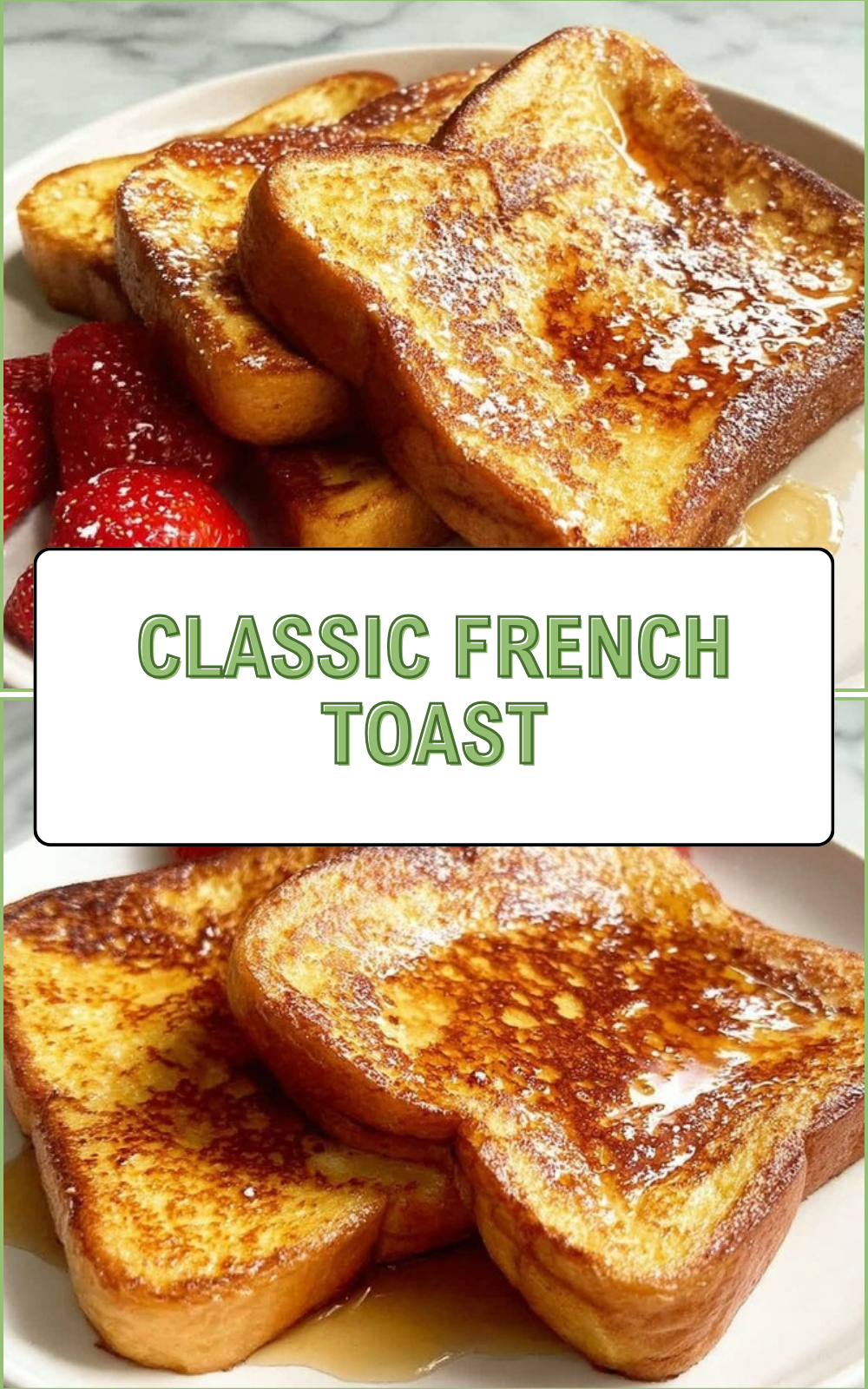
Remove the French toast from the griddle and serve immediately while still warm. Classic toppings include a dusting of powdered sugar, a drizzle of warm maple syrup, and a generous helping of fresh fruit like strawberries, blueberries, or sliced bananas. For a more indulgent breakfast, add a pat of butter on top, a dollop of whipped cream, or even a scoop of vanilla ice cream for a dessert-style brunch. For those looking for more breakfast inspiration after mastering this recipe, you might enjoy exploring other morning favorites like our protein-packed recipes for balanced meals throughout the day.

Dietary Substitutions to Customize Your Classic French Toast
Protein and Main Component Alternatives
The eggs in this easy breakfast french toast provide structure and protein, but several alternatives work well for those with egg allergies or following plant-based diets. For a vegan version, create flax eggs by combining 2 tablespoons of ground flaxseed with 6 tablespoons of water and letting it sit for 5 minutes until it becomes gelatinous. This replaces 2 eggs, so double it for the full recipe. Commercial egg replacers like Bob’s Red Mill or Ener-G also work well and are often easier to use. For those who can eat eggs but want to reduce cholesterol, use 2 whole eggs plus 4 egg whites instead of 4 whole eggs. This keeps the structure while cutting cholesterol significantly.
For the bread, the possibilities are extensive. While some wonder about bread’s health implications, the truth is that bread choices significantly impact nutrition. Whole grain bread adds fiber (the original recipe has only 0.3g per serving, but whole grain can boost that to 3-4g). Sourdough bread offers a tangy flavor and may be easier to digest. Gluten-free breads made from rice flour, almond flour, or other gluten-free grains work well for those with celiac disease or gluten sensitivity. For a low-carb option, thick slices of brioche made with almond flour or coconut flour can reduce the carbohydrate count from 26g per serving to around 5-8g.
Vegetable, Sauce, and Seasoning Modifications
The flavor profile of French toast can change dramatically with simple seasoning adjustments. While the classic combination of cinnamon and vanilla is beloved for good reason, consider these variations:
- Nutmeg and allspice: Add 1/4 teaspoon of each along with the cinnamon for a more complex, warm spice blend that’s especially nice during fall and winter.
- Cardamom: This Scandinavian spice adds an exotic, floral note. Use 1/4 teaspoon in addition to or instead of cinnamon for something different.
- Orange or lemon zest: A teaspoon of fresh citrus zest brightens the entire dish and pairs beautifully with berries.
- Almond extract: Replace half the vanilla with almond extract for a nutty, marzipan-like flavor that’s delicious with cherry or berry toppings.
For sauces, maple syrup is classic, but consider these alternatives: honey offers a different sweetness profile; fruit compote made from simmered frozen or fresh fruit with a touch of sugar provides a fresh, fruity alternative; chocolate ganache creates a dessert-style French toast perfect for special occasions; yogurt sauce made from Greek yogurt, honey, and vanilla offers a protein-packed, lower-sugar option.
Mastering Classic French Toast: Advanced Tips and Variations
Pro Cooking Techniques
The difference between good French toast and amazing French toast often comes down to technique. First, always use moderate heat – this prevents burning while ensuring the inside cooks through. Cooking “low and slow” might take a few extra minutes but produces much better results. Second, don’t flip too early. Wait until you see the edges starting to set and the bottom is genuinely golden brown, not just pale yellow. Third, let the French toast rest for about 30 seconds after removing from the griddle. This allows the custard inside to set slightly, creating a better texture. Fourth, if making a large batch for a crowd, keep cooked slices warm in a 200 degrees F oven on a wire rack over a baking sheet. This prevents them from getting soggy while you finish cooking the remaining slices.
Flavor Variations
Once you’ve mastered the basic french toast recipe, the fun really begins with creative variations:
- Stuffed French Toast: Make a sandwich with two thinner slices of bread and a layer of cream cheese, Nutella, or fruit preserves before dipping in batter.
- Orange-Pecan French Toast: Add 1 teaspoon orange zest to the batter and top with candied pecans and orange segments.
- Coconut French Toast: Use coconut milk instead of dairy milk and top with toasted coconut flakes and sliced bananas.
- Apple Spice French Toast: Add extra cinnamon plus 1/2 teaspoon apple pie spice to the batter, then serve with sauteed cinnamon apples.
- Savory French Toast: Omit the sugar and cinnamon, add herbs like chives or parsley, and top with avocado, a fried egg, or cheese for a brunch alternative.
Presentation Tips
We eat with our eyes first, and presentation makes a big difference. Stack 2-3 slices slightly offset for height and visual interest. Dust powdered sugar through a fine mesh strainer for even coverage. Add a pat of butter on top – watching it melt is part of the experience. Arrange fresh fruit around the plate in a rainbow pattern or as a colorful topping. Serve with a small pitcher of warm maple syrup on the side rather than pouring it over. A sprig of fresh mint or a light sprinkle of additional cinnamon adds a finishing touch.
Make-Ahead Options
For busy mornings, French toast can be prepared in advance in several ways:
| Method | Advance Time | Instructions |
|---|---|---|
| Batter Only | 1-2 days | Mix batter and store covered in refrigerator. Whisk before using. |
| Fully Cooked | Up to 3 months | Cook completely, cool, freeze in layers with parchment paper between. |
| Overnight Soak | Overnight (8-12 hours) | Place bread in baking dish, pour batter over, refrigerate, bake in morning. |
| Dry Mix | Several months | Combine dry ingredients (flour, sugar, salt, cinnamon) in a jar. Add wet ingredients when ready to cook. |
How to Store Classic French Toast: Best Practices
Refrigeration
Cooked French toast stores well in the refrigerator for up to 4-5 days when properly stored. Allow the French toast to cool completely on a wire rack – this prevents condensation from making it soggy. Place cooled slices in an airtight container with parchment paper between layers if you need to stack them. When ready to eat, remove from the refrigerator and reheat using your preferred method. The French toast can be eaten cold (some people enjoy it this way), but reheating brings back that fresh-off-the-griddle warmth and texture.
Freezing
Freezing is an excellent way to meal prep French toast for future quick breakfasts. After cooking, cool the French toast completely on a wire rack for about 10 minutes. Place in a freezer-safe bag or container, separating layers with parchment paper to prevent sticking. Label with the date and freeze for up to 3 months. For the best quality, use within 1-2 months, though properly frozen French toast remains safe beyond that timeframe. When you’re ready to enjoy frozen French toast, you can thaw it overnight in the refrigerator or reheat it directly from frozen using the methods below.
Reheating
Several methods work well for reheating French toast while maintaining quality:
- Skillet: Heat a buttered skillet over medium heat. Cook the French toast for 1-2 minutes per side until heated through and crispy on the outside. This method produces results closest to freshly made.
- Toaster: Pop frozen or refrigerated French toast directly into the toaster on a medium setting. One or two cycles should heat it through while creating a nice exterior crunch. This is the fastest method for busy mornings.
- Microwave: For soft, warm French toast, microwave for 20-30 seconds per slice. This method is quick but won’t provide any crispiness. Best when you’re in a hurry and don’t mind the softer texture.
- Oven: For reheating multiple servings, place on a baking sheet in a 350 degrees F oven for 8-10 minutes. This method works well when serving several people at once.
Meal Prep Considerations
French toast is perfect for meal prep because you can make a large batch on Sunday and have quick breakfasts ready all week. For efficient meal prep, cook a double or triple batch on a large griddle or in batches. Cool completely, then portion into individual servings in meal prep containers. Add fruit or other toppings in separate small containers to keep them fresh. Label each container with the date made. Refrigerate portions for the next 3-4 days and freeze the rest for later in the month. If you enjoy hearty breakfast options, our comforting soup recipes also offer great make-ahead meal options for lunch or dinner.
FAQs: Frequently Asked Questions About Classic French Toast
What bread is best for classic French toast?
For classic French toast, choose thick-sliced bread like Texas Toast, brioche, or cinnamon bread that holds up well when soaked. Slightly stale or day-old bread works best because it absorbs the batter without falling apart, leading to a crisp outside and custardy inside. Fresh bread can get soggy, so if using fresh, slice it thick (about 1-inch) and let it air-dry for an hour. Avoid thin sandwich bread. Cut slices into halves or triangles for even cooking. This simple choice makes restaurant-quality French toast at home in under 15 minutes. Pro tip: Toast lightly first for extra crunch. Serves 4 with 8 slices. (78 words)
Why add flour to French toast batter?
Adding 2-3 tablespoons of flour to your classic French toast batter creates a thicker consistency that coats the bread evenly, resulting in fluffier, more tender slices with a golden crust. It acts like a light pancake batter, trapping air bubbles for that perfect rise during cooking. Without it, the mixture is too thin and runny, making the toast soggy. Whisk it in with eggs, milk, sugar, vanilla, and cinnamon for best results. This trick, used by diners and home cooks, elevates texture without extra effort. Test it side-by-side next time—your family will notice the difference. Batter makes enough for 8 slices. (92 words)
What kind of milk works for French toast?
Any milk works in classic French toast recipes, including whole milk, 2%, skim, or dairy-free options like almond, oat, or coconut milk. Whole milk or half-and-half (1 cup milk + 2 tbsp cream) gives the creamiest, richest batter for custardy results. Plant-based milks are great for vegan versions—just pick unsweetened to avoid extra sweetness. Use 1 cup per 4 eggs. Heat the milk slightly before mixing for smoother batter. This flexibility serves dietary needs without sacrificing flavor. Quick test: Dairy milk browns better on the griddle at medium heat. Always yields fluffy toast for 4 servings. (98 words)
Can you make French toast batter ahead of time?
Yes, prepare classic French toast batter up to 1-2 days in advance. Whisk eggs, milk, flour, sugar, vanilla, cinnamon, and salt in a bowl, then store covered in the fridge. Use fresh ingredients to avoid spoilage—shake before dipping bread. This saves morning prep time for busy breakfasts. For best results, don’t exceed 48 hours, as eggs can separate. Dip and cook as usual on a buttered skillet at medium heat, 2-3 minutes per side. Makes enough for 8-10 slices. Pair with fresh berries for a complete meal ready in minutes. Freezes well too for weekly meal prep. (96 words)
How do you freeze and reheat French toast?
Freeze classic French toast for up to 3 months: Cook slices, cool completely on a wire rack (10 minutes), then layer in a freezer bag with parchment paper between stacks to prevent sticking. Label with date. Thaw overnight in fridge or reheat directly. Best methods: Skillet over medium heat with butter (1-2 minutes per side for crispiness), toaster on medium (1-2 cycles), or microwave 20-30 seconds per slice (add syrup after). Avoid oven unless baking a batch. This preserves flavor and texture—great for make-ahead brunches. Yields 8 portions; kids love it straight from freezer. (94 words)
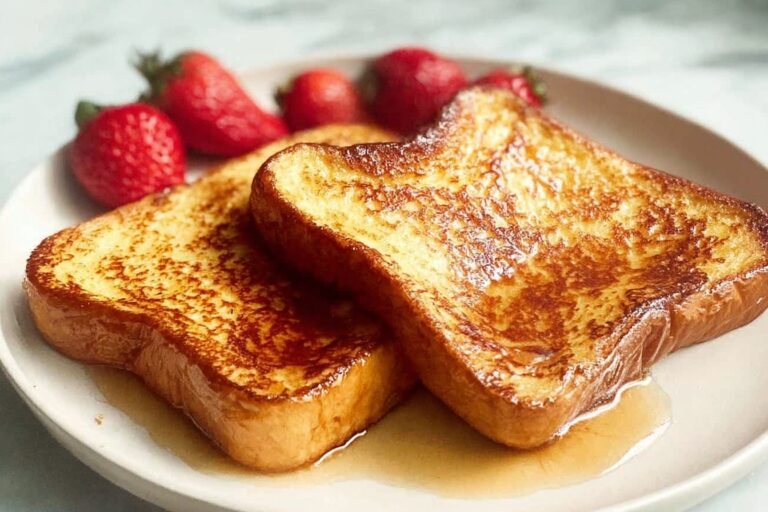
Classic French Toast
🥞 Fluffy custardy French toast with cinnamon-vanilla batter—breakfast perfection.
🍞 15-minute easy classic; flour trick yields extra thick, restaurant-style slices.
- Total Time: 15 minutes
- Yield: 8 servings
Ingredients
– 4 large eggs
– 2/3 cup milk
– 1/4 cup flour
– 1/4 cup sugar
– 1/4 teaspoon salt
– 1 teaspoon cinnamon
– 1 teaspoon vanilla extract
– 8 thick slices of bread
Instructions
1-Step 1: Prepare Your Cooking Surface Start by preheating your griddle to 350 degrees F or heating a large skillet over medium heat. Getting the temperature right is crucial – too hot and the outside burns before the inside cooks through; too cool and the French toast becomes soggy rather than developing that desirable golden crust. If using an electric griddle, 350 degrees F is the sweet spot. For stovetop cooking, medium heat allows for even browning without burning. While the cooking surface heats up, lightly grease it with butter, oil, or cooking spray. Butter adds wonderful flavor but needs careful attention since it can brown quickly. For beginners, a neutral oil or cooking spray might be easier to manage.
2-Step 2: Mix the Batter In a blender, combine the eggs, milk, flour, sugar, salt, cinnamon, and vanilla extract. Blend until completely smooth, about 15-20 seconds. The blender method ensures no lumps and creates a perfectly homogeneous batter that coats the bread evenly. If you don’t have a blender or prefer mixing by hand, that works perfectly well too. Use a shallow dish or pie plate for easy dipping. Start by whisking together the flour and eggs first, creating a smooth paste with no lumps. Then gradually whisk in the milk, followed by the sugar, salt, cinnamon, and vanilla. The key is eliminating any flour lumps before adding the liquid ingredients. A wire whisk makes this job much easier and faster.
3-Step 3: Prepare the Bread While the batter comes together beautifully, take a moment to prepare your bread. Thick slices work best – aim for about 3/4 to 1 inch thick. Interestingly, slightly stale bread or bread that’s a few days old works better than fresh bread. Why? Fresh bread tends to absorb too much liquid and can become soggy, while day-old bread has lost some moisture and maintains its structure better during the dipping and cooking process. If you only have fresh bread, you can slice it thick and let it air-dry on the counter for about an hour before making French toast. Bread choices like cinnamon swirl, brioche, or challah add extra flavor and richness. Brioche, in particular, creates an almost dessert-like French toast thanks to its buttery, tender crumb.
4-Step 4: Dip the Bread Slices Pour the batter into a shallow dish if you haven’t already. Working one slice at a time, dip each piece of bread into the batter. You want to coat both sides thoroughly, but don’t let the bread soak for too long. A quick dip on each side – about 3-5 seconds per side for thick bread, less for thinner slices – is perfect. The bread should be well-coated but not falling apart. Lift each slice and let excess batter drip off for a moment before transferring to the hot griddle. This prevents the batter from pooling around the bread and creating an uneven coating.
5-Step 5: Cook to Golden Perfection Place the dipped bread slices on the hot, greased griddle or skillet. Don’t overcrowd the pan – leave enough space between slices to easily flip them. Cook until the bottom is golden brown, typically 2-4 minutes depending on your heat level and bread thickness. You’ll know it’s ready to flip when you peek underneath and see a beautiful golden color. The edges should also start to look set. Carefully slide your spatula underneath and flip each slice. Cook the second side until equally golden brown, another 2-4 minutes. The total cooking time should be around 5-10 minutes depending on the thickness of your bread and your desired level of crispiness.
6-Step 6: Serve Warm Remove the French toast from the griddle and serve immediately while still warm. Classic toppings include a dusting of powdered sugar, a drizzle of warm maple syrup, and a generous helping of fresh fruit like strawberries, blueberries, or sliced bananas. For a more indulgent breakfast, add a pat of butter on top, a dollop of whipped cream, or even a scoop of vanilla ice cream for a dessert-style brunch. For those looking for more breakfast inspiration after mastering this recipe, you might enjoy exploring other morning favorites like our protein-packed recipes for balanced meals throughout the day.
Last Step:
Please leave a rating and comment letting us know how you liked this recipe! This helps our business to thrive and continue providing free, high-quality recipes for you.Notes
🥖 Use stale bread to avoid sogginess.
🥛 Whole milk or cream for richer batter.
🔥 Cook low-medium heat for even golden crust.
- Prep Time: 5 minutes
- Cook Time: 10 minutes
- Category: Breakfast
- Method: Griddle
- Cuisine: American
- Diet: Vegetarian
Nutrition
- Serving Size: 1 slice
- Calories: 167 kcal
- Sugar: 7 g
- Sodium: 121 mg
- Fat: 4 g
- Saturated Fat: 1 g
- Unsaturated Fat: 3 g
- Trans Fat: 0 g
- Carbohydrates: 26 g
- Fiber: 0.3 g
- Protein: 7 g
- Cholesterol: 95 mg