Why You’ll Love This Mapo Tofu
If you’ve ever wondered how to recreate that restaurant-quality Sichuan experience right in your own kitchen, this Mapo Tofu recipe authentic Sichuan classic is about to become your new go-to dish. This beloved Chinese staple delivers big flavors with surprisingly simple techniques, making it perfect for home cooks of all skill levels.
Here’s why this authentic Sichuan Mapo Tofu deserves a spot in your weekly dinner rotation:
- Ease of preparation: With just 10 minutes of prep time and 25 minutes on the stove, you can have a restaurant-worthy Mapo Tofu on the table in under 35 minutes. The process is straightforward, and most of the cooking happens in one wok, meaning less cleanup after dinner.
- Health benefits: Silken tofu brings plant-based protein and calcium to every bowl, while the ginger and garlic offer immune-supporting properties. At just 335 calories per serving with 11 grams of protein, this dish satisfies without weighing you down. Tofu benefits extend beyond nutrition it’s also incredibly affordable and versatile.
- Versatility: Whether you prefer mild heat or want to challenge your spice tolerance, this classic Sichuan Mapo Tofu recipe adapts beautifully. You can easily swap the ground pork for plant-based alternatives or adjust the Sichuan peppercorns to control the signature numbing sensation.
- Distinctive flavor: What makes authentic Mapo Tofu truly special is the “ma la” experience a harmonious blend of numbing (ma) and spicy (la) sensations that dance across your palate. The silky tofu contrasts beautifully with the rich, savory sauce, creating a dish that’s both comforting and exciting.
“The first time I made this dish at home, my family couldn’t believe it came from our own kitchen it tastes just like our favorite Sichuan restaurant!”
Jump to:
- Why You’ll Love This Mapo Tofu
- Essential Ingredients for Mapo Tofu
- Main Ingredients
- Special Dietary Options
- How to Prepare the Perfect Mapo Tofu: Step-by-Step Guide
- Step 1: Prepare Your Ingredients (Mise en Place)
- Step 2: Create the Chili-Infused Oil
- Step 3: Build the Aromatic Base
- Step 4: Cook the Ground Pork
- Step 5: Add the Signature Spices
- Step 6: Create the Sauce
- Step 7: Thicken the Sauce
- Step 8: Add the Tofu
- Step 9: Final Seasonings and Finish
- Step 10: Serve Your Mapo Tofu
- Dietary Substitutions to Customize Your Mapo Tofu
- Protein and Main Component Alternatives
- Vegetable, Sauce, and Seasoning Modifications
- Mastering Mapo Tofu: Advanced Tips and Variations
- Pro Cooking Techniques
- Flavor Variations
- Presentation Tips
- Make-Ahead Options
- How to Store Mapo Tofu: Best Practices
- Refrigeration
- Freezing
- Reheating
- Meal Prep Considerations
- FAQs: Frequently Asked Questions About Mapo Tofu
- What is mapo tofu?
- What are the key ingredients for authentic mapo tofu?
- How do you make mapo tofu step by step?
- How can I control the spice and numbing in mapo tofu?
- Can I make vegetarian mapo tofu and how does it store?
- Mapo Tofu
- Ingredients
- Instructions
- Last Step:
- Notes
- Nutrition
- Did you make this recipe?
Essential Ingredients for Mapo Tofu
Creating an authentic Sichuan Mapo Tofu recipe requires a thoughtful collection of ingredients that work together to build those signature layers of flavor. Here’s everything you’ll need to bring this classic dish to life in your kitchen.
Main Ingredients
- ½ cup oil, divided Used in two stages: first for infusing with chili flavor, then for sautéing aromatics. The quality of oil matters for the final taste.
- 1-2 fresh Thai bird chili peppers, thinly sliced These bring fresh, sharp heat and vibrant color to the finished dish. Adjust quantity based on your spice tolerance.
- 6-8 dried chili peppers, roughly chopped Dried chilies release their flavor slowly into the oil, creating a complex chili base that defines Sichuan Mapo Tofu.
- ½ to 1½ tablespoons ground Sichuan peppercorns, with ¼ teaspoon reserved for garnish The star ingredient creating the famous numbing sensation. Use ½ to 1 teaspoon for milder flavor if you’re new to this spice.
- 3 tablespoons finely minced ginger Adds warmth and aromatic depth while cutting through the richness of the pork.
- 3 tablespoons finely minced garlic Essential aromatics that form the flavor backbone of this dish. Don’t skimp on the garlic!
- 8 ounces ground pork Provides richness and texture contrast to the silky tofu. The rendered fat helps carry the spices throughout the sauce.
- 1-2 tablespoons spicy bean sauce (doubanjiang) This fermented bean paste is absolutely essential for authentic Mapo Tofu. It provides umami depth, saltiness, and characteristic red color.
- ⅔ cup low sodium chicken broth or water Forms the sauce base that coats every cube of tofu. Broth adds more flavor, but water works in a pinch.
- 1 pound silken tofu, cut into 1-inch cubes The tender, delicate tofu is what gives this dish its signature texture. Handle gently to keep cubes intact.
- ¼ cup water (for slurry) Mixed with cornstarch to create the thickening agent for the sauce.
- 1½ teaspoons cornstarch Thickens the sauce so it clings beautifully to the tofu and pork.
- ¼ teaspoon sesame oil (optional) Adds a nutty finish and aromatic lift at the end of cooking.
- ¼ teaspoon sugar (optional) Helps balance the salty and spicy elements for a more rounded flavor profile.
- 1 scallion, finely chopped Fresh garnish that adds color and a mild onion flavor to brighten the rich dish.
Special Dietary Options
| Dietary Need | Substitution |
|---|---|
| Vegan | Replace ground pork with crumbled tempeh, finely chopped mushrooms, or plant-based meat alternative. Use vegetable broth instead of chicken broth. |
| Gluten-free | Check your spicy bean sauce label some contain wheat. Use tamari-based alternatives or make your own bean paste. |
| Low-calorie | Reduce oil to 3 tablespoons total, use lean ground pork or ground chicken breast, and increase vegetables. |
| Low-sodium | Use low-sodium chicken broth, reduce spicy bean sauce to 1 tablespoon, and omit added salt. |
Sichuan peppercorns health benefits go beyond just their unique flavor they’ve been used in traditional Chinese medicine for centuries and may offer digestive and anti-inflammatory properties.
How to Prepare the Perfect Mapo Tofu: Step-by-Step Guide
Making Mapo Tofu at home is easier than you might think. The key lies in proper preparation and understanding the timing of each ingredient. Follow these detailed steps, and you’ll have a restaurant-quality dish that rivals any Sichuan kitchen.
Step 1: Prepare Your Ingredients (Mise en Place)
Before you turn on the stove, prep everything. This Mapo Tofu recipe authentic Sichuan classic moves quickly once cooking begins, so having ingredients ready is crucial. Cube the silken tofu into 1-inch pieces and set aside in a bowl. Mince the ginger and garlic finely uneven pieces will cook at different rates. Slice the fresh Thai chilies and roughly chop the dried chilies. Measure out all your seasonings and have them within arm’s reach of your wok.
Step 2: Create the Chili-Infused Oil
In a wok or large skillet, heat ¼ cup of the oil over low heat. Add the fresh Thai bird chili peppers and the dried chili peppers. Toast them gently for about 5 minutes, stirring occasionally, until they become fragrant. Watch carefully you want the chilies to release their flavor into the oil without burning, which would make the oil bitter.
Once fragrant, remove the wok from heat and carefully strain the oil, reserving both the chili-infused oil and the toasted peppers separately. Set aside. This infused oil is what gives authentic Sichuan Mapo Tofu its distinctive red hue and complex chili flavor.
Step 3: Build the Aromatic Base
Wipe out your wok and return it to medium heat. Add the remaining ¼ cup of oil. Once the oil shimmers, add the minced ginger first. Cook for 1 minute, stirring constantly, until fragrant. Then add the minced garlic and cook for an additional minute. The ginger goes in first because it takes slightly longer to release its flavor and can handle the initial heat, while garlic burns more easily.
Pro tip: Never add garlic to cold oil. Always let your oil heat up first this prevents the garlic from absorbing too much oil and becoming greasy.
Step 4: Cook the Ground Pork
Increase the heat to high. Add the ground pork to the wok, breaking it up with a spatula or wooden spoon. Cook thoroughly, about 3-4 minutes, until the pork is browned and cooked through. The pork should develop some crispy, golden-brown bits these add wonderful texture to the final Mapo Tofu.
Don’t drain the rendered fat from the pork. This fat carries flavor and helps distribute the spices throughout the dish. If your pork is very fatty and releases a lot of oil, you can spoon off a little, but leave most of it in the pan.
Step 5: Add the Signature Spices
With the pork cooked through, add the ground Sichuan peppercorns (remember to save ¼ teaspoon for garnish). Stir constantly for 15-30 seconds just enough to toast the peppercorns and release their citrusy, numbing oils. Be careful not to burn them, as they’ll become bitter. The aroma at this stage should be incredibly fragrant and slightly tingly if you breathe it in.
Next, add the spicy bean sauce (doubanjiang). Stir well to coat the pork and combine with the aromatics. The sauce will darken slightly and become very fragrant this is the heart of authentic Mapo Tofu. Cook for another 30 seconds to bloom the spices in the sauce.
Step 6: Create the Sauce
Pour in the low-sodium chicken broth (or water). Bring the mixture to a simmer and cook for 1 minute. The liquid will start to take on the reddish-brown color of the bean paste and the flavors will begin to meld together.
While the sauce simmers, mix the cornstarch with the ¼ cup of water in a small bowl until smooth. This slurry will thicken the sauce so it clings to the tofu rather than pooling at the bottom of the bowl.
Step 7: Thicken the Sauce
Give the cornstarch mixture a quick stir (cornstarch settles quickly), then pour it into the simmering sauce while stirring constantly. The sauce will thicken almost immediately. If it becomes too thick or pasty, add a splash more broth or water to loosen it. You want a consistency that coats the back of a spoon but still flows easily.
Now add the chili oil that you prepared earlier the one infused with the toasted peppers. If your chilies were salted, use only the oil. This adds another layer of chili flavor and that beautiful red color to your classic Sichuan Mapo Tofu recipe.
Step 8: Add the Tofu
This is the delicate part. Gently slide the cubed silken tofu into the wok. Use a scooping motion with your spatula or spoon to coat the tofu with sauce, rather than stirring vigorously. Silken tofu is fragile and will break apart if handled roughly though a few broken pieces won’t ruin the dish.
Let the tofu cook in the sauce for 3-5 minutes. This allows the tofu to absorb some of the flavors while heating through. The sauce should gently bubble around the tofu cubes, coating them in that signature glossy, spicy glaze.
Step 9: Final Seasonings and Finish
If using, stir in the sesame oil and sugar. These aren’t strictly traditional but many home cooks find they help balance the intense flavors. Add the chopped scallions and stir gently just until they wilt slightly about 30 seconds.
Step 10: Serve Your Mapo Tofu
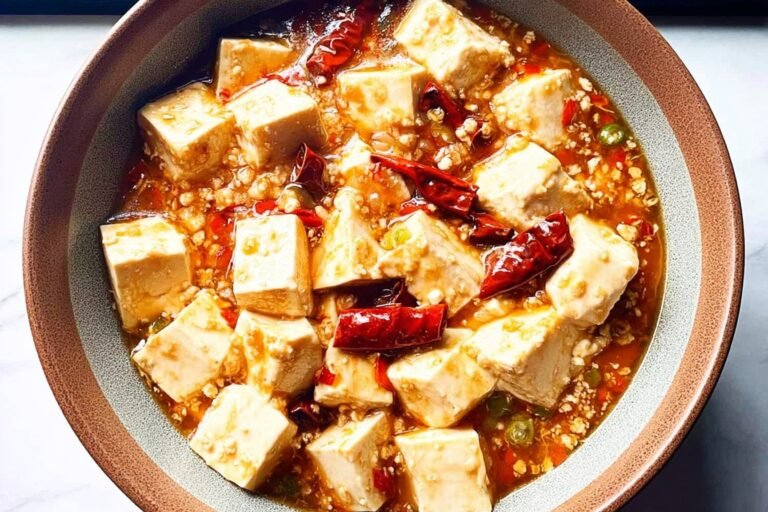
Transfer the Mapo Tofu to a serving bowl. Sprinkle the reserved ¼ teaspoon of ground Sichuan peppercorns over the top for an extra pop of numbing flavor and visual appeal. Serve immediately over steamed white rice, which helps balance the heat and soaks up the delicious sauce.
For a complete meal, consider pairing this spicy main dish with something cooling and sweet for dessert. A creamy homemade strawberry milkshake makes a refreshing finish that helps tame the heat.

Dietary Substitutions to Customize Your Mapo Tofu
One of the beautiful things about this authentic Sichuan Mapo Tofu recipe is how adaptable it is. Whether you’re cooking for vegetarians, watching your sodium, or simply working with what’s in your pantry, here are some smart substitutions that maintain the spirit of the dish.
Protein and Main Component Alternatives
The ground pork in Mapo Tofu serves two purposes: it adds richness through rendered fat and provides textural contrast to the silky tofu. If you need a substitute, consider these options:
- Ground chicken or turkey: Leaner than pork but still provides that meaty element. You may need to add an extra tablespoon of oil since poultry releases less fat.
- Ground beef: Works well but changes the flavor profile slightly. Use lean ground beef and drain excess fat if needed.
- Mushrooms: Finely chopped shiitake or cremini mushrooms make an excellent vegetarian substitute. Their umami richness mimics the savory depth of pork.
- Tempeh: Crumbled tempeh provides a hearty texture and nutty flavor. Press it first to remove excess moisture, then sauté until slightly crispy.
- Plant-based meat: Modern plant-based ground meats work surprisingly well in this dish. Follow the same cooking instructions as pork.
Vegetable, Sauce, and Seasoning Modifications
The sauce is where Sichuan Mapo Tofu gets its personality, but that doesn’t mean you can’t make adjustments based on dietary needs or preferences:
- Gluten-free adaptations: Traditional doubanjiang (spicy bean paste) sometimes contains wheat. Look for gluten-free versions at Asian markets or substitute with a mixture of gluten-free gochujang and a dash of fermented black beans.
- Lower sodium options: Use low-sodium broth, reduce the bean paste to 1 tablespoon, and add a splash of rice vinegar to boost flavor without extra salt.
- Extra vegetables: While not traditional, adding sliced bell peppers, snow peas, or baby corn can bulk up the dish and add nutritional variety. Add them with the broth so they cook through properly.
- Tofu alternatives: If silken tofu isn’t available, soft tofu works similarly. Firm tofu will hold its shape better but won’t provide that signature melt-in-your-mouth texture.
Remember, the soul of authentic Mapo Tofu lies in the balance of numbing Sichuan peppercorns, spicy chilies, and savory bean paste. As long as you maintain that trinity, your substitutions will still result in a delicious meal.
Mastering Mapo Tofu: Advanced Tips and Variations
Ready to take your Mapo Tofu skills to the next level? These pro techniques and creative variations will help you perfect this classic dish and keep it exciting for repeat meals.
Pro Cooking Techniques
- Source quality Sichuan peppercorns: Look for ones that are rust-red in color with open husks these are the outer shells you want. Discard any shiny black seeds, which are bitter and gritty. Fresh peppercorns have a strong, citrusy aroma that tickles your nose.
- Toast with patience: When infusing oil with chilies, low and slow is the way to go. Rushing this step or using high heat will burn the chilies and create a bitter, acrid flavor that ruins the dish.
- Master the slurry technique: Always mix cornstarch with cold water just before using. Add it to the simmering sauce in a thin stream while stirring constantly for the smoothest consistency.
- Handle tofu like gold: Silken tofu is incredibly delicate. Use a gentle hand when adding it to the wok, and use folding motions rather than stirring to keep the cubes intact.
Flavor Variations
Once you’ve mastered the classic Mapo Tofu recipe authentic Sichuan style, try these creative twists:
- Extra numbing version: Increase the Sichuan peppercorns to 1½ tablespoons, and add another ½ teaspoon as garnish. This creates an intense “ma” sensation for true spice enthusiasts.
- Milder family version: Reduce Sichuan peppercorns to ½ teaspoon, use only 1 tablespoon of bean paste, and skip the fresh Thai chilies. You’ll still get the flavor profile without overwhelming heat.
- Seafood twist: Add small shrimp or pieces of fish along with the tofu for a surf-and-turf variation popular in some regions of China.
- Mapo noodles: Serve the finished dish over wide rice noodles or hand-pulled wheat noodles instead of rice for a fun textural change.
Presentation Tips
We eat with our eyes first, and authentic Sichuan Mapo Tofu should look as vibrant as it tastes:
- Serve in a shallow bowl rather than a deep one to showcase the glossy red sauce.
- The reserved peppercorn garnish isn’t just for looks it adds a fresh burst of numbing flavor with each bite.
- A small handful of fresh cilantro or additional sliced scallions adds a pop of green that contrasts beautifully with the red sauce.
- For a restaurant-style presentation, serve in a small clay pot that keeps the dish piping hot at the table.
Make-Ahead Options
For busy weeknights, prep components of your Mapo Tofu in advance:
- Chili oil: Make a larger batch of the infused chili oil and store it in a clean jar in the refrigerator for up to a month. Use it for this recipe and other stir-fries.
- Aromatic base: Pre-mince ginger and garlic and store in small containers in the refrigerator for 2-3 days.
- Full dish: While best served fresh, you can cook the entire dish (minus tofu) ahead, refrigerate, and add tofu when reheating.
After mastering this savory main, why not try your hand at a classic American dessert? This easy peach cobbler recipe makes a wonderful sweet finish to your Sichuan feast.
How to Store Mapo Tofu: Best Practices
If you find yourself with leftovers of this delicious classic Sichuan Mapo Tofu recipe, proper storage will keep it tasting great for your next meal. Here’s how to handle your leftovers like a pro.
Refrigeration
Transfer cooled Mapo Tofu to an airtight container and store in the refrigerator for up to 3 days. The flavors actually develop and intensify overnight, making day-two leftovers even more delicious than the fresh dish. The tofu will absorb more of the spiced sauce, creating deeper flavor throughout.
One note: the texture of silken tofu softens over time in liquid, so leftover tofu will be more delicate than when freshly made. This doesn’t affect the taste just handle it gently when reheating.
Freezing
While you can freeze Mapo Tofu for up to 1 month, it’s not ideal. The texture of the tofu changes significantly after freezing, becoming slightly spongy and weeping liquid when thawed. If you must freeze it, use a freezer-safe container with minimal headspace, and expect some textural changes upon reheating.
For best results, freeze just the sauce and pork mixture without the tofu, then add fresh tofu when you reheat and serve.
Reheating
The best way to reheat authentic Mapo Tofu is gently on the stovetop:
- Place the leftovers in a wok or skillet over medium-low heat.
- Add a splash of water or broth to loosen the sauce.
- Heat gently, folding the mixture occasionally, until warmed through.
- Taste and adjust seasonings if needed a pinch more sugar or a drop of sesame oil can refresh the flavors.
You can also microwave in 30-second intervals, stirring between each, until hot. Stir gently to avoid breaking up the tofu further.
Meal Prep Considerations
For meal prep purposes, consider storing components separately:
- Keep the sauce and pork mixture in one container.
- Store cubed tofu in a separate container with a little water to keep it fresh.
- Cook fresh rice when ready to serve, or portion cooked rice separately for reheating.
This approach gives you the freshest possible Mapo Tofu even when meal prepping, with better texture than storing everything together.
FAQs: Frequently Asked Questions About Mapo Tofu
What is mapo tofu?
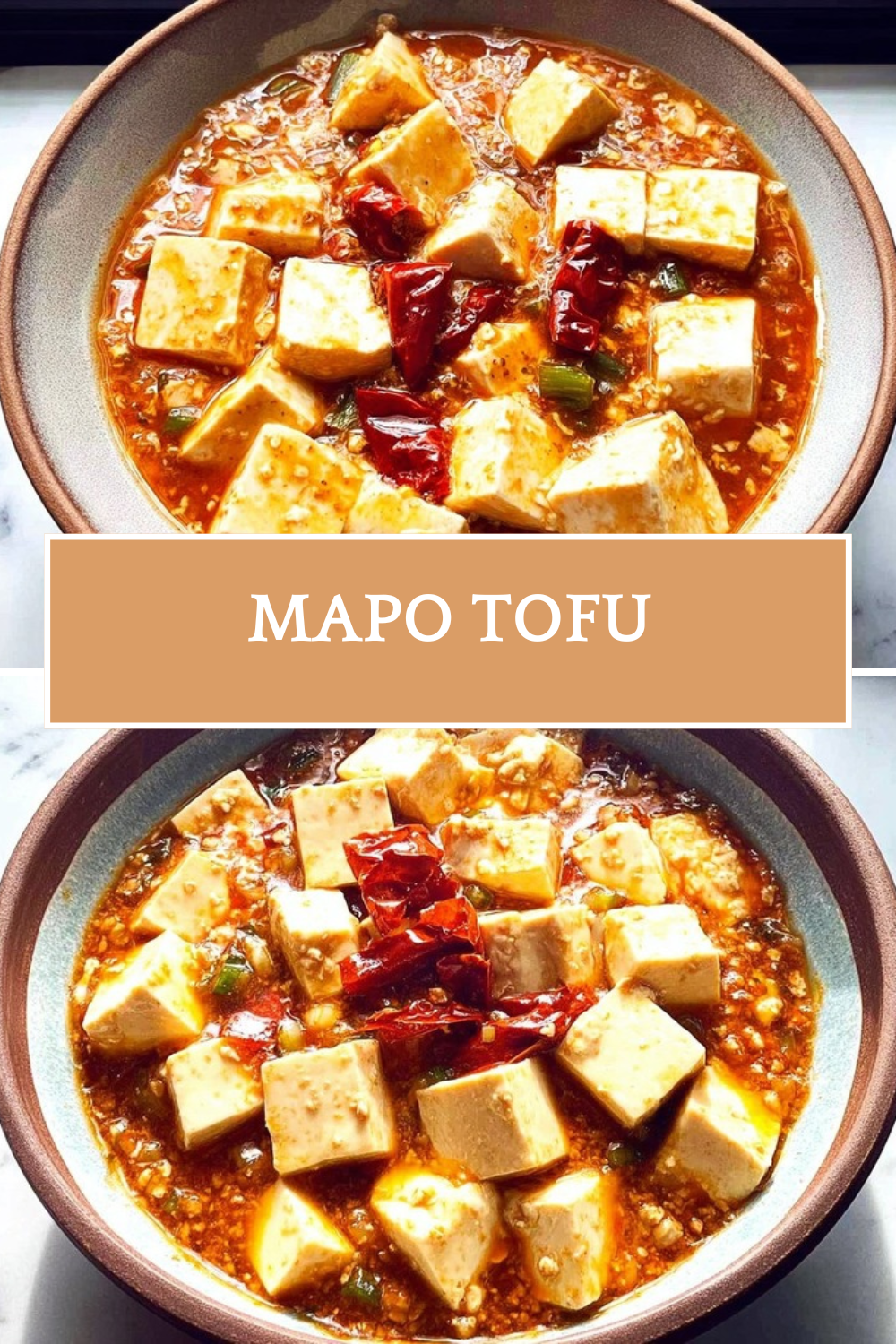
Mapo tofu is a classic Sichuan Chinese dish featuring soft silken tofu cubes in a rich, spicy sauce made with ground pork, fermented bean paste (doubanjiang), and Sichuan peppercorns. Originating from Chengdu, it gets its name from “ma” (numbing) and “po” (pockmarked, referring to the cook’s face). The signature flavors are fiery heat from chilies, a citrusy tingle from peppercorns, and savory umami. It’s quick to prepare in under 30 minutes and serves 4 as a main with rice. For authenticity, use fermented black beans and chili oil. This dish balances textures: silky tofu against crispy pork bits. Popular worldwide, it’s adjustable for spice levels—start mild for beginners. Pair with steamed rice or noodles to soak up the sauce. (92 words)
What are the key ingredients for authentic mapo tofu?
Essential ingredients for authentic mapo tofu include silken tofu (soft, not firm), doubanjiang (Sichuan spicy bean paste) for fermented depth, ground pork for richness, Sichuan peppercorns for numbing sensation, garlic, ginger, scallions, and chili oil. Non-negotiables are doubanjiang and peppercorns—they define the “ma la” (numbing hot) profile. Use chicken stock for sauce base, cornstarch slurry to thicken, and a touch of sugar for balance. Optional: fermented black beans add extra funk. Measure 14 oz tofu, 1/4 cup doubanjiang, 1 tsp ground peppercorns, 8 oz pork. Source quality doubanjiang from Asian markets to avoid bland results. Sub ground chicken for pork if preferred, but pork yields best fat for sauce. (112 words)
How do you make mapo tofu step by step?
Start by pressing and cubing 14 oz silken tofu into 1-inch pieces. Toast 1 tsp Sichuan peppercorns and grind half; set aside. Heat 2 tbsp oil, fry 3 minced garlic cloves and 1 tbsp ginger, add 8 oz ground pork, cook until browned. Stir in 1/4 cup doubanjiang, 1 tbsp fermented black beans, cook 2 minutes. Add 1 cup chicken stock, simmer tofu 5 minutes. Thicken with 1 tsp cornstarch in 2 tbsp water. Finish with 1 tsp ground peppercorns, 1 tsp sesame oil, 1 tsp sugar, and chopped scallions. Garnish with peppercorn powder. Serve hot over rice. Total time: 25 minutes. Tip: Add tofu last to prevent breaking. (118 words)
How can I control the spice and numbing in mapo tofu?
Sichuan peppercorns cause the numbing “ma” sensation—use 1/2 tsp ground for mild, 1-2 tsp for bold. Buy fresh, seedless ones; toast lightly without burning to avoid bitterness. Add post-pork cooking. For heat, adjust doubanjiang (1/4 cup standard) or chili oil (1-2 tbsp). Taste sauce before adding tofu; if too mild, stir in peppercorn powder after plating. Reduce chilies if sensitive. Freshness matters—stale peppercorns lose potency. Common fix for overload: dilute with extra stock or tofu. Test strength by chewing one corns pre-cooking. This keeps the dish balanced, preventing overwhelming bitterness. Customize per palate for repeat enjoyment. (104 words)
Can I make vegetarian mapo tofu and how does it store?
Yes, swap ground pork for crumbled tempeh, mushrooms, or plant-based meat for vegetarian mapo tofu—sauté until crisp for texture. Use vegetable broth instead of chicken stock. It retains full “ma la” flavor with same doubanjiang and peppercorns. Stores in airtight container up to 3 days in fridge; reheat gently on stovetop with splash of water to loosen sauce—microwave works but stir often to avoid tofu mush. Freezes 1 month; thaw overnight, reheat similarly. Avoid overcooking tofu initially for best leftovers. Nutrition per serving: ~300 calories, high protein from tofu. Great meal prep—spiciness intensifies day 2. Link to full vegan recipe for variations. (108 words)
Mapo Tofu
🌶️ Authentic mapo tofu delivers mala numbing-spicy bliss with silky tofu in fiery pork sauce.
🍲 35-minute Sichuan classic; bold flavors coat rice perfectly for heat lovers.
- Total Time: 35 minutes
- Yield: 4 servings
Ingredients
– ½ cup oil, divided
– 1-2 fresh Thai bird chili peppers, thinly sliced
– 6-8 dried chili peppers, roughly chopped
– ½ to 1½ tablespoons ground Sichuan peppercorns, with ¼ teaspoon reserved for garnish
– 3 tablespoons finely minced ginger
– 3 tablespoons finely minced garlic
– 8 ounces ground pork
– 1-2 tablespoons spicy bean sauce (doubanjiang)
– ⅔ cup low sodium chicken broth or water
– 1 pound silken tofu, cut into 1-inch cubes
– ¼ cup water (for slurry)
– 1½ teaspoons cornstarch
– ¼ teaspoon sesame oil (optional)
– ¼ teaspoon sugar (optional)
– 1 scallion, finely chopped
Instructions
1-Step 1: Prepare Your Ingredients (Mise en Place) Before you turn on the stove, prep everything. This Mapo Tofu recipe authentic Sichuan classic moves quickly once cooking begins, so having ingredients ready is crucial. Cube the silken tofu into 1-inch pieces and set aside in a bowl. Mince the ginger and garlic finely uneven pieces will cook at different rates. Slice the fresh Thai chilies and roughly chop the dried chilies. Measure out all your seasonings and have them within arm’s reach of your wok.
2-Step 2: Create the Chili-Infused Oil In a wok or large skillet, heat ¼ cup of the oil over low heat. Add the fresh Thai bird chili peppers and the dried chili peppers. Toast them gently for about 5 minutes, stirring occasionally, until they become fragrant. Watch carefully you want the chilies to release their flavor into the oil without burning, which would make the oil bitter. Once fragrant, remove the wok from heat and carefully strain the oil, reserving both the chili-infused oil and the toasted peppers separately. Set aside. This infused oil is what gives authentic Sichuan Mapo Tofu its distinctive red hue and complex chili flavor.
3-Step 3: Build the Aromatic Base Wipe out your wok and return it to medium heat. Add the remaining ¼ cup of oil. Once the oil shimmers, add the minced ginger first. Cook for 1 minute, stirring constantly, until fragrant. Then add the minced garlic and cook for an additional minute. The ginger goes in first because it takes slightly longer to release its flavor and can handle the initial heat, while garlic burns more easily.
4-Step 4: Cook the Ground Pork Increase the heat to high. Add the ground pork to the wok, breaking it up with a spatula or wooden spoon. Cook thoroughly, about 3-4 minutes, until the pork is browned and cooked through. The pork should develop some crispy, golden-brown bits these add wonderful texture to the final Mapo Tofu. Don’t drain the rendered fat from the pork. This fat carries flavor and helps distribute the spices throughout the dish. If your pork is very fatty and releases a lot of oil, you can spoon off a little, but leave most of it in the pan.
5-Step 5: Add the Signature Spices With the pork cooked through, add the ground Sichuan peppercorns (remember to save ¼ teaspoon for garnish). Stir constantly for 15-30 seconds just enough to toast the peppercorns and release their citrusy, numbing oils. Be careful not to burn them, as they’ll become bitter. The aroma at this stage should be incredibly fragrant and slightly tingly if you breathe it in. Next, add the spicy bean sauce (doubanjiang). Stir well to coat the pork and combine with the aromatics. The sauce will darken slightly and become very fragrant this is the heart of authentic Mapo Tofu. Cook for another 30 seconds to bloom the spices in the sauce.
6-Step 6: Create the Sauce Pour in the low-sodium chicken broth (or water). Bring the mixture to a simmer and cook for 1 minute. The liquid will start to take on the reddish-brown color of the bean paste and the flavors will begin to meld together. While the sauce simmers, mix the cornstarch with the ¼ cup of water in a small bowl until smooth. This slurry will thicken the sauce so it clings to the tofu rather than pooling at the bottom of the bowl.
7-Step 7: Thicken the Sauce Give the cornstarch mixture a quick stir (cornstarch settles quickly), then pour it into the simmering sauce while stirring constantly. The sauce will thicken almost immediately. If it becomes too thick or pasty, add a splash more broth or water to loosen it. You want a consistency that coats the back of a spoon but still flows easily. Now add the chili oil that you prepared earlier the one infused with the toasted peppers. If your chilies were salted, use only the oil. This adds another layer of chili flavor and that beautiful red color to your classic Sichuan Mapo Tofu recipe.
8-Step 8: Add the Tofu This is the delicate part. Gently slide the cubed silken tofu into the wok. Use a scooping motion with your spatula or spoon to coat the tofu with sauce, rather than stirring vigorously. Silken tofu is fragile and will break apart if handled roughly though a few broken pieces won’t ruin the dish. Let the tofu cook in the sauce for 3-5 minutes. This allows the tofu to absorb some of the flavors while heating through. The sauce should gently bubble around the tofu cubes, coating them in that signature glossy, spicy glaze.
9-Step 9: Final Seasonings and Finish If using, stir in the sesame oil and sugar. These aren’t strictly traditional but many home cooks find they help balance the intense flavors. Add the chopped scallions and stir gently just until they wilt slightly about 30 seconds.
10-Step 10: Serve Your Mapo Tofu Transfer the Mapo Tofu to a serving bowl. Sprinkle the reserved ¼ teaspoon of ground Sichuan peppercorns over the top for an extra pop of numbing flavor and visual appeal. Serve immediately over steamed white rice, which helps balance the heat and soaks up the delicious sauce.
Last Step:
Please leave a rating and comment letting us know how you liked this recipe! This helps our business to thrive and continue providing free, high-quality recipes for you.Notes
🌶️ Use husks only from fresh Sichuan peppercorns; add post-pork to avoid bitterness.
⚙️ Mise en place all ingredients—wok cooking is fast.
🥄 Gently fold silken tofu to preserve tender cubes.
- Prep Time: 10 minutes
- Cook Time: 25 minutes
- Category: Main Dishes
- Method: Stir-Fry
- Cuisine: Chinese
Nutrition
- Serving Size: 1 serving
- Calories: 335 kcal
- Sugar: 2 g
- Sodium: 126 mg
- Fat: 29 g
- Saturated Fat: 5 g
- Unsaturated Fat: 24 g
- Trans Fat: 0 g
- Carbohydrates: 8 g
- Fiber: 1 g
- Protein: 11 g
- Cholesterol: 27 mg