Why You’ll Love This Beef Brisket Noodle Soup
There’s something truly magical about a steaming bowl of Beef Brisket Noodle Soup that brings comfort to any table. Whether you’re cooking for your family on a chilly evening or meal-prepping for a busy week ahead, this recipe delivers restaurant-quality flavor right in your own kitchen. I’m not usually one to fuss over details, but trust me, taking the time to gather these special ingredients will pay off with a flavor you won’t forget anytime soon.
- Ease of preparation: While this dish requires some patience, the actual hands-on time is minimal. With just 30 minutes of prep work, you can let the stovetop do the heavy lifting while you attend to other things. The braising technique is forgiving, making it perfect for both beginners and experienced home cooks alike.
- Health benefits: This nutrient-dense soup packs a serious protein punch with 40g per serving, plus essential vitamins and minerals. At 519 calories per bowl, it offers a balanced meal with 4g of fiber and significant amounts of iron, calcium, and vitamin A to support your wellness goals.
- Versatility: The beauty of this recipe lies in its adaptability. Swap in different noodles, experiment with various leafy greens, or adjust the seasoning to suit your family’s preferences. It’s a flexible foundation that welcomes creativity while remaining authentic to its roots.
- Distinctive flavor: The aromatic spice pouch infuses the broth with layers of warm, savory depth that you simply can’t achieve with shortcuts. Each spoonful tells a story of careful braising, balanced seasonings, and the kind of richness that only comes from patience and quality ingredients.
Jump to:
- Why You’ll Love This Beef Brisket Noodle Soup
- Essential Ingredients for Beef Brisket Noodle Soup
- Spice Pouch and Aromatics
- Main Ingredients
- Special Dietary Options
- How to Prepare the Perfect Beef Brisket Noodle Soup: Step-by-Step Guide
- Step 1: Prepare Your Spice Pouch
- Step 2: Rinse and Prep the Beef
- Step 3: Blanch the Beef
- Step 4: Build Your Flavor Base
- Step 5: Brown the Beef
- Step 6: Simmer and Braise
- Step 7: Rest and Season
- Step 8: Prepare Noodles and Greens
- Step 9: Assemble and Serve
- Dietary Substitutions to Customize Your Beef Brisket Noodle Soup
- Protein and Main Component Alternatives
- Vegetable, Sauce, and Seasoning Modifications
- Mastering Beef Brisket Noodle Soup: Advanced Tips and Variations
- Pro Cooking Techniques
- Flavor Variations
- Presentation Tips
- Make-Ahead Options
- How to Store Beef Brisket Noodle Soup: Best Practices
- Refrigeration Guidelines
- Freezing for Long-Term Storage
- Reheating Best Practices
- Meal Prep Considerations
- Nutritional Information Per Serving
- FAQs: Frequently Asked Questions About Beef Brisket Noodle Soup
- What beef cuts are best for beef brisket noodle soup?
- Why does marbling matter in beef for brisket noodle soup?
- What aromatics go into beef brisket noodle soup?
- When should I add salt to beef brisket noodle soup?
- How do I get a clear broth in beef brisket noodle soup?
- Beef Brisket Noodle Soup
- Ingredients
- Instructions
- Last Step:
- Notes
- Nutrition
- Did you make this recipe?
Essential Ingredients for Beef Brisket Noodle Soup
Creating an authentic pot of beef brisket noodle soup starts with gathering the right components. I’ve broken everything down into clear categories so you can shop and prep with confidence.
Spice Pouch and Aromatics
- Cinnamon – adds warm, sweet-spicy notes
- Black cardamom – contributes smoky, earthy depth
- Fennel seeds – brings mild licorice sweetness
- Star anise – provides sweet, aromatic intensity
- Cloves – adds intense warm spice
- Tangerine peel – contributes citrus brightness
- Bay leaves – brings herbal complexity
- White peppercorns – adds gentle heat
- Licorice slices – enhances natural sweetness
- Sand ginger – provides peppery warmth
- Amomum white cardamom – contributes floral notes
Main Ingredients
- 2-3 lbs beef chuck or brisket (cut into large chunks) – the star protein that becomes melt-in-your-mouth tender
- Water (for blanching and broth) – the foundation of your soup base
- Ginger slices – removes gamey flavors and adds warmth
- Rock sugar – brings subtle sweetness to balance the savory
- White parts of scallions – builds aromatic foundation
- Whole garlic cloves – adds savory depth
- Daikon (cut into slices) – absorbs flavors while adding gentle sweetness
- Shaoxing wine – deglazes and adds complex umami
- Dark soy sauce – provides rich color and depth
- Light soy sauce – adds seasoning without overwhelming
- Salt (to taste) – final seasoning adjustment
- Noodles of choice – the satisfying base for each bowl
- Leafy greens (spinach, romaine lettuce, choy sum, or bok choy) – adds freshness and nutrition
- Chopped cilantro (optional) – fresh herbal garnish
- Chili oil (optional) – for those who enjoy extra heat
Pro Tip: Bundle your aromatics tightly in cheesecloth or tea filter bags before adding them to the pot. This makes removal easy and prevents any small spices from floating freely in your finished soup.
Special Dietary Options
- Gluten-free: Use rice noodles instead of wheat-based options and substitute tamari for soy sauce. Always check that your Shaoxing wine is gluten-free or use dry sherry as an alternative.
- Lower sodium: Reduce the soy sauce amounts and skip adding extra salt. The natural flavors from the aromatics and beef provide plenty of taste without heavy seasoning.
- Low-carb: Replace traditional noodles with shirataki noodles or zucchini noodles for a keto-friendly version that still satisfies.
How to Prepare the Perfect Beef Brisket Noodle Soup: Step-by-Step Guide
Now comes the fun part: bringing all these wonderful ingredients together. Follow these steps carefully, and you’ll have a pot of soul-warming soup that rivals any restaurant version.
Step 1: Prepare Your Spice Pouch
Before you begin cooking, bundle your aromatics tightly in cheesecloth or tea filter bags. This little bit of advance prep saves you from fishing out tiny spices later and keeps your broth clean and clear. I like to tie mine with kitchen twine for easy removal. Set this aside while you work on the beef.
Step 2: Rinse and Prep the Beef
Rinse your beef chunks thoroughly under cold running water. This removes any bone fragments or impurities from the butcher. Pat the meat dry with paper towels, which helps with browning later. According to health experts, brisket offers significant nutritional benefits when prepared properly, including high-quality protein and essential vitamins.
Step 3: Blanch the Beef
In a large pot, bring water to a boil with several ginger slices. Add your beef chunks and let them blanch for about 5 minutes. You’ll notice foam rising to the surface; skim this off continuously. These impurities would otherwise cloud your final broth, so don’t skip this step. Remove the beef, strain and reserve the broth, then set everything aside.
Step 4: Build Your Flavor Base
In a separate pot, heat a small amount of oil over medium heat. Briefly cook the rock sugar until it begins to caramelize, then add the white scallion parts and whole garlic cloves. Let them cook for about a minute until fragrant. This step creates a beautiful foundation of sweetness and aroma that permeates the entire dish.
Step 5: Brown the Beef
Add your beef chunks to the aromatic base and stir-fry for 3-4 minutes, allowing the meat to develop a nice exterior. Deglaze the pot with Shaoxing wine, scraping up any browned bits from the bottom. Then coat the beef with both dark and light soy sauces, stirring to ensure even coverage. The dark soy sauce gives that gorgeous amber color, while the light soy sauce provides balanced seasoning.
Step 6: Simmer and Braise
Add your prepared spice pouch, daikon slices, the reserved broth from blanching, and additional fresh ginger pieces. Bring everything to a boil, then immediately reduce to a gentle simmer. Let it cook uncovered for 90 minutes. The key here is patience; a vigorous boil will toughen the meat and cloud the broth, while a gentle simmer yields tender beef and crystal-clear liquid.
Step 7: Rest and Season
Turn off the heat and let the pot stand, covered, for 1 hour. This resting period allows the flavors to penetrate the meat fully. Remove and discard the aromatics. Now taste your broth and season with salt as needed. Remember, adding salt too early can draw moisture from the beef, making it tough, so this timing is crucial.
Step 8: Prepare Noodles and Greens
Cook your noodles according to package directions, then drain thoroughly. In the same hot water, quickly blanch your leafy greens like bok choy or spinach until just wilted but still vibrant. Different noodle varieties offer varying nutritional profiles, so choose based on your dietary preferences and what pairs best with your broth.
Step 9: Assemble and Serve
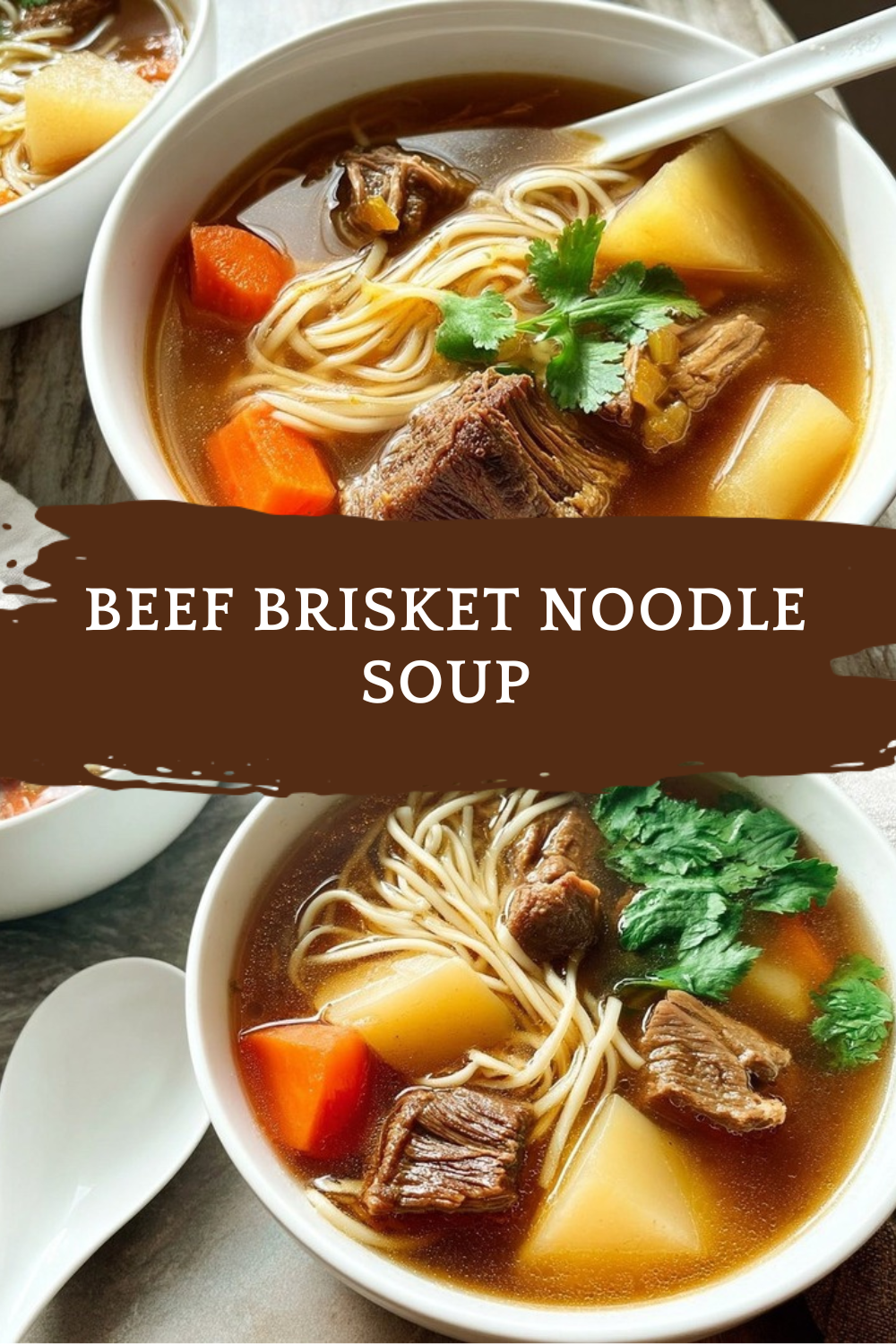
Reheat your broth if needed. Place drained noodles in serving bowls, top with blanched greens, then ladle the hot broth and beef chunks over everything. Garnish with green scallion parts and add chopped cilantro or a drizzle of chili oil if you like a little extra kick. Serve immediately while piping hot.

Dietary Substitutions to Customize Your Beef Brisket Noodle Soup
Protein and Main Component Alternatives
While beef brisket remains the traditional choice, you have options depending on availability and dietary preferences. Beef chuck works beautifully and often costs less; it shreds similarly after braising and absorbs the aromatic broth wonderfully. For a leaner option, beef shank provides deep flavor, though you’ll need to account for slightly longer cooking times and some connective tissue.
If you’re looking to reduce red meat consumption, boneless chicken thighs can work in a pinch. They’ll need less cooking time, about 45-60 minutes of braising. For plant-based alternatives, consider using king oyster mushrooms or extra-firm tofu. These won’t provide the exact same depth, but they absorb flavors beautifully and offer satisfying textures. Adjust your simmering time accordingly, as these alternatives need far less cooking than traditional brisket.
Vegetable, Sauce, and Seasoning Modifications
The vegetables in this soup offer plenty of room for creativity based on seasonality and personal preference. While daikon provides traditional sweetness and crunch, you can substitute with turnips, regular radishes, or even chunks of carrot for similar effect. Winter squash varieties like kabocha add lovely sweetness and become incredibly tender during braising.
For the leafy greens, any quick-cooking variety works beautifully. Beyond the suggested bok choy and spinach, try watercress for a peppery bite, napa cabbage for sweetness, or even kale if you prefer more texture. Just remember that sturdier greens need a few extra seconds in the blanching water.
Sauce modifications can accommodate various dietary needs. Tamari makes an excellent gluten-free substitute for soy sauce. For lower sodium, reduce the soy sauce by half and rely more heavily on natural beef flavors and aromatic spices. If you can’t find Shaoxing wine, dry sherry works as an acceptable substitute, or you can use additional broth with a splash of rice vinegar for acidity.
Mastering Beef Brisket Noodle Soup: Advanced Tips and Variations
Once you’ve mastered the basic technique, these expert tips will help you achieve consistently exceptional results every time you make this recipe.
Pro Cooking Techniques
The secret to restaurant-quality beef brisket noodle soup lies in understanding a few key principles. First, always choose beef with good marbling. Those white fat streaks melt during braising, keeping the meat moist and infusing the broth with rich, beefy flavor. Without sufficient marbling, even the best technique yields dry, stringy results.
Second, resist the urge to add salt early in the cooking process. Salt draws moisture out of meat through osmosis, and during a long braise, this can leave your brisket tough and dry. Season at the end instead, tasting as you go.
Third, maintain a gentle simmer, never a rolling boil. Vigorous boiling agitates the meat, releasing proteins that cloud your broth. It also tightens the muscle fibers, leading to tougher results. Think of it as cooking the meat gently rather than aggressively.
Flavor Variations
For a spicier version, add dried red chilies to your spice pouch or serve with homemade chili oil on the side. Some cooks like to include a small piece of rock sugar for sweetness or add a tablespoon of oyster sauce for extra umami depth.
Regional variations abound. Cantonese-style soup tends toward lighter, clearer broths with minimal seasoning. Taiwanese versions often include pickled mustard greens or a soft-boiled egg. Vietnamese pho uses similar aromatics but with the addition of charred onion and ginger for smoky depth. Feel free to experiment once you’re comfortable with the base recipe.
Presentation Tips
Beautiful presentation elevates this humble soup into something special. Use wide, shallow bowls that showcase the amber broth and garnishes. Arrange noodles neatly at the bottom, fan out the blanched greens to one side, and place beef chunks prominently. A scatter of fresh cilantro and sliced scallions adds vibrant color contrast.
Serve with small dishes of chili oil, extra soy sauce, and white pepper on the side so each person can customize their bowl. Crispy fried shallots make an excellent crunchy topping for textural contrast.
Make-Ahead Options
This soup actually improves with time, making it perfect for entertaining or meal prep. The flavors continue to develop overnight in the refrigerator. Cook the beef and broth up to three days ahead, then simply reheat and prepare fresh noodles and greens when ready to serve. For more make-ahead friendly recipes, check out our delicious strawberry milkshake that comes together in minutes for busy days.
How to Store Beef Brisket Noodle Soup: Best Practices
Proper storage ensures your hard work doesn’t go to waste and lets you enjoy this satisfying meal throughout a busy week.
Refrigeration Guidelines
For short-term storage, allow the soup to cool completely before transferring to airtight containers. The beef and broth can be stored together in the refrigerator for up to 4 days. However, store cooked noodles separately in their own container, as they continue absorbing liquid and become mushy if left in the broth. The leafy greens should be stored separately as well and added fresh when reheating.
Freezing for Long-Term Storage
This soup freezes beautifully for longer storage. Portion the beef and broth into freezer-safe containers, leaving an inch of headspace for expansion. Label with the date and freeze for up to 3 months. Do not freeze cooked noodles; they become unpleasantly soft upon thawing. Instead, cook fresh noodles when you’re ready to serve the thawed soup.
Reheating Best Practices
Thaw frozen soup in the refrigerator overnight. Reheat the broth and beef gently in a pot over medium-low heat until steaming hot throughout. If the broth seems too concentrated after storage, add a splash of water to adjust. Cook fresh noodles and blanch greens while the soup reheats, then assemble your bowls as if making it for the first time.
Meal Prep Considerations
This recipe is ideal for batch cooking. Double the recipe on a weekend, and you’ll have multiple meals ready for the week ahead. Portion the broth and beef into individual containers for quick reheating. Keep noodles, greens, and garnishes prepped but stored separately. For a sweet treat after your savory meal, our homemade peach cobbler makes a perfect dessert option.
Nutritional Information Per Serving
Understanding the nutritional profile helps you make informed decisions about incorporating this soup into your meal planning. The following table shows approximate values per serving:
| Nutrient | Amount |
|---|---|
| Calories | 519 |
| Carbohydrates | 31g |
| Protein | 40g |
| Fat | 26g (9g saturated) |
| Cholesterol | 117mg |
| Sodium | 857mg |
| Potassium | 751mg |
| Fiber | 4g |
| Sugar | 7g |
| Vitamin A | 1355 IU |
| Vitamin C | 26.7mg |
| Calcium | 114mg |
| Iron | 4.6mg |
FAQs: Frequently Asked Questions About Beef Brisket Noodle Soup
What beef cuts are best for beef brisket noodle soup?
For beef brisket noodle soup, beef brisket is a top choice due to its rich fat content and beefy flavor that infuses the broth during braising. Other good options include beef chuck for its affordability and quicker cooking time, or beef shank for deeper flavor despite some gristle and longer simmer needs. Always pick cuts with good marbling—visible fat streaks within the meat—to keep it moist and tender after hours of cooking. Aim for 2-3 pounds of brisket, trimmed of excess fat but not all, and cut into 2-inch chunks for even cooking. This ensures a flavorful, fall-apart texture in your soup. (92 words)
Why does marbling matter in beef for brisket noodle soup?
Marbling refers to the white fat flecks inside the beef, and it’s crucial for brisket noodle soup because it melts during the long braise, basting the meat and preventing dryness. This fat also releases into the broth, boosting beefy taste and creating a silky texture. Without enough marbling, the brisket can turn tough and bland. Look for USDA Choice or Prime grades with even fat distribution when buying. Pro tip: Score the fat cap lightly before cooking to help it render faster, resulting in tender meat and a richer soup base after 2-3 hours of simmering. (98 words)
What aromatics go into beef brisket noodle soup?
Traditional beef brisket noodle soup uses a spice pouch of aromatics like cinnamon sticks, star anise, fennel seeds, black cardamom, cloves, bay leaves, white peppercorns, dried tangerine peel, licorice root slices, sand ginger, and amomum white cardamom. These create a warm, savory depth without overpowering the beef. Toast them lightly first for maximum flavor release. Use about 1-2 teaspoons of each smaller spice and 2-3 larger pieces, tied in cheesecloth or a tea bag. Simmer for 2 hours, then remove to avoid bitterness. Stick to recipe amounts to balance the broth perfectly. (102 words)
When should I add salt to beef brisket noodle soup?
Add salt to beef brisket noodle soup only after the initial 2-hour braise, right before serving. Adding it early draws out moisture from the beef, making it tough during the long cook. Start with 1-2 teaspoons of kosher salt per 3 quarts of broth, taste, and adjust. This keeps the brisket juicy and lets flavors develop naturally. If using soy sauce or fish sauce for umami, factor that in as they contain salt. Season greens and noodles separately at the end for brightness. This simple timing step yields tender meat and a well-balanced soup every time. (96 words)
How do I get a clear broth in beef brisket noodle soup?
To achieve a clear broth in beef brisket noodle soup, blanch the beef chunks in boiling water for 5 minutes first, then drain and rinse under cold water to remove blood and impurities. During the initial boil after adding aromatics, skim off all foam that rises—use a large spoon every few minutes for 10-15 minutes. Cook on low simmer covered, never a rolling boil, for 2-3 hours. Strain the broth through a fine mesh sieve at the end. This results in a crystal-clear, impurity-free soup that highlights the brisket’s flavor. Pair with fresh blanched greens like bok choy for serving. (104 words)
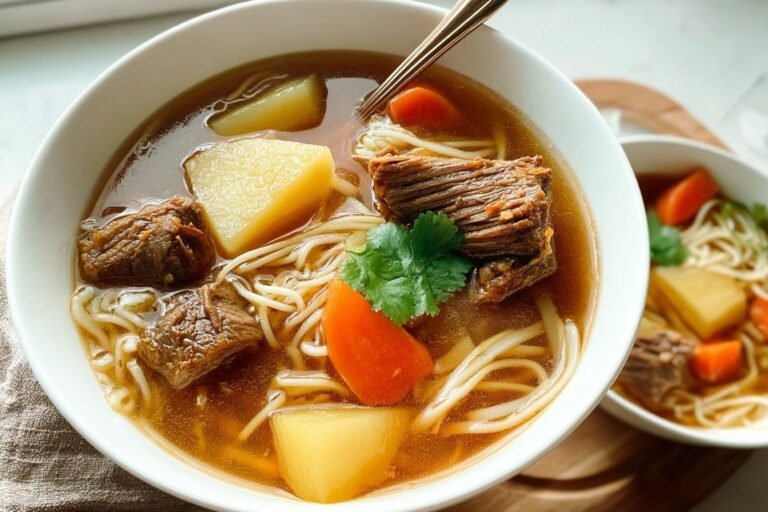
Beef Brisket Noodle Soup
🥣 Authentic braised beef noodle soup delivers tender meat in aromatic, spicy broth—comfort food elevated.
🍜 Slow-simmered flavors burst in every bowl; hearty, nourishing Taiwanese classic for cozy nights.
- Total Time: 2 hours 30 minutes
- Yield: 8 servings
Ingredients
– Cinnamon for warm, sweet-spicy notes
– Black cardamom for smoky, earthy depth
– Fennel seeds for mild licorice sweetness
– Star anise for sweet, aromatic intensity
– Cloves for intense warm spice
– Tangerine peel for citrus brightness
– Bay leaves for herbal complexity
– White peppercorns for gentle heat
– Licorice slices for natural sweetness
– Sand ginger for peppery warmth
– Amomum white cardamom for floral notes
– 2-3 lbs beef chuck or brisket (cut into large chunks) for melt-in-your-mouth tender star protein
– Water (for blanching and broth) for soup base foundation
– Ginger slices for removing gamey flavors and adding warmth
– Rock sugar for balancing savory with subtle sweetness
– White parts of scallions for aromatic foundation
– Whole garlic cloves for savory depth
– Daikon (cut into slices) for absorbing flavors and gentle sweetness
– Shaoxing wine for deglazing and complex umami
– Dark soy sauce for rich color and depth
– Light soy sauce for seasoning
– Salt (to taste) for final seasoning
– Noodles of choice for bowl base
– Leafy greens (spinach, romaine lettuce, choy sum, or bok choy) for freshness and nutrition
– Chopped cilantro (optional) for fresh herbal garnish
– Chili oil (optional) for extra heat
Instructions
1-Step 1: Prepare Your Spice Pouch Before you begin cooking, bundle your aromatics tightly in cheesecloth or tea filter bags. This little bit of advance prep saves you from fishing out tiny spices later and keeps your broth clean and clear. I like to tie mine with kitchen twine for easy removal. Set this aside while you work on the beef.
2-Step 2: Rinse and Prep the Beef Rinse your beef chunks thoroughly under cold running water. This removes any bone fragments or impurities from the butcher. Pat the meat dry with paper towels, which helps with browning later. According to health experts, brisket offers significant nutritional benefits when prepared properly, including high-quality protein and essential vitamins.
3-Step 3: Blanch the Beef In a large pot, bring water to a boil with several ginger slices. Add your beef chunks and let them blanch for about 5 minutes. You’ll notice foam rising to the surface; skim this off continuously. These impurities would otherwise cloud your final broth, so don’t skip this step. Remove the beef, strain and reserve the broth, then set everything aside.
4-Step 4: Build Your Flavor Base In a separate pot, heat a small amount of oil over medium heat. Briefly cook the rock sugar until it begins to caramelize, then add the white scallion parts and whole garlic cloves. Let them cook for about a minute until fragrant. This step creates a beautiful foundation of sweetness and aroma that permeates the entire dish.
5-Step 5: Brown the Beef Add your beef chunks to the aromatic base and stir-fry for 3-4 minutes, allowing the meat to develop a nice exterior. Deglaze the pot with Shaoxing wine, scraping up any browned bits from the bottom. Then coat the beef with both dark and light soy sauces, stirring to ensure even coverage. The dark soy sauce gives that gorgeous amber color, while the light soy sauce provides balanced seasoning.
6-Step 6: Simmer and Braise Add your prepared spice pouch, daikon slices, the reserved broth from blanching, and additional fresh ginger pieces. Bring everything to a boil, then immediately reduce to a gentle simmer. Let it cook uncovered for 90 minutes. The key here is patience; a vigorous boil will toughen the meat and cloud the broth, while a gentle simmer yields tender beef and crystal-clear liquid.
7-Step 7: Rest and Season Turn off the heat and let the pot stand, covered, for 1 hour. This resting period allows the flavors to penetrate the meat fully. Remove and discard the aromatics. Now taste your broth and season with salt as needed. Remember, adding salt too early can draw moisture from the beef, making it tough, so this timing is crucial.
8-Step 8: Prepare Noodles and Greens Cook your noodles according to package directions, then drain thoroughly. In the same hot water, quickly blanch your leafy greens like bok choy or spinach until just wilted but still vibrant. Different noodle varieties offer varying nutritional profiles, so choose based on your dietary preferences and what pairs best with your broth.
9-Step 9: Assemble and Serve Reheat your broth if needed. Place drained noodles in serving bowls, top with blanched greens, then ladle the hot broth and beef chunks over everything. Garnish with green scallion parts and add chopped cilantro or a drizzle of chili oil if you like a little extra kick. Serve immediately while piping hot.
Last Step:
Please leave a rating and comment letting us know how you liked this recipe! This helps our business to thrive and continue providing free, high-quality recipes for you.Notes
🥩 Choose marbled beef like chuck for juicy, flavorful results after braising.
🌿 Use dried aromatics sparingly to infuse depth without bitterness.
⏸️ Salt at the end to keep beef moist and tender.
- Prep Time: 30 minutes
- Cook Time: 2 hours
- Category: Soups
- Method: Braising
- Cuisine: Taiwanese
Nutrition
- Serving Size: 1 bowl
- Calories: 519 kcal
- Sugar: 7 g
- Sodium: 857 mg
- Fat: 26 g
- Saturated Fat: 9 g
- Unsaturated Fat: 17 g
- Trans Fat: 0 g
- Carbohydrates: 31 g
- Fiber: 4 g
- Protein: 40 g
- Cholesterol: 117 mg