Why You’ll Love This Honey Garlic Spare Ribs
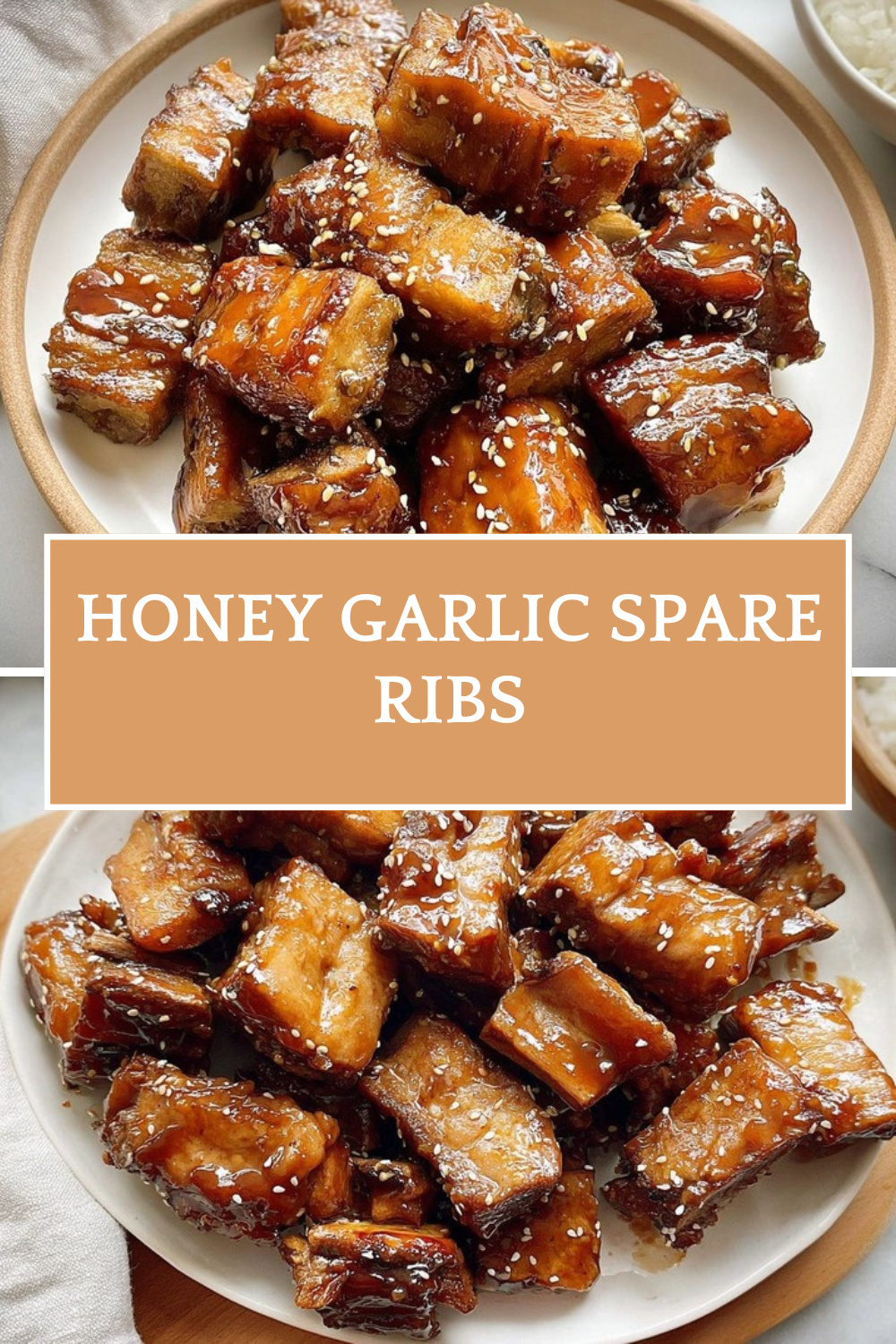
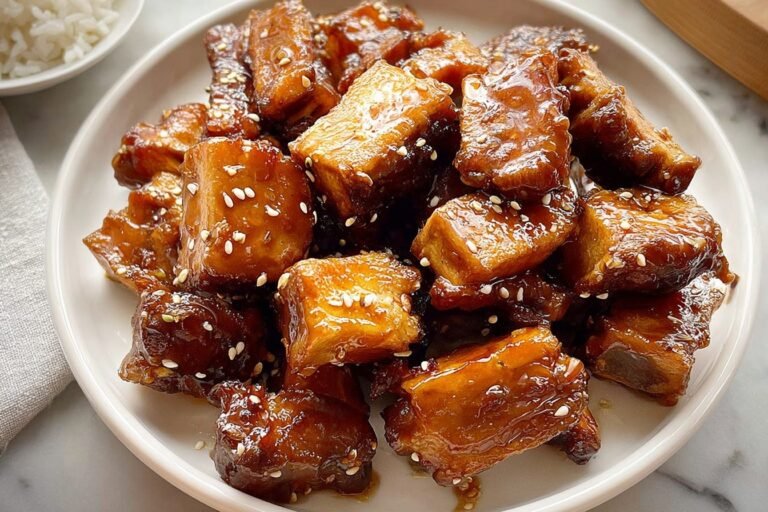
There’s something truly special about honey garlic spare ribs that brings everyone to the table. This Cantonese-style dish combines the irresistible crunch of perfectly fried pork riblets with a glossy, sweet garlic sauce that coats every bite. Whether you’re cooking for a family dinner or hosting friends, this recipe delivers restaurant-quality results right from your home kitchen.
Here’s why this honey garlic spare ribs recipe deserves a spot in your weekly meal rotation:
- Ease of preparation: With just 10 minutes of prep time and 10 minutes of cooking, this recipe fits perfectly into busy schedules. The 30-minute marinating time requires zero effort, just a bit of planning ahead.
- Restaurant-quality results at home: The double-frying technique creates that coveted crispy exterior while keeping the meat tender and juicy inside, just like what you’d find at your favorite Chinese restaurant.
- Flavor that satisfies: The combination of honey, garlic, and soy sauce creates a sticky, sweet, and savory glaze that’s absolutely addictive. It’s the kind of dish that disappears quickly at any gathering.
- Versatile cooking methods: While deep-frying in a wok yields the crispiest results, you can easily adapt this recipe for pan-frying or air-frying, making it accessible regardless of your cooking setup or dietary preferences.
Jump to:
- Why You’ll Love This Honey Garlic Spare Ribs
- Essential Ingredients for Honey Garlic Spare Ribs
- Main Ingredients
- Marinade Ingredients
- Special Dietary Options
- How to Prepare the Perfect Honey Garlic Spare Ribs: Step-by-Step Guide
- Step 1: Marinate the Pork Riblets
- Step 2: Coat with Cornstarch
- Step 3: First Fry – Cook the Ribs Through
- Step 4: Second Fry – Create the Crispy Shell
- Step 5: Prepare the Honey Garlic Sauce
- Step 6: Coat and Serve
- Dietary Substitutions to Customize Your Honey Garlic Spare Ribs
- Protein and Main Component Alternatives
- Vegetable, Sauce, and Seasoning Modifications
- Mastering Honey Garlic Spare Ribs: Advanced Tips and Variations
- Pro Cooking Techniques
- Flavor Variations
- Presentation Tips
- Make-Ahead Options
- How to Store Honey Garlic Spare Ribs: Best Practices
- Refrigeration Guidelines
- Freezing for Longer Storage
- Reheating for Best Results
- FAQs: Frequently Asked Questions About Honey Garlic Spare Ribs
- How do you make honey garlic spare ribs in the oven?
- Is corn starch the same as corn flour in honey garlic spare ribs recipe?
- Can you make honey garlic spare ribs with chicken or other meats?
- How long does it take to cook honey garlic spare ribs?
- How do you store and reheat honey garlic spare ribs?
- Honey Garlic Spare Ribs
- Ingredients
- Instructions
- Last Step:
- Notes
- Nutrition
- Did you make this recipe?
Essential Ingredients for Honey Garlic Spare Ribs
Getting the right ingredients is key to achieving that perfect balance of crispy texture and sticky-sweet flavor. Here’s everything you’ll need to make these sticky honey garlic pork ribs at home:
Main Ingredients
- 1.2 kg pork riblets – These smaller cuts cook faster and absorb the marinade beautifully, making them ideal for this dish
- 1 bulb garlic, minced – The star aromatic that gives this dish its signature flavor; adjust the amount based on your preference
- 5 tablespoons honey – Creates that glossy, sweet coating that makes the ribs irresistible
- 1 teaspoon white sesame seeds – Adds a nutty crunch and visual appeal as a finishing touch
- 1 teaspoon sugar – Helps balance the savory elements and aids in caramelization
- 1/2 teaspoon salt – Brings out all the flavors in the sauce
- 2 tablespoons oil for sauce – Used to fry the garlic and create the base of the glaze
- 1 liter oil for deep-frying – A wok requires less oil than a deep fryer, making this method efficient and practical
Marinade Ingredients
- 2 tablespoons light soy sauce – Provides the savory umami base for the marinade
- 2 teaspoons sugar – Helps tenderize the meat and promotes browning during frying
- 1 teaspoon garlic powder – Infuses the meat with garlic flavor from the inside out
- 1/2 cup cornstarch – Creates the essential crispy coating when combined with the soy sauce marinade
Special Dietary Options
For those with dietary restrictions, here are some simple swaps:
- Gluten-free: Replace light soy sauce with tamari or a certified gluten-free soy sauce alternative
- Lower calorie: Try air-frying the ribs instead of deep-frying, which significantly reduces the oil content
- Less sugar: Reduce the honey to 3 tablespoons and substitute with a sugar-free alternative if needed
How to Prepare the Perfect Honey Garlic Spare Ribs: Step-by-Step Guide
Making honey garlic spare ribs at home is easier than you might think. The secret lies in the double-frying technique and getting your timing right. Follow these detailed steps for foolproof results every time.
Step 1: Marinate the Pork Riblets
Start by preparing the meat. Place your 1.2 kg pork riblets in a large bowl and add 2 tablespoons light soy sauce, 2 teaspoons sugar, and 1 teaspoon garlic powder. Mix everything thoroughly with your hands, making sure each piece is evenly coated with the marinade. Set the bowl aside and let the ribs marinate for 30 minutes. This resting time allows the flavors to penetrate the meat and the soy sauce to work its magic on the texture.
Pro tip: While the ribs marinate, use this time to prep your other ingredients. Mince the entire bulb of garlic and set it aside in a small bowl. This mise en place approach keeps your cooking smooth and stress-free.
Step 2: Coat with Cornstarch
After 30 minutes, you’ll notice the soy sauce has created a wet layer on the ribs. This is exactly what you want. Add the 1/2 cup cornstarch to the marinated ribs and toss them gently but thoroughly. The cornstarch will combine with the soy sauce to form a pasty coating that clings to the meat. This layer is crucial for achieving that signature crispy exterior after frying.
Make sure every piece is completely coated. If you spot any bare areas, sprinkle a little more cornstarch and toss again. The coating should feel slightly tacky but not powdery.
Step 3: First Fry – Cook the Ribs Through
Now comes the frying stage. Pour 1 liter of oil into a wok and heat it to 160°C (325°F). An infrared thermometer is incredibly helpful here for accurate temperature readings. If you don’t have one, test the oil by dropping a small piece of cornstarch-coated rib in, it should sizzle gently without browning immediately.
Carefully lower the coated ribs into the oil, being careful not to overcrowd the wok. Fry in batches if needed. Cook for 3-5 minutes until the ribs are fully cooked through. You can check doneness with a meat thermometer, pork should reach an internal temperature of 145°F for safety. The ribs won’t be golden yet at this stage, just cooked.
Step 4: Second Fry – Create the Crispy Shell
Remove the ribs from the oil and let them rest on a wire rack or paper towels. Now, increase the oil temperature to 200°C (400°F). This higher temperature is what creates that beautiful golden crust.
Once the oil reaches temperature, return the ribs to the wok for a quick second fry of about 1 minute. Watch them closely during this stage as they can go from golden to burnt quickly. The ribs should emerge with a beautiful golden-brown color and an incredibly crispy exterior.
| Fry Stage | Temperature | Time | Purpose |
|---|---|---|---|
| First Fry | 160°C (325°F) | 3-5 minutes | Cook meat through |
| Second Fry | 200°C (400°F) | 1 minute | Create crispy shell |
Step 5: Prepare the Honey Garlic Sauce
In a clean wok, heat 2 tablespoons of oil over medium-high heat. Add your minced garlic and fry it until it turns lightly golden. This usually takes about 30-60 seconds. Keep stirring constantly to prevent burning, as garlic can go from golden to bitter very quickly.
Once the garlic is golden and fragrant, stir in 1 teaspoon sugar, 1/2 teaspoon salt, and 5 tablespoons honey. Mix everything together until well combined. The sauce will bubble and thicken slightly, creating that sticky glaze you’re after.
Step 6: Coat and Serve
Add the fried ribs back into the wok with the sauce. Toss them vigorously to ensure every piece is fully coated in that gorgeous honey garlic glaze. The sauce should cling to the crispy coating, creating that signature sticky exterior.
Transfer the ribs to a serving plate and sprinkle with 1 teaspoon white sesame seeds. Serve immediately while they’re still hot and crispy. These pork spare ribs pair wonderfully with steamed rice and a simple vegetable stir-fry for a complete meal.

Dietary Substitutions to Customize Your Honey Garlic Spare Ribs
One of the best things about this honey garlic spare ribs recipe is how adaptable it is. Whether you’re cooking around dietary restrictions or simply want to try something different, there are plenty of ways to make this dish your own.
Protein and Main Component Alternatives
The honey garlic sauce works beautifully with other proteins. If pork isn’t your preference or you want to switch things up, try these alternatives:
- Chicken wings: Perfect for game day, chicken wings take well to the same marinade and frying technique. Adjust cooking time to 8-10 minutes for the first fry at 160°C, then 1-2 minutes for the second fry.
- Pork tenderloin: Cut into bite-sized pieces, this leaner cut works well for those watching their fat intake while still delivering great flavor.
- Shrimp: For a seafood twist, large shrimp cook quickly in just 2-3 minutes total frying time. The honey garlic glaze pairs beautifully with the natural sweetness of shrimp.
- Cauliflower florets: For a vegetarian version, coat cauliflower in the same cornstarch mixture and air fry at 200°C for 15-20 minutes until crispy, then toss in the sauce.
Vegetable, Sauce, and Seasoning Modifications
The sauce itself is highly customizable. Here are some delicious variations to try:
Add some heat: If you enjoy spicy food, add chopped red chilies when frying the garlic. The heat balances beautifully with the sweetness of the honey. Start with 1-2 Thai chilies and adjust to your taste.
Citrus brightness: Mix in a tablespoon of orange marmalade or yuzu jelly with the honey for a bright, fruity twist. You can also add fresh orange or lemon zest at the end for a pop of fresh citrus aroma.
Gluten-free version: Simply swap the light soy sauce for tamari or coconut aminos. The flavor profile remains similar, and the dish becomes accessible for those avoiding gluten.
Lower sodium: Reduce the soy sauce in the marinade to 1 tablespoon and use a low-sodium variety. You can compensate with a bit more garlic powder for flavor.
Mastering Honey Garlic Spare Ribs: Advanced Tips and Variations
Ready to take your easy honey garlic spare ribs to the next level? These expert tips will help you achieve consistently perfect results and inspire you to get creative with flavors.
Pro Cooking Techniques
Oil management: Using a wok for deep-frying is more economical than a deep fryer because it requires less oil. After cooking, let the oil cool completely, then strain it through a fine-mesh sieve or cheesecloth. Store the filtered oil in a clean container and reuse it up to twice for similar dishes. When the oil is spent, check with your local recycling center for proper disposal options.
Temperature control: Invest in an infrared thermometer for your oil and a meat thermometer for checking doneness. These tools take the guesswork out of frying and ensure consistent results. The oil temperature drops when you add the ribs, so give it time to recover between batches.
The coating matters: Cornstarch is the gold standard for achieving that light, crispy coating. While you can substitute with arrowroot, potato, or tapioca starch, each will give slightly different results. Cornstarch creates the crispiest, most delicate coating that holds up well to the sticky sauce.
Flavor Variations
Don’t be afraid to experiment with the sauce. Here are some crowd-pleasing variations:
- Spicy honey garlic: Add 1-2 teaspoons of sriracha or gochujang to the sauce for a sweet and spicy kick.
- Sesame honey garlic: Add 1 tablespoon of toasted sesame oil to the sauce for a nuttier, more complex flavor.
- Ginger honey garlic: Add 1 teaspoon of freshly grated ginger when frying the garlic for a warming, aromatic note.
Presentation Tips
They say we eat with our eyes first. Make your honey garlic ribs look as good as they taste with these simple plating ideas:
- Serve on a bed of shredded lettuce or cabbage for color contrast.
- Garnish with sliced green onions along with the sesame seeds.
- Use a large white platter to make the golden ribs really pop.
- Serve with lemon wedges on the side for a bright, fresh finish.
Make-Ahead Options
For busy weeknights or party prep, you can partially prepare these ribs in advance:
- Marinate the ribs up to 24 hours ahead and store them covered in the refrigerator.
- Prep the garlic and measure out all sauce ingredients the night before.
- Fry the ribs earlier in the day and reheat in a 180°C oven for 5 minutes before making the sauce.
Looking for more delicious recipes to add to your collection? Try our homemade peach cobbler for a comforting dessert that’s perfect for family gatherings.
How to Store Honey Garlic Spare Ribs: Best Practices
If you somehow have leftovers, proper storage will keep your honey garlic spare ribs tasting great for days. Here’s everything you need to know about storing, freezing, and reheating this dish.
Refrigeration Guidelines
Allow the ribs to cool completely before storing, but don’t leave them at room temperature for more than 2 hours. Place the cooled ribs in an airtight container, separating layers with parchment paper if stacking. Properly stored, they’ll keep in the refrigerator for up to 4 days. The coating will soften somewhat in the fridge, but the flavor remains delicious.
Freezing for Longer Storage
For longer storage, freeze the ribs for up to 2-3 months. Wrap individual portions in plastic wrap or foil, then place them in a freezer-safe bag or container. Label with the date so you don’t forget when you made them. Thaw frozen ribs overnight in the refrigerator before reheating.
Reheating for Best Results
The key to reheating is reviving that crispy texture:
- Oven method (recommended): Preheat to 180°C (350°F). Place ribs on a baking sheet and heat for 10-15 minutes until warmed through and crispy again.
- Air fryer method: Reheat at 190°C (375°F) for 5-7 minutes. This works exceptionally well for restoring crispiness.
- Microwave method: Not recommended as it makes the coating soggy, but if you’re short on time, heat in 30-second intervals until warm.
For more comforting recipes perfect for sharing, check out our creamy strawberry milkshake recipe that’s always a hit with kids and adults alike.
FAQs: Frequently Asked Questions About Honey Garlic Spare Ribs
How do you make honey garlic spare ribs in the oven?
To make honey garlic spare ribs in the oven, start with 3 lbs of pork spare ribs, trimmed and cut into sections. Preheat oven to 300°F. Season ribs with salt, pepper, and a mix of garlic powder, onion powder, and paprika. Place in a baking dish with 1 cup water, cover with foil, and bake for 2.5 hours until tender. For the sauce, combine ½ cup honey, ⅓ cup soy sauce, 6 minced garlic cloves, 2 tbsp rice vinegar, 1 tbsp grated ginger, and 1 tbsp cornstarch slurry in a saucepan. Simmer until thickened, about 5 minutes. Drain ribs, brush with sauce, and broil on high for 3-5 minutes per side until caramelized. This method yields tender, sticky ribs that serve 4-6 people and takes about 3 hours total. Pair with rice and veggies for a full meal.
Is corn starch the same as corn flour in honey garlic spare ribs recipe?
No, corn starch and corn flour are different in a honey garlic spare ribs recipe. Corn starch is a pure starch extracted from corn, ideal for thickening sauces without altering flavor or texture much—it creates a glossy finish for the honey-garlic glaze. Corn flour is finely ground whole corn, which can make sauces grainy and change the taste. Don’t substitute directly. Instead, use equal amounts of potato starch, arrowroot powder, or tapioca starch. Arrowroot works best as it mimics corn starch’s clarity and holds up in the sticky sauce. For 1 tbsp corn starch, swap with arrowroot for similar results. Test a small batch first, as tapioca may make it slightly chewier. Always whisk into a slurry with cold water before adding to hot sauce to avoid lumps.
Can you make honey garlic spare ribs with chicken or other meats?
Yes, the honey garlic spare ribs recipe adapts easily to chicken wings, thighs, drumsticks, or even pork tenderloin. For chicken wings (2-3 lbs), bake at 400°F for 40-45 minutes, tossing halfway, then coat in sauce and broil 2-3 minutes. It also works on cauliflower florets or Brussels sprouts for a vegetarian option—roast veggies at 425°F for 25 minutes before saucing. Add heat with chopped chilies or brightness with orange marmalade and zest. The sauce ratio stays the same: ½ cup honey, ⅓ cup soy, etc., for 2-3 lbs protein. This versatility makes it great for game days or meal prep. Cooking times vary by cut—always check internal temp reaches 165°F for poultry. See our full chicken wings guide for tips.
How long does it take to cook honey garlic spare ribs?
Oven-baked honey garlic spare ribs take 2.5-3 hours total: 2-2.5 hours low-and-slow at 300°F covered for tenderness, plus 5-10 minutes broiling for crispy sauce. Use St. Louis-style spare ribs (3 lbs) for even cooking. Instant Pot shortens to 25 minutes high pressure + 10 minutes natural release, then broil. Grill takes 1.5-2 hours indirect heat at 250°F, saucing last 30 minutes. Factors like rib thickness affect time—test doneness by twisting a bone; it should pull away easily. Rest 10 minutes post-cook. This yields fall-off-the-bone results for 4 servings. Pro tip: pat dry ribs before seasoning to speed crisping. Track with a meat thermometer: 190-205°F internal for pork perfection.
How do you store and reheat honey garlic spare ribs?
Store cooked honey garlic spare ribs in an airtight container in the fridge for up to 4 days or freeze for 2-3 months—wrap individually in foil first to prevent sticking. For reheating, oven is best: 350°F for 15-20 minutes, covered then uncovered to crisp, brushing with extra sauce. Microwave in 1-minute bursts with a damp paper towel, but it softens the coating. Air fryer at 370°F for 5-7 minutes revives crunch without drying out. Avoid boiling to keep the glaze intact. Leftovers make great fried rice—chop and stir-fry with veggies. One batch (3 lbs) gives 8-10 servings, saving time midweek. Always reheat to 165°F internal temp for safety. Thaw frozen ribs overnight in fridge before use.
Honey Garlic Spare Ribs
🐷 Savor crispy Cantonese-style pork riblets glazed in sticky honey-garlic sauce for finger-licking goodness.
🍯 Tender inside, crunchy outside—effortless double-fry technique wows at dinners or gatherings.
- Total Time: 50 minutes
- Yield: 4 servings
Ingredients
– 1.2 kg pork riblets
– 1 bulb garlic, minced
– 5 tablespoons honey
– 1 teaspoon white sesame seeds
– 1 teaspoon sugar
– 1/2 teaspoon salt
– 2 tablespoons oil for sauce
– 1 liter oil for deep-frying
– 2 tablespoons light soy sauce
– 2 teaspoons sugar
– 1 teaspoon garlic powder
– 1/2 cup cornstarch
Instructions
1-Step 1: Marinate the Pork Riblets Start by preparing the meat. Place your 1.2 kg pork riblets in a large bowl and add 2 tablespoons light soy sauce, 2 teaspoons sugar, and 1 teaspoon garlic powder. Mix everything thoroughly with your hands, making sure each piece is evenly coated with the marinade. Set the bowl aside and let the ribs marinate for 30 minutes. This resting time allows the flavors to penetrate the meat and the soy sauce to work its magic on the texture.
2-Step 2: Coat with Cornstarch After 30 minutes, you’ll notice the soy sauce has created a wet layer on the ribs. This is exactly what you want. Add the 1/2 cup cornstarch to the marinated ribs and toss them gently but thoroughly. The cornstarch will combine with the soy sauce to form a pasty coating that clings to the meat. This layer is crucial for achieving that signature crispy exterior after frying. Make sure every piece is completely coated. If you spot any bare areas, sprinkle a little more cornstarch and toss again. The coating should feel slightly tacky but not powdery.
3-Step 3: First Fry – Cook the Ribs Through Now comes the frying stage. Pour 1 liter of oil into a wok and heat it to 160°C (325°F). An infrared thermometer is incredibly helpful here for accurate temperature readings. If you don’t have one, test the oil by dropping a small piece of cornstarch-coated rib in, it should sizzle gently without browning immediately. Carefully lower the coated ribs into the oil, being careful not to overcrowd the wok. Fry in batches if needed. Cook for 3-5 minutes until the ribs are fully cooked through. You can check doneness with a meat thermometer, pork should reach an internal temperature of 145°F for safety. The ribs won’t be golden yet at this stage, just cooked.
4-Step 4: Second Fry – Create the Crispy Shell Remove the ribs from the oil and let them rest on a wire rack or paper towels. Now, increase the oil temperature to 200°C (400°F). This higher temperature is what creates that beautiful golden crust. Once the oil reaches temperature, return the ribs to the wok for a quick second fry of about 1 minute. Watch them closely during this stage as they can go from golden to burnt quickly. The ribs should emerge with a beautiful golden-brown color and an incredibly crispy exterior.
5-Step 5: Prepare the Honey Garlic Sauce In a clean wok, heat 2 tablespoons of oil over medium-high heat. Add your minced garlic and fry it until it turns lightly golden. This usually takes about 30-60 seconds. Keep stirring constantly to prevent burning, as garlic can go from golden to bitter very quickly. Once the garlic is golden and fragrant, stir in 1 teaspoon sugar, 1/2 teaspoon salt, and 5 tablespoons honey. Mix everything together until well combined. The sauce will bubble and thicken slightly, creating that sticky glaze you’re after.
6-Step 6: Coat and Serve Add the fried ribs back into the wok with the sauce. Toss them vigorously to ensure every piece is fully coated in that gorgeous honey garlic glaze. The sauce should cling to the crispy coating, creating that signature sticky exterior. Transfer the ribs to a serving plate and sprinkle with 1 teaspoon white sesame seeds. Serve immediately while they’re still hot and crispy. These pork spare ribs pair wonderfully with steamed rice and a simple vegetable stir-fry for a complete meal.
Last Step:
Please leave a rating and comment letting us know how you liked this recipe! This helps our business to thrive and continue providing free, high-quality recipes for you.Notes
🔥 Double-fry the ribs for that irresistible crispy exterior and tender interior.
🌶️ Add chopped chilis with the garlic for a spicy heat kick.
🥘 Use a wok for efficient oil use and better temperature control.
- Prep Time: 10 minutes
- Marinate: 30 minutes
- Cook Time: 10 minutes
- Category: Pork
- Method: Deep-Frying
- Cuisine: Chinese
Nutrition
- Serving Size: 300 g
- Calories: 754 kcal
- Sugar: 6 g
- Sodium: 242 mg
- Fat: 76 g
- Saturated Fat: 9 g
- Unsaturated Fat: 65 g
- Trans Fat: 0.3 g
- Carbohydrates: 10 g
- Fiber: 0.3 g
- Protein: 9 g
- Cholesterol: 42 mg