Why You’ll Love This Sous Vide Sesame Chicken
If you are looking for a foolproof way to make incredibly tender, juicy chicken at home, this Sous Vide Sesame Chicken recipe will quickly become a family favorite. I have tested this recipe countless times, and it never fails to deliver restaurant-quality results with minimal effort. Here is why this dish deserves a spot in your weekly dinner rotation:
- Ease of preparation: This sous vide sesame chicken recipe comes together with just 5 minutes of active prep time. The immersion circulator does all the heavy lifting, so you can set it and forget it while you handle other tasks. No babysitting a hot stove or worrying about overcooked, dry meat.
- Health benefits: With 48 grams of protein per serving and no deep-frying required, this dish offers a nutritious alternative to takeout-style sesame chicken. The sous vide cooking method preserves moisture and nutrients that high-heat methods often destroy, making it a smart choice for health-conscious cooks.
- Versatility: This recipe adapts easily to different dietary needs and preferences. You can swap chicken breasts for thighs, adjust the sweetness level, or serve it over cauliflower rice for a low-carb version. It also works beautifully for meal prep since the chicken stays juicy even after reheating.
- Distinctive flavor: The combination of soy sauce, ginger, garlic, and a touch of sweetness creates that classic sesame-style glaze that pairs perfectly with the tender, sous vide-cooked chicken. Finishing the dish in the pan with the thickened sauce ensures every bite is coated in savory, sticky goodness.
Jump to:
- Why You’ll Love This Sous Vide Sesame Chicken
- Essential Ingredients for Sous Vide Sesame Chicken
- Main Ingredients
- Special Dietary Options
- How to Prepare the Perfect Sous Vide Sesame Chicken: Step-by-Step Guide
- Step 1: Prepare and Marinate the Chicken
- Step 2: Vacuum Seal and Refrigerate
- Step 3: Cook in the Sous Vide Water Bath
- Step 4: Create the Sauce
- Step 5: Add the Chicken and Finish
- Dietary Substitutions to Customize Your Sous Vide Sesame Chicken
- Protein and Main Component Alternatives
- Vegetable, Sauce, and Seasoning Modifications
- Mastering Sous Vide Sesame Chicken: Advanced Tips and Variations
- Pro Cooking Techniques
- Flavor Variations
- Presentation Tips
- Make-Ahead Options
- How to Store Sous Vide Sesame Chicken: Best Practices
- Refrigeration
- Freezing
- Reheating
- Meal Prep Considerations
- FAQs: Frequently Asked Questions About Sous Vide Sesame Chicken
- What is the best sous vide temperature for chicken in a sesame chicken recipe?
- How long do you cook sous vide chicken for sesame chicken?
- Can you use chicken breasts instead of thighs for sous vide sesame chicken?
- How long should you marinate chicken before sous vide sesame chicken?
- How do you make the sesame sauce after sous vide cooking chicken?
- Sous Vide Sesame Chicken
- Ingredients
- Instructions
- Last Step:
- Notes
- Nutrition
- Did you make this recipe?
Essential Ingredients for Sous Vide Sesame Chicken
Before you start cooking, gather all your ingredients. This recipe keeps things simple with pantry staples you probably already have on hand. Here is everything you need to make this delicious sous vide sesame chicken:
Main Ingredients
- 1 pound boneless chicken, chopped into 3/4-inch cubes – I recommend chicken thighs for the juiciest results, but chicken breasts work well too. Thighs contain more fat, which keeps the meat tender during the longer sous vide cook times.
- 2 tablespoons soy sauce – This provides the salty, umami base for your marinade. Use regular soy sauce rather than low-sodium for the most authentic flavor.
- 1 tablespoon dark soy sauce (optional) – Dark soy sauce adds a deeper color and slightly sweeter flavor. It is completely optional, but it gives the finished dish that rich, appetizing brown hue.
- 4 tablespoons brown sugar or white sugar – Sugar helps balance the saltiness of the soy sauce and aids in creating that glossy sauce. Brown sugar adds a hint of molasses flavor.
- 1 tablespoon rice vinegar – This mild vinegar adds brightness and cuts through the richness. Apple cider vinegar makes a fine substitute if needed.
- 1 tablespoon oil – Use a neutral oil like vegetable or canola. If you want extra sesame flavor, you can substitute sesame oil for half the amount.
- 1 tablespoon minced garlic – Fresh garlic works best, but jarred minced garlic saves time. Use about 3-4 cloves if mincing yourself.
- 1 tablespoon minced ginger – Fresh ginger adds a warm, zesty kick that pairs beautifully with the garlic. Peel and mince a 1-inch piece of fresh ginger root.
- 2 teaspoons cornstarch – This thickens the cooking liquid into a glossy sauce after the sous vide step. Potato starch or arrowroot powder also work.
- 1 tablespoon water – Mixed with the cornstarch to create a slurry for thickening the sauce.
- Sesame seeds, for garnish – Toasted sesame seeds add a nutty crunch and beautiful presentation to the finished dish.
Special Dietary Options
- Gluten-free: Substitute tamari or coconut aminos for the soy sauce to make this recipe completely gluten-free.
- Low-calorie: Reduce the sugar to 2 tablespoons and use chicken breasts instead of thighs for a lighter version.
- Low-sodium: Use low-sodium soy sauce and reduce the added salt to control sodium intake.
How to Prepare the Perfect Sous Vide Sesame Chicken: Step-by-Step Guide
Making this sous vide sesame chicken is straightforward, but a few key steps ensure the best results. Follow these detailed instructions for tender, flavorful chicken every single time.
Step 1: Prepare and Marinate the Chicken
Start by cutting your boneless chicken into uniform 3/4-inch cubes. Uniform pieces ensure even cooking throughout the sous vide process. In a medium bowl, combine the chicken cubes with the soy sauce, dark soy sauce (if using), brown sugar, rice vinegar, oil, minced garlic, and minced ginger.
Use your hands to gently massage the marinade into the chicken for about 30 seconds. This brief massage helps the flavors begin to penetrate the meat. Do not skip this step. Even a quick massage distributes the marinade more evenly than simply stirring.
Step 2: Vacuum Seal and Refrigerate
Transfer the chicken and all the marinade into a sous vide bag or a resealable freezer bag. Arrange the chicken in a single, flat layer within the bag. This ensures even heat circulation during cooking. Remove as much air as possible before sealing.
Place the sealed bag in the refrigerator and let it marinate for at least 40 minutes. You can extend this up to 4 hours for deeper flavor, but avoid going beyond 4 hours. The salt in the soy sauce can make the chicken overly salty or affect the texture if left too long.
Pro Tip: If using a zip-top bag, use the water displacement method to remove air. Slowly lower the sealed bag into a bowl of water, letting the water pressure push air out before sealing completely.
Step 3: Cook in the Sous Vide Water Bath
Preheat your sous vide water bath to 150°F. This temperature is the sweet spot for chicken. It cooks the meat to a safe temperature while maintaining incredible juiciness and a texture that mimics traditional cooking methods without any raw or mushy consistency.
Once the water bath reaches temperature, submerge the sealed bag completely. Cook the chicken for 1 to 4 hours. For optimal results, I recommend cooking for at least 3 hours. This longer cook time allows fat to render and connective tissue to break down, resulting in exceptionally tender meat, especially when using chicken thighs.
According to cooking experts at Serious Eats, sous vide cooking transforms simple ingredients into something extraordinary with precise temperature control.
Even if you are short on time, the 1-hour minimum still produces juicy chicken. The beauty of sous vide is its flexibility. You cannot overcook the chicken as long as you stay within the recommended time range.
Step 4: Create the Sauce
When the cooking time is complete, remove the bag from the water bath. Carefully cut a small slit in one corner of the bag and drain all the cooking liquid into a large nonstick pan. Do not discard this liquid. It contains concentrated chicken flavor and all the marinade ingredients.
In a small bowl, whisk together the 2 teaspoons of cornstarch and 1 tablespoon of water to create a slurry. This prevents lumps when thickening the sauce. Pour the slurry into the pan with the cooking liquid and stir to combine.
Turn the heat to medium-high and bring the mixture to a gentle simmer. Stir constantly for 2 to 3 minutes until the sauce thickens to a glossy consistency that coats the back of a spoon. The sauce should cling to the chicken rather than run off.
Step 5: Add the Chicken and Finish
Now add the cooked chicken pieces from the bag directly into the pan with your thickened sauce. Use tongs or a spoon to toss and coat each piece evenly. The chicken is already fully cooked, so this step is about glazing rather than additional cooking.
Cook for just 1 to 2 minutes, tossing frequently, until the sauce caramelizes slightly and coats the chicken in a sticky, savory glaze. Remove from heat immediately.
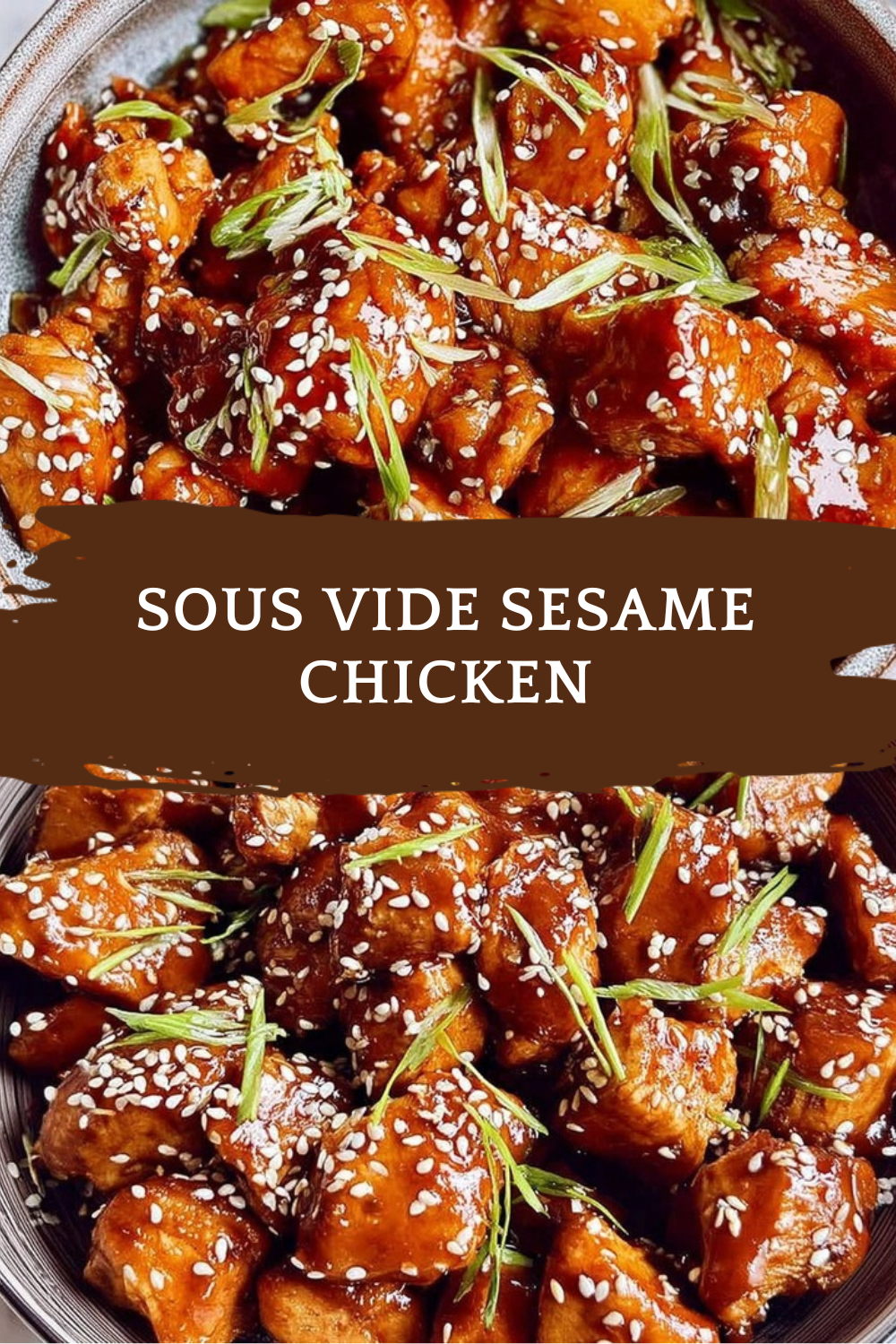
Sprinkle generously with sesame seeds for garnish. Serve your sous vide sesame chicken hot over steamed rice, cauliflower rice, or your favorite grain. For a complete meal, pair it with a simple vegetable side or a fresh salad.
If you have a sweet tooth, consider serving this alongside a slice of peach cobbler for dessert.
This dish also makes an excellent filling for rice bowls, lettuce wraps, or Asian-inspired tacos. The possibilities are endless with this versatile recipe.

Dietary Substitutions to Customize Your Sous Vide Sesame Chicken
One of the best things about this sous vide sesame chicken recipe is how easily it adapts to different dietary needs and preferences. Whether you are cooking for someone with food sensitivities or simply want to switch things up, these substitutions have you covered.
Protein and Main Component Alternatives
While chicken thighs are my top recommendation for this recipe, you have several options depending on your preferences and what you have available:
- Chicken breasts: Boneless, skinless chicken breasts work perfectly fine in this recipe. They have less fat than thighs, so they can be slightly less juicy. Stick to the recommended 150°F temperature and avoid extending the cook time beyond 4 hours. Pat the breasts very dry before adding to the sauce to prevent a watery glaze.
- Turkey: Boneless turkey cut into cubes makes an excellent substitute. Turkey breast is leaner than chicken thighs, so it benefits from the 3-hour cook time to stay tender.
- Pork: Boneless pork shoulder or pork loin cut into cubes also works beautifully with sous vide cooking. The marinade flavors complement pork exceptionally well.
- Tofu: For a plant-based version, use extra-firm tofu pressed and cut into 1-inch cubes. Reduce the sous vide temperature to 145°F and cook for 1 hour. The tofu absorbs the marinade flavors beautifully.
For more information about the nutritional benefits of poultry, visit the National Chicken Council’s nutrition resources.
Vegetable, Sauce, and Seasoning Modifications
The sauce and seasonings can be adjusted to suit your taste or accommodate dietary restrictions:
- Gluten-free adaptation: Replace regular soy sauce with tamari or coconut aminos. Both options provide a similar savory flavor without the gluten. Check that any pre-minced garlic or ginger does not contain hidden gluten ingredients.
- Lower sugar option: Reduce the brown sugar to 2 tablespoons, or substitute with a sugar-free alternative like monk fruit sweetener or stevia. Keep in mind that less sugar means a less glossy, sticky sauce.
- Added vegetables: Stir in steamed broccoli, snap peas, or bell peppers when you add the chicken to the sauce. This transforms the dish into a complete one-pan meal.
- Spice level: Add 1/2 teaspoon of red pepper flakes or a squirt of sriracha to the marinade for a spicy kick. Adjust to your heat preference.
The table below summarizes quick substitution options:
| Original Ingredient | Substitution | Notes |
|---|---|---|
| Soy sauce | Tamari or coconut aminos | Use equal amounts for gluten-free |
| Brown sugar | Monk fruit or stevia | Reduce amount by half |
| Chicken thighs | Chicken breasts | Slightly leaner, still juicy |
| Rice vinegar | Apple cider vinegar | Use equal amounts |
| Cornstarch | Potato starch or arrowroot | Use equal amounts |
Mastering Sous Vide Sesame Chicken: Advanced Tips and Variations
Once you have mastered the basic recipe, try these advanced techniques and creative variations to take your sous vide sesame chicken to the next level.
Pro Cooking Techniques
- Quick sear for texture: After removing the chicken from the sous vide bag, quickly sear the pieces in a hot skillet with a tablespoon of oil for 30 seconds per side before adding to the sauce. This creates a lightly caramelized exterior that adds wonderful texture contrast.
- Ice bath for meal prep: If you are cooking chicken to use later, plunge the sealed bag directly into an ice bath after cooking to cool it rapidly. This keeps the chicken fresh and safe for up to 2 weeks in the refrigerator or 6 months in the freezer.
- Double the batch: The sous vide method is perfect for batch cooking. Double or triple the recipe, cook multiple bags at once, and freeze portions for quick weeknight dinners.
Flavor Variations
Experiment with these delicious flavor twists on the classic recipe:
- Honey garlic version: Swap half the brown sugar for honey and add an extra tablespoon of garlic. This creates a sweeter, more aromatic glaze.
- Spicy sesame: Add 1 tablespoon of gochujang (Korean chili paste) or 2 teaspoons of chili garlic sauce to the marinade. Finish with sliced green onions and extra sesame seeds.
- Citrus twist: Add the zest and juice of half an orange to the marinade. The citrus brightens the flavors and pairs wonderfully with the ginger and garlic.
Presentation Tips
Make your sous vide sesame chicken look as good as it tastes:
- Serve over a bed of fluffy white rice in shallow bowls. The contrast of the glossy dark sauce against the white rice looks stunning.
- Garnish with sliced green onions, extra sesame seeds, and a drizzle of sesame oil right before serving.
- For a restaurant-style presentation, add a side of pickled ginger or a small pile of sliced cucumber for freshness.
Make-Ahead Options
This recipe fits perfectly into a busy schedule:
- Marinade prep: Mix the marinade ingredients up to 3 days ahead and store in an airtight container in the refrigerator. Add the chicken when ready to cook.
- Full prep: Marinate the chicken, vacuum seal, and freeze uncooked for up to 3 months. Thaw overnight in the refrigerator, then cook directly from thawed.
- Cook and freeze: Cook the chicken completely, then freeze the sauced chicken in portions for up to 3 months. Thaw and reheat in a skillet for a nearly instant dinner.
For a fun dessert pairing, this savory chicken dish balances beautifully with something sweet like a creamy strawberry milkshake or even some homemade pink popcorn for a movie night treat.
How to Store Sous Vide Sesame Chicken: Best Practices
Proper storage keeps your leftover sous vide sesame chicken fresh and safe to eat. Follow these guidelines to maintain quality and flavor.
Refrigeration
Store leftover cooked chicken in an airtight container in the refrigerator for up to 3 days. Glass containers with tight-fitting lids work best for maintaining freshness. Allow the chicken to cool to room temperature before refrigerating, but do not leave it out longer than 2 hours.
If you cooked the chicken sous vide but have not yet added the sauce, the sealed bag can be refrigerated for up to 2 weeks or frozen for up to 6 months. This makes sous vide cooking ideal for meal prep.
Freezing
For longer storage, freeze your sous vide sesame chicken in portion-sized airtight containers or heavy-duty freezer bags. Remove as much air as possible to prevent freezer burn. Label with the date and contents. Frozen chicken maintains best quality for up to 3 months.
To freeze uncooked, marinated chicken, simply vacuum seal and freeze before cooking. Thaw overnight in the refrigerator before placing in the sous vide water bath.
Reheating
The best way to reheat leftover sous vide sesame chicken is in a skillet over medium-low heat. Add a splash of water or extra soy sauce to loosen the glaze if it has thickened too much in the refrigerator. Heat gently for 3 to 4 minutes, tossing occasionally, until warmed through.
You can also reheat in the microwave at 50% power in 30-second intervals, stirring between each interval. Avoid high heat, which can make the chicken tough and rubbery.
Meal Prep Considerations
Sous vide sesame chicken is perfect for meal prep because the precision cooking method ensures the chicken stays juicy even after storage and reheating. Consider these strategies:
- Cook a large batch on the weekend and portion into individual containers with rice and vegetables for grab-and-go lunches.
- Store the sauce separately from the chicken if you prefer to freshly glaze the meat when reheating.
- Pre-portion uncooked, marinated chicken into sous vide bags and freeze for quick dinner prep on busy weeknights.
FAQs: Frequently Asked Questions About Sous Vide Sesame Chicken
What is the best sous vide temperature for chicken in a sesame chicken recipe?
For sous vide sesame chicken, set your water bath to 150°F (65.5°C). This temperature cooks the chicken evenly to a juicy, tender texture that mimics traditional methods but stays moist inside without any raw feel. It also pasteurizes the meat safely after about 1 hour. Place bagged chicken thighs (preferred for best results) in the bath and monitor with a precise immersion circulator. Avoid going below 140°F to ensure food safety, or above 160°F if you want firmer results. After cooking, quickly chill if not finishing right away. This temp works perfectly for the marinade flavors to infuse deeply. (87 words)
How long do you cook sous vide chicken for sesame chicken?
Cook sous vide chicken for sesame chicken between 1 and 4 hours at 150°F. For optimal juiciness, aim for at least 3 hours—this renders fat from thighs and breaks down connective tissue without drying out the meat. Shorter times (1-2 hours) work if you’re short on time, but longer cooks yield restaurant-quality tenderness. Vacuum-seal the marinated chicken first to lock in flavors. Test doneness by feeling the bag; it should be firm yet yielding. Remove, pat dry, and sear briefly for crispiness before saucing. No overcooking risk with sous vide precision. (92 words)
Can you use chicken breasts instead of thighs for sous vide sesame chicken?
Yes, chicken breasts work for sous vide sesame chicken, but boneless, skinless thighs are ideal for superior juiciness due to higher fat content. Breasts can turn slightly dry or stringy if not handled right—use the same 150°F temp and 1-4 hour cook time, but pat them very dry before searing to avoid a mushy sear. Marinate both equally. For breasts, consider adding a bit more sauce moisture post-cook. Thighs hold up better to the bold sesame sauce and reheating. Always source fresh, high-quality poultry for best texture. (89 words)
How long should you marinate chicken before sous vide sesame chicken?
Marinate the chicken for sous vide sesame chicken for at least 40 minutes and up to 4 hours in the fridge. This allows soy sauce, ginger, garlic, and sesame oil to penetrate without overpowering. Beyond 4 hours, salt from soy can make it too salty or mushy due to enzymes. Pat dry lightly before vacuum-sealing to prevent excess liquid in the bag. For stronger flavor, add sesame seeds post-cook. Prep marinade ahead: mix ¼ cup soy, 2 tbsp sesame oil, 1 tbsp honey, minced garlic/ginger. Quick-thaw frozen chicken first. (94 words)
How do you make the sesame sauce after sous vide cooking chicken?
After sous vide, reserve the bag’s cooking liquid for the sauce. Pour it into a pan, whisk in 1 tbsp cornstarch mixed with 2 tbsp water, and simmer over medium-high heat for 2-3 minutes until thickened. Stir in 2 tbsp honey, 1 tbsp rice vinegar, extra sesame oil, and chopped green onions. Taste and adjust salt. Toss the seared chicken pieces in the warm sauce to coat evenly, then sprinkle sesame seeds and serve over rice. This uses natural chicken juices for authentic flavor—yields about 1 cup sauce for 4 servings. Refrigerate leftovers up to 3 days. (102 words)
Sous Vide Sesame Chicken
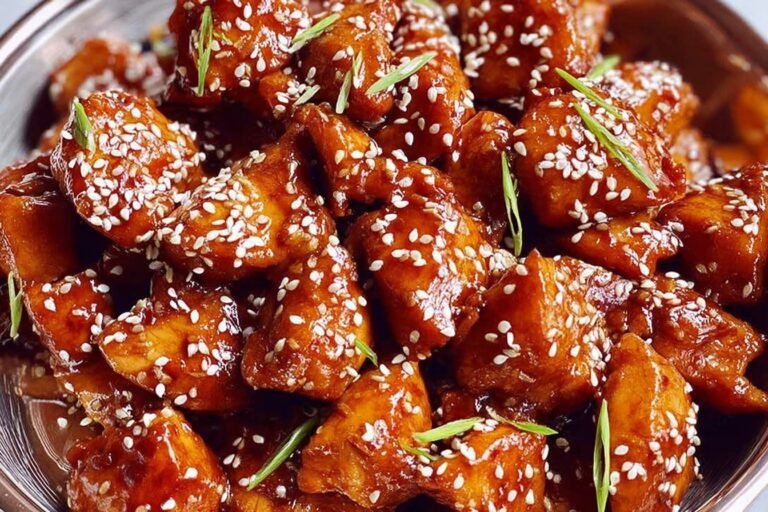
🍗 Unlock restaurant-level tenderness with sous vide sesame chicken that’s juicy inside and glossy outside.
🥢 Foolproof method delivers bold flavors effortlessly—ideal for weeknights or impressing guests.
- Total Time: 2-9 hours
- Yield: 2 servings
Ingredients
– 1 pound boneless chicken, chopped into 3/4-inch cubes
– 2 tablespoons soy sauce
– 1 tablespoon dark soy sauce (optional)
– 4 tablespoons brown sugar or white sugar
– 1 tablespoon rice vinegar
– 1 tablespoon oil
– 1 tablespoon minced garlic
– 1 tablespoon minced ginger
– 2 teaspoons cornstarch
– 1 tablespoon water
– Sesame seeds, for garnish
Instructions
1-Step 1: Prepare and Marinate the Chicken Start by cutting your boneless chicken into uniform 3/4-inch cubes. Uniform pieces ensure even cooking throughout the sous vide process. In a medium bowl, combine the chicken cubes with the soy sauce, dark soy sauce (if using), brown sugar, rice vinegar, oil, minced garlic, and minced ginger. Use your hands to gently massage the marinade into the chicken for about 30 seconds. This brief massage helps the flavors begin to penetrate the meat. Do not skip this step. Even a quick massage distributes the marinade more evenly than simply stirring.
2-Step 2: Vacuum Seal and Refrigerate Transfer the chicken and all the marinade into a sous vide bag or a resealable freezer bag. Arrange the chicken in a single, flat layer within the bag. This ensures even heat circulation during cooking. Remove as much air as possible before sealing. Place the sealed bag in the refrigerator and let it marinate for at least 40 minutes. You can extend this up to 4 hours for deeper flavor, but avoid going beyond 4 hours. The salt in the soy sauce can make the chicken overly salty or affect the texture if left too long.
3-Step 3: Cook in the Sous Vide Water Bath Preheat your sous vide water bath to 150°F. This temperature is the sweet spot for chicken. It cooks the meat to a safe temperature while maintaining incredible juiciness and a texture that mimics traditional cooking methods without any raw or mushy consistency. Once the water bath reaches temperature, submerge the sealed bag completely. Cook the chicken for 1 to 4 hours. For optimal results, I recommend cooking for at least 3 hours. This longer cook time allows fat to render and connective tissue to break down, resulting in exceptionally tender meat, especially when using chicken thighs. According to cooking experts at Serious Eats, sous vide cooking transforms simple ingredients into something extraordinary with precise temperature control. Even if you are short on time, the 1-hour minimum still produces juicy chicken. The beauty of sous vide is its flexibility. You cannot overcook the chicken as long as you stay within the recommended time range.
4-Step 4: Create the Sauce When the cooking time is complete, remove the bag from the water bath. Carefully cut a small slit in one corner of the bag and drain all the cooking liquid into a large nonstick pan. Do not discard this liquid. It contains concentrated chicken flavor and all the marinade ingredients. In a small bowl, whisk together the 2 teaspoons of cornstarch and 1 tablespoon of water to create a slurry. This prevents lumps when thickening the sauce. Pour the slurry into the pan with the cooking liquid and stir to combine. Turn the heat to medium-high and bring the mixture to a gentle simmer. Stir constantly for 2 to 3 minutes until the sauce thickens to a glossy consistency that coats the back of a spoon. The sauce should cling to the chicken rather than run off.
5-Step 5: Add the Chicken and Finish Now add the cooked chicken pieces from the bag directly into the pan with your thickened sauce. Use tongs or a spoon to toss and coat each piece evenly. The chicken is already fully cooked, so this step is about glazing rather than additional cooking. Cook for just 1 to 2 minutes, tossing frequently, until the sauce caramelizes slightly and coats the chicken in a sticky, savory glaze. Remove from heat immediately. Sprinkle generously with sesame seeds for garnish. Serve your sous vide sesame chicken hot over steamed rice, cauliflower rice, or your favorite grain. For a complete meal, pair it with a simple vegetable side or a fresh salad. If you have a sweet tooth, consider serving this alongside a slice of peach cobbler for dessert. This dish also makes an excellent filling for rice bowls, lettuce wraps, or Asian-inspired tacos. The possibilities are endless with this versatile recipe.
Last Step:
Please leave a rating and comment letting us know how you liked this recipe! This helps our business to thrive and continue providing free, high-quality recipes for you.Notes
🍗 Choose chicken thighs for maximum juiciness and flavor over breasts.
🌡️ 150°F ensures tender texture without raw appearance.
⏳ Limit marinating to 4 hours to prevent over-salting.
- Prep Time: 5 minutes
- Marinate: 40 minutes – 4 hours
- Cook Time: 1-4 hours
- Category: Poultry
- Method: Sous Vide
- Cuisine: Chinese
Nutrition
- Serving Size: 1 serving
- Calories: 480 kcal
- Sugar: 24 g
- Sodium: 1719 mg
- Fat: 18 g
- Saturated Fat: 3 g
- Unsaturated Fat: 13 g
- Trans Fat: 0.1 g
- Carbohydrates: 30 g
- Fiber: 1 g
- Protein: 48 g
- Cholesterol: 215 mg