Why You’ll Love This Sous Vide Chili Oil
Making chili oil at home might seem intimidating, but this sous vide chili oil recipe changes everything. Traditional methods require careful temperature control over a hot stove, with a real risk of burning your spices and creating a bitter result. The sous vide technique solves these problems beautifully, giving you a hands-off approach that delivers restaurant-quality results every single time.
Here are the main reasons this recipe will become a staple in your kitchen:
- Ease of preparation: Once you seal your ingredients in a bag and drop it in the water bath, you can walk away completely. No stirring, no monitoring, and no risk of burning. The precise temperature control means your chili oil develops perfectly without any guesswork. Prep time takes less than 15 minutes, and then the sous vide machine does all the heavy lifting while you sleep, work, or tackle other cooking projects like a classic peach cobbler for dessert.
- Health benefits: Chili peppers contain capsaicin, a compound linked to numerous health benefits including reduced inflammation, improved metabolism, and better heart health. This homemade version contains no preservatives or artificial ingredients found in many store-bought options. The slow extraction at 160 degrees Fahrenheit preserves heat-sensitive vitamins and antioxidants that high-heat cooking methods would destroy. Each tablespoon delivers a boost of Vitamin A, Vitamin C, and essential minerals like potassium and iron.
- Versatility: This aromatic oil transforms countless dishes with just a drizzle. Use it on dumplings, noodles, fried rice, stir-fries, soups, and even popcorn for an instant flavor upgrade. It works beautifully in both hot and cold dishes, making it perfect for everything from steaming bowls of ramen to refreshing Asian-style salads. The neutral base oil carries the complex spice flavors without overpowering your food.
- Distinctive flavor: The combination of Chinese dried red chiles, Sichuan peppercorns, star anise, cinnamon, coriander, and fennel creates a layered taste profile that builds complexity with every hour of cooking. The low, steady heat extracts aromatic compounds that flash-frying would evaporate, resulting in a deeper, more nuanced flavor than traditional stovetop methods can achieve.
Jump to:
- Why You’ll Love This Sous Vide Chili Oil
- Essential Ingredients for Sous Vide Chili Oil
- Main Ingredients
- Special Dietary Options
- How to Prepare the Perfect Sous Vide Chili Oil: Step-by-Step Guide
- Step 1: Preheat Your Water Bath
- Step 2: Prepare Your Spices
- Step 3: Assemble Your Sous Vide Bag
- Step 4: Cook the Infusion
- Step 5: Strain and Store Your Oil
- Dietary Substitutions to Customize Your Sous Vide Chili Oil
- Oil Alternatives
- Spice Modifications
- Mastering Sous Vide Chili Oil: Advanced Tips and Variations
- Pro Cooking Techniques
- Creative Flavor Variations
- Presentation and Serving Ideas
- Make-Ahead Options
- How to Store Sous Vide Chili Oil: Best Practices
- Refrigeration Guidelines
- Freezing for Longer Storage
- Signs of Spoilage
- Meal Prep Considerations
- FAQs: Frequently Asked Questions About Sous Vide Chili Oil
- What is sous vide chili oil?
- What temperature do I set for sous vide chili oil?
- How long does sous vide chili oil take to make?
- What’s the best oil for sous vide chili oil?
- How long does sous vide chili oil last in the fridge?
- Sous Vide Chili Oil
- Ingredients
- Instructions
- Last Step:
- Notes
- Nutrition
- Did you make this recipe?
Essential Ingredients for Sous Vide Chili Oil
Creating the perfect infused oil starts with selecting quality ingredients. Each component plays a specific role in building the complex flavor profile that makes this sous vide chili oil so special.
Main Ingredients
- 1 cup neutral-flavored oil such as peanut oil – Acts as the carrier for all flavors, extracting and preserving the essential oils from spices. Peanut oil works exceptionally well because it has a high smoke point and subtle nutty undertones that complement Asian flavors. Grapeseed oil or canola oil also work wonderfully.
- 1 cup Chinese dried red chiles – The primary source of heat and vibrant red color. These chiles provide a moderate spice level with fruity undertones. Chinese varieties tend to be less seedy and have thinner skins, making them ideal for infusing.
- 1 tablespoon Sichuan peppercorns – Adds the distinctive numbing sensation (ma) that defines Sichuan cuisine. These reddish-brown peppercorns have a citrusy, pine-like aroma that balances the heat from chiles beautifully.
- 10 star anise – Contributes a sweet, licorice-like flavor with subtle hints of cinnamon and clove. Star anise is essential for that authentic Chinese flavor profile that makes the oil taste professionally crafted.
- 2 cinnamon sticks – Provides warm, sweet notes that round out the spicy and numbing elements. Cinnamon helps mellow the overall intensity while adding aromatic depth.
- 2 teaspoons coriander seeds – Offers bright, citrusy notes that lift the heavier spice flavors. Coriander bridges the gap between the sweet spices and the fiery chiles.
- 1 tablespoon fennel seeds – Adds another layer of aromatic sweetness with subtle licorice notes that complement the star anise. Fennel also aids digestion, making it a practical addition to this spicy condiment.
- Optional: about ½ teaspoon cloves and 3 bay leaves – These optional additions intensify the aromatic complexity. Cloves add warmth and depth, while bay leaves contribute herbal, slightly floral notes.
Special Dietary Options
This recipe naturally accommodates several dietary needs:
- Vegan: This chili oil is 100% plant-based. All ingredients come from plants, making it suitable for vegans and vegetarians without any modifications needed.
- Gluten-free: Naturally gluten-free with no wheat-containing ingredients. Those with celiac disease or gluten sensitivity can enjoy this condiment safely.
- Low-calorie: While the oil itself is calorie-dense, a small amount goes a long way. Using just a teaspoon adds significant flavor to dishes without excessive calories. Consider portioning into small amounts for those watching their fat intake.
How to Prepare the Perfect Sous Vide Chili Oil: Step-by-Step Guide
Follow these detailed instructions to create your own batch of aromatic, flavorful sous vide chili oil. The process requires minimal active work but does need patience for the flavors to fully develop.
Step 1: Preheat Your Water Bath
Set your sous vide precision cooker to 160 degrees Fahrenheit (71 degrees Celsius). This temperature is carefully chosen to extract maximum flavor from your spices without burning them or breaking down delicate aromatic compounds. According to cooking enthusiasts on Reddit discussions about sous vide techniques, this temperature range is ideal for infusions because it stays well below the smoke point of your oil while remaining hot enough for efficient extraction.
Fill your container with water and allow it to come to temperature before adding your ingredients. This typically takes 15-20 minutes depending on your unit and water volume.
Step 2: Prepare Your Spices
Coarsely grind the chili peppers, Sichuan peppercorns, fennel seeds, and coriander seeds. You have two easy options for this step:
- Use a mortar and pestle for a traditional approach that gives you great control over the grind consistency
- Place spices in a sturdy Ziplock bag and crush them with a rolling pin or the bottom of a heavy pan
The goal is to break the spices open enough to release their oils during cooking, but not to create a fine powder. Leaving some texture helps with straining later and prevents the oil from becoming cloudy.
Keep your star anise and cinnamon sticks whole. These larger spices will infuse beautifully without grinding, and their intact forms make them easy to remove after cooking.
Step 3: Assemble Your Sous Vide Bag
Place all your prepared ingredients into a sous vide-safe bag. Add the ground chili peppers, Sichuan peppercorns, fennel seeds, and coriander seeds first, followed by the whole star anise and cinnamon sticks. Pour 1 cup of your chosen neutral oil over everything.
If using the optional cloves and bay leaves, add them now as well. These extras intensify the aromatic complexity of your finished oil.
Seal your bag using the water displacement method if using a Ziplock-style bag, or use a vacuum sealer for best results. Remove as much air as possible to ensure the bag stays submerged during cooking.
Step 4: Cook the Infusion
Submerge the sealed bag in your preheated water bath. Here is an important tip: oil is less dense than water, so your bag will want to float. Place a heat-resistant object on top to keep it fully submerged. A ceramic mug, a stainless steel ladle, or even a heavy spoon works well for this purpose.
Cook for a minimum of 8 hours to develop proper flavor. The recipe can go up to 16 hours for an even more intense infusion. The longer cooking time allows more of those aromatic compounds to release into the oil, creating a deeper, more complex flavor profile.
| Cooking Time | Flavor Intensity | Best For |
|---|---|---|
| 8 hours | Mild to Medium | Everyday cooking, mild dishes |
| 12 hours | Medium | Balanced flavor, most recipes |
| 16 hours | Intense | Heat lovers, bold dishes |
This hands-off cooking time makes the process incredibly convenient. Many home cooks start the infusion in the evening and let it run overnight, waking up to perfectly infused oil ready for straining.
Step 5: Strain and Store Your Oil
Once cooking is complete, remove the bag from the water bath. Carefully pour the contents through a fine mesh sieve into a clean storage container. Press gently on the solids to extract every last drop of flavored oil, but avoid squeezing too hard if you want a clearer finished product.
For an even clearer oil, strain a second time through cheesecloth or a coffee filter. This removes fine particles that can make the oil look cloudy.
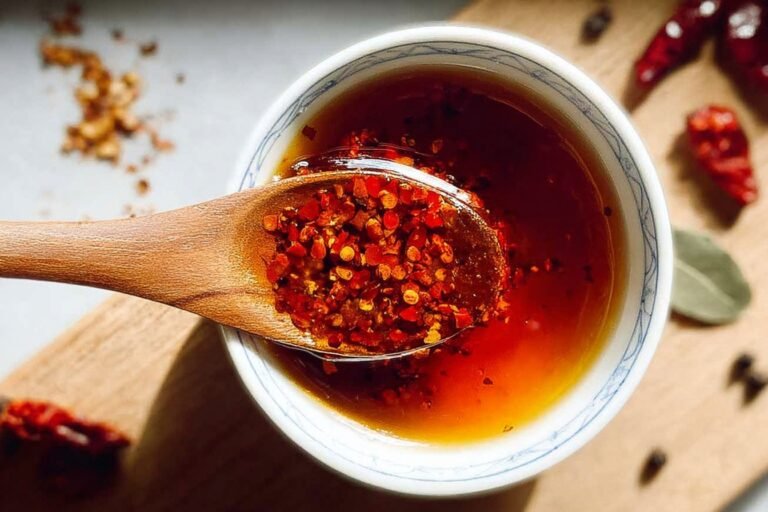
Transfer your finished sous vide chili oil into a clean glass jar or bottle. Use immediately if you like, or refrigerate for up to two weeks for longer storage.
Pro Tip: Cooking chili oil sous vide prevents burning the chilis and keeps many aromatic compounds intact that high-heat methods would destroy. This is the key advantage over traditional stovetop preparation.

Dietary Substitutions to Customize Your Sous Vide Chili Oil
While this recipe works beautifully as written, you may want to adjust ingredients based on dietary needs, preferences, or what you have available in your pantry.
Oil Alternatives
The neutral-flavored oil in this recipe serves as a canvas for the spices, but different oils can create interesting variations:
- Grapeseed oil: An excellent neutral alternative with a clean taste and high smoke point. It is lighter than peanut oil and lets the spice flavors shine without any competing notes.
- Avocado oil: Adds a subtle buttery quality while remaining neutral enough for infusions. It has one of the highest smoke points available, making it very stable.
- Canola oil: A budget-friendly neutral option that works perfectly well. It is readily available and has a neutral taste that will not interfere with your spice profile.
- Avoid olive oil: As mentioned in our tips, olive oil does not pair well with traditional Chinese flavor profiles. Its strong, distinctive flavor competes with rather than complements the Asian spices.
Spice Modifications
Adjust the spice blend to match your heat tolerance and flavor preferences:
- Milder version: Reduce the Chinese dried red chiles to ½ cup and increase the oil to maintain the 1:1 ratio. You can also remove the seeds from the chiles before grinding for a less spicy result.
- Extra spicy: Increase the chiles to 1.5 cups, or add 1-2 teaspoons of cayenne pepper to the grind mixture. This creates a much hotter oil for those who love intense heat.
- Sichuan-forward: Double the Sichuan peppercorns to 2 tablespoons for more of that distinctive numbing sensation that makes Sichuan cuisine unique.
- Aromatic focus: Add fresh ginger slices (about 1 inch, sliced thin) and 4-5 smashed garlic cloves to the bag before cooking. This creates a more complex, savory profile.
Remember that fresh aromatics like garlic and ginger will reduce the shelf life of your oil, so plan to use it within one week if adding these ingredients. For more dessert ideas that pair well with spicy main courses, check out this refreshing strawberry milkshake recipe to cool your palate.
Mastering Sous Vide Chili Oil: Advanced Tips and Variations
Once you have mastered the basic recipe, these advanced techniques and creative variations will help you take your sous vide chili oil to the next level.
Pro Cooking Techniques
For the clearest, most professional-looking oil, consider these expert approaches:
- Toast your whole spices: Before adding star anise and cinnamon sticks to the bag, lightly toast them in a dry pan for 30-60 seconds. This releases their essential oils and intensifies their flavor contribution to the finished oil.
- Use a vacuum sealer: While Ziplock bags work fine, a vacuum-sealed bag removes all air and ensures maximum contact between the oil and spices. This leads to more efficient flavor extraction.
- Temperature precision: Keep your water bath at exactly 160 degrees Fahrenheit. Higher temperatures can break down delicate compounds, while lower temperatures slow extraction significantly.
- Batch processing: Make larger batches by doubling or tripling the recipe. The cooking time remains the same, and you will have plenty of oil for gifts or extended use.
Creative Flavor Variations
Experiment with these interesting twists on the classic recipe:
- Smoky chili oil: Add 2-3 dried chipotle peppers to the mix for a smoky, deeper flavor profile that works beautifully on Mexican-inspired dishes.
- Five-spice version: Add 1 teaspoon of Chinese five-spice powder to create a more complex, aromatic oil with sweet licorice notes from the star anise and fennel.
- Citrus-infused: Add dried orange peel (about 1 tablespoon) to the spice blend. The citrus notes brighten the oil and pair beautifully with seafood dishes.
- Black bean chili oil: Add 2 tablespoons of fermented black beans (douchi) for an umami-rich variation that works exceptionally well with vegetables and tofu.
Presentation and Serving Ideas
Your homemade chili oil deserves proper presentation:
- Store in clear glass bottles with tight-fitting lids to show off the beautiful red color
- Add a single star anise or cinnamon stick to the finished bottle for visual appeal
- Label bottles with the date made and heat level if giving as gifts
- Serve in small dipping bowls alongside dumplings or noodles
Make-Ahead Options
For busy home cooks, planning ahead makes enjoying your creation easier:
- Pre-measure and grind your spice blend up to a week in advance
- Store prepared spice mixtures in airtight containers in a cool, dark place
- Start infusions before bed or before leaving for work to maximize your time
- Batch-strain multiple batches at once and store in smaller containers for different uses
How to Store Sous Vide Chili Oil: Best Practices
Proper storage ensures your sous vide chili oil maintains its quality and remains safe to eat. Follow these guidelines for the best results.
Refrigeration Guidelines
Your finished chili oil will keep in the refrigerator for up to two weeks when stored properly. Use a clean glass jar with a tight-fitting lid. Glass is ideal because it will not absorb flavors or odors, and you can see the beautiful red color of your oil.
Always use clean, dry utensils when removing oil from the container. Introducing water or food particles can promote bacterial growth and reduce shelf life. Keep the jar sealed when not in use and store it in the main body of the refrigerator rather than the door, where temperature fluctuations occur more frequently.
Freezing for Longer Storage
For longer storage, freeze your chili oil for up to six months. Portion the oil into ice cube trays first for convenient single-use amounts. Once frozen, transfer the cubes to a freezer bag for longer-term storage.
Thaw frozen portions in the refrigerator overnight or at room temperature for 30-60 minutes before use. The texture and flavor remain excellent after freezing, making this a great way to preserve larger batches.
Signs of Spoilage
Discard your chili oil if you notice any of these warning signs:
- Off or rancid smell that differs from the spicy, aromatic scent of fresh oil
- Visible mold growing on the surface or around the edges of the container
- Cloudiness that does not clear when brought to room temperature
- Changes in color, particularly darkening or browning
Meal Prep Considerations
If you enjoy batch cooking or meal prepping, this chili oil is an excellent addition to your toolkit. Make a batch at the start of the week and use small amounts to add quick flavor to various dishes. A teaspoon transforms plain rice or noodles into a flavorful side dish in seconds.
FAQs: Frequently Asked Questions About Sous Vide Chili Oil
What is sous vide chili oil?
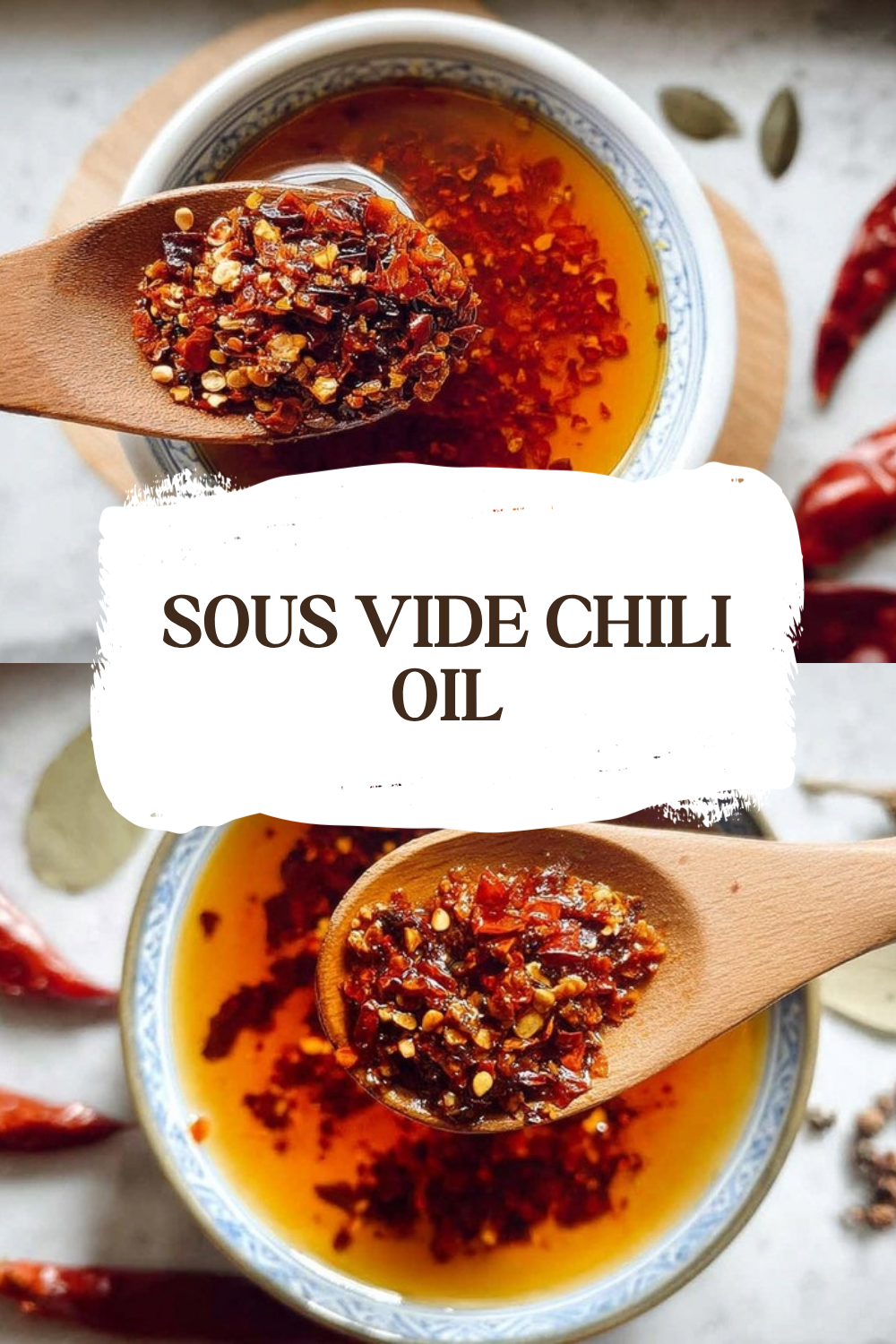
Sous vide chili oil is a flavorful infused oil made by slowly cooking chili peppers, spices like Sichuan peppercorns, garlic, and star anise in a neutral oil using a sous vide water bath. Set the temperature to 160°F (71°C) and cook for 8-16 hours. This low-heat method gently extracts bold, aromatic flavors without burning the ingredients, resulting in a vibrant red oil perfect for drizzling on dumplings, noodles, or stir-fries. To make it, seal peppers and oil in a vacuum bag or mason jar, submerge in the water bath, then strain after cooking. It delivers deeper taste than stovetop versions since it preserves volatile oils and compounds. Store in the fridge after cooling. This technique minimizes mess and ensures consistent results every time.
What temperature do I set for sous vide chili oil?
Set your sous vide water bath to 160°F (71°C) for making chili oil. This precise temperature infuses flavors from dried chilies, garlic, and spices into the oil over 8-16 hours without scorching delicate aromatics. Higher temps above 185°F can make the oil bitter by breaking down compounds. Preheat the bath, place ingredients in a zip-top bag or jar (remove air with water displacement), and clip to the side of the container. Monitor with a thermometer for accuracy. After cooking, strain through cheesecloth for a smooth finish. This method is safer than open-pot cooking, reducing fire risks. Pro tip: Test a small batch first to dial in your preferred heat level.
How long does sous vide chili oil take to make?
Sous vide chili oil typically takes 8-16 hours of cooking time at 160°F, plus prep and cooling. For mild flavor, go 8 hours; extend to 12-16 for intense taste. Prep involves toasting 1 cup dried chilies, smashing garlic and ginger, and combining with 2 cups neutral oil in a sealed bag. Submerge and let it run hands-free. The low temp slowly draws out capsaicin and essential oils for balanced heat and fragrance. Strain while hot to capture sediment, then cool fully before storing. Total active time is under 30 minutes. Patience pays off—shorter times yield weaker infusion, while longer builds complexity ideal for Chinese dishes like mapo tofu.
What’s the best oil for sous vide chili oil?
Use a neutral oil like grapeseed, canola, or peanut for sous vide chili oil to let chili and spice flavors shine. Peanut oil is a top pick for its high smoke point and nutty undertone that pairs with Asian cuisine. Avoid strong oils like extra-virgin olive, which can clash with chilies. Start with 2 cups oil per 1 cup solids. In the sous vide bag, the oil acts as a gentle solvent at 160°F, pulling in aromas over 8-16 hours. After straining, it stores well refrigerated. For variations, try avocado oil for a buttery twist. This choice prevents off-flavors and ensures the oil remains pourable at room temp. Always filter twice for clarity.
How long does sous vide chili oil last in the fridge?
Homemade sous vide chili oil lasts up to 2 weeks in the fridge after straining and cooling completely. For longer storage (1-2 months), ensure all solids are removed to prevent bacterial growth, like from garlic. Use clean jars, fill to minimize air, and keep at 35-40°F. Signs of spoilage include off smells, mold, or cloudiness—discard if noticed. The sous vide process pasteurizes at 160°F, extending shelf life beyond raw infusions. Freeze in ice cube trays for 6+ months; thaw as needed for convenience. Label with dates. Proper handling makes it a staple for recipes—drizzle on ramen or eggs. If adding fresh herbs, use within a week.
Sous Vide Chili Oil
🌶️ Achieve intense, nuanced heat and preserved aromas with sous vide’s gentle infusion—no burnt flavors here.
🔥 Versatile powerhouse for noodles, veggies, or proteins; store-bought can’t compare to this homemade intensity.
- Total Time: 8-16 hours
- Yield: 1 cup
Ingredients
– 1 cup neutral-flavored oil such as peanut oil for carrier of flavors
– 1 cup Chinese dried red chiles for heat and color
– 1 tablespoon Sichuan peppercorns for numbing sensation
– 10 star anise for licorice-like flavor
– 2 cinnamon sticks for warm sweet notes
– 2 teaspoons coriander seeds for citrusy notes
– 1 tablespoon fennel seeds for aromatic sweetness
– about ½ teaspoon cloves (optional) for warmth and depth
– 3 bay leaves (optional) for herbal notes
Instructions
1-Step 1: Preheat Your Water Bath Set your sous vide precision cooker to 160 degrees Fahrenheit (71 degrees Celsius). This temperature is carefully chosen to extract maximum flavor from your spices without burning them or breaking down delicate aromatic compounds. According to cooking enthusiasts on Reddit discussions about sous vide techniques, this temperature range is ideal for infusions because it stays well below the smoke point of your oil while remaining hot enough for efficient extraction. Fill your container with water and allow it to come to temperature before adding your ingredients. This typically takes 15-20 minutes depending on your unit and water volume.
2-Step 2: Prepare Your Spices Coarsely grind the chili peppers, Sichuan peppercorns, fennel seeds, and coriander seeds. You have two easy options for this step:* Use a mortar and pestle for a traditional approach that gives you great control over the grind consistency* Place spices in a sturdy Ziplock bag and crush them with a rolling pin or the bottom of a heavy pan The goal is to break the spices open enough to release their oils during cooking, but not to create a fine powder. Leaving some texture helps with straining later and prevents the oil from becoming cloudy. Keep your star anise and cinnamon sticks whole. These larger spices will infuse beautifully without grinding, and their intact forms make them easy to remove after cooking.
3-Step 3: Assemble Your Sous Vide Bag Place all your prepared ingredients into a sous vide-safe bag. Add the ground chili peppers, Sichuan peppercorns, fennel seeds, and coriander seeds first, followed by the whole star anise and cinnamon sticks. Pour 1 cup of your chosen neutral oil over everything. If using the optional cloves and bay leaves, add them now as well. These extras intensify the aromatic complexity of your finished oil. Seal your bag using the water displacement method if using a Ziplock-style bag, or use a vacuum sealer for best results. Remove as much air as possible to ensure the bag stays submerged during cooking.
4-Step 4: Cook the Infusion Submerge the sealed bag in your preheated water bath. Here is an important tip: oil is less dense than water, so your bag will want to float. Place a heat-resistant object on top to keep it fully submerged. A ceramic mug, a stainless steel ladle, or even a heavy spoon works well for this purpose. Cook for a minimum of 8 hours to develop proper flavor. The recipe can go up to 16 hours for an even more intense infusion. The longer cooking time allows more of those aromatic compounds to release into the oil, creating a deeper, more complex flavor profile. This hands-off cooking time makes the process incredibly convenient. Many home cooks start the infusion in the evening and let it run overnight, waking up to perfectly infused oil ready for straining.
5-Step 5: Strain and Store Your Oil Once cooking is complete, remove the bag from the water bath. Carefully pour the contents through a fine mesh sieve into a clean storage container. Press gently on the solids to extract every last drop of flavored oil, but avoid squeezing too hard if you want a clearer finished product. For an even clearer oil, strain a second time through cheesecloth or a coffee filter. This removes fine particles that can make the oil look cloudy. Transfer your finished sous vide chili oil into a clean glass jar or bottle. Use immediately if you like, or refrigerate for up to two weeks for longer storage.
Last Step:
Please leave a rating and comment letting us know how you liked this recipe! This helps our business to thrive and continue providing free, high-quality recipes for you.Notes
🔥 Sous vide prevents burning chilis while keeping aromatic compounds intact for superior flavor.
⏱️ Cook for at least 8 hours—up to 16 for deeper intensity.
🛢️ Skip olive oil; stick to neutral like peanut for authentic Chinese profile.
- Prep Time: 10 minutes
- Cook Time: 8-16 hours
- Category: Condiments & Sauces
- Method: Sous Vide
- Cuisine: Chinese
Nutrition
- Serving Size: 1 tablespoon
- Calories: 140 kcal
- Sugar: 5 g
- Sodium: 15 mg
- Fat: 12 g
- Saturated Fat: 1 g
- Unsaturated Fat: 11 g
- Trans Fat: 0 g
- Carbohydrates: 9 g
- Fiber: 4 g
- Protein: 1 g
- Cholesterol: 0 mg