Why You’ll Love This Hong Kong French Toast
There’s something magical about Hong Kong French toast that transforms ordinary ingredients into an extraordinary treat. This beloved cha chaan teng classic brings the spirit of Hong Kong’s bustling tea restaurants right into your kitchen, and I’m so excited to share this recipe with you.
This recipe reminds me of lazy Sunday mornings when I’d sneak into the kitchen early just to enjoy the smell of warm peanut butter blending with the sweet aroma of golden syrup. Growing up, I always thought French toast was just bread dipped in egg, but this Hong Kong version completely changed my perspective.
Reasons This Recipe Will Become Your Go-To Breakfast
- Ease of preparation: With just 17 minutes total time (12 minutes prep and 5 minutes cooking), you can whip up this impressive dish even on busy weekday mornings. The steps are straightforward, and you likely already have most ingredients in your pantry.
- Irresistible flavor combination: The sweet and savory interplay between creamy peanut butter, rich golden syrup, and the crispy exterior creates a taste experience that Western French toast simply cannot match. Each bite delivers a satisfying crunch followed by a soft, fluffy interior.
- Impressive presentation: Despite its simplicity, this dish looks and tastes like something from a professional kitchen. Your family and guests will think you spent hours preparing it.
- Budget-friendly: Using basic ingredients like bread, eggs, and peanut butter, this recipe delivers restaurant-quality results without breaking the bank. It’s a wonderful way to treat yourself while keeping costs low.
One serving of this Hong Kong French toast makes a hearty breakfast for one person or can be shared as an afternoon snack for two. It’s perfect for those moments when you want something special without too much fuss.
Jump to:
- Why You’ll Love This Hong Kong French Toast
- Reasons This Recipe Will Become Your Go-To Breakfast
- Essential Ingredients for Hong Kong French Toast
- Main Ingredients
- Special Dietary Options
- How to Prepare the Perfect Hong Kong French Toast: Step-by-Step Guide
- First Step: Prepare the Bread and Filling
- Second Step: Create the Fluffy Egg Batter
- Third Step: Heat the Oil Properly
- Fourth Step: Coat and Soak the Sandwich
- Fifth Step: Fry to Golden Perfection
- Sixth Step: Drain and Serve
- Dietary Substitutions to Customize Your Hong Kong French Toast
- Protein and Main Component Alternatives
- Bread and Batter Modifications
- Mastering Hong Kong French Toast: Advanced Tips and Variations
- Professional Cooking Techniques
- Creative Flavor Variations
- Presentation and Serving Ideas
- Make-Ahead Strategies
- How to Store Hong Kong French Toast: Best Practices
- Short-Term Refrigeration
- Reheating for Best Results
- Freezing Considerations
- FAQs: Frequently Asked Questions About Hong Kong French Toast
- What is Hong Kong French toast?
- What bread is best for Hong Kong French toast?
- How do you make the egg batter for Hong Kong French toast?
- What syrup and toppings for Hong Kong French toast?
- How much oil to fry Hong Kong French toast?
- Hong Kong French Toast
- Ingredients
- Instructions
- Last Step:
- Notes
- Nutrition
- Did you make this recipe?
Essential Ingredients for Hong Kong French Toast
Creating the perfect Hong Kong French toast starts with understanding each ingredient’s role. While the list is short, every component contributes to that signature taste and texture that makes this dish so memorable.
Main Ingredients
Here is a complete list of ingredients you’ll need with precise measurements:
- 2 slices soft white bread (preferably 2 days old) – Slightly stale bread works best because it absorbs the egg batter without falling apart. Asian-style pillowy white bread is traditional, but any soft white sandwich bread will work beautifully.
- 2 teaspoons creamy peanut butter – This creates the signature filling that gives Hong Kong French toast its distinctive sweet-savory character. Creamy varieties spread smoothly and create a consistent texture throughout.
- 1 large egg – The foundation of your batter. Separating the egg and beating the white creates that fluffy, souffle-like texture that sets this recipe apart from regular French toast.
- 1/4 cup vegetable oil or any neutral oil – Used for frying to achieve that crispy golden exterior. The oil should be about 1/4 inch deep in your pan for even cooking.
- 1 thin slice unsalted butter – Placed on top of the finished French toast for richness and that beautiful glossy finish.
- Golden syrup or pancake syrup – The finishing touch that adds sweetness and the classic caramel-like flavor. Lyle’s Golden Syrup is traditional, but pancake syrup makes an acceptable substitute.
Special Dietary Options
| Dietary Need | Substitution Options |
|---|---|
| Vegan | Replace egg with a flax egg mixture (1 tablespoon ground flaxseed + 3 tablespoons water). Use vegan butter and a plant-based creamy spread instead of peanut butter. |
| Gluten-free | Use gluten-free white bread. Ensure all other ingredients are certified gluten-free. |
| Lower calorie | Reduce oil by pan-frying with cooking spray instead. Use less syrup or a sugar-free alternative. Consider using reduced-fat peanut butter. |
| Nut-free | Sunflower seed butter or cookie butter makes an excellent substitute for peanut butter while maintaining that creamy filling. |
How to Prepare the Perfect Hong Kong French Toast: Step-by-Step Guide
Making Hong Kong French toast is surprisingly simple, but a few key techniques make all the difference between good and exceptional. Follow these detailed steps, and you’ll achieve that perfect balance of crispy exterior and fluffy interior.
First Step: Prepare the Bread and Filling
Start by spreading 2 teaspoons of creamy peanut butter evenly on one side of a bread slice. Don’t be tempted to add more, as the filling should be present but not overwhelming. Place the second slice on top to create a sandwich, then trim off the crusts with a sharp knife.
Trimming the crusts isn’t just about aesthetics. It helps the sandwich cook evenly and allows the egg batter to coat every surface properly. The result is a more uniform texture and that authentic Hong Kong tea house appearance.
Second Step: Create the Fluffy Egg Batter
This is where Hong Kong French toast differs from its Western counterpart. Crack your egg and carefully separate the yolk from the white. Place the white in a clean mixing bowl and whisk vigorously until it becomes foamy and doubles in volume.
You don’t need stiff peaks, just a good frothy consistency. This incorporates air into the batter and creates that signature lightness. Once the white is foamy, add the yolk and whisk just until combined. The mixture should remain airy and light.
Pro tip: Room temperature eggs whip up more easily than cold ones. Take your egg out of the refrigerator about 15 minutes before you start cooking for best results.
Third Step: Heat the Oil Properly
Pour 1/4 cup of vegetable oil into a small heavy skillet and place it over medium-high heat. The oil should reach a depth of about 1/4 inch, which allows the French toast to cook evenly on all sides when you baste it.
Here’s how to test if your oil is ready: Drop a small bit of egg mixture into the pan. If it immediately starts bubbling and sizzling, you’re good to go. If the oil smokes, it’s too hot, so reduce the heat slightly and wait a moment before proceeding.
Fourth Step: Coat and Soak the Sandwich
Dip your sandwich into the egg mixture, making sure to coat all sides thoroughly. Let it soak for about a minute, turning once or twice to ensure even absorption. The bread should drink in the egg batter but not become so soggy that it falls apart.
If you’re using slightly stale bread as recommended, it will hold up beautifully during this soaking process. Fresh bread might need a shorter soaking time to prevent disintegration.
Fifth Step: Fry to Golden Perfection
Carefully place your coated sandwich into the hot oil. Let it cook for about 2 to 3 minutes on the first side. You’ll notice the edges turning a beautiful golden brown. Using a spoon or ladle, baste the top of the sandwich with hot oil from the pan to help cook the sides and top evenly.
Flip carefully and cook the second side for another 2 to 3 minutes until it matches the golden brown of the first side. The basting technique is essential for achieving that uniform color and texture all around.
Sixth Step: Drain and Serve
Remove the French toast from the pan and let it drain briefly on paper towels to remove excess oil. Transfer to a serving plate, place a thin slice of unsalted butter on top, and drizzle generously with golden syrup or pancake syrup.
Serve immediately while hot for the best experience. The contrast between the crispy exterior, soft fluffy interior, and melting butter creates a texture sensation that’s truly unforgettable.

Dietary Substitutions to Customize Your Hong Kong French Toast
While traditional Hong Kong French toast is a specific combination of flavors, there’s plenty of room for customization based on dietary needs and personal preferences.
Protein and Main Component Alternatives
The peanut butter filling is iconic, but you have options. If peanut allergies are a concern, sunflower seed butter provides a similar creamy texture and nutty flavor. Cookie butter (speculoos) is another delicious alternative that adds a spiced, caramel-like quality to the filling.
For those wanting to reduce fat content, consider using a thin layer of low-sugar fruit jam instead of peanut butter. While it changes the character significantly, it can still be delicious. Some people even enjoy savory versions filled with ham and cheese, though this strays from the traditional recipe.
Bread and Batter Modifications
While soft white bread is traditional, whole wheat bread can work for those seeking more fiber. Just note that the texture will be denser and less pillowy. Brioche or challah make luxurious alternatives that add richness to the final dish.
For the egg batter, those with egg allergies can use a mixture of milk and cornstarch as a coating. While it won’t puff up quite the same way, it still creates a crispy exterior. For vegans, a mixture of plant milk, flour, and a pinch of cornstarch can approximate the traditional coating.
If you’re watching calories, you can skip separating the egg and just beat the whole egg with a tablespoon of milk. The result will be slightly denser but still delicious, and you’ll save a step in the process.
Mastering Hong Kong French Toast: Advanced Tips and Variations
Once you’ve mastered the basic technique, these advanced tips and creative variations will help you take your Hong Kong French toast to the next level.
Professional Cooking Techniques
- Use the right pan: A small heavy skillet (8 inches is ideal) allows you to use less oil while maintaining proper depth for even frying. Cast iron works beautifully because it holds heat consistently.
- Watch your heat: If the French toast browns too quickly but remains raw inside, your heat is too high. Medium-high is the sweet spot for achieving crispy exterior and cooked interior simultaneously.
- Don’t overcrowd: Fry one sandwich at a time for the best results. This allows you to control the cooking process and baste effectively.
- Serve immediately: Hong Kong French toast waits for no one. The crispy exterior starts softening after about 10 minutes, so have your syrup and butter ready before you start frying.
Creative Flavor Variations
While traditional Hong Kong French toast is perfect as is, creative home cooks have developed delicious variations over the years:
- Chocolate peanut butter: Mix cocoa powder into your peanut butter for a chocolate twist that pairs beautifully with the golden syrup.
- Coty cheese filling: Replace peanut butter with a mixture of cream cheese and a sprinkle of sugar for a tangy alternative.
- Condensed milk finish: Instead of or in addition to syrup, drizzle sweetened condensed milk for extra richness.
- Seasonal additions: Add sliced bananas inside the sandwich or serve with fresh berries for a fruitier version.
Presentation and Serving Ideas
In Hong Kong tea houses, this dish is often cut diagonally into triangles for easier eating. Consider this approach when serving to guests. A light dusting of powdered sugar adds visual appeal, though it’s not traditional.
For an authentic experience, serve with Hong Kong-style milk tea. The slight bitterness of the tea balances the sweetness of the French toast perfectly. If you enjoy exploring international flavors, this combination is truly transportive.
Make-Ahead Strategies
While Hong Kong French toast is best fresh, you can prepare components ahead of time for quicker morning assembly:
- Trim your bread and store it in an airtight container overnight
- Pre-measure your oil and have it ready by the stove
- Mix your syrup with a touch of butter in a small pitcher for quick serving
Note that spreading peanut butter and assembling the sandwich ahead of time is not recommended, as the bread can become soggy.
How to Store Hong Kong French Toast: Best Practices
While Hong Kong French toast is definitely best enjoyed fresh from the pan, life sometimes calls for make-ahead options. Here’s how to store any leftovers properly.
Short-Term Refrigeration
If you have leftover French toast, let it cool completely before storing. Place it in an airtight container with paper towels between layers to absorb excess moisture. Properly stored, it will keep in the refrigerator for up to 24 hours.
Keep in mind that the crispy exterior will soften in the refrigerator. This is unavoidable, but proper reheating can help restore some of that texture.
Reheating for Best Results
The microwave is quick but will leave you with a soft, slightly soggy result. For better texture, use a toaster oven or conventional oven:
- Preheat to 350°F (175°C)
- Place the French toast on a baking sheet lined with parchment paper
- Heat for 5 to 7 minutes until warmed through and the exterior has crisped up again
- Add fresh butter and syrup before serving
Freezing Considerations
Technically, you can freeze Hong Kong French toast for up to one month, but the quality significantly decreases. If you must freeze it, wrap each piece individually in plastic wrap and then place in a freezer bag. Thaw overnight in the refrigerator before reheating in the oven.
For the best experience, I recommend making only what you plan to eat immediately. The total preparation time is just 17 minutes, so it’s really not much effort to make it fresh each time.
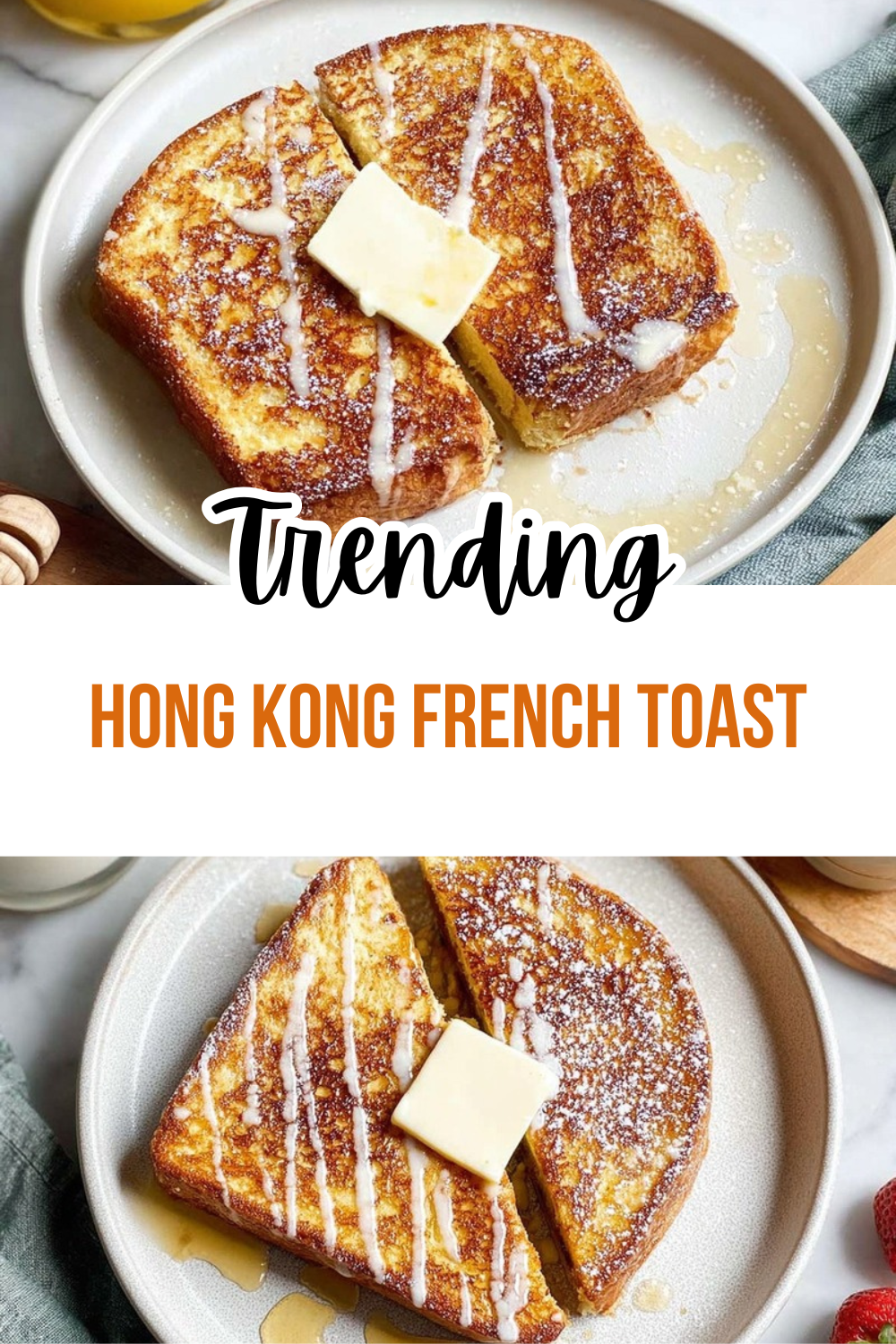
FAQs: Frequently Asked Questions About Hong Kong French Toast
What is Hong Kong French toast?
Hong Kong French toast is a popular cha chaan teng (tea restaurant) dish featuring thick slices of soft white bread soaked in an egg batter, deep-fried until golden and crispy outside while staying fluffy inside. It’s often stuffed or topped with creamy peanut butter and drizzled with golden syrup for a sweet-salty contrast. Unlike Western French toast, it skips milk and cinnamon in the batter, uses beaten egg whites for extra fluffiness, and is fried in more oil for a crispier edge. Originating in 1950s Hong Kong as an affordable Western-inspired treat, it’s now a breakfast or snack staple. To make it at home, slice bread into 1.5-inch thick pieces, dip in egg batter, fry in 1/4-inch hot oil, and serve immediately with toppings. One serving is about 500 calories, perfect for two as afternoon tea.
What bread is best for Hong Kong French toast?
Use Asian-style soft white bread, like Japanese milk bread (shokupan) or Hong Kong-style pillowy loaves, cut into 1.5-2 inch thick slices. Slightly stale bread (1-2 days old) works best—it absorbs the egg batter without falling apart, staying light and sturdy during frying. Fresh bread can become too soggy. Avoid dense artisan loaves or baguettes, as they lack the signature softness. For authenticity, source from Asian bakeries; if unavailable, supermarket white sandwich bread is a decent substitute but slice thicker. Pro tip: Trim crusts for even cooking and a cleaner look. This choice gives the toast its melt-in-your-mouth texture after frying to golden perfection.
How do you make the egg batter for Hong Kong French toast?
Separate 2-3 eggs, beat the whites until foamy (soft peaks) for fluffiness, then whisk in the yolks—no milk, sugar, or cinnamon needed. This simple batter clings well and creates air pockets for a light, custardy interior. Dip thick bread slices for 10-15 seconds per side, letting excess drip off. The foam from egg whites differentiates it from standard French toast, mimicking a soufflé-like rise when fried. Actionable steps: Use room-temperature eggs for better volume; beat whites with a fork or whisk for 1-2 minutes until frothy but not stiff. Batter enough for 4 slices serves 2 people. Fry immediately to avoid sogginess.
What syrup and toppings for Hong Kong French toast?
Traditional topping is Lyle’s Golden Syrup, a UK import with light caramel notes that pairs perfectly with the fried bread’s richness—drizzle 1-2 tablespoons per slice. Spread 1 tablespoon creamy peanut butter inside before battering or on top after frying for the classic sweet-savory combo; chunky works too for texture. Other options: condensed milk or maple syrup as substitutes. Serve hot with a sprinkle of powdered sugar. In Hong Kong tea houses, it’s often cut into fingers for easy eating. Nutrition note: Adds about 100 calories per serving from syrup. For variations, add banana slices. Pair with Hong Kong-style milk tea for an authentic experience—link to our milk tea recipe for full snack ideas.
How much oil to fry Hong Kong French toast?
Heat 1/4 cup neutral oil (vegetable, canola, or peanut) in a skillet to 1/4-inch depth—scale up for larger pans. Medium-high heat (350°F/175°C) ensures crispy edges without burning; fry 2-3 minutes per side until deep golden. Use a wide nonstick skillet for 2-4 slices at once. Drain on paper towels to remove excess oil. This shallow-fry method gives the signature crunch absent in pan-griddled versions. Tip: Test oil with a bread corner—it should sizzle immediately. Leftover oil? Strain and reuse. Recipe yields 2 servings; double for more. Common mistake: Too little oil leads to sticking—always preheat fully. Stores well in fridge for 1 day; reheat in toaster oven.
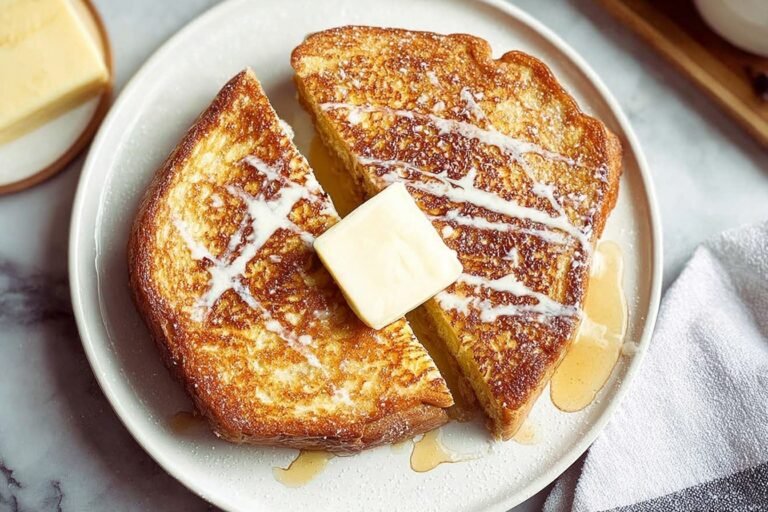
Hong Kong French Toast
🍞 Dive into golden, fluffy Hong Kong Style French Toast stuffed with creamy peanut butter – a sweet-savory delight ready in just 17 minutes for ultimate breakfast bliss!
🥜 Drizzled with butter and golden syrup, it’s lighter thanks to whipped egg batter, perfect for afternoon tea or indulgent brunches with authentic flair.
- Total Time: 17 minutes
- Yield: 1 serving
Ingredients
– 2 slices soft white bread (preferably 2 days old)
– 2 teaspoons creamy peanut butter
– 1 large egg
– 1/4 cup vegetable oil or any neutral oil
– 1 thin slice unsalted butter
– Golden syrup or pancake syrup
Instructions
1-First Step: Prepare the Bread and Filling Start by spreading 2 teaspoons of creamy peanut butter evenly on one side of a bread slice. Don’t be tempted to add more, as the filling should be present but not overwhelming. Place the second slice on top to create a sandwich, then trim off the crusts with a sharp knife. Trimming the crusts isn’t just about aesthetics. It helps the sandwich cook evenly and allows the egg batter to coat every surface properly. The result is a more uniform texture and that authentic Hong Kong tea house appearance.
2-Second Step: Create the Fluffy Egg Batter This is where Hong Kong French toast differs from its Western counterpart. Crack your egg and carefully separate the yolk from the white. Place the white in a clean mixing bowl and whisk vigorously until it becomes foamy and doubles in volume. You don’t need stiff peaks, just a good frothy consistency. This incorporates air into the batter and creates that signature lightness. Once the white is foamy, add the yolk and whisk just until combined. The mixture should remain airy and light.
3-Third Step: Heat the Oil Properly Pour 1/4 cup of vegetable oil into a small heavy skillet and place it over medium-high heat. The oil should reach a depth of about 1/4 inch, which allows the French toast to cook evenly on all sides when you baste it. Here’s how to test if your oil is ready: Drop a small bit of egg mixture into the pan. If it immediately starts bubbling and sizzling, you’re good to go. If the oil smokes, it’s too hot, so reduce the heat slightly and wait a moment before proceeding.
4-Fourth Step: Coat and Soak the Sandwich Dip your sandwich into the egg mixture, making sure to coat all sides thoroughly. Let it soak for about a minute, turning once or twice to ensure even absorption. The bread should drink in the egg batter but not become so soggy that it falls apart. If you’re using slightly stale bread as recommended, it will hold up beautifully during this soaking process. Fresh bread might need a shorter soaking time to prevent disintegration.
5-Fifth Step: Fry to Golden Perfection Carefully place your coated sandwich into the hot oil. Let it cook for about 2 to 3 minutes on the first side. You’ll notice the edges turning a beautiful golden brown. Using a spoon or ladle, baste the top of the sandwich with hot oil from the pan to help cook the sides and top evenly. Flip carefully and cook the second side for another 2 to 3 minutes until it matches the golden brown of the first side. The basting technique is essential for achieving that uniform color and texture all around.
6-Sixth Step: Drain and Serve Remove the French toast from the pan and let it drain briefly on paper towels to remove excess oil. Transfer to a serving plate, place a thin slice of unsalted butter on top, and drizzle generously with golden syrup or pancake syrup. Serve immediately while hot for the best experience. The contrast between the crispy exterior, soft fluffy interior, and melting butter creates a texture sensation that’s truly unforgettable.
Last Step:
Please leave a rating and comment letting us know how you liked this recipe! This helps our business to thrive and continue providing free, high-quality recipes for you.Notes
🍞 Opt for slightly stale soft white bread, ideally Asian-style, for perfect absorption and structure.
🥜 Creamy peanut butter melts smoothly inside; avoid chunky for best texture.
☁️ Whipping the egg white creates an airy batter that makes the toast extra fluffy.
- Prep Time: 12 minutes
- Cook Time: 5 minutes
- Category: Breakfast
- Method: Pan-Fry
- Cuisine: Hong Kong
- Diet: Vegetarian
Nutrition
- Serving Size: 1 sandwich
- Calories: 550 kcal
- Sugar: 15 g
- Sodium: 350 mg
- Fat: 35 g
- Saturated Fat: 8 g
- Unsaturated Fat: 25 g
- Trans Fat: 0 g
- Carbohydrates: 45 g
- Fiber: 2 g
- Protein: 12 g
- Cholesterol: 200 mg