Why You’ll Love This Stir Fry Glass Noodles
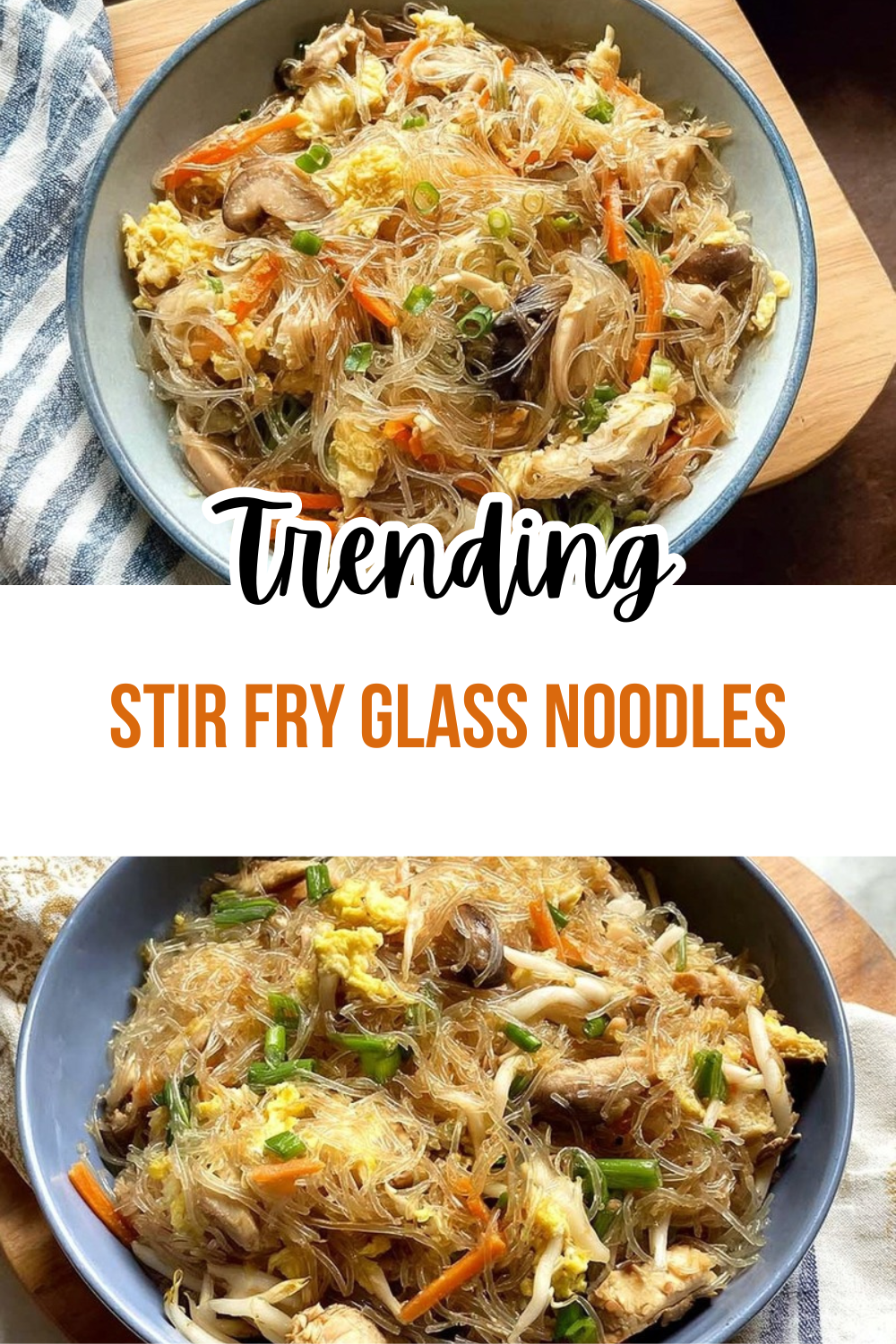
If you’re looking for a quick, satisfying meal that comes together in just 20 minutes, this Stir Fry Glass Noodles recipe is about to become your new go-to dinner. It’s packed with colorful vegetables, tender chicken, and silky noodles all tossed in a savory sauce that hits all the right notes. Whether you’re a busy parent, a student on a budget, or simply someone who loves good food without the fuss, this dish checks all the boxes.
- Ease of preparation: This recipe requires just 10 minutes of prep time and 10 minutes of cooking, making it perfect for busy weeknights when you want something homemade but don’t have hours to spend in the kitchen. The ingredients are simple to work with, and the steps are straightforward enough for even beginner cooks to follow with confidence.
- Health benefits: Stir Fry Glass Noodles offer a lighter alternative to wheat-based noodle dishes. Each serving contains 32g of protein, only 9g of fat, and a good helping of vegetables. Glass noodles are naturally gluten-free and lower in calories compared to many other noodle varieties. For more on the surprising health perks of these translucent noodles, check out this article on health benefits of glass noodles.
- Versatility: One of the best things about this dish is how easily you can adapt it to what you have on hand. Don’t have chicken? Use tofu, shrimp, or beef. Need to use up vegetables in your fridge? Throw them in. The sauce works beautifully with countless combinations, making this a recipe you’ll never get tired of.
- Distinctive flavor: The combination of soy sauce, oyster sauce, and sesame oil creates that classic Asian-inspired taste that’s equal parts salty, savory, and slightly sweet. The noodles absorb all those wonderful flavors while maintaining their signature chewy texture.
Jump to:
- Why You’ll Love This Stir Fry Glass Noodles
- Essential Ingredients for Stir Fry Glass Noodles
- Main Ingredients
- Stir Fry Sauce
- Special Dietary Options
- How to Prepare the Perfect Stir Fry Glass Noodles: Step-by-Step Guide
- Step 1: Prepare the Glass Noodles
- Step 2: Mix the Stir Fry Sauce
- Step 3: Prep Your Vegetables and Protein
- Step 4: Cook the Eggs
- Step 5: Stir-Fry the Chicken and Vegetables
- Step 6: Add Noodles and Sauce
- Step 7: Finish and Serve
- Quick Reference Cooking Times
- Dietary Substitutions to Customize Your Stir Fry Glass Noodles
- Protein and Main Component Alternatives
- Vegetable, Sauce, and Seasoning Modifications
- Mastering Stir Fry Glass Noodles: Advanced Tips and Variations
- Pro Cooking Techniques
- Preventing Sticking and Clumping
- Flavor Variations
- Make-Ahead Options
- How to Store Stir Fry Glass Noodles: Best Practices
- Refrigeration
- Freezing
- Reheating
- Meal Prep Considerations
- FAQs: Frequently Asked Questions About Stir Fry Glass Noodles
- What are glass noodles made of?
- How do you prepare glass noodles for stir fry?
- How do you stop glass noodles from sticking in stir fry?
- What sauce ingredients go in glass noodle stir fry?
- How do you reheat leftover stir fry glass noodles?
- Stir Fry Glass Noodles
- Ingredients
- Instructions
- Last Step:
- Notes
- Nutrition
- Did you make this recipe?
Essential Ingredients for Stir Fry Glass Noodles
Before you start cooking, gather all your ingredients. Having everything prepped and ready makes the stir-frying process smooth and stress-free. Here’s everything you need to make this delicious Stir Fry Glass Noodles recipe that serves 2-3 people.
Main Ingredients
- 100 g glass noodles (cellophane noodles, bean thread noodles) – These translucent noodles are the star of the dish, providing a unique chewy texture that absorbs sauce beautifully
- 200 g chicken breast (boneless skinless chicken thigh or breast) – Adds protein and substance to make this a complete meal
- 2 eggs, whisked and seasoned with a pinch of salt – Creates fluffy egg pieces that add richness and texture
- 100 g cabbage, thinly sliced – Adds crunch and volume while keeping the dish light
- 1 carrot, cut into matchstick sizes – Brings natural sweetness and vibrant color
- ½ onion, thinly sliced – Provides aromatic base flavor
- 2 cloves garlic, finely chopped – Essential for that fragrant stir-fry aroma
- 1 red chili pepper or bell pepper, thinly sliced – Adds color and a mild kick of heat
- 2-3 tablespoons vegetable oil or neutral-flavored oil – For stir-frying all components
Stir Fry Sauce
- 3 tablespoons light soy sauce (or regular all-purpose soy sauce) – The main seasoning providing saltiness and umami
- 1½ teaspoons dark soy sauce (optional for color) – Gives the noodles that appealing caramel color
- 2 tablespoons oyster sauce – Adds depth and a rich savory flavor
- 1 teaspoon sesame oil – Provides a nutty, aromatic finish
- 1 tablespoon sugar – Balances the salty and savory elements
Special Dietary Options
Vegan: Replace chicken with firm tofu or mushrooms, skip the eggs, and use vegan oyster sauce made from mushrooms.
Gluten-free: Use tamari instead of soy sauce and ensure your oyster sauce is certified gluten-free. Glass noodles are naturally gluten-free since they’re made from vegetable starch.
Low-calorie: Reduce the oil to 1-2 tablespoons and use less sugar. You can also increase the vegetable ratio while decreasing the noodles slightly.
How to Prepare the Perfect Stir Fry Glass Noodles: Step-by-Step Guide
Making Stir Fry Glass Noodles is all about timing and preparation. Since stir-frying happens quickly over high heat, having everything ready before you turn on the stove is key to success. Follow these detailed steps for the best results.
Step 1: Prepare the Glass Noodles
Start by soaking the glass noodles in hot boiling water for 10-12 minutes until they become soft and translucent. The noodles should be tender but still have a slight chew think al dente texture. Once they’re done, drain them in a colander and rinse thoroughly with cold water to stop the cooking process and remove excess starch that can make them sticky.
After rinsing, use kitchen scissors or a knife to cut the long noodle strands in half. This makes them much easier to toss in the wok and serve. Set the prepared noodles aside while you work on the other components.
Step 2: Mix the Stir Fry Sauce
In a small bowl, combine all the sauce ingredients: 3 tablespoons light soy sauce, 1½ teaspoons dark soy sauce, 2 tablespoons oyster sauce, 1 teaspoon sesame oil, and 1 tablespoon sugar. Whisk everything together until the sugar completely dissolves. This step is important because undissolved sugar can cause uneven seasoning in your final dish. Set the sauce aside within easy reach of your cooking area.
Step 3: Prep Your Vegetables and Protein
While the noodles are soaking, prepare all your vegetables and chicken. Cut the chicken breast into small, bite-sized pieces about ½ inch cubes work well. Small pieces cook faster and more evenly, which is essential for quick stir-frying. Season the chicken pieces with 2 teaspoons of your prepared stir fry sauce and set aside.
Slice the cabbage into thin strips, cut the carrot into matchstick-sized pieces, thinly slice the onion, and chop the garlic. Cut your red chili or bell pepper into thin slices. Crack 2 eggs into a bowl, whisk them with a pinch of salt, and keep them ready. This preparation step, called mise en place in professional kitchens, is what separates good stir-fry from great stir-fry.
Step 4: Cook the Eggs
Heat a large wok or deep skillet over medium-high heat until it’s nice and hot. Drizzle in 1 tablespoon of oil and swirl it around to coat the pan. Pour in the whisked eggs and let them sit undisturbed for a few seconds until they start to set on the bottom. Then use a spatula to scramble them, breaking the eggs into small pieces as they cook. Once the eggs are just set but still moist, remove them from the pan and set aside. The eggs will continue cooking slightly from residual heat, so it’s better to slightly undercook them at this stage.
Step 5: Stir-Fry the Chicken and Vegetables
Add more oil to the same hot wok. Toss in the chopped garlic and stir briefly for about 30 seconds until fragrant be careful not to burn it. Add the seasoned chicken pieces in a single layer and let them cook undisturbed for a minute to develop some browning. Then stir-fry for another 2-3 minutes until the chicken is cooked through and no longer pink in the center.
Once the chicken is done, add the onion, carrot, cabbage, and chili slices to the wok. Stir everything together and cook for 2-3 minutes until the vegetables start to soften but still retain some crunch. Hard vegetables like carrots need more time, so they go in first, followed by quicker-cooking ones like cabbage.
Step 6: Add Noodles and Sauce
Add the prepared glass noodles to the wok and pour the sauce mixture evenly over everything. Using tongs or two spatulas, toss the noodles with the chicken and vegetables, making sure everything is well coated with sauce. The noodles will quickly absorb the sauce and become glossy. Cook for 1-2 minutes, tossing constantly, until the sauce is mostly absorbed and the noodles are heated through.
Step 7: Finish and Serve
Add the cooked egg pieces back to the wok along with sliced spring onions if using. Toss everything together for another 30 seconds to combine all the flavors. Transfer immediately to serving plates and serve hot. Stir Fry Glass Noodles are best enjoyed fresh while the vegetables still have their crunch and the noodles maintain their perfect texture. For more quick noodle inspiration, you might enjoy this fastest noodle stir fry recipe from RecipeTin Eats.
Quick Reference Cooking Times
| Step | Component | Time |
|---|---|---|
| Soaking | Glass noodles | 10-12 minutes |
| Cooking eggs | Scrambled eggs | 1-2 minutes |
| Stir-frying chicken | Chicken pieces | 2-3 minutes |
| Stir-frying vegetables | Mixed vegetables | 2-3 minutes |
| Final toss | Noodles with sauce | 1-2 minutes |

Dietary Substitutions to Customize Your Stir Fry Glass Noodles
One of the best things about this recipe is how easily you can adapt it to different dietary needs and preferences. Whether you’re cooking for vegetarians, gluten-sensitive guests, or just trying to use up what’s in your fridge, here are some smart substitutions that work beautifully.
Protein and Main Component Alternatives
Chicken is the default protein in this Stir Fry Glass Noodles recipe, but you have plenty of options:
- Tofu: Use firm or extra-firm tofu, pressed to remove excess moisture and cut into cubes. Pan-fry until golden before adding vegetables for the best texture.
- Shrimp or prawns: These cook even faster than chicken just 2-3 minutes until pink and curled. Add them after the vegetables since they need less cooking time.
- Beef: Thinly sliced beef sirloin or flank steak works well. Cook quickly over high heat for tender results.
- Pork: thinly sliced pork loin or ground pork are excellent alternatives.
- Mushrooms: For a vegetarian version, shiitake or oyster mushrooms provide meaty texture and umami flavor.
- Chinese sausage: Adds a sweet-savory flavor that’s traditionally used in many Asian noodle dishes.
Vegetable, Sauce, and Seasoning Modifications
The vegetables in this recipe are suggestions rather than strict requirements. Feel free to use whatever you have available:
- Leafy greens: Bok choy, pak choy, or spinach add nutrition and cook in seconds.
- Crunchy vegetables: Baby corn, water chestnuts, bamboo shoots, or snap peas provide satisfying crunch.
- Colorful additions: Bell peppers in different colors, broccoli florets, or bean sprouts brighten up the dish.
- Aromatics: Fresh ginger adds warmth slice it thinly and add with the garlic.
For the sauce, you can adjust based on dietary needs:
- Gluten-free: Use tamari instead of soy sauce and look for gluten-free oyster sauce.
- Lower sodium: Use reduced-sodium soy sauce and go easy on the oyster sauce.
- More heat: Add sriracha, chili garlic sauce, or red pepper flakes.
- More depth: A splash of Chinese cooking wine (Shaoxing wine) adds authentic flavor.
Pro tip: When making substitutions, keep the total volume of ingredients roughly the same so the sauce-to-noodle ratio stays balanced. Too many vegetables can make the dish watery, while too much protein may require additional sauce.
Mastering Stir Fry Glass Noodles: Advanced Tips and Variations
Once you’ve mastered the basic Stir Fry Glass Noodles recipe, you can start experimenting with advanced techniques and creative variations. Here are some pro tips that will take your dish from good to restaurant-quality.
Pro Cooking Techniques
The secret to great stir-fry lies in your prep work and pan temperature. Always prepare and gather all ingredients before heating the wok once cooking starts, everything moves quickly and you won’t have time to chop or measure. Cut meat into uniform small dice so everything cooks at the same rate. Add hard vegetables first as they take longer to cook, followed by softer ones that need just a minute or two.
For the best results, use a wok or large pan over high heat. The high temperature creates that slight char and smoky flavor known as “wok hei” in Chinese cooking. Don’t overcrowd the pan if you’re making a large batch, cook in stages rather than dumping everything in at once.
Preventing Sticking and Clumping
Glass noodles have a tendency to stick together, but there are several ways to prevent this:
- Cut long noodle strands in half to make tossing easier and prevent tangled clumps.
- Rinse boiled noodles with cold water to remove excess starch that causes sticking.
- Toss noodles with a teaspoon of sesame or vegetable oil if you’re not cooking them immediately.
- Don’t over-soak the noodles follow the recommended time so they don’t become mushy.
Flavor Variations
Try these regional-inspired variations to keep things interesting:
- Thai-style: Add fish sauce, lime juice, and fresh cilantro. Top with crushed peanuts.
- Korean-style: Use more sesame oil and add gochujang (Korean chili paste) to the sauce.
- Indonesian-style: Add kecap manis (sweet soy sauce) and sambal for a sweeter, spicier profile.
- Vegetable-heavy: Double the vegetables for a lighter, nutrient-packed version.
Make-Ahead Options
For busy schedules, prep components in advance. You can chop all vegetables and store them in airtight containers for up to 2 days. The sauce can be mixed and refrigerated for up to a week. However, cook the noodles fresh when you’re ready to eat they’re best enjoyed immediately after cooking. If you need to prep them ahead, drain well, toss with oil, and store for no more than a few hours.
How to Store Stir Fry Glass Noodles: Best Practices
While Stir Fry Glass Noodles are best enjoyed fresh, sometimes you’ll have leftovers or want to meal prep for the week. Here’s how to store and reheat them properly to maintain quality.
Refrigeration
Store leftover Stir Fry Glass Noodles in an airtight container in the refrigerator for up to 2 days. The noodles will absorb more sauce as they sit, so the flavor often intensifies overnight. Keep in mind that the vegetables will soften over time, losing some of their original crunch.
Freezing
Freezing is possible but not ideal, as the texture of both the noodles and vegetables may change upon thawing. If you must freeze, use a freezer-safe container and consume within 1 month. Thaw overnight in the refrigerator before reheating.
Reheating
Leftovers reheat well in the microwave or on the stovetop. For the microwave, place noodles in a microwave-safe bowl, add 1 tablespoon of water, cover loosely, and heat for 1-2 minutes, stirring halfway through. The added water creates steam that prevents the noodles from drying out.
For stovetop reheating, use a non-stick pan over medium heat with a small splash of water or oil. Stir constantly for 2-3 minutes until heated through. This method helps restore some of the original texture.
Meal Prep Considerations
If you’re planning to make this dish for meal prep, consider cooking the components separately and storing them in different containers. Keep the sauce separate until ready to eat, then combine everything in a hot pan for the freshest taste. This approach prevents the noodles from becoming too soft and the vegetables from becoming mushy. After a satisfying savory meal like this, you might want something sweet. Check out this creamy strawberry milkshake recipe for a delightful dessert option.
FAQs: Frequently Asked Questions About Stir Fry Glass Noodles
What are glass noodles made of?
Glass noodles, also called cellophane noodles, bean thread vermicelli, or mung bean noodles, are made from starch extracted from vegetables like mung beans, sweet potatoes, potatoes, or cassava. They turn clear and translucent when cooked, with a chewy texture that holds up well in stir-fries. Unlike wheat-based noodles, they’re naturally gluten-free and low in calories, making them ideal for light Asian dishes. A standard 100-gram serving (about 3.5 ounces) yields around 350 calories when dry. Always check labels for specific starch sources, as varieties differ by brand and region. Soak or boil them briefly to rehydrate without mushiness.
How do you prepare glass noodles for stir fry?
The simplest method is soaking glass noodles in hot boiling water for 5-10 minutes until soft but chewy, then drain and rinse under cold water to stop cooking and remove excess starch. Alternatively, boil them in hot water for 2-3 minutes. This prevents breakage during stir-frying. For best results, don’t overcook—aim for al dente texture. If prepping ahead, toss with a teaspoon of sesame or vegetable oil to avoid clumping. Dry-frozen varieties may need less time. Pat dry before adding to the wok for quick stir-frying that takes just 1-2 minutes to heat through evenly.
How do you stop glass noodles from sticking in stir fry?
Rinse cooked glass noodles thoroughly under cold running water to wash away surface starch, the main cause of sticking. Drain well, then lightly coat with 1 teaspoon of sesame oil or neutral vegetable oil per 100 grams of noodles—this creates a barrier. Cook in a hot wok or skillet with ample space, stirring constantly over high heat for 1-2 minutes. Avoid overcrowding the pan, and add sauce or veggies first to build a slick base. If batch-cooking, store oiled noodles separately in the fridge for up to 24 hours and stir-fry fresh. This keeps them separate and glossy every time.
What sauce ingredients go in glass noodle stir fry?
A basic stir fry sauce for glass noodles includes 2 tablespoons light soy sauce, 1 tablespoon oyster sauce, 1 teaspoon sesame oil, and 1 teaspoon sugar, mixed for balance of salty, umami, savory, and sweet flavors. Add a dash of dark soy sauce for rich color if desired, but skip for lighter noodles. For gluten-free, use tamari instead of soy and gluten-free oyster sauce alternatives. Whisk together before stir-frying, then toss with hot noodles and veggies for 30 seconds to coat evenly. Adjust sugar for sweetness or add chili oil for heat. This simple mix serves 2-4 and clings perfectly to the slippery noodles.
How do you reheat leftover stir fry glass noodles?
Store leftovers in an airtight container in the fridge for up to 2 days. To reheat, microwave on high for 1-2 minutes with 1 tablespoon water sprinkled over top, covered loosely to steam and prevent drying. Stir halfway through. On stovetop, heat a non-stick pan over medium-high with a splash of water or oil, add noodles, and stir for 2-3 minutes until hot and chewy. Avoid high direct heat to prevent toughness. For crispier results, spread on a baking sheet and air-fry at 350°F for 3-4 minutes. Always check internal temperature reaches 165°F for safety. Freezing works for up to a month—thaw overnight before reheating.
Stir Fry Glass Noodles
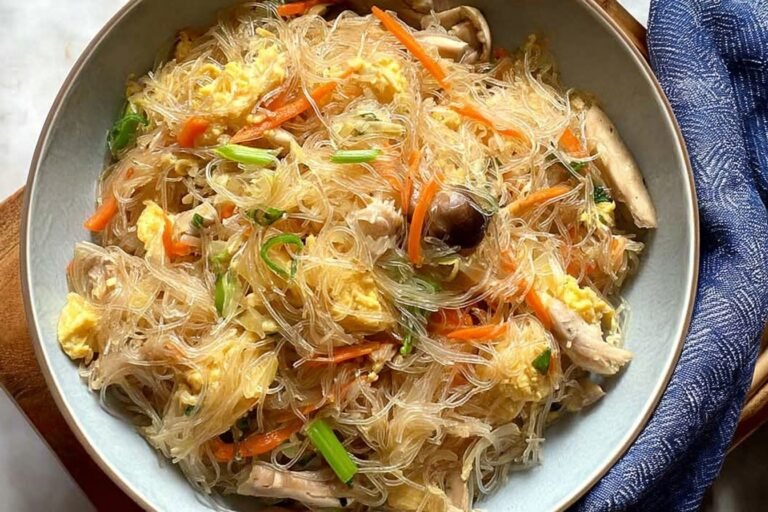
🍜 Whip up this speedy Glass Noodle Stir Fry in just 20 minutes – packed with protein, veggies, and savory umami sauce for a wholesome, restaurant-style meal at home!
🥚 Slippery glass noodles absorb every bit of flavor, making it customizable, gluten-free friendly, and perfect for busy weeknights or meal prep.
- Total Time: 20 minutes
- Yield: 2-3 servings
Ingredients
– 100 g glass noodles (cellophane noodles, bean thread noodles)
– 200 g chicken breast (boneless skinless chicken thigh or breast)
– 2 eggs, whisked and seasoned with a pinch of salt
– 100 g cabbage, thinly sliced
– 1 carrot, cut into matchstick sizes
– ½ onion, thinly sliced
– 2 cloves garlic, finely chopped
– 1 red chili pepper or bell pepper, thinly sliced
– 2-3 tablespoons vegetable oil or neutral-flavored oil for stir-frying all components
– 3 tablespoons light soy sauce (or regular all-purpose soy sauce)
– 1½ teaspoons dark soy sauce (optional for color)
– 2 tablespoons oyster sauce
– 1 teaspoon sesame oil
– 1 tablespoon sugar
Instructions
1-Step 1: Prepare the Glass Noodles Start by soaking the glass noodles in hot boiling water for 10-12 minutes until they become soft and translucent. The noodles should be tender but still have a slight chew think al dente texture. Once they’re done, drain them in a colander and rinse thoroughly with cold water to stop the cooking process and remove excess starch that can make them sticky. After rinsing, use kitchen scissors or a knife to cut the long noodle strands in half. This makes them much easier to toss in the wok and serve. Set the prepared noodles aside while you work on the other components.
2-Step 2: Mix the Stir Fry Sauce In a small bowl, combine all the sauce ingredients: 3 tablespoons light soy sauce, 1½ teaspoons dark soy sauce, 2 tablespoons oyster sauce, 1 teaspoon sesame oil, and 1 tablespoon sugar. Whisk everything together until the sugar completely dissolves. This step is important because undissolved sugar can cause uneven seasoning in your final dish. Set the sauce aside within easy reach of your cooking area.
3-Step 3: Prep Your Vegetables and Protein While the noodles are soaking, prepare all your vegetables and chicken. Cut the chicken breast into small, bite-sized pieces about ½ inch cubes work well. Small pieces cook faster and more evenly, which is essential for quick stir-frying. Season the chicken pieces with 2 teaspoons of your prepared stir fry sauce and set aside. Slice the cabbage into thin strips, cut the carrot into matchstick-sized pieces, thinly slice the onion, and chop the garlic. Cut your red chili or bell pepper into thin slices. Crack 2 eggs into a bowl, whisk them with a pinch of salt, and keep them ready. This preparation step, called mise en place in professional kitchens, is what separates good stir-fry from great stir-fry.
4-Step 4: Cook the Eggs Heat a large wok or deep skillet over medium-high heat until it’s nice and hot. Drizzle in 1 tablespoon of oil and swirl it around to coat the pan. Pour in the whisked eggs and let them sit undisturbed for a few seconds until they start to set on the bottom. Then use a spatula to scramble them, breaking the eggs into small pieces as they cook. Once the eggs are just set but still moist, remove them from the pan and set aside. The eggs will continue cooking slightly from residual heat, so it’s better to slightly undercook them at this stage.
5-Step 5: Stir-Fry the Chicken and Vegetables Add more oil to the same hot wok. Toss in the chopped garlic and stir briefly for about 30 seconds until fragrant be careful not to burn it. Add the seasoned chicken pieces in a single layer and let them cook undisturbed for a minute to develop some browning. Then stir-fry for another 2-3 minutes until the chicken is cooked through and no longer pink in the center. Once the chicken is done, add the onion, carrot, cabbage, and chili slices to the wok. Stir everything together and cook for 2-3 minutes until the vegetables start to soften but still retain some crunch. Hard vegetables like carrots need more time, so they go in first, followed by quicker-cooking ones like cabbage.
6-Step 6: Add Noodles and Sauce Add the prepared glass noodles to the wok and pour the sauce mixture evenly over everything. Using tongs or two spatulas, toss the noodles with the chicken and vegetables, making sure everything is well coated with sauce. The noodles will quickly absorb the sauce and become glossy. Cook for 1-2 minutes, tossing constantly, until the sauce is mostly absorbed and the noodles are heated through.
7-Step 7: Finish and Serve Add the cooked egg pieces back to the wok along with sliced spring onions if using. Toss everything together for another 30 seconds to combine all the flavors. Transfer immediately to serving plates and serve hot. Stir Fry Glass Noodles are best enjoyed fresh while the vegetables still have their crunch and the noodles maintain their perfect texture. For more quick noodle inspiration, you might enjoy this fastest noodle stir fry recipe from RecipeTin Eats.
Last Step:
Please leave a rating and comment letting us know how you liked this recipe! This helps our business to thrive and continue providing free, high-quality recipes for you.Notes
📋 Mise en place: Prep all ingredients before heating the wok for seamless stir-frying.
✂️ Cut long glass noodles in half and rinse with cold water to prevent clumping.
🥕 Add harder vegetables like carrots first as they take longer to cook.
- Prep Time: 10 minutes
- Cook Time: 10 minutes
- Category: Main Dish
- Method: Stir-Fry
- Cuisine: Chinese
- Diet: Dairy-Free
Nutrition
- Serving Size: 1/3 recipe
- Calories: 464 kcal
- Sugar: 12 g
- Sodium: 2217 mg
- Fat: 9 g
- Saturated Fat: 2 g
- Unsaturated Fat: 5 g
- Trans Fat: 1 g
- Carbohydrates: 63 g
- Fiber: 3 g
- Protein: 32 g
- Cholesterol: 228 mg