Why You’ll Love This Ermine Frosting
This ermine frosting recipe stands out for home cooks and baking enthusiasts who want a silky, fluffy finish on their cakes. Unlike heavier frostings, it offers a light texture that pairs perfectly with rich desserts. Busy parents and working professionals appreciate its straightforward process that fits into tight schedules.
- Ease of preparation: Whip up this cooked frosting in about 20 minutes of active time, plus chilling. No fancy equipment needed beyond a saucepan and mixer. The simple roux base cooks quickly on the stovetop, making it ideal for beginners or quick baking sessions after a long day.
- Health benefits: Made with whole milk, it brings natural creaminess and nutrients like calcium and protein. Less reliant on powdered sugar, it feels lighter than standard options. Check out these milk benefits for why it supports a balanced treat. Diet-conscious readers enjoy its stability without added stabilizers.
- Versatility: Adapt it for vegan, gluten-free, or low-sugar needs with easy swaps. Pipe it on cupcakes for kids, spread on layer cakes for family gatherings, or use as filling for whoopie pies. Students and newlyweds find it forgiving for everyday baking.
- Distinctive flavor: The boiled milk frosting delivers a subtle, whipped cream taste that’s not overly sweet. Its heritage frosting charm shines in classic pairings like red velvet cake, evoking nostalgic bakes with modern reliability.
Food lovers and seniors love how it holds up in warm kitchens, perfect for summer parties or travel-friendly treats. This fluffy ermine frosting elevates simple cakes into showstoppers.
Jump to:
- Why You’ll Love This Ermine Frosting
- Essential Ingredients for Ermine Frosting
- How to Prepare the Perfect Ermine Frosting: Step-by-Step Guide
- Prepare Your Mise en Place
- Cook the Roux Base
- Cream the Butter and Sugar
- Incorporate the Roux
- Final Step: Finishing Touches and Use
- Dietary Substitutions to Customize Your Ermine Frosting
- Protein and Main Component Alternatives
- Vegetable, Sauce, and Seasoning Modifications
- Mastering Ermine Frosting: Advanced Tips and Variations
- How to Store Ermine Frosting: Best Practices
- FAQs: Frequently Asked Questions About Ermine Frosting
- What is ermine frosting?
- How do you make ermine frosting step by step?
- What’s the difference between ermine frosting and American buttercream?
- Can ermine frosting be piped and decorated with?
- How long does ermine frosting last and how should you store it?
- Ermine Frosting
- Ingredients
- Instructions
- Last Step:
- Notes
- Nutrition
- Did you make this recipe?
Essential Ingredients for Ermine Frosting
Gather these pantry staples for your easy ermine frosting recipe. Each plays a key role in achieving that signature smooth texture.
Main Ingredients:
- ¼ cup all-purpose flour – Forms the roux base to thicken and stabilize without raw taste.
- 1 cup whole milk – Creates creaminess and cooks into a pudding-like paste for body.
- 1 cup granulated sugar – Provides balanced sweetness that dissolves fully during beating.
- 1 cup (2 sticks) unsalted butter, softened – Whips into airy peaks for fluffiness and rich mouthfeel.
- 1 teaspoon vanilla extract – Adds warm flavor depth to tie everything together.
This classic combination yields about 3 cups, enough to frost a two-layer 9-inch cake generously.
Special Dietary Options:
- Vegan: Swap whole milk for almond or oat milk; use plant-based butter like coconut oil blend.
- Gluten-free: Replace all-purpose flour with a 1:1 gluten-free blend.
- Low-calorie: Use low-fat milk and reduce sugar to ¾ cup; opt for light butter.
How to Prepare the Perfect Ermine Frosting: Step-by-Step Guide
Prepare Your Mise en Place
First Step: Measure all ingredients accurately. Have a medium saucepan, whisk, thermometer (optional), stand mixer or hand mixer, and airtight container ready. Soften butter to room temperature for easy whipping. This setup keeps things smooth for busy bakers.
Cook the Roux Base
Second Step: In the saucepan over medium heat, whisk together ¼ cup flour and 1 cup milk until no lumps remain. Cook, stirring constantly, for 5-7 minutes until it thickens to pudding consistency (about 170°F). Remove from heat, transfer to a bowl, cover with plastic wrap touching the surface, and chill in the fridge for 1-2 hours. Patience here prevents grainy results in your silky ermine frosting.
Why this matters: The cooked flour eliminates any starchy aftertaste, creating a stable base that won’t weep.
Cream the Butter and Sugar
Third Step: In your mixer bowl, beat 1 cup softened unsalted butter with 1 cup granulated sugar on high speed for 3-5 minutes. Scrape sides often until pale, fluffy, and sugar dissolves. Add 1 teaspoon vanilla extract and beat 30 seconds more. Room-temp ingredients ensure even incorporation.
Common pitfall: Undermixing leads to graininess; beat until you can’t feel sugar grains.
Incorporate the Roux
Fourth Step: With mixer on medium-high, add chilled roux one tablespoon at a time. Beat 5-10 minutes total until light, fluffy, and spreadable. If it looks curdled, keep beating; it will smooth out. Taste and adjust vanilla if needed. Chill briefly if too soft for piping.
This how to make ermine frosting method builds volume through aeration, mimicking whipped cream.
Final Step: Finishing Touches and Use
Fifth Step: Use immediately or store as below. Frost cooled cakes with an offset spatula for smooth layers, or pipe borders. Colors well with gel food coloring added late. Yields 3 cups; doubles easily for sheet cakes. Perfect for vintage cake recipes.
| Step | Time | Temp | Tip |
|---|---|---|---|
| Roux Cook | 5-7 min | Medium | Stir constantly |
| Chill | 1-2 hrs | Fridge | Cover surface |
| Beat Butter | 3-5 min | Room temp | High speed |
| Add Roux | 5-10 min | Medium-high | Spoonfuls |
Travelers and seniors value this stable fluffy ermine frosting for picnics. Troubleshooting: Too thin? Chill and rewhip. Overcooked roux? Start over for best silkiness.

Dietary Substitutions to Customize Your Ermine Frosting
Protein and Main Component Alternatives
Swap butter or milk for dietary needs. For dairy-free, use vegan butter (1 cup) which mimics richness without separating. Low-fat milk works for lighter versions, maintaining stability. Coconut milk adds tropical notes for food enthusiasts. These keep the roux intact for classic ermine frosting.
Vegetable, Sauce, and Seasoning Modifications
No vegetables here, but infuse flavors seasonally. Almond extract instead of vanilla for nutty twist; add cocoa powder (2 tbsp) for chocolate ermine icing. Citrus zest brightens for summer. Reduce sugar with stevia for diet-conscious. These tweaks suit busy parents experimenting weekly.
Mastering Ermine Frosting: Advanced Tips and Variations
Take your old fashioned ermine icing further with these ideas.
Pro cooking techniques: Use a candy thermometer for roux at 200°F peak thickness. Double boiler prevents scorching. For extra fluff, beat in ice-cold bowl.
Flavor variations: Strawberry puree (¼ cup) for pink swirls; coffee (1 tsp) for mocha. See this ermine buttercream frosting inspiration.
- Lemon: Zest and juice.
- Peanut butter: ½ cup creamed in.
- Spiced: Cinnamon dash.
Presentation tips: Chill piped designs 10 minutes. Garnish with sprinkles or nuts for visual pop.
Make-ahead options: Roux freezes 3 months; thaw overnight. Full batch lasts weeks prepped ahead for students’ events.
Practice makes perfect; start simple and layer flavors.
How to Store Ermine Frosting: Best Practices
Keep your batch fresh with these methods.
Refrigeration: Airtight container up to 2 weeks. Press plastic on top to avoid crust. Rewhip before use.
Freezing: Portion in freezer bags, 3 months. Thaw in fridge, stir gently.
Reheating: Room temp soften; no microwave to preserve air. Beat 1-2 minutes.
Meal prep considerations: Frost cakes day before; covers hold 2-3 days. Great for working pros batching.
FAQs: Frequently Asked Questions About Ermine Frosting
What is ermine frosting?
Ermine frosting is a classic American buttercream made by cooking a flour-milk roux into a thick paste, cooling it completely, then whipping in butter and sugar until light and fluffy. Popular in vintage recipes like Red Velvet cake, it has a velvety texture that’s less sweet than traditional buttercream and holds up well in warm weather without melting. The cooked flour base eliminates the raw flour taste and stabilizes the frosting naturally. It’s ideal for layer cakes, cupcakes, and fillings. A basic recipe starts with ¼ cup all-purpose flour, 1 cup whole milk, 1 cup granulated sugar, and 2 sticks unsalted butter—cook the roux over medium heat until thickened like pudding, chill for 1-2 hours, then beat in softened butter and sugar for 5-10 minutes. Yields enough for a two-layer 9-inch cake.
How do you make ermine frosting step by step?
To make ermine frosting, first prepare the roux: whisk ¼ cup flour into 1 cup milk in a saucepan over medium heat. Stir constantly until it thickens to a pudding consistency (about 5-7 minutes), then cool fully in the fridge for 1-2 hours. In a stand mixer, beat 2 sticks (1 cup) softened unsalted butter with 1 cup granulated sugar on high for 3-5 minutes until pale and fluffy. Gradually add the chilled roux, beating on medium-high for another 5 minutes until smooth and spreadable. Add vanilla extract for flavor. Tips: Use room-temperature ingredients, beat thoroughly to remove graininess, and avoid overcooking the roux. This yields about 3 cups, perfect for frosting a 9-inch cake. Store extras in an airtight container.
What’s the difference between ermine frosting and American buttercream?
Ermine frosting uses a cooked flour-milk base for stability and a subtle milky flavor, making it less sweet and more heat-resistant than American buttercream, which is just butter, powdered sugar, vanilla, and milk or cream beaten together. Ermine has a smoother, less gritty texture without powdered sugar’s chalkiness and holds peaks better for piping in humid conditions. American buttercream is quicker (no cooking) but can crust over time and melt easily. Ermine takes longer due to cooling but tastes more like whipped cream. Both pipe well, but ermine suits vintage cakes like hummingbird or carrot. Switch to ermine for outdoor events—it’s stable at room temperature for days without weeping.
Can ermine frosting be piped and decorated with?
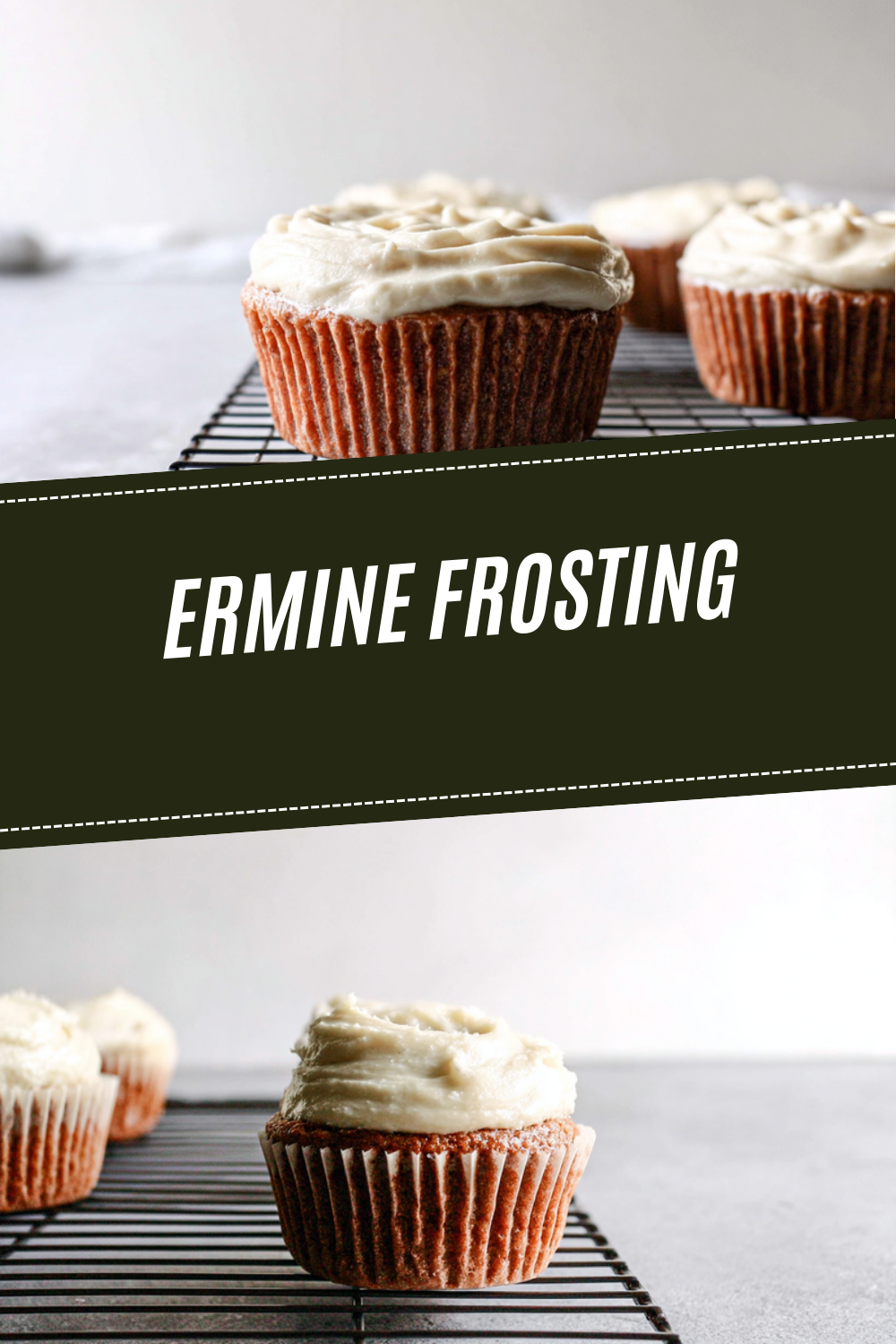
Yes, ermine frosting pipes beautifully once fully whipped to stiff peaks, thanks to its stable roux base. Chill the mixed frosting for 15-30 minutes if too soft, then use a piping bag with tips like Wilton 1M for swirls or 21 for stars on cupcakes. It holds shape without spreading, even in warm kitchens, outperforming shortening-heavy frostings. Add gel colors sparingly during beating to maintain consistency. For borders on cakes, pipe at medium pressure. Pro tip: If it softens while working, pop it in the fridge briefly. Many bakers prefer it over cream cheese frosting for clean edges. Practice on parchment first to nail your design—results rival professional buttercream.
How long does ermine frosting last and how should you store it?
Freshly made ermine frosting lasts 3-5 days at room temperature in an airtight container, up to 2 weeks in the fridge, or 3 months frozen. Its cooked base resists spoilage better than egg-based frostings. To store, press plastic wrap directly on the surface to prevent a skin forming, then seal. Thaw frozen frosting overnight in the fridge and re-whip briefly to restore fluffiness—avoid microwaving. Frosted cakes stay fresh 2-3 days covered at room temp. Signs of spoilage: off smell or mold. For events, frost cakes a day ahead. Always use fresh dairy; unsalted butter extends shelf life. This makes it great for make-ahead baking.
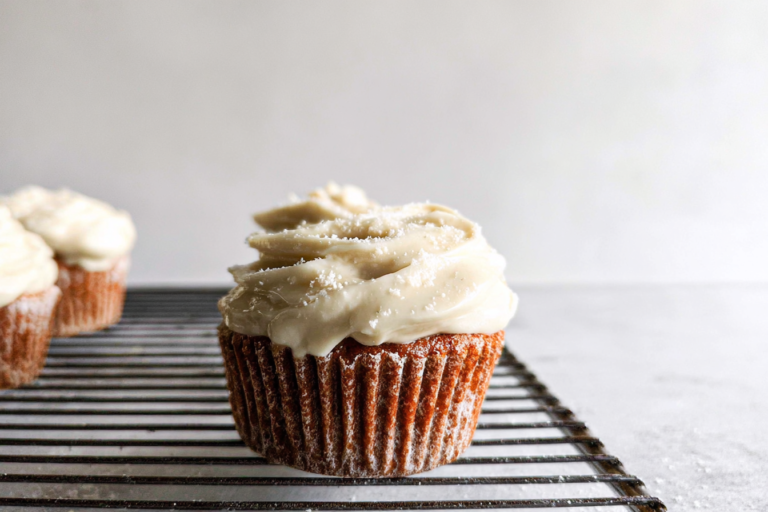
Ermine Frosting
🎂🍦 Silky ermine frosting whips impossibly fluffy stable never melts holds perfect swirls pipes.
🧈 Classic cooked frosting buttercream superior taste no raw flour tang!
- Total Time: 1 hour 20 minutes
- Yield: 3 cups (enough for 24 cupcakes or two 9-inch layers)
Ingredients
– ¼ cup all-purpose flour for roux base
– 1 cup whole milk for creaminess
– 1 cup granulated sugar for sweetness
– 1 cup (2 sticks) unsalted butter, softened for fluffiness
– 1 teaspoon vanilla extract for flavoring
Instructions
1-First Step: Measure all ingredients accurately. Have a medium saucepan, whisk, thermometer (optional), stand mixer or hand mixer, and airtight container ready. Soften butter to room temperature for easy whipping. This setup keeps things smooth for busy bakers.
2-Second Step: In the saucepan over medium heat, whisk together ¼ cup flour and 1 cup milk until no lumps remain. Cook, stirring constantly, for 5-7 minutes until it thickens to pudding consistency (about 170°F). Remove from heat, transfer to a bowl, cover with plastic wrap touching the surface, and chill in the fridge for 1-2 hours. Patience here prevents grainy results in your silky ermine frosting.
3-Third Step: In your mixer bowl, beat 1 cup softened unsalted butter with 1 cup granulated sugar on high speed for 3-5 minutes. Scrape sides often until pale, fluffy, and sugar dissolves. Add 1 teaspoon vanilla extract and beat 30 seconds more. Room-temp ingredients ensure even incorporation.
4-Fourth Step: With mixer on medium-high, add chilled roux one tablespoon at a time. Beat 5-10 minutes total until light, fluffy, and spreadable. If it looks curdled, keep beating; it will smooth out. Taste and adjust vanilla if needed. Chill briefly if too soft for piping.
5-Fifth Step: Use immediately or store as below. Frost cooled cakes with an offset spatula for smooth layers, or pipe borders. Colors well with gel food coloring added late. Yields 3 cups; doubles easily for sheet cakes. Perfect for vintage cake recipes.
Last Step:
Please leave a rating and comment letting us know how you liked this recipe! This helps our business to thrive and continue providing free, high-quality recipes for you.Notes
❄️ Cool paste completely – warm melts butter prevents fluffiness.
🧈 Butter room temperature exactly – superior emulsion volume.
🥄 High-speed beat final stage – transforms airy dream frosting.
- Prep Time: 10 minutes
- Cooling Time: 1 hour
- Cook Time: 10 minutes
- Category: Dessert
- Method: Cook
- Cuisine: American
- Diet: Vegetarian
Nutrition
- Serving Size: 2 tablespoons
- Calories: 130 kcal
- Sugar: 11g
- Sodium: 20mg
- Fat: 10g
- Saturated Fat: 6g
- Unsaturated Fat: 3.5g
- Trans Fat: 0g
- Carbohydrates: 11g
- Fiber: 0g
- Protein: 0.5g
- Cholesterol: 25mg