Why You’ll Love This Artisan Bread
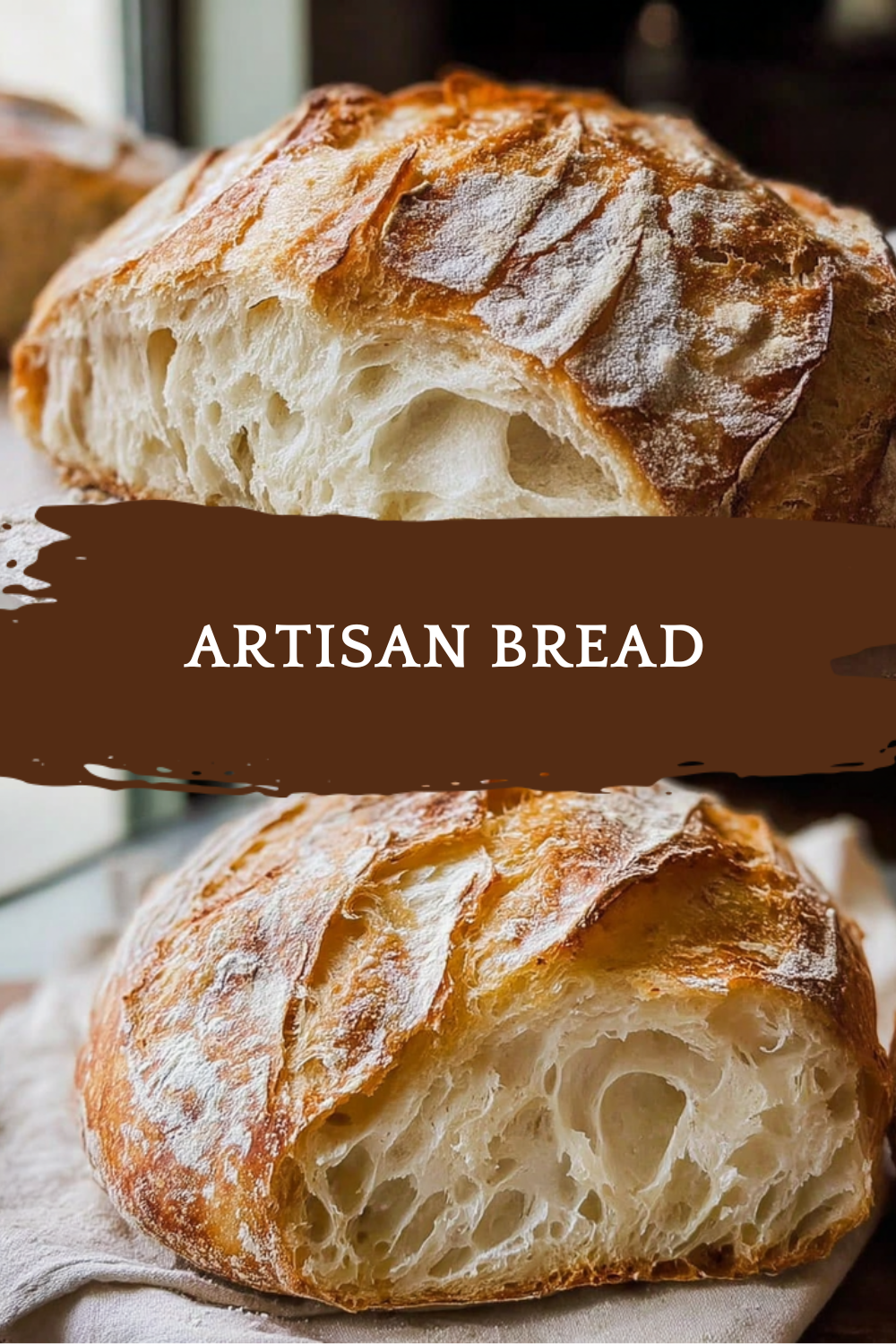
Imagine pulling a warm, crusty loaf of artisan bread straight from your oven, filling your kitchen with that irresistible fresh-baked scent. This artisan bread stands out for its ease of preparation, letting even beginners whip up a delicious loaf with minimal effort. You’ll appreciate how it brings health benefits to your table through simple, wholesome ingredients.
One key highlight is its nutritional value, packed with fiber and essential nutrients that support daily wellness. Whether you’re a busy parent or a baking enthusiast, this bread’s versatility makes it easy to adapt to your lifestyle, from quick meals to special gatherings. Let’s dive into why this recipe is a game-changer for home cooks everywhere.
- Ease of preparation: This artisan bread recipe is simple and quick to make, requiring minimal ingredients and straightforward steps that even beginners can master fast. Its efficient cooking time means fresh bread can be enjoyed without long waits.
- Health benefits: Packed with wholesome ingredients, the bread offers nutritional advantages such as high fiber content and essential nutrients. It supports wellness by using natural components free from additives.
- Versatility: Adaptable to diverse dietary needs, this artisan bread can be customized for vegan, gluten-free, or low-calorie diets, making it suitable for a variety of lifestyles.
- Distinctive flavor: The unique combination of ingredients and baking methods imparts a rich, deep flavor profile, setting this artisan bread apart from store-bought options.
To make it even better, you can pair this bread with dishes like a refreshing summer corn chowder recipe that’s perfect for a hearty meal. This combination adds a fun twist to your baking adventures.
Jump to:
- Why You’ll Love This Artisan Bread
- Essential Ingredients for Artisan Bread
- Full Ingredient List
- How to Prepare the Perfect Artisan Bread: Step-by-Step Guide
- Dietary Substitutions to Customize Your Artisan Bread
- Protein and Main Component Alternatives
- Vegetable, Sauce, and Seasoning Modifications
- Mastering Artisan Bread: Advanced Tips and Variations
- How to Store Artisan Bread: Best Practices
- FAQs: Frequently Asked Questions About Artisan Bread
- Can I bake artisan bread without a Dutch oven?
- How should I store artisan bread to keep it fresh?
- Is homemade artisan bread better for health than store-bought bread?
- Can I freeze artisan bread, and how do I thaw it properly?
- What are some common mistakes to avoid when baking artisan bread?
- Artisan Bread
- Ingredients
- Instructions
- Last Step:
- Notes
- Nutrition
- Did you make this recipe?
Essential Ingredients for Artisan Bread
Gathering the right ingredients is the first step to creating amazing artisan bread at home. This recipe uses basic items you likely have on hand, making it accessible for everyone from students to working professionals. Below is a complete list of everything you’ll need, formatted for clarity so you can measure and prepare with ease.
Full Ingredient List
- 3 ½ cups (437 g) bread flour (all-purpose flour can be used if needed)
- 2 ¼ teaspoons (7 g) instant yeast
- 1 tablespoon (12 g) granulated sugar (optional)
- 1 ½ teaspoons (10 g) salt
- 1 ½ cups (360 ml) warm water at 115°F (46°C)
These ingredients come together to create a dough that’s simple yet flavorful. For dietary options, you can swap bread flour for gluten-free alternatives or keep things vegan by sticking to the basic list.
How to Prepare the Perfect Artisan Bread: Step-by-Step Guide
Baking artisan bread at home is easier than you might think, and this guide walks you through each step with clear instructions. Start by mixing your ingredients in a large bowl, and soon you’ll have a loaf that’s ready to impress. Hands-on time is just about 25 minutes, with rising time of 2-3 hours at room temperature or overnight in the fridge.
The total baking time is around 40 minutes, bringing the whole process to approximately 3 hours and 5 minutes. This makes it a great option for busy schedules, like those of working professionals or newlyweds looking for quick homemade meals.
- Whisk together flour, yeast, sugar, and salt in a large mixing bowl.
- Add warm water and stir until combined; the dough will be sticky.
- Cover the bowl with plastic wrap and let the dough rise in a warm place until doubled in size, about 2 to 3 hours, or refrigerate overnight without rising first.
- When risen, transfer the dough onto a generously floured surface and form it into a ball, adding flour as needed to handle stickiness.
- Perform stretch and fold technique four times, folding the dough over itself and turning 90 degrees each time.
- Shape into a round ball and place on parchment paper. Cover lightly and let rest for 30 minutes while preheating the oven to 450°F (230°C) with a Dutch oven inside.
- Carefully remove the hot Dutch oven, score the dough’s top, transfer it along with the parchment into the Dutch oven, cover with the lid, and bake for 30 minutes.
- Remove the lid and bake for an additional 10 minutes to develop a crust.
- Let the bread cool inside the Dutch oven for 10 minutes, then transfer to a rack to cool completely before slicing.
Following these steps ensures a beautiful, crusty loaf every time. Remember to use generous flour on your hands and surface to manage the sticky dough, as this tip can make all the difference.

Dietary Substitutions to Customize Your Artisan Bread
Everyone’s needs are different, whether you’re a diet-conscious individual or a food enthusiast exploring new flavors. This artisan bread recipe is flexible, allowing simple swaps to fit various preferences. For instance, you can make it vegan or gluten-free without losing that signature taste.
Protein and Main Component Alternatives
- For a vegan version, replace traditional yeast with a natural sourdough starter.
- Gluten-free flours like rice or almond flour can substitute standard bread flour.
Vegetable, Sauce, and Seasoning Modifications
- Incorporate herbs such as rosemary or thyme to enhance flavor naturally.
- Use garlic-infused olive oil for added aromatic depth.
- Switch up seasonings seasonally or according to dietary restrictions, for example, reducing salt or using smoked paprika for distinct taste variations.
These changes keep the bread adaptable for travelers or seniors who might need lighter options. It’s all about making artisan bread work for you.
Mastering Artisan Bread: Advanced Tips and Variations
Once you’re comfortable with the basics, you can take your artisan bread to the next level with some pro techniques. Using a Dutch oven during baking traps steam for a crisp crust, which is one of the secrets to that professional feel. Experimenting with flavors can turn your loaf into something truly unique.
Adding simple extras like olives or nuts not only boosts taste but also makes your bread a standout at any meal.
- Pro cooking techniques: Utilize a Dutch oven during baking to trap steam, resulting in a crisp crust. Baking in a Dutch oven produces best results; alternatively, use a loaf pan covered or a parchment-lined baking sheet for smaller rounds.
- Flavor variations: Experiment with adding olives, sun-dried tomatoes, or nuts to the dough for unique tastes.
- Presentation tips: Serve sliced bread with a light drizzle of high-quality olive oil and fresh herbs for visual appeal.
- Make-ahead options: Prepare the dough in advance and refrigerate overnight to develop deeper flavors, allowing flexibility for busy schedules. Bread can be frozen whole or sliced and thawed or toasted later.
This homemade bread is healthier than many store-bought varieties due to the lack of preservatives and processed ingredients, as noted in resources like health benefits of whole grains.
How to Store Artisan Bread: Best Practices
Keeping your artisan bread fresh is key to enjoying it over several days, especially for families or baking enthusiasts. Proper storage maintains that wonderful crust and soft interior without much hassle. Here’s how to handle it based on your needs.
| Storage Method | Duration | Tips |
|---|---|---|
| Refrigeration | Up to 5 days | Store wrapped in a cloth in the fridge for short-term freshness without sogginess. |
| Freezing | Up to 3 months | Wrap tightly in plastic wrap and foil before freezing to preserve texture and flavor. |
| Reheating | N/A | Reheat in an oven at 180°C (350°F) for 10-15 minutes to restore crustiness and warmth. Slice before freezing for convenient portioning. |
This approach works well for meal prep, helping busy parents or working professionals stay organized.
FAQs: Frequently Asked Questions About Artisan Bread
Can I bake artisan bread without a Dutch oven?
Yes, you can bake artisan bread without a Dutch oven. A loaf pan or a baking sheet can be used as alternatives. For a loaf pan, use a 9×5 inch size and cover with another pan or foil to trap steam. If using a baking sheet, create steam by placing a pan of water in the oven. These methods help develop the crust and texture similar to Dutch oven baking.
How should I store artisan bread to keep it fresh?
To keep artisan bread fresh, store it at room temperature in a paper bag or loosely wrapped in a cloth to maintain the crust. Avoid plastic bags, which can make the crust soggy. For longer storage, freeze the bread after it cools completely—wrap tightly in plastic wrap and place in a freezer-safe bag. Thaw at room temperature or toast slices before eating.
Is homemade artisan bread better for health than store-bought bread?
Homemade artisan bread is often healthier than store-bought bread because it typically contains fewer additives and no preservatives. It is made with simple ingredients like flour, water, yeast, and salt. This natural ingredient list can improve digestion and reduce exposure to artificial chemicals found in many commercial breads.
Can I freeze artisan bread, and how do I thaw it properly?
Yes, artisan bread freezes well. Slice the bread if you want to thaw individual portions. Wrap tightly in plastic and place it in an airtight freezer bag. To thaw, leave at room temperature for a few hours or warm slices in a toaster or a 350°F oven for about 10 minutes. This restores the crust’s crispness.
What are some common mistakes to avoid when baking artisan bread?
Common mistakes include underproofing the dough, which leads to dense bread, and baking without enough steam, resulting in a dull crust. Using the wrong flour or inaccurate measurements can affect texture. It’s also important to let the bread cool completely before slicing to avoid a gummy interior. Following a tested recipe and timing proofing carefully helps achieve the desired artisan quality.
Artisan Bread
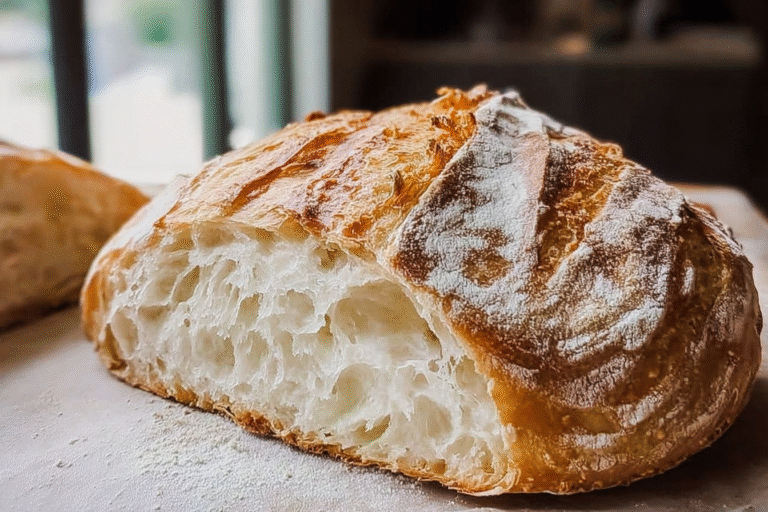
🍞 This Artisan Bread recipe uses simple ingredients and traditional techniques to create a wholesome, homemade loaf.
🔥 Baking in a Dutch oven delivers a crisp crust and tender crumb, perfect for any meal or gathering.
- Total Time: 3 hours 5 minutes
- Yield: 1 loaf 1x
Ingredients
3 ½ cups (437 g) bread flour (all-purpose flour can be used if needed)
2 ¼ teaspoons (7 g) instant yeast
1 tablespoon (12 g) granulated sugar (optional)
1 ½ teaspoons (10 g) salt
1 ½ cups (360 ml) warm water at 115°F (46°C)
Instructions
1-Whisk together flour, yeast, sugar, and salt in a large mixing bowl.
2-Add warm water and stir until combined; the dough will be sticky.
3-Cover the bowl with plastic wrap and let the dough rise in a warm place until doubled in size, about 2 to 3 hours, or refrigerate overnight without rising first.
4-When risen, transfer the dough onto a generously floured surface and form it into a ball, adding flour as needed to handle stickiness.
5-Perform stretch and fold technique four times, folding the dough over itself and turning 90 degrees each time.
6-Shape into a round ball and place on parchment paper. Cover lightly and let rest for 30 minutes while preheating the oven to 450°F (230°C) with a Dutch oven inside.
7-Carefully remove the hot Dutch oven, score the dough’s top, transfer it along with the parchment into the Dutch oven, cover with the lid, and bake for 30 minutes.
8-Remove the lid and bake for an additional 10 minutes to develop a crust.
9-Let the bread cool inside the Dutch oven for 10 minutes, then transfer to a rack to cool completely before slicing.
Last Step:
Please leave a rating and comment letting us know how you liked this recipe! This helps our business to thrive and continue providing free, high-quality recipes for you.Notes
🌾 Use generous flour on hands and surface to handle sticky dough easily.
🍚 Sugar is optional but aids yeast activation and adds subtle sweetness.
🥘 Baking in a Dutch oven helps create a perfect crust; alternatives include covered loaf pans or parchment-lined baking sheets for smaller rounds.
- Prep Time: 25 minutes
- Rising time: 2-3 hours or overnight
- Cook Time: 40 minutes
- Category: Bread
- Method: Baking
- Cuisine: American
- Diet: Vegetarian
Nutrition
- Serving Size: 1 slice (approximate)
- Calories: 1713 kcal
- Sugar: 13 g
- Sodium: 3529 mg
- Fat: 9 g
- Saturated Fat: 1 g
- Unsaturated Fat: 5 g
- Trans Fat: 0 g
- Carbohydrates: 340 g
- Fiber: 18 g
- Protein: 63 g
- Cholesterol: 0 mg