Why You’ll Love This Panda Express Chow Mein
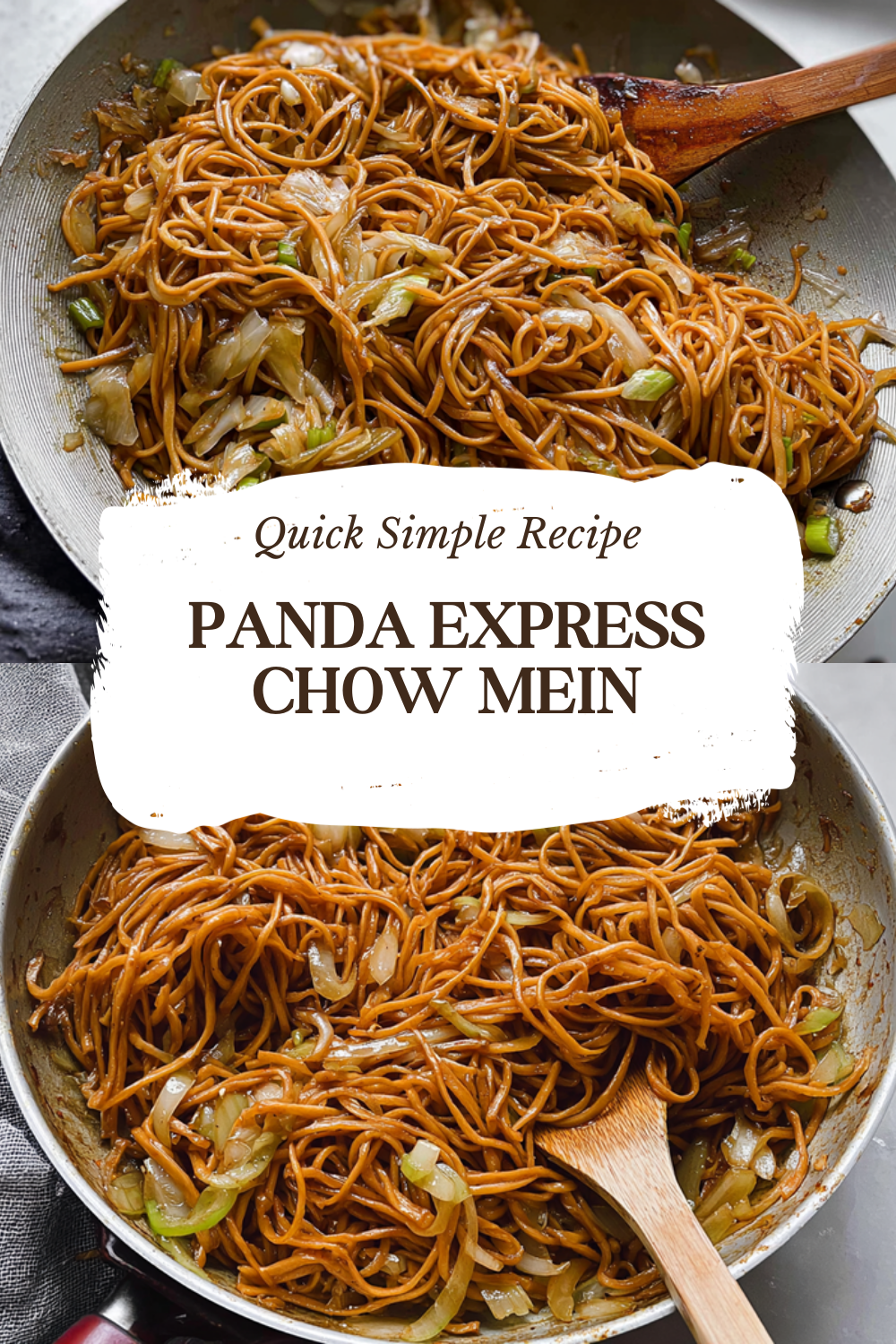
This Panda Express Chow Mein recipe brings the savory flavors of your favorite takeout right to your kitchen, and it takes less than 30 minutes to prepare. It’s perfect for serving 8 people, whether as a simple side dish or a full meal with added protein like chicken or tofu. If you’re a home cook looking for something quick and satisfying, this dish offers an easy way to enjoy balanced nutrition with fresh vegetables and noodles.
One reason you’ll love this recipe is its ease of preparation. This Panda Express Chow Mein is simple and quick to make, requiring minimal ingredients and straightforward cooking methods that save your time in the kitchen. Another benefit is the health aspects, featuring fresh vegetables like cabbage that provide vitamins, minerals, and essential nutrients to support wellness. Plus, it’s versatile for various dietary needs, such as vegan or gluten-free options, and the distinctive flavor from soy sauce, garlic, and ginger makes it stand out among other noodle dishes.
Health Benefits of Fresh Ingredients
Fresh veggies in this recipe, such as cabbage and celery, contribute to a nutritious meal. For more on the benefits of cabbage, check out this resource on cabbage nutrition. This helps make the dish not just tasty but also a smart choice for busy parents or diet-conscious individuals seeking wholesome meals.
Transitioning to the ingredients, this recipe also adapts well to your lifestyle. Whether you’re a student rushing through dinner or a working professional, the customizable nature ensures everyone can enjoy it. Overall, it’s a go-to for creating memorable moments around the table with family and friends.
Jump to:
- Why You’ll Love This Panda Express Chow Mein
- Health Benefits of Fresh Ingredients
- Essential Ingredients for Panda Express Chow Mein
- Nutritional Highlights
- How to Prepare the Perfect Panda Express Chow Mein: Step-by-Step Guide
- Additional Cooking Tips
- Dietary Substitutions to Customize Your Panda Express Chow Mein
- Why These Changes Work
- Mastering Panda Express Chow Mein: Advanced Tips and Variations
- Experimenting with Flavors
- How to Store Panda Express Chow Mein: Best Practices
- FAQs: Frequently Asked Questions About Panda Express Chow Mein
- What is the difference between Panda Express Chow Mein and traditional lo mein?
- What type of noodles should I use to make Panda Express Chow Mein at home?
- Can I add protein to Panda Express Chow Mein to make it a full meal?
- Is it possible to make Panda Express Chow Mein gluten-free?
- How can I adjust the recipe if I prefer a softer, more saucy noodle dish like lo mein?
- Panda Express Chow Mein
- Ingredients
- Instructions
- Last Step:
- Notes
- Nutrition
- Did you make this recipe?
Essential Ingredients for Panda Express Chow Mein
This section covers all the key ingredients needed to make your own Panda Express Chow Mein at home. Using fresh, high-quality items ensures the best results, and you can prepare this in about 20 minutes of prep time plus 5 minutes of cooking. Let’s break down the ingredients into a structured list for easy following.
- ¼ cup soy sauce
- 1 tablespoon brown sugar
- 2 cloves garlic, minced
- 1 teaspoon grated fresh ginger
- Ground black pepper, to taste
- 2 to 3 tablespoons vegetable oil
- 3 packages (5.6 ounces each) Yakisoba noodles or Chinese egg noodles, rinsed and drained
- ⅔ cup celery, chopped diagonally
- 1 medium onion, thinly sliced
- 2 cups chopped cabbage
These ingredients create a savory takeout-style flavor that’s hard to resist. For special dietary options, you can swap items like soy sauce for tamari to make it gluten-free or use plant-based alternatives for vegan versions.
Nutritional Highlights
Each serving includes about 169 calories, 26 grams carbohydrates, 5 grams protein, 5 grams fat (with 4 grams saturated), 556 mg sodium, 175 mg potassium, 2 grams fiber, 5 grams sugar, 73 IU vitamin A, 11 mg vitamin C, 27 mg calcium, and 1 mg iron. This makes it a great option for food enthusiasts watching their intake.
| Nutrient | Amount per Serving |
|---|---|
| Calories | 169 |
| Carbohydrates | 26 grams |
| Protein | 5 grams |
| Fat | 5 grams |
If you’re looking for more dessert ideas to pair with this savory dish, try this easy peach cobbler recipe from our blog for a sweet finish.
How to Prepare the Perfect Panda Express Chow Mein: Step-by-Step Guide
Getting the perfect Panda Express Chow Mein at home is straightforward and fun. Start by gathering your ingredients, as listed above, and follow these simple steps to achieve that authentic stir-fried taste. With a total prep time of about 20 minutes and cooking time of 5 minutes, you’ll have a delicious meal ready in no time.
- Whisk together soy sauce, brown sugar, garlic, ginger, and black pepper in a bowl; set aside.
- Rinse noodles under cold water, drain well, and set aside.
- Heat vegetable oil in a large wok or skillet over medium heat.
- Sauté onion and celery until the onion is soft and transparent, about 1 to 2 minutes.
- Add cabbage and cook, stirring constantly, for an additional minute.
- Add noodles and sauce mixture to the vegetables.
- Stir-fry over medium-high heat for 2 to 3 minutes until the noodles are heated through.
These steps ensure your noodles stay tender and the veggies remain crisp. For tips on best results, use fresh yakisoba or Chinese egg noodles and avoid overcooking to keep everything just right. A large wok provides ample space for tossing, and adding a drizzle of sesame oil can enhance the flavor even more.
Additional Cooking Tips
If you want a saucier version, cook the noodles separately and double the sauce as suggested. This method helps maintain moisture, especially useful when reheating leftovers that can be stored for 4 to 5 days in the fridge.
Remember, for more stir-fry inspiration, visit Chinese Chow Mein recipes online.

Dietary Substitutions to Customize Your Panda Express Chow Mein
Making this Panda Express Chow Mein work for your needs is easy with a few tweaks. It serves as a base for adding protein to turn it into a complete meal, and you can adjust for dietary preferences without losing the delicious taste. For instance, if you’re vegan, swap in plant-based options right from the start.
Protein and Main Component Alternatives include substituting chicken with tofu or tempeh for a vegetarian option, using shrimp or beef for other preferences, and swapping egg noodles with rice noodles for gluten-free or low-carb versions. Vegetable, Sauce, and Seasoning Modifications might involve replacing cabbage with kale or bok choy, using tamari sauce instead of regular soy sauce, or adding chili flakes for a spicy kick.
Why These Changes Work
These substitutions keep the dish versatile for busy parents, students, or anyone with specific dietary goals. By making these adjustments, you ensure the recipe stays fresh and adaptable while highlighting the savory flavors everyone loves.
Mastering Panda Express Chow Mein: Advanced Tips and Variations
Once you’re comfortable with the basics, take your Panda Express Chow Mein to the next level with these advanced tips. Pro cooking techniques like using high heat in a well-seasoned wok help achieve that authentic stir-fry texture. Flavor variations could include adding hoisin sauce for sweetness or a splash of sesame oil for a nutty taste.
Presentation tips involve serving in warmed bowls and garnishing with toasted sesame seeds or chopped scallions for an appealing look. Make-ahead options let you prepare noodles and vegetables in advance, keeping them refrigerated separately for quick assembly. These methods are ideal for working professionals or newlyweds planning meals ahead.
Experimenting with Flavors
To expand your cooking skills, try different veggies or proteins, making it a fun recipe for food enthusiasts. With these tips, you’ll create meals that inspire joy in the kitchen.
How to Store Panda Express Chow Mein: Best Practices
Proper storage keeps your Panda Express Chow Mein fresh and tasty for later. Refrigerate it in an airtight container and eat within 3-4 days to avoid spoilage. For longer keeping, freeze portions in freezer-safe containers for up to 2 months, then thaw overnight in the fridge.
When reheating, use a skillet over medium heat with a bit of water to restore moisture and texture. For meal prep, prepare ingredients separately and combine just before serving to prevent sogginess, which is helpful for seniors or baking enthusiasts managing portions.
FAQs: Frequently Asked Questions About Panda Express Chow Mein
What is the difference between Panda Express Chow Mein and traditional lo mein?
Panda Express Chow Mein is stir-fried with minimal sauce, which results in noodles that are slightly oily and have a lightly crisp texture. Traditional lo mein is boiled and then tossed with a larger amount of sauce, making the noodles softer and more saucy. Although some people compare Panda Express Chow Mein to lo mein, its cooking method aligns more with authentic chow mein.
What type of noodles should I use to make Panda Express Chow Mein at home?
Fresh yakisoba-style noodles are ideal for recreating Panda Express Chow Mein and can often be found in the refrigerated section of grocery stores. Chinese egg noodles, lo mein noodles, or plain ramen noodles (without seasoning) are suitable alternatives. If fresh noodles are unavailable, thin spaghetti can be used as a substitute, though the texture will vary slightly.
Can I add protein to Panda Express Chow Mein to make it a full meal?
Yes, you can easily turn Panda Express Chow Mein into a complete meal by adding cooked proteins. Chicken, pork, shrimp, steak, or tofu work well when added toward the end of cooking. Simply mix your chosen protein into the noodles and vegetables to heat through before serving.
Is it possible to make Panda Express Chow Mein gluten-free?
The original Panda Express Chow Mein contains wheat-based noodles and soy sauce, so it is not gluten-free. To prepare a gluten-free version at home, substitute the noodles with gluten-free alternatives such as rice noodles and use tamari or another certified gluten-free soy sauce. Always check ingredient labels for hidden gluten sources.
How can I adjust the recipe if I prefer a softer, more saucy noodle dish like lo mein?
To mimic lo mein’s softer texture, boil the noodles separately until just tender, then drain them. Use double the amount of sauce and toss it with the cooked noodles and vegetables immediately after draining. This method produces a saucier, softer noodle dish compared to traditional chow mein.
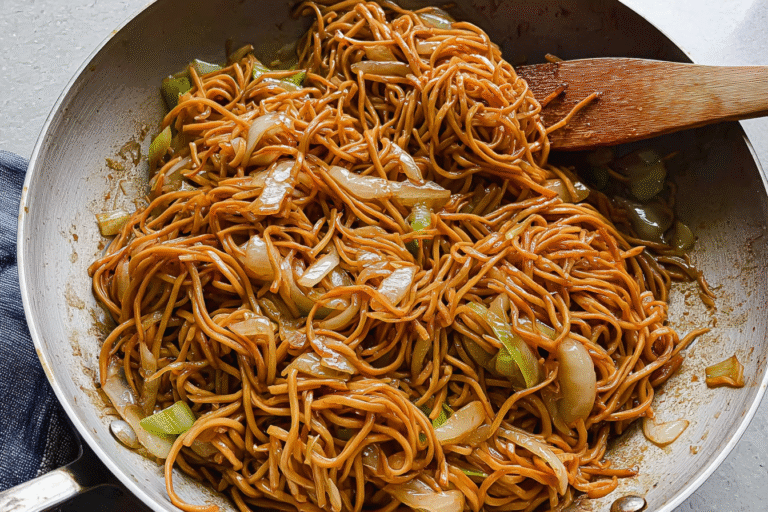
Panda Express Chow Mein
🍜 This Chow Mein Recipe Copycat brings authentic savory Chinese takeout flavors to your kitchen in under 30 minutes.
🥢 It’s a versatile dish perfect as a flavorful side or a complete meal when adding your choice of protein.
- Total Time: 25 minutes
- Yield: 8 servings
Ingredients
– ¼ cup soy sauce
– 1 tablespoon brown sugar
– 2 cloves garlic, minced
– 1 teaspoon grated fresh ginger
– Ground black pepper, to taste
– 2 to 3 tablespoons vegetable oil
– 3 packages (5.6 ounces each) Yakisoba noodles or Chinese egg noodles, rinsed and drained
– ⅔ cup celery, chopped diagonally
– 1 medium onion, thinly sliced
– 2 cups chopped cabbage
Instructions
1-Whisk together soy sauce, brown sugar, garlic, ginger, and black pepper in a bowl; set aside.
2-Rinse noodles under cold water, drain well, and set aside.
3-Heat vegetable oil in a large wok or skillet over medium heat.
4-Sauté onion and celery until the onion is soft and transparent, about 1 to 2 minutes.
5-Add cabbage and cook, stirring constantly, for an additional minute.
6-Add noodles and sauce mixture to the vegetables.
7-Stir-fry over medium-high heat for 2 to 3 minutes until the noodles are heated through.
Last Step:
Please leave a rating and comment letting us know how you liked this recipe! This helps our business to thrive and continue providing free, high-quality recipes for you.Notes
🍜 Use fresh Yakisoba or Chinese egg noodles for the best texture.
🍳 Avoid overcooking the noodles to keep them tender but not mushy.
🍲 For a saucier dish, cook noodles separately and double the sauce amount.
- Prep Time: 20 minutes
- Cook Time: 5 minutes
- Category: Main Dish
- Method: Stir-frying
- Cuisine: Chinese
Nutrition
- Serving Size: 1 serving
- Calories: 169
- Sugar: 5g
- Sodium: 556mg
- Fat: 5g
- Saturated Fat: 4g
- Carbohydrates: 26g
- Fiber: 2g
- Protein: 5g