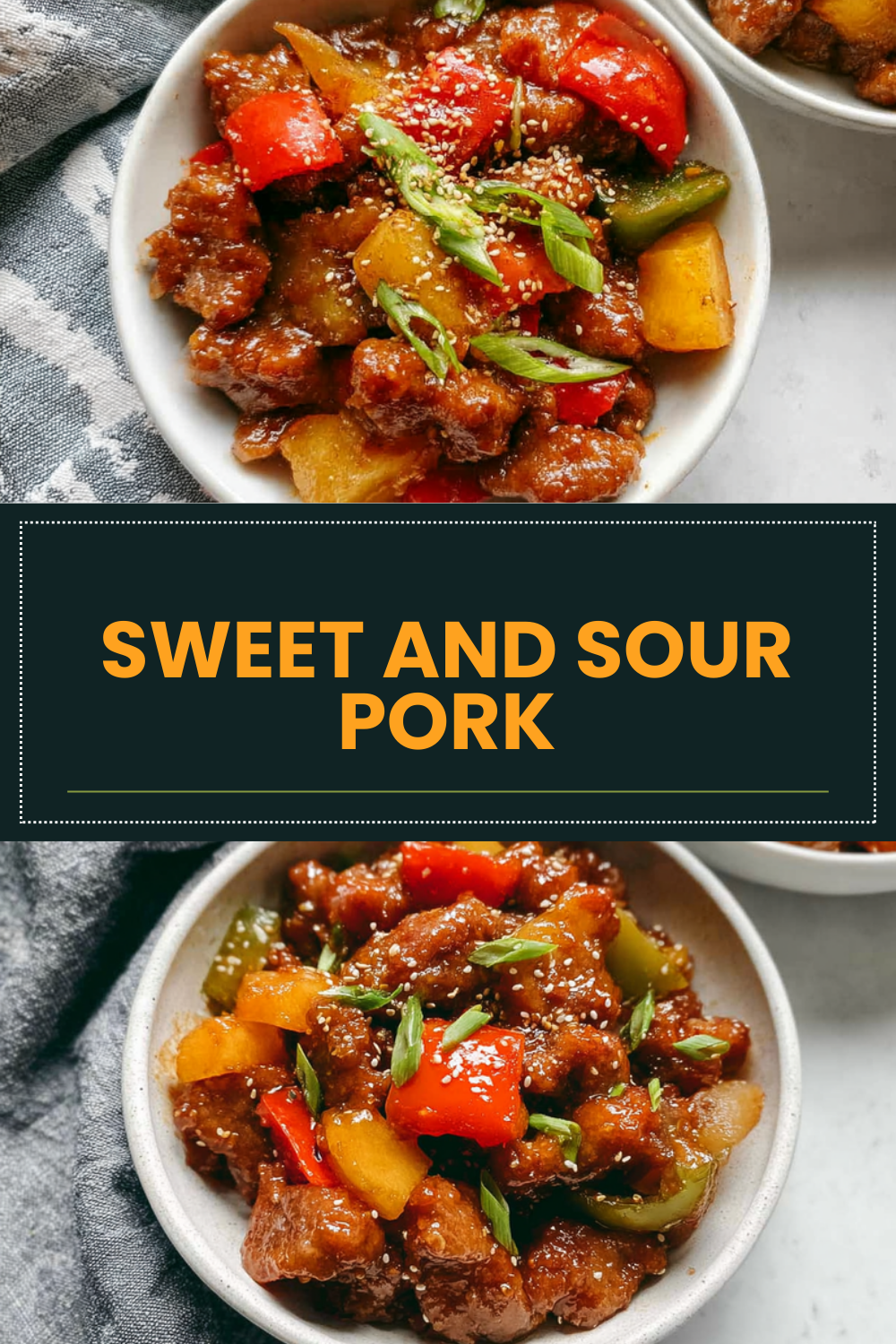
Why You’ll Love This Sweet And Sour Pork
Imagine coming home after a long day and whipping up a dish that’s as fun to make as it is to eat. Sweet and sour pork hits that sweet spot with its crispy pork bites coated in a tangy sauce that’s packed with flavor. This recipe stands out because it’s straightforward, even for beginners, and delivers restaurant-quality results right in your kitchen. Let’s dive into what makes this sweet and sour pork a go-to favorite.
- Ease of preparation: You can have this sweet and sour pork ready in no time, with just 20 minutes of prep and 30 minutes of cooking, plus some marinating time. The steps are simple and build on basic techniques, making it ideal for busy parents or students who want a homemade meal without fuss. This approach lets you enjoy sweet and sour pork cooking without spending hours in the kitchen.
- Health benefits: While sweet and sour pork is a treat, it includes nutritious elements like fresh vegetables and pineapple, which add vitamins and a touch of sweetness naturally. For those watching their diet, opting for lean pork cuts and controlling oil use can make this dish lighter, as double frying helps reduce greasiness. It’s a balanced way to savor sweet and sour pork while sneaking in some veggies for better wellness.
- Versatility: This recipe adapts easily to various needs, whether you’re adjusting for dietary preferences or swapping ingredients based on what’s in your fridge. You can tweak it for vegan options or make it gluten-free, which we’ll cover later. That flexibility means sweet and sour pork can be a staple for food enthusiasts, travelers, or anyone exploring new flavors at home.
- Distinctive flavor: The magic of sweet and sour pork lies in its perfect blend of tangy vinegar, sweet pineapple, and savory soy sauce, creating a taste that’s hard to resist. This balance ensures each bite is exciting, with crispy pork that stays crunchy longer when prepared right. It’s that standout flavor profile that keeps sweet and sour pork dishes coming back for more in households everywhere.
Overall, this sweet and sour pork recipe not only satisfies cravings but also brings joy to cooking, making it perfect for family dinners or quick weeknight meals. For more fruity inspirations, check out our strawberry milkshake recipe to complement your sweet dishes.
Jump to:
- Why You’ll Love This Sweet And Sour Pork
- Essential Ingredients for Sweet And Sour Pork
- How to Prepare the Perfect Sweet And Sour Pork: Step-by-Step Guide
- Marinating the Pork
- Preparing the Sauce
- Frying the Pork
- Stir-Frying the Vegetables and Combining
- Dietary Substitutions to Customize Your Sweet And Sour Pork
- Protein and Main Component Alternatives
- Vegetable, Sauce, and Seasoning Modifications
- Mastering Sweet And Sour Pork: Advanced Tips and Variations
- Pro Cooking Techniques
- Flavor Variations
- Presentation Tips and Make-Ahead Options
- How to Store Sweet And Sour Pork: Best Practices
- Refrigeration Guidelines
- Freezing and Reheating
- FAQs: Frequently Asked Questions About Sweet And Sour Pork
- What ingredients do I need to make authentic sweet and sour pork?
- How do I achieve a crispy texture on sweet and sour pork?
- Can I make sweet and sour pork sauce from scratch?
- How can I make sweet and sour pork healthier without losing flavor?
- What are some common mistakes to avoid when cooking sweet and sour pork?
- Sweet And Sour Pork
- Ingredients
- Instructions
- Last Step:
- Notes
- Nutrition
- Did you make this recipe?
Essential Ingredients for Sweet And Sour Pork
Gathering the right ingredients is key to nailing that perfect sweet and sour pork. Each one plays a role in building flavor, texture, and that signature balance. Below, I’ll list everything you need, with precise measurements and a quick explanation of why they’re important. This way, you can shop smart and understand how they come together.
- 400g pork scotch roast (or shoulder), cut into 2 cm cubes – This provides the hearty base; it’s an economical cut that becomes tender and juicy after marinating.
- 1/2 finely grated onion – Adds a subtle sweetness and depth to the marinade, helping to infuse flavor into the pork.
- 1 tsp finely grated garlic – Brings a punchy aroma and taste that’s essential for authentic Asian-inspired dishes like sweet and sour pork.
- 1 tsp finely grated ginger – Offers a warm, spicy note that balances the sweetness and enhances the overall marinade.
- 3/8 tsp baking soda – Tenderizes the pork through a process called velveting, making it soft without overcooking.
- 2 tsp cornflour/cornstarch – Helps thicken and bind the marinade, ensuring the pork stays moist and flavorful.
- 2 tbsp light soy sauce – Provides salty umami that seasons the meat and ties the marinade together.
- 5 tbsp cornflour/cornstarch for mixing in – Coats the pork for that crispy texture when fried, acting as a key player in the frying process.
- 1/2 cup cornflour/cornstarch for coating – Creates an extra layer of crunch, essential for the double dredge technique.
- 2 to 3 cups vegetable or canola oil – Used for frying; the amount ensures even cooking without waste.
- 1/3 cup white sugar – Balances the tang with sweetness in the sauce, making it irresistibly tasty.
- 1/3 cup apple cider vinegar (or 1/4 cup white vinegar) – Delivers the sour element that defines sweet and sour pork.
- 3 tbsp pineapple juice (from canned pineapple pieces) – Adds natural sweetness and acidity; for more on pineapple’s benefits, read about the best way to eat pineapple for nutrition.
- 3 tbsp ketchup – Contributes to the sauce’s color and flavor, providing a base that’s both sweet and tangy.
- 1/2 tsp Worcestershire sauce – Enhances umami and depth, rounding out the sauce’s profile.
- 1 tbsp light soy sauce – Adds savoriness and helps balance the sauce’s flavors.
- 1 tsp oyster sauce – Brings a rich, savory note that elevates the overall taste.
- 4 tsp cornflour/cornstarch – Thickens the sauce for that glossy finish that coats the pork perfectly.
- 1/2 cup water – Adjusts the sauce’s consistency, ensuring it’s not too thick or thin.
- 1 tbsp oil – For stir-frying the veggies, keeping them fresh and quick-cooking.
- 1 garlic clove finely chopped – Infuses the stir-fry with aromatic flavor.
- 2 tsp ginger finely chopped – Adds a fresh, zesty kick to the vegetables.
- 1 medium onion cut into 2.5 cm cubes – Provides crunch and sweetness in the mix.
- 1/2 red capsicum cut into 2.5 cm cubes – Offers color, vitamins, and a crisp texture.
- 1/2 green capsicum cut into 2.5 cm cubes – Adds more crunch and balances the dish with its fresh taste.
- 1 cup pineapple pieces (from the can) – Brings tropical sweetness and pairs wonderfully with the sauce.
For special dietary options, consider these tweaks: For vegan versions, swap pork with tofu or seitan and use mushroom sauce instead of oyster sauce. Gluten-free adaptations mean choosing tamari for soy sauce. To make it lower-calorie, reduce oil in frying or bake the pork as an alternative.
How to Prepare the Perfect Sweet And Sour Pork: Step-by-Step Guide
Marinating the Pork
First Step: Start by combining 400g of pork scotch roast, cut into 2 cm cubes, with 1/2 finely grated onion, 1 tsp finely grated garlic, 1 tsp finely grated ginger, 3/8 tsp baking soda, 2 tsp cornflour/cornstarch, and 2 tbsp light soy sauce in a bowl. Mix well and let it marinate for 18 to 24 hours in the fridge; for tender cuts, you can shorten this to 3 hours. This step ensures the pork absorbs flavors and stays juicy, making your sweet and sour pork extra tender.
Second Step: Preheat your oven to 80°C while the pork marinates. This keeps the fried pork warm later, preventing it from getting soggy. If you’re adapting for dietary needs, like using a leaner cut, this marinating time helps maintain moisture without adding extra fat.
Preparing the Sauce
Third Step: In a separate bowl, mix 1/3 cup white sugar, 1/3 cup apple cider vinegar (or 1/4 cup white vinegar), 3 tbsp pineapple juice, 3 tbsp ketchup, 1/2 tsp Worcestershire sauce, 1 tbsp light soy sauce, and 1 tsp oyster sauce. Then, add 1/2 cup water and 4 tsp cornflour/cornstarch to thicken it. Stir until smooth; this creates the tangy sauce that defines sweet and sour pork, and you can adjust for low-sodium options by using less soy sauce.
Fourth Step: Take the marinated pork and mix in 5 tbsp cornflour/cornstarch, letting it sit for 5 minutes until it gets sticky. This prepares the pork for coating, enhancing crispiness, which is great for those seeking that restaurant-style sweet and sour pork texture.
Frying the Pork
Fifth Step: Spread 1/2 cup cornflour/cornstarch on a plate and coat each pork piece, shaking off the excess. Heat 2 to 3 cups of vegetable or canola oil to 180°C in a deep pan. Fry the pork in batches for about 3 minutes until golden, then drain on a rack. For a healthier twist, you could pan fry instead of deep frying.
Sixth Step: Increase the oil temperature to 200°C and fry the pork again for 1.5 minutes until deep golden and crispy. Transfer to the preheated oven to keep warm. This double frying method reduces oiliness, perfect for diet-conscious individuals enjoying sweet and sour pork.
Stir-Frying the Vegetables and Combining
Seventh Step: In a separate pan, heat 1 tbsp oil over medium heat. Add 1 finely chopped garlic clove and 2 tsp finely chopped ginger, stirring for 1.5 minutes. Then, add 1 medium onion cut into 2.5 cm cubes, and cook for another minute. This builds layers of flavor for your sweet and sour pork.
Eighth Step: Toss in 1/2 red capsicum and 1/2 green capsicum, both cut into 2.5 cm cubes, and stir for 2 minutes until they’re crisp-tender. For variations, you could add more veggies based on seasonal availability.
Ninth Step: Pour in the prepared sweet and sour sauce mixture along with 1 cup pineapple pieces, and simmer for 2 minutes until thickened. Finally, add the fried pork and toss for about 10 seconds to coat evenly. Serve immediately to keep that crispiness, which lasts around 5 minutes ideal for fresh, hot meals.

Dietary Substitutions to Customize Your Sweet And Sour Pork
Protein and Main Component Alternatives
If pork isn’t your thing, try swapping it with chicken thighs for a lighter option or tofu for a vegan twist on sweet and sour pork. These changes keep the dish juicy and flavorful while accommodating different tastes. For instance, vegetarians can use firm tofu marinated the same way to maintain that tender texture.
Vegetable, Sauce, and Seasoning Modifications
Swap out capsicums for broccoli or carrots to add more crunch and nutrients, especially in season. In the sauce, use gluten-free soy sauce if needed, or reduce sugar for a low-calorie version of sweet and sour pork. These tweaks let you personalize the recipe without losing its core appeal.
Mastering Sweet And Sour Pork: Advanced Tips and Variations
Pro Cooking Techniques
To get that extra crunch, double dredge the pork with cornflour and double fry at two temperatures, as it cuts down on greasiness. Baking soda in the marinade tenderizes the meat effectively, but use less for chunkier pieces. For an air fryer option, spray the pork with oil and cook at 200°C for about 15 minutes, though results might vary from traditional sweet and sour pork.
Flavor Variations
Experiment with different seasonings, like adding chili for heat, or use fresh pineapple instead of canned for a twist. The sauce’s balance comes from vinegar and ketchup, so taste as you go. If you’re into fruity dishes, try incorporating ideas from our peach cobbler for a sweet variation.
Presentation Tips and Make-Ahead Options
Garnish with sesame seeds for a nice look, and prep the marinade ahead for busy days. Marinate tougher cuts for 18-24 hours to keep things juicy, saving time on weeknights with sweet and sour pork.
How to Store Sweet And Sour Pork: Best Practices
Refrigeration Guidelines
Store leftovers in an airtight container in the fridge for up to 3 days to keep sweet and sour pork fresh. Make sure it’s cooled first to avoid moisture buildup.
Freezing and Reheating
For longer storage, freeze portions for up to 2 months; thaw in the fridge overnight. Reheat in a pan to maintain crispiness, avoiding the microwave for the best results with sweet and sour pork.
Meal prep by cooking in batches and storing separately; this works well for working professionals.
FAQs: Frequently Asked Questions About Sweet And Sour Pork
What ingredients do I need to make authentic sweet and sour pork?
To make authentic sweet and sour pork, you will need pork loin or tenderloin cut into bite-sized pieces, cornstarch or flour for coating, and oil for frying. The sauce typically includes vinegar, ketchup, sugar, soy sauce, and sometimes pineapple juice or chunks for sweetness and tanginess. Bell peppers, onions, and pineapple pieces are common vegetables added for texture and flavor. Combining these ingredients creates the classic balance of sweet and tangy flavors that define the dish.
How do I achieve a crispy texture on sweet and sour pork?
To achieve a crispy texture on sweet and sour pork, coat each pork piece evenly with cornstarch or a mixture of cornstarch and flour before frying. Use oil heated to around 350°F (175°C) for deep frying, which locks in moisture and creates a golden crust. Fry the pork in small batches to avoid lowering the oil temperature. After frying, immediately drain the pork on paper towels to remove excess oil, then toss in the sauce just before serving to maintain crispiness.
Can I make sweet and sour pork sauce from scratch?
Yes, sweet and sour pork sauce can be made from scratch using simple pantry ingredients. Combine equal parts vinegar and sugar for the sweet and tangy balance. Add ketchup for color and flavor, along with soy sauce for saltiness. Optional additions include pineapple juice for extra sweetness and water or broth to adjust consistency. Simmer the sauce briefly to dissolve sugar, then thicken with a cornstarch slurry for a glossy, clingy texture that coats the pork well.
How can I make sweet and sour pork healthier without losing flavor?
To make sweet and sour pork healthier, try baking or air frying the pork instead of deep frying to reduce oil content. Use lean pork cuts and trim visible fat. Substitute white sugar with natural sweeteners like honey or reduce the amount of added sugar in the sauce. Incorporate more vegetables like bell peppers, onions, and carrots to increase fiber and nutrients. Use low-sodium soy sauce to lower salt levels while maintaining savory flavor.
What are some common mistakes to avoid when cooking sweet and sour pork?
Common mistakes include overcrowding the pan during frying, which lowers oil temperature and results in soggy pork. Not coating the pork evenly can cause inconsistent crispiness. Using too much sauce can make the dish soggy, so add sauce just before serving. Another frequent error is not balancing the sauce flavors—adjust vinegar, sugar, and ketchup quantities to taste. Overcooking pork can lead to dryness, so fry just until golden and cook sauce gently to preserve its vibrant flavor.
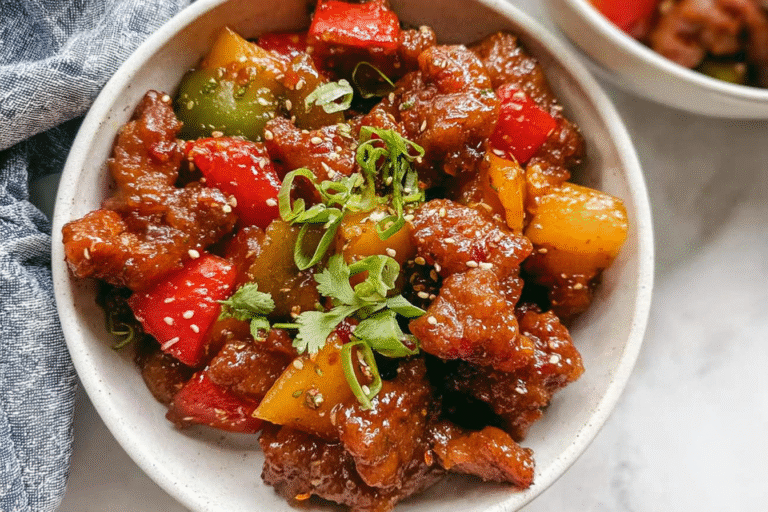
Sweet And Sour Pork
🍖 Sweet and Sour Pork features crispy, tender pork bites tossed in a tangy and flavorful sauce, offering a perfect balance of textures and tastes.
🍍 This recipe combines savory marinated pork with a vibrant sauce and fresh vegetables, making it a delicious crowd-pleaser for any occasion.
- Total Time: 19 hours 50 minutes
- Yield: 4 servings 1x
Ingredients
400g pork scotch roast (or shoulder), cut into 2 cm cubes for the hearty base
1/2 finely grated onion for subtle sweetness and depth to the marinade
1 tsp finely grated garlic for punchy aroma and taste
1 tsp finely grated ginger for warm, spicy note
3/8 tsp baking soda for tenderizing
2 tsp cornflour/cornstarch for thickening and binding the marinade
2 tbsp light soy sauce for salty umami
5 tbsp cornflour/cornstarch for mixing in for crispy texture
1/2 cup cornflour/cornstarch for coating for extra layer of crunch
2 to 3 cups vegetable or canola oil for frying
1/3 cup white sugar for balancing the tang with sweetness
1/3 cup apple cider vinegar for the sour element
3 tbsp pineapple juice for natural sweetness and acidity
3 tbsp ketchup for color and flavor
1/2 tsp Worcestershire sauce for umami and depth
1 tbsp light soy sauce for savoriness
1 tsp oyster sauce for rich, savory note
4 tsp cornflour/cornstarch for thickening the sauce
1/2 cup water for adjusting consistency
1 tbsp oil for stir-frying
1 garlic clove finely chopped for aromatic flavor
2 tsp ginger finely chopped for fresh, zesty kick
1 medium onion cut into 2.5 cm cubes for crunch and sweetness
1/2 red capsicum cut into 2.5 cm cubes for color, vitamins, and crisp texture
1/2 green capsicum cut into 2.5 cm cubes for crunch and fresh taste
1 cup pineapple pieces for tropical sweetness
Instructions
1-First Step: Start by combining 400g of pork scotch roast, cut into 2 cm cubes, with 1/2 finely grated onion, 1 tsp finely grated garlic, 1 tsp finely grated ginger, 3/8 tsp baking soda, 2 tsp cornflour/cornstarch, and 2 tbsp light soy sauce in a bowl. Mix well and let it marinate for 18 to 24 hours in the fridge; for tender cuts, you can shorten this to 3 hours. This step ensures the pork absorbs flavors and stays juicy, making your sweet and sour pork extra tender.
2-Second Step: Preheat your oven to 80°C while the pork marinates. This keeps the fried pork warm later, preventing it from getting soggy. If you’re adapting for dietary needs, like using a leaner cut, this marinating time helps maintain moisture without adding extra fat.
3-Third Step: In a separate bowl, mix 1/3 cup white sugar, 1/3 cup apple cider vinegar (or 1/4 cup white vinegar), 3 tbsp pineapple juice, 3 tbsp ketchup, 1/2 tsp Worcestershire sauce, 1 tbsp light soy sauce, and 1 tsp oyster sauce. Then, add 1/2 cup water and 4 tsp cornflour/cornstarch to thicken it. Stir until smooth; this creates the tangy sauce that defines sweet and sour pork, and you can adjust for low-sodium options by using less soy sauce.
4-Fourth Step: Take the marinated pork and mix in 5 tbsp cornflour/cornstarch, letting it sit for 5 minutes until it gets sticky. This prepares the pork for coating, enhancing crispiness, which is great for those seeking that restaurant-style sweet and sour pork texture.
5-Fifth Step: Spread 1/2 cup cornflour/cornstarch on a plate and coat each pork piece, shaking off the excess. Heat 2 to 3 cups of vegetable or canola oil to 180°C in a deep pan. Fry the pork in batches for about 3 minutes until golden, then drain on a rack. For a healthier twist, you could pan fry instead of deep frying.
6-Sixth Step: Increase the oil temperature to 200°C and fry the pork again for 1.5 minutes until deep golden and crispy. Transfer to the preheated oven to keep warm. This double frying method reduces oiliness, perfect for diet-conscious individuals enjoying sweet and sour pork.
7-Seventh Step: In a separate pan, heat 1 tbsp oil over medium heat. Add 1 finely chopped garlic clove and 2 tsp finely chopped ginger, stirring for 1.5 minutes. Then, add 1 medium onion cut into 2.5 cm cubes, and cook for another minute. This builds layers of flavor for your sweet and sour pork.
8-Eighth Step: Toss in 1/2 red capsicum and 1/2 green capsicum, both cut into 2.5 cm cubes, and stir for 2 minutes until they’re crisp-tender. For variations, you could add more veggies based on seasonal availability.
9-Ninth Step: Pour in the prepared sweet and sour sauce mixture along with 1 cup pineapple pieces, and simmer for 2 minutes until thickened. Finally, add the fried pork and toss for about 10 seconds to coat evenly. Serve immediately to keep that crispiness, which lasts around 5 minutes ideal for fresh, hot meals.
Last Step:
Please leave a rating and comment letting us know how you liked this recipe! This helps our business to thrive and continue providing free, high-quality recipes for you.Notes
🍳 Double dredging and double frying at two temperatures achieves extra crispy and less oily pork.
⏲️ Marinate tougher cuts 18-24 hours for tenderness; shorter for tender cuts to avoid over-softening.
🍍 Use canned pineapple juice in sauce for extra flavor; fresh pineapple requires water substitution.
🧴 Strain and reuse frying oil up to twice for better economy.
🌶️ Include finely grated aromatics for intense flavor.
- Prep Time: 20 minutes
- Marinate: 18 to 24 hours
- Cook Time: 30 minutes
- Category: Main Dish
- Method: Frying and Stir-Frying
- Cuisine: Chinese
- Diet: Contains Soy and Gluten
Nutrition
- Serving Size: 1 serving
- Calories: Not specified
- Sugar: Not specified
- Sodium: Not specified
- Fat: Not specified
- Saturated Fat: Not specified
- Unsaturated Fat: Not specified
- Trans Fat: Not specified
- Carbohydrates: Not specified
- Fiber: Not specified
- Protein: Not specified
- Cholesterol: Not specified