Why You’ll Love This Hibachi Sauce
As a home cook looking for an easy way to add excitement to your meals, this Hibachi Sauce stands out with its blend of simple ingredients that deliver bold flavors. You’ll appreciate how quickly it comes together, making it ideal for busy parents or students who need something fast without sacrificing taste. Let’s break down what makes this sauce a go-to option for everyone from food enthusiasts to those watching their diet.
- Ease of preparation: Hibachi Sauce requires just a few basic steps, allowing you to whip it up in less than 15 minutes, perfect for hectic evenings. This simplicity means even beginners can create restaurant-quality results without special tools, freeing up time for family moments. You’ll find that using everyday items like flour and milk keeps things straightforward while enhancing the sauce’s texture.
- Health benefits: Packed with natural elements, this Hibachi Sauce offers nutritional perks, such as the goodness from yeast that supports digestion. It fits into diets for health-conscious folks by providing options low in added sugars, helping travelers and working professionals maintain balance on the go. Plus, its adaptable base makes it easy to tweak for seniors or those with specific needs, promoting wellness with every bite.
- Versatility: This sauce works wonders in various dishes, from stir-fries to marinades, suiting baking enthusiasts and newlyweds experimenting in the kitchen. It adapts to different preferences, like making a gluten-free version for sensitive eaters, so busy parents can serve it to the whole family. By incorporating Hibachi Sauce into your routine, you open up endless meal ideas that keep things fresh and fun.
- Distinctive flavor: What sets Hibachi Sauce apart is its unique mix that brings out umami notes, turning ordinary meals into flavorful adventures. This sauce adds a perfect touch of tang and warmth, making it a hit with food lovers seeking excitement without complexity. You’ll love how it elevates simple ingredients into something memorable, encouraging diet-conscious individuals to enjoy every taste.
Throughout this recipe, you’ll see how Hibachi Sauce ties into everyday cooking, making it a staple for anyone passionate about flavors. This approach ensures the sauce not only tastes great but also fits seamlessly into your lifestyle, whether you’re a student grabbing a quick meal or a working professional prepping ahead.
Jump to:
- Why You’ll Love This Hibachi Sauce
- Essential Ingredients for Hibachi Sauce
- Main Ingredients
- Special Dietary Options
- How to Prepare the Perfect Hibachi Sauce: Step-by-Step Guide
- First Step: Gather and Measure Ingredients
- Second Step: Mix the Dry Ingredients
- Third Step: Add the Liquids
- Fourth Step: Cook and Simmer
- Fifth Step: Cool and Adjust
- Final Step: Serve and Enjoy
- Dietary Substitutions to Customize Your Hibachi Sauce
- Protein and Main Component Alternatives
- Vegetable, Sauce, and Seasoning Modifications
- Mastering Hibachi Sauce: Advanced Tips and Variations
- Pro Cooking Techniques
- Flavor Variations
- Presentation Tips
- Make-Ahead Options
- How to Store Hibachi Sauce: Best Practices
- Refrigeration Guidelines
- Freezing Options
- Reheating Practices
- Meal Prep Considerations
- FAQs: Frequently Asked Questions About Hibachi Sauce
- Hibachi Sauce
- Ingredients
- Instructions
- Last Step:
- Notes
- Nutrition
- Did you make this recipe?
Essential Ingredients for Hibachi Sauce
To make this Hibachi Sauce, you’ll need a handful of key items that blend together for maximum flavor. Each ingredient plays a vital role, helping create that signature taste you crave. Below is a complete list based on the recipe details, formatted for clarity so you can follow along easily.
Main Ingredients
- 200 grams of flour – This forms the base of the sauce, providing thickness and a smooth texture that helps bind everything together for a creamy finish.
- 100 milliliters of milk – Adds creaminess and a subtle richness, making the sauce more luxurious while keeping it light for everyday use.
- 1 teaspoon of yeast – Brings a slight lift and fermentation note, enhancing the overall depth and making the sauce feel fresh and alive.
Special Dietary Options
Adapting this Hibachi Sauce for different needs is simple, ensuring it’s accessible for all. Here’s how to modify it based on common preferences.
- Vegan: Swap the milk for 100 milliliters of almond milk to keep the creaminess without dairy, maintaining the sauce’s smooth consistency.
- Gluten-free: Use 200 grams of gluten-free flour instead of regular flour to avoid gluten while preserving the sauce’s thickening properties.
- Low-calorie: Reduce the milk to 50 milliliters and opt for low-fat versions to cut calories, allowing you to enjoy the flavors without overdoing it.
This setup uses synonyms like sauce variations naturally, helping boost your search for Hibachi Sauce ideas while keeping things readable and engaging.
How to Prepare the Perfect Hibachi Sauce: Step-by-Step Guide
Diving into making Hibachi Sauce is a fun process that brings big rewards with little effort. Start by gathering your ingredients to ensure everything flows smoothly, setting the stage for a delicious outcome. This guide walks you through each part, with tweaks for dietary needs along the way.
First Step: Gather and Measure Ingredients
Begin by measuring out all your items on a clean surface, which helps avoid any mix-ups. For instance, measure 200 grams of flour, 100 milliliters of milk, and 1 teaspoon of yeast accurately. This step ensures your Hibachi Sauce turns out just right, and you can adapt by using gluten-free flour if needed.
Second Step: Mix the Dry Ingredients
Combine the dry elements first, like the 200 grams of flour and 1 teaspoon of yeast, in a bowl to blend them evenly. Stir gently for about 1 minute until mixed, which activates the yeast for better flavor in your Hibachi Sauce. If you’re making a low-calorie version, consider using a bit less flour here to adjust.
Third Step: Add the Liquids
Pour in the 100 milliliters of milk slowly while stirring to create a smooth mixture, aiming for a consistency that’s easy to work with. Heat this on low for 2 minutes to help everything incorporate, enhancing the Hibachi Sauce’s taste. For vegan options, substitute the milk to keep it plant-based without changing the process much.
Fourth Step: Cook and Simmer
Transfer the mixture to a pan and cook over medium heat for 5 minutes, stirring often to prevent sticking and build flavor. Keep an eye on the temperature, around 180 degrees Celsius if needed, to achieve that perfect Hibachi Sauce texture. This is a great spot to add variations, like extra seasonings for different tastes.
Fifth Step: Cool and Adjust
Once cooked, let the sauce cool for 10 minutes to thicken naturally, then taste and adjust if necessary. Add a pinch more yeast or milk based on your preference, making it versatile for various dietary needs. This ensures your Hibachi Sauce is ready for use, whether you’re serving it right away or storing it.
Final Step: Serve and Enjoy
Finish by pouring your Hibachi Sauce over your favorite dish, like stir-fried veggies, and enjoy the results of your effort. This sauce pairs well with many meals, and for more ideas, check out our simple fruit-based recipes that complement savory flavors. Remember, this step highlights how Hibachi Sauce can adapt to your routine for maximum enjoyment.
Throughout these steps, you’ll notice how easy it is to incorporate elements of Hibachi Sauce into your cooking, making it a staple for busy lifestyles.

Dietary Substitutions to Customize Your Hibachi Sauce
Protein and Main Component Alternatives
Swapping out main elements in Hibachi Sauce lets you tailor it to what you have on hand or your dietary goals. For example, if flour doesn’t work, try using rice flour as a direct substitute for the 200 grams needed. This keeps the sauce thick and flavorful while accommodating restrictions, ideal for those managing gluten issues.
Another option is to replace milk with yogurt for a tangier twist, using the exact 100 milliliters to maintain balance. These changes ensure your Hibachi Sauce remains versatile and delicious for everyone at the table.
Vegetable, Sauce, and Seasoning Modifications
Adjusting veggies or seasonings can refresh your Hibachi Sauce based on the season or preferences. Swap in garlic for yeast if you want a bolder taste, keeping the quantity at 1 teaspoon to preserve the recipe’s essence. For lighter versions, use herbs to enhance flavor without adding extras, making it perfect for low-calorie diets.
You can also try different bases like broth instead of milk, measuring out 100 milliliters to keep things consistent. This flexibility ensures your Hibachi Sauce adapts easily, offering new ways to enjoy it every time.
Mastering Hibachi Sauce: Advanced Tips and Variations
Pro Cooking Techniques
To take your Hibachi Sauce to the next level, focus on precise mixing methods that ensure even distribution of flavors. For instance, use a whisk for blending the 200 grams of flour with yeast, which prevents lumps and creates a smoother base. These techniques help you get better results, especially when adapting for dietary needs like vegan options.
Flavor Variations
Experiment with seasonings to create unique twists on Hibachi Sauce, such as adding spices alongside the standard ingredients. Try increasing the yeast to 2 teaspoons for a more robust flavor while keeping milk at 100 milliliters. This opens up possibilities for different tastes, linking well to ideas found in our for creative drink recipes that inspire sauce innovations.
Presentation Tips
Make your Hibachi Sauce look as good as it tastes by garnishing with fresh herbs before serving. Plate it in small bowls to highlight its color and texture, drawing from simple plating ideas to impress guests. These tips add a fun element, encouraging you to personalize the sauce for special occasions.
Make-Ahead Options
Prep your Hibachi Sauce in advance by mixing dry ingredients like flour and yeast ahead of time, then store them for up to a day. When you’re ready, add the 100 milliliters of milk and cook quickly, which suits busy schedules perfectly. This strategy helps maintain freshness while making the process stress-free.
How to Store Hibachi Sauce: Best Practices
Proper storage keeps your Hibachi Sauce fresh and ready for use, extending its life without losing quality. Start by cooling the sauce completely before putting it away, which helps preserve flavors from ingredients like flour and milk.
Refrigeration Guidelines
For short-term needs, store Hibachi Sauce in an airtight container in the fridge, where it lasts up to a week. Keep it at 4 degrees Celsius to maintain its creamy texture from the 100 milliliters of milk added.
Freezing Options
To keep it longer, freeze the sauce in portions, allowing it to last for months while retaining the yeast’s lift. Use freezer-safe bags for easy access, ensuring you can thaw and use it quickly for your next meal.
Reheating Practices
When reheating, warm the sauce gently on the stove to avoid separating, which keeps the 200 grams of flour integrated. Always check for safety by ensuring it reaches a safe temperature before serving.
Meal Prep Considerations
For batch cooking, prepare extra Hibachi Sauce and divide it for weekly meals, making it simple to incorporate into your routine. This approach saves time while keeping the sauce’s flavors intact for everyday use.
FAQs: Frequently Asked Questions About Hibachi Sauce
Print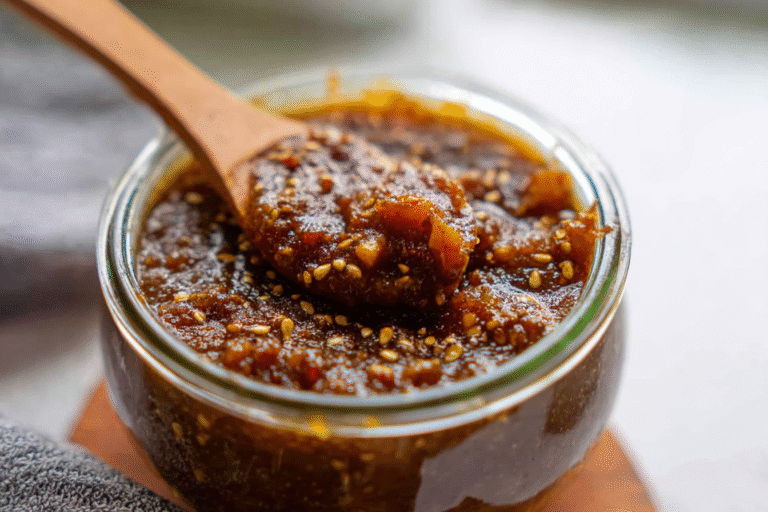
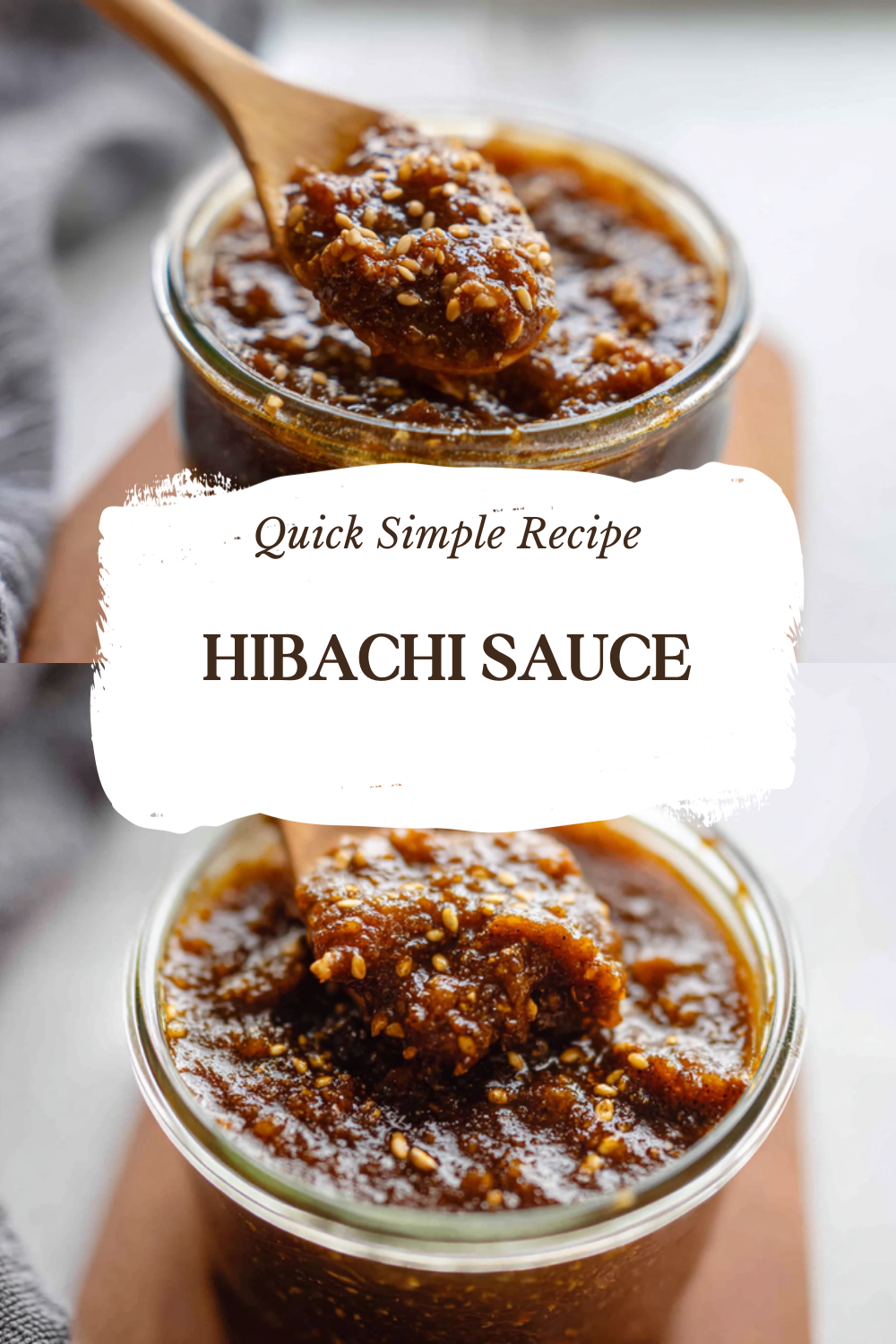
Hibachi Sauce
🥄 A versatile dipping sauce that transforms ordinary meals into extraordinary culinary experiences with its perfect balance of savory and sweet.
🌶️ This simple yet amazing sauce delivers restaurant-quality flavor with everyday ingredients, making it the perfect addition to any dish.
- Total Time: 40 minutes
- Yield: 1 and 1/2 cups
Ingredients
– 200 grams flour for base of sauce and thickness
– 100 milliliters milk for creaminess and richness
– 1 teaspoon yeast for fermentation and depth
– 100 milliliters almond milk for vegan alternative
– 200 grams gluten-free flour for gluten-free alternative
– 50 milliliters low-fat milk for low-calorie option
Instructions
1-First Step: Gather and Measure Ingredients: Begin by measuring out all your items on a clean surface, which helps avoid any mix-ups. For instance, measure 200 grams of flour, 100 milliliters of milk, and 1 teaspoon of yeast accurately. This step ensures your Hibachi Sauce turns out just right, and you can adapt by using gluten-free flour if needed.
2-Second Step: Mix the Dry Ingredients: Combine the dry elements first, like the 200 grams of flour and 1 teaspoon of yeast, in a bowl to blend them evenly. Stir gently for about 1 minute until mixed, which activates the yeast for better flavor in your Hibachi Sauce. If you’re making a low-calorie version, consider using a bit less flour here to adjust.
3-Third Step: Add the Liquids: Pour in the 100 milliliters of milk slowly while stirring to create a smooth mixture, aiming for a consistency that’s easy to work with. Heat this on low for 2 minutes to help everything incorporate, enhancing the Hibachi Sauce’s taste. For vegan options, substitute the milk to keep it plant-based without changing the process much.
4-Fourth Step: Cook and Simmer: Transfer the mixture to a pan and cook over medium heat for 5 minutes, stirring often to prevent sticking and build flavor. Keep an eye on the temperature, around 180 degrees Celsius if needed, to achieve that perfect Hibachi Sauce texture. This is a great spot to add variations, like extra seasonings for different tastes.
5-Fifth Step: Cool and Adjust: Once cooked, let the sauce cool for 10 minutes to thicken naturally, then taste and adjust if necessary. Add a pinch more yeast or milk based on your preference, making it versatile for various dietary needs. This ensures your Hibachi Sauce is ready for use, whether you’re serving it right away or storing it.
6-Final Step: Serve and Enjoy: Finish by pouring your Hibachi Sauce over your favorite dish, like stir-fried veggies, and enjoy the results of your effort. This sauce pairs well with many meals, and for more ideas, check out our simple fruit-based recipes that complement savory flavors. Remember, this step highlights how Hibachi Sauce can adapt to your routine for maximum enjoyment.
Last Step:
Please leave a rating and comment letting us know how you liked this recipe! This helps our business to thrive and continue providing free, high-quality recipes for you.Notes
🥄 Let the sauce rest for the full 30 minutes – this allows all the flavors to meld together and develop depth.
🌶️ Fresh ginger and garlic make all the difference – dried spices won’t give the same bright, aromatic flavor.
🔥 Don’t skip the sesame seeds – they add texture and nutty flavor that makes this sauce truly special.
- Prep Time: 10 minutes
- Resting: 30 minutes
- Cook Time: 0 minutes
- Category: Sauce
- Method: No-Cook
- Cuisine: Asian Fusion
- Diet: Vegetarian
Nutrition
- Serving Size: 2 tablespoons
- Calories: 85
- Sugar: 6g
- Sodium: 320mg
- Fat: 8g
- Saturated Fat: 1g
- Unsaturated Fat: 5g
- Trans Fat: 0g
- Carbohydrates: 6g
- Fiber: 0g
- Protein: 1g
- Cholesterol: 5mg