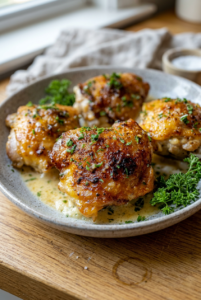
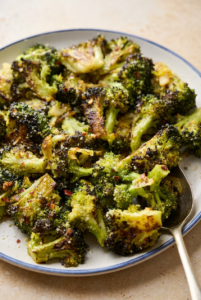
Why You’ll Love This Pepperoncini Chicken Skillet Recipe
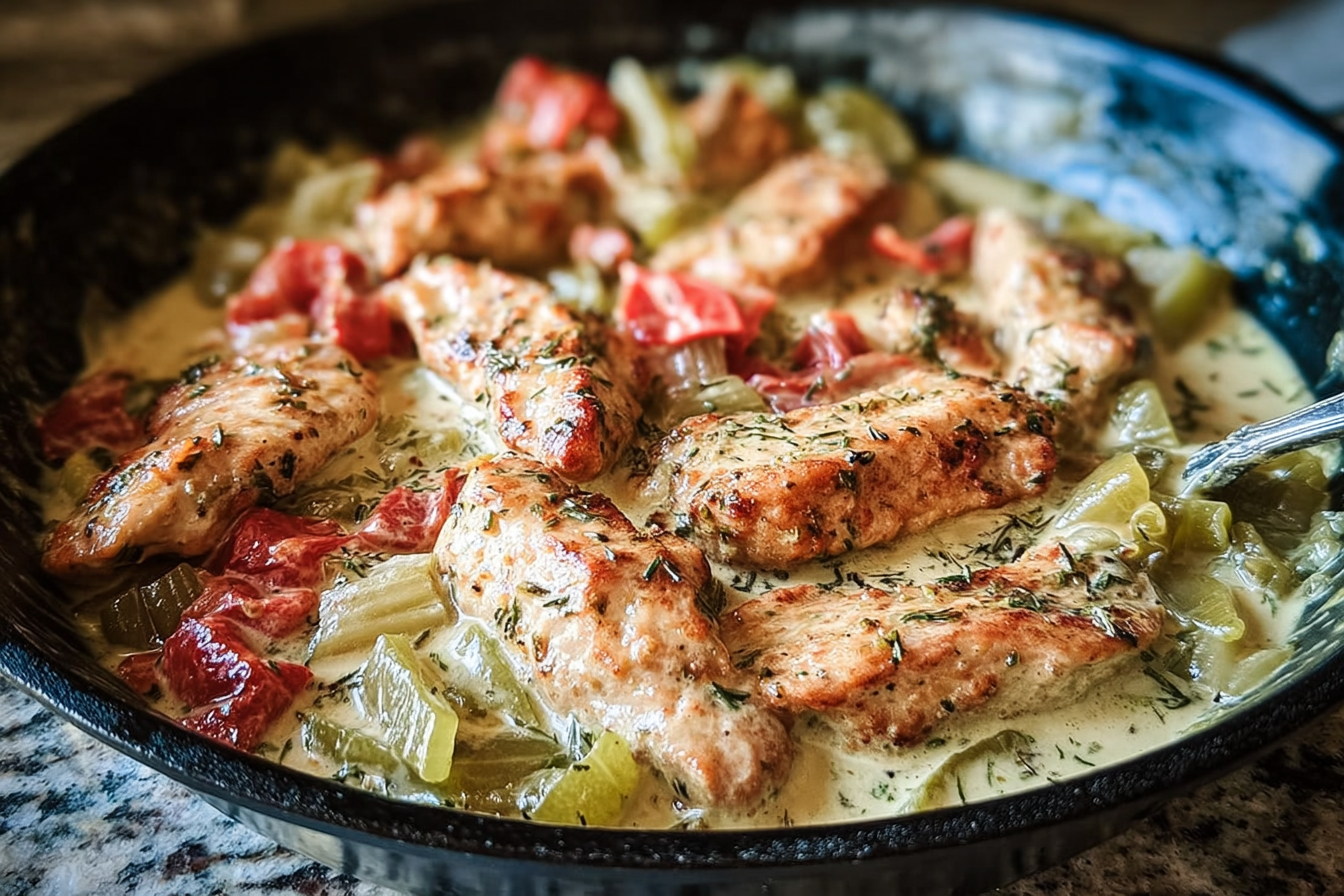
I’ve always loved recipes that make dinner feel like a treat without taking all day in the kitchen, and this pepperoncini chicken skillet recipe is one of my favorites. It’s super simple to whip up in about 30 minutes, making it perfect for busy weeknights when you want something hearty without the hassle. The tangy sauce from the pepperoncini adds a zesty kick that elevates the chicken to something really special.
- Ease of preparation: This chicken skillet recipe comes together quickly with just a few steps, using everyday ingredients you likely have on hand. You’ll spend only about 5 minutes prepping and 25 minutes cooking, which makes it ideal for home cooks or busy parents juggling schedules. I find it helps me get dinner on the table fast while still feeling like I’ve put in effort without the stress.
- Health benefits: Packed with protein from the chicken tenders, this dish offers a nutritious balance with veggies like onions and roasted red peppers. At around 565 calories per serving, it’s a filling meal that provides 41g of protein and only 8g of carbs, making it great for diet-conscious folks or those watching their intake. Plus, the ingredients support wellness by including anti-inflammatory elements from the peppers and herbs.
- Versatility: You can adapt this pepperoncini chicken recipe to fit various dietary needs, like swapping in dairy-free options or different proteins. Whether you’re serving it over pasta, rice, or veggies, it works for everyone from students to seniors. I love how it pairs with whatever I have in my pantry, turning a basic chicken skillet into a customizable favorite.
- Distinctive flavor: The tangy sauce from the pepperoncini peppers really sets this chicken skillet recipe apart, blending creamy elements with a spicy twist. It’s that mix of Italian seasoning, garlic, and cheese that makes every bite exciting and full of flavor. Trust me, once you try it, you’ll want to make this pepperoncini chicken on repeat for its unique taste that brightens up any meal.
This pepperoncini chicken skillet recipe not only satisfies your taste buds but also fits into a busy lifestyle, proving that good food doesn’t have to be complicated. By focusing on fresh ingredients and simple techniques, it’s become a go-to in my kitchen for creating memorable dinners.
Jump to:
- Why You’ll Love This Pepperoncini Chicken Skillet Recipe
- Essential Ingredients for Pepperoncini Chicken Skillet Recipe
- Special Dietary Options
- How to Prepare the Perfect Pepperoncini Chicken Skillet Recipe: Step-by-Step Guide
- First Step: Prepare Your Ingredients
- Second Step: Brown the Chicken
- Third Step: Cook the Vegetables
- Fourth Step: Combine and Simmer
- Fifth Step: Add the Creamy Sauce
- Final Step: Serve and Enjoy
- Dietary Substitutions to Customize Your Pepperoncini Chicken Skillet Recipe
- Protein and Main Component Alternatives
- Vegetable, Sauce, and Seasoning Modifications
- Mastering Pepperoncini Chicken Skillet Recipe: Advanced Tips and Variations
- Flavor Variations
- Presentation Tips
- Make-Ahead Options
- How to Store Pepperoncini Chicken Skillet Recipe: Best Practices
- FAQs: Frequently Asked Questions About Pepperoncini Chicken Skillet Recipe
- How do I store and reheat leftover Pepperoncini Chicken Skillet?
- Can I make this recipe with chicken thighs instead of chicken breasts?
- What are some good side dishes to serve with Pepperoncini Chicken Skillet besides pasta?
- Can I use dairy-free milk instead of heavy cream in the sauce?
- Is it possible to freeze leftover Pepperoncini Chicken Skillet?
- Pepperoncini Chicken Skillet Recipe
- Ingredients
- Instructions
- Last Step:
- Notes
- Nutrition
- Did you make this recipe?
Essential Ingredients for Pepperoncini Chicken Skillet Recipe
When I put together this pepperoncini chicken skillet, I focus on ingredients that pack in flavor while keeping things straightforward. Each one plays a key role in building that creamy, tangy sauce that makes the dish stand out. Let me walk you through them so you can see why they’re essential.
- 2 tablespoons butter (salted; olive oil can be substituted) – This adds a rich base for browning the chicken and enhances the overall savoriness of the pepperoncini chicken skillet recipe.
- 2 pounds chicken tenders, cut into thin strips – The main protein that makes this chicken skillet recipe hearty and filling, providing plenty of nutrients and a tender texture when cooked just right.
- 1 teaspoon sea salt – Helps season the chicken perfectly, locking in juices and boosting the flavors in this pepperoncini chicken dish for a well-balanced taste.
- 1 teaspoon black pepper – Adds a subtle heat that complements the tanginess of the pepperoncini, making this chicken skillet recipe more dynamic and flavorful.
- 1 diced white onion – Brings sweetness and depth to the sauce, creating a flavorful foundation for the pepperoncini chicken skillet recipe as it cooks down.
- 2 tablespoons diced garlic – Infuses an aromatic punch that elevates the entire pepperoncini chicken, turning simple ingredients into something truly delicious.
- ½ cup chicken stock or chicken bone broth – Provides moisture and helps deglaze the pan, enriching the sauce in this chicken skillet recipe with extra nutrients.
- ½ cup roasted red peppers, drained and sliced – Adds a smoky sweetness that balances the spice, making the pepperoncini chicken skillet recipe vibrant and colorful.
- 1 cup heavy cream – Creates the creamy texture that coats the chicken, giving this pepperoncini chicken dish its luxurious feel while keeping it comforting.
- ½ cup shredded Parmesan cheese – Melts into the sauce for a cheesy richness, enhancing the overall flavor profile of this chicken skillet recipe.
- 1 tablespoon Italian seasoning (oregano, basil, thyme mix) – Infuses herbal notes that tie all the ingredients together in this pepperoncini chicken skillet.
- ½ cup pepperoncini peppers, drained (sliced, rings, or whole) – The star of the show, adding that signature tangy heat to make this chicken skillet recipe unforgettable.
Special Dietary Options
- Vegan: Swap chicken tenders with plant-based proteins like tofu (use 2 pounds, pressed and sliced) for a vegan twist on this pepperoncini chicken skillet recipe, ensuring you get that same hearty feel.
- Gluten-free: This recipe is naturally gluten-free, but double-check your chicken stock for any additives, making it easy for gluten-sensitive folks to enjoy pepperoncini chicken.
- Low-calorie: Opt for low-fat milk instead of heavy cream to reduce calories in this chicken skillet recipe while maintaining its creamy pepperoncini essence.
How to Prepare the Perfect Pepperoncini Chicken Skillet Recipe: Step-by-Step Guide
Getting this pepperoncini chicken skillet recipe just right is all about following a few straightforward steps that I use every time for a foolproof meal. I’ll guide you through it in a way that’s easy for beginners, with tips to adapt along the way. Let’s dive in and make something tasty.
First Step: Prepare Your Ingredients
Start by gathering and prepping all your ingredients to make the process smooth. Cut 2 pounds of chicken tenders into thin strips and season them with 1 teaspoon sea salt and 1 teaspoon black pepper. This mise en place helps everything move quickly, especially if you’re new to chicken skillet recipes. For dietary tweaks, you could use turkey breast here to keep it lean.
Second Step: Brown the Chicken
Melt 2 tablespoons of butter in a large heavy pan over medium-high heat. Add the seasoned chicken strips and brown them on all sides for 6-8 minutes. The chicken might not be fully cooked at this point, which is fine it’ll finish later. I like to stir occasionally to ensure even cooking, and if you’re making a pepperoncini chicken variation, this is a great spot to adjust for spiciness.
Third Step: Cook the Vegetables
Once the chicken is browned, remove it from the pan and add 1 diced white onion. Cook until it’s browned and reduced, about 5 minutes. Then, stir in 2 tablespoons of diced garlic and ½ cup of sliced roasted red peppers, cooking for another 2 minutes until fragrant. This builds a flavorful base for your pepperoncini chicken skillet recipe, and you can swap in veggies like zucchini for a lighter option.
Fourth Step: Combine and Simmer
Add ½ cup chicken stock, ½ cup drained pepperoncini peppers, and the browned chicken back to the pan. Let it cook until the chicken reaches 165°F and the stock reduces slightly, which takes about 5-7 minutes. This step infuses the flavors, and for those watching calories, use bone broth for added nutrients in this chicken skillet recipe.
Fifth Step: Add the Creamy Sauce
Remove the pan from heat and gradually stir in 1 cup heavy cream and ½ cup shredded Parmesan cheese, whisking vigorously to combine. For dairy-free adaptations, swap with coconut milk to keep it creamy. Return the pan to medium-high heat, add 1 tablespoon Italian seasoning, and cook for about 4 minutes until the sauce thickens nicely.
Final Step: Serve and Enjoy
Take the pan off the heat and serve immediately, garnished with fresh basil or extra Parmesan if you like. This pepperoncini chicken goes great over rice, pasta, or alone, and it’s versatile for different preferences. Remember, the total time is around 30 minutes, so it’s perfect for a quick yet satisfying pepperoncini chicken skillet recipe meal.

Dietary Substitutions to Customize Your Pepperoncini Chicken Skillet Recipe
Protein and Main Component Alternatives
If you’re looking to switch things up, trying different proteins can make this pepperoncini chicken skillet recipe even more versatile. For instance, use turkey breast instead of chicken tenders; adjust to 2 pounds and reduce cooking time by a couple of minutes for similar texture. Plant-based options like tofu or tempeh work well too prepare 2 pounds by pressing and slicing, then marinate in pepperoncini juice for that tangy flavor.
Seitan is another great choice for a chewy alternative, but remember to adjust quantities to about 2 pounds and watch cooking times to avoid overcooking, which could change the texture. Always aim for proteins that reach 165°F for safety, and consider macro adjustments like protein intake when substituting.
Vegetable, Sauce, and Seasoning Modifications
Vegetables can be swapped easily to suit seasons or tastes; try adding bell peppers or zucchini in place of roasted red peppers, using about ½ cup each and adding them in the same cooking order. For the sauce, swap heavy cream with yogurt or cashew cream for a lighter, vegan-friendly version, which might need a longer simmer to thicken.
Seasonings are key for flavor adjustments add more oregano or thyme from the Italian mix for extra herbs, or include red pepper flakes for heat, keeping sodium low with reduced salt. These changes make the recipe allergy-friendly and adaptable for various dietary needs.
Mastering Pepperoncini Chicken Skillet Recipe: Advanced Tips and Variations
Once you’re comfortable with the basics of this pepperoncini chicken skillet recipe, let’s explore some pro tips to take it to the next level. I always suggest tasting as you go to ensure the flavors shine through. One advanced technique is deglazing the pan with a splash of white wine after browning the onions and garlic it adds depth without much effort.
Flavor Variations
Experiment with different seasoning combinations, like adding citrus zest for brightness in your pepperoncini chicken. If you want a twist, try incorporating fresh herbs beyond the Italian mix for a unique take on this chicken skillet recipe. For more ideas, check out my easy peach cobbler recipe for dessert pairings that complement savory meals.
Presentation Tips
Garnish with fresh parsley or chives to make your dish pop, and serve it over quinoa for a colorful plate. These simple touches elevate the pepperoncini chicken skillet from everyday to impressive. Plating matters make sure the sauce coats the chicken evenly for that professional look.
Make-Ahead Options
Prep ingredients in advance for busy days, like dicing onions and garlic ahead of time. This pepperoncini chicken stores well, so it’s great for meal prep, and you can adjust for different dietary preferences as needed.
How to Store Pepperoncini Chicken Skillet Recipe: Best Practices
Storing your pepperoncini chicken properly keeps it tasty for later, and I always follow these guidelines to avoid waste. For short-term, refrigerate in an airtight container. It lasts up to 3-4 days, preserving the creamy texture of this chicken skillet recipe.
For long-term, freezing works but might change the sauce’s consistency; use freezer-safe bags and store for 2-3 months. When reheating, thaw overnight and warm on the stove with a bit of broth to maintain quality. Batch cooking is easy, so make extras for quick meals.
FAQs: Frequently Asked Questions About Pepperoncini Chicken Skillet Recipe
How do I store and reheat leftover Pepperoncini Chicken Skillet?
Store leftovers in an airtight container in the refrigerator for up to 3-4 days. To reheat, warm them gently in the microwave or on the stovetop over low heat, stirring occasionally to prevent the sauce from separating. Avoid high heat to maintain the creamy texture.
Can I make this recipe with chicken thighs instead of chicken breasts?
Yes, boneless chicken thighs work well in this recipe. They add extra flavor and stay moist. Adjust the cooking time slightly—about 5 to 7 minutes per side depending on thickness—to ensure they are fully cooked and tender.
What are some good side dishes to serve with Pepperoncini Chicken Skillet besides pasta?
For low-carb or gluten-free options, serve the chicken over cauliflower rice or steamed vegetables like broccoli or green beans. It also pairs nicely with quinoa or a simple mixed green salad to balance the rich sauce.
Can I use dairy-free milk instead of heavy cream in the sauce?
Yes, you can substitute heavy cream with dairy-free options such as full-fat coconut milk or unsweetened almond milk. Keep in mind this may slightly change the sauce’s flavor and thickness. You can thicken the sauce by simmering it a bit longer if needed.
Is it possible to freeze leftover Pepperoncini Chicken Skillet?
You can freeze leftovers in an airtight container for up to 2-3 months. However, the creamy sauce texture may change after freezing. When reheating, thaw overnight in the fridge and warm slowly on the stove, adding a splash of broth or milk to restore creaminess.
Pepperoncini Chicken Skillet Recipe
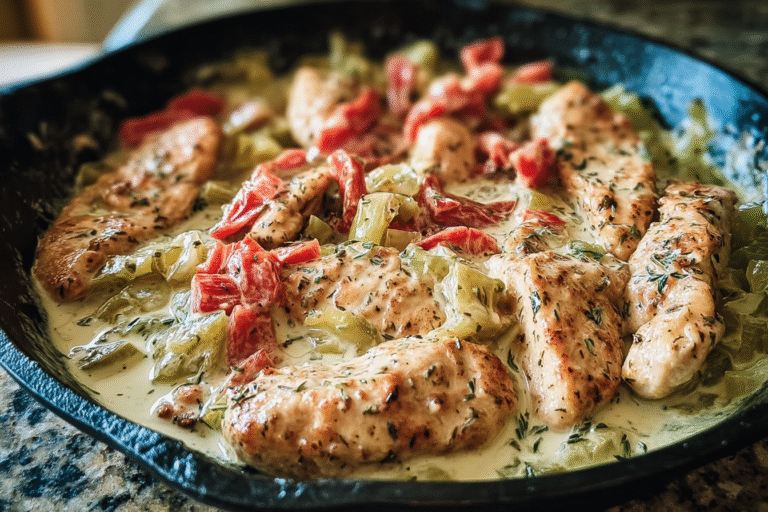
🍗 This Creamy Pepperoncini Chicken Skillet offers a delicious tangy sauce that perfectly complements tender chicken strips.
🍽️ Quick and simple to prepare, it’s an ideal weeknight meal full of flavor and creaminess.
- Total Time: 30 minutes
- Yield: 4 servings 1x
Ingredients
2 tablespoons butter (salted; olive oil can be substituted)
2 pounds chicken tenders, cut into thin strips
1 teaspoon sea salt
1 teaspoon black pepper
1 diced white onion
2 tablespoons diced garlic
½ cup chicken stock or chicken bone broth
½ cup roasted red peppers, drained and sliced
1 cup heavy cream
½ cup shredded Parmesan cheese
1 tablespoon Italian seasoning (oregano, basil, thyme mix)
½ cup pepperoncini peppers, drained (sliced, rings, or whole)
Instructions
1-First Step: Prepare Your Ingredients Start by gathering and prepping all your ingredients to make the process smooth. Cut 2 pounds of chicken tenders into thin strips and season them with 1 teaspoon sea salt and 1 teaspoon black pepper. This mise en place helps everything move quickly, especially if you’re new to chicken skillet recipes. For dietary tweaks, you could use turkey breast here to keep it lean.
2-Second Step: Brown the Chicken Melt 2 tablespoons of butter in a large heavy pan over medium-high heat. Add the seasoned chicken strips and brown them on all sides for 6-8 minutes. The chicken might not be fully cooked at this point, which is fine it’ll finish later. I like to stir occasionally to ensure even cooking, and if you’re making a pepperoncini chicken variation, this is a great spot to adjust for spiciness.
3-Third Step: Cook the Vegetables Once the chicken is browned, remove it from the pan and add 1 diced white onion. Cook until it’s browned and reduced, about 5 minutes. Then, stir in 2 tablespoons of diced garlic and ½ cup of sliced roasted red peppers, cooking for another 2 minutes until fragrant. This builds a flavorful base for your pepperoncini chicken skillet recipe, and you can swap in veggies like zucchini for a lighter option.
4-Fourth Step: Combine and Simmer Add ½ cup chicken stock, ½ cup drained pepperoncini peppers, and the browned chicken back to the pan. Let it cook until the chicken reaches 165°F and the stock reduces slightly, which takes about 5-7 minutes. This step infuses the flavors, and for those watching calories, use bone broth for added nutrients in this chicken skillet recipe.
5-Fifth Step: Add the Creamy Sauce Remove the pan from heat and gradually stir in 1 cup heavy cream and ½ cup shredded Parmesan cheese, whisking vigorously to combine. For dairy-free adaptations, swap with coconut milk to keep it creamy. Return the pan to medium-high heat, add 1 tablespoon Italian seasoning, and cook for about 4 minutes until the sauce thickens nicely.
6-Final Step: Serve and Enjoy Take the pan off the heat and serve immediately, garnished with fresh basil or extra Parmesan if you like. This pepperoncini chicken goes great over rice, pasta, or alone, and it’s versatile for different preferences. Remember, the total time is around 30 minutes, so it’s perfect for a quick yet satisfying pepperoncini chicken skillet recipe meal.
Last Step:
Please leave a rating and comment letting us know how you liked this recipe! This helps our business to thrive and continue providing free, high-quality recipes for you.Notes
🌶️ Adjust spiciness by controlling the amount of pepperoncini peppers; chop finely if using less.
🥛 Avoid boiling the sauce after adding cream to prevent splitting.
🍷 Optionally, deglaze the pan with 1 tablespoon white wine after onions and garlic brown.
- Prep Time: 5 minutes
- Cook Time: 25 minutes
- Category: Main Course
- Method: Sautéing and simmering
- Cuisine: American
- Diet: Gluten-Free
Nutrition
- Serving Size: 1 serving
- Calories: 565 kcal
- Sugar: 4 g
- Sodium: 813 mg
- Fat: 41 g
- Saturated Fat: 18 g
- Unsaturated Fat: 19 g
- Trans Fat: 1 g
- Carbohydrates: 8 g
- Fiber: 1 g
- Protein: 41 g
- Cholesterol: 203 mg