Why You’ll Love This Breakfast Casserole
This breakfast casserole is a game-changer for anyone with a hectic schedule, offering a hearty meal that’s both satisfying and straightforward to make. Imagine waking up to a dish that’s already prepped and ready to bake, saving you precious time in the morning rush. Whether you’re feeding a family or just yourself, its adaptability makes it a versatile favorite that keeps everyone coming back for more.
One of the biggest draws is how easy it is to prepare, with simple steps that even beginners can handle without stress. It’s loaded with nutritious elements like eggs, vegetables, and proteins that fuel your day right. Plus, the comforting flavors blend seamlessly, creating a dish that’s as enjoyable as it is nourishing.
- Ease of preparation: This breakfast casserole recipe is remarkably simple and quick to prepare, making it perfect for busy mornings. With easy-to-follow steps and minimal ingredients, the cooking time is reduced without compromising flavor.
- Health benefits: Packed with wholesome ingredients, this breakfast casserole offers balanced nutrition. It includes proteins, vegetables, and healthy fats that support wellness and sustained energy throughout the day.
- Versatility: Adaptable to various dietary needs, this casserole can be customized for vegan, gluten-free, or low-calorie preferences, ensuring everyone can enjoy a nourishing meal.
- Distinctive flavor: Combining savory herbs, rich cheeses, and fresh vegetables, this dish stands out with a unique, comforting taste that delights the palate.
To dive deeper into how eggs contribute to your health, check out this resource on egg benefits. This can help you appreciate why they’re a key part of this recipe.
Jump to:
- Why You’ll Love This Breakfast Casserole
- Essential Ingredients for Breakfast Casserole
- How to Prepare the Perfect Breakfast Casserole: Step-by-Step Guide
- Dietary Substitutions to Customize Your Breakfast Casserole
- Protein and Main Component Alternatives
- Vegetable, Sauce, and Seasoning Modifications
- Mastering Breakfast Casserole: Advanced Tips and Variations
- Pro Cooking Techniques
- Flavor Variations
- Presentation and Make-Ahead Options
- How to Store Breakfast Casserole: Best Practices
- FAQs: Frequently Asked Questions About Breakfast Casserole
- Can I use potatoes instead of bread in a breakfast casserole?
- How far in advance can I prepare a breakfast casserole?
- What types of bread work best for a breakfast casserole?
- Can I customize the ingredients in a breakfast casserole?
- What’s the best way to freeze and reheat a breakfast casserole?
- Breakfast Casserole
- Ingredients
- Instructions
- Last Step:
- Notes
- Nutrition
- Did you make this recipe?
Essential Ingredients for Breakfast Casserole
Gathering the right ingredients is the first step to creating a delicious breakfast casserole that meets your needs. This section outlines everything you need, focusing on precise measurements to ensure your dish turns out perfectly every time. By using fresh, quality items, you can customize the recipe to fit different tastes and dietary requirements.
Below is a complete list of ingredients based on the recipe. Each one plays a specific role in building flavor and texture, so don’t skip any for the best results.
- 4 cups (175g or 6 oz) cubes of crusty bread (such as sourdough or a similar hearty bread)
- 1 teaspoon olive oil
- 1 pound ground pork sausage, casings removed
- 1 teaspoon dried rosemary or Italian seasoning, optional
- 3/4 cup (100g) chopped yellow onion (about half a large onion)
- 2 garlic cloves, minced
- 2 cups (275g or 9 10 oz) chopped bell peppers
- 1 cup (100g or 3 oz) sliced mushrooms
- 1 cup (100g or 3 oz) roughly chopped fresh spinach
- 12 large eggs
- 1/4 teaspoon salt
- 1/8 teaspoon freshly ground black pepper
- 2/3 cup (160ml) milk or half-and-half
- 1 cup (100g or 3.5 oz) shredded cheddar cheese
- Optional garnishes: green onion and/or chopped parsley
For special dietary options, you can make swaps like using plant-based milk for dairy-free versions or gluten-free bread to accommodate restrictions. This flexibility ensures the casserole works for a wide audience.
How to Prepare the Perfect Breakfast Casserole: Step-by-Step Guide
Getting started with this breakfast casserole is as simple as following a few straightforward steps, which we’ll break down here. This guide uses the ingredients we’ve listed to create a meal that’s both tasty and efficient. Begin by setting up your kitchen for success, and you’ll have a hot dish ready in no time.
First, grease a 9×13 inch or similar sized oven-safe casserole dish and spread the 4 cups of bread cubes evenly in the bottom. This creates a solid base that absorbs flavors beautifully. Next, heat 1 teaspoon of olive oil in a large skillet over medium heat and add the 1 pound of ground pork sausage along with 1 teaspoon of dried rosemary if you’re using it.
Break the sausage into bite-size pieces and cook until almost done, then mix in the 3/4 cup of chopped yellow onion, 2 minced garlic cloves, 2 cups of chopped bell peppers, 1 cup of sliced mushrooms, and 1 cup of roughly chopped fresh spinach. Cook this for about 5 to 6 minutes until everything softens and the sausage is fully cooked.
Spread this mixture over the bread cubes in the dish. In a separate bowl, whisk together the 12 large eggs, 1/4 teaspoon salt, 1/8 teaspoon black pepper, 2/3 cup of milk or half-and-half, and 1 cup of shredded cheddar cheese. Pour it evenly over the layers, sprinkle a bit more salt and pepper on top, and cover to refrigerate for at least 30 minutes or up to 24 hours.
When it’s time to bake, preheat your oven to 375°F and let the dish sit at room temperature for 10-15 minutes. Bake uncovered for 40 to 45 minutes until golden and set, then cool for 10 minutes before serving. Leftovers store well for up to 5 days, making this a great make-ahead option.

Dietary Substitutions to Customize Your Breakfast Casserole
Making this breakfast casserole your own is easy with a few smart swaps, allowing you to adapt it for different diets or preferences. Whether you’re avoiding certain ingredients or just want to experiment, these changes keep the dish delicious and nutritious. Start by considering your protein sources and then tweak the veggies and seasonings.
Protein and Main Component Alternatives
Swap out traditional elements to fit your needs, like replacing eggs with plant-based options.
- Replace traditional eggs with tofu or chickpea flour batter for vegan protein options.
- Use turkey sausage or tempeh slices instead of pork sausage for different dietary preferences.
- Incorporate beans or lentils to add fiber and plant-based proteins.
Vegetable, Sauce, and Seasoning Modifications
Play with flavors by changing up the add-ins to keep things fresh and exciting.
- Swap bell peppers with seasonal vegetables like zucchini or spinach for variety.
- Choose dairy-free sauces such as cashew cream or nutritional yeast for vegan-friendly options.
- Adjust seasonings by adding smoked paprika, cumin, or fresh herbs like rosemary to suit taste and dietary restrictions.
For more ideas on varying your meals, you might enjoy this recipe for a fresh summer squash corn chowder, which shows how to incorporate seasonal veggies creatively.
Mastering Breakfast Casserole: Advanced Tips and Variations
Once you’re comfortable with the basics, take your breakfast casserole to the next level with these advanced tips. Enhancing texture and flavor can make all the difference, turning a simple dish into something extraordinary. Let’s explore ways to add your personal touch while keeping it easy.
Pro Cooking Techniques
To improve the final result, focus on preparation methods that boost quality.
- Toast bread cubes before mixing to add crunch and better moisture absorption.
- Use a water bath during baking to ensure even cooking and avoid drying out the edges.
Flavor Variations
Experiment with seasonings to create new profiles that excite your taste buds.
- Introduce spices like smoked paprika, chili flakes, or fresh basil to change things up.
- Add ingredients such as sun-dried tomatoes or caramelized onions for extra depth.
Presentation and Make-Ahead Options
Make it look as good as it tastes with simple garnishes and smart planning.
- Garnish with chopped fresh herbs or a dollop of sour cream to make it more appealing.
- Serve in individual ramekins for personalized portions that are perfect for families.
- Assemble the casserole the night before, cover it, and refrigerate to bake fresh in the morning.
Remember, the bread should be slightly stale for best results; if it’s fresh, dry it in a 300°F oven for 10 minutes as suggested in the tips.
How to Store Breakfast Casserole: Best Practices
Proper storage keeps your breakfast casserole tasting great even after the first meal, so let’s cover the essentials. From refrigeration to freezing, these methods help maintain freshness and make meal prep easier. Follow these steps to enjoy your dish over several days.
| Storage Method | Duration | Tips |
|---|---|---|
| Refrigeration | Up to 4 days | Use an airtight container to keep it fresh and prevent odors from affecting the flavor. |
| Freezing | Up to 3 months | Wrap portions tightly in plastic wrap and foil for easy thawing and reheating. |
| Reheating | N/A | Preheat oven to 350°F and warm for 15-20 minutes to retain texture. |
For meal prep, prepare in bulk and portion before freezing to simplify your routine. This approach works well for busy parents and working professionals alike.

FAQs: Frequently Asked Questions About Breakfast Casserole
Can I use potatoes instead of bread in a breakfast casserole?
Yes, you can substitute bread with diced hash brown potatoes or fresh potatoes. If using fresh potatoes, cook them in a skillet for about 10 minutes until slightly tender before adding to the casserole. Use around 3 cups of potatoes to match the moisture absorption that bread provides, which helps prevent the casserole from becoming soggy.
How far in advance can I prepare a breakfast casserole?
A breakfast casserole can be assembled and refrigerated up to 24 hours before baking. This advance preparation allows the flavors to blend well and lets the bread or potatoes soak up moisture from the eggs, resulting in a more flavorful and cohesive dish when baked.
What types of bread work best for a breakfast casserole?
Crusty, stale bread works best, such as sourdough or a crusty baguette. Stale bread absorbs less moisture than fresh bread, preventing sogginess. If only fresh bread is available, drying it in a 300°F oven for 10 minutes can help remove excess moisture before adding it to the casserole.
Can I customize the ingredients in a breakfast casserole?
Absolutely. You can swap or add vegetables like bell peppers, spinach, or mushrooms, and use various meats such as sausage, bacon, or ground turkey. For a vegetarian casserole, increase the amount of vegetables and omit meat altogether. This allows you to tailor the dish to your taste preferences and dietary needs.
What’s the best way to freeze and reheat a breakfast casserole?
You can freeze the casserole either before or after baking, storing it for up to three months. When ready to use, thaw it overnight in the refrigerator and then bake as directed. To reheat portions, microwave single servings or cover the casserole with foil and warm it in the oven until heated through.
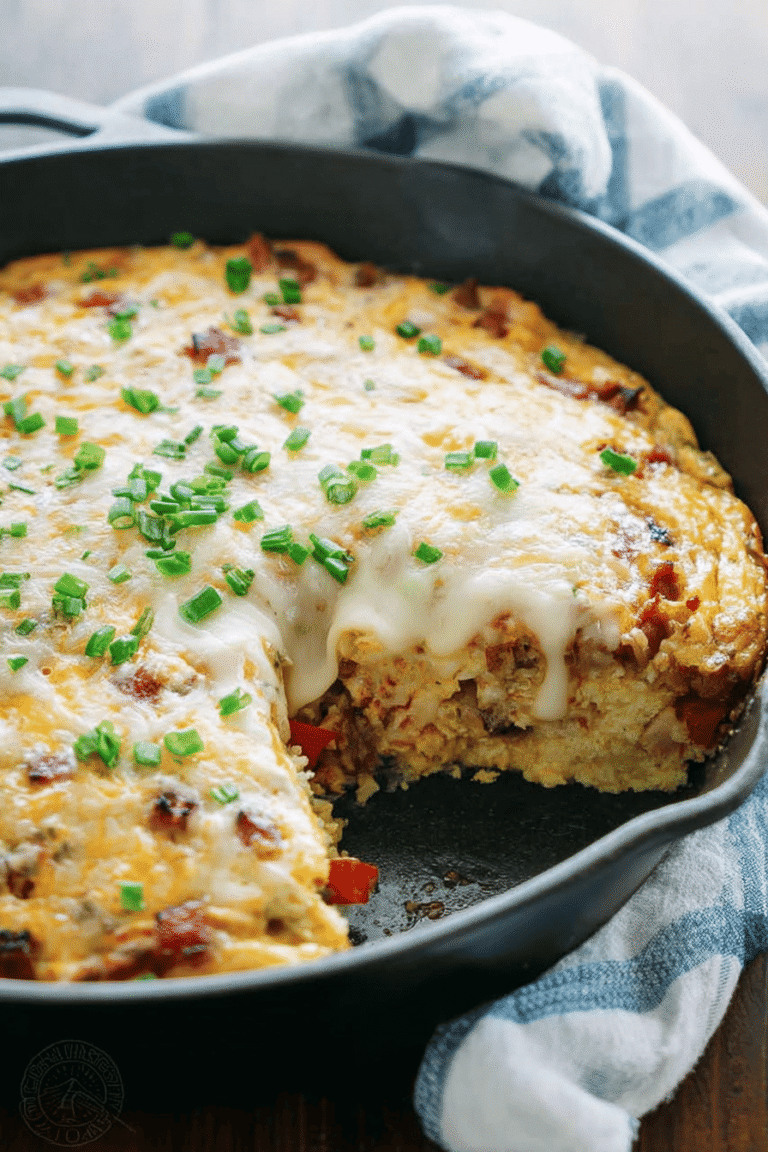
Breakfast Casserole
🍳 Simplify busy mornings with this easy make-ahead breakfast casserole packed with hearty sausage, fresh veggies, and melty cheese.
⏰ Prepare in advance to save time while enjoying a comforting, protein-rich meal that pleases the whole family.
- Total Time: 1 hour 30 minutes
- Yield: 12 servings 1x
Ingredients
4 cups (175g or 6 oz) cubes of crusty bread (such as sourdough or a similar hearty bread)
1 teaspoon olive oil
1 pound ground pork sausage, casings removed
1 teaspoon dried rosemary or Italian seasoning, optional
3/4 cup (100g) chopped yellow onion (about half a large onion)
2 garlic cloves, minced
2 cups (275g or 9 10 oz) chopped bell peppers
1 cup (100g or 3 oz) sliced mushrooms
1 cup (100g or 3 oz) roughly chopped fresh spinach
12 large eggs
1/4 teaspoon salt
1/8 teaspoon freshly ground black pepper
2/3 cup (160ml) milk or half-and-half
1 cup (100g or 3.5 oz) shredded cheddar cheese
Optional garnishes: green onion and/or chopped parsley
Instructions
1-First, grease a 9×13 inch or similar sized oven-safe casserole dish and spread the 4 cups of bread cubes evenly in the bottom. This creates a solid base that absorbs flavors beautifully.
2-Next, heat 1 teaspoon of olive oil in a large skillet over medium heat and add the 1 pound of ground pork sausage along with 1 teaspoon of dried rosemary if you’re using it.
3-Break the sausage into bite-size pieces and cook until almost done, then mix in the 3/4 cup of chopped yellow onion, 2 minced garlic cloves, 2 cups of chopped bell peppers, 1 cup of sliced mushrooms, and 1 cup of roughly chopped fresh spinach. Cook this for about 5 to 6 minutes until everything softens and the sausage is fully cooked.
4-Spread this mixture over the bread cubes in the dish. In a separate bowl, whisk together the 12 large eggs, 1/4 teaspoon salt, 1/8 teaspoon black pepper, 2/3 cup of milk or half-and-half, and 1 cup of shredded cheddar cheese. Pour it evenly over the layers, sprinkle a bit more salt and pepper on top, and cover to refrigerate for at least 30 minutes or up to 24 hours.
5-When it’s time to bake, preheat your oven to 375°F and let the dish sit at room temperature for 10-15 minutes. Bake uncovered for 40 to 45 minutes until golden and set, then cool for 10 minutes before serving. Leftovers store well for up to 5 days, making this a great make-ahead option.
Last Step:
Please leave a rating and comment letting us know how you liked this recipe! This helps our business to thrive and continue providing free, high-quality recipes for you.Notes
🍞 Use slightly stale or toasted crusty bread to absorb moisture effectively; fresh bread can be dried at 300°F for 10 minutes.
🥔 Substitute bread with about 3 cups frozen hash browns or cooked diced potatoes for variation.
🥓 Replace sausage with ground turkey, beef, chicken, bacon (use less), or pre-cooked meats like ham or shredded chicken.
- Prep Time: 20 minutes
- Cook Time: 45 minutes
- Category: Breakfast
- Method: Baking
- Cuisine: American
Nutrition
- Serving Size: 1 serving
- Calories: 212
- Sugar: 3.1 g
- Sodium: 343 mg
- Fat: 12.8 g
- Carbohydrates: 11.2 g
- Protein: 12.5 g
- Cholesterol: 205.4 mg